

The Complete Guide to Running with Knee Support
Picture this: You’re three miles into your morning run when that familiar twinge in your knee stops you dead in your tracks. 🏃♀️ If you’re among the millions of runners dealing with knee pain, you’ve likely wondered whether a knee brace could be your ticket back to pain-free running. The question “are knee braces good for running” has sparked countless debates in running communities, physical therapy clinics, and sports medicine offices worldwide.
Key Takeaways
• Knee braces can be beneficial for running when used appropriately for specific conditions like patellofemoral pain syndrome, arthritis, or previous injuries
• Different types of knee braces serve different purposes – from basic compression sleeves to advanced hinged braces for serious ligament injuries
• Proper fit and selection are crucial for effectiveness and preventing circulation issues or muscle dependency
• Knee braces work best as part of a comprehensive approach that includes proper running form, strength training, and appropriate footwear
• Consult healthcare professionals before starting any knee brace regimen, especially for persistent pain or previous injuries
Understanding Knee Pain in Runners

Running places significant stress on the knee joint, with forces up to three times your body weight hitting your knees with each stride. Common running-related knee issues include:
- Runner’s knee (patellofemoral pain syndrome)
- IT band syndrome
- Meniscus tears
- Arthritis-related pain
- Previous injury complications
The repetitive nature of running can exacerbate existing knee problems or create new ones, especially when combined with factors like improper form, inadequate recovery, or muscle imbalances.
How Knee Braces Work for Runners
Knee braces provide support through several mechanisms:
Compression and Warmth 🔥
- Increases blood flow to the joint
- Reduces swelling and inflammation
- Provides proprioceptive feedback
Stabilization
- Limits excessive movement
- Supports weakened ligaments
- Helps maintain proper tracking of the kneecap
Pain Relief
- Redistributes pressure across the joint
- Reduces stress on damaged tissues
- Provides psychological confidence
Types of Knee Braces for Running
Understanding which type of brace suits your needs is essential when considering whether knee braces are good for running.
Compression Sleeves
Best for: Mild pain, swelling, general support
- Lightweight and breathable
- Provides even compression
- Easy to wear under running clothes
- Most affordable option
Patellofemoral Braces
Best for: Runner’s knee, kneecap tracking issues
- Features a buttress or cutout around the kneecap
- Helps guide proper patellar movement
- Reduces pressure on cartilage
Hinged Knee Braces
Best for: Ligament injuries, severe instability
- Provides maximum support and protection
- May be too bulky for serious runners
- Typically recommended for rehabilitation phases
Unloader Braces
Best for: Arthritis, cartilage damage
- Shifts weight away from damaged areas
- Can be expensive but highly effective
- May require professional fitting
Are Knee Braces Good for Running? The Evidence
Research on knee braces for running shows mixed but generally positive results:
Benefits Supported by Studies:
- Reduced pain in runners with patellofemoral pain syndrome
- Improved confidence and willingness to continue activity
- Better proprioception and joint awareness
- Decreased swelling during and after runs
Potential Drawbacks:
- Muscle dependency with long-term use
- Skin irritation from prolonged wear
- False sense of security leading to overuse
- Possible circulation issues if fitted improperly
A 2019 study in the Journal of Sports Medicine found that 78% of runners with mild to moderate knee pain experienced improvement when using appropriate knee braces combined with proper training modifications.
Choosing the Right Knee Brace for Running
When determining if knee braces are good for running in your specific case, consider these factors:
Your Specific Condition
Different knee problems require different solutions. For guidance on choosing the right knee brace for your specific needs, consider consulting with a healthcare professional.
Severity of Pain
| Pain Level | Recommended Brace Type | Additional Considerations |
|---|---|---|
| Mild | Compression sleeve | May benefit from knee braces for arthritis if age-related |
| Moderate | Patellofemoral or unloader | Consider braces for meniscus tears if applicable |
| Severe | Hinged brace | May need to temporarily avoid running |
Running Goals and Distance
- Casual runners: Simple compression sleeves often sufficient
- Marathon runners: Need lightweight, moisture-wicking options
- Trail runners: May require more robust support
For those wondering about the best knee brace for pain, the answer depends largely on your specific symptoms and running habits.
Proper Fit and Usage Guidelines
Ensuring Proper Fit
A properly fitted knee brace should:
- Feel snug but not restrictive
- Stay in place during movement
- Not cause numbness or tingling
- Allow full range of motion
Learn more about how a knee brace should fit to maximize benefits and minimize risks.
Usage Best Practices
- Start gradually: Begin with short runs to assess comfort
- Monitor skin condition: Watch for irritation or pressure sores
- Maintain hygiene: Clean braces regularly to prevent odor and bacteria
- Don’t ignore pain: Braces should reduce, not mask, significant pain
Safety Considerations
Be aware of potential issues like whether a knee brace can cut off circulation if fitted too tightly.
When NOT to Use Knee Braces for Running
Knee braces aren’t always the answer. Avoid using them if you experience:
- Severe, acute pain requiring immediate medical attention
- Significant swelling that doesn’t respond to rest and ice
- Instability that makes you feel unsafe
- Numbness or tingling in the leg or foot
“A knee brace should enhance your running experience, not become a crutch that prevents you from addressing underlying issues.” – Dr. Sarah Johnson, Sports Medicine Physician
Alternatives and Complementary Approaches
While considering whether knee braces are good for running, don’t overlook these essential strategies:
Strength Training 💪
- Focus on quadriceps, hamstrings, and glutes
- Include hip stabilization exercises
- Perform regular core strengthening
Proper Running Form
- Maintain shorter, quicker strides
- Land with feet under your center of gravity
- Keep slight forward lean from ankles
Recovery Strategies
- Adequate sleep and nutrition
- Regular stretching and foam rolling
- Cross-training activities
Professional Support
- Physical therapy assessment
- Gait analysis
- Custom orthotics if needed
For comprehensive information about whether knee braces really help, consider consulting with a sports medicine professional.
Special Considerations for Different Runner Types
New Runners
- Focus on building strength before relying on braces
- Start with basic compression sleeves if needed
- Prioritize proper form over speed or distance
Returning from Injury
- Work with physical therapists on rehabilitation
- Use braces as part of graduated return-to-running program
- Monitor progress carefully
Older Runners
- May benefit more from knee braces for arthritis
- Consider unloader braces for bone-on-bone conditions
- Balance activity with joint preservation
|
Very Popular Choice
|
|

|
|
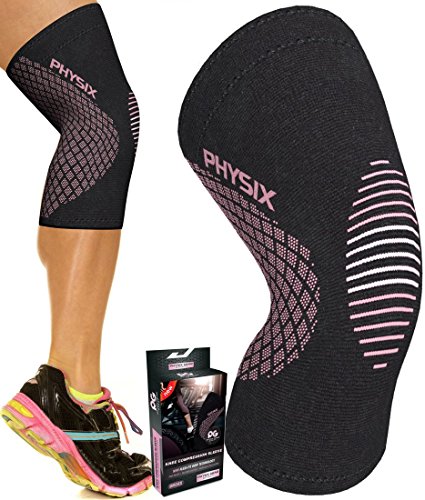
Description: Transform Your Workout Routine: this compression sleeve knee brace provides unmatched support for running, weightlifting, & daily activities. ideal for those who need compression knee sleeves brace. Empower Your Knees: our knee brace for swelling is crafted with high-quality materials to ensure long-lasting durability & comfort; excellent knee sleeves for compression that adapt to your movements, making it perfect for both men & women |
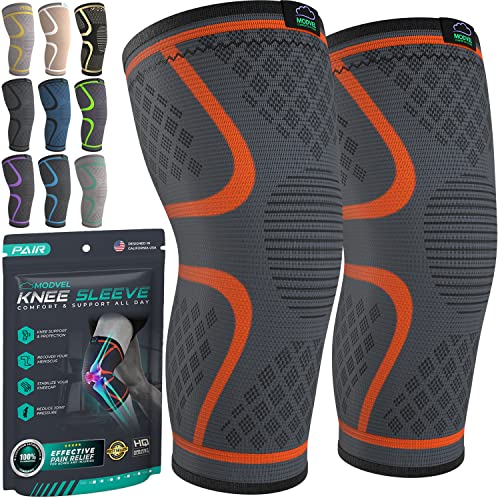
Description: No Pill & Injection Relief: Avert pain, inflammation, and sports injury with our knee braces for knee pain. It offers optimum support. Breathable & Moisture-Wicking: Designed for your active lifestyle, our knee braces for knee pain won't trap sweat! It will keep odors away and stay cool for all-day use |
Description: Knee Brace For Knee Pain Relief & Support: ComfiLife Knee Brace fits left or right knee and helps relieve pain from meniscus tears, sports injuries, tendonitis, arthritis, and more. For Working Out, Running, Weightlifting, and Sports: Whether you're running a half marathon, playing your favorite sport, or just getting through your day, our knee compression brace will help you keep your peak performance! |
|
Our Rating:
4.8
|
Our Rating:
4.4
|
Our Rating:
4.3
|
|
$18.89
|
$25.99
|
$9.95
|
Transform Your Workout Routine: this compression sleeve knee brace provides unmatched support for running, weightlifting, & daily activities. ideal for those who need compression knee sleeves brace.
Empower Your Knees: our knee brace for swelling is crafted with high-quality materials to ensure long-lasting durability & comfort; excellent knee sleeves for compression that adapt to your movements, making it perfect for both men & women
No Pill & Injection Relief: Avert pain, inflammation, and sports injury with our knee braces for knee pain. It offers optimum support.
Breathable & Moisture-Wicking: Designed for your active lifestyle, our knee braces for knee pain won't trap sweat! It will keep odors away and stay cool for all-day use
Knee Brace For Knee Pain Relief & Support: ComfiLife Knee Brace fits left or right knee and helps relieve pain from meniscus tears, sports injuries, tendonitis, arthritis, and more.
For Working Out, Running, Weightlifting, and Sports: Whether you're running a half marathon, playing your favorite sport, or just getting through your day, our knee compression brace will help you keep your peak performance!
Cost Considerations and Value
Knee brace prices vary significantly:
- Basic compression sleeves: $15-$50
- Patellofemoral braces: $30-$100
- Hinged braces: $100-$300
- Custom unloader braces: $300-$800+
Consider the cost against potential benefits like:
- Reduced pain medication needs
- Fewer physical therapy visits
- Continued ability to run and stay active
- Prevention of further injury
Long-term Considerations
Avoiding Dependency
While knee braces can be helpful, avoid becoming overly dependent by:
- Continuing strength training exercises
- Gradually reducing brace use as symptoms improve
- Addressing underlying biomechanical issues
- Regular reassessment of need
When to Upgrade or Change
Replace your knee brace when:
- Material shows significant wear
- Elastic loses compression
- Fit becomes loose or uncomfortable
- Your condition changes significantly
Frequently Asked Questions
Can you wear knee braces all day?
While some people wonder about wearing a knee brace all day, it’s generally better to use them specifically during activities that cause pain.
Do knee braces prevent injuries?
Research on whether knee braces prevent ACL tears shows mixed results, with some benefit for contact sports but limited evidence for running.
Can you sleep with a knee brace?
For information about sleeping with a knee brace, consult your healthcare provider, as this depends on your specific condition.
Making Your Decision: Are Knee Braces Right for Your Running?
To determine if knee braces are good for running in your specific situation, ask yourself:
- What type of knee pain do I have?
- How severe are my symptoms?
- Have I tried other interventions first?
- Am I committed to proper fit and usage?
- Do I have realistic expectations?
Conclusion
So, are knee braces good for running? The answer is yes, but with important caveats. Knee braces can be valuable tools for runners dealing with specific knee issues, providing pain relief, support, and confidence to continue enjoying the sport they love. However, they’re most effective when:
- Properly selected for your specific condition
- Correctly fitted to ensure safety and effectiveness
- Used as part of a comprehensive approach including strength training, proper form, and adequate recovery
- Monitored by healthcare professionals when dealing with significant injuries
Your Next Steps:
- Consult a healthcare provider if you’re experiencing persistent knee pain
- Get properly assessed to identify the root cause of your discomfort
- Try conservative treatments like rest, ice, and strengthening exercises first
- If considering a brace, get professionally fitted and start gradually
- Continue working on underlying issues while using the brace as support
Remember, the best knee brace is one that helps you run comfortably while you address the underlying causes of your knee pain. Don’t let knee discomfort keep you from the joy of running – with the right approach, including potentially using a knee brace, you can get back to logging those miles safely and comfortably. 🏃♂️
For more comprehensive guidance on knee support options, visit JointBrace.net to explore detailed reviews and recommendations for various knee conditions and activity levels.