

Over 54 million adults in the United States experience some form of arm or joint discomfort that affects their daily activities, yet most struggle to find support solutions that work throughout an entire day. The search for an arm brace for all day wear comfort has become increasingly important as more people spend extended hours at computers, perform repetitive tasks, or manage ongoing arm conditions that require consistent support.
Finding the right balance between adequate support and comfortable mobility can transform how people experience their workday, recreational activities, and overall quality of life. The key lies in understanding which types of braces work best for extended wear and how to use them properly without compromising natural movement or circulation.
Key Takeaways
• Proper arm braces can be worn safely all day when correctly fitted and made from breathable materials
• Compression sleeves and flexible wraparound designs offer the best combination of support and comfort for extended wear
• Taking periodic breaks and adjusting fit throughout the day prevents over-reliance and maintains healthy circulation
• Breathable, moisture-wicking materials are essential for preventing skin irritation during long-term use
• Matching support level to activity needs ensures optimal comfort without restricting necessary movement
Why All-Day Arm Support Is Needed
Modern lifestyles place significant demands on our arms and joints. Repetitive tasks such as typing, using tools, or performing assembly work create cumulative stress that builds throughout the day. Without proper support, this stress can lead to fatigue, discomfort, and potentially more serious issues over time.
Long work hours compound these problems. Many professionals spend 8-10 hours daily performing tasks that strain their arms, wrists, and elbows. Office workers face particular challenges with prolonged computer use, while manual laborers deal with heavy lifting and repetitive motions. An arm brace designed for work environments can provide the consistent support needed to maintain comfort and productivity.
Managing ongoing discomfort represents another crucial need for all-day support. People recovering from injuries, dealing with chronic conditions like tendonitis, or experiencing age-related joint changes often benefit from continuous, gentle support that doesn’t interfere with daily activities.
The goal of extended arm support is preventing strain from building up over time. Rather than waiting for discomfort to develop, proactive support helps maintain proper alignment and reduces the cumulative stress that leads to problems. This approach is particularly valuable for people who cannot easily modify their work environment or daily activities.
Can You Wear an Arm Brace All Day?
Yes, you can safely wear an arm brace all day when it’s properly fitted and designed for extended use. The key factors are choosing the right type of brace, ensuring proper fit, and using it correctly to avoid potential issues like reduced circulation or muscle dependency.
Benefits of continuous support during daily activities include consistent pain relief, improved endurance during repetitive tasks, and better maintenance of proper arm positioning. Many people find that all-day support helps them maintain productivity and comfort levels that wouldn’t be possible otherwise.
However, it’s crucial to understand the importance of taking breaks to avoid over-reliance on external support. Even with the most comfortable brace, periodic removal allows for natural movement, circulation, and muscle activation. Most experts recommend removing the brace for 10-15 minutes every few hours, similar to guidelines for wearing knee braces throughout the day.
Balancing support with natural movement ensures that muscles remain active and healthy while still receiving the benefits of external support. The best arm braces for extended wear allow for full range of motion while providing targeted support to stressed areas.
Types of Arm Braces Best for All-Day Comfort
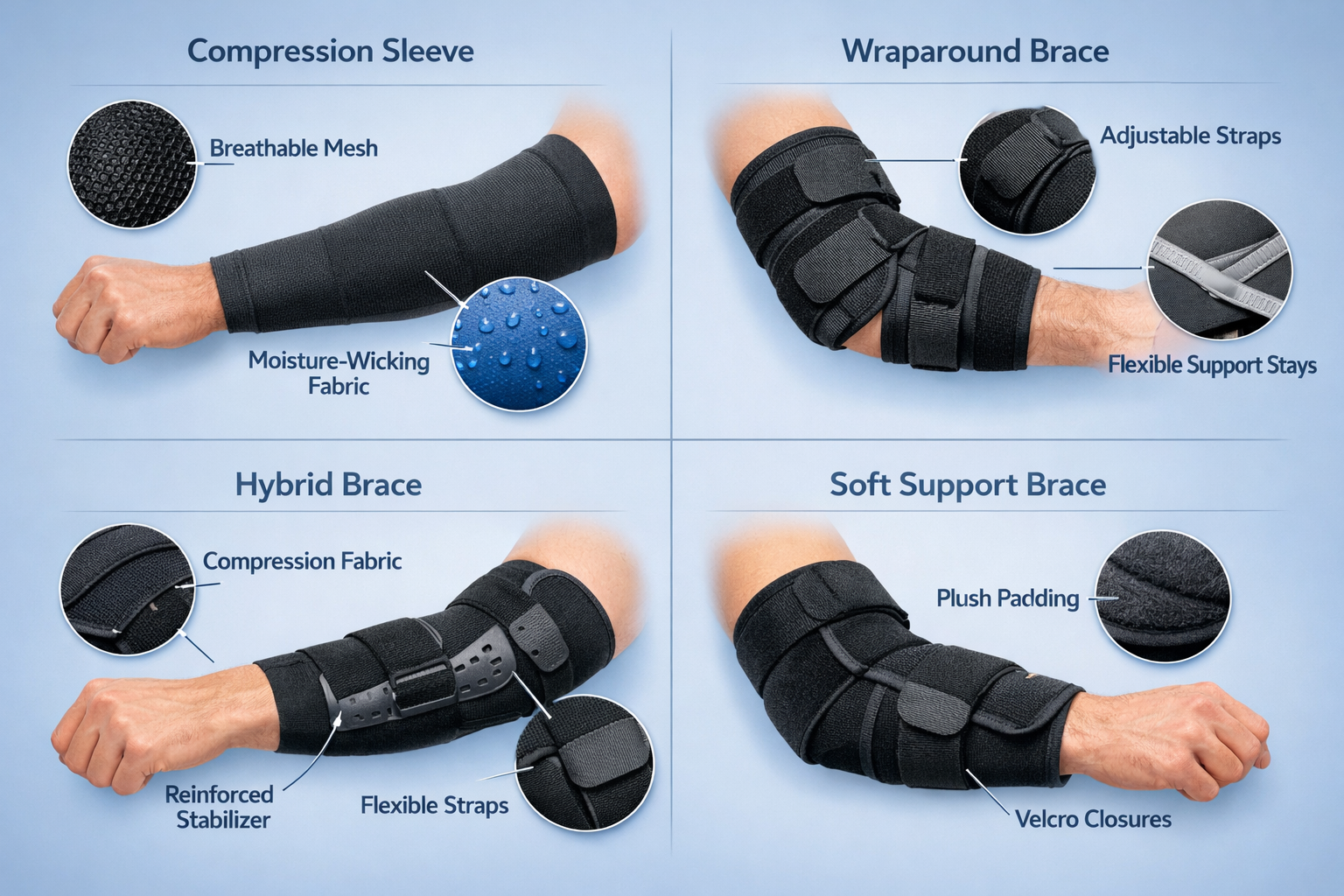
Compression Sleeves
Compression sleeves represent the most popular choice for extended wear due to their lightweight design and breathable construction. These sleeves provide gentle, consistent pressure that improves circulation and reduces swelling while allowing full range of motion.
The lightweight and breathable nature of quality compression sleeves makes them ideal for people who need support but cannot tolerate bulky or restrictive devices. Modern compression sleeves often feature moisture-wicking fabrics that keep skin dry and comfortable throughout long wear periods.
Ideal for extended wear, compression sleeves work well for people with mild to moderate arm discomfort, those performing repetitive tasks, or individuals seeking preventive support during long work days.
Flexible Wraparound Braces
Flexible wraparound braces offer more targeted support than compression sleeves while maintaining comfort for extended use. These braces typically feature adjustable straps that allow users to customize compression levels throughout the day.
The adjustable support without restricting movement makes these braces suitable for people whose support needs change during different activities. Users can tighten the brace during more demanding tasks and loosen it during lighter activities.
Suitable for moderate daily use, wraparound braces work well for people with conditions like tennis elbow, golfer’s elbow, or mild tendonitis who need more support than a compression sleeve provides but want to avoid rigid bracing.
Hybrid Braces
Hybrid braces combine compression with targeted support elements, offering the benefits of both sleeve-style comfort and focused stabilization. These braces often feature compression fabric with strategically placed padding or support structures.
The good balance of comfort and stability makes hybrid braces excellent for people transitioning from injury recovery to normal activities, or those with moderate arm conditions that require both general support and specific stabilization.
Soft Support Braces
Soft support braces are specifically designed for long-term comfort, featuring plush materials and ergonomic designs that minimize pressure points and skin irritation during extended wear.
The minimal bulk for everyday use characteristic of soft support braces makes them suitable for people who need to wear business attire or have jobs requiring professional appearance while still receiving therapeutic support.
What to Look for in the Best Arm Brace for All-Day Wear
Breathable, moisture-wicking materials represent the most critical feature for extended wear comfort. Look for braces made from synthetic blends or natural fibers that allow air circulation and prevent moisture buildup. Materials like neoprene should be avoided for all-day use unless they feature ventilation panels.
Lightweight design for comfort ensures that the brace doesn’t become burdensome during long wear periods. The best braces for extended use typically weigh less than 4 ounces and distribute their weight evenly across the arm.
Flexible support that allows movement is essential for maintaining productivity and preventing stiffness. The brace should provide support without restricting normal arm motion or interfering with daily tasks. This is particularly important for people who need to maintain dexterity for work activities, similar to considerations for arm braces used by gamers who require precise hand movements.
Secure fit that doesn’t slip prevents the need for constant readjustment throughout the day. Look for braces with multiple adjustment points, non-slip materials, or anatomical shaping that conforms to arm contours.
Adjustable compression for changing needs allows users to modify support levels based on activity, time of day, or symptom changes. This feature is particularly valuable for people whose support needs vary throughout their daily routine.
|

|

|
|
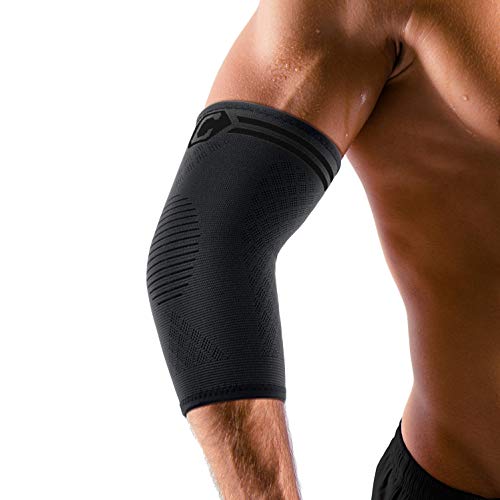
Description: TARGETED PAIN RELIEF & BOOSTED RECOVERY - Engineered with graduated compression, our elbow sleeves apply targeted support to key joint areas to help relieve discomfort associated with tennis elbow, tendonitis, and arthritis. |
Description: GOOD PERFORMANCE - The elbow brace applies even pressure to the elbow joint and elbow muscles, which can relieve tennis elbow, tendonitis, joint inflammation, golfer's elbow and other elbow pains, etc. |
Description: Our elbow brace is great for treating tendonitis, arthritis, sprained bones, strained ligaments, cubital Tunnel,ulnar nerve. Provides optimal support and compression to the elbow joint, reducing pain and preventing further injury during activities |
|
Our Rating:
4.8
|
Our Rating:
4.5
|
Our Rating:
4.4
|
|
$9.99
|
$9.99
|
$7.97
|
TARGETED PAIN RELIEF & BOOSTED RECOVERY - Engineered with graduated compression, our elbow sleeves apply targeted support to key joint areas to help relieve discomfort associated with tennis elbow, tendonitis, and arthritis.
GOOD PERFORMANCE - The elbow brace applies even pressure to the elbow joint and elbow muscles, which can relieve tennis elbow, tendonitis, joint inflammation, golfer's elbow and other elbow pains, etc.
Our elbow brace is great for treating tendonitis, arthritis, sprained bones, strained ligaments, cubital Tunnel,ulnar nerve. Provides optimal support and compression to the elbow joint, reducing pain and preventing further injury during activities
How to Choose the Right Arm Brace for Daily Use
Match support level to your activity level by honestly assessing your daily demands and current symptoms. Light office work may require only compression sleeve support, while manual labor or sports activities might need more substantial bracing.
Prioritize comfort over rigid support when selecting a brace for extended wear. While maximum support might seem beneficial, overly restrictive braces can cause more problems than they solve during long-term use. The goal is sustainable support that improves rather than hinders daily function.
Consider how long you’ll wear it when evaluating different options. Braces designed for short-term use (1-2 hours) often feature different materials and construction than those intended for 8+ hour wear periods.
Ensure proper sizing and fit by carefully measuring your arm according to manufacturer guidelines and considering factors like clothing layers, daily swelling patterns, and personal comfort preferences. An improperly fitted brace can cause more harm than benefit, regardless of its quality.
For people with specific conditions like tendonitis, specialized options such as arm braces designed for tendonitis may provide better targeted support than general-purpose braces.
How to Wear an Arm Brace All Day
Position correctly on the forearm or elbow according to the specific design and your support needs. Most arm braces should be centered over the area of discomfort or strain, with any padding or support elements properly aligned with anatomical structures.
Ensure snug but not tight fit by adjusting straps or compression to provide support without restricting circulation. You should be able to slide one finger under the brace edges, and the brace should not leave deep indentations in your skin.
Adjust throughout the day if needed as normal swelling patterns, activity changes, or comfort requirements dictate. Many people find they need to loosen braces slightly as the day progresses due to natural swelling or increased sensitivity.
Remove periodically to allow circulation and rest by taking 10-15 minute breaks every 2-3 hours. During these breaks, gently move your arm through its full range of motion and check for any signs of irritation or circulation problems.
Similar to guidelines for wearing knee braces for extended periods, the key is finding a sustainable routine that provides benefits without creating new problems.
Benefits of All-Day Arm Brace Use
Reduces fatigue and discomfort by providing consistent support that helps muscles work more efficiently throughout the day. Many users report significantly less end-of-day soreness when using appropriate arm support.
Improves endurance during long tasks by reducing the cumulative stress on arm muscles and joints. This benefit is particularly noticeable for people performing repetitive motions or maintaining static positions for extended periods.
Helps prevent minor strain from worsening by providing early intervention support that addresses problems before they become serious. This preventive approach can save significant time, discomfort, and treatment costs in the long run.
Supports consistent performance by reducing the variability in comfort and function that can occur as fatigue builds throughout the day. Many people find they can maintain higher productivity levels with appropriate arm support.
Additional Tips for All-Day Comfort
Take short breaks to rest the arm even when wearing a supportive brace. These breaks allow for natural movement patterns and help prevent over-reliance on external support. Aim for 2-3 minute movement breaks every hour in addition to longer brace removal periods.
Stretch regularly throughout the day to maintain flexibility and promote circulation. Simple arm circles, wrist flexion/extension, and gentle stretching can be performed even while wearing most braces.
Improve ergonomics in your workspace, tools, and daily activities to reduce the overall demand on your arms. This might include adjusting desk height, using ergonomic tools, or modifying techniques to reduce strain. For people who spend significant time typing, specialized arm braces for typing-related pain can be particularly helpful.
Stay hydrated and maintain overall health to support tissue health and healing. Proper hydration helps maintain tissue elasticity and can reduce inflammation that contributes to arm discomfort.
Common Mistakes to Avoid
Wearing the brace too tightly is one of the most frequent errors that can lead to circulation problems, increased discomfort, or skin irritation. The brace should provide support without creating pressure points or restricting blood flow.
Choosing a brace that restricts movement unnecessarily can lead to stiffness, muscle weakness, or interference with daily activities. Unless specifically prescribed for immobilization, arm braces should allow normal range of motion.
Ignoring discomfort or irritation from the brace itself can lead to skin problems or worsening of underlying conditions. Any persistent discomfort from the brace should be addressed by adjusting fit, trying different products, or consulting healthcare providers.
Relying solely on a brace without adjusting habits that contribute to arm problems limits the potential benefits of support. The most effective approach combines appropriate bracing with ergonomic improvements and activity modifications.
When to Seek Medical Advice
Persistent discomfort despite support may indicate that the underlying problem requires professional evaluation and treatment beyond what bracing alone can provide. If symptoms continue or worsen after several weeks of appropriate brace use, medical consultation is advisable.
Numbness or tingling in the arm, hand, or fingers can indicate nerve compression that requires immediate attention. These symptoms should never be ignored, especially if they occur while wearing a brace.
Reduced mobility or strength that doesn’t improve with rest and support may suggest more serious underlying conditions requiring professional diagnosis and treatment.
Pain interfering with daily activities despite appropriate support indicates the need for comprehensive evaluation and potentially more aggressive treatment approaches.
Frequently Asked Questions
Can you wear an arm brace all day?
Yes, you can safely wear an appropriately designed arm brace all day. The key is choosing a brace made from breathable materials with proper fit and taking periodic breaks to allow circulation and natural movement.
What type of arm brace is best for long wear?
Compression sleeves and flexible wraparound braces typically work best for extended wear due to their lightweight, breathable design and ability to provide support without severely restricting movement.
How tight should an arm brace be?
An arm brace should be snug enough to provide support but not so tight that it restricts circulation or causes discomfort. You should be able to slide one finger under the brace edges comfortably.
Will wearing a brace all day weaken muscles?
When used appropriately, arm braces for extended wear should not significantly weaken muscles. However, it’s important to remove the brace periodically and perform normal arm movements to maintain muscle activity and strength.
Conclusion
Finding the right arm brace for all day wear comfort can significantly improve quality of life for people dealing with arm pain, fatigue, or repetitive strain. The best approach combines selecting an appropriate brace type with proper fitting, regular breaks, and attention to overall ergonomics and health habits.
Compression sleeves and flexible wraparound braces typically offer the best balance of support and comfort for extended wear, while breathable materials and adjustable features ensure sustained comfort throughout long days. Remember that the goal is sustainable support that enhances rather than restricts daily function.
Take action today by assessing your specific needs, measuring your arm properly, and selecting a high-quality brace designed for extended wear. Start with shorter wear periods to ensure comfort and gradually increase duration as you adapt to the support. Most importantly, listen to your body and don’t hesitate to seek professional guidance if symptoms persist or worsen despite appropriate support.
The investment in proper arm support can pay dividends in improved comfort, productivity, and long-term arm health. With the right approach, all-day arm brace wear can become a seamless part of your daily routine that enhances rather than complicates your life.