

Repetitive strain affects 78% of office workers who spend more than six hours daily at computers, yet most people ignore the early warning signs of arm fatigue until it becomes debilitating. The constant clicking, typing, and reaching creates a cascade of muscle tension that can transform productive workdays into painful endurance tests. An arm brace for arm fatigue offers targeted support that can break this cycle before minor discomfort evolves into chronic pain.
Whether you’re a gamer pushing through marathon sessions, an office worker managing endless spreadsheets, or someone whose job demands repetitive arm movements, understanding how to combat fatigue effectively can preserve both your performance and long-term health. The solution isn’t just about powering through the discomfort—it’s about providing strategic support when your muscles need it most.
Key Takeaways
• Arm fatigue develops from overuse and poor ergonomics, causing weakness, aching, and reduced performance during daily activities
• Compression arm braces provide muscle support, improve circulation, and reduce strain during repetitive tasks
• Proper brace selection requires considering material breathability, fit comfort, and flexibility for extended wear
• Combined approach works best—using an arm brace alongside ergonomic improvements, regular breaks, and strengthening exercises
• Early intervention prevents minor fatigue from developing into chronic pain conditions requiring medical treatment
What Is Arm Fatigue?
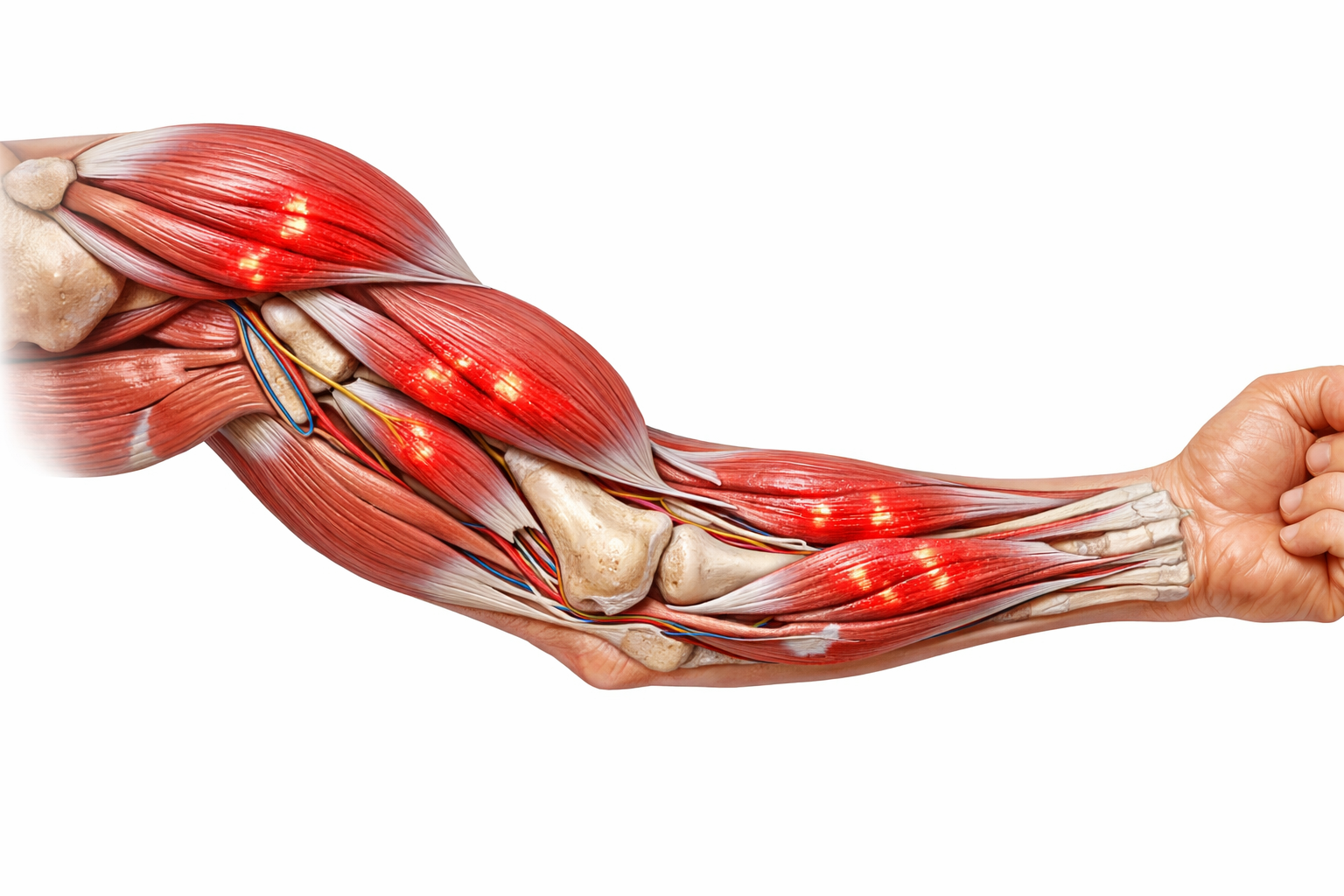
Muscle fatigue in the arm occurs when muscle fibers become temporarily weakened from sustained or repetitive use beyond their normal capacity. Unlike acute injury, arm fatigue develops gradually as muscles exhaust their energy stores and accumulate metabolic byproducts that interfere with normal contraction.
During prolonged activity, muscles consume oxygen and glucose faster than the circulatory system can replenish them. This creates an environment where lactic acid builds up, pH levels drop, and muscle fibers struggle to maintain their normal strength and coordination. The result is that familiar heavy, weak feeling that makes even simple tasks feel more difficult.
Common Symptoms of Arm Fatigue
Recognizing arm fatigue early helps prevent progression to more serious conditions:
Physical Symptoms:
• Aching or heaviness in the forearm, upper arm, or shoulder
• Weak grip strength that makes holding objects difficult
• Reduced endurance during normal activities
• Mild discomfort or tightness in muscles and joints
• Trembling or shakiness when trying to maintain positions
Performance Symptoms:
• Decreased accuracy in fine motor tasks
• Slower reaction times
• Increased effort required for routine movements
• Need for frequent rest breaks
The progression from mild tiredness to significant fatigue typically follows a predictable pattern. Early stages involve subtle weakness that people often dismiss as “just being tired.” However, without intervention, this can advance to persistent discomfort that affects work performance and daily activities.
Common Causes of Arm Fatigue
Understanding what triggers arm fatigue helps identify when an arm brace for arm fatigue might provide the most benefit. Multiple factors often combine to create the perfect storm for muscle exhaustion.
Repetitive Movements
Computer work represents one of the most common culprits in modern arm fatigue. The combination of typing, mouse clicking, and reaching for peripherals creates thousands of small muscle contractions throughout the day. Even though individual movements seem effortless, their cumulative effect overwhelms muscle capacity.
Manual labor involving tools, lifting, or assembly work places obvious demands on arm muscles. However, seemingly light activities like hairstyling, painting, or playing musical instruments can also trigger fatigue through sustained positioning and fine motor control requirements.
Poor Ergonomics and Posture
Workstation setup dramatically influences arm fatigue development. When monitors sit too high or low, keyboards rest at awkward angles, or chairs lack proper armrest support, muscles work harder to maintain functional positions. This constant low-level tension accelerates fatigue onset.
Shoulder and neck positioning affects arm muscle efficiency. Forward head posture and rounded shoulders create mechanical disadvantages that force arm muscles to compensate, leading to premature exhaustion during normal activities.
Inadequate Recovery Time
Continuous activity without breaks prevents muscles from clearing metabolic waste and replenishing energy stores. Many people work through early fatigue signs, thinking they can push through, but this approach typically backfires by extending recovery time needed later.
Sleep quality and overall health status influence how quickly muscles recover between activity sessions. Poor sleep, dehydration, or nutritional deficiencies can leave muscles starting each day already compromised.
Can an Arm Brace Help With Arm Fatigue?
An arm brace for arm fatigue works through multiple mechanisms that address the underlying factors contributing to muscle exhaustion. While not a cure-all solution, properly selected and used arm braces can provide meaningful relief for many people experiencing regular fatigue.
Muscle Support and Load Distribution
Compression support helps stabilize muscles and reduces the micro-vibrations that occur during repetitive movements. This stabilization allows muscles to work more efficiently by maintaining better alignment and reducing energy waste on unnecessary stabilization efforts.
External support can partially offload some of the work that fatigued muscles would otherwise need to perform. This doesn’t mean the brace does the work for you, but rather provides assistance that allows muscles to function closer to their optimal capacity for longer periods.
Improved Circulation
Graduated compression in quality arm braces promotes better blood flow through the supported area. Enhanced circulation helps deliver fresh oxygen and nutrients to working muscles while more efficiently removing metabolic waste products that contribute to fatigue sensations.
Temperature regulation provided by compression can help maintain optimal muscle temperature for performance. Muscles that stay within their preferred temperature range tend to fatigue more slowly and recover more quickly.
Proprioceptive Benefits
Body awareness improvement is an often-overlooked benefit of arm braces. The gentle pressure and support help users become more conscious of their arm positioning and movement patterns, potentially leading to better ergonomic habits that reduce fatigue development.
Similar to how knee braces provide support and stability for lower extremity issues, arm braces offer targeted assistance for upper extremity fatigue management.
Types of Arm Braces for Arm Fatigue
Different arm brace for arm fatigue designs target specific aspects of fatigue management. Choosing the right type depends on your particular symptoms, activities, and comfort preferences.
Compression Sleeves
Full-arm compression sleeves provide uniform support from wrist to upper arm, making them ideal for general fatigue management during extended activities. These sleeves work particularly well for:
• Gaming sessions lasting several hours
• Office work with mixed typing and mouse use
• Light manual labor requiring sustained arm positioning
• Recovery periods after intense arm use
Material considerations for compression sleeves include moisture-wicking fabrics that prevent skin irritation during extended wear. Look for seamless construction that won’t create pressure points during long use periods.
Elbow Straps and Targeted Braces
Counterforce straps around the elbow area can help when fatigue concentrates in specific regions, particularly if repetitive gripping or wrist movements contribute to the problem. These work by:
• Redistributing forces away from overworked tendons
• Providing focal compression to problem areas
• Maintaining mobility while offering targeted support
Tennis elbow straps and similar designs can be effective for fatigue related to repetitive gripping activities, even when classic tennis elbow symptoms aren’t present.
Wraparound and Adjustable Braces
Adjustable wraparound designs offer the most customization for varying fatigue levels throughout the day. These braces allow users to:
• Modify compression levels as fatigue changes
• Target specific areas that need more support
• Accommodate swelling that might occur with fatigue
Combination braces that include both compression and targeted support elements can address multiple fatigue factors simultaneously.
Just as choosing the right knee brace requires considering specific needs and activities, selecting an arm brace involves matching design features to your particular fatigue patterns.
Benefits of Using an Arm Brace
The advantages of using an arm brace for arm fatigue extend beyond simple comfort improvement. When used appropriately, these devices can provide both immediate relief and longer-term benefits for people dealing with regular arm fatigue.
Immediate Performance Benefits
Reduced muscle strain during activities allows users to maintain better performance for longer periods. Many people report being able to work or engage in activities for extended times without the usual fatigue progression that would normally force breaks or reduced intensity.
Improved comfort during repetitive tasks can help maintain focus and accuracy. When muscles aren’t fighting fatigue, fine motor control and precision tend to remain more stable throughout activity sessions.
Enhanced endurance often becomes noticeable within the first few uses of a properly fitted arm brace. Users frequently report being surprised at how much longer they can maintain activities before experiencing their usual fatigue symptoms.
Recovery and Prevention Benefits
Faster recovery between activity sessions can help break the cycle where each day starts with residual fatigue from the previous day’s activities. Better recovery means starting each session with muscles closer to their optimal capacity.
Reduced cumulative stress on arm muscles may help prevent the progression from simple fatigue to more serious overuse conditions. Early intervention with supportive devices can be much more effective than trying to address problems after they become established.
Better sleep quality sometimes improves when daily arm discomfort decreases. Less pain and tension can lead to more restful sleep, which further supports muscle recovery and overall fatigue management.
Long-term Health Benefits
Injury prevention represents one of the most important potential benefits. Fatigued muscles are more susceptible to strains and other injuries. By managing fatigue effectively, users may reduce their risk of developing more serious problems that could require medical intervention.
Improved work sustainability helps people maintain their ability to perform job-related tasks without progressive deterioration. This can be particularly important for people whose careers depend on sustained arm function.
How to Choose the Best Arm Brace for Fatigue
Selecting an effective arm brace for arm fatigue requires considering multiple factors that influence both comfort and effectiveness. The wrong choice can provide little benefit or even create new problems, while the right selection can provide significant relief.
Material and Breathability Considerations
Fabric selection plays a crucial role in long-term comfort and effectiveness. Look for materials that offer:
• Moisture-wicking properties to prevent skin irritation during extended wear
• Breathable construction that allows air circulation
• Antimicrobial treatments to reduce odor and bacterial growth
• Durable materials that maintain compression and support over time
Neoprene alternatives like bamboo fiber blends or advanced synthetic materials often provide better comfort for all-day wear compared to traditional rubber-based materials that can trap heat and moisture.
Fit and Sizing Guidelines
Proper measurement is essential for effectiveness. Most arm braces require measurements at multiple points:
• Wrist circumference at the smallest point
• Forearm circumference at the largest point
• Upper arm circumference at the largest point
• Arm length from wrist to shoulder for full-coverage designs
Sizing charts vary between manufacturers, so always check specific measurements rather than assuming your usual clothing size will translate directly to brace sizing.
Design Features for Extended Wear
Seamless construction or flat-seam designs reduce pressure points that can become uncomfortable during long wear periods. Graduated compression that’s tighter at the extremities and gradually decreases toward the core typically provides better circulation benefits than uniform compression.
Adjustability features like velcro straps or elastic panels allow fine-tuning of fit and compression levels throughout the day as fatigue levels change.
The process of selecting supportive devices shares similarities with choosing knee braces for pain relief, where proper fit and appropriate design features are crucial for achieving desired outcomes.

|
|

|
|
Our Rating:
4.5
|
Our Rating:
4.4
|
Our Rating:
4.9
|
|
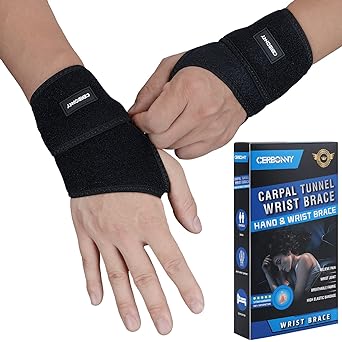
Description: A removable wrist splint and two fixed plastic splints provide a high level of wrist support. Limits unconscious bending or twisting of the wrist during sleep, avoiding aggravation of inflammation or nerve compression due to improper posture |
Description: Wrist bracers can be adjusted according to their comfort level, our wrist band can ensure stability, not easy to fall off, wearing it our hand support is very comfortable. High quality soft breathable fabric, |
Description: Maximum Pain Relief: Our wrist support braces are designed to help you relieve the pain and get the support you need for all-day and all-night comfort. Commonly used by people suffering from carpal tunnel syndrome, tendinitis, arthritis, wrist sprains, strains, etc. |
|
$13.99
|
$15.95
|
$28.49
|
A removable wrist splint and two fixed plastic splints provide a high level of wrist support. Limits unconscious bending or twisting of the wrist during sleep, avoiding aggravation of inflammation or nerve compression due to improper posture
Wrist bracers can be adjusted according to their comfort level, our wrist band can ensure stability, not easy to fall off, wearing it our hand support is very comfortable. High quality soft breathable fabric,
Maximum Pain Relief: Our wrist support braces are designed to help you relieve the pain and get the support you need for all-day and all-night comfort. Commonly used by people suffering from carpal tunnel syndrome, tendinitis, arthritis, wrist sprains, strains, etc.
How to Use an Arm Brace Effectively
Maximizing the benefits of an arm brace for arm fatigue requires proper application, timing, and realistic expectations about what the device can and cannot accomplish.
Timing and Duration Guidelines
Pre-activity application often provides better results than waiting until fatigue develops. Putting on the brace before starting activities that typically cause fatigue can help prevent the problem rather than just treating it after it occurs.
Activity-specific use tends to be more effective than all-day wear for most people. Wearing the brace during problematic activities while allowing normal movement during other times helps prevent muscle dependence while providing support when needed most.
Break scheduling should continue even when wearing a brace. The support device supplements good habits but doesn’t replace the need for regular rest periods and movement variation.
Proper Placement and Adjustment
Positioning guidelines vary by brace type, but general principles include:
• Smooth, wrinkle-free application to prevent pressure points
• Proper alignment with anatomical landmarks
• Appropriate tension that provides support without restricting circulation
• Regular position checks to ensure the brace hasn’t shifted during use
Circulation monitoring is important, especially during initial use. Signs of excessive tightness include numbness, tingling, color changes, or increased swelling.
Integration with Other Strategies
Ergonomic improvements should accompany brace use for optimal results. The brace provides support while environmental modifications address root causes of fatigue development.
Exercise and stretching programs can complement brace use by improving overall muscle strength and flexibility. Stronger, more flexible muscles tend to fatigue more slowly and recover more quickly.
Activity modification may still be necessary even with brace support. The goal is sustainable long-term function, which sometimes requires adjusting expectations about activity intensity or duration.
Additional Ways to Reduce Arm Fatigue
While an arm brace for arm fatigue can provide valuable support, comprehensive fatigue management typically requires a multi-faceted approach that addresses various contributing factors.
Ergonomic Improvements
Workstation optimization represents one of the most important interventions for people experiencing regular arm fatigue. Key adjustments include:
• Monitor positioning at eye level to reduce neck strain that affects arm positioning
• Keyboard and mouse placement that allows neutral wrist and arm positions
• Chair height and armrest adjustment to support arms without elevating shoulders
• Document holders to reduce reaching and awkward positioning
Tool modifications can reduce the physical demands of work activities. Ergonomic keyboards, vertical mice, and lightweight tools can significantly decrease the muscle effort required for routine tasks.
Exercise and Strengthening
Targeted strengthening exercises help build the endurance capacity of arm muscles, making them more resistant to fatigue during normal activities. Focus areas include:
• Grip strength exercises using stress balls or grip trainers
• Forearm strengthening with wrist curls and reverse curls
• Shoulder stabilization exercises to improve overall arm mechanics
• Postural muscles that support proper arm positioning
Stretching routines help maintain muscle flexibility and reduce tension that can accelerate fatigue development. Regular stretching of the chest, shoulders, and arms can improve overall function.
Lifestyle Factors
Hydration maintenance supports optimal muscle function and recovery. Dehydrated muscles fatigue more quickly and recover more slowly than properly hydrated ones.
Sleep quality directly impacts muscle recovery and fatigue resistance. Poor sleep leaves muscles starting each day already compromised, making fatigue development more likely.
Stress management can reduce overall muscle tension that contributes to fatigue. Chronic stress often manifests as increased muscle tension, particularly in the neck and shoulders, which affects arm function.
Nutrition considerations include ensuring adequate protein for muscle recovery and maintaining stable blood sugar levels that support sustained muscle function.
Common Mistakes to Avoid
Understanding what doesn’t work can be as important as knowing what does when managing arm fatigue. Several common mistakes can actually worsen fatigue or delay recovery.
Ignoring Early Warning Signs
“Pushing through” mild fatigue often leads to more severe problems that take longer to resolve. Early intervention with rest, ergonomic adjustments, or supportive devices like an arm brace for arm fatigue is typically more effective than waiting until symptoms become severe.
Dismissing symptoms as “just part of the job” prevents people from taking action that could prevent progression to more serious conditions. What starts as mild fatigue can evolve into chronic pain conditions that significantly impact quality of life.
Over-reliance on Supportive Devices
Using braces as a substitute for proper ergonomics and good habits can lead to muscle weakness over time. The goal should be using support to facilitate better function, not to enable continued poor practices.
Wearing braces too tightly or for excessive durations can actually impair circulation and muscle function. Like concerns about knee braces affecting circulation, arm braces must be used appropriately to avoid complications.
Inadequate Recovery Planning
Skipping rest breaks even when using supportive devices prevents muscles from recovering adequately. Braces can extend endurance, but they don’t eliminate the need for regular rest periods.
Inconsistent application of fatigue management strategies reduces their effectiveness. Sporadic use of braces, irregular break schedules, or inconsistent ergonomic practices make it difficult to achieve sustained improvement.
Unrealistic Expectations
Expecting immediate complete relief can lead to disappointment and abandonment of helpful strategies. Most fatigue management approaches require consistent application over time to achieve optimal results.
Ignoring underlying health issues that might contribute to fatigue can limit the effectiveness of external interventions. Conditions like diabetes, thyroid disorders, or vitamin deficiencies can affect muscle function and recovery.
When to Seek Medical Advice
While an arm brace for arm fatigue and self-management strategies help many people, certain situations warrant professional medical evaluation to rule out more serious conditions or underlying health issues.
Red Flag Symptoms
Persistent pain that doesn’t improve with rest and conservative measures may indicate underlying injury or medical conditions that require professional treatment. Pain that worsens over time despite intervention efforts particularly warrants evaluation.
Numbness or tingling in the hands or arms could suggest nerve compression or other neurological issues that need medical assessment. These symptoms can indicate conditions like carpal tunnel syndrome or cervical radiculopathy that may require specific treatment approaches.
Weakness affecting daily activities beyond normal fatigue suggests possible underlying muscle or nerve problems. If simple tasks like opening jars, lifting objects, or maintaining grip become difficult, medical evaluation is appropriate.
Progressive Symptoms
Symptoms spreading to other areas or affecting both arms when only one was previously involved may indicate systemic issues or progressive conditions that need professional management.
Sleep disruption from arm pain or discomfort suggests symptom severity that warrants medical attention. Pain that interferes with sleep can significantly impact recovery and overall health.
Work performance impact that doesn’t improve with reasonable accommodations and conservative measures may require medical documentation for workplace modifications or treatment recommendations.
Underlying Health Considerations
Chronic health conditions like diabetes, rheumatoid arthritis, or thyroid disorders can affect muscle function and recovery. People with these conditions may need medical guidance to optimize fatigue management strategies.
Medication effects can sometimes contribute to muscle fatigue or weakness. Medical review can help determine if medication adjustments might improve symptoms.
The approach to seeking medical care for arm issues parallels considerations for when knee problems require professional evaluation, where persistent or progressive symptoms warrant professional assessment.
Conclusion
An arm brace for arm fatigue can be a valuable tool in managing the muscle exhaustion that affects millions of people engaged in repetitive work, gaming, or other sustained arm activities. However, the most effective approach combines supportive devices with comprehensive fatigue management strategies that address root causes rather than just symptoms.
The key to success lies in early intervention and consistent application of multiple strategies. Using an arm brace during problematic activities, combined with ergonomic improvements, regular breaks, and appropriate exercise, provides the best foundation for long-term fatigue management. Remember that what works varies between individuals, so some experimentation may be needed to find the optimal combination of interventions.
Take action today by evaluating your current arm fatigue patterns and identifying which contributing factors you can address. Start with simple changes like improving your workstation ergonomics and taking regular breaks, then consider adding an arm brace if fatigue persists during specific activities. Most importantly, don’t wait until minor fatigue becomes a major problem—early intervention is almost always more effective than trying to address established chronic conditions.
For persistent or worsening symptoms that don’t respond to conservative measures, don’t hesitate to seek professional medical evaluation. Your arms are essential for countless daily activities, and protecting their long-term health is worth the investment in proper care and support.