

Nearly 60% of office workers experience arm fatigue by midday, yet most continue pushing through the discomfort without seeking relief. This widespread issue affects millions of people who perform repetitive tasks, from computer work to manual labor, leading to decreased productivity and potential long-term injury.
An arm brace for arm fatigue offers a practical solution for those struggling with tired, aching arms during daily activities. These supportive devices can help reduce muscle strain, improve endurance, and keep you comfortable throughout long work sessions or physical tasks.
This comprehensive guide explores everything you need to know about using arm braces to combat fatigue, including the causes of arm tiredness, how braces provide relief, different types available, and additional strategies to maintain arm health and stamina.
Key Takeaways
• Arm fatigue results from muscle overuse during repetitive activities and can lead to reduced performance and injury risk
• Compression arm braces provide gentle support that may improve circulation and reduce muscle strain during extended activities
• Proper brace selection depends on your specific activities, comfort needs, and the level of support required
• Combined approach works best – using an arm brace alongside rest, stretching, and ergonomic improvements
• Early intervention with supportive devices helps prevent minor fatigue from developing into serious repetitive strain injuries
What Is Arm Fatigue?
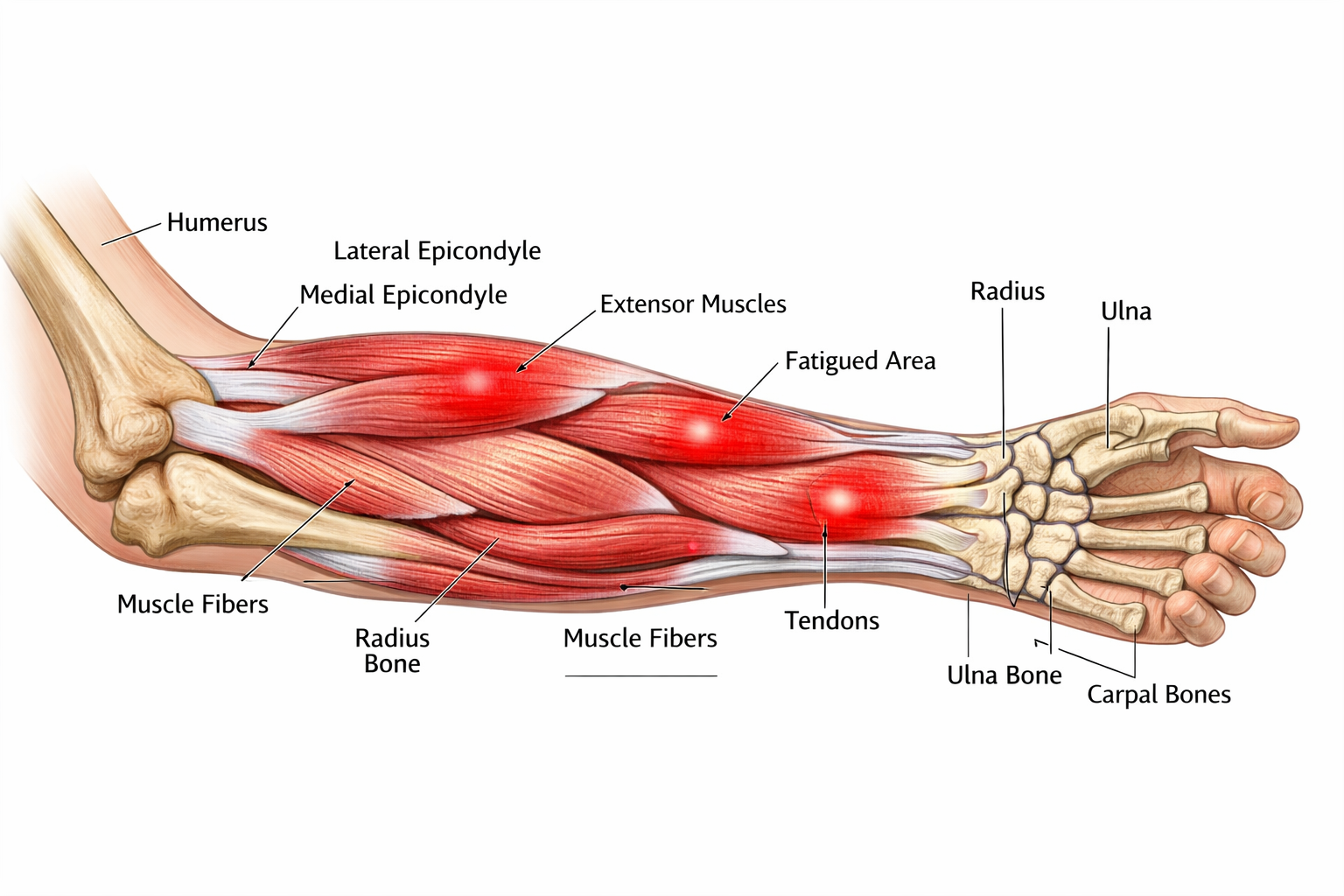
Arm fatigue occurs when the muscles in your arms become tired and weakened due to prolonged or repetitive use. This condition develops when muscle fibers exhaust their energy stores and accumulate metabolic waste products, leading to decreased strength and endurance.
During normal muscle activity, your arm muscles contract and relax in a coordinated pattern. However, when these muscles work continuously without adequate rest, they begin to lose their ability to generate force effectively. This process affects the entire arm, from the shoulder down to the fingers.
Common Symptoms of Arm Fatigue
Recognizing arm fatigue early helps prevent more serious complications. Watch for these warning signs:
Physical Symptoms:
- Aching or heaviness in the arms
- Reduced grip strength and dexterity
- Muscle stiffness or soreness
- Trembling or shakiness
- Decreased coordination
Performance Symptoms:
- Difficulty maintaining usual work pace
- Increased errors in fine motor tasks
- Need for frequent breaks
- Reduced endurance during activities
Progressive Symptoms:
- Pain that persists after activity stops
- Weakness that affects daily tasks
- Numbness or tingling sensations
- Sleep disruption due to discomfort
Why Arm Fatigue Matters
Ignoring arm fatigue can lead to more serious conditions. When muscles remain chronically fatigued, they become more susceptible to injury. The body may also compensate by altering movement patterns, potentially causing problems in other areas like the neck, shoulders, or back.
Early intervention with supportive measures, including an arm brace for arm fatigue, can help prevent these complications and maintain your ability to perform daily activities comfortably.
Common Causes of Arm Fatigue
Understanding what triggers arm fatigue helps you identify risk factors and take preventive action. Multiple factors often combine to create the perfect storm for muscle exhaustion.
Repetitive Motion Activities
Computer Work and Typing
Extended keyboard and mouse use places continuous strain on forearm muscles. The small, repetitive movements required for typing can quickly exhaust the intricate muscle groups that control finger and wrist movement.
Manual Labor Tasks
Jobs involving repetitive lifting, hammering, or tool use create sustained muscle contractions. Construction workers, mechanics, and assembly line workers frequently experience arm fatigue from these demanding activities.
Sports and Exercise
Athletes in sports requiring repetitive arm movements – like tennis, swimming, or weightlifting – often develop fatigue from overtraining or inadequate recovery between sessions.
Workplace and Environmental Factors
Poor Ergonomics
Workstations that force awkward arm positions increase muscle strain. When your arms must work against gravity or maintain unnatural postures, fatigue develops much faster than during properly supported activities.
Extended Activity Duration
Any activity performed for hours without breaks can lead to fatigue, even if the individual movements aren’t particularly strenuous. Duration often matters more than intensity when it comes to muscle exhaustion.
Inadequate Recovery Time
Muscles need time to replenish energy stores and clear metabolic waste. Without sufficient rest between demanding activities, fatigue accumulates and performance declines.
Individual Risk Factors
Muscle Conditioning
People with less developed arm strength tire more quickly during physical tasks. However, even well-conditioned individuals can experience fatigue when activities exceed their usual training demands.
Age and Health Status
As we age, muscles may fatigue more easily due to changes in muscle fiber composition and circulation. Certain health conditions can also affect muscle endurance and recovery.
Hydration and Nutrition
Dehydrated muscles fatigue faster, and inadequate nutrition can impair the body’s ability to fuel sustained muscle activity.
For those dealing with work-related arm strain, our guide on arm braces for warehouse workers provides specific strategies for physically demanding jobs.
Can an Arm Brace Help With Arm Fatigue?
Many people wonder whether an arm brace for arm fatigue can actually provide meaningful relief. The answer depends on understanding how these devices work and what they can realistically accomplish.
How Arm Braces Address Fatigue
Muscle Support and Stabilization
Arm braces provide external support that can reduce the workload on tired muscles. By offering stability around joints and muscle groups, braces allow your natural muscles to work more efficiently and with less strain.
Compression Benefits
Many arm braces incorporate compression technology that may improve blood circulation in the supported area. Better circulation can help deliver oxygen and nutrients to working muscles while removing metabolic waste products that contribute to fatigue.
Movement Optimization
A well-designed brace can help maintain proper arm alignment during activities, reducing inefficient movement patterns that waste energy and accelerate fatigue onset.
What Arm Braces Can and Cannot Do
Realistic Expectations:
✅ Provide supportive compression during activities
✅ Help maintain proper arm positioning
✅ Reduce strain on specific muscle groups
✅ Improve comfort during extended tasks
✅ Support recovery between activity sessions
Limitations to Consider:
❌ Cannot eliminate fatigue from overuse
❌ Won’t replace the need for rest and recovery
❌ May not address underlying ergonomic problems
❌ Cannot strengthen weak muscles on their own
Evidence for Effectiveness
Research on compression garments suggests they may help reduce muscle oscillation and improve proprioception (body awareness), both of which can contribute to reduced fatigue during activities. However, individual results vary significantly based on the type of fatigue, activity level, and brace design.
Best Results Occur When:
- The brace fits properly and comfortably
- It’s used as part of a comprehensive approach
- Activities are modified to reduce excessive strain
- Adequate rest and recovery are maintained
For individuals experiencing repetitive motion pain, targeted bracing can be particularly beneficial when combined with activity modification.
Types of Arm Braces for Arm Fatigue
Selecting the right arm brace for arm fatigue requires understanding the different options available and their specific benefits. Each type offers unique advantages depending on your needs and activities.
Compression Sleeves
Design and Function
Compression sleeves provide graduated pressure along the entire arm or forearm. Made from elastic materials, they offer consistent support without restricting natural movement patterns.
Key Benefits:
- Even pressure distribution
- Lightweight and breathable
- Suitable for all-day wear
- Easy to put on and remove
- Minimal bulk under clothing
Best For:
- Office workers with computer-related fatigue
- Athletes during training or competition
- People who need discreet, continuous support
- Those with mild to moderate fatigue symptoms
Elbow Straps and Bands
Targeted Support
These braces focus on the elbow area, where many arm fatigue issues originate. They typically feature a padded strap that applies pressure to specific tendons or muscle groups.
Advantages:
- Precise pressure application
- Minimal interference with movement
- Cost-effective option
- Easy to adjust throughout the day
Ideal Applications:
- Tennis elbow or golfer’s elbow symptoms
- Fatigue related to gripping activities
- Computer mouse use strain
- Light manual labor tasks
Wraparound Arm Braces
Adjustable Design
These braces use velcro or similar fastening systems to provide customizable support levels. They often combine compression with targeted padding or support elements.
Features:
- Adjustable compression levels
- Removable padding options
- Secure fit that stays in place
- Can accommodate swelling changes
Suitable For:
- Moderate arm fatigue requiring variable support
- Activities with changing intensity levels
- People who need different support throughout the day
- Those recovering from minor arm injuries
Hybrid Support Systems
Comprehensive Approach
Advanced arm braces combine multiple support technologies, such as compression fabric with rigid supports, heat therapy elements, or massage features.
Advanced Features:
- Multiple support mechanisms
- Temperature regulation properties
- Moisture-wicking materials
- Ergonomic design elements
Best Applications:
- Severe or chronic arm fatigue
- Professional athletes or workers
- People with multiple arm-related issues
- Those seeking maximum support options
Specialized Occupational Braces
Certain professions have unique arm fatigue challenges that require specialized solutions. For example, painters often need specific support for overhead work, while hairstylists require different considerations for repetitive cutting and styling motions.
What to Look for in the Best Arm Brace
Choosing an effective arm brace for arm fatigue requires careful consideration of several key factors. The right brace should enhance your comfort and performance without creating new problems.
Material Quality and Breathability
Fabric Considerations
Look for moisture-wicking materials that keep your skin dry during extended wear. Breathable fabrics prevent heat buildup and reduce the risk of skin irritation, especially important for all-day use.
Durability Factors:
- Reinforced stitching at stress points
- Colorfast materials that won’t fade or run
- Easy-care fabrics that maintain shape after washing
- Hypoallergenic materials for sensitive skin
Fit and Sizing
Proper Measurement
An ill-fitting brace can worsen fatigue rather than relieve it. Measure your arm at multiple points according to manufacturer guidelines, and consider how your arm size might change throughout the day due to activity or swelling.
Adjustability Features:
- Multiple adjustment points for custom fit
- Gradual compression zones rather than tight spots
- Accommodation for natural arm shape variations
- Room for minor size fluctuations
Comfort for Extended Wear
Design Elements:
- Smooth seams that won’t chafe
- Soft edges that don’t dig into skin
- Lightweight construction that doesn’t add bulk
- Low-profile design that works under clothing
Movement Freedom
The brace should support your arm without restricting natural movement patterns. Test the brace through your typical range of motion to ensure it doesn’t bind or create pressure points.
Support Level Matching
Activity-Appropriate Support:
- Light compression for mild fatigue and prevention
- Moderate support for noticeable fatigue symptoms
- Firm support for significant fatigue or recovery
- Variable support options for changing needs
Value and Warranty Considerations
Cost-Effectiveness:
While price shouldn’t be the only factor, consider the brace’s expected lifespan and effectiveness. A slightly more expensive brace that lasts longer and works better often provides better value than cheaper alternatives.
Manufacturer Support:
- Clear sizing guidelines and fit guarantees
- Responsive customer service for questions
- Reasonable return or exchange policies
- Care instructions for maintaining the brace
For those dealing with chronic arm pain, investing in a higher-quality brace often provides better long-term results and comfort.
How to Choose the Right Arm Brace
Selecting the most suitable arm brace for arm fatigue involves matching the device to your specific needs, activities, and comfort preferences. This decision-making process helps ensure you get the maximum benefit from your investment.
Assess Your Activity Level
Daily Activity Analysis
Consider when and how your arm fatigue occurs. Do you experience tiredness during specific tasks, or does it build gradually throughout the day? Understanding your fatigue patterns helps determine the type and level of support needed.
Activity Categories:
- Light Activities: Computer work, reading, light household tasks
- Moderate Activities: Gardening, cooking, light exercise
- Heavy Activities: Manual labor, intense sports, repetitive industrial work
Consider Wear Duration
All-Day Support Needs
If you need support throughout your workday, prioritize comfort and breathability over maximum support levels. A brace that becomes uncomfortable after a few hours won’t provide the consistent relief you need.
Intermittent Use
For activities that cause fatigue only during specific tasks, you might choose a more supportive brace that you wear just during those activities, then remove for comfort.
Match Support Level to Symptoms
Mild Fatigue Indicators:
- Occasional tiredness during long activities
- Slight reduction in endurance
- Minimal impact on daily tasks
Recommended: Light compression sleeves or preventive supports
Moderate Fatigue Symptoms:
- Regular tiredness during normal activities
- Noticeable strength reduction
- Need for frequent breaks
Recommended: Adjustable wraparound braces or targeted elbow supports
Significant Fatigue Issues:
- Persistent weakness affecting daily tasks
- Pain accompanying fatigue
- Interference with sleep or rest
Recommended: Comprehensive support systems, possibly with medical consultation
Size and Fit Verification
Measurement Protocol:
- Measure your arm when it’s at normal size (not swollen from activity)
- Take measurements at multiple points as specified by manufacturer
- Consider both arms if fatigue affects both sides
- Account for clothing layers if you’ll wear the brace over sleeves
Fit Testing:
- Ensure the brace doesn’t shift during normal movements
- Check that compression feels supportive, not restrictive
- Verify that circulation isn’t impaired (no numbness or tingling)
- Confirm comfort during your typical activities
Budget and Quality Balance
Investment Considerations:
A quality arm brace is an investment in your comfort and productivity. While expensive doesn’t always mean better, extremely cheap braces often lack the materials and construction needed for effective, durable support.
Cost-Benefit Analysis:
- Calculate the cost per day of use over the brace’s expected lifespan
- Consider potential savings from improved productivity and comfort
- Factor in the cost of replacing a cheap brace that wears out quickly
For professionals like delivery drivers who rely on their arms for work, choosing the right brace becomes even more critical for maintaining job performance and preventing injury.
How to Use an Arm Brace Effectively
Getting the most benefit from your arm brace for arm fatigue requires proper application, timing, and realistic expectations. Following best practices ensures optimal support while avoiding potential complications.
Proper Application Techniques
Pre-Application Preparation
Clean and dry your arm before putting on the brace. This prevents skin irritation and helps the brace adhere properly if it has adhesive elements. Check your skin for any cuts, rashes, or irritation that might be aggravated by the brace.
Step-by-Step Application:
- Position the brace at the correct location on your arm
- Start with loose application and gradually adjust for proper compression
- Check circulation by ensuring you can slip a finger under the brace
- Verify comfort through a full range of motion
- Make final adjustments for optimal support without restriction
Common Application Mistakes:
❌ Applying the brace too tightly initially
❌ Positioning the brace incorrectly on the arm
❌ Ignoring discomfort during initial wear
❌ Failing to adjust as arm size changes throughout the day
Optimal Timing for Use
Activity-Based Timing
Wear your arm brace during activities that typically cause fatigue, but don’t feel obligated to wear it constantly. Many people benefit from putting the brace on before starting fatiguing activities rather than waiting until symptoms appear.
Duration Guidelines:
- Preventive use: During specific activities only
- Symptomatic relief: Throughout the workday or activity period
- Recovery support: As needed for comfort, with regular breaks
Rest Periods
Even the most comfortable brace should be removed periodically to allow your skin to breathe and your muscles to function independently. Plan regular breaks, especially during extended wear periods.
Monitoring Your Response
Positive Indicators:
✅ Reduced fatigue during typical activities
✅ Improved endurance and performance
✅ Less discomfort after activity sessions
✅ Better ability to maintain proper form
✅ Reduced need for frequent breaks
Warning Signs:
⚠️ Increased pain or discomfort
⚠️ Numbness or tingling sensations
⚠️ Skin irritation or rashes
⚠️ Reduced range of motion
⚠️ Swelling above or below the brace
Integration with Other Strategies
Complementary Approaches
An arm brace works best as part of a comprehensive fatigue management strategy. Continue practicing good ergonomics, taking regular breaks, and maintaining overall arm health while using the brace.
Activity Modification
Don’t rely solely on the brace to solve fatigue problems. Consider adjusting your work setup, technique, or schedule to reduce the overall strain on your arms.
For those experiencing typing-related pain, combining brace use with ergonomic keyboard setups and proper typing techniques often provides the best results.

|
|

|
|
Our Rating:
4.5
|
Our Rating:
4.4
|
Our Rating:
4.9
|
|
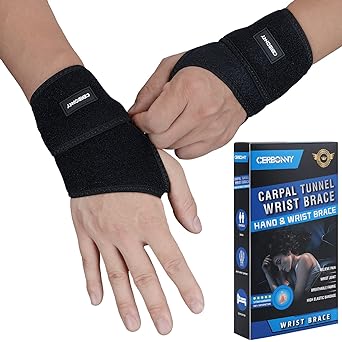
Description: A removable wrist splint and two fixed plastic splints provide a high level of wrist support. Limits unconscious bending or twisting of the wrist during sleep, avoiding aggravation of inflammation or nerve compression due to improper posture |
Description: Wrist bracers can be adjusted according to their comfort level, our wrist band can ensure stability, not easy to fall off, wearing it our hand support is very comfortable. High quality soft breathable fabric, |
Description: Maximum Pain Relief: Our wrist support braces are designed to help you relieve the pain and get the support you need for all-day and all-night comfort. Commonly used by people suffering from carpal tunnel syndrome, tendinitis, arthritis, wrist sprains, strains, etc. |
|
$13.99
|
$15.95
|
$27.06
|
A removable wrist splint and two fixed plastic splints provide a high level of wrist support. Limits unconscious bending or twisting of the wrist during sleep, avoiding aggravation of inflammation or nerve compression due to improper posture
Wrist bracers can be adjusted according to their comfort level, our wrist band can ensure stability, not easy to fall off, wearing it our hand support is very comfortable. High quality soft breathable fabric,
Maximum Pain Relief: Our wrist support braces are designed to help you relieve the pain and get the support you need for all-day and all-night comfort. Commonly used by people suffering from carpal tunnel syndrome, tendinitis, arthritis, wrist sprains, strains, etc.
Additional Ways to Reduce Arm Fatigue
While an arm brace for arm fatigue provides valuable support, combining it with other fatigue-reduction strategies creates the most effective approach to maintaining arm health and endurance.
Strategic Break Scheduling
The 20-20-20 Rule for Arms
Similar to the eye care rule, take a 20-second arm break every 20 minutes by changing arm positions and gently stretching. This brief interruption helps prevent fatigue accumulation.
Micro-Break Activities:
- Gentle arm circles and shoulder rolls
- Finger stretches and hand shakes
- Brief massage of forearm muscles
- Position changes to relieve static postures
Longer Break Benefits
Schedule 5-10 minute breaks every hour for more comprehensive arm relief. Use this time for stretching, walking, or activities that use different muscle groups.
Strengthening and Conditioning
Progressive Muscle Strengthening
Building arm strength helps muscles resist fatigue during demanding activities. Focus on exercises that target the specific muscle groups you use most frequently.
Effective Exercises:
- Wrist curls for forearm strength
- Grip strengthening with stress balls or grip trainers
- Resistance band exercises for balanced muscle development
- Light weight training with proper form and progression
Endurance Training
Gradually increase the duration of arm activities to build muscular endurance. This approach helps your arms adapt to longer work periods without excessive fatigue.
Ergonomic Improvements
Workstation Optimization
Proper ergonomics reduces the effort required for daily tasks, helping prevent fatigue before it starts.
Key Ergonomic Principles:
- Neutral wrist position during typing and mouse use
- Elbow angles between 90-110 degrees
- Arm support through armrests or desk padding
- Monitor height that doesn’t require awkward arm positions
- Tool selection that minimizes grip force and awkward postures
Equipment Upgrades
Consider ergonomic tools and equipment that reduce arm strain:
- Ergonomic keyboards and mice
- Document holders to reduce reaching
- Adjustable workstation components
- Lightweight tools for manual tasks
Lifestyle Factors
Hydration and Nutrition
Proper hydration supports muscle function and helps prevent premature fatigue. Adequate protein intake provides the building blocks for muscle recovery and adaptation.
Sleep and Recovery
Quality sleep is essential for muscle recovery and repair. Poor sleep can increase fatigue susceptibility and slow recovery from daily activities.
Stress Management
Chronic stress can increase muscle tension and accelerate fatigue onset. Stress reduction techniques like deep breathing, meditation, or regular exercise can help maintain arm comfort.
Professional Support
Physical Therapy
A physical therapist can assess your specific movement patterns and provide targeted exercises to address muscle imbalances or movement dysfunctions contributing to fatigue.
Occupational Therapy
Occupational therapists specialize in adapting work activities and environments to reduce strain and improve efficiency.
Massage Therapy
Regular massage can help maintain muscle flexibility, improve circulation, and reduce tension that contributes to fatigue.
Understanding the benefits of proper joint support can help you appreciate how comprehensive support strategies work together to maintain comfort and function.
Common Mistakes to Avoid
When using an arm brace for arm fatigue, certain mistakes can reduce effectiveness or even create new problems. Avoiding these pitfalls helps ensure you get the maximum benefit from your support device.
Ignoring Early Warning Signs
The Progression Problem
Many people wait until arm fatigue becomes severe before seeking relief. This delay allows the problem to become more entrenched and harder to resolve.
Early Intervention Benefits:
- Easier to manage mild symptoms
- Less time needed for recovery
- Lower risk of developing chronic issues
- Better response to conservative treatments
Warning Signs to Address Immediately:
⚠️ Fatigue that doesn’t improve with rest
⚠️ Symptoms that interfere with daily activities
⚠️ Progressive worsening over time
⚠️ Associated pain or numbness
Overreliance on the Brace
The Support Dependency Trap
While arm braces provide valuable support, relying on them exclusively without addressing underlying causes can lead to muscle weakness and dependency.
Balanced Approach:
- Use the brace as part of a comprehensive strategy
- Continue strengthening and conditioning exercises
- Address ergonomic and technique issues
- Gradually reduce brace dependence as symptoms improve
Avoiding Muscle Weakness
Muscles need regular activity to maintain strength. Ensure your brace allows natural movement and doesn’t completely eliminate muscle work.
Improper Fit and Application
Fit-Related Problems
An incorrectly fitted brace can cause more harm than good, potentially restricting circulation, creating pressure points, or failing to provide adequate support.
Application Errors:
❌ Applying the brace too tightly
❌ Wearing it in the wrong position
❌ Ignoring comfort issues
❌ Not adjusting for size changes
❌ Wearing a damaged or worn-out brace
Proper Fit Verification:
✅ Snug but not restrictive compression
✅ No numbness or tingling
✅ Comfortable during full range of motion
✅ Stays in position during activities
✅ No skin irritation after extended wear
Neglecting Underlying Causes
Symptom vs. Cause Treatment
While a brace can relieve symptoms, it’s important to identify and address the root causes of arm fatigue.
Common Underlying Issues:
- Poor ergonomics or work setup
- Inadequate rest and recovery
- Muscle imbalances or weakness
- Inefficient movement patterns
- Excessive activity demands
Comprehensive Solutions:
Address both symptoms and causes for the best long-term results. This might involve workplace modifications, technique changes, or lifestyle adjustments alongside brace use.
Unrealistic Expectations
What Braces Cannot Do
Understanding the limitations of arm braces helps set realistic expectations and prevents disappointment.
Realistic Goals:
✅ Reduced discomfort during activities
✅ Improved endurance for typical tasks
✅ Support during recovery periods
✅ Prevention of symptom progression
Unrealistic Expectations:
❌ Complete elimination of all fatigue
❌ Instant resolution of chronic problems
❌ Ability to ignore proper ergonomics
❌ Replacement for adequate rest and recovery
Timing and Duration Errors
Overuse Problems
Wearing a brace too long or too frequently can lead to skin problems, muscle dependency, or reduced effectiveness over time.
Underuse Issues
Inconsistent use or removing the brace too early during recovery can limit its effectiveness and allow symptoms to return.
Optimal Usage Patterns:
- Follow manufacturer guidelines for wear duration
- Remove the brace periodically for skin health
- Adjust usage based on activity demands and symptom response
- Gradually reduce dependence as symptoms improve
For those dealing with elbow pain specifically, understanding proper brace selection and application becomes even more critical for effective relief.
When to Seek Medical Advice
While an arm brace for arm fatigue can provide significant relief for many people, certain situations require professional medical evaluation to ensure proper diagnosis and treatment.
Red Flag Symptoms
Immediate Medical Attention Needed
Some symptoms indicate potentially serious conditions that require prompt medical evaluation:
🚨 Severe or sudden onset pain
🚨 Numbness or tingling that persists
🚨 Significant weakness affecting daily activities
🚨 Swelling that doesn’t respond to rest
🚨 Symptoms that worsen despite treatment
Progressive Symptoms
If your arm fatigue gradually worsens over time or begins affecting your ability to perform essential daily tasks, medical evaluation can help identify underlying causes and appropriate treatments.
Persistent Fatigue Despite Treatment
When Conservative Measures Fail
If you’ve tried rest, ergonomic improvements, and supportive bracing for several weeks without significant improvement, a healthcare provider can help identify other contributing factors.
Evaluation Timeline:
- 2-3 weeks: Expected timeframe for initial improvement with conservative treatment
- 4-6 weeks: Consider medical consultation if no progress
- 8+ weeks: Definitely seek professional evaluation for persistent symptoms
Underlying Medical Conditions
Conditions That Can Cause Arm Fatigue
Several medical conditions can contribute to or worsen arm fatigue:
Neurological Issues:
- Carpal tunnel syndrome
- Cubital tunnel syndrome
- Cervical spine problems
- Peripheral neuropathy
Musculoskeletal Conditions:
- Tendinitis or tendinosis
- Muscle strain or overuse injuries
- Joint problems (shoulder, elbow, wrist)
- Fibromyalgia
Systemic Conditions:
- Diabetes
- Thyroid disorders
- Autoimmune conditions
- Circulation problems
Professional Treatment Options
Healthcare Providers Who Can Help
Primary Care Physicians
Can perform initial evaluation, rule out systemic causes, and provide referrals to specialists when needed.
Orthopedic Specialists
Focus on musculoskeletal causes of arm fatigue and can provide targeted treatments for joint and muscle problems.
Neurologists
Evaluate potential nerve-related causes of arm fatigue and weakness.
Physical Therapists
Provide comprehensive movement analysis and develop targeted exercise programs to address muscle imbalances and movement dysfunction.
Occupational Therapists
Specialize in work-related arm problems and can recommend workplace modifications and adaptive equipment.
Diagnostic Testing
Common Evaluations
Depending on your symptoms, healthcare providers might recommend:
- Nerve conduction studies to evaluate nerve function
- Imaging studies (X-rays, MRI, ultrasound) to assess structural problems
- Blood tests to rule out systemic conditions
- Ergonomic assessments to identify workplace risk factors
Treatment Escalation
Progressive Treatment Approach
Medical treatment often follows a progressive approach:
- Conservative treatment (rest, bracing, activity modification)
- Physical therapy and targeted exercises
- Medications for pain or inflammation if needed
- Injections for specific conditions
- Surgical intervention in rare cases where conservative treatment fails
Integration with Brace Use
Medical treatment often complements rather than replaces brace use. Your healthcare provider can help you select the most appropriate brace and integrate it with other treatments.
Understanding when to seek help ensures that minor arm fatigue doesn’t progress to more serious conditions that could affect your long-term arm health and function.
Frequently Asked Questions
Do arm braces help reduce fatigue?
Yes, arm braces for arm fatigue can help reduce tiredness and discomfort during activities. They work by providing external support to muscles, potentially improving circulation through compression, and helping maintain proper arm alignment during tasks. However, effectiveness varies between individuals and depends on the underlying cause of fatigue, proper brace selection, and correct application.
The best results occur when braces are used as part of a comprehensive approach that includes adequate rest, proper ergonomics, and activity modification. While braces can significantly improve comfort and endurance for many people, they’re not a cure-all solution.
Can you wear an arm brace all day?
Most arm braces designed for fatigue can be worn throughout the day, but this depends on the specific brace design and your individual tolerance. Compression sleeves and lightweight supports are typically suitable for extended wear, while more rigid braces might need periodic removal.
Guidelines for all-day wear:
- Choose breathable, comfortable materials
- Remove the brace periodically to check skin condition
- Ensure proper fit that doesn’t restrict circulation
- Listen to your body and remove if discomfort develops
- Follow manufacturer recommendations for wear duration
If you experience skin irritation, numbness, or increased discomfort, reduce wear time or consult with a healthcare provider about proper fit and usage.
What type of brace is best for fatigue?
The best arm brace for arm fatigue depends on your specific needs:
For mild fatigue and prevention: Compression sleeves offer gentle, all-day support with minimal bulk.
For computer-related fatigue: Lightweight forearm supports or wrist braces that maintain neutral positioning.
For grip-related fatigue: Elbow straps or bands that target specific muscle groups.
For moderate to severe fatigue: Adjustable wraparound braces that allow customization of support levels.
For multiple issues: Hybrid braces that combine compression with targeted support elements.
Consider factors like your primary activities, comfort preferences, and the severity of your symptoms when selecting a brace type.
How long should you use an arm brace?
The duration of arm brace use varies based on the underlying cause of fatigue and your response to treatment:
Acute fatigue: 2-4 weeks of consistent use during activities, with gradual reduction as symptoms improve.
Chronic fatigue: Ongoing use as needed, with periodic assessment of continued necessity.
Preventive use: During specific activities that typically cause fatigue, without time limitations.
Recovery support: As long as beneficial, with regular evaluation of effectiveness.
Key principles:
- Use consistently during the initial treatment period
- Gradually reduce dependence as symptoms improve
- Continue strengthening exercises to build natural support
- Reassess periodically with healthcare providers if needed
The goal is typically to reduce reliance on the brace over time while maintaining symptom relief through other strategies.
Are there any side effects of wearing arm braces?
When used properly, arm braces have minimal side effects. However, potential issues can include:
Common minor issues:
- Skin irritation from prolonged wear
- Temporary indentation marks from compression
- Initial discomfort while adjusting to the brace
- Slight restriction of movement with rigid braces
More serious concerns (rare):
- Circulation problems from overly tight application
- Muscle weakness from over-dependence
- Pressure sores from poor fit or excessive wear
- Allergic reactions to brace materials
Prevention strategies:
- Ensure proper fit and sizing
- Use appropriate materials for your skin sensitivity
- Follow recommended wear schedules
- Remove periodically for skin inspection
- Seek professional guidance if problems develop
Most side effects can be avoided through proper brace selection, correct application, and reasonable usage patterns.
Conclusion
Arm fatigue affects millions of people daily, from office workers to manual laborers, significantly impacting productivity and quality of life. An arm brace for arm fatigue offers a practical, accessible solution that can provide meaningful relief when used appropriately.
The key to success lies in understanding that arm braces work best as part of a comprehensive approach to fatigue management. While these devices can provide valuable support, reduce muscle strain, and improve endurance during activities, they’re most effective when combined with proper ergonomics, regular breaks, strengthening exercises, and adequate recovery time.
Choosing the right brace requires careful consideration of your specific needs, activities, and comfort preferences. Whether you need a lightweight compression sleeve for all-day computer work or a more supportive wraparound brace for physical tasks, the perfect solution exists for your situation.
Remember that early intervention typically yields the best results. Don’t wait until arm fatigue becomes severe or starts interfering with daily activities. Address symptoms promptly with appropriate support, and seek professional guidance when conservative measures aren’t providing adequate relief.
Take Action Today:
- Assess your current arm fatigue patterns and identify contributing factors
- Research appropriate brace options based on your specific needs and activities
- Implement ergonomic improvements in your workspace or activity areas
- Develop a comprehensive fatigue management plan that includes rest, strengthening, and support
- Monitor your progress and adjust your approach as symptoms improve
- Seek professional guidance if symptoms persist or worsen despite treatment efforts
By taking a proactive, comprehensive approach to arm fatigue management, you can maintain comfort, productivity, and long-term arm health while continuing to perform the activities that matter most to you.