

Arm soreness affects millions of people daily—from weekend warriors pushing through intense workouts to office workers battling repetitive strain from endless typing sessions. Whether you’re dealing with post-exercise muscle fatigue, occupational overuse, or that nagging ache from poor posture, finding the right arm brace for arm soreness can make the difference between prolonged discomfort and swift recovery.
The good news? You don’t have to suffer through arm soreness hoping it will magically disappear. Modern arm braces offer targeted compression, improved circulation, and gentle support that can significantly reduce discomfort while helping your muscles recover faster. The challenge lies in choosing the right type of brace for your specific situation and understanding when supportive gear can help versus when you might need professional medical attention.
Key Takeaways
• Compression sleeves are the most versatile option for general arm soreness and post-workout recovery
• Location matters—different brace types work better for upper arm, elbow, or forearm soreness
• Lighter compression is typically more effective for soreness than rigid, heavy-duty braces
• Timing is crucial—wearing braces during activity and immediately after can maximize recovery benefits
• Warning signs like persistent pain, swelling, or weakness may indicate something more serious than typical soreness
What Causes Arm Soreness?
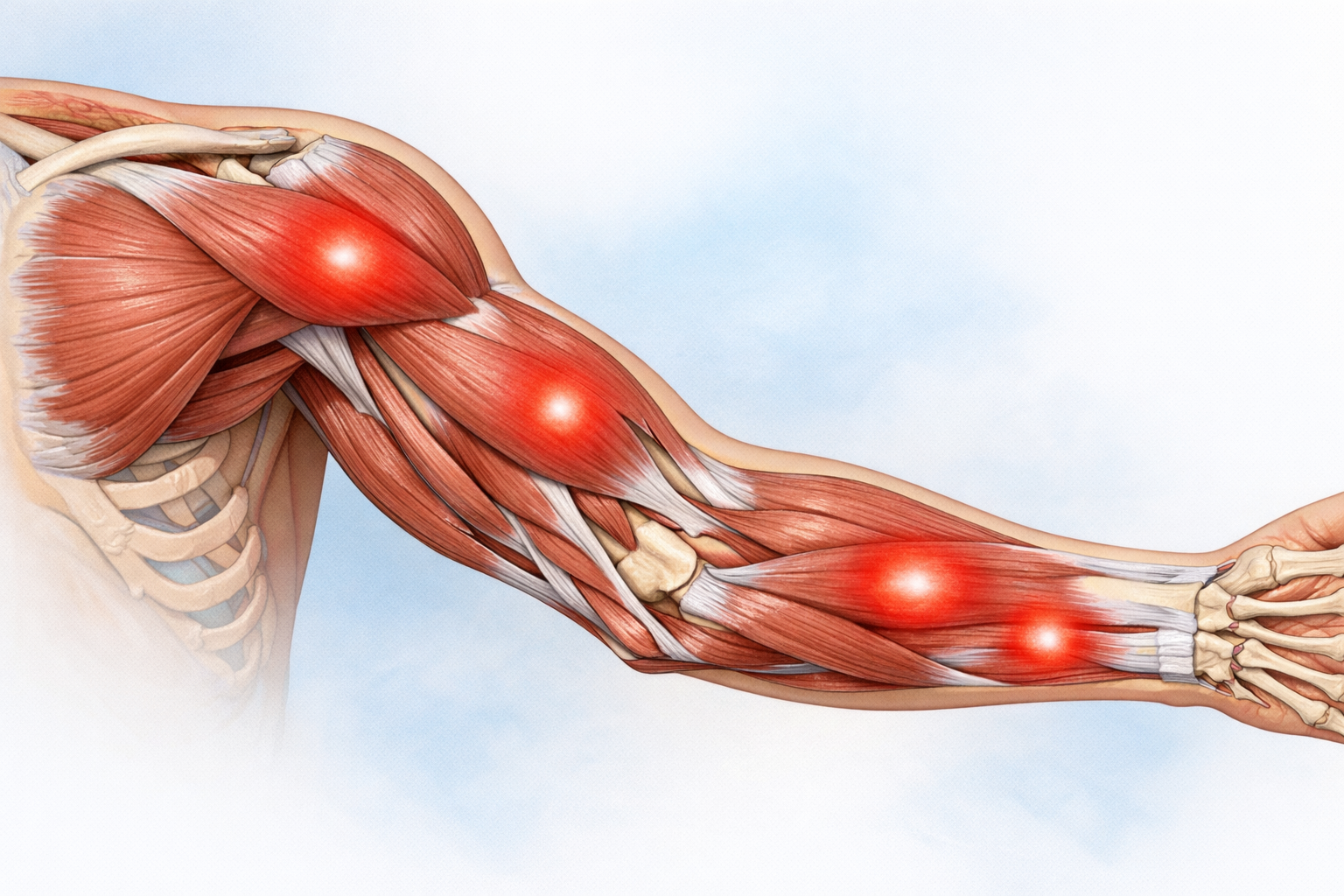
Understanding the root causes of arm soreness helps you choose the most effective arm brace for arm soreness and recovery strategy. Most arm soreness falls into several common categories, each responding differently to supportive interventions.
Common Causes of Arm Soreness
Muscle fatigue from exercise represents the most frequent source of arm soreness. When you push your muscles beyond their usual workload—whether through weightlifting, swimming, or even vigorous gardening—microscopic tears occur in muscle fibers. This process, called delayed onset muscle soreness (DOMS), typically peaks 24-72 hours after activity and creates that familiar aching sensation.
Repetitive strain injuries affect millions of workers and athletes annually. Activities like typing, assembly line work, painting, or playing musical instruments can overwork specific muscle groups and tendons. Unlike acute exercise soreness, repetitive strain develops gradually and may persist without proper intervention. This type of soreness often benefits significantly from targeted support during activities.
Minor muscle tears or overuse can occur when you suddenly increase activity intensity or duration. Your weekend tennis match or that ambitious home improvement project might leave you with more than just a sense of accomplishment. These minor injuries create inflammation and soreness that responds well to compression and gentle support.
Poor posture and improper technique contribute to chronic arm soreness, particularly in the shoulders and upper arms. Slouching at a desk, holding a phone between your ear and shoulder, or using incorrect form during exercise creates muscle imbalances and tension that manifest as persistent soreness.
💡 Key Insight: Most arm soreness is temporary and represents normal muscle adaptation—but proper support can speed recovery and reduce discomfort during the healing process.
How Arm Braces Help with Soreness
The science behind how arm braces alleviate soreness involves several physiological mechanisms that work together to promote healing and comfort. Understanding these processes helps explain why the right arm brace for arm soreness can be so effective.
Core Benefits of Arm Braces
Compression therapy forms the foundation of most arm brace benefits. Gentle, consistent pressure on sore muscles helps reduce swelling by preventing fluid accumulation in tissues. This compression also provides proprioceptive feedback—your brain receives enhanced sensory information about arm position and movement, which can reduce pain perception and improve movement quality.
Improved blood circulation accelerates the healing process by delivering fresh oxygen and nutrients to sore muscles while helping remove metabolic waste products that contribute to soreness. The graduated compression in quality arm braces promotes venous return, enhancing this natural recovery process.
Movement stabilization prevents excessive muscle strain during daily activities. When muscles are sore, they’re more vulnerable to additional injury from sudden movements or overextension. A well-fitted brace provides gentle support that allows normal movement while preventing harmful stress on recovering tissues.
Temperature regulation through compression can help maintain optimal muscle temperature, preventing the stiffness that often accompanies soreness. Some braces incorporate materials that naturally retain body heat, creating a gentle warming effect that promotes blood flow and flexibility.
The psychological benefits shouldn’t be overlooked either. Wearing supportive gear often provides confidence to move more normally, preventing the compensation patterns that can develop when people favor sore limbs and create secondary problems.
Types of Arm Braces for Soreness
Choosing the right type of arm brace for arm soreness depends on your specific symptoms, activity level, and personal preferences. Each style offers distinct advantages for different situations and soreness patterns.
1. Compression Sleeves (Most Popular)
Compression sleeves represent the gold standard for general arm soreness management. These seamless, tube-like garments slip over your arm and provide graduated compression from wrist to shoulder or targeted compression for specific areas.
Best for:
- Post-workout muscle soreness
- General fatigue and achiness
- Preventive support during activities
- All-day comfort during recovery
How they work: Compression sleeves use elastic materials to apply consistent pressure that promotes circulation and reduces muscle vibration during movement. The graduated compression typically provides strongest support at the extremities, gradually decreasing toward the heart to optimize blood flow.
Quality compression sleeves often incorporate moisture-wicking fabrics and seamless construction for extended wear comfort. Many users find them ideal for both active use and passive recovery periods.
2. Elbow Support Braces
Elbow-focused braces target the complex joint where upper and lower arm muscles converge. These braces typically feature additional padding or straps around the elbow area while providing compression to surrounding muscles.
Best for:
- Soreness concentrated around the elbow joint
- Mild tendon strain or inflammation
- Activities involving repetitive arm bending
- Tennis elbow or golfer’s elbow symptoms
How they work: Elbow support braces combine compression with targeted pressure distribution around the joint. Many feature adjustable straps that allow customization of support levels for different activities or comfort preferences.
3. Wrap-Style Braces
Wrap-style braces use adjustable straps or elastic bandages to provide customizable compression and support. These versatile options allow precise adjustment for different arm sizes and varying levels of soreness.
Best for:
- Fluctuating soreness levels
- Targeted compression needs
- Individuals with sizing challenges
- Those who prefer adjustable support
How they work: The wrap design allows users to control compression levels and target specific areas of soreness. This flexibility makes them particularly useful for people whose soreness varies throughout the day or during different activities.
4. Light Support Braces
Light support braces provide minimal compression with maximum comfort for extended wear. These options work well for mild soreness or as preventive measures during activities known to cause arm strain.
Best for:
- Mild, persistent soreness
- All-day wear at work
- Preventing soreness during known trigger activities
- Individuals sensitive to compression
How they work: Light support braces focus on gentle stabilization and subtle compression that doesn’t restrict normal movement or circulation. They’re designed for comfort during extended wear while providing just enough support to reduce muscle strain.
Similar to how people choose appropriate support for other joints, selecting the right arm brace requires considering your specific needs and activity patterns. Just as knee braces for pain relief vary based on injury type and severity, arm braces should match your soreness pattern and lifestyle demands.

|
|

|
|
Our Rating:
4.5
|
Our Rating:
4.4
|
Our Rating:
4.9
|
|
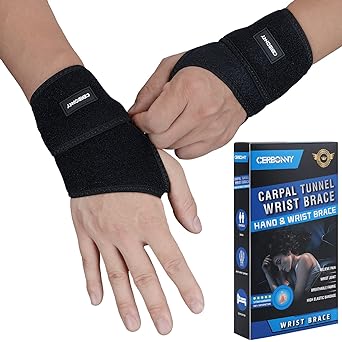
Description: A removable wrist splint and two fixed plastic splints provide a high level of wrist support. Limits unconscious bending or twisting of the wrist during sleep, avoiding aggravation of inflammation or nerve compression due to improper posture |
Description: Wrist bracers can be adjusted according to their comfort level, our wrist band can ensure stability, not easy to fall off, wearing it our hand support is very comfortable. High quality soft breathable fabric, |
Description: Maximum Pain Relief: Our wrist support braces are designed to help you relieve the pain and get the support you need for all-day and all-night comfort. Commonly used by people suffering from carpal tunnel syndrome, tendinitis, arthritis, wrist sprains, strains, etc. |
|
$13.99
|
$15.95
|
$28.49
|
A removable wrist splint and two fixed plastic splints provide a high level of wrist support. Limits unconscious bending or twisting of the wrist during sleep, avoiding aggravation of inflammation or nerve compression due to improper posture
Wrist bracers can be adjusted according to their comfort level, our wrist band can ensure stability, not easy to fall off, wearing it our hand support is very comfortable. High quality soft breathable fabric,
Maximum Pain Relief: Our wrist support braces are designed to help you relieve the pain and get the support you need for all-day and all-night comfort. Commonly used by people suffering from carpal tunnel syndrome, tendinitis, arthritis, wrist sprains, strains, etc.
How to Choose the Right Arm Brace for Arm Soreness
Selecting the most effective arm brace for arm soreness requires careful consideration of several key factors. The wrong choice can provide inadequate relief or even create additional discomfort, while the right brace can significantly accelerate your recovery.
Key Selection Factors
Location of soreness serves as your primary guide for brace selection. Upper arm soreness typically responds best to full-sleeve compression garments, while forearm soreness might benefit from targeted elbow braces or shorter sleeves. Elbow-area soreness often requires specialized braces that combine compression with joint-specific support features.
Severity assessment helps determine appropriate compression levels. Mild soreness usually responds well to light compression sleeves, while more significant discomfort might require firmer support or adjustable wrap-style braces. Avoid the temptation to choose maximum compression—excessive pressure can actually impede circulation and delay healing.
Activity level considerations influence both brace type and material selection. Active individuals need moisture-wicking, breathable materials that maintain support during movement, while those seeking passive recovery support can prioritize comfort and extended wear features.
Comfort and breathability become crucial for compliance and effectiveness. The best brace is worthless if it’s too uncomfortable to wear consistently. Look for seamless construction, soft edges, and materials that won’t irritate skin during extended use.
Sizing accuracy dramatically affects both comfort and therapeutic benefit. Most quality braces provide detailed sizing charts based on arm circumference measurements at specific points. Take measurements when your arm is in a normal, non-swollen state for the most accurate fit.
💡 Pro Tip: For soreness management, lighter compression with longer wear time typically produces better results than heavy compression worn briefly.
Benefits vs Limitations of Arm Braces
Understanding both the advantages and limitations of arm braces helps set realistic expectations and guides appropriate use for soreness management.
Primary Benefits
Accelerated recovery represents the most significant advantage of quality arm braces. By improving circulation and reducing inflammation, braces can decrease recovery time from typical muscle soreness by 24-48 hours compared to passive rest alone.
Reduced discomfort during activity allows you to maintain normal function while healing. Rather than avoiding all arm use, appropriate bracing lets you continue necessary activities with less pain and reduced risk of aggravating soreness.
Affordable and accessible solutions make arm braces an attractive first-line treatment for soreness. Unlike expensive therapies or medications, quality braces provide reusable support at a reasonable cost.
Easy integration into daily routines means you can benefit from support without disrupting work, exercise, or family activities. Modern braces are designed to be discreet and comfortable enough for extended wear.
Important Limitations
Not designed for serious injuries means arm braces shouldn’t be used as substitutes for proper medical evaluation of significant pain or injury. Braces excel at managing typical soreness but aren’t appropriate for acute injuries, fractures, or severe strains.
Potential for overreliance exists when people use braces as permanent solutions rather than temporary support during recovery. Extended use without addressing underlying causes (poor technique, inadequate conditioning, ergonomic issues) can lead to muscle weakness and dependency.
Individual variation in response means what works excellently for one person might provide minimal benefit for another. Factors like skin sensitivity, arm shape, and specific soreness patterns all influence effectiveness.
The key lies in viewing arm braces as one component of a comprehensive recovery strategy, similar to how athletes approach injury prevention and support across different body parts.
When to Wear an Arm Brace
Timing your arm brace for arm soreness usage strategically maximizes therapeutic benefits while avoiding potential drawbacks of overuse. Understanding optimal wear patterns helps you get the most from your supportive gear.
Optimal Timing Strategies
During physical activity provides both preventive and therapeutic benefits. If you know certain activities trigger arm soreness, wearing a light compression sleeve during the activity can reduce muscle vibration and fatigue accumulation. This proactive approach often prevents soreness from developing or significantly reduces its severity.
Immediately post-exercise represents a critical window for recovery support. Applying compression within 30 minutes after activity helps control inflammation and promotes efficient waste product removal from muscles. Many athletes keep compression sleeves in their gym bags specifically for this post-workout application.
During work activities benefits people whose jobs involve repetitive arm movements. Whether you’re typing, painting, or performing assembly work, gentle compression can reduce cumulative strain and prevent end-of-day soreness from developing.
Overnight wear remains controversial but can be beneficial for some individuals. Light compression sleeves designed for extended wear may help with recovery during sleep, but avoid tight or restrictive braces that could impede circulation during prolonged immobility.
Pain-guided usage means wearing your brace when soreness is most noticeable and removing it when symptoms subside. This approach prevents overreliance while ensuring support when you need it most.
Duration Guidelines
Most experts recommend limiting continuous wear to 6-8 hours for compression sleeves and 2-4 hours for more restrictive braces. Take regular breaks to assess your comfort and ensure normal circulation. If you notice increased pain, numbness, or skin irritation, remove the brace immediately.
For people dealing with work-related arm strain, the same principles that guide occupational support choices apply to soreness management—prioritize comfort and function over maximum restriction.
When Soreness Might Be Something More
While most arm soreness resolves naturally with rest and appropriate support, certain warning signs indicate the need for professional medical evaluation rather than self-treatment with braces.
Critical Warning Signs
Persistent pain lasting more than 5-7 days suggests something beyond typical muscle soreness. Normal exercise-induced soreness peaks within 72 hours and gradually improves. Pain that maintains intensity or worsens after a week warrants medical attention.
Sharp, shooting, or electric pain differs qualitatively from the dull ache of muscle soreness. These sensations might indicate nerve involvement, tendon injury, or other conditions requiring specific treatment approaches.
Significant swelling or visible deformity represents clear signs of injury rather than simple soreness. While mild swelling can accompany muscle soreness, pronounced or asymmetrical swelling needs professional evaluation.
Weakness or loss of function beyond what you’d expect from soreness alone suggests potential injury to muscles, tendons, or nerves. Difficulty gripping objects, lifting your arm, or performing normal activities indicates the need for proper diagnosis.
Numbness or tingling sensations point to possible nerve involvement that won’t respond to compression therapy alone. These symptoms require evaluation to prevent potential permanent complications.
Conditions That Mimic Soreness
Tendonitis often begins as mild soreness but involves inflammation of specific tendons rather than general muscle fatigue. Tennis elbow, golfer’s elbow, and bicep tendonitis can initially feel like workout soreness but require targeted treatment approaches.
Muscle strains involve actual tissue damage beyond the microscopic tears of normal soreness. While mild strains might benefit from compression support, moderate to severe strains need proper medical management.
Nerve compression syndromes like thoracic outlet syndrome can create arm pain and soreness that doesn’t respond to typical recovery measures. These conditions require specific diagnostic testing and treatment.
Understanding when soreness crosses the line into injury helps you make appropriate decisions about self-treatment versus professional care, similar to recognizing when knee problems require medical attention rather than just supportive bracing.
Additional Ways to Relieve Arm Soreness
While an arm brace for arm soreness provides valuable support, combining bracing with other evidence-based recovery methods creates a comprehensive approach that addresses soreness from multiple angles.
Complementary Recovery Methods
Strategic rest and activity modification forms the foundation of soreness management. This doesn’t mean complete immobilization—gentle movement actually promotes healing by maintaining circulation and preventing stiffness. The key lies in reducing intensity and volume of activities that caused the soreness while maintaining normal daily function.
Targeted stretching and mobility work helps restore normal muscle length and reduces tension that contributes to soreness. Focus on gentle, sustained stretches rather than aggressive or bouncing movements. Hold stretches for 30-60 seconds and perform them when muscles are warm for maximum benefit.
Temperature therapy can significantly impact soreness recovery. Ice application (15-20 minutes) during the first 24-48 hours helps control inflammation, while heat therapy afterward promotes blood flow and muscle relaxation. Some people benefit from contrast therapy—alternating ice and heat applications.
Proper hydration and nutrition support the cellular processes involved in muscle repair. Dehydration impairs circulation and waste removal, while adequate protein intake provides building blocks for tissue repair. Anti-inflammatory foods like berries, fatty fish, and leafy greens may help reduce soreness duration.
Sleep optimization allows your body to maximize natural recovery processes. Growth hormone release peaks during deep sleep, promoting muscle repair and regeneration. Aim for 7-9 hours of quality sleep and consider using light compression sleeves if they improve comfort without disrupting sleep quality.
Professional Treatment Options
Massage therapy can complement brace use by improving circulation and reducing muscle tension. Professional massage or self-massage with tools like foam rollers can enhance the benefits of compression therapy.
Physical therapy evaluation helps identify underlying movement patterns or muscle imbalances that contribute to recurrent soreness. A qualified therapist can design specific exercise programs to address your individual needs.
For people whose arm soreness relates to specific activities like lifting or typing, targeted interventions addressing technique and ergonomics often prove more valuable than bracing alone.
Conclusion
Finding the right arm brace for arm soreness can transform your recovery experience from prolonged discomfort to efficient healing. Compression sleeves offer the most versatile solution for general soreness, while specialized elbow braces and adjustable wraps serve specific needs and preferences. The key lies in matching your brace choice to your soreness location, severity, and activity demands rather than assuming one size fits all situations.
Remember that effective soreness management extends beyond just wearing a brace. Combining appropriate compression support with proper rest, gentle movement, and attention to underlying causes creates the optimal environment for recovery. Pay attention to warning signs that might indicate something more serious than typical soreness, and don’t hesitate to seek professional evaluation when symptoms persist or worsen.
Take action today: Assess your arm soreness pattern, choose an appropriate brace type based on the guidelines above, and implement a comprehensive recovery strategy. The right support won’t just ease your current discomfort—it helps your body recover stronger and more resilient for future activities. Your arms work hard for you every day; give them the support they deserve during recovery.