

Over 30 million Americans experience elbow pain each year, with repetitive strain injuries becoming increasingly common in our digital-first world. For those new to managing elbow discomfort, finding the right arm brace for beginners with elbow pain can feel overwhelming when faced with countless options and conflicting advice. This comprehensive guide cuts through the confusion to provide clear, actionable steps for choosing and using your first elbow support brace effectively.
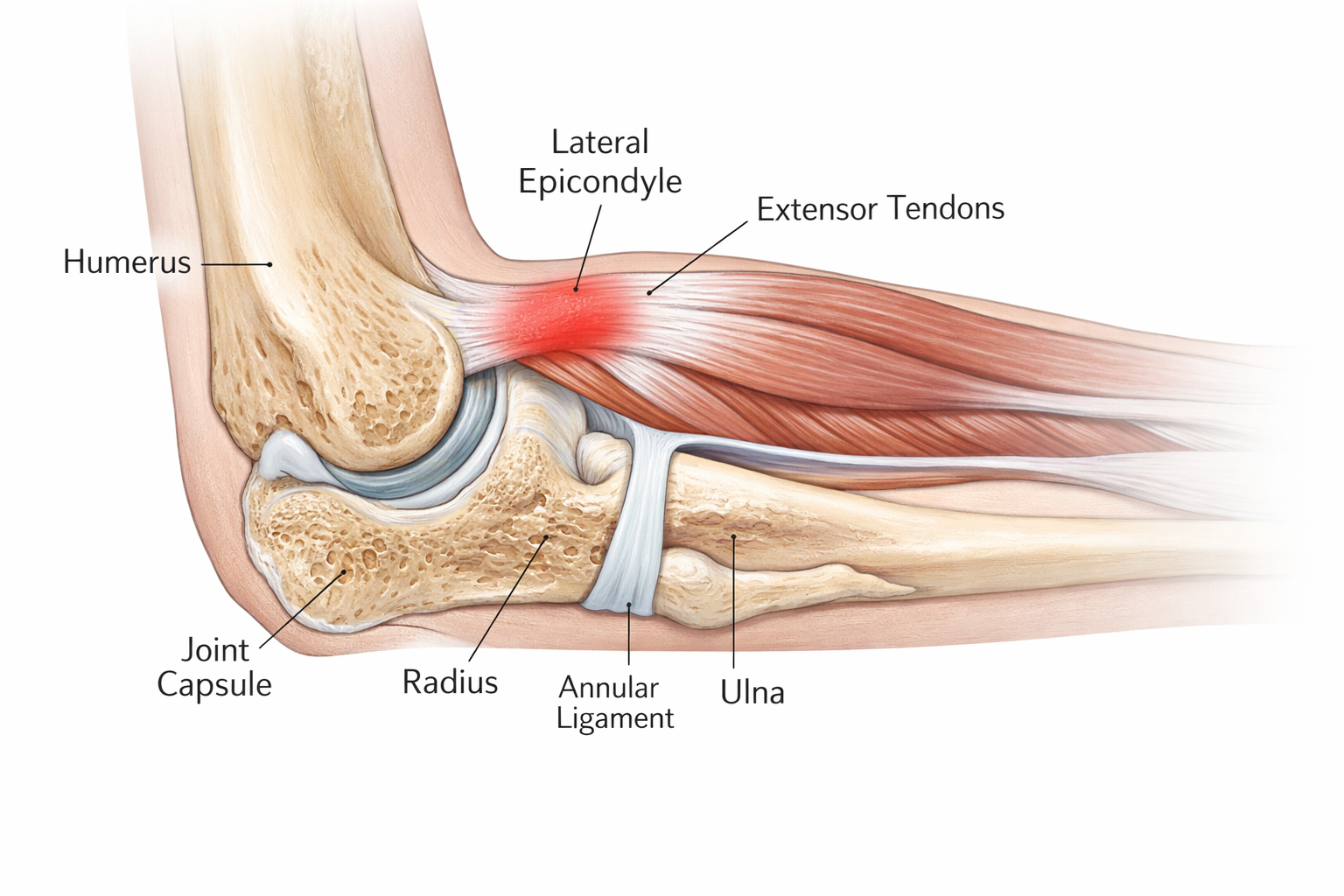
Whether the pain stems from increased computer work, new exercise routines, or repetitive daily tasks, understanding how to properly select and use an arm brace can make the difference between continued discomfort and meaningful relief. This guide covers everything from identifying the right type of brace to avoiding common beginner mistakes that could worsen the condition.
Key Takeaways
• Start simple: Compression sleeves or basic elbow straps work best for beginners with mild to moderate elbow pain
• Proper fit matters: A brace should feel snug but never restrict blood flow or cause additional discomfort
• Timing is crucial: Use braces during activities that trigger pain, not necessarily all day long
• Combine approaches: Braces work best when paired with proper ergonomics, rest breaks, and gradual activity modifications
• Know when to seek help: Persistent or worsening pain requires professional medical evaluation
Understanding Elbow Pain (Beginner-Friendly)
Elbow pain develops when the muscles, tendons, or joints around the elbow become strained, inflamed, or overused. The elbow joint connects three bones and relies on a complex network of tendons and ligaments to function properly. When these structures face more stress than they can handle, pain and discomfort result.
Common Beginner Causes
Repetitive Motion Activities 🔄
Modern life creates numerous opportunities for elbow strain. Extended computer use, frequent smartphone scrolling, and repetitive tool use can gradually stress the tendons. Even activities like gardening, painting, or playing musical instruments can trigger discomfort in those unaccustomed to sustained arm movements.
Poor Technique or Posture 📐
Incorrect form during exercise, improper workstation setup, or awkward positioning during daily tasks places unnecessary stress on elbow structures. Many beginners unknowingly adopt positions that increase strain rather than distribute forces efficiently across joints and muscles.
Sudden Increase in Activity 📈
Starting a new sport, increasing workout intensity too quickly, or taking on physically demanding projects without proper conditioning often leads to elbow pain. The “weekend warrior” syndrome particularly affects those who remain sedentary during the week but engage in intense activities sporadically.
Typical Symptoms
- Aching or soreness around the outer or inner elbow
- Tenderness when touching specific areas near the elbow joint
- Weak grip strength making it difficult to hold objects firmly
- Stiffness especially noticeable in the morning or after periods of rest
- Sharp pain during specific movements or when lifting objects
For aspiring writers experiencing elbow pain from extended typing sessions, understanding these symptoms becomes particularly important. Many authors find that learning proper writing techniques includes maintaining good physical health throughout the creative process.
Can an Arm Brace Help Beginners?
An arm brace for beginners with elbow pain serves multiple therapeutic functions that make it an excellent first-line treatment option. Unlike medications or invasive procedures, braces provide immediate, adjustable support that beginners can control and modify based on their comfort level.
Provides Targeted Support 🎯
Braces work by redistributing forces away from painful areas and supporting weakened structures. This mechanical advantage allows healing tissues to rest while still permitting necessary daily activities.
Stabilizes During Movement 🔒
By limiting excessive motion in specific directions, braces help prevent re-injury while allowing beneficial movement patterns to continue. This balance proves crucial for beginners who need to maintain some activity level for work or daily life.
Reduces Discomfort Immediately ⚡
Many users experience noticeable pain reduction within minutes of proper brace application. This immediate feedback helps beginners understand how external support can complement their body’s natural healing processes.
Prevents Condition Worsening 🛡️
Early intervention with appropriate bracing often prevents minor elbow issues from developing into chronic conditions requiring more intensive treatment.
The psychological benefits also matter significantly. Having a tangible tool to manage pain gives beginners confidence to remain active while protecting their healing tissues.
Types of Arm Braces (Simple Breakdown)
Understanding the three main categories of elbow braces helps beginners make informed decisions based on their specific needs and comfort preferences.
Compression Sleeves
Design: Tubular fabric that slides over the arm
Best for: Mild pain, general support, all-day wear
Pros: Lightweight, breathable, easy to put on
Cons: Limited adjustability, less targeted support
Compression sleeves provide gentle, even pressure around the entire elbow area. They’re ideal for beginners because they’re nearly impossible to apply incorrectly and offer subtle support without feeling restrictive.
Elbow Straps (Counterforce Braces)
Design: Narrow band that wraps around the forearm below the elbow
Best for: Tennis elbow, golfer’s elbow, repetitive strain
Pros: Targeted pressure, highly adjustable, compact
Cons: Requires proper positioning, may slip during activity
These straps work by applying pressure to specific tendons, reducing the force transmitted to painful attachment points. They’re particularly effective for condition-specific pain patterns.
Wraparound Arm Braces
Design: Adjustable brace with multiple straps or closures
Best for: Moderate pain, need for customizable support
Pros: Maximum adjustability, secure fit, targeted compression zones
Cons: More complex application, bulkier design
Wraparound braces offer the most control over support levels and pressure distribution. They work well for beginners who need more substantial support or have tried simpler options without success.
What Beginners Should Look for in an Arm Brace
Selecting the right arm brace for beginners with elbow pain requires balancing effectiveness with ease of use. Beginners benefit most from braces that encourage consistent use rather than maximum support that feels uncomfortable or complicated.
Comfort and Ease of Application ✨
Simple closure systems like velcro or elastic bands work better than complex buckles or laces for daily use. The brace should slide on easily and stay in position without constant adjustment.
Soft materials against the skin prevent irritation during extended wear. Look for moisture-wicking fabrics or smooth interior linings that won’t chafe or cause allergic reactions.
Lightweight and Breathable Design 🌬️
Heavy braces often discourage regular use, especially for beginners already adjusting to wearing external support. Breathable materials prevent excessive sweating and skin problems that could interrupt treatment consistency.
Adjustable Fit Options 🔧
Multiple size options ensure proper fit across different arm shapes and sizes. Many braces offer size ranges rather than one-size-fits-all approaches.
Incremental adjustability allows users to modify support levels as pain improves or activities change throughout the day.
Appropriate Support Level 📊
Beginners should start with light to moderate support rather than maximum restriction. Overly supportive braces can weaken muscles if used inappropriately or create dependency on external support.
Activity-appropriate design matches the brace capabilities to intended use. Office workers need different features than weekend athletes or manual laborers.
How to Choose Your First Arm Brace
The selection process for an arm brace for beginners with elbow pain should prioritize simplicity and gradual progression rather than immediately jumping to the most advanced options available.
Start with Light Support 🌱
Begin with compression sleeves or basic elbow straps before considering more complex bracing systems. This approach allows beginners to understand how external support affects their specific pain patterns without overwhelming their adjustment process.
Progressive approach benefits:
- Lower cost for initial trial
- Easier to determine effectiveness
- Less risk of over-dependence
- Simpler daily routine integration
Match Brace to Daily Activities 🎯
Office workers benefit most from low-profile braces that fit under clothing and don’t interfere with keyboard use or mouse operation.
Physical laborers need more durable materials and secure attachment systems that won’t shift during demanding tasks.
Athletes require braces designed for dynamic movement and moisture management during intense activity.
Writers spending long hours at keyboards should consider how their brace choice affects their creative workflow. Those starting their writing journey often underestimate the physical demands of extended typing sessions.
Focus on Comfort Over Maximum Support 😌
Comfort encourages consistency, which matters more than having the most supportive brace that sits unused in a drawer. A moderately supportive brace worn regularly provides better outcomes than an advanced brace used sporadically.
Signs of proper comfort level:
- No skin irritation after several hours of wear
- Ability to forget you’re wearing the brace during normal activities
- No numbness or tingling in fingers
- Easy application and removal
Ensure Proper Sizing 📏
Measure accurately using manufacturer guidelines, typically involving forearm circumference at the widest point and distance from elbow to wrist.
Consider swelling patterns – arms often swell slightly throughout the day, so measure at different times to ensure consistent fit.
Account for clothing layers if planning to wear the brace over or under sleeves regularly.
|

|

|
|
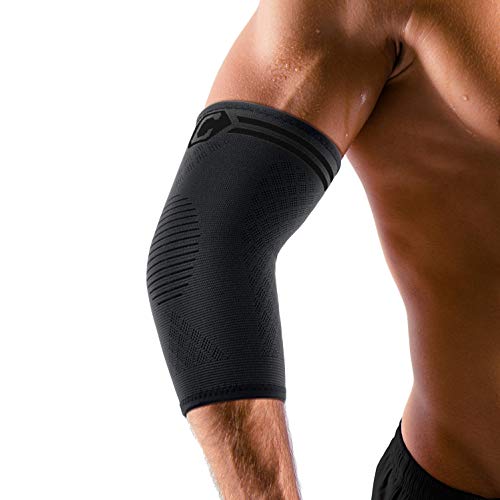
Description: TARGETED PAIN RELIEF & BOOSTED RECOVERY - Engineered with graduated compression, our elbow sleeves apply targeted support to key joint areas to help relieve discomfort associated with tennis elbow, tendonitis, and arthritis. |
Description: GOOD PERFORMANCE - The elbow brace applies even pressure to the elbow joint and elbow muscles, which can relieve tennis elbow, tendonitis, joint inflammation, golfer's elbow and other elbow pains, etc. |
Description: Our elbow brace is great for treating tendonitis, arthritis, sprained bones, strained ligaments, cubital Tunnel,ulnar nerve. Provides optimal support and compression to the elbow joint, reducing pain and preventing further injury during activities |
|
Our Rating:
4.8
|
Our Rating:
4.5
|
Our Rating:
4.4
|
|
$8.49
|
$11.99
|
$7.97
|
TARGETED PAIN RELIEF & BOOSTED RECOVERY - Engineered with graduated compression, our elbow sleeves apply targeted support to key joint areas to help relieve discomfort associated with tennis elbow, tendonitis, and arthritis.
GOOD PERFORMANCE - The elbow brace applies even pressure to the elbow joint and elbow muscles, which can relieve tennis elbow, tendonitis, joint inflammation, golfer's elbow and other elbow pains, etc.
Our elbow brace is great for treating tendonitis, arthritis, sprained bones, strained ligaments, cubital Tunnel,ulnar nerve. Provides optimal support and compression to the elbow joint, reducing pain and preventing further injury during activities
How to Wear an Arm Brace (Beginner Guide)
Proper application technique significantly impacts brace effectiveness and user comfort. Many beginners experience poor results simply because they haven’t learned correct positioning and adjustment methods.
Positioning Guidelines 📍
Compression sleeves should center over the elbow joint with equal material above and below the joint line. The sleeve should lie flat against skin without bunching or rolling.
Elbow straps typically position 1-2 inches below the elbow joint, directly over the muscle belly of the forearm. The pressure pad (if present) should align with the painful area.
Wraparound braces follow manufacturer-specific guidelines but generally center support elements over the lateral or medial epicondyle depending on pain location.
Proper Tightness Assessment 🔍
The “two-finger rule” provides a reliable tightness gauge – you should be able to slide two fingers under the brace comfortably. Tighter application doesn’t necessarily provide better support and may impede circulation.
Warning signs of excessive tightness:
- Finger numbness or tingling
- Skin color changes below the brace
- Increased pain rather than relief
- Difficulty moving fingers normally
Movement Testing ✅
After application, perform gentle range-of-motion exercises to ensure the brace doesn’t restrict necessary movements or create new pressure points during activity.
Test movements include:
- Gentle elbow bending and straightening
- Wrist rotation in both directions
- Finger flexion and extension
- Light gripping motions
Activity-Specific Wearing Schedule ⏰
During pain-triggering activities represents the most important wearing time. This might include computer work, exercise, household tasks, or occupational duties.
Recovery periods may benefit from continued light support, but complete rest from bracing allows skin to breathe and prevents over-dependence.
Sleep considerations – most elbow braces aren’t designed for overnight wear unless specifically recommended by healthcare providers.
When to Use an Arm Brace
Strategic timing of brace use maximizes benefits while preventing over-reliance on external support. Beginners often struggle with determining appropriate wearing schedules that balance protection with natural healing processes.
During Repetitive Tasks 🔄
Computer work sessions longer than 30 minutes often benefit from elbow support, especially for those experiencing pain during or after typing activities.
Household activities like cleaning, cooking, or gardening that involve repetitive arm motions can trigger elbow discomfort in susceptible individuals.
Occupational duties requiring sustained gripping, lifting, or tool use represent prime opportunities for preventive brace application.
Many writers find that managing physical comfort directly impacts their creative output. Those developing their writing skills should consider how physical wellness supports sustained creative work.
While Exercising or Lifting 🏋️
Strength training activities that stress the elbow joint benefit from supportive bracing, particularly during movements like tennis, golf, or weightlifting.
New exercise programs create higher injury risk as muscles and tendons adapt to increased demands. Preventive bracing during this adaptation period can prevent setbacks.
Return to activity after a period of rest requires gradual progression with appropriate support to prevent re-injury.
When Experiencing Active Discomfort 😣
Early intervention at the first signs of elbow pain often prevents minor issues from developing into chronic problems requiring more intensive treatment.
Flare-up management during periods of increased symptoms helps maintain function while allowing natural healing processes to continue.
As a Preventive Measure 🛡️
High-risk activities known to trigger elbow pain in specific individuals benefit from preventive bracing even when no current symptoms exist.
Seasonal activities like spring gardening or holiday cooking that occur infrequently may warrant preventive support for those with previous elbow problems.
Tips for Beginners Managing Elbow Pain
Effective elbow pain management extends beyond simply wearing a brace. Beginners achieve the best results by combining external support with lifestyle modifications that address underlying causes of their discomfort.
Start Slowly with Activities 🐌
Gradual progression prevents overwhelming healing tissues with excessive demands. Increase activity duration and intensity by no more than 10% per week when returning to normal function.
Listen to your body’s signals – mild discomfort during activity is normal, but sharp or increasing pain indicates the need for rest or modification.
Plan rest days into weekly schedules, especially when starting new activities or returning after time off due to pain.
Take Regular Breaks ⏸️
The 20-20-20 rule works for elbow health too: every 20 minutes, take a 20-second break to perform 20 gentle stretches or position changes.
Micro-breaks of 30 seconds every 10 minutes can be more effective than longer breaks taken less frequently for preventing repetitive strain.
Activity rotation helps distribute stress across different muscle groups rather than continuously loading the same structures.
Stretch and Strengthen Gradually 💪
Gentle stretching maintains flexibility in healing tissues without creating additional strain. Focus on pain-free range of motion rather than pushing through discomfort.
Progressive strengthening begins with isometric exercises (muscle contraction without movement) before advancing to dynamic movements with resistance.
Balanced approach addresses both flexor and extensor muscle groups to prevent strength imbalances that could contribute to ongoing problems.
Improve Posture and Ergonomics 🪑
Workstation setup significantly impacts elbow health. Monitor height, keyboard position, and chair adjustability all influence arm positioning during computer use.
Tool modifications like ergonomic keyboards, mouse alternatives, or grip-enhancing devices can reduce elbow stress during daily activities.
Body mechanics training teaches efficient movement patterns that distribute forces appropriately rather than concentrating stress on vulnerable areas.
Writers particularly benefit from understanding how proper planning and organization extends to their physical workspace setup, creating an environment that supports both creativity and physical health.
Common Beginner Mistakes to Avoid
Understanding typical pitfalls helps beginners navigate their elbow pain management journey more successfully while avoiding setbacks that could delay recovery or worsen their condition.
Wearing the Brace Too Tightly 🚫
Over-tightening represents the most common beginner error. The misconception that tighter equals better support leads to circulation problems, increased pain, and potential nerve compression.
Proper education about appropriate tightness levels prevents this issue. Braces should provide gentle, consistent pressure rather than restrictive compression.
Choosing Too Much Support Too Soon ⚡
Advanced bracing systems can overwhelm beginners and create dependence on external support rather than encouraging natural healing and strengthening processes.
Progressive approach starting with minimal support and advancing as needed produces better long-term outcomes than immediately using maximum restriction.
Ignoring Early Pain Signals 🔕
“Working through” pain often worsens elbow conditions rather than building toughness or accelerating recovery. Early intervention typically requires less intensive treatment than chronic conditions.
Pain education helps beginners distinguish between normal discomfort during healing and warning signs that indicate potential tissue damage.
Relying Only on the Brace 🎭
Passive treatment approaches that depend entirely on external devices without addressing underlying causes rarely produce lasting improvements.
Comprehensive management combining bracing with activity modification, strengthening exercises, and ergonomic improvements creates the foundation for long-term success.
Gradual weaning from brace dependence should begin as symptoms improve, allowing natural support systems to regain strength and function.
When to Seek Medical Advice
While many elbow pain episodes respond well to conservative self-management including appropriate bracing, certain situations require professional medical evaluation to prevent complications or address underlying conditions.
Pain That Doesn’t Improve 📈
Two-week rule – elbow pain that shows no improvement after two weeks of appropriate self-care warrants professional assessment.
Worsening symptoms despite proper brace use and activity modification may indicate more serious underlying conditions requiring specific treatment approaches.
Increasing Discomfort or Weakness 💪
Progressive weakness in grip strength or arm function suggests potential nerve involvement or significant tissue damage requiring medical intervention.
Numbness or tingling in the fingers or hand indicates possible nerve compression that could become permanent without appropriate treatment.
Limited Movement Range 🔒
Significant stiffness that prevents normal elbow bending or straightening may indicate joint problems requiring professional evaluation and treatment.
Locking sensations or mechanical symptoms suggest possible loose bodies or structural damage within the joint.
Pain Affecting Daily Life 🏠
Sleep disruption due to elbow pain indicates significant inflammation or tissue damage that typically requires more intensive treatment than self-care alone.
Work limitations that prevent normal job performance or daily activities suggest the need for professional guidance to prevent chronic disability.
Quality of life impact when elbow pain significantly affects mood, relationships, or life satisfaction warrants comprehensive medical evaluation.
For writers experiencing persistent elbow pain that interferes with their creative work, seeking appropriate medical care ensures they can continue developing their craft without long-term physical limitations.
Frequently Asked Questions (FAQ Section)
Do arm braces help elbow pain for beginners?
Yes, arm braces for beginners with elbow pain can provide significant relief when chosen and used appropriately. They work by reducing stress on painful structures, providing mechanical support during activities, and helping prevent further injury. Most beginners experience some level of improvement within the first few days of proper use.
How tight should a brace be?
A properly fitted brace should feel snug but not restrictive. Use the two-finger test – you should be able to slide two fingers comfortably under the brace. Signs of excessive tightness include numbness, tingling, skin color changes, or increased pain. Remember that tighter doesn’t mean more effective.
Can beginners wear an arm brace all day?
Most beginners benefit from wearing braces during specific activities rather than continuously. All-day wear may be appropriate during acute pain episodes, but extended use can lead to muscle weakening and dependence. Focus on wearing the brace during pain-triggering activities and gradually reduce use as symptoms improve.
What type of brace is easiest to use?
Compression sleeves typically offer the easiest application for beginners. They slide on like a sock, require minimal adjustment, and are nearly impossible to apply incorrectly. Elbow straps provide more targeted support but require proper positioning to be effective.
How long does it take to see results?
Many beginners notice some pain relief within minutes to hours of proper brace application. Significant improvement typically occurs within 1-2 weeks of consistent use combined with appropriate activity modifications. Complete resolution may take several weeks to months depending on the underlying condition severity.
Should I sleep with an elbow brace?
Most elbow braces aren’t designed for overnight wear unless specifically recommended by a healthcare provider. Sleeping in braces can cause circulation problems, skin irritation, or excessive stiffness. Focus on daytime use during activities that trigger pain.
Conclusion
Managing elbow pain as a beginner doesn’t have to feel overwhelming or complicated. An arm brace for beginners with elbow pain serves as an excellent first step toward relief when selected thoughtfully and used appropriately. The key lies in starting simple with compression sleeves or basic elbow straps, focusing on proper fit and comfort rather than maximum support, and combining brace use with smart activity modifications.
Remember that successful elbow pain management extends beyond just wearing a brace. Taking regular breaks, improving ergonomics, and gradually building strength create the foundation for long-term success. Avoid common mistakes like over-tightening braces or relying solely on external support without addressing underlying causes.
Your next steps should include:
- Assess your specific needs – Consider your daily activities, pain patterns, and comfort preferences
- Start with basic support – Choose a compression sleeve or simple elbow strap for your first brace
- Focus on proper application – Learn correct positioning and tightness for maximum effectiveness
- Combine approaches – Integrate brace use with ergonomic improvements and activity modifications
- Monitor your progress – Track pain levels and function to determine if your approach is working
- Seek help when needed – Don’t hesitate to consult healthcare providers if pain persists or worsens
For writers and other professionals who spend significant time at computers, remember that maintaining physical health directly impacts your ability to pursue your creative and professional goals effectively. Taking care of elbow pain early prevents it from becoming a chronic limitation on your productivity and quality of life.
With the right brace, proper technique, and a comprehensive approach to elbow health, most beginners can expect significant improvement in their symptoms and return to normal activities within a few weeks. The investment in proper elbow care now pays dividends in maintained function and comfort for years to come.