

Nerve pain affects over 20 million Americans annually, with burning sensations in the arms ranking among the most debilitating symptoms reported to healthcare providers. This electric, tingling discomfort can disrupt sleep, limit daily activities, and significantly impact quality of life. For many experiencing these symptoms, an arm brace for burning nerve pain offers a practical, non-invasive solution that provides both immediate relief and long-term support.
Whether caused by repetitive strain, poor posture, or underlying nerve conditions, burning nerve pain requires targeted intervention. This comprehensive guide explores how arm braces can help manage nerve-related discomfort, the different types available, and practical strategies for choosing and using the right support for optimal relief.
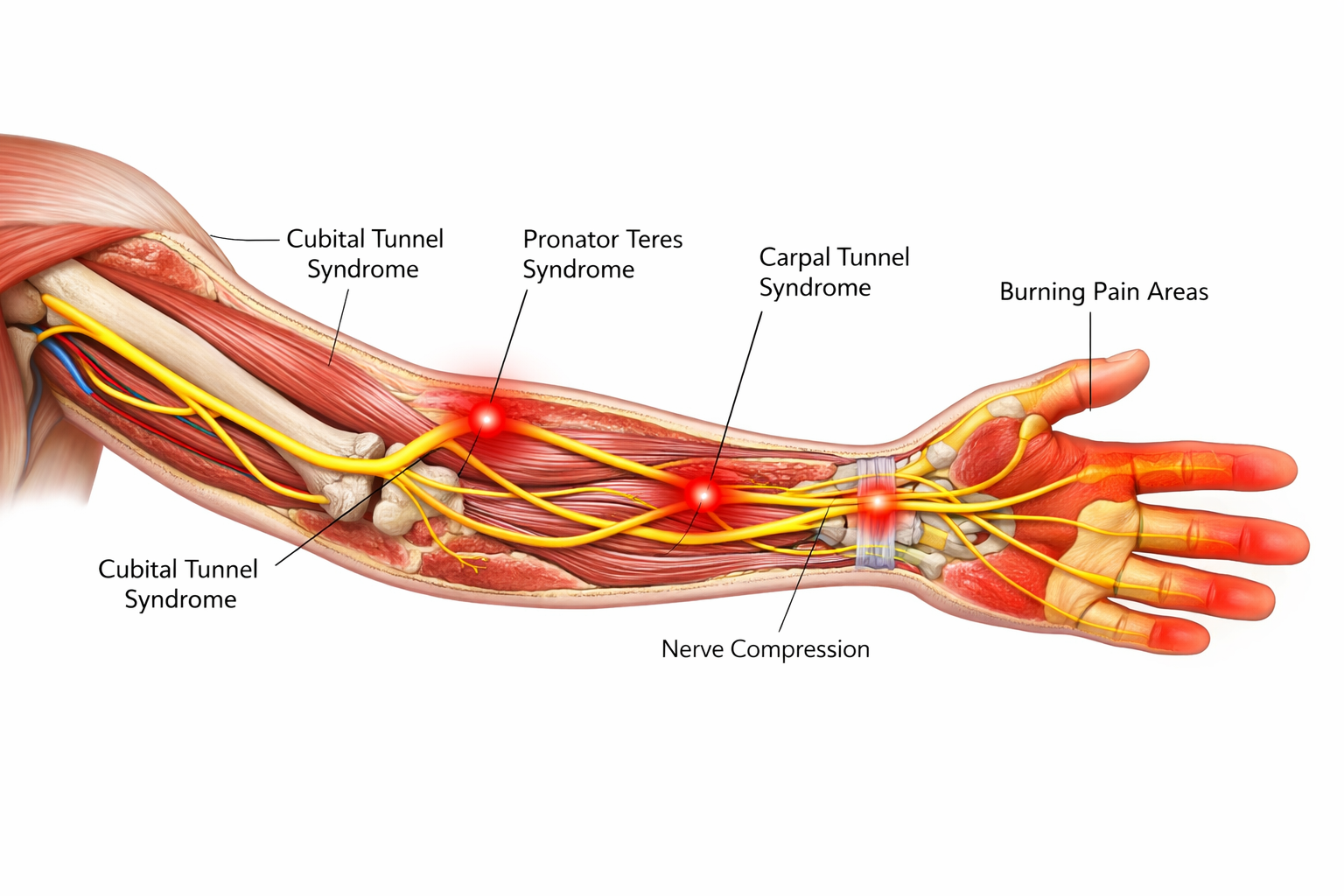
Key Takeaways
• Targeted Support: An arm brace for burning nerve pain helps stabilize joints and reduce nerve compression through proper positioning
• Multiple Options: Different brace types serve specific needs, from soft compression sleeves for mild symptoms to immobilization braces for severe cases
• Proper Fit Essential: The right sizing and positioning are crucial for effectiveness without restricting circulation or causing additional pressure
• Comprehensive Approach: Braces work best when combined with ergonomic improvements, posture correction, and appropriate rest periods
• Medical Guidance: Persistent or worsening nerve pain requires professional evaluation to address underlying causes
What Is Burning Nerve Pain in the Arm?
Burning nerve pain differs significantly from typical muscle soreness or joint discomfort. This type of pain originates from irritated or compressed nerves, creating sensations that patients often describe as:
- Electric or shocking feelings that shoot through the arm
- Burning sensations similar to touching a hot surface
- Tingling or “pins and needles” that persist even at rest
- Numbness in specific areas served by affected nerves
- Hypersensitivity where light touch feels uncomfortable
How Nerve Irritation Creates Burning Sensations
When nerves become compressed, inflamed, or irritated, they send abnormal signals to the brain. Unlike muscle pain that typically feels dull or aching, nerve pain creates sharp, burning, or electric sensations because the nerve fibers themselves are malfunctioning.
Key characteristics of nerve pain include:
- Follows specific nerve pathways rather than general areas
- Often worse at night or during certain positions
- May include both pain and numbness simultaneously
- Can be triggered by light touch or movement
- Frequently described as “burning” or “electric”
The burning sensation occurs because damaged nerve fibers fire spontaneously, sending pain signals even without actual tissue damage. This explains why nerve pain can feel so intense and why traditional pain relief methods sometimes prove less effective.
Common Causes of Burning Nerve Pain
Understanding the root cause of burning nerve pain helps determine the most effective treatment approach. Several conditions commonly lead to nerve-related arm discomfort:
Nerve Compression Syndromes
Carpal Tunnel Syndrome 🖐️
- Median nerve compression at the wrist
- Causes burning in thumb, index, and middle fingers
- Often worse at night or with repetitive hand use
Cubital Tunnel Syndrome
- Ulnar nerve compression at the elbow
- Creates burning sensations in ring and pinky fingers
- Symptoms worsen with elbow bending
Radial Tunnel Syndrome
- Affects the radial nerve near the elbow
- Causes burning pain on the thumb side of the forearm
- Often mistaken for tennis elbow
Repetitive Strain and Overuse
Modern work environments contribute significantly to nerve pain development:
- Computer work with poor wrist positioning
- Assembly line tasks requiring repetitive motions
- Heavy lifting with improper technique
- Prolonged phone use creating “cell phone elbow”
Postural Factors
Poor posture creates a cascade of problems leading to nerve compression:
- Forward head posture affects cervical nerves
- Rounded shoulders compress thoracic outlet nerves
- Poor workstation ergonomics stress multiple nerve pathways
- Sleeping positions that maintain awkward arm angles
“Proper nerve function requires adequate space and blood flow. When posture or repetitive activities compromise these requirements, burning pain often follows.” – Physical Therapy Research Journal
Can an Arm Brace Help With Nerve Pain?
An arm brace for burning nerve pain addresses several key factors that contribute to nerve irritation and discomfort. Understanding how braces provide relief helps explain their effectiveness in managing symptoms.
Stabilization and Support
Arm braces work by:
Maintaining Neutral Joint Positions 📍
- Prevents extreme wrist flexion or extension
- Reduces pressure on compressed nerves
- Maintains optimal spacing in nerve tunnels
Limiting Harmful Movements
- Restricts motions that aggravate nerve compression
- Provides gentle reminder to avoid problematic positions
- Reduces unconscious harmful positioning during sleep
Distributing Pressure
- Spreads forces across larger surface areas
- Prevents concentrated pressure on specific nerve points
- Reduces localized inflammation and irritation
Improved Circulation and Healing
Quality arm braces promote healing through:
- Enhanced blood flow to affected tissues
- Reduced inflammation through gentle compression
- Better lymphatic drainage to decrease swelling
- Optimal positioning for tissue recovery
When Braces Are Most Effective
An arm brace for burning nerve pain works best when:
✅ Used consistently during aggravating activities
✅ Properly fitted to avoid additional compression
✅ Combined with ergonomic improvements in work and sleep environments
✅ Part of comprehensive treatment including rest and activity modification
Important Note: While braces provide significant symptom relief, they work best as part of a broader management strategy that addresses underlying causes of nerve compression.

|
|

|
|
Our Rating:
4.5
|
Our Rating:
4.4
|
Our Rating:
4.9
|
|
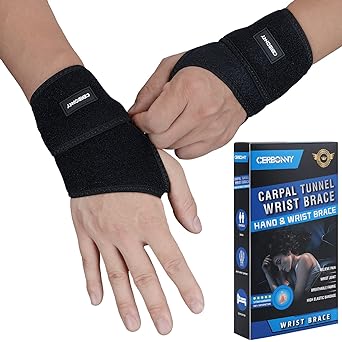
Description: A removable wrist splint and two fixed plastic splints provide a high level of wrist support. Limits unconscious bending or twisting of the wrist during sleep, avoiding aggravation of inflammation or nerve compression due to improper posture |
Description: Wrist bracers can be adjusted according to their comfort level, our wrist band can ensure stability, not easy to fall off, wearing it our hand support is very comfortable. High quality soft breathable fabric, |
Description: Maximum Pain Relief: Our wrist support braces are designed to help you relieve the pain and get the support you need for all-day and all-night comfort. Commonly used by people suffering from carpal tunnel syndrome, tendinitis, arthritis, wrist sprains, strains, etc. |
|
$13.99
|
$15.95
|
$27.06
|
A removable wrist splint and two fixed plastic splints provide a high level of wrist support. Limits unconscious bending or twisting of the wrist during sleep, avoiding aggravation of inflammation or nerve compression due to improper posture
Wrist bracers can be adjusted according to their comfort level, our wrist band can ensure stability, not easy to fall off, wearing it our hand support is very comfortable. High quality soft breathable fabric,
Maximum Pain Relief: Our wrist support braces are designed to help you relieve the pain and get the support you need for all-day and all-night comfort. Commonly used by people suffering from carpal tunnel syndrome, tendinitis, arthritis, wrist sprains, strains, etc.
Types of Arm Braces for Burning Nerve Pain
Different types of arm braces serve specific needs and symptom severities. Choosing the right style depends on the location of pain, severity of symptoms, and daily activity requirements.
Soft Compression Sleeves
Best for: Mild to moderate burning sensations, general support during activities
Features:
- Lightweight, breathable materials
- Gentle, uniform compression
- Easy to wear under clothing
- Machine washable
Benefits:
- Improves circulation without restriction
- Provides proprioceptive feedback
- Reduces minor swelling
- Comfortable for extended wear
Ideal candidates: People with early-stage nerve irritation or those seeking preventive support during repetitive activities.
Wraparound Arm Braces
Best for: Moderate nerve pain requiring adjustable support
Features:
- Velcro or strap adjustment systems
- Targeted compression zones
- Removable stays or supports
- Customizable fit
Benefits:
- Adjustable compression levels throughout the day
- Can target specific problem areas
- Easy to put on with one hand
- Accommodates swelling changes
Ideal candidates: Individuals with variable symptoms or those needing different support levels for different activities.
Immobilization Braces
Best for: Severe nerve pain requiring significant movement restriction
Features:
- Rigid or semi-rigid construction
- Multiple straps for secure positioning
- Built-in splints or stays
- Maximum support and stability
Benefits:
- Prevents harmful movements completely
- Allows inflamed nerves to rest and heal
- Provides maximum pain relief
- Suitable for acute flare-ups
Ideal candidates: People with severe nerve compression, post-injury recovery, or acute inflammatory episodes.
Night Braces
Best for: Symptoms that worsen during sleep
Features:
- Designed for comfort during rest
- Maintains neutral wrist/arm positioning
- Soft, padded materials
- Secure but comfortable straps
Benefits:
- Prevents unconscious harmful positioning
- Reduces morning stiffness and pain
- Allows uninterrupted sleep
- Specifically designed for extended wear
Ideal candidates: Anyone experiencing increased burning pain at night or morning stiffness related to sleep positioning.
What to Look for in the Best Arm Brace
Selecting an effective arm brace for burning nerve pain requires attention to several critical features that directly impact comfort, effectiveness, and long-term usability.
Material Quality and Breathability
Essential material characteristics:
🌟 Moisture-wicking fabrics prevent skin irritation during extended wear
🌟 Hypoallergenic materials reduce risk of allergic reactions
🌟 Durable construction withstands regular washing and daily use
🌟 Soft inner linings prevent chafing and pressure sores
Recommended materials:
- Neoprene blends for warmth and support
- Breathable mesh panels for ventilation
- Memory foam padding for pressure distribution
- Antimicrobial treatments for hygiene
Adjustability and Fit
Critical fit considerations:
| Feature | Importance | What to Look For |
|---|---|---|
| Size Range | High | Multiple sizes with overlap between ranges |
| Strap System | High | Easy one-handed adjustment capability |
| Pressure Points | Critical | Padded areas over bony prominences |
| Range of Motion | Moderate | Allows necessary movement while restricting harmful positions |
Support Features
Look for these supportive elements:
- Anatomical design that follows natural arm contours
- Graduated compression that’s firmer at key support points
- Removable stays for customizable rigidity levels
- Pressure relief zones over sensitive nerve areas
Ease of Use
Daily compliance depends heavily on convenience factors:
✅ One-handed application for independent use
✅ Clear sizing guidelines to ensure proper fit
✅ Simple care instructions for maintenance
✅ Discrete profile for wearing under clothing when needed
“The best brace is the one that patients actually wear consistently. Comfort and ease of use are just as important as therapeutic benefits.” – Occupational Therapy Clinical Guidelines
How to Choose the Right Arm Brace
Selecting the most appropriate arm brace for burning nerve pain requires careful consideration of individual symptoms, lifestyle factors, and treatment goals.
Assess Your Symptom Pattern
Time-based symptoms:
- Morning stiffness: Consider night braces or immobilization styles
- Work-related pain: Focus on low-profile, adjustable options
- Evening discomfort: Soft compression sleeves may suffice
- Constant burning: Immobilization braces for acute phases
Activity-related symptoms:
- Computer work: Wrist-focused braces with ergonomic features
- Physical labor: Heavy-duty, durable construction
- Sports activities: Flexible support that allows movement
- Sleep disturbance: Specialized night braces
Consider Pain Severity
Mild symptoms (1-3/10 pain scale):
- Soft compression sleeves
- Preventive support during activities
- Focus on comfort and breathability
Moderate symptoms (4-6/10 pain scale):
- Adjustable wraparound braces
- Targeted compression features
- Balance between support and mobility
Severe symptoms (7-10/10 pain scale):
- Immobilization braces
- Maximum support and restriction
- Focus on pain relief over mobility
Lifestyle Integration
Work considerations:
- Professional appearance requirements
- Manual dexterity needs
- Duration of daily wear
- Workplace ergonomic factors
Personal factors:
- Sleep position preferences
- Exercise and recreation activities
- Skin sensitivity issues
- Budget constraints
Sizing Guidelines
Accurate measurement is crucial:
- Measure at multiple points along the arm
- Consider swelling patterns throughout the day
- Account for clothing layers if wearing over garments
- Choose between sizes by selecting the larger option for comfort
Many people benefit from having multiple brace types for different situations – a comfortable sleeve for work, an immobilization brace for flare-ups, and a night brace for sleep support.
Similar to how individuals might need different types of knee support for various activities, arm pain management often requires a tailored approach based on specific circumstances and symptom patterns.
How to Wear an Arm Brace for Nerve Pain
Proper application and positioning of an arm brace for burning nerve pain significantly impacts its effectiveness. Incorrect usage can worsen symptoms or create new problems.
Positioning Guidelines
Step-by-step application:
- Clean and dry the skin thoroughly before application
- Position the arm in a neutral, comfortable position
- Apply the brace starting from the area farthest from your heart
- Secure straps in order from distal to proximal
- Check circulation by pressing fingernails and watching color return
Critical positioning points:
🎯 Wrist alignment: Maintain slight extension (10-15 degrees)
🎯 Elbow position: Avoid extreme flexion or extension
🎯 Shoulder placement: Keep shoulders level and relaxed
🎯 Finger mobility: Ensure fingers can move freely
Compression Levels
Proper compression should feel:
- Snug but not restrictive
- Supportive without causing numbness
- Comfortable for intended wear duration
- Secure without sliding or bunching
Warning signs of excessive compression:
- Tingling or numbness in fingers
- Color changes in fingernails
- Increased pain or burning
- Swelling beyond the brace edges
Wear Duration Guidelines
Daytime wear:
- Start with 2-3 hours initially
- Gradually increase as tolerance improves
- Remove every 2-3 hours to check skin condition
- Maximum 8-10 hours for most brace types
Nighttime wear:
- Use only braces designed for sleep
- Ensure loose enough for position changes
- Monitor for morning stiffness or increased symptoms
- Discontinue if sleep quality decreases
Skin Care and Hygiene
Daily maintenance:
- Inspect skin for redness or irritation
- Rotate between two braces if possible
- Allow skin to air dry between uses
- Apply barrier cream if recommended by healthcare provider
Cleaning schedule:
- Hand wash weekly or as directed
- Air dry completely before reuse
- Replace worn or stretched braces promptly
- Keep spare brace for continuous use during washing
Just as proper knee brace positioning requires attention to detail, arm brace effectiveness depends heavily on correct application and consistent proper use.
Additional Ways to Manage Burning Nerve Pain
While an arm brace for burning nerve pain provides valuable support, comprehensive pain management typically requires multiple strategies working together.
Ergonomic Improvements
Workstation modifications:
💻 Monitor height: Top of screen at eye level
💻 Keyboard position: Elbows at 90-degree angles
💻 Mouse placement: Same level as keyboard
💻 Chair support: Proper lumbar and arm support
💻 Document holders: Reduce neck strain from looking down
Home environment adjustments:
- Supportive pillows for sleep positioning
- Ergonomic tools for household tasks
- Proper lighting to reduce strain
- Organized workspace to minimize reaching
Activity Modification
Break strategies:
- Micro-breaks: 30 seconds every 10 minutes
- Short breaks: 5 minutes every 30 minutes
- Extended breaks: 15 minutes every 2 hours
- Position changes: Vary arm and wrist positions regularly
Movement techniques:
- Gentle stretching exercises
- Range of motion activities
- Strengthening exercises for supporting muscles
- Nerve gliding exercises when appropriate
Therapeutic Interventions
Heat and cold therapy:
| Therapy Type | When to Use | Duration | Benefits |
|---|---|---|---|
| Cold therapy | Acute inflammation, sharp pain | 15-20 minutes | Reduces swelling, numbs pain |
| Heat therapy | Chronic stiffness, muscle tension | 15-20 minutes | Improves circulation, relaxes muscles |
| Contrast therapy | Chronic conditions | Alternate 3-4 cycles | Combines benefits of both |
Stress management:
- Chronic pain increases stress, which can worsen nerve sensitivity
- Relaxation techniques reduce overall tension
- Adequate sleep supports nerve healing
- Regular exercise improves pain tolerance
Nutritional Support
Nerve health nutrients:
- Vitamin B12: Supports nerve function and repair
- Omega-3 fatty acids: Reduce inflammation
- Magnesium: Helps nerve signal transmission
- Alpha-lipoic acid: Antioxidant protection for nerves
Anti-inflammatory foods:
- Fatty fish (salmon, mackerel, sardines)
- Leafy green vegetables
- Berries and cherries
- Nuts and seeds
- Turmeric and ginger
For those whose nerve pain stems from occupational activities, specialized solutions like arm braces for delivery drivers or arm support for painters can address specific workplace challenges.
Common Mistakes to Avoid
Understanding potential pitfalls helps maximize the benefits of an arm brace for burning nerve pain while avoiding complications.
Improper Fit and Application
Sizing errors:
- Choosing size based on general clothing size rather than measurements
- Ignoring manufacturer-specific sizing charts
- Failing to account for swelling variations
- Selecting wrong brace type for specific condition
Application mistakes:
- Applying too tightly in attempt to increase effectiveness
- Positioning over clothing that bunches or creates pressure points
- Securing straps in wrong order or direction
- Ignoring anatomical landmarks for proper placement
Overreliance on Bracing
Dependency issues:
❌ Using brace as sole treatment method
❌ Avoiding necessary lifestyle modifications
❌ Ignoring underlying postural problems
❌ Continuing harmful activities because brace provides temporary relief
Muscle weakness development:
- Extended immobilization can lead to muscle atrophy
- Balance support with appropriate strengthening exercises
- Gradually reduce brace dependence as symptoms improve
- Maintain functional movement patterns
Ignoring Warning Signs
Red flag symptoms requiring immediate attention:
- Sudden increase in pain severity
- New numbness or weakness
- Color changes in fingers or hand
- Signs of infection around brace area
- Symptoms spreading to new areas
Skin complications:
- Persistent redness or irritation
- Open sores or pressure ulcers
- Allergic reactions to materials
- Fungal infections from moisture retention
Inadequate Hygiene and Maintenance
Cleaning neglect:
- Allowing bacteria buildup from sweat and oils
- Using harsh chemicals that damage materials
- Inadequate drying leading to odor and deterioration
- Continuing to use worn-out or damaged braces
Replacement timing:
- Most braces need replacement every 6-12 months with regular use
- Elastic materials lose effectiveness over time
- Velcro closures become less secure
- Padding compresses and loses cushioning properties
“The most effective brace is worthless if patients don’t use it correctly or consistently. Education about proper use is as important as the device itself.” – American Occupational Therapy Association Guidelines
Similar to considerations for nighttime knee brace wear, arm brace usage requires careful attention to timing, duration, and individual response patterns.
When to Seek Medical Advice
While an arm brace for burning nerve pain can provide significant relief, certain symptoms warrant professional medical evaluation to prevent permanent nerve damage or identify serious underlying conditions.
Immediate Medical Attention Required
Emergency symptoms:
🚨 Sudden, severe weakness in the arm or hand
🚨 Complete numbness in multiple fingers
🚨 Inability to move fingers or wrist normally
🚨 Severe pain that doesn’t respond to rest or medication
🚨 Signs of infection around nerve compression sites
Progressive Symptoms
Worsening patterns that need evaluation:
- Burning pain that increases despite conservative treatment
- Numbness that spreads to new areas
- Weakness that interferes with daily activities
- Sleep disruption that doesn’t improve with night bracing
- Symptoms affecting both arms simultaneously
Functional Limitations
Seek professional help when experiencing:
- Difficulty with fine motor tasks (writing, buttoning clothes)
- Dropping objects frequently
- Inability to grip items securely
- Pain that prevents work or daily activities
- Symptoms lasting more than 2-3 weeks without improvement
Diagnostic Considerations
Healthcare providers may recommend:
| Test Type | Purpose | What It Shows |
|---|---|---|
| Nerve conduction studies | Measure nerve signal speed | Location and severity of nerve damage |
| Electromyography (EMG) | Test muscle response | Muscle function and nerve-muscle connection |
| MRI or ultrasound | Visualize soft tissues | Structural problems causing compression |
| X-rays | Rule out bone problems | Arthritis, fractures, or bone spurs |
Treatment Options Beyond Bracing
Medical interventions may include:
- Physical therapy for targeted exercises and education
- Occupational therapy for workplace modifications
- Medications for nerve pain and inflammation
- Injections for severe inflammation or pain
- Surgery for cases not responding to conservative treatment
Specialist Referrals
Consider consultation with:
- Neurologist: For complex nerve pain conditions
- Orthopedic surgeon: For structural problems requiring surgery
- Pain management specialist: For chronic pain not responding to treatment
- Occupational medicine physician: For work-related nerve problems
For individuals experiencing symptoms similar to those requiring specialized arm support for repetitive motion or tennis elbow support, professional evaluation can help determine the most appropriate treatment approach.
Frequently Asked Questions
Can an arm brace help nerve pain?
Yes, an arm brace for burning nerve pain can provide significant relief by stabilizing joints, reducing nerve compression, and maintaining proper positioning. Braces work best for nerve pain caused by compression or irritation rather than systemic nerve diseases. They’re most effective when combined with ergonomic improvements and activity modification.
Is it safe to wear a brace all day?
Most arm braces designed for daytime use can be worn for 8-10 hours safely, but this depends on the specific type and individual tolerance. Start with shorter periods (2-3 hours) and gradually increase duration. Remove the brace every few hours to check skin condition and circulation. Night braces specifically designed for sleep can be worn overnight safely.
What type of brace is best for nerve pain?
The best brace type depends on symptom severity and location:
- Soft compression sleeves: Mild symptoms, general support
- Adjustable wraparound braces: Moderate symptoms, variable support needs
- Immobilization braces: Severe symptoms, acute flare-ups
- Night braces: Sleep-related symptoms, morning stiffness
How long does nerve pain take to improve?
Improvement timeline varies significantly based on the underlying cause and severity. Mild nerve irritation may improve within days to weeks with proper bracing and activity modification. More severe compression or chronic conditions may require months of consistent treatment. Acute injuries typically show faster improvement than chronic conditions.
Should I wear the brace during exercise?
This depends on the type of exercise and brace design. Low-impact activities like walking may be fine with a flexible compression sleeve. Avoid wearing rigid braces during activities requiring full range of motion. Always prioritize safety and stop if pain increases during exercise.
Can I wear an arm brace while sleeping?
Only use braces specifically designed for nighttime wear during sleep. These are typically softer, more flexible, and designed to maintain proper positioning without restricting circulation during position changes. Regular daytime braces may be too restrictive for safe overnight use.
How do I know if my brace fits properly?
A properly fitted brace should feel snug but not tight, provide support without causing numbness, and stay in position during normal activities. Check that you can slide one finger under the straps, fingernails return to normal color quickly when pressed, and there’s no increased pain or tingling when wearing the brace.
When should I replace my arm brace?
Replace your brace when elastic materials lose their stretch, Velcro closures no longer hold securely, padding becomes compressed, or any part shows signs of wear that affects function. Most braces need replacement every 6-12 months with regular use.
For those dealing with specific conditions like elbow pain or needing nighttime arm support, specialized braces may offer better targeted relief than general-purpose options.
Conclusion
An arm brace for burning nerve pain serves as a valuable tool in managing nerve-related discomfort, offering both immediate symptom relief and long-term support for healing. The key to success lies in selecting the appropriate brace type for your specific symptoms, ensuring proper fit and application, and integrating bracing into a comprehensive pain management approach.
Remember that while braces provide excellent support, they work best when combined with ergonomic improvements, activity modification, and attention to underlying causes of nerve compression. Soft compression sleeves offer gentle support for mild symptoms, while immobilization braces provide maximum relief during acute flare-ups. Night braces specifically address sleep-related symptoms that can significantly impact quality of life.
Take action today:
- Assess your symptom patterns to determine the most appropriate brace type
- Measure your arm carefully using manufacturer sizing guidelines
- Start with shorter wearing periods and gradually increase as tolerance improves
- Monitor your skin condition and circulation regularly
- Seek professional medical advice if symptoms worsen or don’t improve within 2-3 weeks
The path to managing burning nerve pain requires patience and consistency, but with the right support and approach, significant improvement is achievable. An arm brace can be your first step toward reclaiming comfort and function in your daily activities.