

Over 50 million Americans live with chronic pain, and arm-related discomfort ranks among the most common complaints affecting daily productivity and quality of life. Whether caused by repetitive work motions, past injuries, or underlying conditions, persistent arm pain can make simple tasks feel overwhelming. An arm brace for chronic pain relief offers targeted support that helps manage symptoms and restore function to your daily routine.
Chronic arm pain differs significantly from temporary soreness after exercise or minor injuries. This persistent discomfort can last weeks, months, or even years, interfering with work performance, sleep quality, and basic activities like typing, lifting, or reaching. Understanding how the right arm support can provide relief is crucial for anyone seeking long-term pain management solutions.
This comprehensive guide explores how an arm brace for chronic pain relief can become an essential tool in your pain management strategy, covering everything from identifying the right type of brace to implementing effective daily usage techniques.
Key Takeaways
• Targeted Support: An arm brace for chronic pain relief provides consistent compression and stability to reduce strain on overworked muscles and tendons
• Multiple Options: Different brace types serve specific needs, from gentle compression sleeves for daily wear to specialized counterforce braces for tendon-related pain
• Complementary Tool: Braces work best when combined with proper ergonomics, regular breaks, and strengthening exercises rather than as standalone solutions
• Professional Guidance: Persistent or worsening symptoms require medical evaluation to rule out serious conditions and ensure appropriate treatment
• Long-term Strategy: Effective chronic pain management requires consistency in brace usage, lifestyle modifications, and ongoing self-care practices
What Is Chronic Arm Pain?
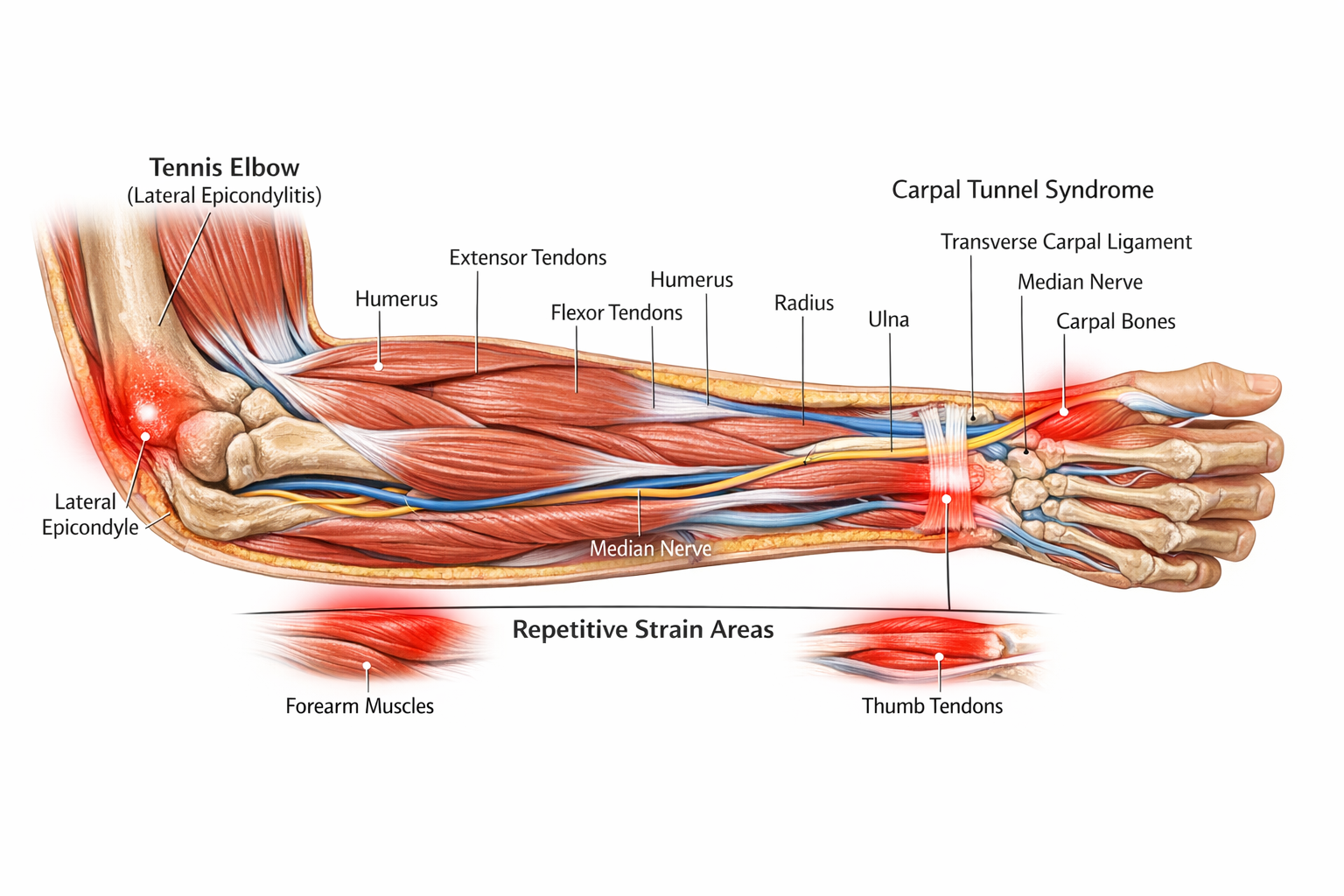
Chronic arm pain refers to persistent discomfort lasting longer than three months, distinguishing it from acute injuries that typically heal within weeks. Unlike the sharp, immediate pain from a sudden injury, chronic pain often presents as a dull ache, stiffness, or burning sensation that fluctuates throughout the day.
The hallmark characteristics of chronic arm pain include:
- Persistent aching or soreness that doesn’t fully resolve with rest
- Morning stiffness that gradually improves with gentle movement
- Weakness or fatigue in the affected arm during routine activities
- Reduced range of motion that limits reaching, lifting, or gripping
- Pain that worsens with specific movements or prolonged use
This type of ongoing discomfort creates a cycle where pain leads to reduced activity, which can cause muscle weakness and joint stiffness, potentially worsening the original problem. Ongoing support becomes crucial because it helps break this cycle by providing external stability that allows tissues to function with less strain.
Many people with chronic arm pain find that symptoms vary significantly from day to day. Some mornings bring relief, while others start with immediate discomfort. Weather changes, stress levels, and activity patterns all influence pain intensity, making consistent management strategies essential for maintaining daily function.
Common Causes of Chronic Arm Pain
Understanding the root cause of chronic arm pain helps determine the most effective treatment approach and brace selection. The most frequent culprits include:
Repetitive Strain Injuries (RSI)
Modern work environments create perfect conditions for RSI development. Computer workers, assembly line employees, and musicians frequently develop chronic pain from performing the same motions thousands of times daily. The cumulative stress gradually damages soft tissues faster than they can repair themselves.
Tendonitis and Inflammation
Tennis elbow (lateral epicondylitis) and golfer’s elbow (medial epicondylitis) represent the most common forms of chronic tendonitis. These conditions cause persistent inflammation where tendons attach to bone, creating ongoing pain that can last months or years without proper management.
Nerve-Related Issues
Carpal tunnel syndrome, cubital tunnel syndrome, and other nerve compression conditions cause chronic pain, numbness, and tingling. These problems often worsen gradually and require specific support strategies to prevent further nerve damage.
Past Injuries That Didn’t Fully Heal
Previous fractures, dislocations, or severe sprains sometimes leave lasting weakness or instability. Scar tissue formation can create ongoing discomfort and reduced mobility that benefits from external support.
Arthritis and Joint-Related Conditions
Osteoarthritis and rheumatoid arthritis cause progressive joint damage that creates chronic pain and stiffness. While braces cannot reverse arthritis, they can significantly reduce daily discomfort by supporting affected joints.
For those dealing with work-related arm pain, specialized solutions exist for different professions. Arm braces for mechanics address the unique challenges of automotive work, while support options for hairstylists help manage the repetitive motions involved in cutting and styling.
Can an Arm Brace Help With Chronic Pain?
An arm brace for chronic pain relief works through several mechanisms that address the underlying factors contributing to persistent discomfort. While braces cannot cure chronic conditions, they provide valuable symptom management that can significantly improve daily function.
Consistent Support to Muscles and Tendons
Chronic pain often results from overworked or weakened tissues that struggle to handle normal daily demands. A well-fitted brace provides external support that reduces the workload on damaged muscles and tendons, allowing them to function with less strain and discomfort.
Reduced Strain During Everyday Movement
Simple activities like typing, lifting groceries, or reaching overhead can aggravate chronic arm pain. Braces help distribute forces more evenly across the arm, preventing excessive stress on vulnerable areas during routine movements.
Compression Benefits for Circulation
Graduated compression from arm sleeves can improve blood flow to affected tissues, potentially reducing inflammation and promoting healing. Enhanced circulation also helps remove metabolic waste products that can contribute to ongoing pain and stiffness.
Pain Management vs. Cure
It’s crucial to understand that an arm brace for chronic pain relief manages symptoms rather than cures the underlying condition. Think of it as similar to eyeglasses for vision problems – the support helps you function better while wearing it, but the underlying issue remains.
Research shows that compression garments can reduce pain perception by stimulating pressure receptors that compete with pain signals traveling to the brain. This “gate control” mechanism provides natural pain relief without medication side effects.
The effectiveness of arm braces varies significantly between individuals and conditions. Some people experience immediate relief, while others notice gradual improvement over weeks of consistent use. The key lies in selecting the appropriate brace type and using it as part of a comprehensive pain management strategy.
Similar principles apply to other joint pain management approaches. Just as people ask whether knee braces actually help with joint pain, arm braces provide measurable benefits when properly selected and used consistently.
Types of Arm Braces for Chronic Pain Relief
Selecting the right arm brace for chronic pain relief depends on your specific condition, pain location, and daily activity requirements. Each brace type offers distinct advantages for different chronic pain scenarios.
Compression Sleeves
Compression sleeves provide gentle, uniform pressure along the entire arm or forearm. These lightweight, breathable garments work well for:
- General muscle soreness and fatigue
- Mild arthritis symptoms
- Post-workout recovery
- All-day comfort during office work
The graduated compression (tighter at the wrist, looser toward the elbow) promotes blood flow and reduces swelling. Most people can wear compression sleeves for extended periods without discomfort, making them ideal for chronic conditions requiring daily support.
Elbow Straps (Counterforce Braces)
Counterforce braces feature a targeted strap that applies pressure to specific tendons just below the elbow. This design works exceptionally well for:
- Tennis elbow (lateral epicondylitis)
- Golfer’s elbow (medial epicondylitis)
- Localized tendon pain
- Activities involving gripping or twisting motions
The strap redirects forces away from the inflamed tendon attachment point, providing relief during activities that typically trigger pain. Many users report immediate improvement when performing previously painful tasks.
Wraparound Arm Braces
Adjustable wraparound braces offer customizable support levels through multiple straps and closures. These versatile options suit:
- Moderate to severe chronic pain
- Conditions requiring variable support throughout the day
- Users who need easy on/off application
- Situations where swelling levels fluctuate
The adjustability allows fine-tuning of compression and support based on daily symptoms and activities. This flexibility makes wraparound braces popular for managing unpredictable chronic pain patterns.
Immobilization Braces
Rigid immobilization braces significantly limit arm movement to protect healing tissues. While less common for chronic conditions, they help during:
- Severe pain flare-ups
- Recovery from acute injuries superimposed on chronic conditions
- Nighttime use to prevent painful movements during sleep
- Periods requiring maximum rest and protection
These braces provide maximum support but sacrifice mobility, making them unsuitable for most daily activities. They work best as temporary interventions during symptom exacerbations.
For specific occupational needs, repetitive motion pain relief requires targeted approaches, while typing-related discomfort benefits from specialized ergonomic support designs.
What to Look for in the Best Arm Brace for Chronic Pain
Choosing an effective arm brace for chronic pain relief requires evaluating several key factors that directly impact comfort, effectiveness, and long-term usability. Since chronic conditions require extended wear periods, these considerations become especially important.
Comfort for Extended Wear
Chronic pain management often requires wearing a brace for hours daily, making comfort the top priority. Look for:
- Seamless construction that prevents chafing and pressure points
- Padded edges around straps and closures
- Contoured design that follows natural arm anatomy
- Soft interior lining that feels pleasant against skin
Uncomfortable braces quickly become unused braces, regardless of their therapeutic potential. Test different styles to find one you can wear consistently without additional irritation.
Breathable, Skin-Friendly Materials
Moisture management prevents skin problems during extended wear. Premium materials include:
- Neoprene alternatives like nylon-spandex blends that breathe better
- Moisture-wicking fabrics that keep skin dry
- Antimicrobial treatments that prevent odor and bacterial growth
- Hypoallergenic materials for sensitive skin
Avoid braces made entirely of neoprene if you plan to wear them for more than a few hours, as they trap heat and moisture.
Adjustable Fit for Changing Needs
Chronic conditions often involve fluctuating symptoms, swelling, and activity levels. Essential adjustability features include:
- Multiple strap positions for customized compression
- Range of sizes within each brace design
- Incremental adjustments rather than just loose/tight options
- Easy one-handed operation for independent application
Your arm size and support needs may change throughout the day or across seasons, making adjustability crucial for long-term effectiveness.
Lightweight Design for Daily Use
Heavy, bulky braces become burdensome during daily activities. Optimal designs feature:
- Minimal bulk that fits under clothing
- Strategic reinforcement only where needed
- Lightweight materials that don’t fatigue the arm further
- Low-profile closures that don’t catch on clothing or objects
The best brace is one you forget you’re wearing while still receiving therapeutic benefits.
Durable Construction
Chronic pain management represents a long-term investment, requiring braces that withstand daily use. Quality indicators include:
- Reinforced stress points at strap attachments
- Colorfast materials that don’t fade with washing
- Reliable closures (Velcro, buckles, or zippers) that maintain grip
- Machine washable construction for easy maintenance
A well-made brace should provide consistent support for months of regular use without losing effectiveness or falling apart.
Similar quality considerations apply across different joint support products. The benefits of knee braces demonstrate how proper construction and materials impact therapeutic outcomes across various joint conditions.
How to Choose the Right Arm Brace
Selecting an optimal arm brace for chronic pain relief requires matching the brace characteristics to your specific condition, lifestyle, and symptom patterns. This systematic approach helps ensure you invest in a solution that provides meaningful relief.
Match Support Level to Pain Severity
Pain intensity should guide your initial brace selection:
Mild chronic pain (1-3 on a 10-point scale):
- Compression sleeves for general support
- Lightweight materials for all-day comfort
- Minimal restriction of normal movement
Moderate chronic pain (4-6 on a 10-point scale):
- Counterforce braces for targeted relief
- Adjustable wraparound designs for variable support
- Moderate compression with some movement limitation
Severe chronic pain (7-10 on a 10-point scale):
- Rigid braces for maximum support during flare-ups
- Immobilization options for acute episodes
- Professional fitting recommended
Consider Daily Activity Level
Your lifestyle significantly impacts brace requirements:
Sedentary/Office Work:
- Emphasis on comfort during prolonged sitting
- Breathable materials for temperature control
- Low-profile design that doesn’t interfere with typing
Active/Physical Jobs:
- Durable construction for demanding environments
- Secure fit that won’t slip during movement
- Protection from additional injury
Variable Activity Levels:
- Adjustable support for changing demands
- Easy application/removal for activity transitions
- Multiple brace options for different situations
Choose Comfort for Long-term Wear
Chronic conditions require sustainable solutions that you can use consistently over months or years:
- Start conservatively with less restrictive options
- Gradually increase support levels if needed
- Prioritize comfort over maximum restriction for daily use
- Plan for adaptation period as your body adjusts to brace support
Ensure Proper Sizing and Fit
Accurate measurements are crucial for therapeutic effectiveness:
Measurement Guidelines:
- Measure arm circumference at the widest part of your forearm
- Measure when swelling is typical (not first thing in morning)
- Follow manufacturer sizing charts exactly
- Consider professional fitting for complex conditions
Fit Indicators:
- Snug but not tight – you should be able to slide one finger under the brace
- No numbness or tingling from excessive compression
- Even pressure distribution without pressure points
- Stays in position during normal movement without constant adjustment
For workers in specific industries, targeted solutions provide better outcomes. Delivery drivers face unique challenges that require different features than painters, highlighting the importance of matching brace characteristics to individual needs.
How to Use an Arm Brace for Chronic Pain
Proper usage techniques maximize the effectiveness of your arm brace for chronic pain relief while preventing potential complications. Strategic application timing and correct positioning ensure optimal therapeutic benefits.
Wear During Activities That Trigger Pain
Identify your pain triggers and use your brace proactively:
Common Trigger Activities:
- Extended computer work or typing
- Lifting objects heavier than 5-10 pounds
- Repetitive motions like painting or cleaning
- Sports or exercise involving arm movement
- Activities requiring sustained gripping
Proactive Application: Put on your brace before starting trigger activities rather than waiting until pain develops. This preventive approach provides better protection and symptom management.
Use During Flare-ups or Long Work Sessions
Chronic pain patterns often include predictable flare-up periods when symptoms intensify:
Flare-up Management:
- Apply brace at first sign of increasing symptoms
- Consider upgrading to more supportive brace temporarily
- Combine brace use with other pain management techniques
- Monitor symptoms for improvement or worsening
Extended Work Periods:
- Use during meetings, presentations, or deadline projects
- Apply before long driving trips or travel
- Wear during household projects requiring sustained arm use
Ensure Proper Positioning and Fit
Correct placement is essential for therapeutic effectiveness:
Application Steps:
- Clean, dry skin before application
- Position brace according to manufacturer instructions
- Adjust straps from loose to snug, never overtightening
- Check circulation – fingers should remain warm and pink
- Test range of motion to ensure appropriate restriction
Position Checkpoints:
- Counterforce straps sit 1-2 inches below the elbow
- Compression sleeves cover the entire affected area evenly
- No bunching or rolling of material during movement
- Brace stays centered on arm without shifting
Avoid Over-tightening or Constant Use Without Breaks
Proper usage balance prevents complications while maximizing benefits:
Tightness Guidelines:
- Snug support without cutting off circulation
- No numbness, tingling, or color changes in fingers
- Comfortable pressure that you can tolerate for hours
- Loosen immediately if any circulation symptoms develop
Break Recommendations:
- Remove for 30 minutes every 4-6 hours during extended wear
- Nighttime removal unless specifically prescribed for sleep
- Skin inspection during breaks for irritation or pressure marks
- Gentle movement and stretching during break periods
The same principles that guide proper knee brace usage apply to arm braces – correct application and appropriate usage patterns determine therapeutic success.
Benefits of Using an Arm Brace for Chronic Pain
An arm brace for chronic pain relief provides multiple therapeutic advantages that extend beyond simple pain reduction. Understanding these benefits helps set realistic expectations and motivates consistent usage for optimal results.
Reduces Daily Discomfort
Pain reduction represents the most immediate and noticeable benefit:
- Lower baseline pain levels throughout the day
- Reduced pain spikes during trigger activities
- Improved pain predictability with consistent support
- Enhanced comfort during previously painful movements
Many users report a 20-40% reduction in daily pain levels when using appropriate arm support consistently. While individual results vary, most people notice some improvement within the first week of proper usage.
Improves Ability to Perform Tasks
Functional improvement often matters more than pain scores for daily quality of life:
Enhanced Capabilities:
- Longer typing sessions without increasing discomfort
- Improved lifting capacity for household tasks
- Better grip strength during manual activities
- Increased endurance for repetitive motions
Workplace Benefits:
- Maintained productivity during busy periods
- Reduced sick days due to pain flare-ups
- Better focus when not distracted by discomfort
- Confidence in performing job responsibilities
Helps Prevent Worsening Symptoms
Protective effects may be as important as immediate symptom relief:
- Reduced tissue strain that could lead to further damage
- Prevention of compensation patterns that create new problems
- Maintained activity levels that prevent deconditioning
- Early intervention during symptom increases
Long-term Protection: By supporting weakened or damaged tissues, braces help prevent the cycle of pain → reduced activity → weakness → more pain that characterizes many chronic conditions.
Supports Long-term Pain Management
Comprehensive pain management requires multiple strategies working together:
Integration with Other Treatments:
- Complements physical therapy exercises and stretches
- Enhances effectiveness of ergonomic improvements
- Supports medication management by reducing overall pain burden
- Facilitates gradual activity increases as tolerated
Psychological Benefits:
- Increased confidence in daily activities
- Reduced anxiety about pain flare-ups
- Improved sleep quality when pain is better controlled
- Enhanced sense of control over chronic condition management
The cost-effectiveness of arm braces compared to other pain management options makes them accessible for long-term use. Unlike medications that require ongoing prescriptions or therapy sessions with recurring costs, a quality brace provides months or years of benefit from a single purchase.
Research demonstrates that people using supportive devices as part of comprehensive pain management show better long-term outcomes than those relying solely on passive treatments. The active support provided by braces encourages continued movement and activity, which helps maintain function and prevent further deterioration.
Understanding how joint support devices work across different body parts helps appreciate the scientific basis for brace effectiveness in chronic pain management.
Additional Ways to Manage Chronic Arm Pain
While an arm brace for chronic pain relief provides valuable support, the most effective management approach combines multiple strategies. These complementary techniques address different aspects of chronic pain and help maximize your overall improvement.
Regular Stretching and Strengthening Exercises
Targeted exercises help address the underlying weakness and stiffness that contribute to chronic pain:
Stretching Routine (perform 2-3 times daily):
- Wrist flexor stretches – hold for 30 seconds each direction
- Shoulder blade squeezes – 10 repetitions to improve posture
- Neck stretches – address referred pain from cervical tension
- Gentle arm circles – maintain shoulder mobility
Strengthening Program (3-4 times per week):
- Resistance band exercises for gradual strength building
- Grip strengthening with stress balls or hand grippers
- Eccentric exercises specifically for tendon health
- Core strengthening to support overall posture
Progressive Loading: Start with very light resistance and gradually increase as tolerated. The goal is consistent, pain-free movement rather than maximum strength.
Ergonomic Improvements
Workplace modifications can dramatically reduce daily pain triggers:
Computer Workstation Setup:
- Monitor at eye level to prevent neck strain
- Keyboard and mouse at elbow height
- Armrest support to reduce shoulder tension
- Document holder to minimize neck rotation
Tool Modifications:
- Ergonomic handles on frequently used tools
- Power tools instead of manual alternatives when possible
- Proper tool size that fits your hand comfortably
- Anti-vibration gloves for power tool use
Taking Breaks During Repetitive Tasks
Micro-breaks prevent the accumulation of tissue stress that leads to pain:
Break Schedule:
- 30-second breaks every 10 minutes during intensive tasks
- 2-minute breaks every 30 minutes for movement and stretching
- Longer breaks (10-15 minutes) every 2 hours
- Task rotation to use different muscle groups
Break Activities:
- Gentle stretching of arms, neck, and shoulders
- Hand and wrist exercises to maintain circulation
- Posture resets to counteract sustained positions
- Eye rest by looking at distant objects
Using Heat or Cold Therapy When Needed
Temperature therapy provides natural pain relief and can enhance brace effectiveness:
Heat Therapy (for stiffness and chronic aching):
- Warm compress for 15-20 minutes before activity
- Warm shower to relax muscles in the morning
- Heating pad on low setting during rest periods
- Warm paraffin baths for hand and wrist pain
Cold Therapy (for inflammation and acute flare-ups):
- Ice pack for 10-15 minutes after aggravating activities
- Cold compress during acute pain episodes
- Contrast baths alternating warm and cold water
- Frozen gel packs wrapped in thin towel to prevent skin damage
Combination Approach: Many people find alternating heat and cold therapy most effective, using heat before activity to improve flexibility and cold afterward to reduce inflammation.
The integration of these strategies with arm fatigue management techniques creates a comprehensive approach that addresses multiple contributing factors to chronic arm pain.
Common Mistakes to Avoid
Even well-intentioned efforts to manage chronic arm pain can backfire if common mistakes undermine your treatment approach. Avoiding these pitfalls helps ensure your arm brace for chronic pain relief provides maximum benefit while preventing additional complications.
Relying Only on a Brace Without Lifestyle Changes
Passive treatment approaches rarely provide complete solutions for chronic conditions:
The Problem: Expecting a brace alone to solve complex chronic pain issues without addressing underlying causes like poor ergonomics, muscle weakness, or repetitive strain patterns.
Better Approach:
- Combine brace use with ergonomic improvements
- Address muscle imbalances through targeted exercises
- Modify activities that consistently trigger symptoms
- Develop comprehensive pain management strategies
Think of your brace as one tool in a toolkit rather than a complete solution. The most successful outcomes occur when braces support broader lifestyle and activity modifications.
Wearing a Brace Too Tightly
Excessive compression creates new problems while attempting to solve existing ones:
Warning Signs:
- Numbness or tingling in fingers or hand
- Skin color changes (pale, blue, or red areas)
- Increased swelling below the brace
- New pain from pressure points
Proper Tightness:
- Snug support without cutting off circulation
- One finger should slide easily under the brace edge
- Comfortable pressure that you can tolerate for hours
- No indentation marks that persist after removal
Ignoring Worsening Symptoms
Chronic pain can mask developing complications or new injuries:
Red Flag Symptoms:
- Progressive weakness that continues worsening
- New numbness or tingling patterns
- Severe pain increases despite consistent brace use
- Functional decline in daily activities
Action Steps:
- Document symptom changes with a pain diary
- Seek medical evaluation for concerning developments
- Adjust treatment approach based on professional guidance
- Don’t assume all symptoms are part of your chronic condition
Using the Wrong Type of Brace
Mismatched support can worsen symptoms or create new problems:
Common Mismatches:
- Compression sleeves for conditions requiring targeted support
- Rigid braces for mild conditions that need mobility
- General-purpose braces for specific conditions like tennis elbow
- Wrong size that provides inadequate or excessive compression
Selection Guidelines:
- Match brace type to your specific diagnosis
- Consider activity requirements when choosing support levels
- Consult healthcare providers for complex conditions
- Start conservatively and increase support as needed
Understanding these principles helps avoid the complications that can occur when joint support devices are used improperly, whether for arm, knee, or other joint conditions.

|
|

|
|
Our Rating:
4.5
|
Our Rating:
4.4
|
Our Rating:
4.9
|
|
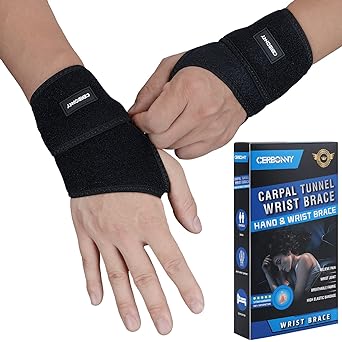
Description: A removable wrist splint and two fixed plastic splints provide a high level of wrist support. Limits unconscious bending or twisting of the wrist during sleep, avoiding aggravation of inflammation or nerve compression due to improper posture |
Description: Wrist bracers can be adjusted according to their comfort level, our wrist band can ensure stability, not easy to fall off, wearing it our hand support is very comfortable. High quality soft breathable fabric, |
Description: Maximum Pain Relief: Our wrist support braces are designed to help you relieve the pain and get the support you need for all-day and all-night comfort. Commonly used by people suffering from carpal tunnel syndrome, tendinitis, arthritis, wrist sprains, strains, etc. |
|
$13.99
|
$15.95
|
$27.06
|
A removable wrist splint and two fixed plastic splints provide a high level of wrist support. Limits unconscious bending or twisting of the wrist during sleep, avoiding aggravation of inflammation or nerve compression due to improper posture
Wrist bracers can be adjusted according to their comfort level, our wrist band can ensure stability, not easy to fall off, wearing it our hand support is very comfortable. High quality soft breathable fabric,
Maximum Pain Relief: Our wrist support braces are designed to help you relieve the pain and get the support you need for all-day and all-night comfort. Commonly used by people suffering from carpal tunnel syndrome, tendinitis, arthritis, wrist sprains, strains, etc.
When to Seek Medical Advice
While an arm brace for chronic pain relief can effectively manage many symptoms, certain situations require professional medical evaluation. Recognizing these warning signs helps ensure you receive appropriate care and avoid potentially serious complications.
Pain That Continues to Worsen
Progressive pain may indicate underlying conditions that need medical intervention:
Concerning Patterns:
- Steady increase in pain intensity over weeks or months
- New areas of pain developing beyond the original location
- Pain that disrupts sleep despite previous tolerance
- Reduced effectiveness of previously helpful treatments
Documentation Helps: Keep a simple pain diary noting daily pain levels (1-10 scale), activities that trigger symptoms, and treatment effectiveness. This information helps healthcare providers identify concerning trends and adjust treatment approaches.
Numbness or Tingling
Neurological symptoms suggest possible nerve involvement that requires evaluation:
Warning Signs:
- Persistent numbness in fingers or hand
- Tingling sensations that don’t resolve with position changes
- “Pins and needles” feelings during normal activities
- Weakness accompanying numbness or tingling
Nerve Compression: Conditions like carpal tunnel syndrome or cubital tunnel syndrome can cause permanent damage if left untreated. Early intervention often prevents the need for surgical treatment.
Significant Weakness or Limited Mobility
Functional decline may indicate progressive tissue damage or new injuries:
Mobility Concerns:
- Inability to lift objects you previously managed
- Reduced range of motion that continues worsening
- Grip strength loss affecting daily tasks
- Coordination problems with fine motor activities
Weakness Patterns: Sudden weakness differs from gradual decline and may indicate acute injuries requiring immediate attention. Progressive weakness might suggest conditions like nerve compression or muscle disorders that benefit from early treatment.
Pain Interfering With Daily Life
Functional impairment signals the need for more comprehensive treatment approaches:
Quality of Life Impact:
- Work performance significantly affected by pain
- Sleep disruption from arm discomfort
- Avoidance of activities you previously enjoyed
- Emotional distress related to chronic symptoms
Treatment Escalation: When conservative measures including braces, exercises, and activity modifications don’t provide adequate relief, medical evaluation can identify additional treatment options like physical therapy, injections, or other interventions.
Professional Resources:
- Primary care physicians for initial evaluation and referrals
- Orthopedic specialists for structural problems and injuries
- Neurologists for suspected nerve-related conditions
- Physical therapists for movement analysis and exercise programs
- Occupational therapists for workplace and activity modifications
The same principles that guide medical consultation for knee brace complications apply to arm conditions – professional guidance helps distinguish between normal adaptation responses and concerning developments requiring intervention.
Frequently Asked Questions
Do arm braces help with chronic pain?
Yes, arm braces can significantly help manage chronic pain by providing consistent support to overworked muscles and tendons, reducing strain during daily activities, and improving circulation through compression. However, they work best as part of a comprehensive approach that includes ergonomic improvements, exercises, and lifestyle modifications rather than as standalone treatments.
Can you wear an arm brace every day?
Daily wear is generally safe for most people when using properly fitted compression sleeves or lightweight support braces. However, it’s important to take regular breaks (30 minutes every 4-6 hours), remove the brace at night unless specifically prescribed for sleep, and monitor for any signs of skin irritation or circulation problems.
How long should you use an arm brace?
Duration varies significantly based on your condition and treatment goals. For chronic conditions, many people use braces indefinitely as part of ongoing symptom management. Acute injuries might require 2-6 weeks of support during healing. The key is adjusting usage based on symptom patterns and functional needs rather than following arbitrary time limits.
What type of brace is best for long-term pain?
Compression sleeves typically work best for long-term chronic pain management because they provide gentle, consistent support without restricting movement significantly. They’re comfortable enough for extended daily wear and help with circulation and mild inflammation. For specific conditions like tennis elbow, counterforce braces may be more effective despite being less suitable for all-day wear.
Should I wear my arm brace while sleeping?
Generally, no – most arm braces should be removed at night to allow unrestricted circulation and natural movement during sleep. However, some people with severe pain find gentle compression sleeves helpful for nighttime comfort. If you experience significant night pain, consult a healthcare provider rather than self-treating with continuous brace wear.
Can arm braces cause circulation problems?
Properly fitted braces rarely cause circulation issues, but overly tight application can restrict blood flow. Warning signs include numbness, tingling, skin color changes, or increased swelling below the brace. Always ensure you can slide one finger under the brace edge and loosen or remove it immediately if circulation symptoms develop.
Conclusion
An arm brace for chronic pain relief can become a valuable ally in managing persistent discomfort and maintaining daily function. The key to success lies in selecting the appropriate brace type for your specific condition, using it correctly as part of a comprehensive pain management strategy, and maintaining realistic expectations about outcomes.
Remember these essential points:
• Match your brace to your pain pattern and daily activities – compression sleeves for general support, counterforce braces for tendon issues, and adjustable designs for variable symptoms
• Use proactively during trigger activities rather than waiting for pain to develop, and maintain proper fit without over-tightening
• Combine with lifestyle changes including ergonomic improvements, regular exercises, and appropriate break schedules for optimal results
• Monitor your symptoms and seek medical advice if pain worsens, numbness develops, or function continues declining despite consistent brace use
The most effective chronic pain management requires patience, consistency, and often multiple approaches working together. Your arm brace provides the external support needed to break the cycle of pain and reduced activity, but lasting improvement comes from addressing underlying causes and maintaining healthy movement patterns.
Take action today by evaluating your current pain management approach, considering whether an arm brace could provide additional support, and implementing the ergonomic and exercise strategies discussed in this guide. With the right combination of tools and techniques, you can regain control over chronic arm pain and return to the activities that matter most to you.