

Over 12 million Americans experience daily arm discomfort from repetitive workplace activities, yet most dismiss these early warning signs until they develop into chronic conditions. The subtle ache after a long day of typing, the tender elbow from lifting tasks, or the persistent forearm tension from tool use are your body’s signals that intervention is needed. An arm brace for daily discomfort offers a proactive solution that can transform your comfort level and prevent minor issues from escalating into serious injuries that sideline your productivity and quality of life.
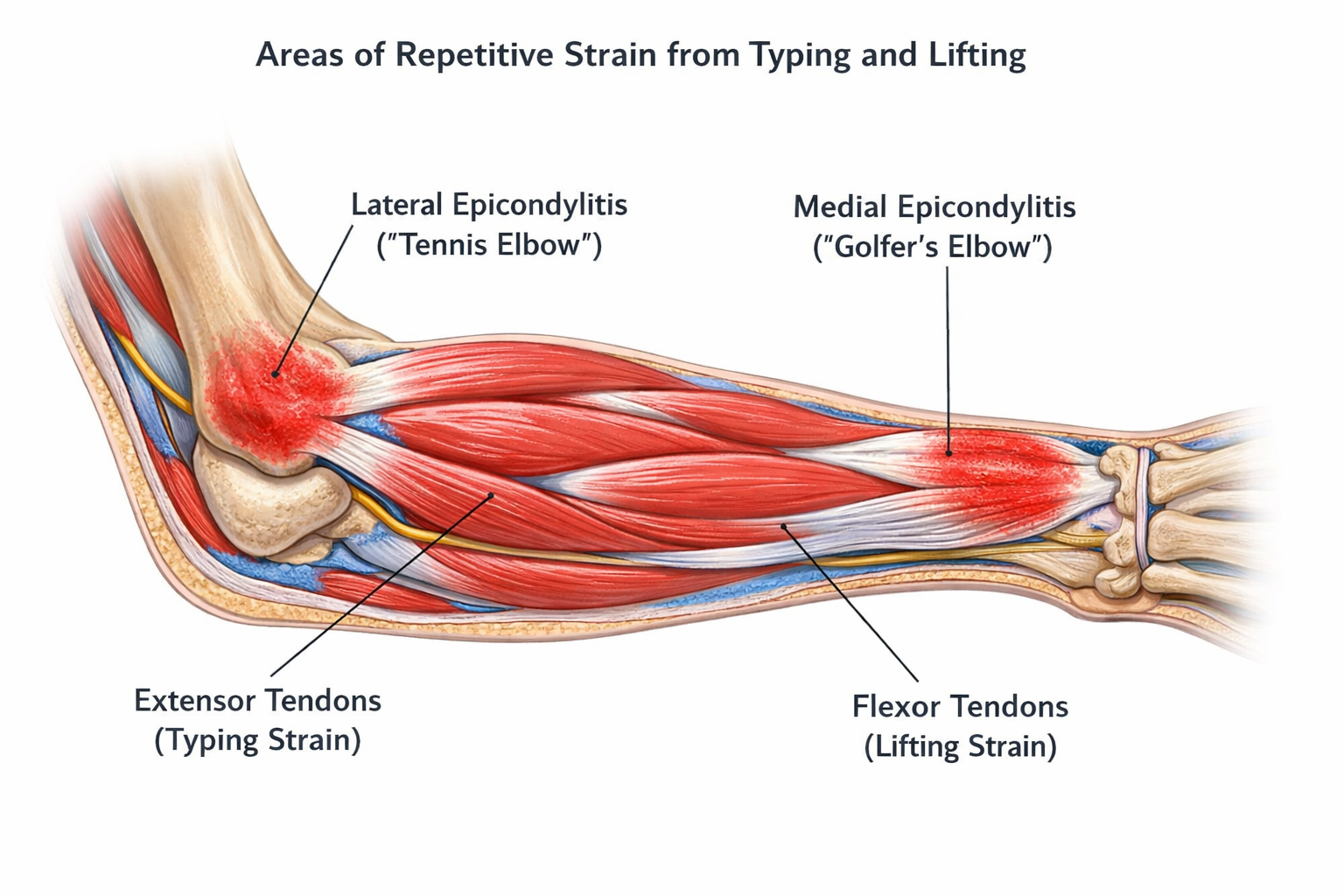
Daily arm discomfort affects millions of workers, parents, and active individuals who perform repetitive tasks throughout their day. Whether you’re typing reports, lifting boxes, painting walls, or caring for children, your arms endure constant stress that can accumulate into persistent pain. The good news is that with the right support system, you can maintain your active lifestyle while protecting your arm health for years to come.
Key Takeaways
• Early intervention matters: Using an arm brace for daily discomfort can prevent minor strain from developing into chronic conditions like tendonitis or repetitive strain injury
• Multiple brace types available: Compression sleeves, elbow straps, and wraparound braces each serve different comfort needs and activity levels
• Proper fit is crucial: The right arm brace should provide support without restricting circulation or causing additional discomfort during extended wear
• Combined approach works best: Arm braces are most effective when paired with proper ergonomics, regular breaks, and strengthening exercises
• Know when to seek help: Persistent pain, weakness, or symptoms that interfere with daily activities require professional medical evaluation
What Causes Daily Arm Discomfort?
Understanding the root causes of your arm discomfort helps you choose the most effective management strategy. Daily arm pain rarely appears overnight – it typically develops gradually through consistent patterns of stress and overuse.
Repetitive Motion Injuries
Typing and computer work represent the most common source of daily arm discomfort in 2026. The average office worker performs over 20,000 keystrokes per day, creating micro-trauma in the forearm muscles and tendons. This repetitive stress can lead to:
- Forearm muscle fatigue and tension
- Elbow pain from prolonged positioning
- Wrist and finger stiffness
- Shoulder blade discomfort from poor posture
Manual labor activities like lifting, carrying, and tool use create different but equally problematic strain patterns. Construction workers, warehouse employees, and healthcare professionals frequently develop arm discomfort from:
- Heavy lifting with improper form
- Prolonged gripping of tools or equipment
- Reaching overhead repeatedly
- Carrying unbalanced loads
Poor Ergonomics and Posture
Your workspace setup significantly impacts arm comfort throughout the day. Improper desk height, monitor positioning, and chair adjustment force your arms into unnatural positions that create unnecessary strain. Common ergonomic problems include:
- Monitor too high or low: Forces awkward arm positioning
- Keyboard placement: Creates tension in forearms and wrists
- Chair height issues: Affects shoulder and elbow alignment
- Lack of armrest support: Increases muscle fatigue
Early-Stage Conditions
Daily discomfort often signals the beginning stages of more serious conditions. Recognizing these early warning signs allows for intervention before they become chronic:
Tendonitis begins as mild inflammation in the tendons connecting muscles to bones. Tennis elbow (lateral epicondylitis) and golfer’s elbow (medial epicondylitis) are common forms that start with subtle discomfort during specific movements.
Repetitive Strain Injury (RSI) encompasses various conditions caused by repetitive motions. Early symptoms include:
- Mild aching during or after activities
- Slight stiffness in the morning
- Occasional tingling or numbness
- Reduced grip strength
Muscle fatigue from overuse creates a cycle where tired muscles work less efficiently, leading to compensatory movements that increase strain on other areas.
Just as knee braces help with various joint conditions, arm braces can interrupt these developing problems by providing targeted support where you need it most.
Can an Arm Brace Help With Daily Discomfort?
An arm brace for daily discomfort works through multiple mechanisms to reduce pain and prevent injury progression. Unlike medication that masks symptoms, braces address the mechanical causes of your discomfort while allowing you to maintain your normal activities.
Mechanical Support and Stabilization
Arm braces provide external support to overworked muscles and tendons, reducing the load on injured or fatigued tissues. This support allows your body’s natural healing processes to work more effectively while you continue daily activities.
Muscle stabilization helps prevent excessive movement that can worsen existing strain. When your forearm muscles are fatigued from repetitive tasks, a brace provides backup support that maintains proper alignment and reduces compensatory movements.
Joint protection becomes especially important during activities that require gripping, lifting, or repetitive motions. The brace helps distribute forces more evenly across the arm structure, reducing peak stress on vulnerable areas.
Compression Benefits
Improved circulation from gentle compression can enhance nutrient delivery to healing tissues while reducing inflammation. This increased blood flow helps remove metabolic waste products that contribute to muscle soreness and stiffness.
Proprioceptive feedback from the brace’s contact with your skin enhances your awareness of arm position and movement patterns. This improved body awareness often leads to better movement mechanics and reduced strain.
Pain reduction occurs through the gate control theory – the pressure sensation from the brace can help block pain signals traveling to your brain, providing natural relief without medication.
Activity Modification Support
Braces help you maintain proper form during activities by providing tactile reminders when you move into potentially harmful positions. This feedback helps you develop better movement habits over time.
Confidence boost from wearing supportive gear often allows people to remain active without fear of worsening their condition. This psychological benefit is particularly important for maintaining quality of life during recovery.
Similar to how proper knee brace fitting ensures optimal support, correct arm brace application maximizes these therapeutic benefits while maintaining comfort throughout your day.

|
|

|
|
Our Rating:
4.5
|
Our Rating:
4.4
|
Our Rating:
4.9
|
|
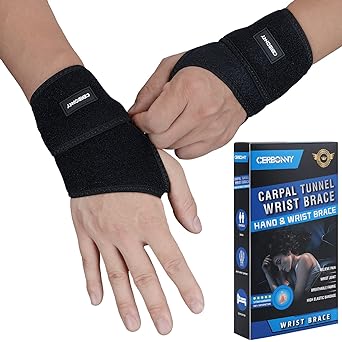
Description: A removable wrist splint and two fixed plastic splints provide a high level of wrist support. Limits unconscious bending or twisting of the wrist during sleep, avoiding aggravation of inflammation or nerve compression due to improper posture |
Description: Wrist bracers can be adjusted according to their comfort level, our wrist band can ensure stability, not easy to fall off, wearing it our hand support is very comfortable. High quality soft breathable fabric, |
Description: Maximum Pain Relief: Our wrist support braces are designed to help you relieve the pain and get the support you need for all-day and all-night comfort. Commonly used by people suffering from carpal tunnel syndrome, tendinitis, arthritis, wrist sprains, strains, etc. |
|
$13.99
|
$15.95
|
$27.06
|
A removable wrist splint and two fixed plastic splints provide a high level of wrist support. Limits unconscious bending or twisting of the wrist during sleep, avoiding aggravation of inflammation or nerve compression due to improper posture
Wrist bracers can be adjusted according to their comfort level, our wrist band can ensure stability, not easy to fall off, wearing it our hand support is very comfortable. High quality soft breathable fabric,
Maximum Pain Relief: Our wrist support braces are designed to help you relieve the pain and get the support you need for all-day and all-night comfort. Commonly used by people suffering from carpal tunnel syndrome, tendinitis, arthritis, wrist sprains, strains, etc.
Types of Arm Braces for Daily Use
Selecting the right type of arm brace for daily discomfort depends on your specific symptoms, activity level, and comfort preferences. Each brace style offers unique advantages for different situations and severity levels.
Compression Sleeves
Compression sleeves provide uniform pressure along the entire forearm, making them ideal for general muscle fatigue and circulation issues. These lightweight, tube-shaped braces slip over your arm like a sock and offer several advantages:
Benefits:
- Comfortable for all-day wear under clothing
- Provide gentle, consistent compression
- Allow full range of motion
- Machine washable and easy to maintain
- Suitable for mild to moderate discomfort
Best for:
- Computer workers with general forearm fatigue
- Athletes during training or competition
- People with circulation issues
- Early-stage muscle strain
Materials typically include:
- Neoprene for warmth and compression
- Elastic blends for breathability
- Copper-infused fabrics for antimicrobial properties
- Moisture-wicking synthetic materials
Elbow Straps and Bands
Targeted elbow straps focus pressure on specific areas around the elbow joint, making them highly effective for localized pain conditions like tennis elbow or golfer’s elbow.
Design features:
- Adjustable strap with pressure pad
- Focuses compression on affected tendons
- Lightweight and discreet
- Can be worn during most activities
Effectiveness:
These braces work by changing the angle of muscle pull on inflamed tendons, reducing stress at the attachment point. The targeted pressure helps distribute forces across a broader area rather than concentrating stress on the painful spot.
Wraparound Arm Braces
Adjustable wraparound braces offer the most customizable support, allowing you to modify compression levels throughout the day based on your comfort needs and activity demands.
Key advantages:
- Variable compression: Adjust tightness for different activities
- Secure fit: Velcro or hook-and-loop closures stay in place
- Targeted support: Can focus pressure on specific areas
- Easy application: Simple to put on and remove
Ideal situations:
- Moderate to severe daily discomfort
- Activities requiring variable support levels
- People who need frequent brace adjustments
- Transitioning between different daily tasks
Hybrid and Multi-Function Braces
Combination braces integrate multiple support mechanisms into a single device, offering comprehensive protection for complex or multiple problem areas.
Common combinations:
- Compression sleeve with targeted elbow strap
- Wraparound design with gel padding
- Adjustable compression with heat therapy elements
- Multi-zone braces addressing wrist, forearm, and elbow
These advanced designs work well for people with multiple areas of discomfort or those whose symptoms change throughout the day.
Just as choosing the right knee brace requires understanding your specific needs, selecting an arm brace involves matching the brace type to your daily activities and symptom patterns.
What to Look for in the Best Arm Brace for Daily Comfort
Finding the right arm brace for daily discomfort requires evaluating several key factors that directly impact your comfort and the brace’s effectiveness during extended wear. The best daily-use braces balance support with comfort, allowing you to wear them for hours without irritation.
Material Quality and Breathability
Fabric selection significantly impacts your daily comfort, especially during extended wear periods. Look for materials that offer:
Moisture-wicking properties:
- Synthetic blends that pull sweat away from skin
- Bamboo fiber for natural antimicrobial benefits
- Merino wool blends for temperature regulation
- Avoid pure cotton, which retains moisture
Breathable construction:
- Mesh panels in high-heat areas
- Perforated neoprene for air circulation
- Lightweight fabrics that don’t trap heat
- Seamless or flat-seam construction to prevent chafing
Skin-friendly features:
- Hypoallergenic materials for sensitive skin
- Soft interior linings
- Latex-free construction
- Easy-care fabrics that maintain properties after washing
Adjustability and Fit Options
Proper sizing is crucial for both comfort and effectiveness. The best braces offer multiple adjustment points to accommodate different arm shapes and daily activities:
Size range considerations:
- Measure your forearm circumference at the widest point
- Check manufacturer sizing charts carefully
- Consider how arm size changes throughout the day
- Account for clothing layers you’ll wear underneath
Adjustment mechanisms:
- Multiple Velcro straps for custom fit
- Elastic panels that accommodate swelling
- Removable padding for activity-specific comfort
- Quick-release features for easy removal
Support Level Customization
Different daily activities require varying support levels. The most versatile braces allow you to modify compression and stability based on your current needs:
Light support for:
- Computer work and desk tasks
- Light household activities
- Preventive wear during low-stress periods
Moderate support for:
- Manual labor and lifting tasks
- Sports and exercise activities
- Periods of increased discomfort
Maximum support for:
- Heavy work activities
- Acute pain episodes
- Recovery periods after injury
Durability and Maintenance
Since you’ll wear your brace daily, it must withstand regular use and frequent washing:
Construction quality indicators:
- Reinforced stress points at adjustment areas
- High-quality Velcro that maintains grip
- Colorfast materials that don’t fade
- Warranty coverage from reputable manufacturers
Care requirements:
- Machine washable without special detergents
- Air-dry compatibility (avoid heat damage)
- Maintains shape and compression after multiple washes
- Replacement part availability for worn components
Similar to how professional athletes choose specific knee braces based on performance demands, your daily arm brace should meet the specific requirements of your lifestyle and activity level.
How to Choose the Right Arm Brace
Selecting the optimal arm brace for daily discomfort requires a systematic approach that considers your specific symptoms, daily activities, and personal preferences. The wrong choice can worsen discomfort or fail to provide adequate support when you need it most.
Assess Your Specific Discomfort Pattern
Location mapping helps identify which brace type will be most effective:
Forearm pain typically responds best to:
- Compression sleeves for general muscle fatigue
- Wraparound braces for targeted pressure points
- Full-length support for multiple problem areas
Elbow-focused discomfort benefits from:
- Counterforce straps for tennis/golfer’s elbow
- Hinged braces for joint instability
- Combination designs for complex symptoms
Multiple area involvement may require:
- Hybrid braces covering forearm and elbow
- Separate braces for different activities
- Adjustable designs with removable components
Match Brace Features to Daily Activities
Workplace considerations:
Office workers need:
- Discreet designs that fit under clothing
- Comfortable materials for 8+ hour wear
- Easy adjustment without removing completely
- Professional appearance
Manual laborers require:
- Durable construction for harsh environments
- Secure fit that won’t slip during activity
- Protection from impacts and abrasions
- Easy cleaning after dirty work
Healthcare workers benefit from:
- Antimicrobial materials for hygiene
- Quick-release features for hand washing
- Comfortable fit during long shifts
- Support during patient lifting/transfers
Consider Your Activity Schedule
Timing your brace use optimizes both comfort and effectiveness:
All-day wear requires:
- Lightweight, breathable materials
- Graduated compression to prevent circulation issues
- Comfortable edges that don’t dig into skin
- Easy adjustment as arm size changes
Activity-specific use allows for:
- Higher support levels during problem tasks
- Specialized features for particular movements
- Multiple braces for different situations
- Cost savings on premium features
Budget and Value Considerations
Investment levels vary significantly based on features and quality:
Basic options ($15-30):
- Simple compression sleeves
- Basic elbow straps
- Limited adjustability
- Suitable for mild, occasional discomfort
Mid-range choices ($30-60):
- Adjustable wraparound designs
- Better materials and construction
- Multiple size options
- Good for regular daily use
Premium braces ($60-120):
- Advanced materials and features
- Professional-grade construction
- Extensive customization options
- Ideal for severe symptoms or demanding use
Professional consultation may be worthwhile for:
- Persistent or worsening symptoms
- Multiple failed self-treatment attempts
- Work-related injury situations
- Insurance coverage questions
The decision process mirrors choosing knee braces for specific conditions – matching the solution to your particular situation ensures the best outcomes.
How to Wear an Arm Brace Throughout the Day
Proper application and wearing technique maximize the benefits of your arm brace for daily discomfort while preventing complications from incorrect use. Following established guidelines ensures comfort and effectiveness during extended wear periods.
Correct Positioning and Application
Initial placement sets the foundation for all-day comfort:
For forearm compression sleeves:
- Start with clean, dry skin to prevent irritation
- Roll the sleeve inside-out to the halfway point
- Position over hand and wrist, then unroll up the forearm
- Ensure even compression without wrinkles or bunching
- Check circulation – fingers should remain pink and warm
For elbow straps:
- Locate the tender area on your forearm, typically 1-2 inches below the elbow
- Center the pressure pad over the affected muscle/tendon
- Wrap snugly but not tightly – you should be able to slide one finger underneath
- Test range of motion to ensure the strap doesn’t restrict movement
- Adjust throughout the day as needed for comfort
For wraparound braces:
- Open all straps completely before application
- Position the main body over the affected area
- Secure the primary strap first, then adjust secondary straps
- Ensure even pressure distribution across all contact points
- Perform test movements to verify proper fit
Timing and Duration Guidelines
Wearing schedule should balance support needs with tissue health:
During symptomatic activities:
- Put on the brace 15-20 minutes before starting problematic tasks
- Wear throughout the activity period
- Remove during breaks longer than 30 minutes
- Reapply before resuming activities
All-day wear considerations:
- Maximum continuous wear: 6-8 hours for most braces
- Mandatory breaks: Remove for 30-60 minutes every few hours
- Skin inspection: Check for redness, irritation, or pressure marks
- Circulation checks: Ensure fingers remain warm and mobile
Activity-Specific Adjustments
Computer work optimization:
- Looser fit during typing to allow natural wrist movement
- Position brace to avoid contact with desk edges
- Adjust every 2 hours to prevent pressure point development
- Remove during lunch breaks to allow skin recovery
Physical tasks modification:
- Tighter support during lifting or gripping activities
- Check security before starting demanding tasks
- Monitor for slipping and readjust as needed
- Remove immediately if pain increases during activity
Skin Care and Hygiene
Daily maintenance prevents complications:
Skin preparation:
- Clean and dry the area before application
- Apply thin layer of powder if prone to sweating
- Check for cuts, rashes, or irritation before wearing
- Rotate wearing location slightly if possible
Brace hygiene:
- Daily cleaning for braces worn regularly
- Air dry completely between uses
- Replace when odorous or visibly worn
- Have backup brace for continuous use during washing
Warning signs to watch for:
- Persistent red marks lasting more than 30 minutes after removal
- Numbness or tingling in fingers
- Increased pain during or after wearing
- Skin breakdown or pressure sores
Understanding proper wearing technique is as important as knowing when to wear supportive gear – the goal is therapeutic benefit without creating new problems.
Benefits of Using an Arm Brace Daily
Consistent use of an arm brace for daily discomfort provides cumulative benefits that extend beyond immediate pain relief. Understanding these advantages helps you maintain motivation for regular use and maximize your investment in arm health.
Immediate Comfort Improvements
Pain reduction often occurs within the first few hours of proper brace use:
Mechanical pain relief:
- Reduced muscle tension from external support
- Decreased stress on inflamed tendons and ligaments
- Improved joint alignment during activities
- Enhanced proprioceptive feedback for better movement patterns
Circulation benefits:
- Gentle compression promotes blood flow
- Reduced swelling and inflammation
- Faster removal of metabolic waste products
- Enhanced nutrient delivery to healing tissues
Psychological comfort:
- Increased confidence during activities
- Reduced fear of injury or pain worsening
- Better sleep quality when nighttime symptoms improve
- Enhanced quality of life during daily tasks
Long-Term Protective Effects
Injury prevention represents one of the most valuable long-term benefits:
Strain reduction:
- External support reduces muscle workload by 15-25%
- Improved movement mechanics prevent compensatory injuries
- Early intervention prevents minor issues from becoming chronic
- Maintained activity levels support overall arm health
Tissue healing support:
- Controlled movement promotes proper tissue repair
- Reduced re-injury risk during healing phases
- Optimal loading conditions for tendon and muscle recovery
- Prevention of scar tissue formation from repeated micro-trauma
Performance and Productivity Benefits
Enhanced endurance during daily activities:
Work performance improvements:
- Increased typing endurance for office workers
- Better grip strength maintenance during manual tasks
- Reduced fatigue during repetitive activities
- Fewer breaks needed due to discomfort
Activity tolerance:
- Ability to maintain exercise routines
- Continued participation in hobbies and sports
- Better household task completion
- Improved caregiving capacity for family members
Economic Advantages
Cost-effectiveness compared to other treatment options:
Direct savings:
- Reduced need for pain medications
- Fewer physical therapy sessions required
- Decreased doctor visits for symptom management
- Lower risk of surgical intervention needs
Indirect benefits:
- Maintained work productivity and income
- Reduced sick days and medical leave
- Continued ability to perform household tasks
- Prevention of costly chronic condition development
Healthcare cost comparison:
- Average arm brace cost: $25-75
- Physical therapy session: $75-150 per visit
- Orthopedic consultation: $200-400
- Injection treatments: $300-800 per session
The preventive benefits mirror those seen with knee braces for arthritis – early intervention with appropriate support can prevent minor issues from becoming major problems requiring expensive treatments.
Additional Tips to Reduce Daily Arm Discomfort
While an arm brace for daily discomfort provides valuable support, combining it with other strategies creates a comprehensive approach that addresses the root causes of your symptoms and promotes long-term arm health.
Ergonomic Improvements
Workspace optimization reduces the mechanical stress that contributes to daily discomfort:
Computer workstation setup:
- Monitor height: Top of screen at or slightly below eye level
- Keyboard position: Elbows at 90-degree angle, wrists neutral
- Mouse placement: Same level as keyboard, close to body
- Chair height: Feet flat on floor, thighs parallel to ground
- Armrest adjustment: Support forearms without lifting shoulders
Tool and equipment modifications:
- Ergonomic handles on frequently used tools
- Power tools instead of manual alternatives when possible
- Proper lifting techniques using legs instead of arms
- Weight distribution using both arms for heavy items
- Work height adjustment to avoid reaching or awkward positions
Exercise and Stretching Programs
Targeted exercises strengthen supporting muscles and improve flexibility:
Strengthening exercises (perform 2-3 times daily):
- Wrist curls: 10-15 repetitions with light weight
- Reverse wrist curls: Strengthen extensor muscles
- Grip strengthening: Squeeze stress ball or therapy putty
- Forearm rotations: Improve muscle balance and coordination
Stretching routine (hold each stretch 15-30 seconds):
- Wrist flexor stretch: Extend arm, pull hand back gently
- Wrist extensor stretch: Flex wrist downward with gentle pressure
- Forearm stretch: Rotate arm and stretch in multiple directions
- Shoulder blade squeezes: Counteract forward head posture
Timing recommendations:
- Stretch before starting work activities
- Exercise during lunch breaks or after work
- Perform mini-stretches every hour during repetitive tasks
- Include arm exercises in overall fitness routine
Activity Modification Strategies
Work pattern changes reduce cumulative stress:
Break scheduling:
- Micro-breaks: 30 seconds every 10 minutes during repetitive tasks
- Short breaks: 5 minutes every hour for movement and stretching
- Task rotation: Alternate between different types of activities
- Rest periods: Longer breaks during high-demand days
Technique improvements:
- Two-handed lifting: Share load between both arms
- Closer work positioning: Avoid reaching and overextension
- Neutral postures: Maintain natural arm and wrist positions
- Smooth movements: Avoid jerky or forceful motions
Lifestyle Factors
Overall health impacts your body’s ability to handle daily stress and recover from strain:
Nutrition for tissue health:
- Anti-inflammatory foods: Fish, leafy greens, berries, nuts
- Adequate protein: Support muscle repair and maintenance
- Hydration: Maintain tissue flexibility and circulation
- Limit inflammatory foods: Processed foods, excess sugar, trans fats
Sleep optimization:
- Proper pillow support: Maintain neutral arm position during sleep
- Mattress quality: Reduce pressure points and improve rest quality
- Sleep duration: 7-9 hours for optimal tissue recovery
- Stress management: Reduce muscle tension through relaxation techniques
Activity balance:
- Regular exercise: Maintain overall fitness and circulation
- Stress reduction: Practice meditation, yoga, or other relaxation methods
- Social support: Discuss challenges with family, friends, or support groups
- Professional guidance: Consult healthcare providers for persistent issues
This comprehensive approach works similarly to managing knee pain with multiple strategies – the best results come from addressing all contributing factors, not just using supportive devices alone.
Common Mistakes to Avoid
Understanding frequent errors in arm brace for daily discomfort use helps you avoid complications and maximize the therapeutic benefits of your supportive device. Many people unknowingly reduce their brace’s effectiveness through common application and usage mistakes.
Improper Fit and Application Errors
Over-tightening represents the most common and potentially harmful mistake:
Signs of excessive tightness:
- Numbness or tingling in fingers
- Skin color changes (pale, blue, or red)
- Increased pain during wear
- Deep indentation marks after removal
- Swelling above or below the brace
Consequences of over-tightening:
- Reduced blood circulation
- Nerve compression symptoms
- Muscle weakness from decreased blood flow
- Skin breakdown and pressure sores
- Worsening of original symptoms
Correct tightness guidelines:
- Should feel snug but not restrictive
- Able to slide one finger underneath comfortably
- No numbness or color changes in fingers
- Comfortable for extended wear periods
- Easy to adjust throughout the day
Wearing Duration Mistakes
Continuous wear without breaks can create new problems:
Recommended break schedule:
- Remove for 30-60 minutes every 4-6 hours
- Take off completely during sleep (unless specifically prescribed otherwise)
- Allow skin to air dry during breaks
- Inspect skin for irritation or pressure marks
- Perform gentle range of motion exercises during breaks
Signs you need more frequent breaks:
- Persistent red marks lasting longer than 30 minutes
- Itching or burning sensations
- Increased stiffness when removing the brace
- Skin irritation or rash development
- Muscle cramping or spasms
Wrong Brace Type Selection
Mismatched support level for your condition:
Under-support problems:
- Compression sleeve for severe tendonitis
- Basic strap for complex multi-area pain
- Lightweight brace for heavy work demands
- Generic sizing for unusual arm proportions
Over-support issues:
- Rigid brace for minor muscle fatigue
- Maximum compression for circulation problems
- Bulky design for desk work requirements
- Professional-grade brace for occasional use
Activity and Expectation Errors
Unrealistic expectations about brace capabilities:
What braces cannot do:
- Cure underlying conditions completely
- Replace proper medical treatment
- Compensate for poor ergonomics indefinitely
- Prevent all future injuries
- Work effectively without proper application
Realistic expectations:
- Reduce symptoms during activities
- Support healing when combined with other treatments
- Prevent minor issues from worsening
- Improve comfort during daily tasks
- Enhance confidence during activities
Maintenance and Care Mistakes
Poor hygiene practices reduce brace effectiveness and create health risks:
Common care errors:
- Wearing dirty or sweaty braces repeatedly
- Using harsh detergents that damage materials
- Heat drying that shrinks or warps the brace
- Ignoring manufacturer care instructions
- Continuing to use worn-out or damaged braces
Proper maintenance routine:
- Clean after each use or daily for extended wear
- Air dry completely before next use
- Inspect regularly for wear and damage
- Replace when compression or support decreases
- Follow manufacturer warranty and replacement guidelines
Learning from these common mistakes helps you avoid the pitfalls that reduce effectiveness, similar to understanding potential downsides of knee braces when used incorrectly.
When to Seek Medical Advice
While an arm brace for daily discomfort effectively manages many minor symptoms, certain warning signs indicate the need for professional medical evaluation. Recognizing these red flags ensures you receive appropriate treatment before conditions worsen or become chronic.
Symptom Progression Warning Signs
Worsening pain patterns that require medical attention:
Intensity changes:
- Pain that increases despite consistent brace use
- Discomfort that interferes with sleep
- Sharp, shooting pains replacing dull aches
- Pain that spreads to new areas of the arm or hand
- Symptoms that don’t improve after 2-3 weeks of proper brace use
Functional limitations:
- Difficulty performing basic daily tasks
- Reduced grip strength that affects work or hobbies
- Limited range of motion in elbow, wrist, or shoulder
- Dropping objects due to weakness or numbness
- Inability to lift normal household items
Neurological Symptoms
Nerve involvement requires immediate professional evaluation:
Concerning neurological signs:
- Numbness or tingling in fingers, especially at night
- Weakness in specific muscle groups
- Burning sensations along the arm or into the hand
- Electric shock-like pains with certain movements
- Loss of fine motor control for writing, typing, or detailed tasks
Potential serious conditions:
- Carpal tunnel syndrome progression
- Cubital tunnel syndrome (ulnar nerve compression)
- Cervical radiculopathy (neck nerve compression)
- Thoracic outlet syndrome
- Peripheral neuropathy
Work-Related Injury Considerations
Occupational health factors that warrant professional assessment:
Workers’ compensation situations:
- Symptoms clearly related to job duties
- Gradual onset during employment period
- Multiple coworkers with similar complaints
- Employer requests for medical documentation
- Need for workplace accommodation recommendations
Legal and documentation needs:
- Proper diagnosis for insurance claims
- Work restriction recommendations
- Disability evaluation requirements
- Return-to-work clearance protocols
- Prevention strategy development
Treatment Failure Indicators
When conservative management isn’t sufficient:
Brace ineffectiveness signs:
- No improvement after 4-6 weeks of proper use
- Symptoms return immediately when brace is removed
- Need for increasingly tight or restrictive bracing
- Development of new symptoms from brace use
- Multiple brace types tried without success
Progressive condition markers:
- Visible swelling or deformity
- Skin color changes or temperature differences
- Muscle wasting or visible size differences
- Joint stiffness that doesn’t improve with movement
- Chronic inflammation signs
Diagnostic and Treatment Options
Professional evaluation benefits:
Accurate diagnosis:
- Physical examination by trained specialists
- Imaging studies (X-rays, MRI, ultrasound) when indicated
- Nerve conduction studies for suspected nerve problems
- Blood tests to rule out systemic conditions
- Specialized testing for specific conditions
Advanced treatment options:
- Physical therapy with targeted exercise programs
- Injection therapies for inflammation reduction
- Prescription medications for pain and inflammation
- Ergonomic assessments and workplace modifications
- Surgical consultation for severe or refractory cases
Specialist referrals:
- Orthopedic surgeons for structural problems
- Rheumatologists for inflammatory conditions
- Neurologists for nerve-related symptoms
- Occupational medicine physicians for work-related injuries
- Physical medicine and rehabilitation specialists for comprehensive care
The decision to seek professional help parallels the approach used for knee problems that don’t respond to conservative treatment – early intervention often prevents more serious complications and the need for invasive treatments.
Frequently Asked Questions
Do arm braces help with everyday discomfort?
Yes, arm braces for daily discomfort can significantly help manage everyday symptoms when used properly. They work by providing external support to overworked muscles and tendons, reducing the mechanical stress that causes discomfort during repetitive activities like typing, lifting, or tool use.
The effectiveness depends on several factors:
- Proper fit and application for your specific arm size and symptoms
- Appropriate brace type matching your discomfort pattern and daily activities
- Consistent use during symptomatic activities
- Realistic expectations about what braces can and cannot accomplish
Most people experience noticeable improvement within the first few days of proper use, with continued benefits developing over 2-4 weeks of consistent wear.
Can you wear an arm brace all day?
Limited all-day wear is generally safe for most people, but requires careful attention to proper fit and regular breaks. Most healthcare professionals recommend:
Maximum continuous wear guidelines:
- 6-8 hours without removal for most brace types
- 30-60 minute breaks every 4-6 hours during extended wear
- Complete removal during sleep unless specifically prescribed
- Daily skin inspection for irritation or pressure marks
Signs you need more frequent breaks:
- Numbness or tingling in fingers
- Skin color changes or persistent red marks
- Increased stiffness when removing the brace
- Any new pain or discomfort from the brace itself
All-day wear considerations:
- Choose lightweight, breathable materials
- Ensure proper sizing that accommodates normal arm size fluctuations
- Have backup braces for washing and maintenance
- Monitor symptoms to ensure the brace remains helpful throughout the day
What type of brace is best for daily use?
The best arm brace for daily discomfort depends on your specific symptoms, work requirements, and comfort preferences:
For general forearm fatigue:
- Compression sleeves offer comfortable, all-day support
- Lightweight and discreet under clothing
- Provide gentle, uniform compression
- Easy to apply and remove
For elbow-specific pain:
- Counterforce straps target tennis elbow or golfer’s elbow
- Focus pressure on affected tendons
- Allow full range of motion
- Can be adjusted throughout the day
For variable symptoms:
- Wraparound adjustable braces offer customizable support
- Multiple adjustment points for different activities
- Can modify compression levels as needed
- Suitable for moderate to severe symptoms
For professional environments:
- Choose flesh-toned or black colors for discretion
- Prioritize slim profiles that fit under clothing
- Select materials that don’t make noise during movement
- Consider antimicrobial properties for hygiene
How tight should an arm brace be?
Proper tightness balances effective support with comfort and safety:
Correct fit indicators:
- Snug but not restrictive – should feel like a firm handshake
- One finger rule – able to slide one finger underneath comfortably
- No numbness or tingling in fingers or hand
- Normal skin color maintained in fingers and hand
- Comfortable for intended wear duration
Too tight warning signs:
- Numbness, tingling, or “pins and needles” sensations
- Fingers turn pale, blue, or red
- Deep indentation marks that last more than 30 minutes after removal
- Increased pain during wear
- Swelling above or below the brace
Too loose indicators:
- Brace slides or shifts during activities
- No noticeable support or symptom improvement
- Bunching or wrinkling of brace material
- Need to constantly readjust position
Adjustment tips:
- Start looser and gradually increase compression as tolerated
- Adjust tightness based on activity level and time of day
- Loosen if arm swells during the day
- Re-evaluate fit weekly as symptoms improve
Remember that proper fit is as crucial for arm braces as it is for knee braces – the right tension maximizes benefits while preventing complications.
Conclusion
Managing daily arm discomfort doesn’t have to mean accepting pain as an inevitable part of your routine. An arm brace for daily discomfort offers a practical, effective solution that can transform your comfort level and protect your long-term arm health when combined with proper ergonomics, regular breaks, and healthy movement patterns.
The key to success lies in choosing the right brace type for your specific symptoms and activities, ensuring proper fit and application, and maintaining realistic expectations about what supportive devices can accomplish. Whether you’re dealing with computer-related forearm fatigue, work-related strain, or early-stage repetitive stress symptoms, the right arm brace can help you stay active and comfortable while your body heals and adapts.
Take action today by assessing your daily discomfort patterns, researching appropriate brace options for your needs, and implementing the ergonomic and lifestyle improvements discussed in this guide. Remember that early intervention with proper support often prevents minor issues from developing into chronic conditions requiring extensive treatment.
If your symptoms persist, worsen, or interfere with your daily activities despite proper brace use and self-care measures, don’t hesitate to consult with a healthcare professional. The combination of appropriate support, professional guidance when needed, and proactive self-management creates the best foundation for long-term arm health and comfort.
Your arms carry you through countless daily tasks – investing in their health and comfort pays dividends in maintained productivity, quality of life, and freedom from pain for years to come.