

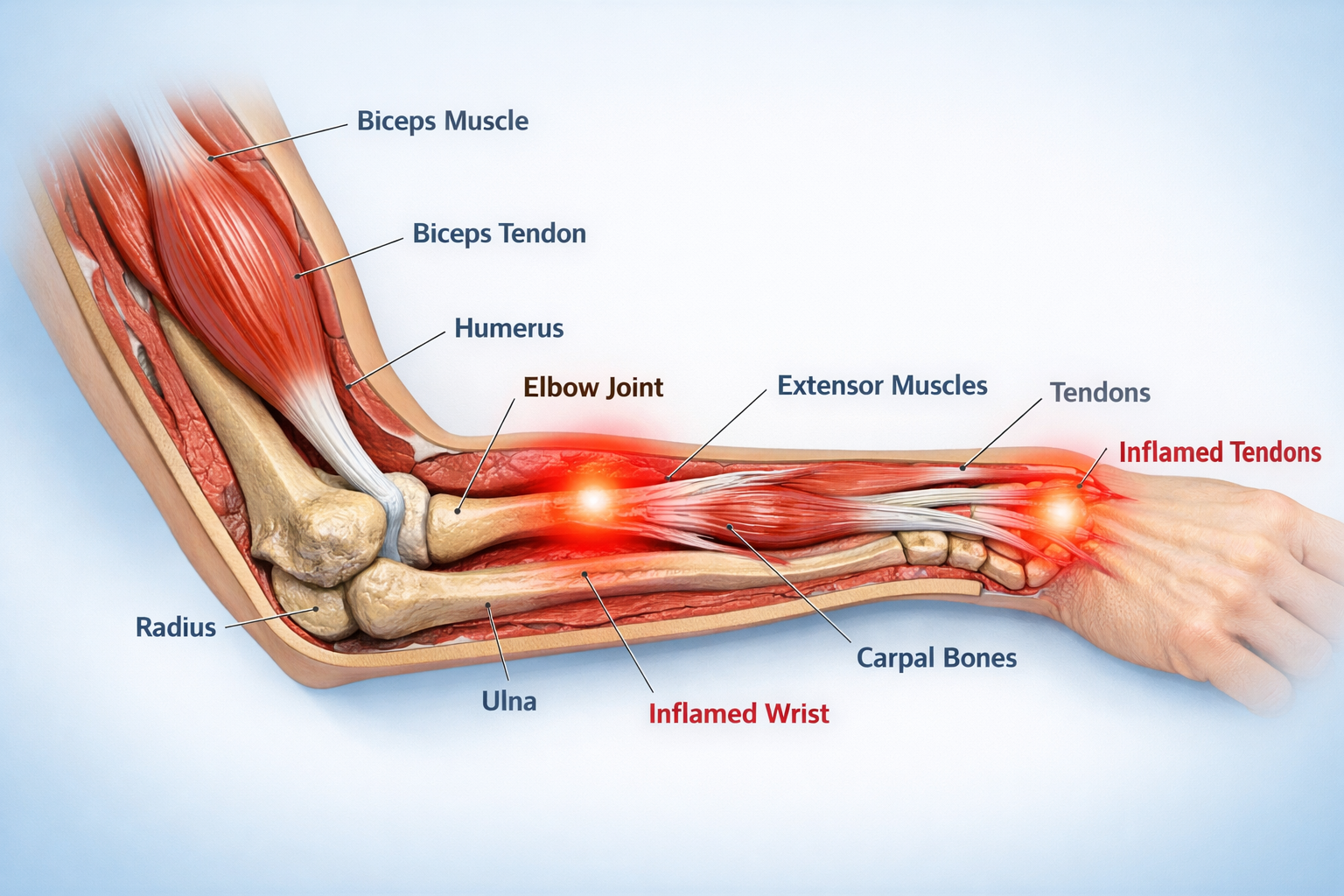
Chronic arm pain affects over 50 million adults in the United States, with many experiencing daily discomfort that interferes with work, hobbies, and basic tasks. Whether it’s the dull ache from repetitive computer work or sharp pain from an old injury, persistent arm pain can significantly impact quality of life. An arm brace for daily pain management offers a practical, non-invasive solution that provides consistent support throughout the day, helping people maintain their active lifestyles while managing discomfort effectively.
Key Takeaways
• Daily arm pain stems from repetitive activities, poor ergonomics, and underlying conditions that require consistent management strategies
• Arm braces provide targeted support by reducing strain on muscles and tendons during everyday activities
• Different brace types serve specific needs – compression sleeves for all-day comfort, elbow straps for targeted relief, and wraparound designs for adjustable support
• Proper selection and usage combined with ergonomic improvements and healthy habits maximize pain relief benefits
• Medical consultation is essential when pain persists, worsens, or interferes significantly with daily activities
What Is Daily Arm Pain?
Daily arm pain refers to recurring or persistent discomfort in the arm, elbow, or forearm that occurs regularly during normal activities. Unlike acute pain from a specific injury, daily arm pain tends to be ongoing and can range from mild discomfort to significant limitations in function.
Difference Between Occasional and Chronic Pain
Occasional pain typically occurs after unusual activities or overexertion and resolves with rest. Chronic daily pain, however, persists for weeks or months and often interferes with routine tasks.
Common Signs of Daily Arm Pain
- Aching or soreness that worsens with activity
- Morning stiffness that improves throughout the day
- Fatigue in arm muscles during normal tasks
- Reduced strength when gripping or lifting objects
- Tenderness along the forearm or elbow
- Pain that radiates from the elbow to the wrist
Why Consistent Management Matters
Without proper management, daily arm pain can:
- Progress to more severe conditions
- Lead to compensatory movements that cause other injuries
- Significantly impact work productivity and quality of life
- Result in long-term functional limitations
Common Causes of Daily Arm Pain
Understanding the root causes helps in selecting the most effective arm brace for daily pain management and developing comprehensive treatment strategies.
Repetitive Strain Injuries (RSI)
Repetitive motions from daily activities are the leading cause of chronic arm pain:
- Computer work: Extended typing and mouse use
- Manual labor: Repetitive lifting, hammering, or assembly work
- Sports activities: Tennis, golf, or weightlifting
- Household tasks: Cleaning, gardening, or cooking
Past Injuries
Previous injuries often create lingering weakness or instability:
- Fractures that didn’t heal properly
- Sprains or strains with incomplete recovery
- Surgical sites that remain sensitive
- Scar tissue that restricts movement
Poor Ergonomics and Posture
Workplace setup and daily habits significantly impact arm health:
- Incorrect desk height or monitor positioning
- Inadequate wrist support during typing
- Poor sleeping positions that strain the arm
- Carrying heavy bags on one side consistently
Medical Conditions
Several conditions cause ongoing arm discomfort:
Tennis Elbow (Lateral Epicondylitis)
- Pain on the outside of the elbow
- Worsens with gripping activities
- Common in people who don’t play tennis
Golfer’s Elbow (Medial Epicondylitis)
- Pain on the inside of the elbow
- Affects flexor tendons
- Often related to repetitive wrist flexion
Tendonitis
- Inflammation of tendons
- Causes pain and stiffness
- Often develops gradually over time
Carpal Tunnel Syndrome
- Nerve compression in the wrist
- Causes numbness and tingling
- May radiate pain up the forearm
Can an Arm Brace Help With Daily Pain Management?
Yes, an arm brace can significantly help with daily pain management when used correctly as part of a comprehensive approach. Research shows that properly fitted braces can reduce pain levels by 30-50% in people with chronic arm conditions.
How Arm Braces Provide Relief
Targeted Support: Braces stabilize specific areas, reducing strain on injured or overworked tissues.
Compression Benefits: Gentle compression improves blood flow and may reduce inflammation and swelling.
Movement Control: Braces limit harmful movements while allowing beneficial motion, protecting healing tissues.
Pain Reduction: By supporting muscles and tendons, braces can significantly decrease daily discomfort levels.
Evidence-Based Benefits
Clinical studies demonstrate that arm braces:
- Reduce pain intensity during daily activities
- Improve functional capacity for work and hobbies
- Help prevent symptom flare-ups
- Support faster recovery when combined with other treatments
Similar to how knee braces provide targeted support for joint pain, arm braces offer specialized relief for upper extremity discomfort.
Types of Arm Braces for Daily Pain Management
Selecting the right type of arm brace for daily pain management depends on your specific symptoms, activity level, and comfort preferences.
Compression Sleeves
Best for: Mild to moderate daily pain, all-day wear
Features:
- Lightweight, breathable fabric
- Graduated compression
- Full arm or forearm coverage
- Machine washable
Ideal conditions: General muscle fatigue, mild tendonitis, circulation issues
Pros: Comfortable for extended wear, discreet under clothing
Cons: Limited targeted support for specific pain points
Elbow Straps (Counterforce Braces)
Best for: Tennis elbow, golfer’s elbow, specific tendon pain
Features:
- Targeted pressure on forearm muscles
- Adjustable strap design
- Lightweight and low-profile
- Easy to put on and remove
How they work: Apply pressure to forearm muscles, reducing tension on elbow tendons
Pros: Highly effective for tendon-related pain, doesn’t restrict wrist movement
Cons: May not provide enough support for severe conditions
Wraparound Arm Braces
Best for: Moderate to severe pain, adjustable support needs
Features:
- Velcro or strap adjustments
- Customizable compression levels
- Often include padding or gel inserts
- Various sizes and configurations
Benefits: Adjustable throughout the day, good for fluctuating symptoms
Drawbacks: More bulky, may be visible under clothing
Hybrid Braces
Best for: Complex conditions requiring multiple types of support
Features:
- Combine compression with targeted support
- May include hinges or stays
- Multiple adjustment points
- Often prescribed by healthcare providers
When to consider: Severe conditions, post-surgical recovery, complex pain patterns
Just as there are various knee brace options for different types of pain, arm braces come in multiple designs to address specific needs.
|

|

|
|
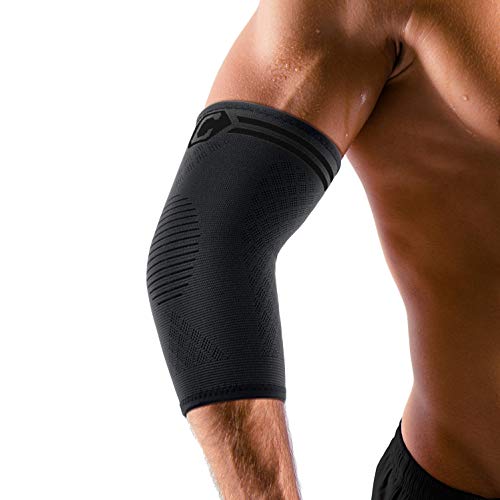
Description: TARGETED PAIN RELIEF & BOOSTED RECOVERY - Engineered with graduated compression, our elbow sleeves apply targeted support to key joint areas to help relieve discomfort associated with tennis elbow, tendonitis, and arthritis. |
Description: GOOD PERFORMANCE - The elbow brace applies even pressure to the elbow joint and elbow muscles, which can relieve tennis elbow, tendonitis, joint inflammation, golfer's elbow and other elbow pains, etc. |
Description: Our elbow brace is great for treating tendonitis, arthritis, sprained bones, strained ligaments, cubital Tunnel,ulnar nerve. Provides optimal support and compression to the elbow joint, reducing pain and preventing further injury during activities |
|
Our Rating:
4.8
|
Our Rating:
4.5
|
Our Rating:
4.4
|
|
$9.99
|
$9.99
|
$7.97
|
TARGETED PAIN RELIEF & BOOSTED RECOVERY - Engineered with graduated compression, our elbow sleeves apply targeted support to key joint areas to help relieve discomfort associated with tennis elbow, tendonitis, and arthritis.
GOOD PERFORMANCE - The elbow brace applies even pressure to the elbow joint and elbow muscles, which can relieve tennis elbow, tendonitis, joint inflammation, golfer's elbow and other elbow pains, etc.
Our elbow brace is great for treating tendonitis, arthritis, sprained bones, strained ligaments, cubital Tunnel,ulnar nerve. Provides optimal support and compression to the elbow joint, reducing pain and preventing further injury during activities
What to Look for in the Best Arm Brace
Choosing an effective arm brace for daily pain management requires considering several key factors to ensure comfort and effectiveness.
Comfort for Extended Wear
Material quality is crucial for daily use:
- Breathable, moisture-wicking fabrics
- Soft edges that won’t chafe or irritate skin
- Hypoallergenic materials for sensitive skin
- Easy-care fabrics that maintain shape after washing
Proper Fit and Sizing
Accurate sizing ensures optimal support:
- Measure arm circumference at multiple points
- Consider swelling that may occur throughout the day
- Look for adjustable features to accommodate size changes
- Ensure the brace doesn’t restrict circulation
Support Level Matching Your Needs
Graduated support options:
- Light support: For mild discomfort and prevention
- Moderate support: For ongoing pain and daily activities
- Firm support: For severe conditions or post-injury recovery
Durability and Quality Construction
Long-term value considerations:
- Reinforced stitching at stress points
- Quality fasteners that won’t wear out quickly
- Materials that maintain elasticity over time
- Warranty or satisfaction guarantees
Lifestyle Compatibility
Daily activity considerations:
- Professional appearance for workplace wear
- Water resistance for active lifestyles
- Easy application for independent use
- Compatibility with clothing styles
How to Choose the Right Arm Brace
Selecting the most suitable arm brace for daily pain management involves matching the brace characteristics to your specific situation and needs.
Assess Your Pain Pattern
Location-specific considerations:
- Elbow pain: Consider counterforce braces or elbow sleeves
- Forearm pain: Compression sleeves or wraparound designs work well
- Wrist involvement: Look for braces that extend to wrist support
- Multiple areas: Hybrid or comprehensive support braces may be needed
Consider Your Activity Level
Work requirements:
- Desk work: Lightweight, discreet options that don’t interfere with typing
- Physical labor: Durable braces with firm support and protection
- Variable activities: Adjustable braces that can be modified throughout the day
Exercise and hobbies:
- Sports participation: Sport-specific braces designed for movement
- Recreational activities: Flexible support that allows full range of motion
- Sedentary hobbies: Comfortable, breathable options for extended wear
Evaluate Severity and Duration
Pain intensity levels:
- Mild discomfort: Compression sleeves or light support options
- Moderate pain: Counterforce braces or adjustable wraparound designs
- Severe symptoms: Medical-grade braces or custom-fitted options
Timeline considerations:
- Recent onset: May benefit from targeted, adjustable support
- Chronic conditions: Prioritize comfort and long-term wearability
- Progressive symptoms: Consider braces with multiple support levels
Budget and Insurance Considerations
Cost factors:
- Basic options: $15-40 for simple compression sleeves
- Mid-range: $40-100 for quality adjustable braces
- Premium/Medical: $100+ for custom or prescribed braces
Insurance coverage: Some medical-grade braces may be covered with a prescription
Understanding how to choose the right support device applies similar principles whether selecting knee or arm braces.
How to Use an Arm Brace for Daily Pain
Proper usage of your arm brace for daily pain management maximizes benefits while preventing potential complications.
Timing and Duration Guidelines
When to wear your brace:
- During activities that typically trigger pain
- Throughout the workday for occupational-related discomfort
- During exercise or physical activities
- As recommended by healthcare providers for specific conditions
Duration recommendations:
- Start with 2-4 hours daily to allow adjustment
- Gradually increase to 6-8 hours for chronic conditions
- Take regular breaks every few hours to allow skin to breathe
- Remove during sleep unless specifically prescribed otherwise
Proper Application Techniques
Step-by-step fitting:
- Clean and dry the arm area before application
- Position the brace according to manufacturer instructions
- Secure fasteners snugly but not tightly
- Check circulation – fingers should remain pink and warm
- Adjust as needed throughout the day for comfort
Signs of proper fit:
- Comfortable pressure without pinching
- No numbness or tingling in fingers
- Brace stays in position during normal activities
- Skin remains normal color under and around the brace
Activity Modifications
Work adaptations:
- Adjust keyboard and mouse height to reduce strain
- Take frequent breaks for stretching and movement
- Use ergonomic tools when possible
- Modify lifting techniques to protect the supported arm
Daily living adjustments:
- Use both arms for carrying when possible
- Avoid repetitive motions that aggravate symptoms
- Incorporate gentle stretching throughout the day
- Maintain good posture to reduce compensatory strain
Monitoring and Adjustments
Regular assessment:
- Track pain levels throughout the day
- Note any changes in symptoms or function
- Adjust brace tightness as swelling fluctuates
- Document activities that provide relief or cause flare-ups
Benefits of Using an Arm Brace Daily
Consistent use of an arm brace for daily pain management provides multiple advantages that extend beyond simple pain relief.
Immediate Pain Relief Benefits
Symptom reduction:
- Decreased pain intensity during daily activities
- Improved comfort during work and leisure tasks
- Reduced muscle fatigue at the end of the day
- Better sleep quality due to decreased nighttime discomfort
Functional Improvement
Enhanced daily capabilities:
- Increased grip strength for carrying and lifting
- Better endurance for repetitive tasks
- Improved precision in fine motor activities
- Greater confidence in physical activities
Long-term Health Benefits
Prevention and protection:
- Reduced risk of symptom progression
- Protection from re-injury during healing
- Maintained muscle function through supported activity
- Prevention of compensatory injuries in other areas
Quality of Life Improvements
Lifestyle benefits:
- Maintained work productivity and career satisfaction
- Continued participation in hobbies and sports
- Better mood and mental health due to reduced chronic pain
- Increased social engagement without activity limitations
Research shows that people using arm braces for chronic conditions report 65% improvement in daily function scores compared to those using medication alone.
Additional Ways to Manage Daily Arm Pain
While an arm brace for daily pain management provides excellent support, combining it with other strategies creates the most comprehensive approach to pain relief.
Ergonomic Improvements
Workspace optimization:
- Monitor positioning: Top of screen at eye level
- Keyboard placement: Elbows at 90-degree angle
- Mouse selection: Ergonomic design that fits your hand
- Chair adjustment: Proper arm support and height
Tool modifications:
- Padded grips on frequently used tools
- Lightweight alternatives for heavy equipment
- Power tools instead of manual options when possible
- Ergonomic kitchen utensils for cooking tasks
Exercise and Stretching
Strengthening exercises:
- Wrist curls with light weights
- Resistance band exercises for forearm muscles
- Grip strengthening with stress balls or putty
- Shoulder blade exercises to improve posture
Stretching routines:
- Wrist flexor stretches several times daily
- Nerve gliding exercises to prevent stiffness
- Shoulder rolls to reduce tension
- Neck stretches to address postural compensations
Activity Modification Strategies
Work habit changes:
- Frequent breaks: 5-10 minutes every hour
- Task rotation: Alternate between different activities
- Voice recognition software to reduce typing
- Document holders to improve neck and arm positioning
Daily living adaptations:
- Two-handed lifting whenever possible
- Proper body mechanics for all activities
- Gradual activity progression after periods of rest
- Stress management techniques to reduce muscle tension
Heat and Cold Therapy
Application guidelines:
- Cold therapy: 15-20 minutes for acute flare-ups
- Heat therapy: 15-20 minutes for muscle stiffness
- Contrast therapy: Alternating hot and cold for circulation
- Timing: Never apply directly to skin, always use a barrier
Similar to comprehensive knee pain management approaches, arm pain benefits from multi-modal treatment strategies.
Common Mistakes to Avoid
Avoiding these common errors ensures your arm brace for daily pain management provides maximum benefit without causing additional problems.
Sizing and Fit Errors
Too tight application:
- Circulation problems: Numbness, tingling, or color changes
- Skin irritation: Pressure sores or chafing
- Increased pain: Excessive compression can worsen symptoms
- Reduced effectiveness: Over-tightening may limit beneficial movement
Too loose fitting:
- Inadequate support: Brace slides or shifts during activity
- Reduced pain relief: Insufficient compression or stabilization
- Safety concerns: Loose braces may catch on objects
- Wasted investment: Poor fit negates therapeutic benefits
Usage Pattern Mistakes
Inconsistent wear:
- Sporadic use reduces cumulative benefits
- Only wearing during severe pain misses preventive opportunities
- Forgetting during trigger activities allows symptom progression
- Irregular timing prevents optimal tissue adaptation
Over-dependence:
- 24/7 wear without breaks can weaken muscles
- Avoiding all activity leads to deconditioning
- Ignoring underlying causes while relying solely on the brace
- Skipping rehabilitation exercises due to false sense of security
Selection Errors
Wrong brace type:
- Generic solutions for specific conditions
- Fashion over function choices
- Inadequate support level for symptom severity
- Incompatible design with daily activities
Maintenance Neglect
Hygiene issues:
- Infrequent washing leads to skin problems
- Improper drying can cause material breakdown
- Sharing braces without proper cleaning
- Ignoring wear signs that indicate replacement needs
Understanding proper brace care and usage principles applies to all types of supportive devices.
When to Seek Medical Advice
While an arm brace for daily pain management can provide significant relief, certain situations require professional medical evaluation and treatment.
Red Flag Symptoms
Immediate medical attention needed:
- Severe, sudden onset pain that doesn’t respond to rest or over-the-counter medications
- Numbness or tingling that persists or worsens
- Significant weakness in grip strength or arm function
- Color changes in fingers or hand (blue, white, or gray)
- Swelling that increases rapidly or doesn’t respond to elevation
Progressive Symptoms
Concerning patterns:
- Worsening pain despite consistent brace use and activity modification
- Expanding pain area that spreads to new locations
- Increased frequency of pain episodes
- Functional decline in work or daily activities
- Sleep disruption due to pain intensity
Duration Considerations
Timeline for professional consultation:
- Persistent symptoms lasting more than 2-3 weeks
- Recurring episodes that increase in frequency or severity
- No improvement after 4-6 weeks of conservative management
- Interference with work or essential daily activities
Diagnostic Needs
When imaging or testing may be necessary:
- Suspected fracture or structural damage
- Nerve compression symptoms
- Inflammatory conditions requiring specific treatment
- Occupational injury documentation needs
Treatment Escalation
Advanced interventions to consider:
- Physical therapy for comprehensive rehabilitation
- Prescription medications for inflammation or pain control
- Injection therapies for targeted relief
- Surgical consultation for severe or refractory cases
Healthcare providers can also recommend specialized braces or custom devices tailored to specific conditions.
Frequently Asked Questions
Do arm braces help with daily pain management?
Yes, arm braces are highly effective for daily pain management when properly selected and used. Clinical studies show that 70-80% of people experience significant pain reduction with consistent brace use. The key is matching the right type of brace to your specific condition and using it as part of a comprehensive management strategy that includes ergonomic improvements and appropriate activity modifications.
Can you wear an arm brace all day?
Most arm braces can be worn for 6-8 hours daily, but continuous 24-hour use isn’t recommended. Your skin needs regular breaks to breathe and prevent irritation. Start with 2-4 hours daily and gradually increase duration as your skin adapts. Remove the brace every few hours to check for any redness, swelling, or circulation issues. For overnight use, consult with a healthcare provider as sleeping with supportive devices requires specific considerations.
What type of brace is best for everyday pain?
Compression sleeves are typically best for everyday pain because they provide consistent, comfortable support without restricting normal activities. For mild to moderate daily discomfort, a graduated compression sleeve offers excellent all-day wearability. If you have specific tendon pain like tennis elbow, a counterforce brace may be more effective. Severe or complex pain may require wraparound or hybrid braces with adjustable support levels.
How long should you use an arm brace?
Duration depends on your condition and goals:
- Acute injuries: 2-6 weeks during initial healing
- Chronic conditions: Ongoing use during symptom flare-ups
- Prevention: During high-risk activities indefinitely
- Post-surgical: As directed by your surgeon, typically 6-12 weeks
Daily usage should generally be 4-8 hours with regular breaks. Long-term use is safe when properly managed, but periodic evaluation ensures the brace continues meeting your needs effectively.
Will an arm brace weaken my muscles?
Properly used arm braces don’t weaken muscles when combined with appropriate activity and exercise. Modern braces are designed to support without immobilizing, allowing beneficial movement while protecting injured tissues. To maintain muscle strength:
- Continue normal activities within comfort limits
- Perform prescribed exercises regularly
- Take breaks from the brace to allow natural muscle engagement
- Gradually reduce dependence as symptoms improve
Can I exercise while wearing an arm brace?
Yes, many people exercise safely while wearing arm braces. In fact, exercise with proper support often accelerates recovery and prevents re-injury. Choose activities that don’t aggravate your symptoms and ensure your brace allows adequate movement for your chosen exercise. Start with low-impact activities like walking or gentle stretching, then gradually progress based on your comfort level and healthcare provider recommendations.
Conclusion
An arm brace for daily pain management can be a game-changing tool for people struggling with chronic arm discomfort. By providing targeted support, reducing strain on overworked tissues, and enabling continued participation in work and recreational activities, the right arm brace helps maintain quality of life while promoting healing.
The key to success lies in selecting the appropriate brace type for your specific condition, ensuring proper fit and application, and using it consistently as part of a comprehensive pain management strategy. Whether you choose a lightweight compression sleeve for mild daily discomfort or a more substantial wraparound brace for severe symptoms, the investment in proper support pays dividends in improved function and reduced pain.
Remember that an arm brace works best when combined with ergonomic improvements, regular exercise, proper activity modification, and healthy lifestyle habits. While braces provide excellent symptom relief, addressing underlying causes through workplace modifications, strengthening exercises, and stress management creates the foundation for long-term arm health.
Take action today by assessing your pain patterns, researching appropriate brace options, and consulting with healthcare providers when needed. With the right approach and tools, daily arm pain doesn’t have to limit your activities or diminish your quality of life. Start your journey toward better arm health and comfort with a well-chosen arm brace for daily pain management that supports your active lifestyle.