

Delivery drivers lift an average of 150-200 packages per day, with each package weighing between 5-50 pounds, creating enormous strain on their arms, elbows, and forearms. This repetitive stress, combined with hours of gripping steering wheels and maneuvering heavy items, leads to chronic pain conditions that affect thousands of drivers nationwide. An arm brace for delivery drivers has emerged as a practical solution to combat these occupational hazards, offering targeted support during the most demanding aspects of the job.
The delivery industry has exploded in recent years, with drivers working longer shifts and handling more packages than ever before. This increased workload has created a perfect storm for repetitive strain injuries, making arm support more crucial than professional drivers might realize. Understanding how to protect your arms while maintaining peak performance can mean the difference between a sustainable career and chronic pain that forces early retirement.
Key Takeaways
• Repetitive strain injuries are extremely common among delivery drivers due to constant lifting, gripping, and carrying motions
• Arm braces provide targeted support to reduce muscle fatigue and prevent minor pain from developing into serious conditions
• Different brace types serve specific purposes – compression sleeves for circulation, elbow straps for tendon support, and wraparound braces for adjustable protection
• Proper technique combined with supportive gear offers the best protection against long-term arm and elbow injuries
• Early intervention with supportive equipment can prevent the need for medical treatment and time off work
Why Delivery Drivers Experience Arm Pain
The demanding nature of delivery work creates multiple risk factors for arm pain and injury. Repetitive lifting of packages throughout the day places continuous stress on the forearm muscles, tendons, and joints. Unlike gym workouts with rest periods between sets, delivery drivers perform these motions hundreds of times daily without adequate recovery time.
Gripping steering wheels and handling equipment adds another layer of strain. The constant grip required for driving, combined with manipulating handheld scanners and opening vehicle doors, creates tension in the forearm muscles. This prolonged gripping can lead to muscle imbalances and trigger point development.
Long hours with limited rest prevent the natural healing process that occurs during downtime. Many drivers work 10-12 hour shifts with minimal breaks, never allowing their arm muscles to fully relax and recover from the accumulated stress.
Common Conditions Affecting Delivery Drivers
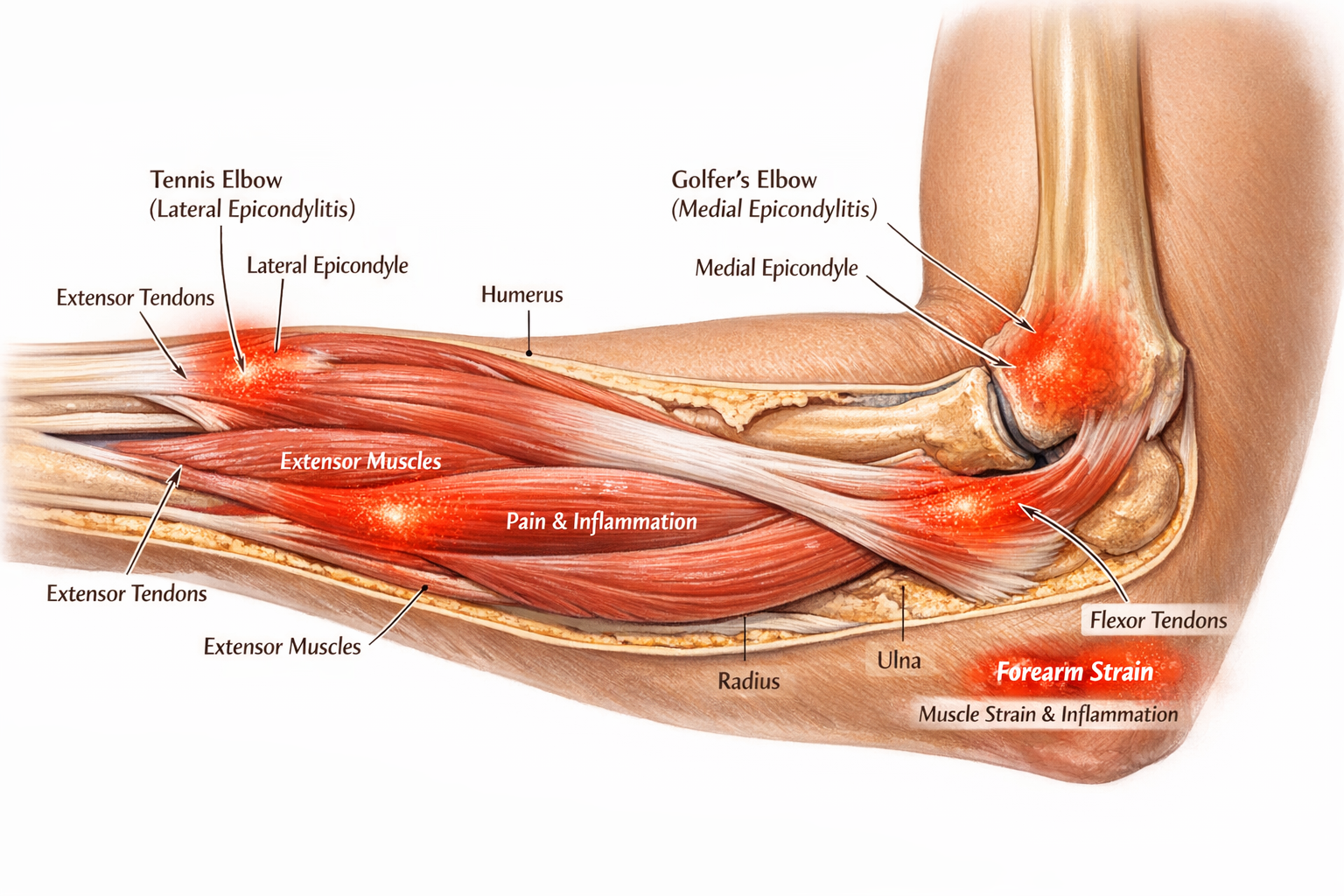
Tendonitis represents one of the most frequent complaints among delivery professionals. This inflammation of the tendons occurs when repetitive motions create microscopic tears faster than the body can repair them. The forearm tendons, particularly those controlling wrist and finger movement, become inflamed and painful.
Tennis elbow (lateral epicondylitis) affects the outer part of the elbow where forearm muscles attach. Despite its name, this condition commonly affects delivery drivers due to repetitive gripping and lifting motions. The pain typically radiates from the elbow down the forearm and worsens with continued activity.
Repetitive strain injury (RSI) encompasses a broader category of conditions caused by repetitive motions and sustained awkward positions. For delivery drivers, RSI can affect multiple areas simultaneously, including the wrist, forearm, elbow, and shoulder, creating a complex pattern of pain and dysfunction.
Similar to how other professions face occupational strain, delivery drivers can benefit from targeted support. Just as painters need specialized arm support for overhead work, delivery professionals require protection designed for their specific movement patterns.
Can an Arm Brace Help Delivery Drivers?
An arm brace for delivery drivers can provide significant benefits when used correctly as part of a comprehensive approach to injury prevention. These devices work by providing support to muscles and tendons during repetitive tasks, reducing the overall stress placed on vulnerable structures throughout the workday.
The primary mechanism involves reducing fatigue during long shifts by offering external support that supplements the body’s natural stabilization systems. When muscles don’t have to work as hard to maintain proper positioning, they experience less fatigue and can perform consistently throughout extended work periods.
Stabilizing the forearm and elbow helps maintain proper biomechanics during lifting and carrying tasks. This stabilization prevents excessive movement that can stress tendons and joints, particularly when handling awkward or heavy packages that might otherwise cause compensatory movement patterns.
Perhaps most importantly, arm braces may prevent minor pain from worsening into more serious conditions requiring medical intervention. By providing support during the early stages of discomfort, these devices can interrupt the progression from minor aches to debilitating chronic pain conditions.
Evidence-Based Benefits
Research in occupational health demonstrates that supportive devices can reduce muscle activation levels during repetitive tasks by 15-25%. For delivery drivers, this reduction translates to less accumulated fatigue and decreased risk of overuse injuries over time.
The compression provided by many arm braces also improves circulation, helping deliver oxygen and nutrients to working muscles while removing metabolic waste products more efficiently. This enhanced circulation can reduce muscle soreness and speed recovery between work shifts.
Pain reduction often occurs within days of consistent use, as the external support reduces stress on inflamed or irritated tissues. Many drivers report being able to work full shifts with less discomfort when using appropriate arm support.
Types of Arm Braces for Delivery Drivers
Compression Sleeves
Compression sleeves represent the most popular choice for delivery drivers due to their versatility and comfort. These lightweight and breathable designs allow for all-day wear without causing excessive sweating or discomfort under work uniforms.
The graduated compression helps reduce fatigue and improve circulation by applying gentle pressure that promotes blood flow back toward the heart. This improved circulation can reduce muscle soreness and prevent the buildup of metabolic waste products that contribute to fatigue.
Benefits for delivery work:
- Minimal bulk under uniforms
- Full range of motion maintained
- Moisture-wicking materials available
- Easy to put on and remove
- Cost-effective option
Elbow Straps (Counterforce Braces)
Elbow straps specifically target strain at the elbow by applying focused pressure to the forearm muscles just below the elbow joint. This counterforce mechanism redirects stress away from the inflamed tendon attachment points, providing relief for tennis elbow and similar conditions.
These braces are particularly useful for tendon-related pain because they address the specific biomechanical factors contributing to elbow tendonitis. The strap creates a new fulcrum point for muscle forces, reducing stress on the lateral epicondyle where tennis elbow pain originates.
Key features:
- Targeted pressure application
- Adjustable tension settings
- Lightweight design
- Easy to position correctly
- Effective for specific conditions
Wraparound Arm Braces
Wraparound arm braces offer the most comprehensive support with adjustable support levels that can be modified throughout the workday based on activity demands. These braces typically feature multiple straps or closure systems that allow for customized compression and support.
The easy to wear during work design makes them practical for delivery drivers who need to put on and remove protective equipment quickly. Many wraparound styles can be adjusted single-handedly, allowing for modifications without stopping work entirely.
Advantages include:
- Maximum adjustability
- Comprehensive forearm support
- Suitable for various arm sizes
- Can accommodate swelling changes
- Professional appearance
Just as mechanics require specialized arm support for their demanding physical work, delivery drivers benefit from choosing the right type of brace for their specific needs and work environment.
Benefits of Using an Arm Brace on the Job
Reduces strain from repetitive lifting represents the primary benefit most delivery drivers experience when using arm support. The external compression and stabilization help distribute forces more evenly across the forearm muscles, preventing any single muscle group from becoming overloaded during repetitive lifting tasks.
Improves comfort during long shifts by providing consistent support that reduces muscle fatigue accumulation. Drivers often report feeling less tired at the end of their workday when using appropriate arm support, allowing them to maintain energy for personal activities after work.
Helps maintain performance and endurance throughout the entire shift rather than experiencing declining performance as fatigue sets in. This consistent performance can translate to better job efficiency and reduced risk of accidents or injuries due to fatigue-related mistakes.
Supports injury prevention by addressing minor issues before they develop into serious problems requiring time off work or medical treatment. The cost of a quality arm brace is minimal compared to the potential costs of medical treatment and lost wages from injury-related absences.
Quantifiable Improvements
Many drivers report 30-50% reduction in end-of-shift arm pain when using appropriate support consistently. This improvement often translates to better sleep quality and faster recovery between work days.
Increased work capacity allows drivers to handle peak delivery periods without experiencing the same level of discomfort. During busy seasons when package volumes increase significantly, arm support can make the difference between completing routes comfortably and struggling through each day.
Reduced need for pain medication represents both a health and financial benefit. Over-the-counter pain relievers can cause stomach irritation and other side effects when used regularly, making prevention through supportive equipment a healthier long-term strategy.
How to Choose the Best Arm Brace for Delivery Drivers
Durable and breathable materials should top the priority list when selecting an arm brace for delivery work. Look for moisture-wicking fabrics that can withstand daily washing and maintain their supportive properties over time. Neoprene blends often provide good durability, while newer synthetic materials offer superior breathability.
Comfortable fit for extended wear requires careful attention to sizing and design features. The brace should provide support without creating pressure points or restricting circulation. Seams should be flat or minimal to prevent chafing during long work periods.
Adjustable support levels allow customization based on daily symptoms and activity demands. Some days may require maximum support, while others might need only light compression. Adjustable designs accommodate these varying needs without requiring multiple different braces.
Compatibility with work tasks and uniforms ensures the brace won’t interfere with job performance or violate dress code requirements. Consider how the brace will fit under or over work clothing and whether it will interfere with equipment use or vehicle operation.
Selection Criteria Checklist
✅ Size range – Measure forearm circumference at the widest point
✅ Material composition – Breathable, moisture-wicking fabrics preferred
✅ Closure system – Easy to adjust single-handedly
✅ Thickness – Low profile for uniform compatibility
✅ Washability – Machine washable for easy maintenance
✅ Price point – Balance cost with expected durability
✅ Return policy – Ability to exchange if sizing is incorrect
Similar to how hairstylists need specific arm support for their repetitive motions, delivery drivers should choose braces designed for their particular movement patterns and work environment.

|
|

|
|
Our Rating:
4.5
|
Our Rating:
4.4
|
Our Rating:
4.9
|
|
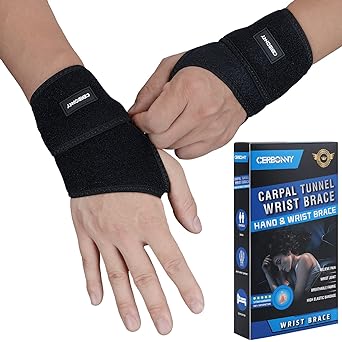
Description: A removable wrist splint and two fixed plastic splints provide a high level of wrist support. Limits unconscious bending or twisting of the wrist during sleep, avoiding aggravation of inflammation or nerve compression due to improper posture |
Description: Wrist bracers can be adjusted according to their comfort level, our wrist band can ensure stability, not easy to fall off, wearing it our hand support is very comfortable. High quality soft breathable fabric, |
Description: Maximum Pain Relief: Our wrist support braces are designed to help you relieve the pain and get the support you need for all-day and all-night comfort. Commonly used by people suffering from carpal tunnel syndrome, tendinitis, arthritis, wrist sprains, strains, etc. |
|
$13.99
|
$15.95
|
$27.06
|
A removable wrist splint and two fixed plastic splints provide a high level of wrist support. Limits unconscious bending or twisting of the wrist during sleep, avoiding aggravation of inflammation or nerve compression due to improper posture
Wrist bracers can be adjusted according to their comfort level, our wrist band can ensure stability, not easy to fall off, wearing it our hand support is very comfortable. High quality soft breathable fabric,
Maximum Pain Relief: Our wrist support braces are designed to help you relieve the pain and get the support you need for all-day and all-night comfort. Commonly used by people suffering from carpal tunnel syndrome, tendinitis, arthritis, wrist sprains, strains, etc.
How to Wear an Arm Brace While Working
Proper placement on the forearm or elbow varies depending on the type of brace and the specific condition being addressed. Compression sleeves typically cover the entire forearm from just below the elbow to just above the wrist. Elbow straps should be positioned 1-2 inches below the elbow joint over the muscle belly of the forearm extensors.
Ensuring a snug but flexible fit requires finding the balance between effective support and comfortable wear. The brace should feel secure without causing numbness, tingling, or color changes in the fingers. You should be able to slide one finger under the brace when properly fitted.
Wearing it during high-demand tasks maximizes the protective benefits while allowing normal function during lighter activities. Many drivers find it helpful to put on their arm brace before starting their route and wear it throughout the most demanding portions of their shift.
Daily Wearing Schedule
Morning preparation: Put on the brace before beginning work activities, ensuring proper positioning and comfortable tension.
During delivery routes: Maintain consistent wear during package handling and lifting activities. Adjust tension if swelling occurs throughout the day.
Break periods: Consider loosening or briefly removing the brace during extended breaks to allow circulation and skin breathing.
End of shift: Remove the brace and inspect the skin for any irritation or pressure marks that might indicate improper fit or excessive tightness.
Common Positioning Mistakes
❌ Too tight – Causes numbness, tingling, or skin color changes
❌ Too loose – Provides inadequate support and may slip during activity
❌ Wrong location – Elbow straps positioned too high or low lose effectiveness
❌ Over clothing – May reduce compression effectiveness and cause slipping
❌ Inconsistent use – Sporadic wearing prevents adaptation and optimal benefits
Additional Tips to Prevent Arm Pain
Use proper lifting techniques forms the foundation of injury prevention for delivery drivers. Bend at the knees rather than the waist, keep packages close to the body, and avoid twisting while lifting. These techniques reduce stress on the arms by engaging larger, stronger muscle groups.
Take short breaks when possible to allow muscles to recover from repetitive stress. Even 30-60 second breaks between heavy lifting sequences can help prevent muscle fatigue accumulation. Use these breaks to shake out your arms and perform gentle stretches.
Stretch arms and shoulders regularly to maintain flexibility and reduce muscle tension. Simple stretches can be performed during vehicle loading or while walking between delivery stops. Focus on wrist flexors, forearm muscles, and shoulder mobility.
Alternate tasks to reduce repetitive strain when possible within your route structure. Vary lifting techniques, switch between dominant and non-dominant arms for lighter packages, and intersperse driving periods with walking to provide muscle variety.
Effective Stretching Routine
Wrist flexor stretch: Extend arm forward, palm up, gently pull fingers back toward body. Hold 15-30 seconds each arm.
Forearm extensor stretch: Extend arm forward, palm down, gently push hand down and back. Hold 15-30 seconds each arm.
Shoulder rolls: Perform 5-10 forward and backward shoulder rolls to reduce upper body tension.
Neck side bends: Gently tilt head toward each shoulder to release neck and upper trap tension.
Workplace Ergonomics
Vehicle adjustments can significantly impact arm stress levels. Adjust seat position to minimize reaching for the steering wheel, and use lumbar support to maintain proper posture that reduces compensatory arm tension.
Package handling strategies include organizing delivery routes to minimize carrying distances and using wheeled carts or dollies when available for heavy or multiple packages.
Equipment modifications such as padded steering wheel covers or ergonomic handheld scanners can reduce grip stress and improve comfort during repetitive tasks.
Common Mistakes to Avoid
Ignoring early signs of discomfort represents the most dangerous mistake delivery drivers make regarding arm health. Minor aches and stiffness often progress to serious conditions when left untreated. Address discomfort early with rest, stretching, and appropriate support rather than hoping it will resolve on its own.
Overworking without rest pushes muscles and tendons beyond their recovery capacity, leading to cumulative damage over time. Even when deadlines are tight, taking brief recovery breaks prevents more serious injuries that could result in extended time off work.
Wearing a brace incorrectly or too tightly can actually worsen symptoms or create new problems. Excessive compression can reduce circulation, while improper positioning may increase stress on adjacent structures. Follow manufacturer guidelines and adjust based on comfort and effectiveness.
Warning Signs to Watch
🚨 Numbness or tingling – May indicate nerve compression or circulation problems
🚨 Persistent pain – Pain lasting more than a few days requires attention
🚨 Weakness – Difficulty gripping or lifting may signal serious injury
🚨 Swelling – Visible swelling indicates inflammation requiring rest
🚨 Color changes – Pale or blue fingers suggest circulation problems
Progressive Problem Development
Stage 1: Mild discomfort at end of shift – Address with stretching and light support
Stage 2: Pain during work activities – Requires consistent brace use and technique modification
Stage 3: Constant pain affecting daily activities – Needs medical evaluation and possible work modifications
Stage 4: Severe pain with weakness – May require time off work and medical treatment
Understanding how supportive devices work in other contexts, such as knee braces for pain relief, can help delivery drivers appreciate the importance of early intervention with appropriate arm support.
When to Seek Medical Advice
Persistent or worsening pain that doesn’t improve with rest, stretching, and supportive equipment requires professional evaluation. Pain that continues for more than a week despite conservative measures may indicate a more serious condition requiring specific treatment.
Numbness or tingling in the arm can signal nerve compression or circulation problems that need immediate attention. These symptoms may indicate conditions like carpal tunnel syndrome or thoracic outlet syndrome that require specific medical management.
Difficulty performing work tasks due to pain, weakness, or stiffness suggests the condition has progressed beyond what conservative measures can address. Don’t wait until symptoms become severe enough to prevent working entirely.
Medical Evaluation Process
Initial assessment typically includes a detailed history of symptoms, work activities, and previous treatments attempted. The healthcare provider will examine arm strength, range of motion, and specific pain triggers.
Diagnostic testing may include X-rays to rule out fractures, ultrasound to evaluate soft tissue structures, or nerve conduction studies if nerve involvement is suspected.
Treatment options range from physical therapy and prescription anti-inflammatory medications to injection therapies or surgical intervention for severe cases.
Documentation for Workers’ Compensation
Symptom tracking helps establish the relationship between work activities and injury development. Keep records of pain levels, activities that worsen symptoms, and treatments attempted.
Medical records from all healthcare providers should be maintained as evidence of the condition’s severity and treatment requirements.
Work modification requests may be necessary and should be documented through proper channels to ensure both worker safety and legal protection.
Just as understanding the benefits of knee braces helps people make informed decisions about joint support, delivery drivers should understand when arm symptoms require professional medical evaluation rather than self-treatment alone.
Conclusion
An arm brace for delivery drivers represents a practical, cost-effective solution for managing the physical demands of package delivery work. The repetitive lifting, gripping, and carrying motions inherent to delivery work create significant stress on arm muscles, tendons, and joints that can lead to chronic pain conditions without proper protection.
The key to success lies in combining support with proper habits and technique. While an arm brace provides valuable external support, it works best when paired with proper lifting mechanics, regular stretching, and attention to early warning signs of overuse injury. This comprehensive approach addresses both the immediate symptoms and underlying causes of arm pain in delivery work.
Protecting your arm health helps maintain productivity and ensures a sustainable career in the delivery industry. The relatively small investment in quality arm support can prevent costly medical treatments, time off work, and the long-term consequences of chronic pain conditions. Early intervention with appropriate support allows drivers to continue working comfortably while their bodies adapt to the physical demands of the job.
For delivery drivers experiencing arm pain or wanting to prevent future problems, start with a quality compression sleeve or elbow strap appropriate for your specific symptoms. Combine this support with proper lifting techniques, regular stretching, and attention to your body’s signals. Remember that persistent or worsening symptoms require medical evaluation to prevent minor issues from becoming major problems.
Take action today to protect your arm health – your career and quality of life depend on maintaining the physical capacity to perform your job comfortably and safely for years to come.