

Golfer’s elbow affects up to 1% of the population annually, yet 90% of cases can be successfully managed with conservative treatment including proper bracing. This painful condition doesn’t just impact golfers – it strikes anyone who performs repetitive gripping or wrist flexion activities, from construction workers to office employees. An arm brace for golfer’s elbow can provide significant pain relief and help people stay active while their tendons heal.
The persistent ache on the inner side of your elbow doesn’t have to sideline your activities indefinitely. With the right understanding of how braces work and which type suits your specific needs, many people experience noticeable improvement within days of starting treatment. This comprehensive guide covers everything from identifying golfer’s elbow symptoms to selecting and using the most effective arm brace for your situation.
Key Takeaways
• Golfer’s elbow (medial epicondylitis) causes pain on the inner elbow due to inflamed tendons from repetitive stress
• Arm braces reduce strain on damaged tendons by applying targeted pressure and stabilizing the forearm during activities
• Counterforce straps are most effective for active use, while compression sleeves work well for mild daily discomfort
• Proper positioning is crucial – braces should sit just below the elbow on the forearm, not directly on the painful area
• Early intervention with bracing, combined with rest and proper technique, prevents long-term complications
What Is Golfer’s Elbow?
Golfer’s elbow, medically known as medial epicondylitis, is an overuse injury that causes pain and inflammation on the inner side of the elbow. This condition occurs when the tendons that connect your forearm muscles to the bony bump on the inside of your elbow become damaged from repetitive stress.
The flexor muscles in your forearm are responsible for gripping, wrist flexion, and finger movement. When these muscles work overtime without adequate rest, tiny tears develop in the tendons where they attach to the medial epicondyle. This leads to inflammation, pain, and weakness that can significantly impact daily activities.
Common Symptoms Include:
- Sharp or aching pain on the inner elbow that may radiate down the forearm
- Tenderness when touching the bony bump on the inside of the elbow
- Weak grip strength that makes it difficult to hold objects
- Stiffness in the elbow, especially in the morning
- Pain that worsens with gripping, lifting, or wrist movements
How Golfer’s Elbow Differs from Tennis Elbow
While both conditions affect the elbow, they target different areas:
| Golfer’s Elbow | Tennis Elbow |
|---|---|
| Inner elbow pain (medial) | Outer elbow pain (lateral) |
| Affects flexor tendons | Affects extensor tendons |
| Pain with gripping/pulling | Pain with lifting/extending |
| Less common overall | More frequently diagnosed |
Understanding this distinction is important because it affects which type of brace and treatment approach will be most effective for your specific condition.
What Causes Golfer’s Elbow?
Golfer’s elbow develops gradually through repetitive stress rather than from a single injury. The condition occurs when the forearm flexor muscles are repeatedly contracted without sufficient recovery time, leading to microscopic tears in the tendons.
Primary Risk Factors:
🏌️ Sports Activities:
- Golf (especially with poor swing technique)
- Baseball and softball pitching
- Tennis with excessive topspin
- Rock climbing and weightlifting
- Racquet sports with heavy racquets
🔧 Occupational Hazards:
- Construction work and tool use
- Repetitive computer typing
- Assembly line work
- Painting and carpentry
- Food service and cooking
⚠️ Contributing Factors:
- Poor technique in sports or work activities
- Inadequate warm-up before physical activity
- Sudden increase in activity intensity or duration
- Age-related tendon changes (most common in ages 40-60)
- Muscle imbalances between flexors and extensors
The Development Process
The condition typically progresses through several stages:
- Initial irritation from repetitive stress
- Microscopic tears in tendon fibers
- Inflammatory response causing pain and swelling
- Chronic changes if left untreated, including scar tissue formation
Many people who develop golfer’s elbow work in professions requiring repetitive arm motions. For those in specialized fields, targeted solutions like an arm brace for mechanics or arm brace for delivery drivers can provide occupation-specific support.
Can an Arm Brace Help Golfer’s Elbow?
Yes, an arm brace for golfer’s elbow can significantly reduce pain and support healing when used correctly as part of a comprehensive treatment plan. Research shows that counterforce bracing can reduce tendon stress by up to 15-20% during activities, providing meaningful relief for most people with medial epicondylitis.
How Arm Braces Work:
🎯 Targeted Pressure Application
Braces apply focused pressure to the muscle belly just below the elbow, which helps redistribute forces away from the inflamed tendon attachment site. This counterforce mechanism reduces the strain on damaged tissues during gripping and lifting activities.
🔄 Load Distribution
By compressing the forearm muscles, braces help distribute mechanical loads more evenly across the entire muscle-tendon unit rather than concentrating stress at the vulnerable attachment point on the medial epicondyle.
💪 Improved Muscle Coordination
The compression and proprioceptive feedback from braces can enhance muscle coordination and timing, potentially reducing harmful stress patterns that contribute to ongoing irritation.
Clinical Benefits:
- Pain reduction during daily activities (reported by 70-80% of users)
- Improved grip strength and functional capacity
- Enhanced confidence to perform necessary tasks
- Faster return to sports and work activities
- Prevention of re-injury during the healing process
Limitations to Consider:
While braces are highly effective for many people, they work best when combined with other treatments. Braces alone cannot cure golfer’s elbow – they’re most effective as part of a comprehensive approach that includes rest, proper technique modification, and gradual strengthening exercises.
For those dealing with acute symptoms, specialized options like an arm brace for sharp elbow pain may provide more targeted relief during flare-ups.
Types of Arm Braces for Golfer’s Elbow
Choosing the right type of brace depends on your activity level, pain severity, and personal preferences. Each design offers different advantages for managing golfer’s elbow symptoms.
Counterforce Straps ⭐ Most Popular
Counterforce straps are the gold standard for golfer’s elbow treatment. These narrow bands (typically 1-2 inches wide) wrap around the forearm just below the elbow, applying targeted pressure to the muscle belly.
✅ Advantages:
- Highly effective for active use during sports and work
- Lightweight and minimally restrictive
- Easy to adjust compression levels
- Can be worn under clothing discretely
- Most cost-effective option
❌ Disadvantages:
- May slip during vigorous activity
- Limited support for severe cases
- Can cause skin irritation with prolonged use
Best for: Active individuals who need support during specific activities like golf, tennis, or manual labor.
Compression Sleeves
Compression sleeves provide gentle, even pressure along the entire forearm and elbow area. Made from elastic materials, they offer 360-degree support and improved circulation.
✅ Advantages:
- Comfortable for all-day wear
- Promotes blood flow and reduces swelling
- Stays in place well during movement
- Suitable for mild to moderate symptoms
- Good for sleeping with elbow pain
❌ Disadvantages:
- Less targeted pressure than counterforce straps
- May feel too restrictive for some users
- Can retain heat and moisture
Best for: People with mild golfer’s elbow who need comfortable daily support or those in professions requiring extended arm use.
Wraparound Arm Braces
Wraparound braces combine features of both straps and sleeves, offering adjustable compression with broader coverage. They typically use velcro or similar fastening systems.
✅ Advantages:
- Customizable fit and compression
- Good for moderate pain levels
- Stable during various activities
- Often include additional padding
❌ Disadvantages:
- Bulkier than simple straps
- May be visible under clothing
- More expensive than basic options
Best for: Individuals with moderate golfer’s elbow who need adjustable support throughout the day.
Immobilization Braces
Immobilization braces significantly limit elbow and wrist movement, used primarily during acute phases or severe cases requiring maximum rest.
✅ Advantages:
- Maximum protection during healing
- Prevents harmful movements
- Effective for severe acute symptoms
❌ Disadvantages:
- Highly restrictive for daily activities
- Risk of muscle weakness with prolonged use
- Usually requires medical supervision
Best for: Severe cases or acute flare-ups where complete rest is necessary.
For those seeking the most effective options, exploring the best arm brace for elbow pain can help identify top-rated products across all categories.
What to Look for in the Best Arm Brace for Golfer’s Elbow
Selecting an effective arm brace requires attention to several key features that directly impact comfort, effectiveness, and durability. The right brace should provide targeted support while allowing you to maintain your daily activities.
Essential Features:
🎯 Targeted Medial Support
The brace should specifically address the inner elbow area where golfer’s elbow occurs. Look for designs that apply pressure to the flexor muscle group rather than generic elbow support that treats all areas equally.
🔧 Adjustable Compression
Variable compression levels allow you to customize support based on activity and symptom severity. Velcro straps, dial systems, or elastic materials should provide easy adjustment throughout the day.
🌬️ Breathable Materials
High-quality braces use moisture-wicking fabrics like neoprene blends, mesh panels, or perforated materials that prevent skin irritation during extended wear.
📏 Proper Sizing Options
Accurate sizing is crucial for effectiveness. Quality manufacturers provide detailed sizing charts based on forearm circumference measurements taken 2-3 inches below the elbow.
Material Quality Indicators:
| Feature | Good Quality | Avoid |
|---|---|---|
| Fabric | Medical-grade neoprene, breathable mesh | Cheap rubber, non-breathable plastic |
| Straps | Reinforced velcro, durable buckles | Thin velcro that loses grip quickly |
| Stitching | Double-stitched seams, reinforced stress points | Single stitching, loose threads |
| Hardware | Rust-resistant metal components | Plastic clips that break easily |
Comfort and Fit Considerations:
✅ Secure Without Slipping
The brace should stay in position during normal activities without requiring constant readjustment. Look for contoured designs that follow the natural shape of your forearm.
✅ Edge Comfort
Smooth, finished edges prevent digging into skin during movement. Padded edges or seamless construction enhance long-term wearability.
✅ Range of Motion
While providing support, the brace shouldn’t severely restrict necessary movements for your daily activities or sports.
Special Considerations by Activity:
For specific professions or activities, specialized features may be important:
- Hairstylists may benefit from arm braces designed for repetitive overhead motions
- Office workers might prefer braces optimized for typing activities
- Athletes may need braces that work well with gym workouts or weight lifting
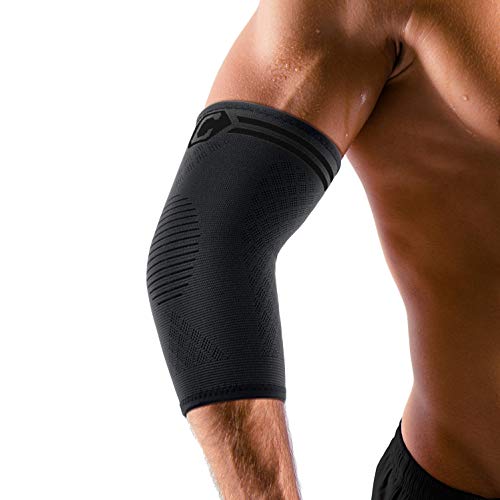
|

|

|
|
Description: TARGETED PAIN RELIEF & BOOSTED RECOVERY - Engineered with graduated compression, our elbow sleeves apply targeted support to key joint areas to help relieve discomfort associated with tennis elbow, tendonitis, and arthritis. |
Description: GOOD PERFORMANCE - The elbow brace applies even pressure to the elbow joint and elbow muscles, which can relieve tennis elbow, tendonitis, joint inflammation, golfer's elbow and other elbow pains, etc. |
Description: Our elbow brace is great for treating tendonitis, arthritis, sprained bones, strained ligaments, cubital Tunnel,ulnar nerve. Provides optimal support and compression to the elbow joint, reducing pain and preventing further injury during activities |
|
Our Rating:
4.8
|
Our Rating:
4.5
|
Our Rating:
4.4
|
|
$9.99
|
$9.99
|
$7.97
|
TARGETED PAIN RELIEF & BOOSTED RECOVERY - Engineered with graduated compression, our elbow sleeves apply targeted support to key joint areas to help relieve discomfort associated with tennis elbow, tendonitis, and arthritis.
GOOD PERFORMANCE - The elbow brace applies even pressure to the elbow joint and elbow muscles, which can relieve tennis elbow, tendonitis, joint inflammation, golfer's elbow and other elbow pains, etc.
Our elbow brace is great for treating tendonitis, arthritis, sprained bones, strained ligaments, cubital Tunnel,ulnar nerve. Provides optimal support and compression to the elbow joint, reducing pain and preventing further injury during activities
How to Choose the Right Arm Brace
Selecting the most appropriate arm brace for golfer’s elbow requires matching the brace type and features to your specific symptoms, activity level, and lifestyle needs.
Step 1: Assess Your Symptom Severity
🟢 Mild Symptoms:
- Occasional discomfort during specific activities
- No significant grip weakness
- Pain doesn’t interfere with daily tasks
→ Recommended: Compression sleeve or basic counterforce strap
🟡 Moderate Symptoms:
- Regular pain during work or sports
- Noticeable grip weakness
- Some limitation in daily activities
→ Recommended: Adjustable counterforce strap or wraparound brace
🔴 Severe Symptoms:
- Constant pain even at rest
- Significant functional limitations
- Pain interferes with sleep
→ Recommended: Immobilization brace (with medical guidance)
Step 2: Consider Your Activity Level
High Activity (Sports/Physical Work):
- Choose counterforce straps for maximum mobility
- Prioritize moisture-wicking materials
- Ensure secure fit that won’t slip during movement
Moderate Activity (Office Work/Light Tasks):
- Compression sleeves work well for all-day comfort
- Look for breathable fabrics for extended wear
- Consider adjustable options for varying comfort needs
Low Activity (Rest/Recovery Phase):
- Wraparound braces provide gentle support
- Focus on maximum comfort features
- Immobilization options may be appropriate short-term
Step 3: Determine Proper Sizing
📐 Measurement Guidelines:
- Measure forearm circumference 2-3 inches below the elbow crease
- Measure when relaxed (not flexed or tensed)
- Use a flexible tape measure for accuracy
- Refer to manufacturer sizing charts (sizes vary between brands)
Common Size Ranges:
- Small: 8-10 inches
- Medium: 10-12 inches
- Large: 12-14 inches
- X-Large: 14+ inches
Step 4: Budget Considerations
💰 Budget-Friendly ($10-25):
Basic counterforce straps or simple compression sleeves. Good for trying brace therapy or mild symptoms.
💰💰 Mid-Range ($25-50):
Higher-quality materials, better adjustability, and enhanced comfort features. Best value for most users.
💰💰💰 Premium ($50+):
Advanced materials, specialized designs, and maximum durability. Worth considering for severe symptoms or professional athletes.
Step 5: Trial and Adjustment Period
🔄 Expect an Adjustment Period
Most people need 3-7 days to find optimal positioning and compression levels. Don’t abandon a well-fitted brace too quickly.
📝 Track Your Response
Keep notes on pain levels, functional improvement, and any issues during the first week of use.
For those new to using arm support devices, starting with options designed for beginners with elbow pain can provide a gentler introduction to brace therapy.
How to Wear an Arm Brace for Golfer’s Elbow
Proper positioning and fit are crucial for maximizing the benefits of your arm brace. Even the highest-quality brace won’t be effective if worn incorrectly.
Correct Positioning Guidelines
📍 Location: Position the brace 2-3 inches below the elbow crease on your forearm, not directly over the painful area on the elbow itself.
🎯 Target Area: The brace should sit over the muscle belly of your forearm flexors, where you can feel the muscles contract when you make a fist.
Step-by-Step Application:
1. Prepare the Area
- Clean and dry your forearm
- Remove any lotions or oils that might cause slipping
- Ensure the brace is clean and straps are properly aligned
2. Initial Positioning
- Slide the brace onto your forearm with your arm relaxed
- Position it 2-3 inches below the elbow crease
- Center it over the muscle mass on the inner (medial) side
3. Secure and Adjust
- Fasten straps or closures snugly but not tightly
- You should be able to slide one finger under the brace
- The brace should feel supportive but not restrictive
4. Function Test
- Make a fist and flex your wrist
- The brace should stay in position without sliding
- You should feel gentle pressure during muscle contraction
Compression Guidelines
✅ Correct Compression:
- Snug enough to stay in place during movement
- Provides noticeable support without numbness
- Allows normal blood circulation
- Comfortable for intended wear duration
❌ Too Tight Signs:
- Tingling or numbness in fingers
- Skin color changes (pale or blue)
- Increased pain or throbbing
- Difficulty moving fingers normally
❌ Too Loose Signs:
- Brace slides during activity
- No noticeable support benefit
- Bunching or rolling of material
- Ineffective pain relief
Wearing Schedule
During Activities: Wear the brace during activities that typically trigger symptoms:
- Sports participation
- Work tasks involving gripping or lifting
- Household chores
- Exercise routines
Rest Periods: Remove the brace periodically to allow skin to breathe and prevent dependency:
- Take off for 1-2 hours every 4-6 hours of wear
- Remove during sleep unless specifically prescribed otherwise
- Allow complete rest periods during recovery days
Gradual Introduction: Start with shorter wearing periods (2-3 hours) and gradually increase as comfort improves.
Common Positioning Mistakes
🚫 Wearing Over the Elbow: This can increase pressure on already inflamed tissues
🚫 Too High on the Forearm: Reduces effectiveness and may cause discomfort
🚫 Backwards Application: Ensure any padding or specialized features face the correct direction
🚫 Over Thick Clothing: This reduces effectiveness and proper fit
When to Use an Arm Brace
Strategic timing of brace use can significantly impact its effectiveness for managing golfer’s elbow symptoms. Understanding when to wear your brace helps maximize benefits while preventing over-dependence.
Primary Use Scenarios
🏃♂️ During Symptom-Triggering Activities
Sports Participation:
- Golf swings, tennis serves, baseball pitching
- Weightlifting, especially pulling exercises
- Rock climbing or grip-intensive activities
- Wear 15-30 minutes before starting to allow muscles to adapt
Work-Related Tasks:
- Manual labor involving tools or heavy lifting
- Repetitive computer work or typing
- Assembly line or manufacturing tasks
- Professional activities like painting or carpentry
Daily Living Activities:
- Household chores (vacuuming, gardening)
- Carrying groceries or heavy objects
- Opening jars or gripping tasks
- Driving for extended periods
Preventive Use
🛡️ High-Risk Situations
Even when not currently experiencing pain, wearing a brace can prevent symptom flare-ups during:
- Return to activity after a rest period
- Increased activity intensity or duration
- New or unfamiliar repetitive tasks
- Cold weather when muscles are stiffer
Timing Strategies
⏰ Pre-Activity Preparation
- Put on the brace 10-15 minutes before starting activities
- Allows time to adjust fit and compression
- Helps muscles adapt to the support
- Ensures proper positioning before stress begins
⏰ During Activity Monitoring
- Check brace position every 30-60 minutes during extended use
- Readjust compression if needed
- Take brief breaks to assess comfort and effectiveness
⏰ Post-Activity Protocol
- Keep brace on for 30-60 minutes after completing activities
- Allows gradual transition as muscles relax
- Provides continued support during initial recovery
- Remove once muscles have cooled down
When NOT to Use a Brace
🚫 Avoid Continuous Wear
- Don’t wear for more than 8-10 hours daily without breaks
- Remove during sleep unless medically advised
- Take off during complete rest periods
🚫 Signs to Stop Use
- Increased pain or symptoms
- Skin irritation or breakdown
- Numbness or circulation problems
- No improvement after 2-3 weeks of proper use
Activity-Specific Guidelines
Different activities may require modified approaches:
For Office Workers: Arm braces for typing pain may need different wearing schedules than sports braces
For Manual Laborers: Those in physically demanding jobs might benefit from arm braces for repetitive motion with more robust construction
For Athletes: Sports-specific timing and arm braces for weight lifting require careful coordination with training schedules
Additional Ways to Treat Golfer’s Elbow
While an arm brace for golfer’s elbow provides valuable support, the most effective treatment approach combines bracing with other proven therapies. This comprehensive strategy addresses both symptoms and underlying causes.
Rest and Activity Modification 🛑
Strategic Rest Periods:
- Avoid complete immobilization unless severely acute
- Reduce intensity of aggravating activities by 50-70%
- Modify technique in sports or work tasks
- Alternate activities to prevent repetitive stress
Activity Modification Examples:
- Use lighter golf clubs or tennis racquets
- Adjust grip size on tools and equipment
- Take frequent breaks during repetitive tasks
- Switch between different types of activities
Stretching and Strengthening Exercises 💪
Gentle Stretching (3-4 times daily):
Wrist Flexor Stretch:
- Extend affected arm straight out, palm up
- Use other hand to gently pull fingers back toward body
- Hold 15-30 seconds, repeat 3 times
Pronator Stretch:
- Extend arm with palm down
- Turn palm up while keeping elbow straight
- Use other hand to assist rotation
- Hold 15-30 seconds
Progressive Strengthening (after acute pain subsides):
Eccentric Exercises:
- Slowly lower weights rather than lifting them
- Focus on controlled, gradual movements
- Start with very light resistance (1-2 pounds)
Grip Strengthening:
- Squeeze tennis ball or stress ball
- Hold for 5 seconds, release slowly
- Progress to more challenging grip exercises
Ice and Heat Therapy 🧊🔥
Ice Application (Acute Phase):
- Apply for 15-20 minutes several times daily
- Use during first 48-72 hours of flare-ups
- Helps reduce inflammation and pain
- Always use barrier between ice and skin
Heat Therapy (Chronic Phase):
- Apply moist heat for 15-20 minutes before activities
- Helps improve flexibility and blood flow
- Use heating pad, warm towel, or warm bath
- Never apply heat to acute inflammation
Ergonomic Improvements 🖥️
Workplace Modifications:
- Adjust computer monitor height and keyboard position
- Use ergonomic tools with larger, padded grips
- Ensure proper chair and desk height
- Take regular breaks from repetitive tasks
Sports Equipment Adjustments:
- Golf: Check grip size, club weight, and swing mechanics
- Tennis: Consider racquet weight, string tension, and grip size
- General: Ensure proper equipment fit and technique
Professional Treatment Options 🏥
Physical Therapy:
- Manual therapy techniques
- Specialized exercise programs
- Ultrasound or electrical stimulation
- Movement pattern correction
Medical Interventions:
- Anti-inflammatory medications
- Corticosteroid injections (for severe cases)
- Platelet-rich plasma (PRP) therapy
- Shock wave therapy
Technique Improvement 🎯
Sports Technique:
- Work with qualified instructors or coaches
- Focus on proper form over power
- Gradually increase intensity and duration
- Video analysis can identify harmful patterns
Work Technique:
- Learn proper lifting and gripping mechanics
- Use tools and equipment correctly
- Distribute workload throughout the day
- Cross-train different muscle groups
Combining these treatments with appropriate bracing creates the most effective approach. For those dealing with ongoing symptoms, exploring options for mild injury recovery can provide additional support during the healing process.
Common Mistakes to Avoid
Understanding and avoiding common errors can significantly improve your success with arm brace therapy for golfer’s elbow. These mistakes often lead to continued pain, delayed healing, or even worsening symptoms.
Brace-Related Mistakes
❌ Wearing the Brace Too Tightly
- Problem: Restricts blood flow and can increase pain
- Signs: Numbness, tingling, skin color changes, increased throbbing
- Solution: Adjust to “snug but comfortable” – you should fit one finger under the brace
❌ Incorrect Positioning
- Problem: Wearing directly over the painful elbow area
- Correct Position: 2-3 inches below the elbow on the forearm muscle belly
- Why It Matters: Proper positioning reduces tendon stress rather than adding pressure to inflamed areas
❌ Choosing the Wrong Brace Type
- Problem: Using a tennis elbow brace for golfer’s elbow (targets wrong area)
- Solution: Ensure the brace specifically addresses medial (inner) elbow support
- Research: Check product descriptions and reviews for golfer’s elbow effectiveness
Treatment Approach Mistakes
❌ Ignoring Early Symptoms
- Problem: “Pushing through” initial pain often leads to chronic issues
- Statistics: Early intervention reduces recovery time by 40-60%
- Action: Address symptoms within the first few weeks of onset
❌ Expecting Instant Results
- Problem: Discontinuing treatment after a few days without improvement
- Reality: Most people see improvement in 1-3 weeks with consistent use
- Patience: Give treatment plans 4-6 weeks before major modifications
❌ Returning to Full Activity Too Quickly
- Problem: Resuming normal intensity as soon as pain decreases
- Risk: High chance of re-injury and prolonged recovery
- Approach: Gradual return with 10-20% weekly activity increases
Lifestyle and Technique Mistakes
❌ Continuing Harmful Patterns
- Problem: Using the same technique or equipment that caused the injury
- Examples: Poor golf swing, improper lifting technique, inadequate tools
- Solution: Address root causes alongside symptom management
❌ Neglecting Other Treatments
- Problem: Relying solely on bracing without addressing flexibility, strength, or technique
- Reality: Braces work best as part of comprehensive treatment
- Integration: Combine bracing with stretching, strengthening, and activity modification
❌ Inconsistent Treatment
- Problem: Sporadic use of brace or exercises
- Impact: Inconsistency significantly reduces treatment effectiveness
- Solution: Develop daily routines and tracking systems
Long-Term Management Mistakes
❌ Becoming Dependent on Braces
- Problem: Never progressing beyond brace use to address underlying issues
- Goal: Gradually reduce dependence as strength and technique improve
- Timeline: Most people can reduce brace use after 6-12 weeks of comprehensive treatment
❌ Ignoring Prevention
- Problem: Not maintaining strength, flexibility, or proper technique after recovery
- Risk: Recurrence rates are high without ongoing prevention efforts
- Prevention: Continue exercises and ergonomic practices long-term
Warning Signs to Watch For
🚨 Seek Medical Attention If:
- Pain worsens despite 2-3 weeks of proper treatment
- Numbness or weakness develops in the hand or fingers
- Symptoms interfere significantly with sleep or daily activities
- No improvement after 6-8 weeks of conservative treatment
🚨 Stop Brace Use If:
- Skin breakdown or persistent irritation occurs
- Circulation problems develop (color changes, excessive swelling)
- Pain increases when wearing the brace
- Allergic reactions to materials develop
When to Seek Medical Advice
While many cases of golfer’s elbow respond well to conservative treatment including bracing, certain situations require professional medical evaluation and intervention.
Immediate Medical Attention Needed 🚨
Severe Symptoms:
- Sudden, intense pain following an injury or specific incident
- Complete inability to grip or lift objects
- Numbness or tingling extending into the hand and fingers
- Visible deformity or significant swelling around the elbow
Circulation Concerns:
- Color changes in the hand or fingers (pale, blue, or purple)
- Cold sensation in the affected arm
- Severe swelling that doesn’t improve with elevation and rest
Seek Medical Consultation Within Days 📅
Persistent Symptoms:
- No improvement after 2-3 weeks of proper conservative treatment
- Worsening pain despite rest and appropriate bracing
- Increasing weakness in grip strength or arm function
- Night pain that interferes with sleep consistently
Functional Limitations:
- Unable to perform essential work or daily activities
- Significant impact on quality of life
- Recurring episodes despite previous successful treatment
Professional Evaluation Recommended 👨⚕️
Diagnostic Clarity:
- Uncertain diagnosis – symptoms could indicate other conditions
- Multiple joint involvement (elbow, wrist, and shoulder pain)
- History of previous elbow injuries or surgeries
- Systemic symptoms like fever, fatigue, or widespread joint pain
What to Expect During Medical Evaluation
Initial Assessment:
- Detailed history of symptoms, activities, and previous treatments
- Physical examination including strength, range of motion, and special tests
- Review of current treatment approaches and their effectiveness
Potential Diagnostic Tests:
- X-rays to rule out bone problems or arthritis
- MRI or ultrasound for detailed soft tissue evaluation
- Nerve conduction studies if nerve involvement is suspected
- Blood tests to check for inflammatory conditions
Treatment Options:
- Prescription medications (stronger anti-inflammatories, muscle relaxants)
- Corticosteroid injections for severe inflammation
- Physical therapy referral for specialized treatment
- Advanced therapies like PRP injections or shock wave treatment
Red Flags Requiring Urgent Care ⚠️
Neurological Symptoms:
- Progressive weakness in the arm or hand
- Loss of sensation or abnormal sensations
- Difficulty with fine motor skills (writing, buttoning clothes)
Signs of Infection:
- Fever with elbow pain
- Red, warm, swollen elbow area
- Drainage from any skin breaks
Vascular Concerns:
- Sudden onset of severe pain with arm color changes
- Loss of pulse in the wrist
- Severe swelling that develops rapidly
Preparing for Your Medical Visit
Information to Gather:
- Timeline of symptom development
- List of activities that worsen or improve symptoms
- Previous treatments tried and their effectiveness
- Current medications and any allergies
- Work and sports activities that may contribute
Questions to Ask:
- What is the likely cause of my symptoms?
- How long should recovery take with proper treatment?
- What activities should I avoid or modify?
- When can I safely return to normal activities?
- What are the risks of not treating this condition?
For those experiencing severe symptoms, understanding when professional care becomes necessary is crucial for preventing long-term complications and ensuring optimal recovery.
Frequently Asked Questions
Do arm braces help golfer’s elbow?
Yes, arm braces can significantly help golfer’s elbow when used correctly. Clinical studies show that counterforce braces reduce tendon stress by 15-20% during activities, providing meaningful pain relief for 70-80% of users. The key is choosing the right type of brace and positioning it correctly on the forearm muscle belly, not directly over the painful elbow area.
Braces work by redistributing forces away from the inflamed tendon attachment site and providing proprioceptive feedback that can improve muscle coordination. However, they’re most effective when combined with other treatments like rest, stretching, and technique modification rather than used as a standalone solution.
Where should a golfer’s elbow brace be placed?
Position the brace 2-3 inches below the elbow crease on your forearm, over the muscle belly of the flexor muscles. This is not directly over the painful area on the inner elbow itself.
Correct positioning steps:
- Locate the muscle belly by making a fist and feeling where the forearm muscles contract
- Center the brace over this area on the inner (medial) side of your forearm
- Ensure snug fit that doesn’t slide during movement
- Test function by gripping objects – you should feel supportive pressure without increased pain
Incorrect placement directly over the elbow can actually increase pressure on inflamed tissues and worsen symptoms.
Can you wear a golfer’s elbow brace all day?
Generally, yes, but with important limitations. Most people can safely wear a properly fitted brace for 8-10 hours daily, but continuous 24-hour wear isn’t recommended.
Best practices for extended wear:
- Take breaks every 4-6 hours to allow skin to breathe
- Remove during sleep unless specifically prescribed by a healthcare provider
- Monitor for signs of circulation problems or skin irritation
- Adjust compression throughout the day as swelling changes
Remove the brace if you experience:
- Numbness or tingling in fingers
- Skin color changes
- Increased pain or throbbing
- Skin irritation or breakdown
For those who need all-day support, arm braces designed for sleeping may offer more comfortable nighttime options.
How long does golfer’s elbow take to heal?
Most cases of golfer’s elbow heal within 6-12 weeks with proper treatment, though timeline varies based on several factors:
Mild cases: 2-6 weeks with early intervention
Moderate cases: 6-12 weeks with comprehensive treatment
Severe or chronic cases: 3-6 months or longer
Factors affecting healing time:
- Early treatment significantly reduces recovery time
- Severity of initial injury and how long symptoms were ignored
- Consistency with treatment plan (bracing, exercises, rest)
- Underlying health and age factors
- Continued exposure to aggravating activities
Healing phases:
- Acute phase (0-2 weeks): Focus on pain control and inflammation reduction
- Recovery phase (2-8 weeks): Gradual strengthening and activity modification
- Maintenance phase (8+ weeks): Return to full activity with prevention strategies
What’s the difference between a golfer’s elbow brace and tennis elbow brace?
The primary difference is the targeted location of support:
| Golfer’s Elbow Brace | Tennis Elbow Brace |
|---|---|
| Targets inner (medial) elbow | Targets outer (lateral) elbow |
| Supports flexor muscles | Supports extensor muscles |
| Pain with gripping/pulling | Pain with lifting/extending |
| Pressure on palm-side forearm | Pressure on back-side forearm |
Why it matters: Using the wrong type can be ineffective or even harmful. Some braces are designed for both conditions, but specialized braces typically provide better targeted relief.
How to identify: Look for product descriptions specifically mentioning “medial epicondylitis” or “golfer’s elbow” rather than generic “elbow support.”
Can I play golf while wearing an elbow brace?
Yes, many golfers successfully play while wearing a properly fitted counterforce strap. In fact, wearing a brace during golf can help prevent symptom flare-ups and allow earlier return to the sport.
Golf-specific considerations:
- Choose a low-profile counterforce strap that won’t interfere with swing mechanics
- Apply 15-30 minutes before playing to allow adaptation
- Start with shorter practice sessions before full rounds
- Focus on proper technique – the brace supports healing but doesn’t fix swing problems
- Remove immediately after playing if pain increases
Gradual return protocol:
- Week 1-2: Putting and short chip shots only
- Week 3-4: Half swings with short irons
- Week 5-6: Full swings with lighter clubs
- Week 7+: Gradual return to normal play intensity
Many professional and amateur golfers use braces preventively during play, especially when returning from injury or during high-volume practice periods.
Conclusion
An arm brace for golfer’s elbow can be a highly effective tool for managing pain and supporting recovery when used as part of a comprehensive treatment approach. The key to success lies in understanding that golfer’s elbow is a condition requiring patience, proper technique, and consistent care rather than a quick fix.
The most important takeaways for successful treatment:
✅ Choose the right brace type – counterforce straps work best for active use, while compression sleeves suit daily comfort needs
✅ Position correctly – place the brace 2-3 inches below the elbow on the forearm muscle belly, not over the painful area
✅ Combine treatments – braces work best alongside rest, stretching, strengthening, and technique modification
✅ Be patient with healing – most cases improve within 6-12 weeks with consistent, proper treatment
✅ Address root causes – identify and modify the activities or techniques that led to the injury
Your next steps should include:
- Assess your symptoms and activity level to determine the most appropriate brace type
- Measure your forearm properly and select a well-fitting, quality brace
- Start with shorter wearing periods and gradually increase as comfort improves
- Implement complementary treatments like gentle stretching and activity modification
- Monitor your progress and seek medical advice if symptoms don’t improve within 2-3 weeks
Remember that while an arm brace for golfer’s elbow provides valuable support during healing, the ultimate goal is to address underlying causes and develop habits that prevent recurrence. With proper treatment and patience, most people can return to their normal activities pain-free and maintain long-term elbow health.
Whether you’re a weekend golfer, manual laborer, or office worker dealing with this frustrating condition, the right combination of bracing, rest, and rehabilitation can help you get back to doing what you love without pain limiting your activities.