

Nearly 65% of gym-goers experience arm or elbow pain within their first year of regular weightlifting, yet most continue training without proper support until a minor issue becomes a major setback. The repetitive stress from lifting, pulling, and pressing movements places enormous strain on arm muscles, tendons, and joints—stress that compounds with each workout session.
An arm brace for gym workouts can be the difference between consistent progress and forced time off due to injury. These supportive devices help stabilize joints, reduce muscle fatigue, and provide the confidence needed to push through challenging training sessions safely.
This comprehensive guide explores how arm braces can transform your gym experience, from understanding why arm pain develops during workouts to choosing the right brace for your specific training needs. Whether you’re dealing with existing discomfort or want to prevent future issues, the right arm support can keep you training effectively while protecting your long-term joint health.
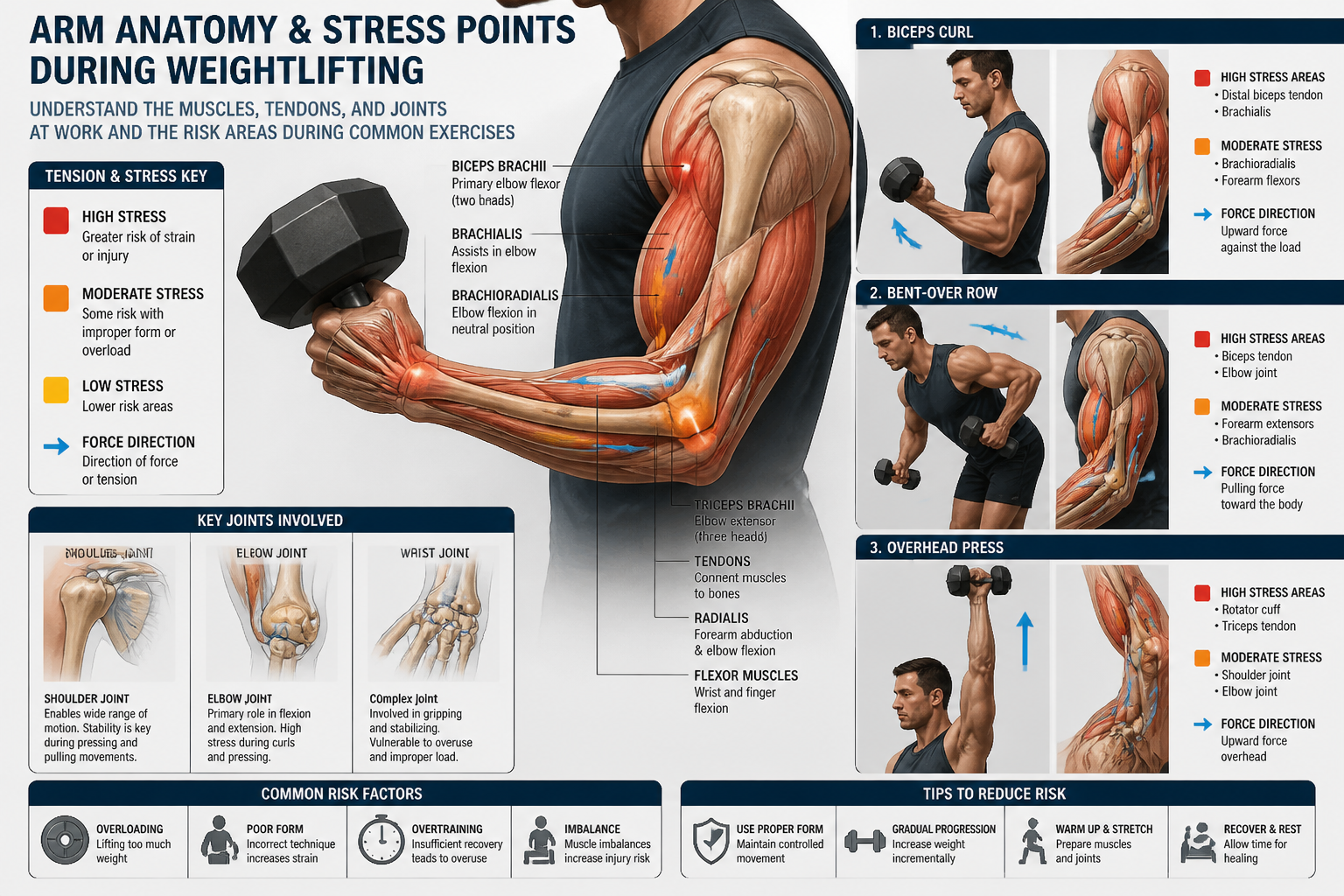
Key Takeaways
• Repetitive gym movements like lifting, pulling, and pressing create cumulative stress on arm muscles and tendons that can lead to pain and injury over time
• Arm braces provide targeted support during high-intensity workouts by stabilizing joints, reducing muscle strain, and improving confidence during challenging exercises
• Different brace types serve specific needs: compression sleeves for endurance training, elbow straps for tendon support, and wraparound braces for adjustable protection levels
• Proper brace selection depends on your training style, existing pain levels, and the specific exercises that cause discomfort or strain
• Combining brace support with proper form and adequate recovery creates the most effective strategy for safe, long-term gym training success
Why Gym Workouts Can Cause Arm Pain
Gym training places unique demands on the arms that differ significantly from everyday activities. The combination of repetitive movements, progressive overload, and sustained muscle tension creates a perfect storm for developing arm discomfort and potential injury.
Repetitive Stress and Overuse
Most gym routines involve performing the same movement patterns multiple times per session, often several times per week. Bicep curls, tricep extensions, rows, and pressing movements all require similar muscle activation patterns that can lead to overuse injuries when performed repeatedly without adequate recovery.
The forearm muscles and tendons bear particular stress during gripping exercises. Every time you hold a barbell, dumbbell, or cable handle, these muscles work to maintain grip strength while also assisting in the primary movement. This dual demand can quickly lead to fatigue and strain.
High-Intensity Training Effects
Modern gym culture often emphasizes high-intensity training and progressive overload—gradually increasing weight, reps, or training volume over time. While this approach builds strength effectively, it also increases the mechanical stress on joints and soft tissues.
Heavy compound movements like deadlifts, rows, and pull-ups place enormous force through the arms and elbows. Without proper preparation and support, these forces can exceed the tissue’s ability to adapt, leading to pain and dysfunction.
Form Breakdown Under Fatigue
As muscles fatigue during intense training sessions, maintaining proper form becomes increasingly difficult. Poor technique often manifests as compensatory movements that place additional stress on vulnerable areas like the elbow joint and forearm muscles.
Common form breakdowns include:
- Excessive wrist extension during pressing movements
- Elbow flaring during pulling exercises
- Grip compensation when forearms fatigue before target muscles
- Rushed repetitions that increase impact forces
Common Arm Issues from Gym Training
Several specific conditions commonly develop from gym training:
Tennis Elbow (Lateral Epicondylitis) 🎾
- Pain on the outside of the elbow
- Worsens with gripping and lifting
- Common from excessive pulling exercises
Golfer’s Elbow (Medial Epicondylitis) ⛳
- Pain on the inside of the elbow
- Often from repetitive flexion movements
- Aggravated by bicep curls and rowing
Forearm Muscle Strain
- Aching or burning sensation in forearms
- Grip weakness and fatigue
- Results from overuse of gripping muscles
Bicep Tendonitis
- Pain in the front of the shoulder or upper arm
- Worsens with overhead movements
- Common from excessive curling exercises
Understanding these pain patterns helps identify when an arm brace for gym workouts might provide beneficial support during training sessions.
Can an Arm Brace Help During Gym Workouts?
The short answer is yes—when used appropriately, an arm brace for gym workouts can provide significant benefits for both injury prevention and performance enhancement. However, understanding how these devices work and when to use them is crucial for maximizing their effectiveness.
Biomechanical Support Benefits
Arm braces work by providing external support to muscles, tendons, and joints that are under stress during exercise. This support doesn’t replace your body’s natural stabilization systems but rather assists them during high-demand activities.
Joint Stabilization 🔧
Modern arm braces help maintain proper joint alignment during dynamic movements. By providing gentle compression and structural support, they reduce excessive joint motion that can lead to strain or injury.
Load Distribution
A well-designed brace helps distribute forces more evenly across muscle groups and joint structures. This can reduce peak stress on vulnerable areas like tendon insertion points and joint surfaces.
Performance Enhancement Effects
Beyond injury prevention, many athletes report improved performance when using appropriate arm support during training.
Increased Confidence 💪
Knowing your arms have additional support can reduce hesitation during challenging lifts. This psychological benefit often translates into better performance and willingness to push training boundaries safely.
Reduced Fatigue
By assisting muscle function, braces can help delay the onset of fatigue in smaller stabilizing muscles. This allows you to maintain better form for longer periods and focus energy on primary muscle groups.
Enhanced Proprioception
The compression and tactile feedback from a brace can improve your awareness of arm position and movement quality. This enhanced body awareness often leads to better exercise technique.
Specific Workout Applications
Different types of training benefit from arm brace support in various ways:
Heavy Compound Movements
- Deadlifts, rows, and pull-ups place enormous stress on forearms and elbows
- Braces help maintain grip strength and joint stability
- Particularly beneficial during high-volume or max-effort sessions
High-Repetition Training
- Endurance-style workouts create cumulative stress
- Compression sleeves help manage muscle fatigue
- Support maintains form quality throughout extended sets
Rehabilitation Training
- Returning from injury requires careful load management
- Braces provide confidence during the return-to-training process
- Help prevent re-injury during vulnerable healing phases
Evidence-Based Support
Research supports the use of external support devices for both injury prevention and performance enhancement. A 2019 study in the Journal of Sports Medicine found that athletes using elbow braces during training showed reduced pain scores and improved exercise tolerance compared to control groups.
Similarly, biomechanical studies demonstrate that compression garments can improve muscle efficiency and reduce metabolic cost during repetitive activities—benefits that translate directly to gym training scenarios.
Just as athletes use knee braces for enhanced support during squats, arm braces provide similar benefits for upper body training when selected and used appropriately.
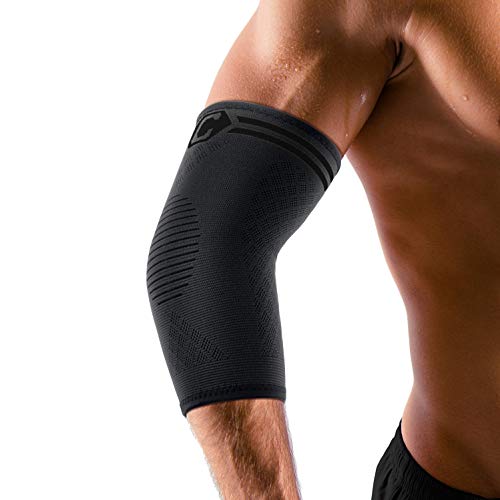
|

|

|
|
Description: TARGETED PAIN RELIEF & BOOSTED RECOVERY - Engineered with graduated compression, our elbow sleeves apply targeted support to key joint areas to help relieve discomfort associated with tennis elbow, tendonitis, and arthritis. |
Description: GOOD PERFORMANCE - The elbow brace applies even pressure to the elbow joint and elbow muscles, which can relieve tennis elbow, tendonitis, joint inflammation, golfer's elbow and other elbow pains, etc. |
Description: Our elbow brace is great for treating tendonitis, arthritis, sprained bones, strained ligaments, cubital Tunnel,ulnar nerve. Provides optimal support and compression to the elbow joint, reducing pain and preventing further injury during activities |
|
Our Rating:
4.8
|
Our Rating:
4.5
|
Our Rating:
4.4
|
|
$8.49
|
$11.99
|
$7.97
|
TARGETED PAIN RELIEF & BOOSTED RECOVERY - Engineered with graduated compression, our elbow sleeves apply targeted support to key joint areas to help relieve discomfort associated with tennis elbow, tendonitis, and arthritis.
GOOD PERFORMANCE - The elbow brace applies even pressure to the elbow joint and elbow muscles, which can relieve tennis elbow, tendonitis, joint inflammation, golfer's elbow and other elbow pains, etc.
Our elbow brace is great for treating tendonitis, arthritis, sprained bones, strained ligaments, cubital Tunnel,ulnar nerve. Provides optimal support and compression to the elbow joint, reducing pain and preventing further injury during activities
Types of Arm Braces for Gym Workouts
Selecting the right arm brace for gym workouts requires understanding the different types available and how each addresses specific training needs. Each style offers unique benefits depending on your pain patterns, training intensity, and movement requirements.
Compression Sleeves
Compression sleeves represent the most popular choice for general gym use due to their versatility and comfort during dynamic movements.
Design Features:
- Seamless, tube-like construction
- Graduated compression from wrist to elbow
- Lightweight, breathable materials
- Full range of motion preservation
Best For:
- Endurance training and high-repetition workouts
- General muscle fatigue and minor soreness
- Athletes who need support without bulk
- Long training sessions requiring sustained comfort
Training Applications: ✅
Compression sleeves excel during circuit training, CrossFit workouts, and any activity requiring frequent arm movement. The consistent pressure helps improve blood flow and reduces muscle oscillation during dynamic exercises.
Elbow Straps (Counterforce Braces)
Elbow straps target specific tendon issues that commonly develop from repetitive gripping and lifting movements.
Design Features:
- Narrow band that wraps around the forearm
- Positioned 2-3 inches below the elbow joint
- Adjustable tension for customized support
- Minimal interference with wrist and shoulder movement
Best For:
- Tennis elbow or golfer’s elbow symptoms
- Tendon pain during gripping exercises
- Targeted support without full-arm coverage
- Athletes with specific elbow pain points
Mechanism of Action:
These braces work by creating a counterforce that reduces tension on inflamed tendons. By changing the angle of muscle pull, they can significantly reduce pain during activities that typically aggravate elbow conditions.
Wraparound Arm Braces
Wraparound braces offer the most adjustable support option, making them ideal for varying pain levels and different training intensities.
Design Features:
- Velcro or strap closure system
- Adjustable compression levels
- Often include removable stays or supports
- Can be loosened or tightened during workouts
Best For:
- Moderate to significant arm discomfort
- Athletes returning from injury
- Variable pain levels throughout training
- Those who need different support for different exercises
Versatility Advantage:
The adjustable nature allows you to modify support levels between exercises. You might use tighter compression during heavy deadlifts but loosen the brace for mobility work or stretching.
Performance Support Braces
Performance braces represent the newest category, specifically designed for active individuals who refuse to compromise on movement quality.
Design Features:
- Advanced materials that move with your body
- Strategic support zones for different muscle groups
- Moisture-wicking and temperature regulation
- Ergonomic design for natural movement patterns
Best For:
- Competitive athletes and serious fitness enthusiasts
- High-intensity training requiring maximum mobility
- Those who want support without feeling restricted
- Athletes who train multiple times per day
Technology Integration:
Many performance braces incorporate compression mapping—varying compression levels in different zones to provide support where needed while maintaining flexibility in areas requiring movement.
Specialized Options
Copper-Infused Braces
Similar to copper-enhanced knee braces, some arm braces include copper fibers claimed to provide antimicrobial benefits and improved recovery. While research on copper’s therapeutic effects remains mixed, these braces often feature high-quality construction.
Thermal Therapy Braces
Some braces include heating elements or thermal materials designed to maintain warmth in the supported area. These can be particularly beneficial during warm-up periods or in cold training environments.
Choosing Based on Training Style
Powerlifting/Strength Training: Wraparound braces or elbow straps for heavy, low-rep training
Bodybuilding: Compression sleeves for high-volume, moderate-weight training
CrossFit/Functional Fitness: Performance braces for varied, dynamic movements
Rehabilitation: Wraparound braces with adjustable support levels
Understanding these distinctions helps ensure your arm brace for gym workouts matches your specific training demands and provides optimal support without hindering performance.
What to Look for in the Best Arm Brace for Gym Use
Selecting an effective arm brace for gym workouts requires evaluating several critical factors that directly impact both performance and comfort during training. The wrong choice can hinder your workouts or provide inadequate support, while the right brace becomes an invaluable training partner.
Material Quality and Durability
Fabric Construction 🧵
High-quality gym braces use moisture-wicking synthetic materials or merino wool blends that manage sweat effectively. Look for fabrics with four-way stretch that maintain their elasticity after repeated washing and use.
Avoid braces made from basic cotton or low-grade neoprene, which retain moisture and can become uncomfortable during intense training sessions. Premium materials like bamboo fiber or advanced polyester blends offer superior durability and comfort.
Seam Quality
Flatlock or seamless construction prevents chafing during repetitive movements. Poorly constructed seams create pressure points that become increasingly uncomfortable as training intensity increases.
Compression and Support Balance
Graduated Compression
The best braces provide graduated compression—tighter at the extremities and gradually decreasing toward the center. This design promotes blood flow while providing targeted support where it’s needed most.
Support Without Restriction
Effective gym braces offer support without significantly limiting range of motion. You should be able to perform full bicep curls, tricep extensions, and overhead movements without feeling constrained.
Test this by performing air movements while wearing the brace. If any exercise feels significantly restricted, the brace may be too tight or poorly designed for gym use.
Fit and Sizing Considerations
Accurate Measurements 📏
Proper sizing is crucial for effectiveness. Measure your forearm at its widest point and follow manufacturer sizing charts carefully. A brace that’s too loose provides inadequate support, while one that’s too tight can restrict circulation.
Adjustability Features
Look for braces with adjustable straps or variable compression zones that allow customization based on swelling, time of day, or exercise intensity. This flexibility ensures consistent comfort throughout different training phases.
Breathability and Temperature Control
Ventilation Design
Quality gym braces incorporate mesh panels or perforated sections in high-heat areas. These features prevent excessive moisture buildup that can lead to skin irritation or bacterial growth.
Quick-Dry Properties
Materials should dry quickly between exercises or training sessions. This is particularly important if you train multiple times per day or in hot, humid environments.
Stability Features
Anti-Slip Technology 🔒
Effective braces stay in position during dynamic movements. Look for silicone grip strips, textured inner surfaces, or anatomical shaping that prevents the brace from sliding during exercise.
A brace that constantly needs readjustment becomes a distraction and may not provide consistent support when you need it most.
Ease of Use and Maintenance
Simple Application
The best gym braces can be put on quickly and easily, even when your hands are sweaty or you’re in a hurry between exercises. Complicated fastening systems become frustrating during busy training sessions.
Machine Washable
Regular washing is essential for hygiene and longevity. Choose braces that can withstand frequent machine washing without losing their supportive properties or shape.
Value and Warranty
Cost-Effectiveness
While premium braces cost more initially, they often provide better value through superior durability and enhanced comfort. A high-quality brace that lasts two years often costs less per use than cheaper options requiring frequent replacement.
Manufacturer Support
Look for companies that offer sizing exchanges, satisfaction guarantees, or warranty coverage. This support indicates confidence in their product and provides peace of mind for your investment.
Red Flags to Avoid
Overly Complex Claims ⚠️
Be skeptical of braces claiming to “cure” conditions or provide “miraculous” results. Effective braces provide support and symptom management—they’re tools, not miracle devices.
Poor Online Reviews
Consistently negative reviews mentioning durability issues, sizing problems, or comfort complaints are strong indicators to consider alternative options.
Extremely Low Prices
While expensive doesn’t always mean better, extremely cheap braces often use inferior materials that provide poor support and wear out quickly.
Just as with choosing the right knee brace, selecting an arm brace requires balancing support needs, comfort requirements, and activity demands to find the optimal solution for your training goals.
How to Choose the Right Arm Brace for Your Workouts
Selecting the optimal arm brace for gym workouts requires a systematic approach that considers your specific training style, existing pain patterns, and performance goals. The wrong choice can hinder your workouts, while the right brace becomes an invaluable training tool.
Assess Your Training Style and Intensity
Training Frequency and Duration 📅
- Daily trainers need highly durable, quick-drying materials
- Weekend warriors can prioritize support over advanced features
- Multiple daily sessions require easy on/off application and superior moisture management
Exercise Types and Movement Patterns
Different training styles place varying demands on arm support:
Powerlifting/Heavy Strength Training:
- Requires maximum support during low-rep, high-load exercises
- Wraparound braces with adjustable compression work best
- Focus on elbow and forearm stability during deadlifts and rows
Bodybuilding/Hypertrophy Training:
- Needs sustained comfort during high-volume sessions
- Compression sleeves provide ideal balance of support and mobility
- Must allow full range of motion for isolation exercises
CrossFit/Functional Fitness:
- Demands versatility for varied movement patterns
- Performance braces with strategic support zones excel
- Must handle everything from Olympic lifts to gymnastics movements
Evaluate Your Pain Patterns
Location-Specific Symptoms 🎯
Understanding where you experience discomfort helps determine the most effective brace type:
Elbow Pain (Tennis/Golfer’s Elbow):
- Counterforce straps provide targeted tendon support
- Position 2-3 inches below the elbow joint
- Most effective for gripping and lifting-related pain
Forearm Muscle Fatigue:
- Full-length compression sleeves address muscle fatigue
- Graduated compression improves blood flow and reduces oscillation
- Ideal for high-repetition or endurance training
General Arm Weakness or Instability:
- Wraparound braces with adjustable support levels
- Can modify compression based on exercise demands
- Provides confidence during challenging movements
Consider Your Experience Level
Beginners 🌱
New gym-goers often benefit from compression sleeves that provide general support while learning proper form. These braces offer protection without creating dependence on external support.
Intermediate Athletes
Those with established training routines may need targeted support for specific issues that have developed over time. Elbow straps or performance braces often work well for this group.
Advanced/Competitive Athletes
Experienced trainers typically require specialized solutions that provide support without compromising performance. High-end performance braces or sport-specific options are usually most appropriate.
Factor in Existing Conditions
Previous Injuries ⚕️
If you’re returning from an arm, elbow, or shoulder injury, consult with a healthcare provider about appropriate support levels. Understanding when to seek medical advice is crucial for safe return to training.
Chronic Conditions
Conditions like arthritis, tendonitis, or nerve issues may require specific brace features:
- Arthritis: Gentle compression and warmth retention
- Tendonitis: Targeted support and load redistribution
- Nerve issues: Avoid excessive compression that might worsen symptoms
Budget and Value Considerations
Initial Investment vs. Long-term Value 💰
- Budget options ($15-30): Basic compression sleeves for occasional use
- Mid-range ($30-60): Quality braces with good durability and features
- Premium ($60-100+): Advanced materials and specialized designs
Consider cost-per-use rather than just initial price. A $60 brace used daily for two years costs less than $0.10 per use—excellent value for improved comfort and injury prevention.
Trial and Adjustment Period
Return Policies
Choose retailers or manufacturers offering satisfaction guarantees or sizing exchanges. Proper fit is crucial, and you may need to try different sizes or styles to find your optimal solution.
Gradual Introduction
Start by wearing your new brace for shorter training sessions to assess comfort and effectiveness. Gradually increase usage as you become accustomed to the support and ensure it doesn’t cause any adverse effects.
Professional Guidance
When to Consult Experts 👨⚕️
Consider professional advice if you experience:
- Persistent pain despite using appropriate braces
- Numbness or tingling in hands or fingers
- Significant strength loss or functional limitations
- Uncertainty about which type of support is most appropriate
Physical therapists, sports medicine doctors, or certified trainers can provide valuable guidance on brace selection and proper usage techniques.
Making the Final Decision
Priority Ranking
List your most important factors in order:
- Pain relief and support effectiveness
- Comfort during specific exercises
- Durability and value
- Ease of use and maintenance
- Aesthetic preferences
Use this ranking to evaluate options and make a decision that aligns with your primary needs and training goals.
The right arm brace for gym workouts should feel like a natural extension of your body, providing support when needed while allowing full expression of your training intensity and movement quality.
How to Wear an Arm Brace at the Gym
Proper application and positioning of your arm brace for gym workouts is crucial for maximizing benefits while ensuring comfort and safety throughout your training session. Incorrect usage can reduce effectiveness or even create new problems.
Pre-Workout Preparation
Clean, Dry Skin 🧼
Always apply your brace to clean, dry skin. Moisture, oils, or lotions can reduce grip and cause the brace to slide during exercise. If you use pre-workout topical products, allow them to fully absorb before applying your brace.
Inspect Your Brace
Check for wear, damage, or accumulated odors before each use. Worn elastic, frayed seams, or persistent odors indicate it’s time for replacement or thorough cleaning.
Proper Positioning Techniques
Compression Sleeve Application
- Roll the sleeve inside-out to the halfway point
- Position over hand and unroll up the forearm
- Smooth out wrinkles and ensure even compression
- Check circulation – you should feel support without numbness or tingling
Elbow Strap Positioning 🎯
- Locate the tender spot on your forearm (usually 2-3 inches below elbow)
- Wrap the strap snugly but not tightly around this area
- Secure fasteners while maintaining comfortable compression
- Test grip strength – it should feel supported, not restricted
Wraparound Brace Setup
- Start with loose straps and position the brace on your arm
- Align support elements with areas needing the most help
- Gradually tighten straps to achieve desired compression
- Perform test movements to ensure proper fit and function
Compression Level Guidelines
The Right Tightness ⚖️
Your brace should feel snug but not restrictive. You should be able to slide one finger underneath the brace material, but it shouldn’t move significantly during exercise.
Circulation Check
Monitor for signs of excessive compression:
- Numbness or tingling in fingers
- Skin color changes (pale or blue-tinged)
- Increased pain or discomfort
- Significant reduction in grip strength
If any of these occur, immediately loosen or remove the brace and reassess the fit.
Exercise-Specific Adjustments
Heavy Lifting Sessions 🏋️♂️
During deadlifts, rows, or other grip-intensive exercises, you may need slightly tighter compression to provide adequate support. However, avoid over-tightening, which can reduce grip strength.
High-Repetition Training
For endurance-style workouts, moderate compression often works best. Too much compression can cause fatigue, while too little provides inadequate support during extended training sessions.
Dynamic Movements
CrossFit, circuit training, or sports-specific exercises require braces that stay in position during varied movements. Ensure your brace doesn’t slide or bunch up during jumping, throwing, or rapid direction changes.
During-Workout Monitoring
Regular Position Checks ✅
Periodically verify your brace remains in the correct position, especially during longer training sessions. Sweat and movement can cause gradual shifting that reduces effectiveness.
Comfort Assessment
Pay attention to comfort levels throughout your workout. Initial mild pressure is normal, but increasing discomfort or pain indicates the need for adjustment.
Performance Impact
Monitor whether the brace helps or hinders your exercise performance. An effective brace should improve confidence and reduce pain without significantly limiting strength or range of motion.
Post-Exercise Care
Immediate Removal Assessment
After removing your brace, check for:
- Skin indentations (should fade within 10-15 minutes)
- Redness or irritation (mild redness is normal, persistent irritation is not)
- Numbness or tingling (should resolve immediately upon removal)
Skin Care
Allow your skin to breathe and recover between training sessions. If you notice persistent irritation, consider using a thin moisture-wicking sleeve underneath your brace or switching to a different material.
Common Application Mistakes
Too High or Low Positioning ❌
- Compression sleeves should cover the muscle belly, not just joints
- Elbow straps must target the specific tender area for effectiveness
- Improper positioning reduces support and may cause new pressure points
Inconsistent Tightness
- Varying compression levels between workouts can affect adaptation
- Establish a consistent tightness that works and replicate it each session
- Mark adjustment points on wraparound braces for consistency
Ignoring Comfort Signals
- Pain, numbness, or significant discomfort indicates improper fit or application
- Address issues immediately rather than “pushing through” discomfort
- When in doubt, loosen the brace and reassess
Just as proper knee brace fitting requires attention to detail and individual adjustment, arm brace application demands careful attention to positioning, compression, and comfort to achieve optimal results.
Remember that proper brace application is a skill that improves with practice. Take time to learn what works best for your body and training style, and don’t hesitate to make adjustments as needed.
When to Use an Arm Brace in Workouts
Strategic timing of arm brace for gym workouts usage maximizes benefits while preventing over-dependence on external support. Understanding when to wear your brace—and when to train without it—creates the optimal balance between protection and natural strength development.
High-Intensity Training Sessions
Heavy Compound Movements 🏋️♀️
Use your brace during exercises that place significant stress on your arms and forearms:
- Deadlifts and variations (conventional, sumo, Romanian)
- Rowing exercises (bent-over rows, T-bar rows, cable rows)
- Pull-ups and chin-ups, especially weighted variations
- Farmer’s walks and loaded carries
- Heavy hammer curls or other grip-intensive exercises
These movements create substantial force through the forearm muscles and elbow joints, making brace support particularly beneficial for maintaining proper form and reducing injury risk.
Maximum Effort Days
During 1-rep max attempts or near-maximal lifting sessions, arm braces provide confidence and support when your body is under extreme stress. The psychological benefit of knowing your arms have additional support can improve performance during these challenging sessions.
Volume and Endurance Training
High-Repetition Sessions 📈
Extended training sessions with moderate weights can create cumulative stress that benefits from brace support:
- Circuit training with minimal rest between exercises
- Drop sets or other intensity techniques
- Endurance-based workouts lasting longer than 60-90 minutes
- Competition preparation with increased training volume
The sustained muscle activation during these sessions can lead to fatigue-related form breakdown, making brace support valuable for maintaining exercise quality throughout the entire workout.
Recovery and Return-to-Training
Post-Injury Rehabilitation ⚕️
When returning from arm, elbow, or shoulder injuries, braces provide crucial support during the vulnerable healing phase:
- First 2-4 weeks of return to training
- Gradual load progression periods
- Testing previously problematic movements
- Building confidence in recovered areas
Work with healthcare providers to determine appropriate brace usage during rehabilitation phases. The goal is supporting healing while gradually restoring natural function.
Active Recovery Days
Light training sessions focused on movement quality and blood flow can benefit from gentle brace support, especially if you’re managing chronic issues or minor discomfort.
Preventive Usage Strategies
High-Risk Activities 🎯
Certain exercises or training scenarios carry elevated injury risk, making preventive brace use valuable:
- New exercise variations you’re learning
- Increased training frequency or volume
- Training when fatigued from work or life stress
- Cold weather training when muscles are less pliable
- Competition or testing days when you’re pushing limits
Symptom Management
Use braces proactively when you notice early warning signs:
- Minor soreness or stiffness before workouts
- Fatigue from previous training sessions
- Weather-related joint stiffness
- Stress-related muscle tension
When NOT to Use a Brace
Light Training Days ❌
Avoid brace dependency by training without support during:
- Warm-up exercises and mobility work
- Light resistance training (less than 70% of max effort)
- Technique practice with minimal loads
- Flexibility and stretching sessions
Strength Development Focus
Periodically train without braces to ensure your natural support systems remain strong:
- At least 1-2 sessions per week without brace support
- Accessory exercises targeting stabilizing muscles
- Rehabilitation exercises prescribed by healthcare providers
- Functional movement patterns in daily activities
Timing Within Individual Workouts
Selective Exercise Usage ⏰
You don’t need to wear your brace for every exercise in a workout. Consider this strategic approach:
Wear During:
- Primary compound movements
- Exercises that typically cause discomfort
- High-intensity or heavy sets
- Movements requiring maximum grip strength
Remove During:
- Isolation exercises with light weights
- Stretching and mobility work
- Exercises that don’t stress the supported area
- Cool-down activities
Seasonal and Periodization Considerations
Training Phases 📅
Adjust brace usage based on your training cycle:
Preparation/Base Building Phase:
- Moderate brace usage to support increased volume
- Focus on building work capacity safely
- Prevent overuse injuries during volume increases
Intensity/Peak Phase:
- Increased brace usage during heavy training
- Maximum support during competition preparation
- Confidence enhancement for peak performance
Recovery/Deload Phase:
- Minimal brace usage to allow natural recovery
- Focus on movement quality without external support
- Address any developing issues before they become problems
Individual Factors
Age and Experience 👥
- Younger athletes may need less frequent brace usage
- Masters athletes often benefit from more consistent support
- Training experience affects recovery capacity and injury risk
Lifestyle Factors
Consider brace usage based on:
- Occupational demands on your arms (computer work, manual labor)
- Sleep quality and recovery status
- Stress levels and their impact on muscle tension
- Nutrition and hydration status affecting tissue health
Similar to understanding when knee braces are most beneficial, strategic arm brace usage requires balancing protection with natural strength development to achieve optimal long-term results.
The key is developing awareness of your body’s signals and using brace support as a tool to enhance training rather than as a crutch that creates dependency.
Additional Tips to Prevent Arm Injuries
While an arm brace for gym workouts provides valuable support, comprehensive injury prevention requires a holistic approach that addresses movement quality, recovery practices, and training program design. These strategies work synergistically with brace support to create robust arm health.
Proper Warm-Up Protocols
Dynamic Preparation 🔥
A thorough warm-up prepares your arms for the demands of training by increasing blood flow, improving tissue elasticity, and activating neuromuscular pathways.
Effective Arm Warm-Up Sequence:
- General cardiovascular activity (5-10 minutes light cardio)
- Arm circles and shoulder rolls (10-15 repetitions each direction)
- Wrist circles and flexor/extensor stretches (30 seconds each)
- Band pull-aparts and light resistance exercises (15-20 reps)
- Progressive loading with light weights before heavy exercises
Temperature Considerations
Cold muscles and tendons are more susceptible to injury. In cold environments or early morning training, extend your warm-up duration and consider wearing thermal support garments during preparation.
Movement Quality and Technique
Form Over Load ⚖️
Perfect technique should always take priority over lifting heavy weights. Poor form creates compensatory movement patterns that place excessive stress on vulnerable structures.
Key Technical Points:
- Controlled tempo during both lifting and lowering phases
- Full range of motion without forcing end ranges
- Neutral wrist position during gripping exercises
- Proper grip width and hand positioning for each exercise
- Core stability to prevent compensatory arm movements
Video Analysis
Record yourself performing key exercises from multiple angles. Often, form issues that feel correct are clearly visible on video, allowing you to make necessary corrections.
Progressive Overload Principles
Gradual Advancement 📈
Tissues adapt to stress over time, but this adaptation requires appropriate progression rates that don’t exceed your body’s ability to recover and strengthen.
Safe Progression Guidelines:
- Increase weight by 2.5-5% per week maximum
- Add volume before intensity when possible
- Master current loads before advancing to heavier weights
- Deload every 4-6 weeks to allow adaptation and recovery
Listen to Your Body
Pain, persistent soreness, or declining performance indicate the need to reduce training intensity or volume, regardless of your planned progression schedule.
Recovery and Regeneration
Sleep Optimization 😴
Quality sleep is crucial for tissue repair and adaptation. Aim for 7-9 hours of consistent, high-quality sleep to support optimal recovery.
Sleep Hygiene for Athletes:
- Consistent bedtime and wake times
- Cool, dark sleeping environment
- Limit screen time 1-2 hours before bed
- Consider magnesium supplementation for muscle relaxation
Nutrition for Tissue Health
Proper nutrition provides the building blocks for tissue repair and adaptation:
Key Nutrients:
- Protein: 0.8-1.2g per pound of body weight for tissue repair
- Omega-3 fatty acids: Reduce inflammation and support recovery
- Vitamin C: Essential for collagen synthesis
- Adequate hydration: Maintains tissue elasticity and nutrient transport
Stress Management
Psychological Stress Impact 🧠
Chronic stress increases muscle tension, impairs recovery, and elevates injury risk. Managing life stress directly impacts your physical training capacity.
Stress Reduction Strategies:
- Regular meditation or mindfulness practice
- Deep breathing exercises between training sets
- Time management to prevent training rush
- Social support and communication about stressors
Mobility and Flexibility Work
Regular Stretching Protocols 🤸♀️
Maintaining optimal tissue length and joint mobility prevents compensatory movement patterns that can lead to injury.
Essential Arm and Shoulder Stretches:
- Cross-body shoulder stretch (30 seconds each arm)
- Overhead tricep stretch (30 seconds each arm)
- Wrist flexor and extensor stretches (30 seconds each)
- Doorway chest stretch (60 seconds)
- Upper trap stretch (30 seconds each side)
Perform these stretches daily, not just before or after workouts.
Load Management Strategies
Training Variety 🔄
Repetitive stress from identical movement patterns increases injury risk. Incorporate exercise variation to distribute stress across different tissues and movement patterns.
Variation Strategies:
- Alternate grip positions (overhand, underhand, neutral)
- Change exercise angles (incline, decline, horizontal)
- Vary rep ranges throughout training cycles
- Include unilateral exercises to address imbalances
- Periodize training focus (strength, power, endurance phases)
Active Recovery
Light activity on rest days promotes blood flow and recovery without adding significant stress:
- Easy walking or cycling
- Gentle yoga or stretching
- Light swimming or water activities
- Massage or self-myofascial release
Environmental Considerations
Equipment Maintenance 🔧
Worn or damaged equipment can alter movement patterns and increase injury risk:
- Inspect barbells and dumbbells for damage
- Ensure proper equipment setup and adjustment
- Use appropriate grip aids when necessary
- Replace worn lifting straps or gloves regularly
Training Environment
- Adequate lighting for proper form observation
- Appropriate temperature and ventilation
- Non-slip flooring and clear movement space
- Access to emergency care if needed
Just as comprehensive knee injury prevention requires multiple strategies working together, arm injury prevention succeeds through consistent application of these evidence-based practices combined with appropriate brace support when needed.
Common Mistakes to Avoid
Even well-intentioned athletes can undermine their progress and safety by making common errors when using an arm brace for gym workouts. Understanding these pitfalls helps you maximize the benefits of brace support while avoiding potential negative consequences.
Over-Reliance and Dependency Issues
The Crutch Mentality ⚠️
One of the most significant mistakes is becoming psychologically dependent on brace support for all training activities. This dependency can lead to:
- Weakened natural stabilization systems
- Reduced proprioceptive awareness
- Fear of training without support
- Delayed return to normal function
Prevention Strategy:
Regularly schedule brace-free training sessions, even if they involve lighter weights or reduced intensity. This maintains your body’s natural strength and coordination systems.
Progressive Weaning
If you’ve been using a brace consistently, gradually reduce usage rather than stopping abruptly:
- Week 1-2: Remove brace for warm-up and cool-down exercises
- Week 3-4: Train without brace for 25% of exercises
- Week 5-6: Increase to 50% brace-free training
- Week 7+: Use brace only for high-intensity or problematic exercises
Improper Fit and Application
Too Tight Application 🔒
Excessive compression creates more problems than it solves:
Signs of Over-Tightening:
- Numbness or tingling in fingers
- Skin color changes (pale, blue, or red)
- Increased pain during or after exercise
- Significant reduction in grip strength
- Deep indentations that persist after removal
Circulation Compromise
Cutting off blood flow can lead to serious complications including nerve damage, muscle weakness, and increased injury risk. The “no pain, no gain” mentality doesn’t apply to brace compression.
Too Loose Application
Insufficient compression provides inadequate support and allows the brace to shift during exercise, creating:
- Inconsistent support levels
- Skin irritation from movement
- False sense of security
- Reduced effectiveness
Ignoring Pain Signals
Training Through Inappropriate Pain 💥
A brace should reduce discomfort, not mask serious injury symptoms. Continuing to train when experiencing:
- Sharp, shooting pains
- Numbness or weakness
- Swelling that doesn’t respond to rest
- Progressive worsening of symptoms
These signs indicate the need for medical evaluation, not just brace support.
Misunderstanding Pain Types
Learn to distinguish between:
- Muscle fatigue (dull, burning sensation that improves with rest)
- Joint stress (aching that may benefit from brace support)
- Injury pain (sharp, localized, or progressively worsening)
Only the first two types are appropriate for brace-supported training.
Inadequate Brace Maintenance
Poor Hygiene Practices 🧼
Neglecting brace cleanliness leads to:
- Bacterial and fungal growth
- Skin infections and irritation
- Premature material breakdown
- Unpleasant odors and social embarrassment
Proper Maintenance Schedule:
- After each use: Air dry completely before storage
- Daily use: Wash every 2-3 uses minimum
- Weekly: Deep clean with antimicrobial solutions
- Monthly: Inspect for wear and replace if necessary
Ignoring Wear Indicators
Continue using braces beyond their effective lifespan compromises support and safety:
- Stretched elastic that doesn’t return to original shape
- Frayed seams or visible material breakdown
- Persistent odors despite thorough cleaning
- Loss of compression or support properties
Inappropriate Exercise Selection
Using Braces as Performance Enhancers ❌
Braces are support devices, not performance enhancers. Attempting to lift heavier weights solely because you’re wearing a brace can lead to:
- Injuries beyond the brace’s protective capacity
- Poor movement patterns and compensation
- Unrealistic strength expectations
- Delayed recognition of actual limitations
Wrong Brace for Specific Activities
Different exercises require different support types:
- Heavy deadlifts: Need forearm and grip support, not just elbow compression
- Olympic lifts: Require maximum mobility, not restrictive support
- Endurance training: Benefits from light compression, not rigid bracing
Timing and Duration Errors
All-Day Wear ⏰
Wearing gym braces outside of training sessions can:
- Weaken natural support systems
- Cause skin irritation and breakdown
- Create psychological dependency
- Interfere with normal daily activities
Exception: Medical conditions requiring continuous support should be managed under healthcare provider guidance.
Inconsistent Usage Patterns
Sporadic brace use prevents adaptation and makes it difficult to assess effectiveness:
- Use consistently during similar training sessions
- Track when braces help most and least
- Establish clear criteria for when to use support
- Monitor progress with and without brace assistance
Neglecting Underlying Issues
Symptom Management vs. Problem Solving 🔍
Using a brace to manage symptoms while ignoring root causes leads to:
- Progressive worsening of underlying conditions
- Compensation patterns that create new problems
- Delayed healing and recovery
- Potential for more serious injuries
Address Root Causes:
- Poor movement patterns: Work with qualified trainers or physical therapists
- Muscle imbalances: Develop targeted strengthening programs
- Training errors: Modify volume, intensity, or exercise selection
- Lifestyle factors: Improve sleep, nutrition, and stress management
Size and Type Selection Errors
One-Size-Fits-All Mentality 📏
Assuming any arm brace will work for your specific needs leads to:
- Inadequate support for your particular issue
- Wasted money on ineffective products
- Delayed improvement or worsening symptoms
- Frustration and abandonment of potentially helpful support
Research and Consultation
- Understand your specific condition and needs
- Consult healthcare providers when appropriate
- Read reviews from people with similar issues
- Consider professional fitting services when available
Similar to avoiding common knee brace mistakes, success with arm braces requires thoughtful application, appropriate expectations, and integration with comprehensive injury prevention strategies.
|
|
|
|
|
Description: TARGETED PAIN RELIEF & BOOSTED RECOVERY - Engineered with graduated compression, our elbow sleeves apply targeted support to key joint areas to help relieve discomfort associated with tennis elbow, tendonitis, and arthritis. |
Description: GOOD PERFORMANCE - The elbow brace applies even pressure to the elbow joint and elbow muscles, which can relieve tennis elbow, tendonitis, joint inflammation, golfer's elbow and other elbow pains, etc. |
Description: Our elbow brace is great for treating tendonitis, arthritis, sprained bones, strained ligaments, cubital Tunnel,ulnar nerve. Provides optimal support and compression to the elbow joint, reducing pain and preventing further injury during activities |
|
Our Rating:
4.8
|
Our Rating:
4.5
|
Our Rating:
4.4
|
|
$8.49
|
$11.99
|
$7.97
|
TARGETED PAIN RELIEF & BOOSTED RECOVERY - Engineered with graduated compression, our elbow sleeves apply targeted support to key joint areas to help relieve discomfort associated with tennis elbow, tendonitis, and arthritis.
GOOD PERFORMANCE - The elbow brace applies even pressure to the elbow joint and elbow muscles, which can relieve tennis elbow, tendonitis, joint inflammation, golfer's elbow and other elbow pains, etc.
Our elbow brace is great for treating tendonitis, arthritis, sprained bones, strained ligaments, cubital Tunnel,ulnar nerve. Provides optimal support and compression to the elbow joint, reducing pain and preventing further injury during activities
When to Seek Medical Advice
While an arm brace for gym workouts can effectively manage minor discomfort and provide preventive support, certain symptoms and situations require professional medical evaluation. Recognizing these warning signs ensures you receive appropriate care before minor issues become serious injuries.
Red Flag Symptoms Requiring Immediate Attention
Severe or Sudden Pain 🚨
Seek immediate medical care if you experience:
- Sharp, intense pain that occurs suddenly during exercise
- Pain that doesn’t improve with rest, ice, or over-the-counter medications
- Night pain that disrupts sleep consistently
- Pain that worsens progressively over several days
These symptoms may indicate acute injuries like muscle tears, tendon ruptures, or fractures that require immediate intervention.
Neurological Symptoms
Any signs of nerve involvement warrant prompt evaluation:
- Numbness or tingling in fingers, hands, or arms
- Weakness that affects grip strength or arm function
- Burning sensations that radiate down the arm
- Loss of coordination or fine motor control
Nerve compression or damage can become permanent if not addressed quickly.
Progressive or Persistent Issues
Chronic Pain Patterns ⏳
Schedule medical consultation if you experience:
- Pain lasting more than 2-3 weeks despite rest and conservative treatment
- Recurring episodes of the same pain pattern
- Gradual worsening of symptoms over time
- Functional limitations that interfere with daily activities
Chronic issues often require comprehensive evaluation to identify underlying causes and develop effective treatment strategies.
Decreased Performance
Significant changes in your training capacity may indicate underlying problems:
- Unexplained strength loss in affected arms
- Reduced exercise tolerance compared to previous levels
- Inability to perform previously comfortable exercises
- Compensatory movement patterns developing in other areas
When Conservative Treatment Fails
Inadequate Response to Self-Care 🏥
If symptoms persist despite appropriate self-treatment including:
- Rest and activity modification
- Ice and anti-inflammatory medications
- Proper brace support and positioning
- Gentle stretching and mobility work
Professional evaluation can identify issues requiring more advanced treatment approaches.
Brace Ineffectiveness
When properly fitted and used arm braces don’t provide expected relief, this may indicate:
- Incorrect diagnosis of the underlying problem
- More severe injury than initially suspected
- Need for different treatment approaches beyond supportive devices
- Underlying medical conditions affecting healing
Specific Conditions Requiring Professional Care
Suspected Fractures or Dislocations 💀
Signs that may indicate bone or joint injuries:
- Visible deformity in arm, elbow, or wrist
- Inability to move the affected joint normally
- Severe swelling that develops rapidly
- Bruising patterns suggesting significant trauma
Tendon or Ligament Injuries
Symptoms suggesting significant soft tissue damage:
- Popping or tearing sensation during injury
- Complete inability to perform specific movements
- Significant weakness in particular muscle groups
- Joint instability or feeling of “giving way”
Occupational and Lifestyle Impact
Work-Related Limitations 💼
Seek medical advice when arm issues affect:
- Job performance or ability to complete work tasks
- Daily living activities like dressing, cooking, or driving
- Sleep quality due to pain or discomfort
- Quality of life and recreational activities
Early intervention often prevents minor issues from becoming major disabilities that require extensive rehabilitation.
Age and Risk Factor Considerations
Higher-Risk Populations 👥
Certain individuals should have lower thresholds for seeking medical care:
Masters Athletes (40+):
- Healing capacity decreases with age
- Higher risk of degenerative conditions
- May need modified treatment approaches
Previous Injury History:
- Scar tissue and altered biomechanics increase re-injury risk
- May require specialized rehabilitation approaches
Occupational Risk Factors:
- Computer workers with repetitive strain patterns
- Manual laborers with high physical demands
- Musicians or others requiring fine motor control
Types of Healthcare Providers
Primary Care Physicians 🩺
Appropriate for:
- Initial evaluation of new symptoms
- Coordination of care with specialists
- Management of underlying medical conditions
- Prescription medications if needed
Sports Medicine Specialists
Best suited for:
- Exercise-related injuries and pain
- Return-to-sport planning and clearance
- Performance optimization strategies
- Advanced diagnostic procedures
Physical Therapists
Valuable for:
- Movement analysis and correction
- Targeted strengthening and mobility programs
- Manual therapy techniques
- Education about proper exercise techniques
Orthopedic Surgeons
Necessary for:
- Suspected fractures or dislocations
- Severe tendon or ligament injuries
- Cases requiring surgical intervention
- Complex or treatment-resistant conditions
Preparing for Medical Appointments
Symptom Documentation 📝
Keep detailed records including:
- When symptoms started and potential triggers
- Pain patterns throughout the day and during activities
- What makes symptoms better or worse
- Previous treatments tried and their effectiveness
- Impact on daily activities and exercise performance
Treatment History
Document all previous interventions:
- Medications used and their effects
- Physical therapy or rehabilitation attempts
- Brace types and effectiveness
- Imaging studies or diagnostic tests performed
Just as knowing when knee problems require professional attention is crucial for optimal outcomes, recognizing when arm issues exceed the scope of self-treatment ensures you receive appropriate care at the right time.
Early professional intervention often leads to faster recovery, better outcomes, and prevention of chronic problems that could sideline your training indefinitely.
Frequently Asked Questions
Do arm braces help during gym workouts?
Yes, arm braces for gym workouts can provide significant benefits when used appropriately. They help by:
- Stabilizing joints during high-stress exercises like deadlifts and rows
- Reducing muscle fatigue during high-repetition training sessions
- Providing compression that improves blood flow and reduces muscle oscillation
- Increasing confidence when returning from injury or managing chronic issues
- Distributing forces more evenly across muscle groups and tendons
However, effectiveness depends on choosing the right type of brace for your specific needs and using it as part of a comprehensive approach that includes proper form, adequate recovery, and progressive training methods.
Can you wear an arm brace while lifting weights?
Absolutely. Many athletes successfully use arm braces during weightlifting sessions. The key considerations are:
Best Exercises for Brace Use: 🏋️♂️
- Deadlifts and Romanian deadlifts
- Barbell and dumbbell rows
- Pull-ups and chin-ups
- Hammer curls and reverse curls
- Farmer’s walks and loaded carries
Exercises to Avoid Braces:
- Light isolation movements
- Stretching and mobility work
- Exercises that don’t stress the supported area
- Movements requiring maximum flexibility
Choose braces designed for active use that won’t restrict your range of motion or compromise grip strength during lifting.
What type of brace is best for workouts?
The best brace type depends on your specific needs:
For General Support: Compression sleeves offer versatility and comfort during varied training
For Elbow Pain: Counterforce straps (elbow straps) target tendon issues effectively
For Adjustable Support: Wraparound braces allow customization based on exercise intensity
For High Performance: Specialized performance braces balance support with maximum mobility
Consider factors like your training style, existing pain patterns, and comfort preferences when making your selection. Many athletes find success with different support levels for different activities.
How tight should an arm brace be?
Proper compression is crucial for both effectiveness and safety:
Correct Tightness Indicators: ✅
- Snug but not restrictive feeling
- Ability to slide one finger underneath the brace
- No numbness or tingling in fingers
- Maintained grip strength and dexterity
- Comfortable throughout entire workout
Too Tight Warning Signs: ⚠️
- Numbness or tingling sensations
- Skin color changes (pale, blue, or red)
- Significant reduction in grip strength
- Deep indentations that persist after removal
- Increased pain during exercise
Start with moderate compression and adjust based on comfort and effectiveness. Remember that swelling can change throughout the day, so you may need to readjust during longer training sessions.
Should I wear my arm brace all day?
Generally, no. Arm braces for gym workouts are designed for specific activities, not continuous wear:
Appropriate Usage Times:
- During gym training sessions
- For specific exercises that cause discomfort
- When performing high-intensity or high-volume training
- During return-to-training phases after injury
Avoid All-Day Wear Because:
- It can weaken natural support systems
- May cause skin irritation and breakdown
- Creates psychological dependency
- Prevents normal movement patterns
Exceptions: Some medical conditions may require continuous support, but this should be determined by healthcare providers, not for general gym use.
Can arm braces prevent injuries?
Arm braces can be part of an effective injury prevention strategy, but they’re not a guarantee against all injuries:
Prevention Benefits: 🛡️
- Reduce stress on vulnerable tendons and muscles
- Improve joint stability during high-load exercises
- Provide early warning through compression feedback
- Support proper movement patterns during fatigue
Limitations:
- Cannot prevent injuries from poor technique or excessive loads
- Don’t address underlying strength imbalances or mobility issues
- May create false confidence leading to inappropriate risk-taking
- Cannot replace proper warm-up, recovery, and training progression
The most effective injury prevention combines appropriate brace use with proper training methods, adequate recovery, and attention to movement quality.
How do I know if my arm brace is working?
Effective arm brace use should result in noticeable improvements:
Positive Indicators: 📈
- Reduced pain during and after exercise
- Increased exercise tolerance and endurance
- Improved confidence during challenging movements
- Better form maintenance throughout training sessions
- Faster recovery between training sessions
Reassess If You Experience:
- No improvement after 2-3 weeks of consistent use
- Worsening symptoms despite proper brace use
- New areas of discomfort or compensation
- Significant restriction of normal movement
Remember that braces are tools to support your training, not magic solutions. Combine brace use with proper technique, progressive loading, and adequate recovery for best results.
When should I replace my arm brace?
Regular replacement ensures continued effectiveness and hygiene:
Replacement Indicators: 🔄
- Loss of elasticity – brace doesn’t return to original shape
- Visible wear including frayed seams or material breakdown
- Persistent odors despite thorough cleaning
- Reduced compression or support effectiveness
- Skin irritation from worn materials
Typical Lifespan:
- Daily use: 3-6 months depending on quality and care
- Regular use (3-4x/week): 6-12 months
- Occasional use: 12-18 months with proper maintenance
Invest in quality braces and maintain them properly to maximize lifespan and effectiveness. Just as with other supportive equipment, regular replacement ensures optimal function and hygiene.
Conclusion
An arm brace for gym workouts can be a game-changing tool for athletes dealing with arm pain, elbow discomfort, or those seeking to prevent injury during intense training sessions. The key to success lies in understanding that braces are supportive tools—not magic solutions—that work best when combined with proper training techniques, adequate recovery, and progressive program design.
The evidence clearly shows that appropriate brace use can reduce pain, improve exercise tolerance, and provide the confidence needed to maintain consistent training. Whether you’re managing existing discomfort from repetitive lifting movements or proactively protecting your arms during high-intensity sessions, the right brace can help you train safely while working toward your fitness goals.
Remember these essential points:
• Choose the right type based on your specific pain patterns and training style—compression sleeves for general support, elbow straps for tendon issues, or wraparound braces for adjustable protection
• Use strategically during high-stress exercises and intense training sessions, but avoid over-dependence by regularly training without support
• Maintain proper fit with snug but not restrictive compression that doesn’t cause numbness, tingling, or circulation issues
• Address underlying causes through proper warm-up, technique improvement, and adequate recovery rather than relying solely on brace support
Your Next Steps
Immediate Actions:
- Assess your current arm health and identify any pain patterns or areas of concern during gym training
- Evaluate your training routine for high-risk exercises or movement patterns that might benefit from brace support
- Research appropriate brace types based on your specific needs and training style
Short-term Goals:
- Consult with healthcare providers if you’re experiencing persistent pain or functional limitations
- Implement comprehensive injury prevention strategies including proper warm-up, technique refinement, and recovery protocols
- Trial appropriate brace options with return policies that allow you to find the best fit and style
Long-term Success:
- Monitor progress and adjust brace usage based on symptom improvement and training adaptation
- Maintain equipment properly through regular cleaning and timely replacement when wear occurs
- Continue education about proper training methods and injury prevention strategies
Your arms are essential for virtually every gym exercise, from heavy deadlifts to light accessory work. Protecting them through smart brace usage, combined with excellent training habits, ensures you can pursue your fitness goals safely and consistently for years to come.
Don’t let arm pain derail your training progress. Take action today to implement the strategies outlined in this guide, and experience the confidence and comfort that comes from properly supported, pain-free gym workouts.