

Ninety-three percent of hairstylists report experiencing work-related musculoskeletal pain, with arm and elbow discomfort ranking among the top complaints in the beauty industry. The demanding nature of salon work—from precision cutting to extended blow-drying sessions—places tremendous strain on the arms and forearms. An arm brace for hairstylists has emerged as a practical solution to combat this occupational hazard, offering targeted support that can transform daily comfort levels behind the chair.
The repetitive motions inherent in hairstyling create a perfect storm for developing chronic pain conditions. Whether it’s the sustained grip required for cutting shears or the elevated arm positions during styling, these movements accumulate stress over time. Professional stylists who ignore early warning signs often find themselves facing more serious injuries that can threaten their careers.
This comprehensive guide explores how the right arm brace can become an essential tool in every hairstylist’s arsenal, providing the support needed to maintain comfort and prevent injury throughout long workdays.
Key Takeaways
• Repetitive strain injuries affect over 90% of hairstylists due to prolonged cutting, styling, and blow-drying motions
• Arm braces provide targeted support to reduce muscle fatigue and stabilize joints during demanding salon tasks
• Compression sleeves and elbow straps are the most effective brace types for hairstyling work
• Proper brace selection focuses on breathable materials, adjustable fit, and lightweight design for all-day wear
• Prevention strategies combining arm braces with regular breaks and stretching maximize long-term career health
Why Hairstylists Experience Arm Pain
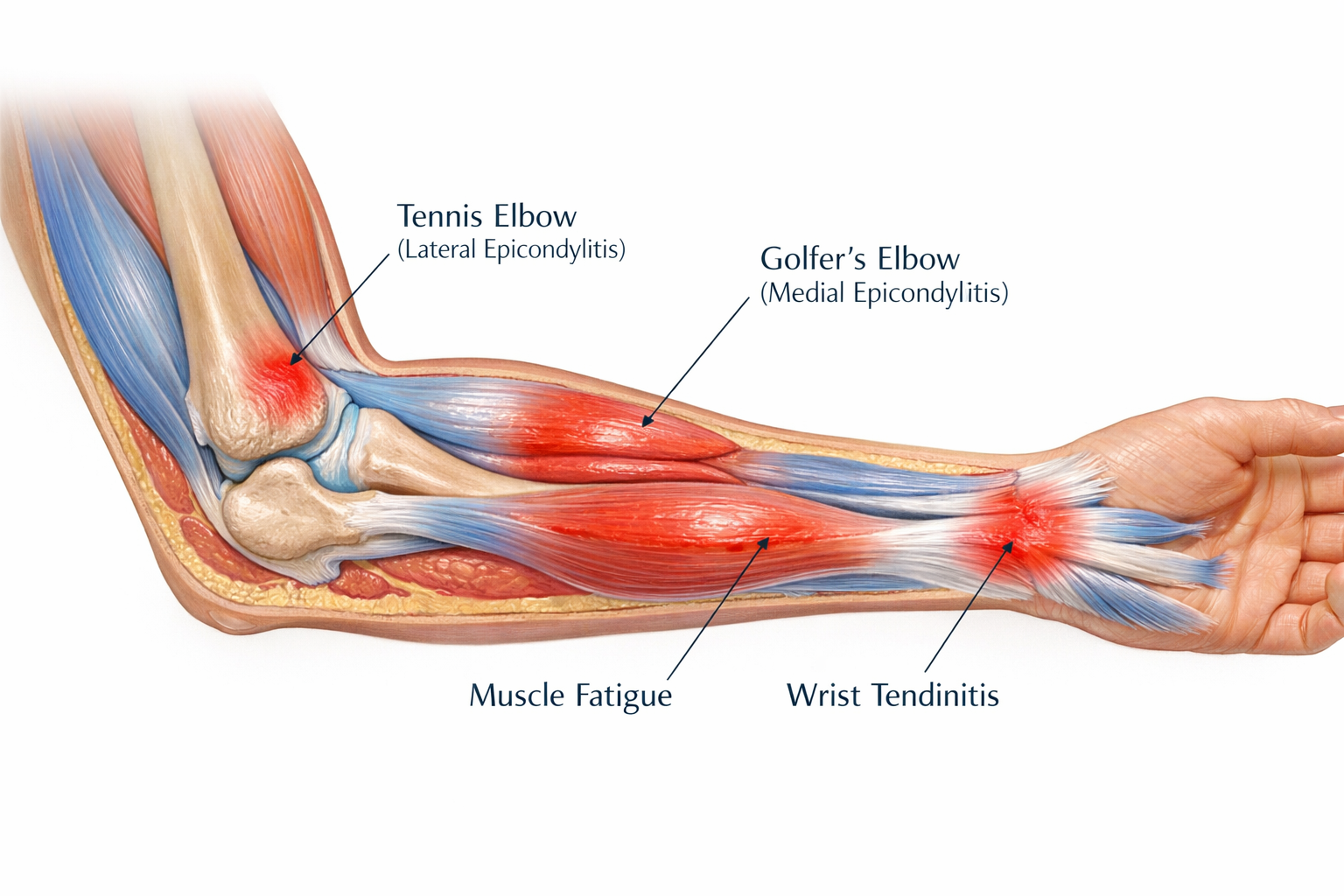
The hairstyling profession demands exceptional physical endurance from the arms and hands. Repetitive motions form the foundation of most salon services, creating cumulative stress that builds throughout each workday. Cutting hair requires precise, controlled movements that engage the same muscle groups hundreds of times per shift. The sustained grip pressure on shears, combined with the fine motor control needed for detailed work, places significant strain on forearm muscles and tendons.
Elevated arm positions present another major challenge for salon professionals. Blow-drying, particularly on longer hair, requires stylists to hold their arms above shoulder height for extended periods. This position restricts blood flow and forces muscles to work against gravity, leading to rapid fatigue and discomfort. The situation intensifies during busy periods when stylists may work continuously for hours without adequate rest.
Long work shifts compound these physical stresses. Many hairstylists work 8-12 hour days, often standing throughout their shifts while maintaining precise hand and arm control. The lack of recovery time between demanding tasks prevents muscles from properly recuperating, creating a cycle of increasing tension and fatigue.
Several specific conditions commonly affect hairstylists:
Tendonitis develops when the tendons connecting muscles to bones become inflamed from overuse. In hairstylists, this typically affects the forearm tendons responsible for wrist and finger movement. The condition causes pain, swelling, and reduced range of motion that can significantly impact work performance.
Tennis elbow (lateral epicondylitis) occurs when the tendons on the outside of the elbow become damaged from repetitive stress. Despite its name, this condition frequently affects hairstylists due to the repetitive gripping and twisting motions required for cutting and styling.
Repetitive strain injury (RSI) encompasses a broader category of conditions caused by repeated movements and sustained awkward positions. For hairstylists, RSI can affect multiple areas simultaneously, including the wrist, forearm, elbow, and shoulder.
The cumulative nature of these injuries means that early intervention becomes crucial. What begins as mild discomfort at the end of a busy day can progress to chronic pain that interferes with both work performance and quality of life. Understanding these risk factors helps stylists recognize when additional support, such as an arm brace, becomes necessary for maintaining their professional longevity.
Can an Arm Brace Help Hairstylists?
An arm brace for hairstylists offers targeted support that directly addresses the physical demands of salon work. These specialized devices work by providing external support to muscles and tendons during repetitive movements, effectively reducing the workload on overused tissues. When properly selected and fitted, an arm brace can significantly improve comfort levels throughout demanding workdays.
Muscle and tendon support represents the primary benefit of arm braces in salon environments. The external compression and stabilization help distribute forces more evenly across the arm, preventing excessive strain on specific muscle groups. This support becomes particularly valuable during high-demand tasks like precision cutting or extended blow-drying sessions, where sustained muscle engagement typically leads to fatigue and discomfort.
Compression therapy built into many arm braces promotes improved circulation while reducing inflammation. The gentle, consistent pressure helps flush metabolic waste products from working muscles while delivering fresh oxygen and nutrients. This enhanced circulation can delay the onset of fatigue and support faster recovery between clients.
Joint stabilization provided by arm braces helps maintain proper alignment during repetitive movements. Many salon tasks require precise hand positioning that can stress the elbow and wrist joints when performed repeatedly. The external support helps maintain optimal joint mechanics, reducing wear and tear over time.
The preventive aspect of arm brace use cannot be overstated. Rather than waiting for pain to develop, proactive stylists can use arm braces to prevent minor issues from progressing to more serious conditions. This approach proves particularly valuable for newer stylists who may not yet recognize the early signs of overuse injuries.
However, arm braces work best as part of a comprehensive approach to workplace wellness. While they provide valuable support, they cannot completely eliminate the physical stresses of hairstyling. The most effective strategy combines brace use with proper technique, regular breaks, and targeted exercises to maintain long-term arm health.
Just as athletes in other demanding professions benefit from supportive equipment, hairstylists can leverage arm braces to extend their careers and maintain comfort levels. The key lies in selecting the appropriate type of brace and using it consistently during high-stress activities. Similar to how professionals in other fields choose specialized support equipment for their specific needs, hairstylists must consider their unique work demands when selecting arm support.
Types of Arm Braces for Hairstylists
Compression Sleeves
Compression sleeves represent the most popular choice among working hairstylists due to their lightweight, unobtrusive design. These sleeves provide graduated compression that’s strongest at the wrist and gradually decreases toward the elbow. The compression promotes blood flow while providing gentle support to the entire forearm.
The breathable fabric construction of quality compression sleeves makes them suitable for all-day wear in warm salon environments. Modern materials wick moisture away from the skin while maintaining consistent compression levels throughout long shifts. Many stylists appreciate that compression sleeves remain virtually invisible under work clothing while providing continuous support.
Circulation improvement stands as a key benefit of compression sleeves. The enhanced blood flow helps reduce swelling and inflammation that can develop during repetitive tasks. This improved circulation also supports faster recovery between demanding appointments, helping stylists maintain energy levels throughout busy days.
Elbow Straps (Counterforce Braces)
Elbow straps target specific pain points around the elbow joint, making them ideal for stylists experiencing tennis elbow or similar conditions. These braces work by redistributing forces away from inflamed tendons, providing relief during activities that typically trigger discomfort.
The targeted support offered by elbow straps focuses on the specific area where many hairstylists experience problems. The strap applies pressure to the forearm muscles just below the elbow, effectively changing the angle at which forces are transmitted to the inflamed tendons. This mechanism can provide immediate relief during cutting and styling activities.
Tendon-related pain relief makes elbow straps particularly valuable for stylists dealing with existing injuries. The counterforce mechanism helps reduce stress on damaged tissues while allowing continued work activity. Many professionals find that elbow straps enable them to work comfortably while their injuries heal.
Wraparound Arm Braces
Wraparound designs offer the highest level of adjustability, making them suitable for stylists with varying support needs throughout the day. These braces typically feature multiple straps or closures that allow for customized compression and support levels.
Adjustable support levels enable stylists to modify the brace’s assistance based on their current activities. Lighter support might suffice during consultation periods, while maximum support becomes beneficial during intensive cutting or styling sessions. This flexibility makes wraparound braces particularly appealing to professionals with fluctuating symptoms.
Moderate discomfort management represents the primary application for wraparound arm braces. These devices provide more substantial support than compression sleeves while remaining less restrictive than rigid braces. The balance makes them suitable for stylists experiencing consistent but manageable arm discomfort.
The choice between different brace types often depends on the specific nature of a stylist’s discomfort and their work environment preferences. Many professionals find success by starting with compression sleeves for general support and progressing to more targeted options if specific problems develop. Understanding the proper fit and application principles that apply to all supportive devices helps ensure maximum benefit from whichever type is selected.
Benefits of Using an Arm Brace at Work
The practical advantages of incorporating an arm brace for hairstylists into daily work routines extend far beyond simple pain relief. These devices offer measurable improvements in work performance and professional longevity when used consistently and appropriately.
Strain reduction during repetitive movements represents the most immediate benefit experienced by most stylists. The external support provided by arm braces helps distribute the mechanical forces generated during cutting, styling, and blow-drying across a broader area. This distribution prevents excessive loading of specific muscles and tendons, reducing the cumulative stress that typically builds throughout long workdays.
Improved endurance becomes apparent as stylists find they can maintain their precision and control for longer periods without experiencing the fatigue that previously limited their performance. The support provided by arm braces allows muscles to work more efficiently, conserving energy that would otherwise be spent fighting against repetitive strain. Many professionals report being able to complete demanding appointments with less exhaustion than before using supportive devices.
Enhanced comfort during long appointments proves particularly valuable for stylists who specialize in time-intensive services like color processing, extensions, or complex styling. These extended sessions traditionally test the limits of arm endurance, but appropriate brace support can make the difference between completing the service comfortably or struggling through the final stages with increasing discomfort.
Injury prevention offers long-term career benefits that extend well beyond immediate comfort improvements. By reducing the daily accumulation of stress and strain, arm braces help prevent minor issues from progressing to more serious conditions that could require extended time away from work. This preventive approach proves far more cost-effective than dealing with established injuries.
The psychological benefits of arm brace use also contribute to overall work satisfaction. Stylists who feel confident in their physical ability to handle demanding schedules often experience reduced anxiety about their career longevity. This mental comfort can translate into improved client interactions and greater job satisfaction.
Consistency in service quality represents another important advantage. When stylists aren’t fighting against pain or fatigue, they can maintain their technical precision throughout entire shifts. This consistency benefits both the professional’s reputation and their clients’ satisfaction with services received.
The cumulative effect of these benefits often exceeds the sum of individual improvements. Stylists frequently report that arm brace use creates a positive cycle where reduced pain leads to better sleep, which improves energy levels, which enhances work performance, which reduces stress and further supports overall well-being.
How to Choose the Best Arm Brace for Hairstylists
Selecting the optimal arm brace for hairstylists requires careful consideration of the unique demands of salon work. The ideal device must balance support effectiveness with practical wearability in a professional environment.
Breathable material selection stands as the most critical factor for salon professionals. The warm, humid environment common in many salons, combined with the physical demands of styling work, creates conditions where moisture management becomes essential. High-quality synthetic fabrics that wick sweat away from the skin while maintaining their supportive properties throughout long shifts prove most effective. Natural materials like cotton, while comfortable initially, tend to retain moisture and lose their shape over time.
Comfortable fit requirements extend beyond simple sizing considerations. The brace must accommodate the full range of motion required for cutting, styling, and other salon tasks without creating pressure points or restricting circulation. Seams should be flat or strategically placed to avoid irritation during repetitive movements. The device should feel secure without being tight, providing support without creating new sources of discomfort.
Lightweight design considerations become crucial when the brace will be worn for 8-12 hour shifts. Heavy or bulky devices quickly become burdensome, potentially causing more problems than they solve. The most successful arm braces for salon use typically weigh less than a few ounces while still providing effective support. This lightweight construction also helps maintain the professional appearance that’s essential in client-facing roles.
Adjustable support levels allow stylists to modify the device’s assistance based on their current activities and comfort needs. Some tasks may require maximum support, while others can be performed comfortably with minimal assistance. Braces with multiple adjustment options provide the flexibility to optimize support throughout varying work demands.
Durability factors must account for daily use in a demanding environment. The brace will be exposed to hair products, frequent washing, and constant movement. High-quality construction with reinforced stress points ensures the device maintains its supportive properties over months of regular use. Poor-quality braces that lose their effectiveness quickly prove both frustrating and economically inefficient.
Professional appearance considerations matter significantly in salon environments where image and presentation directly impact client confidence. The ideal arm brace should be discreet enough to maintain a professional appearance while providing necessary support. Many modern designs can be worn under work clothing or feature neutral colors that blend seamlessly with professional attire.
Size and fit accuracy requires careful measurement and consideration of how the brace will interact with work clothing. A device that fits perfectly over bare skin may feel too tight when worn under a uniform or work shirt. Many manufacturers provide detailed sizing guides that account for these practical considerations.
The selection process often benefits from trying multiple options to determine which design works best for individual needs and preferences. What proves ideal for one stylist may not suit another’s specific requirements or work style. Understanding the general principles of proper brace selection can guide the decision-making process, even when applying these concepts to arm support rather than other body areas.
How to Wear an Arm Brace While Working
Proper application and positioning of an arm brace for hairstylists directly impacts its effectiveness and comfort during salon work. Understanding the correct wearing techniques ensures maximum benefit while avoiding common problems that can reduce the device’s usefulness.
Proper positioning varies depending on the type of brace selected, but general principles apply across all designs. Compression sleeves should extend from just above the wrist to the mid-forearm or elbow, depending on the specific model. The sleeve should lie flat against the skin without bunching or creating pressure points. Elbow straps require precise placement approximately 2-3 inches below the elbow joint, positioned over the muscle belly rather than directly on the joint itself.
Achieving optimal fit requires attention to both tightness and positioning. The brace should feel snug and supportive without restricting circulation or causing numbness. A properly fitted device allows for full range of motion while providing noticeable support during movement. If the brace slides or shifts during normal activities, it’s likely too loose to provide effective support. Conversely, if it causes tingling, numbness, or discoloration, it’s too tight and should be loosened immediately.
Strategic wearing during high-demand tasks maximizes the brace’s effectiveness while minimizing any potential drawbacks. Many stylists find success wearing their arm brace during the most challenging parts of their workday—such as cutting sessions, extended blow-drying, or color application—while removing it during less demanding activities like consultations or administrative tasks. This approach provides support when it’s most needed while allowing the arm to function normally during lighter activities.
Integration with work clothing requires consideration of how the brace interacts with uniforms or professional attire. Compression sleeves typically work well under long-sleeved shirts or jackets, while remaining discreet under short sleeves. Elbow straps may be more visible but can often be positioned to minimize their appearance. Some stylists prefer to wear the brace over their clothing to allow for easy adjustment throughout the day.
Timing considerations play an important role in maximizing comfort and effectiveness. Many professionals find it beneficial to put on their arm brace before starting work, allowing their arm to adjust to the support gradually rather than adding it after discomfort begins. This proactive approach often provides better results than reactive use.
Movement adaptation may be necessary initially as the arm adjusts to the external support. Most stylists find that any initial awkwardness disappears within a few days of consistent use. The key is maintaining normal movement patterns while allowing the brace to provide its supportive function. Forcing unnatural movements to accommodate the brace typically reduces its effectiveness.
Hygiene maintenance becomes important when wearing arm braces in salon environments where cleanliness is paramount. The device should be cleaned regularly according to manufacturer instructions to prevent odor and maintain its supportive properties. Many stylists find it helpful to have multiple braces available, allowing for rotation while devices are being cleaned.
Adjustment throughout the day may be necessary as work demands change or as the arm’s condition fluctuates. Learning to make minor adjustments quickly and discreetly allows stylists to optimize their comfort without interrupting their work flow. This skill becomes particularly valuable during busy periods when stopping to completely reposition the brace isn’t practical.
The goal is seamless integration of the arm brace into normal work routines, where the support becomes a natural part of the professional toolkit rather than a distraction or hindrance. Similar to how other professionals learn to properly wear supportive equipment for their specific activities, hairstylists can develop efficient routines that maximize the benefits of arm support.
Additional Tips to Prevent Arm Pain
While an arm brace for hairstylists provides valuable support, comprehensive arm health requires a multifaceted approach that addresses the root causes of workplace strain. Combining supportive devices with preventive strategies creates the most effective protection against long-term injury.
Strategic break scheduling proves essential for maintaining arm health throughout demanding workdays. Even brief 30-60 second breaks between clients allow muscles to reset and recover from repetitive stress. During these breaks, simply lowering the arms to the sides and gently shaking them out can provide significant relief. Longer breaks between appointments should include more comprehensive rest, allowing the arms to fully relax and recover.
Targeted stretching routines help maintain flexibility and reduce muscle tension that builds throughout the workday. Wrist circles, forearm stretches, and gentle shoulder rolls can be performed discreetly between clients or during brief breaks. These movements help counteract the sustained positions required for cutting and styling work. Many successful stylists develop personal stretching routines that address their specific areas of tension.
Workspace ergonomics significantly impact arm strain levels throughout the day. Adjusting chair heights, both for the stylist and client, can dramatically reduce the need for awkward arm positions. Work surfaces should be positioned to allow for comfortable arm positioning during various tasks. Many salons now recognize the importance of ergonomic equipment in supporting their staff’s long-term health.
Tool selection and maintenance can reduce the physical demands placed on the arms during work. Lightweight, well-balanced shears require less grip strength and create less fatigue during extended cutting sessions. Sharp tools require less force to use effectively, reducing the overall stress on arm muscles. Regular tool maintenance ensures optimal performance with minimal physical effort.
Technique refinement often reveals opportunities to reduce arm strain without compromising work quality. Working closer to the body when possible, using gravity to assist with movements, and maintaining neutral wrist positions all contribute to reduced strain. Many experienced stylists develop efficient movement patterns that minimize unnecessary stress on their arms.
Strengthening exercises performed outside of work hours help build the muscular endurance needed for demanding salon work. Focus on exercises that target the forearms, wrists, and shoulders while also addressing overall upper body strength. Resistance band exercises prove particularly effective for building functional strength that translates directly to work activities.
Recovery strategies between workdays support the body’s natural healing processes. Adequate sleep, proper nutrition, and stress management all contribute to the body’s ability to recover from daily work demands. Some stylists find that gentle massage or heat therapy in the evenings helps reduce accumulated tension.
Early intervention when discomfort first appears prevents minor issues from becoming major problems. Recognizing the early signs of overuse—such as mild aching, stiffness, or fatigue—allows for prompt action before more serious symptoms develop. This might include increasing break frequency, adjusting techniques, or implementing additional support measures.
The combination of these preventive strategies with appropriate arm brace use creates a comprehensive approach to maintaining arm health throughout a long hairstyling career. Understanding when additional support becomes necessary helps stylists make informed decisions about their health management strategies.

|
|

|
|
Our Rating:
4.5
|
Our Rating:
4.4
|
Our Rating:
4.9
|
|
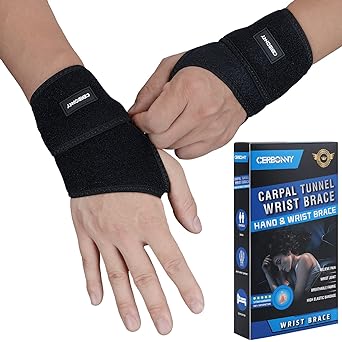
Description: A removable wrist splint and two fixed plastic splints provide a high level of wrist support. Limits unconscious bending or twisting of the wrist during sleep, avoiding aggravation of inflammation or nerve compression due to improper posture |
Description: Wrist bracers can be adjusted according to their comfort level, our wrist band can ensure stability, not easy to fall off, wearing it our hand support is very comfortable. High quality soft breathable fabric, |
Description: Maximum Pain Relief: Our wrist support braces are designed to help you relieve the pain and get the support you need for all-day and all-night comfort. Commonly used by people suffering from carpal tunnel syndrome, tendinitis, arthritis, wrist sprains, strains, etc. |
|
$13.99
|
$15.95
|
$27.06
|
A removable wrist splint and two fixed plastic splints provide a high level of wrist support. Limits unconscious bending or twisting of the wrist during sleep, avoiding aggravation of inflammation or nerve compression due to improper posture
Wrist bracers can be adjusted according to their comfort level, our wrist band can ensure stability, not easy to fall off, wearing it our hand support is very comfortable. High quality soft breathable fabric,
Maximum Pain Relief: Our wrist support braces are designed to help you relieve the pain and get the support you need for all-day and all-night comfort. Commonly used by people suffering from carpal tunnel syndrome, tendinitis, arthritis, wrist sprains, strains, etc.
Common Mistakes to Avoid
Understanding the pitfalls that can undermine the effectiveness of an arm brace for hairstylists helps ensure optimal results and prevents potentially harmful practices. Many well-intentioned professionals make errors that reduce the benefits of their supportive devices or, in some cases, create new problems.
Ignoring early warning signs represents one of the most costly mistakes stylists make regarding arm health. The temptation to push through mild discomfort or dismiss early symptoms as temporary often leads to more serious conditions that require extensive treatment. Early intervention with appropriate support measures, including arm braces, proves far more effective than waiting until pain becomes severe or persistent.
Working through significant discomfort without proper support demonstrates a misguided dedication that ultimately threatens career longevity. While occasional mild discomfort may be manageable, persistent or increasing pain signals the need for immediate intervention. Continuing to work without addressing these warning signs often results in injuries that require extended time away from work.
Improper brace application significantly reduces the device’s effectiveness and may create new problems. Common errors include wearing the brace too tightly, positioning it incorrectly, or using the wrong type of brace for the specific condition. Taking time to understand proper application techniques and seeking guidance when necessary ensures maximum benefit from the supportive device.
Inconsistent use patterns limit the cumulative benefits that arm braces can provide. Using the brace only when pain is severe, rather than consistently during high-demand activities, reduces its preventive value. The most effective approach involves regular use during challenging tasks, allowing the brace to prevent problems rather than simply treating existing symptoms.
Neglecting overall arm health while relying solely on brace support creates a false sense of security. Arm braces work best as part of a comprehensive health strategy that includes proper technique, regular breaks, and strengthening exercises. Depending exclusively on external support without addressing underlying issues often leads to continued problems despite brace use.
Choosing inappropriate brace types based on cost or convenience rather than specific needs reduces effectiveness. A compression sleeve may not provide adequate support for someone with tennis elbow, while a rigid brace might be unnecessarily restrictive for general fatigue. Understanding the specific requirements of individual conditions ensures appropriate device selection.
Poor hygiene maintenance can lead to skin problems and reduce the brace’s lifespan. Failing to clean the device regularly or wearing it over dirty skin creates conditions for bacterial growth and skin irritation. Proper care maintains both the brace’s effectiveness and the user’s comfort.
Unrealistic expectations about what arm braces can accomplish often lead to disappointment and abandonment of potentially helpful devices. While braces provide valuable support, they cannot eliminate all discomfort or allow unlimited activity without consequences. Understanding the realistic benefits helps set appropriate expectations and encourages proper use.
Delaying professional consultation when symptoms persist or worsen despite brace use can allow treatable conditions to progress unnecessarily. Arm braces provide excellent support for many conditions, but some situations require professional medical evaluation and treatment. Recognizing when additional help is needed prevents minor issues from becoming major problems.
Ignoring fit changes over time can reduce brace effectiveness as the device stretches or as the user’s needs change. Regular evaluation of fit and function ensures continued optimal performance. Braces that no longer provide adequate support should be replaced or adjusted rather than continuing to use ineffective devices.
Learning from these common mistakes helps stylists maximize the benefits of their arm support while avoiding practices that could undermine their effectiveness. The goal is creating sustainable practices that support long-term career health and comfort. Understanding the potential drawbacks of improper brace use in other applications can provide valuable insights into avoiding similar problems with arm support devices.
When to Seek Medical Advice
Recognizing when professional medical evaluation becomes necessary ensures that treatable conditions receive appropriate care before they progress to more serious stages. While an arm brace for hairstylists provides valuable support for many common workplace-related discomforts, certain symptoms warrant prompt medical attention.
Persistent or worsening pain despite appropriate rest and support measures signals the need for professional evaluation. Pain that continues for more than a few days, increases in intensity, or fails to improve with standard self-care approaches may indicate underlying conditions that require specific medical treatment. Early professional intervention often prevents minor issues from becoming chronic problems that could threaten career longevity.
Neurological symptoms such as tingling, numbness, or weakness in the arm, hand, or fingers require immediate medical attention. These symptoms may indicate nerve compression or other serious conditions that can cause permanent damage if left untreated. Numbness that persists after removing an arm brace, weakness in grip strength, or tingling that worsens over time all warrant prompt evaluation.
Functional limitations that interfere with normal work activities or daily living tasks indicate the need for professional assessment. Difficulty performing routine salon procedures, inability to grip tools properly, or pain that interferes with sleep all suggest conditions that may benefit from specific medical treatment beyond supportive devices.
Signs of inflammation including significant swelling, redness, warmth, or fever may indicate more serious conditions requiring medical treatment. While mild swelling after a busy workday is common, persistent or increasing inflammation suggests underlying problems that need professional evaluation.
Lack of improvement with conservative measures including rest, appropriate brace use, and activity modification over a reasonable timeframe indicates the need for professional guidance. Most minor overuse injuries show some improvement within a few days to a week with proper care. Conditions that fail to respond to these measures may require specific medical intervention.
Recurring episodes of arm pain or dysfunction, even if individual episodes resolve completely, may indicate underlying biomechanical problems or early-stage chronic conditions. Professional evaluation can identify contributing factors and develop strategies to prevent future episodes.
Impact on sleep or daily activities beyond work tasks suggests that the condition has progressed beyond simple workplace fatigue. Pain that interferes with sleep, difficulty with personal care activities, or symptoms that persist during rest periods all warrant medical evaluation.
Uncertainty about appropriate treatment provides sufficient reason to seek professional guidance. Healthcare providers can help determine whether current symptoms require specific medical treatment or can be effectively managed with conservative measures like arm braces and activity modification.
The evaluation process typically includes a detailed history of symptoms, physical examination, and potentially diagnostic imaging or other tests to identify specific conditions. Many arm problems common in hairstylists respond well to early intervention, making prompt evaluation particularly valuable.
Professional treatment options may include physical therapy, specific exercises, medication, or other interventions that complement the use of supportive devices. Understanding all available treatment options helps ensure optimal outcomes and prevents unnecessary progression of treatable conditions.
Healthcare providers can also offer guidance on proper brace selection and use, ensuring that supportive devices provide maximum benefit for specific conditions. This professional input often proves valuable in optimizing the effectiveness of arm braces and other conservative treatment measures.
The goal of medical evaluation is not necessarily to replace conservative measures like arm braces, but rather to ensure that all appropriate treatment options are considered and implemented effectively. Many conditions benefit from a combination of professional treatment and supportive devices, creating comprehensive care that addresses both immediate symptoms and long-term prevention. Understanding when professional evaluation becomes necessary for any type of joint or muscle problem helps ensure timely and appropriate care.
Conclusion
The demanding physical requirements of professional hairstyling create unique challenges that can significantly impact career longevity and daily comfort. An arm brace for hairstylists represents a practical, effective solution for managing the repetitive strain and sustained positioning that characterize salon work. When properly selected and consistently used, these supportive devices can dramatically improve work comfort while helping prevent the progression of minor discomfort into serious injury.
The evidence clearly demonstrates that proactive approaches to arm health prove far more effective than reactive treatments after problems develop. Compression sleeves, elbow straps, and wraparound braces each offer distinct advantages for different situations and conditions. The key lies in matching the appropriate device to individual needs while maintaining realistic expectations about what external support can accomplish.
Success with arm braces requires integration into a comprehensive approach that includes proper technique, regular breaks, targeted stretching, and attention to workplace ergonomics. These devices work best as part of a broader strategy rather than as standalone solutions to complex biomechanical challenges.
Take action today by evaluating your current arm comfort levels and identifying areas where additional support might prove beneficial. Consider trying a compression sleeve during your most demanding work activities to experience firsthand how external support can improve comfort and endurance. Remember that early intervention with appropriate support measures offers the best opportunity for maintaining long-term career health.
Invest in your professional longevity by prioritizing arm health alongside your technical skills and client relationships. The small investment in quality arm support can yield significant returns in terms of daily comfort, work performance, and career sustainability. Your arms are essential tools of your trade—protecting them ensures you can continue providing excellent service to clients while maintaining your own well-being throughout a long and successful career.