

Nearly 40% of adults experience arm or shoulder discomfort during routine household activities, yet most suffer in silence rather than seeking simple solutions. Whether it’s the ache from lifting laundry baskets, strain from extended phone use, or soreness after weekend cleaning marathons, arm pain at home is more common than people realize. An Arm Brace for Home Use Pain Relief offers a practical, non-invasive way to manage everyday discomfort while maintaining your normal routine. This comprehensive guide explores how the right arm support can transform your daily comfort level and help you tackle household tasks without the constant reminder of pain.
Key Takeaways
• Arm braces provide targeted support during everyday home activities like cooking, cleaning, and device use
• Compression sleeves and soft support braces are ideal for home use due to their comfort and lightweight design
• Proper fit and breathable materials are essential for extended wear during daily tasks
• Combining brace use with healthy habits like regular breaks and stretching maximizes pain relief
• Persistent or worsening pain requires medical evaluation beyond home management
Common Causes of Arm Pain at Home
Home environments present unique challenges for arm health that many people overlook. The repetitive nature of household tasks creates cumulative stress on arm muscles and joints over time.
Repetitive household activities top the list of home-based arm pain triggers. Scrubbing dishes, vacuuming carpets, folding laundry, and wiping surfaces all involve repeated arm motions that can strain tendons and muscles. Even seemingly light activities like chopping vegetables or stirring pots can aggravate existing arm conditions when performed frequently.
Poor posture during relaxation contributes significantly to arm discomfort. Slouching on couches while watching TV, hunching over laptops at kitchen tables, or sleeping in awkward positions can create tension that radiates down the arms. Many people spend hours in these positions without realizing the cumulative impact on their arm health.
Lifting and carrying household items often involves improper technique that stresses the arms unnecessarily. Grocery bags, laundry baskets, furniture pieces, and even children create loading forces that can overwhelm arm structures, especially when lifting is done with poor form or when arms are already fatigued.
The most common mild conditions that develop from these activities include:
- Tendonitis: Inflammation of tendons from repetitive motions
- Muscle fatigue: Overuse of arm muscles without adequate recovery
- Repetitive strain injury (RSI): Gradual tissue damage from repeated stress
- Tennis elbow: Pain on the outer elbow from gripping and twisting motions
- Golfer’s elbow: Inner elbow pain from repetitive wrist and finger use
Understanding these common causes helps identify when an Arm Brace for Home Use Pain Relief might provide the most benefit. For those dealing with similar joint issues in other areas, exploring options like knee braces for pain relief can provide insights into comprehensive joint support strategies.
Can an Arm Brace Help at Home?
The simple answer is yes—arm braces can provide meaningful relief for home-related arm pain when used appropriately. However, understanding how they work and when they’re most effective ensures you get the best results.
Mechanical support during activities represents the primary benefit of arm braces at home. The brace acts as an external support system that reduces the load on stressed muscles and tendons during everyday tasks. When you’re kneading dough, carrying groceries, or reaching for items on high shelves, the brace helps distribute forces more evenly across your arm structures.
Pain reduction through compression offers another key advantage. Quality arm braces apply gentle, consistent pressure that can help reduce inflammation and provide proprioceptive feedback—essentially helping your brain better understand arm position and movement. This enhanced awareness often leads to more controlled, less painful movements during daily activities.
Activity modification without activity elimination becomes possible with proper brace support. Rather than avoiding necessary household tasks due to pain, a well-fitted brace can allow you to maintain your normal routine with significantly less discomfort. This is particularly valuable for people who need to continue daily responsibilities while managing arm pain.
Prevention of pain escalation may be the most important long-term benefit. By providing support during activities that typically aggravate arm pain, braces can prevent minor discomfort from developing into more serious conditions that require medical intervention.
The effectiveness of arm braces at home depends largely on matching the right type of support to your specific needs and activities. Light compression sleeves work well for general daily tasks, while more structured braces might be necessary for heavier household work or during acute pain episodes.
For individuals managing chronic arm discomfort, learning about arm braces for chronic pain relief can provide additional strategies for long-term management.
Types of Arm Braces for Home Use
Selecting the right type of arm brace for home use requires understanding the different support levels and designs available. Each type serves specific purposes and comfort requirements for various household activities.
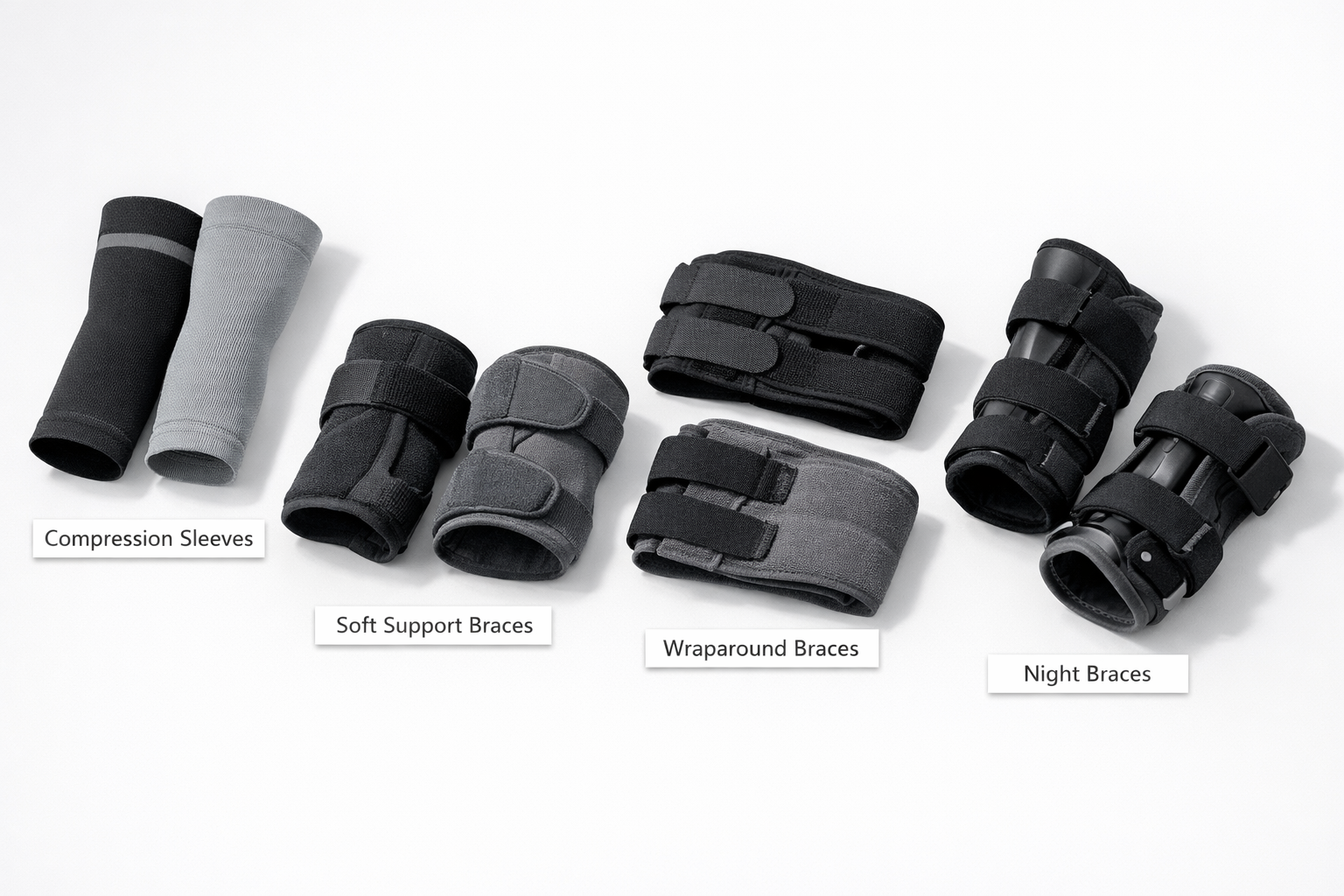
Compression Sleeves
Compression sleeves represent the most popular choice for home use due to their versatility and comfort. These lightweight, elastic garments slide over the arm and provide graduated compression that supports circulation while reducing muscle vibration and fatigue.
Key benefits include:
- All-day wearability without bulk or restriction
- Moisture-wicking properties that keep skin dry during activities
- Easy care and maintenance with machine washability
- Discreet appearance under clothing for continuous wear
Compression sleeves work particularly well for mild tendonitis, general muscle fatigue, and prevention during repetitive household tasks. They’re ideal for people who need consistent, low-level support throughout their daily routine.
Soft Support Braces
Soft support braces offer slightly more structure than compression sleeves while maintaining excellent comfort for extended wear. These braces typically feature neoprene or similar materials with adjustable straps for customized compression and support.
Advantages include:
- Targeted compression zones for specific problem areas
- Adjustable support levels throughout the day
- Better stability for moderate arm pain or instability
- Thermal benefits that promote healing circulation
These braces suit people with mild to moderate arm conditions who need more support than compression alone but don’t require rigid immobilization.
Wraparound Arm Braces
Wraparound designs provide the highest level of adjustability and support among comfortable home-use options. These braces feature multiple straps or closures that allow precise customization of compression and support around the entire arm circumference.
Benefits include:
- Maximum adjustability for changing support needs
- Accommodates swelling or size fluctuations throughout the day
- Targeted pressure relief for specific tender areas
- Progressive support that can be adjusted as healing occurs
Wraparound braces work well for people recovering from minor injuries or managing conditions that require variable support levels depending on activity.
Night or Rest Braces
Specialized rest braces focus on maintaining proper arm positioning during sleep or extended rest periods. These braces often feature softer materials and designs that prioritize comfort over activity support.
Features include:
- Sleep-friendly materials that don’t cause overheating
- Positioning support to prevent harmful arm positions
- Minimal bulk for comfortable rest
- Gentle compression that doesn’t restrict circulation
Night braces benefit people whose arm pain worsens during sleep or who need to maintain specific positioning for healing.
Understanding these options helps narrow down the best Arm Brace for Home Use Pain Relief for individual needs and preferences. For those interested in comprehensive joint support approaches, exploring best arm braces for support provides additional insights into selecting optimal arm support solutions.
What to Look for in the Best Arm Brace for Home Use
Choosing an effective arm brace for home use requires evaluating specific features that prioritize comfort and functionality for everyday activities. The best home-use braces balance support with wearability for extended periods.
Comfort for Extended Wear
Material quality forms the foundation of comfortable extended wear. Look for braces made from breathable fabrics like moisture-wicking polyester blends, bamboo fibers, or perforated neoprene that prevent skin irritation and overheating during long wear periods.
Seam construction significantly impacts comfort during daily activities. Flat-lock seams or seamless designs prevent chafing and pressure points that become problematic during extended use. Avoid braces with thick, raised seams that can dig into skin during movement.
Edge finishing determines how the brace feels against your skin. Soft, finished edges that lay flat prevent rolling, bunching, or cutting into the arm during normal household activities.
Lightweight and Non-Restrictive Design
Minimal bulk ensures the brace doesn’t interfere with normal daily tasks. The best home-use braces provide necessary support without adding significant weight or restricting natural arm movement during cooking, cleaning, or personal care activities.
Flexibility in key areas allows natural joint movement while providing support where needed. Look for braces that maintain flexibility at the elbow and wrist joints while supporting the forearm and upper arm muscles.
Range of motion preservation ensures you can perform all necessary household tasks without feeling constrained. Test arm movement in the brace to ensure you can reach overhead, bend your elbow fully, and rotate your wrist comfortably.
Easy Application and Removal
Simple closure systems make independent application possible, especially important when arm pain limits dexterity. Velcro closures, slip-on designs, or easy-grip tabs work better than complex lacing or multiple small fasteners.
Clear sizing indicators help ensure proper fit without guesswork. Look for braces with clear measurement guidelines and size charts that account for different arm shapes and muscle development.
Quick adjustment capability allows you to modify support levels throughout the day as activities and comfort needs change. The best braces offer easy adjustment without complete removal and reapplication.
Adjustable Fit Features
Multiple adjustment points accommodate individual arm anatomy and changing needs throughout the day. Braces with 2-3 adjustment zones typically provide better customization than single-strap designs.
Accommodation for size fluctuations becomes important since arm size can change due to activity, time of day, or swelling. Look for braces with sufficient adjustment range to remain effective despite these normal variations.
Progressive support options allow you to modify compression and support levels as your condition improves or activities change. This adaptability extends the useful life of the brace and improves long-term value.
When selecting an Arm Brace for Home Use Pain Relief, prioritize features that match your specific daily activities and comfort requirements. For people dealing with work-related arm strain that extends into home life, exploring arm braces for repetitive motion pain can provide additional guidance on managing comprehensive arm health.
How to Choose the Right Arm Brace for Home Use
Selecting the optimal arm brace for home use requires a systematic approach that considers your specific pain patterns, daily activities, and comfort preferences. Making the right choice ensures maximum benefit and compliance with regular use.
Assess Your Activity Level at Home
Light household activities like reading, light cooking, or computer use typically require minimal support. Compression sleeves or very light soft braces provide adequate relief without interfering with fine motor tasks or comfort during extended periods.
Moderate household work including cleaning, laundry, gardening, or cooking larger meals benefits from soft support braces or lightweight wraparound designs. These activities create moderate stress on arm structures while requiring maintained dexterity and range of motion.
Heavy household tasks such as deep cleaning, furniture moving, or extensive yard work may require more substantial support from structured wraparound braces or dual-strap designs that provide enhanced stability during demanding activities.
Match Support Level to Pain Severity
Mild discomfort or fatigue responds well to compression sleeves that provide gentle support and improved circulation without restricting movement. This level works for prevention and management of minor strain from daily activities.
Moderate pain with some functional limitation benefits from soft support braces that offer targeted compression and mild structural support. These braces help manage pain while allowing continued participation in most household activities.
Significant pain affecting daily function may require more structured support from wraparound braces or braces with rigid elements. However, if pain reaches this level, medical evaluation should accompany brace use.
Consider Timing and Duration of Use
All-day wear requirements favor lightweight, breathable compression sleeves or soft braces designed for extended comfort. These options prevent skin irritation and overheating while providing consistent support throughout daily activities.
Activity-specific use allows for more structured braces that provide enhanced support during challenging tasks but may be removed during rest periods. This approach works well for people with pain that primarily occurs during specific activities.
Night or rest use requires specialized designs that prioritize comfort and proper positioning over activity support. These braces often feature softer materials and designs that don’t interfere with sleep quality.
Ensure Proper Sizing
Accurate measurements form the foundation of effective brace selection. Measure arm circumference at the widest part of the forearm and upper arm, following manufacturer guidelines for specific measurement locations and arm positions.
Size chart consultation helps translate measurements into appropriate brace sizes. Pay attention to size ranges and consider sizing up if measurements fall between sizes, especially for compression-style braces that may feel restrictive if too small.
Fit verification should occur immediately upon receiving the brace. The proper fit provides noticeable support without causing numbness, tingling, or excessive pressure. The brace should stay in position during normal movement without sliding or bunching.
Budget and Quality Considerations
Value versus cost requires balancing initial investment with expected durability and effectiveness. Higher-quality braces often provide better long-term value through superior materials, construction, and comfort features.
Replacement planning should factor into selection since home-use braces experience regular wear and may need replacement every 6-12 months depending on usage frequency and care.
Insurance coverage may apply for certain types of arm braces when prescribed by healthcare providers. Check with insurance providers about coverage requirements and approved brace types.
Choosing the right Arm Brace for Home Use Pain Relief involves careful consideration of individual needs and circumstances. For those managing arm pain related to specific activities, learning about arm braces for daily discomfort can provide additional insights into comprehensive pain management strategies.
How to Use an Arm Brace at Home
Proper use of an arm brace at home maximizes its effectiveness while preventing potential complications from incorrect application or overuse. Understanding when and how to wear your brace ensures optimal pain relief and support.
Timing Your Brace Use
Pre-activity application provides the most effective pain prevention. Put on your arm brace 10-15 minutes before starting household tasks that typically cause discomfort. This allows the brace to settle properly and begin providing support before stress occurs.
During symptomatic periods represents the most common usage pattern. Apply the brace when you first notice arm discomfort and continue wearing it through activities that might aggravate the pain. Remove it when symptoms subside or during rest periods.
Post-activity support can help manage inflammation and promote recovery after completing demanding household tasks. Wearing a compression-style brace for 1-2 hours after heavy cleaning or yard work may reduce next-day soreness.
Proper Application Techniques
Skin preparation ensures optimal comfort and brace performance. Clean, dry skin provides the best foundation for brace application. Avoid applying lotions or oils immediately before putting on the brace, as these can cause slipping or skin irritation.
Positioning accuracy determines brace effectiveness. Center the brace over the area of greatest discomfort or the muscle groups that need the most support. For forearm pain, position the brace to cover the muscle belly rather than just the painful spot.
Compression adjustment requires finding the balance between support and comfort. The brace should feel snug and supportive without causing numbness, tingling, or throbbing. You should be able to slide one finger under the brace edges comfortably.
Activity Modifications While Wearing a Brace
Task pacing becomes more important when using arm support. Break larger household projects into smaller segments with rest periods between tasks. This prevents overloading supported structures and maintains brace effectiveness.
Movement awareness helps maximize brace benefits. Pay attention to how your arm feels during different activities and adjust your technique to work with the brace rather than against it. Smooth, controlled movements typically feel more comfortable than quick, jerky motions.
Load distribution should factor into how you approach household tasks while wearing a brace. Use both arms when possible, employ proper lifting techniques, and avoid carrying excessive weight in the braced arm.
Monitoring and Adjustment
Comfort checks should occur every 1-2 hours during extended wear. Look for signs of excessive pressure, skin irritation, or circulation problems. Loosen or reposition the brace if any concerning symptoms develop.
Effectiveness assessment helps determine if the brace is providing adequate support. You should notice reduced pain or improved function during activities that typically cause discomfort. If symptoms persist or worsen, reassess brace fit or consider alternative support options.
Skin health monitoring prevents complications from extended wear. Check for redness, chafing, or irritation when removing the brace. Allow skin to air dry and recover between wearing sessions, especially during hot weather or extended use periods.
Rest and Recovery Periods
Scheduled removal prevents dependency and allows natural arm function to maintain strength. Remove the brace for at least 2-3 hours daily to allow unrestricted movement and circulation.
Nighttime considerations vary depending on individual needs and brace type. Most home-use braces should be removed during sleep unless specifically designed for nighttime wear or recommended by a healthcare provider.
Activity-free periods provide opportunities for gentle stretching and movement without brace support. Use these times to perform range-of-motion exercises or apply other pain relief methods like heat or cold therapy.
Effective use of an Arm Brace for Home Use Pain Relief requires attention to proper application, timing, and monitoring. For individuals whose arm pain stems from repetitive work activities that continue at home, exploring arm braces for repetitive motion pain relief provides additional strategies for comprehensive pain management.
Benefits of Using an Arm Brace at Home
Understanding the specific benefits of arm brace use in home settings helps set realistic expectations and motivates consistent use for optimal results. These advantages extend beyond simple pain relief to encompass improved daily function and quality of life.
Immediate Pain Relief
Compression-based pain reduction provides one of the most noticeable immediate benefits. The gentle pressure from a properly fitted brace helps reduce inflammation and provides sensory input that can override pain signals traveling to the brain. Many users report decreased pain within minutes of proper application.
Movement support during activities allows completion of necessary household tasks with significantly less discomfort. The external support reduces the load on painful muscles and tendons, making activities like cooking, cleaning, and personal care more manageable and less painful.
Confidence in movement often improves dramatically with brace support. Knowing that your arm has additional support can reduce anxiety about pain and encourage more normal movement patterns, which paradoxically can lead to better overall function and less guarding behavior.
Enhanced Daily Function
Improved task completion represents a major quality-of-life benefit for people with arm pain. Simple activities like preparing meals, doing laundry, or personal grooming become more feasible with appropriate arm support, maintaining independence and normal routines.
Reduced activity modification means less need to avoid or significantly alter household tasks due to pain concerns. While some modifications may still be beneficial, a good arm brace often allows people to maintain more normal activity patterns with appropriate support.
Better sleep quality can result from reduced nighttime pain, especially when using braces designed for rest periods. Less pain during sleep leads to better rest quality and improved daytime function and mood.
Prevention of Condition Worsening
Activity-related strain reduction helps prevent minor arm problems from developing into more serious conditions requiring medical intervention. By supporting stressed tissues during daily activities, braces can interrupt the cycle of repeated injury and inflammation.
Proper movement patterns often improve with brace support, as pain reduction allows more normal movement mechanics. This can prevent the development of compensatory movement patterns that might create problems in other areas of the arm or body.
Inflammation control through compression and support can prevent acute episodes from becoming chronic conditions. Early intervention with appropriate support often leads to better long-term outcomes than allowing conditions to progress untreated.
Psychological and Lifestyle Benefits
Increased confidence in daily activities develops as people experience reduced pain and improved function with brace support. This confidence often leads to maintained activity levels and social engagement that might otherwise be limited by pain concerns.
Reduced reliance on pain medications becomes possible for many people who find adequate relief with mechanical support. While medications may still play a role in comprehensive pain management, effective brace use can often reduce the need for frequent pain medication use.
Maintained independence in household management preserves dignity and self-sufficiency that pain might otherwise compromise. Being able to continue caring for one’s home and family without excessive pain or assistance maintains important aspects of personal identity and role fulfillment.
Long-term Health Advantages
Preserved arm strength and function results from continued use within comfortable limits rather than complete activity avoidance. Appropriate support allows continued movement and activity that maintains muscle strength and joint mobility.
Prevention of secondary problems such as stiffness, weakness, or compensatory injuries in other areas becomes possible when primary arm pain is well-managed with appropriate support.
Improved overall health outcomes can result from maintained activity levels and better sleep quality associated with effective pain management. Physical activity and quality rest are fundamental to overall health and well-being.
The comprehensive benefits of Arm Brace for Home Use Pain Relief extend far beyond simple pain reduction to encompass improved daily function, prevention of condition progression, and enhanced quality of life. For those dealing with arm pain related to specific occupational activities that carry over into home life, learning about arm braces for joint pain relief can provide additional insights into comprehensive pain management strategies.
Additional Tips for Pain Relief at Home
Combining arm brace use with complementary pain relief strategies creates a comprehensive approach to managing arm discomfort at home. These additional methods can enhance the effectiveness of brace support and promote faster recovery.
Activity Modification Strategies
Task rotation prevents overuse of the same arm muscles and joints throughout the day. Alternate between different types of household activities rather than completing all similar tasks at once. For example, intersperse light tasks like folding laundry between heavier activities like vacuuming or scrubbing.
Tool and equipment upgrades can significantly reduce arm strain during household tasks. Lightweight vacuum cleaners, ergonomic kitchen utensils, long-handled cleaning tools, and electric appliances reduce the physical demands on your arms during daily activities.
Workspace optimization applies to home environments just as much as office settings. Adjust counter heights when possible, use step stools to avoid overhead reaching, and organize frequently used items at comfortable heights to minimize arm strain.
Rest and Recovery Techniques
Scheduled rest breaks should occur every 30-45 minutes during extended household activities. Even 2-3 minutes of rest can help prevent muscle fatigue and reduce the cumulative stress that leads to pain and inflammation.
Active recovery exercises during breaks help maintain circulation and prevent stiffness. Simple arm circles, gentle stretches, and range-of-motion exercises keep joints mobile and muscles relaxed between activities.
Elevation and positioning can provide relief during rest periods. Elevating the arm on pillows while sitting or lying down helps reduce swelling and promotes circulation, especially after activities that have caused increased pain or inflammation.
Heat and Cold Therapy
Cold therapy application works best for acute pain or inflammation, especially after activities that have aggravated arm symptoms. Apply ice packs for 15-20 minutes several times daily, using a thin towel to protect skin from direct cold contact.
Heat therapy benefits chronic stiffness and muscle tension that often accompany long-term arm conditions. Warm compresses, heating pads, or warm baths can help relax muscles and improve circulation before activities or during rest periods.
Contrast therapy alternating between heat and cold can provide enhanced benefits for some people. This technique helps pump inflammation out of tissues while promoting healing circulation, though it should be used carefully and discontinued if it increases pain.
Ergonomic Improvements
Posture awareness during household activities reduces unnecessary strain on arm structures. Maintain neutral spine alignment, keep shoulders relaxed, and avoid hunching or reaching excessively during tasks.
Work surface heights should allow comfortable arm positioning during activities. Kitchen counters, laundry folding areas, and cleaning tasks should permit arms to work in comfortable positions without excessive reaching or awkward angles.
Grip and grasp modifications can reduce strain on forearm muscles and tendons. Use larger-diameter handles when possible, employ two-handed grips for heavy items, and avoid prolonged tight gripping during activities.
Stress Management
Pain-stress cycle interruption becomes important since stress can increase pain perception and muscle tension. Practice relaxation techniques, maintain regular sleep schedules, and address emotional stress that may be contributing to physical symptoms.
Realistic expectation setting helps prevent frustration and discouragement that can worsen pain perception. Understand that some activities may need to be modified or performed more slowly while managing arm pain, and that this is a normal part of the recovery process.
Support system utilization can reduce the physical and emotional burden of managing arm pain at home. Don’t hesitate to ask family members or friends for help with particularly demanding tasks while you’re recovering.
Lifestyle Factors
Nutrition for healing supports the body’s natural recovery processes. Adequate protein intake, anti-inflammatory foods like fatty fish and leafy greens, and proper hydration all contribute to tissue healing and pain management.
Sleep quality optimization enhances the body’s ability to heal and manage pain. Maintain consistent sleep schedules, create comfortable sleeping environments, and address any sleep disruptions that may be worsening arm pain or slowing recovery.
Activity pacing throughout the week prevents boom-bust cycles that can worsen arm conditions. Distribute demanding household tasks across several days rather than trying to complete everything in one intensive session.
These complementary strategies work synergistically with Arm Brace for Home Use Pain Relief to create comprehensive pain management that addresses multiple aspects of arm health and daily function. The combination of appropriate support, activity modification, and self-care techniques often provides better results than any single intervention alone.
|

|

|
|
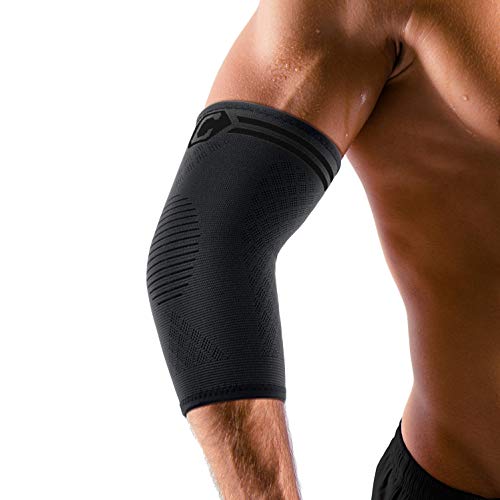
Description: TARGETED PAIN RELIEF & BOOSTED RECOVERY - Engineered with graduated compression, our elbow sleeves apply targeted support to key joint areas to help relieve discomfort associated with tennis elbow, tendonitis, and arthritis. |
Description: GOOD PERFORMANCE - The elbow brace applies even pressure to the elbow joint and elbow muscles, which can relieve tennis elbow, tendonitis, joint inflammation, golfer's elbow and other elbow pains, etc. |
Description: Our elbow brace is great for treating tendonitis, arthritis, sprained bones, strained ligaments, cubital Tunnel,ulnar nerve. Provides optimal support and compression to the elbow joint, reducing pain and preventing further injury during activities |
|
Our Rating:
4.8
|
Our Rating:
4.5
|
Our Rating:
4.4
|
|
$9.99
|
$9.99
|
$7.97
|
TARGETED PAIN RELIEF & BOOSTED RECOVERY - Engineered with graduated compression, our elbow sleeves apply targeted support to key joint areas to help relieve discomfort associated with tennis elbow, tendonitis, and arthritis.
GOOD PERFORMANCE - The elbow brace applies even pressure to the elbow joint and elbow muscles, which can relieve tennis elbow, tendonitis, joint inflammation, golfer's elbow and other elbow pains, etc.
Our elbow brace is great for treating tendonitis, arthritis, sprained bones, strained ligaments, cubital Tunnel,ulnar nerve. Provides optimal support and compression to the elbow joint, reducing pain and preventing further injury during activities
Common Mistakes to Avoid
Understanding and avoiding common errors in arm brace use can prevent complications, improve effectiveness, and ensure optimal pain relief results. These mistakes often stem from misconceptions about how braces work or attempts to accelerate recovery.
Improper Fit and Application
Over-tightening the brace represents one of the most frequent and potentially harmful mistakes. Excessive compression can restrict circulation, cause numbness or tingling, and actually increase pain rather than providing relief. The brace should feel supportive and snug without causing any sensation of throbbing, pins and needles, or color changes in the fingers.
Incorrect positioning reduces brace effectiveness and may create new problem areas. Placing the brace too high or too low on the arm, or allowing it to bunch or twist during application, prevents proper support distribution and can create pressure points that cause additional discomfort.
Ignoring size changes throughout the day or over time can compromise brace effectiveness. Arms naturally fluctuate in size due to activity, time of day, temperature, and healing progress. Failing to adjust the brace or reassess sizing as conditions change can lead to poor fit and reduced benefits.
Overuse and Dependency Issues
Continuous wear without breaks can lead to skin problems, muscle weakness, and psychological dependency on the brace. Even the most comfortable braces need removal periods to allow skin recovery, natural movement, and maintenance of normal muscle function.
Using braces as a substitute for proper treatment delays necessary medical care and may allow conditions to worsen. While braces provide excellent support for many conditions, they should complement rather than replace appropriate medical evaluation and treatment for persistent or severe arm pain.
Failing to progress toward independence can result in unnecessary long-term brace use. As conditions improve, gradually reducing brace dependency and returning to normal function should be the goal, rather than indefinite reliance on external support.
Activity and Expectation Errors
Returning to full activity too quickly because the brace provides pain relief can lead to re-injury or setbacks. The brace manages symptoms but doesn’t instantly heal underlying tissue damage. Gradual activity progression remains important even with good brace support.
Expecting immediate complete pain relief leads to disappointment and potentially harmful behavior modifications. While many people experience significant improvement with proper brace use, complete pain elimination may not occur immediately, and some activity modification may still be necessary.
Ignoring pain signals while wearing a brace can result in overuse injuries. The brace should reduce pain, but persistent or worsening pain during activities may indicate the need for further rest, medical evaluation, or treatment modifications.
Care and Maintenance Oversights
Poor brace hygiene can lead to skin irritation, infections, and premature brace deterioration. Regular cleaning according to manufacturer instructions maintains both brace effectiveness and skin health, especially with daily use in home environments.
Continuing to use worn-out braces provides inadequate support and may create new problems. Stretched elastic, worn Velcro, or deteriorated materials compromise brace function and should prompt replacement rather than continued use of ineffective equipment.
Improper storage and care reduces brace lifespan and effectiveness. Exposure to excessive heat, improper washing techniques, or rough handling can damage brace materials and compromise their supportive properties.
Medical and Safety Concerns
Self-diagnosing serious conditions and attempting to manage them solely with brace support can delay necessary medical treatment. While braces effectively manage many minor arm conditions, certain symptoms require professional evaluation to rule out serious underlying problems.
Ignoring skin reactions or circulation problems can lead to serious complications. Any signs of skin breakdown, persistent numbness, color changes, or increasing swelling should prompt immediate brace removal and potential medical consultation.
Using inappropriate brace types for specific conditions may provide inadequate support or create additional problems. Different arm conditions benefit from different types of support, and using the wrong brace type can be ineffective or counterproductive.
Communication and Documentation Failures
Not tracking symptoms and brace effectiveness makes it difficult to assess progress or identify problems early. Keeping simple records of pain levels, activity tolerance, and brace use patterns helps optimize treatment and identify when modifications are needed.
Failing to communicate with healthcare providers about brace use and results can lead to missed opportunities for treatment optimization. Healthcare providers need to know about self-treatment efforts to provide the most appropriate care recommendations.
Not seeking help when needed due to embarrassment, cost concerns, or misconceptions about arm pain can result in preventable complications or chronic problems. Early intervention often leads to better outcomes than delayed treatment of worsened conditions.
Avoiding these common mistakes maximizes the benefits of Arm Brace for Home Use Pain Relief while minimizing risks and complications. Proper use, realistic expectations, and appropriate integration with other treatment approaches provide the best foundation for successful arm pain management at home.
When to Seek Medical Advice
While arm braces provide effective relief for many home-related arm pain conditions, certain symptoms and situations require professional medical evaluation. Recognizing these warning signs ensures appropriate care and prevents minor problems from becoming serious complications.
Red Flag Symptoms
Severe or rapidly worsening pain that doesn’t respond to rest, brace support, and over-the-counter pain medications may indicate serious underlying conditions requiring immediate medical attention. Pain that significantly worsens over 24-48 hours or becomes unbearable should prompt urgent medical consultation.
Numbness, tingling, or weakness in the arm, hand, or fingers can indicate nerve compression or damage that requires professional evaluation. These symptoms may suggest conditions like carpal tunnel syndrome, ulnar nerve compression, or cervical spine problems that need specific treatment approaches.
Visible deformity or swelling that develops suddenly or progressively worsens may indicate fractures, dislocations, or serious soft tissue injuries. Any obvious changes in arm shape, severe swelling that doesn’t respond to elevation and rest, or deformity requires immediate medical evaluation.
Color changes in the arm or hand including persistent pallor, blueness, or mottled appearance can indicate circulation problems that require urgent attention. These changes may suggest blood clots, arterial problems, or severe compression that needs immediate treatment.
Functional Limitations
Inability to perform essential daily activities despite appropriate brace use and activity modifications indicates the need for professional intervention. If arm pain prevents basic self-care, household management, or work activities, medical evaluation can identify treatment options beyond home management.
Progressive loss of strength or range of motion suggests that current treatment approaches aren’t adequate for the underlying condition. Gradual worsening of function over days or weeks requires professional assessment to prevent permanent limitations.
Sleep disruption due to arm pain that persists despite appropriate brace use and positioning may indicate conditions requiring prescription medications, physical therapy, or other professional interventions.
Duration and Pattern Concerns
Persistent pain lasting more than 2-3 weeks without significant improvement warrants medical evaluation, even if symptoms aren’t severe. Chronic pain can lead to compensatory problems and may indicate underlying conditions that benefit from specific treatment approaches.
Recurring episodes of arm pain that repeatedly interfere with daily activities suggest the need for comprehensive evaluation to identify and address underlying causes rather than just managing symptoms with supportive care.
Pain patterns that don’t match typical overuse or strain may indicate systemic conditions, referred pain from other areas, or specific injuries that require professional diagnosis and treatment.
Associated Symptoms
Fever accompanying arm pain can indicate infections in bones, joints, or soft tissues that require antibiotic treatment and professional monitoring. Any arm pain associated with systemic symptoms like fever, chills, or malaise needs medical evaluation.
Chest pain, shortness of breath, or other systemic symptoms occurring with arm pain may indicate serious conditions like heart problems or blood clots that require emergency medical attention.
Skin changes including rashes, open wounds, or signs of infection in areas of arm pain need professional evaluation to prevent serious complications and ensure appropriate treatment.
Special Circumstances
Previous arm injuries or surgeries that develop new or worsening pain may indicate complications or new problems that require professional assessment. Previous injuries can predispose to certain complications that need specific evaluation and treatment.
Occupational or repetitive strain injuries that don’t improve with home management may benefit from workplace ergonomic assessments, physical therapy, or other professional interventions that address underlying causes.
Age-related considerations become important since certain conditions like arthritis, osteoporosis, or circulation problems become more common with aging and may require specific treatment approaches beyond supportive care.
Insurance and Treatment Considerations
Workers’ compensation or insurance requirements may mandate professional evaluation for work-related arm injuries, even if symptoms seem minor. Understanding insurance requirements can prevent complications with coverage for ongoing treatment needs.
Prescription brace options may be available through healthcare providers that offer superior support or specific features not available in over-the-counter options. Professional evaluation can determine if prescription devices would provide better outcomes.
Physical therapy or specialized treatment referrals can address underlying movement patterns, strength deficits, or other factors contributing to arm pain that supportive braces alone cannot correct.
Recognizing when Arm Brace for Home Use Pain Relief should be supplemented with professional medical care ensures optimal outcomes and prevents complications. While many arm pain conditions respond well to conservative home management, appropriate medical evaluation provides access to additional treatment options when needed and ensures that serious conditions receive proper attention.
Frequently Asked Questions
Can you wear an arm brace at home all day?
Most arm braces designed for home use can be worn for extended periods, but continuous all-day wear isn’t typically recommended. Compression sleeves and soft support braces can usually be worn for 6-8 hours comfortably, with breaks every few hours to allow skin recovery and natural circulation.
The key factors for all-day wear include:
- Breathable materials that prevent moisture buildup
- Proper fit that doesn’t restrict circulation
- Regular position checks to ensure the brace hasn’t shifted
- Scheduled removal for at least 2-3 hours daily
If you need continuous support, consider alternating between different types of braces or removing the brace during rest periods when arm support isn’t essential.
What type of brace is best for home use?
Compression sleeves typically work best for general home use because they provide consistent, comfortable support without restricting daily activities. They’re ideal for:
- Light household tasks
- All-day comfort
- Prevention of pain during routine activities
- Easy application and removal
Soft support braces work better when you need more targeted support for specific activities like cleaning, cooking, or yard work. Wraparound braces suit people who need adjustable support levels throughout the day or have moderate pain that requires more substantial support.
The best choice depends on your specific pain level, daily activities, and comfort preferences.
Is a light support brace enough for daily tasks?
Light support braces are often sufficient for most daily household tasks, especially when combined with proper activity modification and pacing. Compression sleeves and minimal-support braces work well for:
- Routine cooking and cleaning
- Light lifting and carrying
- Computer use and reading
- Personal care activities
However, you may need more substantial support for:
- Heavy cleaning or yard work
- Repetitive tasks that typically trigger pain
- Activities requiring significant grip strength
- Times when pain levels are elevated
Start with lighter support and increase as needed based on your comfort and pain levels during different activities.
How tight should an arm brace be?
An arm brace should feel snug and supportive without causing discomfort or circulation problems. Proper tightness means:
Correct fit indicators:
- You can slide one finger under the brace edges
- No numbness, tingling, or throbbing sensations
- The brace stays in position during normal movement
- You feel supported but not restricted
Too tight warning signs:
- Fingers become cold, numb, or change color
- Throbbing or pulsing sensations under the brace
- Skin indentations that persist after brace removal
- Increased pain or discomfort
Too loose indicators:
- The brace slides or shifts during activities
- No sensation of support or compression
- Bunching or rolling of brace materials
Adjust throughout the day as needed, since arm size can fluctuate with activity, temperature, and time of day.
How long should I wear an arm brace each day?
Duration depends on your specific condition and daily activities, but general guidelines include:
For mild pain or prevention:
- 2-4 hours during activities that typically cause discomfort
- Remove during rest periods and sleep
- Use as needed based on activity schedule
For moderate pain management:
- 4-6 hours during active periods
- May include some rest periods if comfortable
- Remove for at least 3-4 hours daily
For acute pain episodes:
- 6-8 hours with regular breaks for skin care
- May require nighttime use with appropriate brace types
- Gradually reduce as symptoms improve
Always remove the brace if you experience:
- Skin irritation or pressure sores
- Circulation problems
- Increased pain or discomfort
- Any concerning symptoms
Can I sleep with an arm brace on?
Sleeping with an arm brace depends on the brace type and your specific needs. Generally:
Appropriate for sleep:
- Braces specifically designed for nighttime use
- Soft compression sleeves that don’t restrict circulation
- Rest braces that maintain positioning without tight compression
Not recommended for sleep:
- Rigid or heavily structured braces
- Braces with multiple straps or hard components
- Any brace that feels tight or restrictive
Sleep considerations:
- Choose softer materials that don’t cause overheating
- Ensure the brace doesn’t restrict natural sleep positions
- Remove immediately if you wake up with numbness or discomfort
- Consider alternating nights with and without the brace
If nighttime pain is significant, consult a healthcare provider about appropriate nighttime support options rather than using day-use braces during sleep.
Conclusion
Arm Brace for Home Use Pain Relief offers a practical, accessible solution for managing everyday arm discomfort that interferes with household activities and daily routines. The right arm brace can transform your ability to cook, clean, work around the house, and maintain your normal lifestyle without constant pain reminders.
Success with arm braces at home depends on choosing the appropriate type for your specific needs—whether that’s a lightweight compression sleeve for all-day comfort, a soft support brace for moderate activities, or an adjustable wraparound design for variable support needs. The key lies in balancing adequate support with comfort for extended wear during daily activities.
Proper use and realistic expectations ensure optimal results from your arm brace investment. Remember that braces work best when combined with appropriate activity modifications, regular rest breaks, and attention to proper body mechanics during household tasks. They provide excellent symptom management and support healing, but they’re most effective as part of a comprehensive approach to arm health.
Take action today by assessing your current arm pain patterns and daily activity challenges. Consider which household tasks cause the most discomfort, evaluate your current pain management strategies, and determine whether an arm brace might help you maintain your desired activity level with greater comfort.
If you’re ready to explore arm brace options, start with a compression sleeve or soft support brace appropriate for your pain level and daily activities. Pay attention to proper fit, quality materials, and features that support your specific needs. Remember that some trial and adjustment may be necessary to find the optimal support solution for your unique situation.
Monitor your progress and don’t hesitate to seek professional medical advice if pain persists, worsens, or significantly impacts your daily function despite appropriate home management. While arm braces provide excellent support for many conditions, some situations benefit from comprehensive medical evaluation and treatment that goes beyond supportive care.
Your arm health directly impacts your ability to maintain independence, care for your home and family, and enjoy daily activities without pain limitations. Taking proactive steps to address arm discomfort with appropriate support can help you maintain the active, comfortable lifestyle you deserve.