

Over 54 million adults in the United States suffer from arthritis alone, with countless more experiencing arm joint pain from repetitive strain, sports injuries, and workplace activities. Joint pain in your arm can make even simple tasks feel frustrating—but the right arm brace for joint pain relief can provide real relief when you need it most.
Whether you’re dealing with tennis elbow from weekend sports, carpal tunnel from computer work, or general joint discomfort that interferes with daily activities, understanding how arm braces work and which type suits your specific needs can be the difference between ongoing pain and comfortable movement.
This comprehensive guide will help you navigate the world of arm braces, understand what causes your pain, and choose the most effective solution for lasting relief.
Key Takeaways
• Different types of arm pain require specific brace designs – tennis elbow needs targeted pressure points while wrist pain benefits from stabilization
• Proper fit is crucial for effectiveness – a poorly fitted brace can reduce pain relief and may cause additional discomfort
• Arm braces provide immediate support but work best when combined with rest and proper treatment of the underlying condition
• Compression and stabilization are the two main mechanisms that make arm braces effective for joint pain relief
• Severe or persistent pain requires medical evaluation – braces are supportive tools, not permanent solutions for serious conditions
What Causes Arm Joint Pain?
Understanding the root cause of your arm pain is essential for choosing the right arm brace for joint pain relief. Arm joint pain typically stems from three main categories: overuse injuries, acute trauma, or underlying medical conditions.
Common Causes
Overuse injuries are the most frequent culprits, especially in our modern world of repetitive activities. These develop gradually through repeated stress on joints, tendons, and muscles:
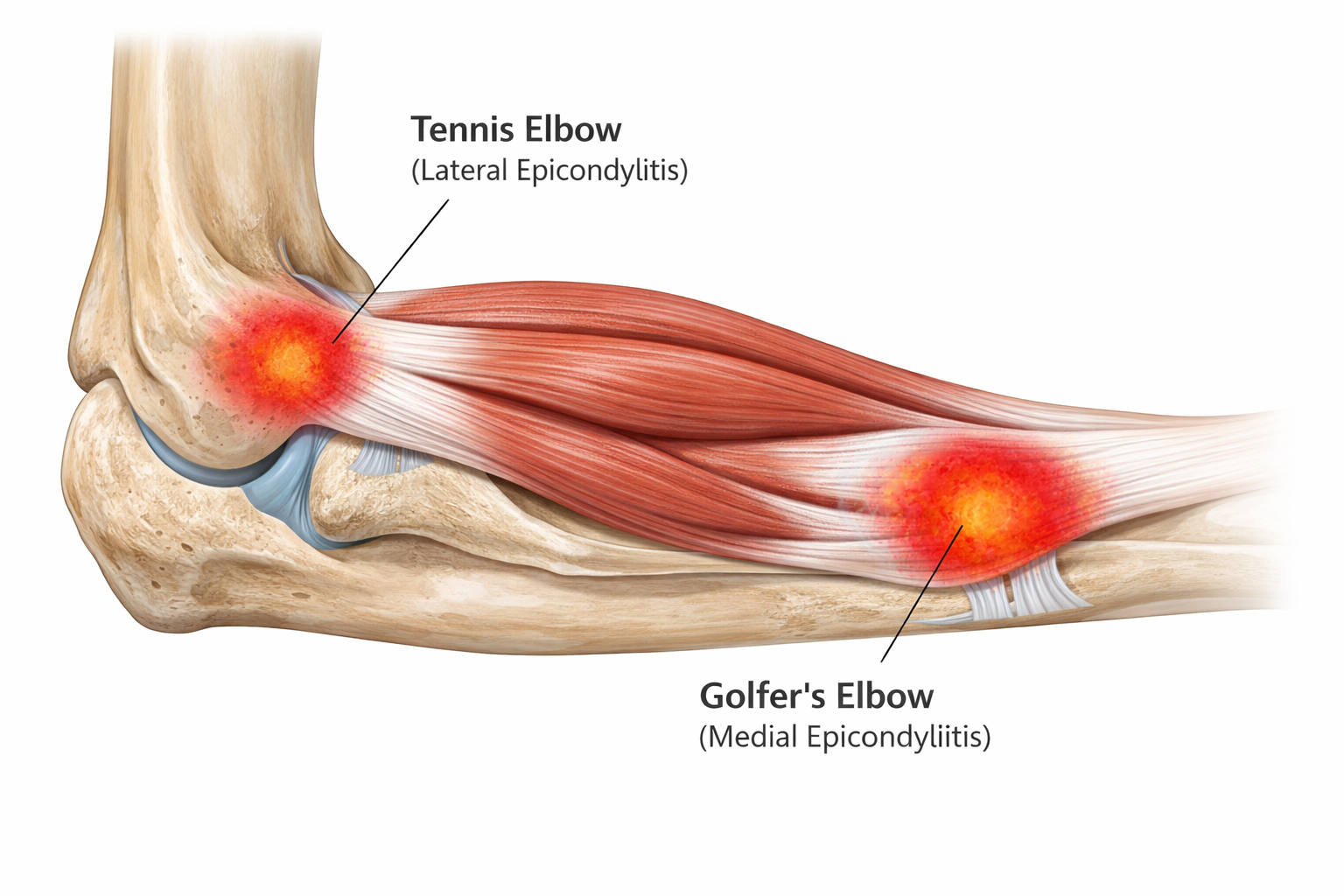
• Tennis Elbow (Lateral Epicondylitis) – affects the outer elbow where forearm muscles attach
• Golfer’s Elbow (Medial Epicondylitis) – impacts the inner elbow area
• Repetitive Strain Injury (RSI) – from computer work, assembly line tasks, or sports
• Carpal Tunnel Syndrome – compression of the median nerve in the wrist
Acute injuries can occur suddenly and cause immediate pain:
• Sprains and strains from falls or sudden movements
• Fractures or dislocations
• Ligament tears from sports or accidents
Medical conditions that affect joint health include:
• Arthritis (osteoarthritis, rheumatoid arthritis)
• Bursitis – inflammation of fluid-filled sacs around joints
• Tendinitis – inflammation of tendons connecting muscles to bones
👉 Key Insight: Different causes require different types of support
The location, intensity, and nature of your pain directly influence which type of arm brace will be most effective. For example, the targeted compression needed for tennis elbow differs significantly from the stabilization required for wrist arthritis.
How Arm Braces Help Relieve Pain
An arm brace for joint pain relief works through several proven mechanisms that address both the symptoms and contributing factors of arm pain. Understanding these principles helps explain why the right brace can provide such significant relief.
Core Benefits
Reduces strain on tendons and joints 🎯
Arm braces redistribute forces away from injured or painful areas. For tennis elbow, a counterforce brace applies pressure to the forearm muscles, reducing the strain on the inflamed tendon attachment at the elbow. This mechanical advantage allows healing tissues to rest while you maintain necessary activities.
Provides compression and support 💪
Compression increases blood flow, reduces swelling, and provides proprioceptive feedback that helps your brain better sense joint position. This enhanced awareness often leads to improved movement patterns and reduced risk of re-injury.
Limits harmful movement 🛡️
Strategic restriction of movement prevents positions or motions that aggravate your condition. Wrist braces, for example, maintain neutral alignment and prevent excessive flexion or extension that could worsen carpal tunnel symptoms.
Improves recovery time ⏰
By providing consistent support and reducing daily stress on injured tissues, braces create an optimal environment for healing. Many users report faster recovery when combining appropriate bracing with rest and other treatments.
The effectiveness of arm braces is supported by clinical research. A study published in the American Journal of Sports Medicine found that counterforce bracing reduced pain scores by an average of 60% in tennis elbow patients within four weeks of consistent use.
Similar to how knee braces provide targeted support for lower extremity pain, arm braces offer specialized relief for upper extremity joint issues through these same proven mechanisms.

|
|

|
|
Our Rating:
4.5
|
Our Rating:
4.4
|
Our Rating:
4.9
|
|
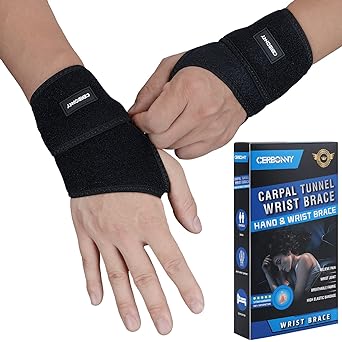
Description: A removable wrist splint and two fixed plastic splints provide a high level of wrist support. Limits unconscious bending or twisting of the wrist during sleep, avoiding aggravation of inflammation or nerve compression due to improper posture |
Description: Wrist bracers can be adjusted according to their comfort level, our wrist band can ensure stability, not easy to fall off, wearing it our hand support is very comfortable. High quality soft breathable fabric, |
Description: Maximum Pain Relief: Our wrist support braces are designed to help you relieve the pain and get the support you need for all-day and all-night comfort. Commonly used by people suffering from carpal tunnel syndrome, tendinitis, arthritis, wrist sprains, strains, etc. |
|
$13.99
|
$15.95
|
$27.06
|
A removable wrist splint and two fixed plastic splints provide a high level of wrist support. Limits unconscious bending or twisting of the wrist during sleep, avoiding aggravation of inflammation or nerve compression due to improper posture
Wrist bracers can be adjusted according to their comfort level, our wrist band can ensure stability, not easy to fall off, wearing it our hand support is very comfortable. High quality soft breathable fabric,
Maximum Pain Relief: Our wrist support braces are designed to help you relieve the pain and get the support you need for all-day and all-night comfort. Commonly used by people suffering from carpal tunnel syndrome, tendinitis, arthritis, wrist sprains, strains, etc.
Types of Arm Braces for Joint Pain Relief
Choosing the right arm brace for joint pain relief depends on understanding the specific design features that address different types of arm pain. Each brace type offers unique benefits tailored to particular conditions and pain locations.
1. Elbow Braces
Best for:
• Tennis elbow (lateral epicondylitis)
• Golfer’s elbow (medial epicondylitis)
• General elbow pain from overuse
👉 How they work:
Elbow braces, particularly counterforce designs, apply targeted pressure to the forearm muscles about 2-3 inches below the elbow joint. This pressure reduces the force transmitted to the inflamed tendon attachments, providing immediate pain relief during activities.
Key features to look for:
• Adjustable compression pad for personalized pressure
• Breathable materials for all-day comfort
• Non-slip design that stays in position during movement
2. Wrist Braces
Best for:
• Carpal tunnel syndrome
• Wrist arthritis
• Repetitive strain injuries
• Post-injury stabilization
👉 How they work:
Wrist braces maintain the wrist in a neutral position, preventing harmful flexion or extension that can compress nerves or stress inflamed joints. Many designs include removable splints for customizable support levels.
Popular styles include:
• Cock-up splints – hold the wrist in slight extension
• Neutral position braces – maintain natural wrist alignment
• Night splints – designed specifically for sleep comfort
3. Compression Sleeves
Best for:
• Mild to moderate arm pain
• Daily support during activities
• Post-workout recovery
• General joint stiffness
👉 How they work:
Compression sleeves provide graduated pressure that improves circulation and reduces swelling. The compression also offers proprioceptive feedback, helping improve movement awareness and control.
Material considerations:
• Neoprene – maximum warmth and compression
• Elastic blends – breathable for extended wear
• Copper-infused fabrics – antimicrobial properties
4. Hinged Braces
Best for:
• Serious elbow injuries
• Post-surgical recovery
• Severe joint instability
• Controlled range of motion needs
👉 How they work:
Hinged braces use mechanical joints to precisely control arm movement, allowing beneficial motion while preventing harmful positions. These braces often feature adjustable range-of-motion settings that can be modified as healing progresses.
Just as hinged knee braces provide controlled support for lower extremity injuries, hinged arm braces offer similar precision control for upper extremity rehabilitation.
How to Choose the Right Arm Brace
Selecting the most effective arm brace for joint pain relief requires careful consideration of your specific pain pattern, lifestyle needs, and comfort preferences. The wrong choice can not only fail to provide relief but may actually worsen your condition.
Key Factors
Pain location (elbow vs wrist vs forearm) 📍
The anatomical location of your pain is the primary factor in brace selection:
• Outer elbow pain – tennis elbow brace with counterforce pad
• Inner elbow pain – medial epicondylitis strap or comprehensive elbow support
• Wrist pain – stabilizing wrist brace with splint support
• Forearm pain – compression sleeve or full-arm support
Severity of pain ⚡
Match the level of support to your pain intensity:
• Mild discomfort – lightweight compression sleeve
• Moderate pain – structured brace with adjustable compression
• Severe pain – rigid support with maximum stabilization
• Post-injury – hinged brace with controlled movement
Activity level (sports, work, daily use) 🏃♂️
Consider when and how you’ll use the brace:
• Sports activities – lightweight, moisture-wicking materials
• Work environments – low-profile designs that fit under clothing
• Daily wear – comfortable padding and breathable fabrics
• Sleep support – soft materials designed for extended wear
Comfort and fit ✅
A properly fitted brace should feel snug but not restrictive:
• Measure your arm circumference at the recommended locations
• Check size charts carefully – sizes vary between manufacturers
• Look for adjustable features that allow fine-tuning
• Consider trying the brace during typical activities
👉 Tip: A poorly fitted brace can reduce effectiveness
An ill-fitting brace may slip during use, create pressure points, or fail to provide adequate support where needed. When in doubt, consult with a healthcare provider or certified orthotist for professional fitting guidance.
For those dealing with multiple joint issues, understanding how to choose the right support for different body areas can provide valuable insights into the selection process.
Benefits vs Limitations of Arm Braces
While an arm brace for joint pain relief can provide significant benefits, it’s important to understand both the advantages and limitations to set realistic expectations and use braces most effectively.
Benefits ✅
Immediate support and pain relief
Most users experience noticeable pain reduction within the first few uses. The mechanical support and compression effects work immediately to reduce stress on painful structures.
Non-invasive pain management
Arm braces offer a drug-free, surgery-free approach to pain management. This makes them an excellent first-line treatment or complement to other therapies.
Can prevent further injury
By limiting harmful movements and providing joint stability, braces help prevent aggravation of existing injuries and reduce the risk of new damage during activities.
Cost-effective solution
Compared to ongoing medical treatments, physical therapy, or surgical interventions, a quality arm brace represents a relatively small investment with potentially significant returns in comfort and function.
Maintains activity levels
Unlike complete rest, which can lead to muscle weakness and stiffness, braces allow continued participation in work, sports, and daily activities with reduced pain.
Limitations ⚠️
Not a permanent fix
Braces address symptoms and provide support but don’t cure underlying conditions. Chronic issues like arthritis or severe tendon damage require comprehensive treatment approaches.
May require consistent use
Some conditions need ongoing brace support, which can become inconvenient or uncomfortable over time. Users may develop dependency on the brace for activities they previously performed without support.
Potential for muscle weakness
Extended reliance on external support may lead to weakening of the muscles that normally stabilize the joint. This is why many healthcare providers recommend combining bracing with strengthening exercises.
Severe conditions may need medical care
Conditions involving nerve compression, complete tendon tears, or progressive joint damage require professional medical evaluation and treatment beyond what braces alone can provide.
Comfort and compliance issues
Some users find braces uncomfortable, especially during extended wear or in hot weather. Poor compliance reduces effectiveness significantly.
Understanding these trade-offs helps users make informed decisions about when and how to incorporate arm braces into their pain management strategy, similar to considerations for other joint support devices.
When to Use an Arm Brace
Knowing the optimal timing and situations for using an arm brace for joint pain relief maximizes its effectiveness and helps prevent overuse or dependency. Strategic use provides the best balance of support and natural function.
Ideal Situations
During repetitive activities 🔄
Use your brace when performing tasks that typically trigger pain:
• Computer work for carpal tunnel or wrist pain
• Sports activities that stress the elbow or forearm
• Manual labor involving repetitive arm movements
• Household tasks like gardening, cleaning, or cooking
While exercising 💪
Braces can enable continued participation in beneficial activities:
• Light resistance training with proper support
• Cardiovascular exercises that involve arm movement
• Stretching and flexibility routines
• Sport-specific activities with modified intensity
During recovery from injury 🏥
Post-injury bracing supports the healing process:
• Acute phase (first 48-72 hours) – focus on protection and pain control
• Subacute phase (3 days to 6 weeks) – support during gradual activity return
• Chronic phase (beyond 6 weeks) – long-term management of persistent issues
For daily support 🌅
Many conditions benefit from consistent daily bracing:
• Morning stiffness from arthritis
• Work-related strain prevention
• Sleep support for conditions like carpal tunnel
• Travel comfort during long periods of inactivity
Timing Strategies
Preventive use – Apply the brace before activities known to cause pain
Reactive use – Put on the brace when pain begins to develop
Recovery use – Wear during rest periods to support healing
Activity-specific use – Use only during particular tasks or sports
The key is finding the right balance that provides relief without creating dependency. Many healthcare providers recommend gradually reducing brace use as symptoms improve and function returns.
When to See a Doctor
While an arm brace for joint pain relief can effectively manage many conditions, certain warning signs indicate the need for professional medical evaluation. Recognizing these red flags ensures you receive appropriate care when braces alone aren’t sufficient.
Warning Signs 🚨
Persistent or worsening pain
If your pain continues to worsen despite consistent brace use and appropriate rest, underlying issues may require medical intervention:
• Pain that increases over several weeks
• Severe pain that interferes with sleep
• Pain that doesn’t respond to over-the-counter medications
• Symptoms that limit basic daily activities
Swelling or numbness
These symptoms may indicate nerve compression or circulation problems:
• Numbness or tingling in fingers or hands
• Significant swelling that doesn’t reduce with rest and elevation
• Color changes in the skin (pale, blue, or red)
• Temperature differences between arms
Loss of strength or mobility
Functional decline suggests more serious underlying problems:
• Inability to grip objects normally
• Weakness that affects work or daily tasks
• Significant reduction in range of motion
• Muscle wasting or visible changes in arm appearance
Additional Concerning Symptoms
• Fever accompanying joint pain (suggests infection)
• Sudden onset of severe pain (possible fracture or acute injury)
• Deformity or visible changes in joint appearance
• Locking or catching sensations in the joint
• Instability or feeling that the joint might “give way”
👉 Key Insight: Braces help—but they don’t replace medical care
Arm braces are valuable tools for managing pain and supporting recovery, but they work best as part of a comprehensive treatment approach. Conditions like complete tendon tears, nerve entrapment syndromes, or progressive arthritis may require professional interventions such as:
• Physical therapy to address underlying movement patterns
• Prescription medications for inflammation or pain control
• Injections for targeted anti-inflammatory treatment
• Surgical repair for structural damage
Early professional evaluation often leads to better outcomes and can prevent minor issues from becoming major problems. Just as knowing when you need knee support is important for lower extremity health, recognizing when arm pain requires medical attention is crucial for optimal recovery.
Additional Ways to Relieve Joint Pain
While an arm brace for joint pain relief provides valuable support, combining bracing with complementary treatments often yields the best results. These additional strategies address different aspects of pain and healing to create a comprehensive approach.
Complementary Methods
Rest and activity modification 🛌
Strategic rest doesn’t mean complete inactivity:
• Relative rest – avoid aggravating activities while maintaining general movement
• Activity modification – change techniques or tools to reduce joint stress
• Pacing strategies – break up repetitive tasks with frequent breaks
• Ergonomic improvements – adjust workstations and equipment for better positioning
Stretching and strengthening exercises 🧘♀️
Targeted exercises address muscle imbalances and improve joint function:
• Gentle stretching for tight muscles and fascia
• Progressive strengthening to support joint stability
• Range of motion exercises to maintain flexibility
• Proprioceptive training to improve joint awareness and control
Ice/heat therapy ❄️🔥
Temperature treatments provide different benefits:
• Ice therapy – reduces inflammation and acute pain (first 48-72 hours)
• Heat therapy – improves circulation and reduces stiffness (chronic conditions)
• Contrast therapy – alternating ice and heat for circulation benefits
• Timing guidelines – 15-20 minutes per application, several times daily
Anti-inflammatory approaches 🌿
Natural and medical options for reducing inflammation:
• Dietary changes – omega-3 fatty acids, anti-inflammatory foods
• Supplements – turmeric, glucosamine, fish oil (consult healthcare provider)
• Topical treatments – anti-inflammatory creams and gels
• Lifestyle factors – adequate sleep, stress management, hydration
Creating an Integrated Approach
The most effective pain relief strategies combine multiple approaches:
- Immediate relief – brace + ice/heat + rest
- Short-term management – continue bracing + gentle movement + pain control
- Long-term recovery – progressive exercise + activity modification + gradual brace reduction
This comprehensive approach mirrors successful strategies used for other joint conditions, such as chronic pain management techniques that combine multiple therapeutic modalities.
Remember that what works best can vary between individuals and conditions. Some people respond better to heat while others prefer ice. Some benefit from intensive stretching while others need more strengthening focus. Pay attention to your body’s responses and adjust your approach accordingly.
Conclusion
The right arm brace for joint pain relief can make a significant difference in your comfort, function, and quality of life. Whether you’re dealing with tennis elbow from weekend activities, carpal tunnel from computer work, or arthritis-related joint stiffness, understanding your specific needs and choosing appropriate support is the first step toward relief.
Key points to remember:
• Match the brace type to your specific condition – counterforce braces for tennis elbow, stabilizing braces for wrist pain, compression sleeves for general support
• Proper fit is essential – take accurate measurements and don’t hesitate to seek professional fitting advice
• Use braces strategically – during aggravating activities, for recovery support, and as part of a comprehensive treatment plan
• Combine with other treatments – rest, exercise, and lifestyle modifications enhance brace effectiveness
• Seek medical care when needed – persistent pain, numbness, or functional decline require professional evaluation
For those dealing with workplace-related arm pain, consider exploring specialized solutions for occupational demands, or if you’re an athlete, look into sports-specific support options that address the unique demands of athletic activities.
Relief starts with the right support—choose wisely, and your joints will thank you. Take action today by identifying your specific pain pattern, researching appropriate brace options, and consulting with healthcare providers when needed. Your path to reduced pain and improved function begins with that first informed decision.