

Nearly 54% of American adults experience chronic arm or upper extremity pain that persists for more than three months, making long-term support solutions not just helpful, but essential for maintaining quality of life. Unlike temporary injuries that heal with rest, chronic conditions and repetitive strain patterns require ongoing management strategies that can adapt to daily activities while providing consistent relief.
Finding the right arm brace for long-term use becomes crucial when dealing with persistent discomfort, workplace strain, or conditions that require extended support periods. The challenge lies not just in managing immediate pain, but in selecting a solution that remains comfortable, effective, and practical for weeks, months, or even years of regular wear.
This comprehensive guide explores everything needed to successfully use an arm brace over extended periods, from understanding when long-term support is necessary to choosing the most suitable type and maintaining healthy habits that maximize benefits while minimizing risks.
Key Takeaways
• Long-term arm brace use is safe and beneficial when properly managed with regular breaks and appropriate fit adjustments
• Compression sleeves and flexible wraparound braces offer the best combination of comfort and support for extended daily wear
• Breathable materials and adjustable designs are essential features for preventing skin irritation and maintaining circulation during prolonged use
• Balancing brace support with strengthening exercises prevents muscle weakness while managing chronic pain or repetitive strain conditions
• Professional guidance helps optimize long-term brace protocols and ensures underlying conditions receive appropriate treatment
When Is Long-Term Arm Brace Use Needed?
Long-term arm brace use becomes necessary when dealing with conditions that persist beyond typical healing timeframes or require ongoing preventive support. Understanding these scenarios helps determine whether extended brace wear represents the most appropriate treatment approach.
Chronic Pain Conditions
Persistent discomfort lasting more than three months often indicates underlying issues that benefit from consistent support. Conditions like chronic tendonitis, fibromyalgia affecting the arms, or post-surgical complications may require ongoing brace use to maintain function and comfort levels.
Recurring pain episodes that interfere with daily activities signal the need for preventive support strategies. An arm brace for long-term use can help break the cycle of pain flare-ups by providing consistent stabilization during vulnerable periods.
Workplace and Lifestyle Factors
Repetitive strain injuries (RSI) from computer work, assembly line tasks, or artistic pursuits often require extended support periods while lifestyle modifications take effect. The brace provides protection during unavoidable repetitive motions while tissues adapt to improved ergonomics.
High-demand occupations involving lifting, reaching, or sustained arm positions may necessitate daily brace use as a preventive measure. Construction workers, healthcare providers, and musicians frequently rely on arm braces designed for specific work environments to maintain career longevity.
Recovery and Prevention Scenarios
Post-injury protection during the transition back to full activity often extends beyond initial healing phases. Tennis elbow, golfer’s elbow, or strain injuries may require months of graduated support as strength and flexibility return.
Preventive support for individuals with genetic predispositions to joint problems or those returning to activities after extended breaks helps avoid re-injury while building tolerance.
Medical Conditions Requiring Extended Support
Several specific conditions commonly benefit from long-term arm brace protocols:
- Lateral epicondylitis (tennis elbow) – Often requires 3-6 months of consistent support
- Medial epicondylitis (golfer’s elbow) – May need extended wear during healing and activity modification
- Carpal tunnel syndrome – Benefits from nighttime and activity-specific bracing
- Arthritis – Ongoing support helps manage inflammation and joint stability
- Nerve compression syndromes – Require positioning support to prevent symptom recurrence
Can You Wear an Arm Brace Long-Term?
Yes, wearing an arm brace long-term is both safe and beneficial when done correctly. Medical professionals regularly recommend extended brace protocols for chronic conditions, with proper guidelines ensuring positive outcomes without adverse effects.
Benefits of Consistent Support
Pain reduction represents the most immediate benefit of long-term brace use. Consistent support helps reduce inflammation, limits harmful movements, and provides proprioceptive feedback that can retrain movement patterns over time.
Functional improvement occurs as the brace enables participation in activities that would otherwise cause pain or further injury. This maintained activity level prevents the deconditioning that often accompanies chronic pain conditions.
Sleep quality enhancement frequently results from nighttime brace use, particularly for conditions like carpal tunnel syndrome or nerve-related arm pain. Better rest supports overall healing and pain management.
Avoiding Over-Reliance
Balanced use protocols prevent the muscle weakness that can result from excessive dependence on external support. Effective long-term strategies include scheduled brace-free periods for gentle movement and strengthening exercises.
Progressive weaning may be appropriate as conditions improve, gradually reducing wear time while monitoring symptom response. This approach maintains gains while encouraging natural healing processes.
Activity-specific application often works better than constant wear, using the brace during high-risk activities while allowing unrestricted movement during low-demand periods.
Maintaining Muscle Strength and Mobility
Regular exercise remains crucial during extended brace use. Simple range-of-motion exercises, gentle stretching, and progressive strengthening help maintain muscle function while the brace provides symptom control.
Professional guidance from physical therapists or occupational therapists ensures exercise programs complement brace use rather than conflict with treatment goals. This coordinated approach optimizes long-term outcomes.
The key to successful long-term brace use lies in viewing the device as one component of a comprehensive management strategy rather than a standalone solution.
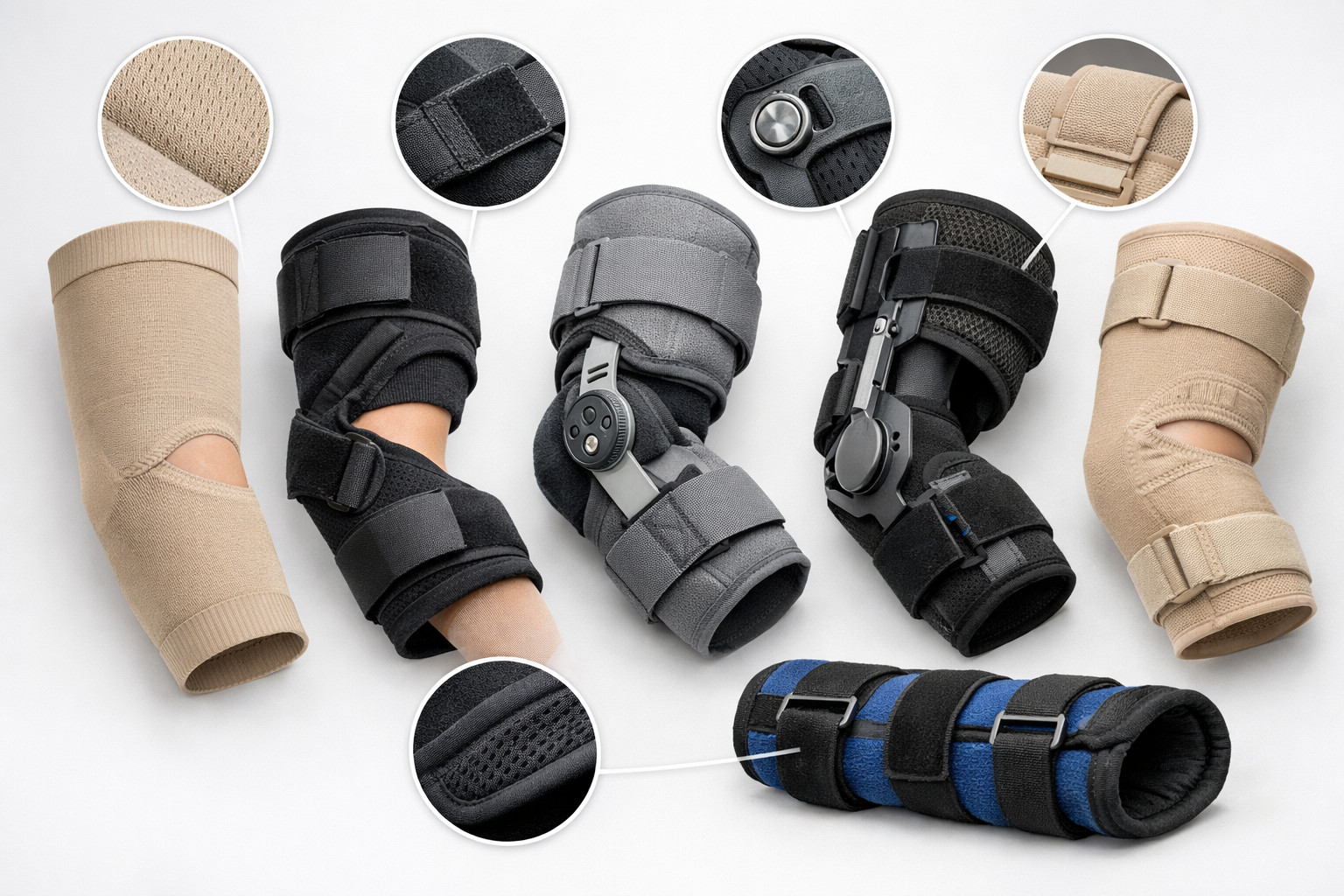
Types of Arm Braces Suitable for Long-Term Use
Selecting the appropriate brace type significantly impacts comfort and compliance during extended wear periods. Different designs offer varying levels of support, breathability, and adjustability to match specific needs and tolerance levels.
Compression Sleeves
Lightweight construction makes compression sleeves ideal for all-day wear without bulk or restriction. These seamless designs provide gentle, consistent pressure that supports circulation while reducing inflammation and muscle fatigue.
Graduated compression models offer varying pressure levels along the arm length, promoting blood flow while providing targeted support to problem areas. This design works particularly well for repetitive motion injuries and chronic inflammation.
Moisture-wicking materials keep skin dry during extended wear, reducing irritation risks that can develop with prolonged contact. Modern compression sleeves often incorporate antimicrobial treatments to maintain hygiene during daily use.
Flexible Wraparound Braces
Adjustable support levels allow users to modify compression and stability throughout the day based on activity demands and symptom fluctuations. This adaptability makes wraparound designs excellent choices for variable conditions.
Targeted pressure zones can be customized by adjusting strap tension in different areas, providing focused support where needed while maintaining comfort in less affected regions.
Easy application enables quick adjustments without complete removal, supporting compliance during busy schedules or when symptoms change throughout the day.
Hybrid Braces
Combined technologies merge compression benefits with structured support elements, offering comprehensive symptom management for complex conditions requiring multiple treatment approaches.
Modular components allow customization of support levels by adding or removing elements based on current needs, making these braces adaptable to changing conditions over time.
Professional-grade materials typically used in hybrid designs provide durability for extended use while maintaining therapeutic effectiveness through repeated wear cycles.
Soft Support Braces
Extended wear comfort represents the primary advantage of soft support designs, using plush materials and seamless construction to minimize pressure points during long wear periods.
Minimal bulk allows normal clothing fit and unrestricted movement during daily activities, supporting compliance by avoiding the self-consciousness that can accompany more obvious bracing.
Gentle stabilization provides symptom relief without the rigid restriction that might interfere with necessary arm function during work or daily tasks.
What to Look for in the Best Arm Brace for Long-Term Use
Choosing an arm brace for long-term use requires careful consideration of features that support extended wear comfort, durability, and therapeutic effectiveness. The right combination of characteristics ensures consistent benefits without developing secondary problems from the brace itself.
Comfort Features for Extended Wear
Seamless construction eliminates pressure points that can cause irritation during prolonged contact with skin. Look for braces with smooth internal surfaces and minimal seaming that could create friction areas.
Padding placement should target high-pressure zones while avoiding excessive bulk that might cause discomfort or restrict movement. Strategic cushioning around bony prominences helps distribute pressure evenly.
Ergonomic contouring follows natural arm anatomy to provide support without fighting normal movement patterns. Well-designed braces feel natural during wear rather than constantly noticeable.
Material Considerations
Breathable fabrics prevent moisture buildup that can lead to skin problems during extended wear. Modern synthetic materials often provide better moisture management than traditional options while maintaining durability.
Hypoallergenic properties become crucial for sensitive skin or when wearing the brace for many hours daily. Latex-free materials and antimicrobial treatments help prevent allergic reactions and skin infections.
Washability ensures hygiene maintenance during regular use. Machine-washable braces support cleanliness without requiring replacement due to odor or contamination concerns.
Adjustability and Fit
Multiple adjustment points allow fine-tuning of fit and support levels as needs change throughout the day or over time. This adaptability supports long-term use by accommodating swelling fluctuations and activity variations.
Size range availability ensures proper fit across different body types and arm dimensions. Proper sizing charts and measurement guidelines help select the optimal size for individual anatomy.
Progressive tightening options enable gradual adjustment as tolerance develops or symptoms change, supporting a customized approach to long-term management.
Durability Requirements
Construction quality must withstand daily use over extended periods without losing therapeutic effectiveness. Reinforced stress points and quality materials prevent premature failure that could interrupt treatment.
Fastener reliability ensures consistent support throughout the wear period. High-quality velcro, buckles, or other closure systems maintain their holding power through repeated use and washing cycles.
Warranty coverage provides confidence in the manufacturer’s commitment to product durability and can offer protection against defects that might develop during extended use periods.
How to Choose the Right Arm Brace for Long-Term Use
Selecting the optimal arm brace for long-term use involves matching specific condition requirements with individual lifestyle needs and comfort preferences. A systematic approach ensures the chosen brace will provide effective support throughout extended wear periods.
Assessing Your Support Needs
Condition severity determines the level of support required for effective symptom management. Mild chronic pain may respond well to compression sleeves, while more severe conditions might need structured braces with rigid elements.
Activity demands influence the type of support needed throughout typical daily routines. Desk workers may prioritize comfort during static positions, while active individuals need braces that accommodate dynamic movement.
Symptom patterns help identify when support is most crucial. Some conditions worsen with specific movements or times of day, allowing for targeted brace application rather than constant wear.
Considering Daily Wear Duration
Full-day wear requires maximum comfort features and breathable materials to prevent skin problems or discomfort that could reduce compliance. Compression sleeves or soft support braces often work best for extended periods.
Activity-specific use allows for higher support levels during problem activities while providing relief during low-demand periods. This approach can extend the useful life of both the brace and the affected tissues.
Intermittent protocols may involve wearing the brace during work hours, specific activities, or symptom flare-ups while allowing unrestricted movement during other times.
Prioritizing Comfort vs. Support
Maximum comfort approaches work well for chronic conditions requiring long-term management where complete immobilization isn’t necessary. These strategies emphasize compliance and daily function over rigid control.
Balanced approaches provide moderate support with good comfort, suitable for most long-term applications where some movement control is beneficial but complete restriction isn’t required.
High support options may be necessary for severe conditions or during specific activities, even if comfort is somewhat compromised. These applications typically involve shorter wear periods or activity-specific use.
Professional Consultation Benefits
Medical evaluation ensures the chosen brace addresses the underlying condition appropriately and doesn’t mask symptoms that require different treatment approaches.
Fitting expertise from healthcare providers or certified fitters helps optimize brace selection and adjustment for individual anatomy and needs.
Follow-up protocols allow for adjustments and modifications as conditions change over time, ensuring continued effectiveness throughout extended treatment periods.
Similar to how knee brace selection requires careful consideration, arm brace choice benefits from professional guidance and systematic evaluation of individual needs.
How to Use an Arm Brace Safely Over Time
Safe long-term brace use requires establishing proper protocols that maximize therapeutic benefits while minimizing potential risks associated with extended wear. Following evidence-based guidelines helps ensure positive outcomes throughout treatment periods.
Optimal Wearing Schedules
Activity-based protocols focus brace use during high-risk periods while allowing natural movement during low-demand activities. This approach maintains tissue health while providing protection when most needed.
Graduated wear schedules may begin with shorter periods and gradually increase duration as tolerance develops. This progression helps identify optimal wear times while avoiding overuse complications.
Symptom-responsive adjustments allow modifications based on daily condition variations, increasing support during flare-ups while reducing dependence during better periods.
Taking Appropriate Breaks
Circulation breaks every 2-3 hours help maintain blood flow and prevent tissue compression problems that can develop during extended wear periods. Brief removal allows skin inspection and gentle movement.
Skin care intervals provide opportunities to clean both the skin and brace, preventing hygiene issues that could lead to infections or irritation during long-term use.
Movement sessions during breaks encourage natural joint motion and muscle activation, preventing stiffness and weakness that might develop with continuous external support.
Monitoring for Problems
Skin inspection should occur daily during long-term brace use, checking for redness, irritation, or pressure marks that might indicate fit problems or developing complications.
Circulation assessment involves monitoring for numbness, tingling, or color changes that could suggest excessive compression or improper positioning affecting blood flow.
Function evaluation helps ensure the brace continues providing benefits without creating new problems or limitations that might require protocol adjustments.
Proper Maintenance Routines
Daily cleaning of both skin and brace surfaces prevents bacterial buildup and odor development that can occur with regular use. Gentle cleansers and thorough drying maintain hygiene.
Regular inspection of brace components identifies wear patterns or damage that might compromise effectiveness or safety. Timely replacement prevents problems from developing.
Rotation strategies using multiple braces allow thorough cleaning and drying between uses while ensuring continuous support availability when needed.
Benefits of Long-Term Arm Brace Use
Extended arm brace protocols offer significant advantages for individuals managing chronic conditions, recovering from injuries, or preventing recurring problems. Understanding these benefits helps maintain motivation and compliance throughout treatment periods.
Pain Management Advantages
Consistent symptom control represents the primary benefit most users experience with long-term brace protocols. Regular support helps maintain pain levels within manageable ranges, reducing the intensity and frequency of severe episodes.
Reduced medication dependence often occurs as brace support provides non-pharmaceutical pain relief. This reduction can minimize side effects and long-term health risks associated with chronic pain medication use.
Improved sleep quality frequently results from nighttime brace use, particularly for conditions like nerve compression or inflammatory disorders that worsen during rest periods.
Functional Improvements
Enhanced daily activities become possible as brace support enables participation in tasks that would otherwise cause excessive pain or risk further injury. This maintained activity level supports overall health and quality of life.
Work performance stability helps individuals maintain employment and productivity levels despite chronic conditions. Occupational support through bracing can prevent disability and career limitations.
Recreational participation remains possible with appropriate brace support, allowing continued engagement in hobbies and social activities that contribute to mental health and life satisfaction.
Long-Term Health Benefits
Prevention of condition progression may occur as brace support reduces repetitive stress and harmful movement patterns that could worsen underlying problems over time.
Maintenance of muscle function through supported activity prevents the deconditioning that often accompanies chronic pain conditions when individuals avoid movement due to discomfort.
Psychological benefits include increased confidence in arm function and reduced anxiety about pain episodes, supporting overall mental health during chronic condition management.
Economic Advantages
Reduced healthcare costs may result from decreased need for frequent medical visits, procedures, or medications when brace support effectively manages symptoms.
Maintained productivity supports continued income and career advancement despite chronic conditions that might otherwise limit work capacity.
Prevention of complications through proper support can avoid more expensive treatments that might become necessary if conditions worsen without intervention.
Potential Risks and How to Avoid Them
While long-term arm brace use offers significant benefits, understanding potential risks and prevention strategies ensures safe, effective treatment throughout extended wear periods. Proactive management prevents complications that could compromise treatment success.
Muscle Weakness Prevention
Over-dependence risks can develop when braces provide excessive support for extended periods without allowing natural muscle activation. This can lead to gradual weakening of supporting musculature over time.
Prevention strategies include scheduled brace-free periods for gentle exercise, progressive strengthening programs, and activity-specific rather than constant brace use when appropriate.
Professional monitoring helps identify early signs of muscle weakness and adjust protocols to maintain strength while providing necessary support for symptom management.
Skin Health Maintenance
Irritation prevention requires attention to brace fit, material quality, and hygiene practices during extended wear periods. Poor-fitting braces or inadequate cleaning can lead to dermatitis or infections.
Moisture management becomes crucial during long-term use, particularly in warm climates or during physical activity. Breathable materials and regular cleaning prevent bacterial growth and skin breakdown.
Pressure point monitoring helps identify areas where brace components might cause excessive pressure during extended wear, allowing adjustments before tissue damage occurs.
Circulation Considerations
Compression monitoring ensures brace tightness doesn’t impair blood flow during extended wear periods. Signs of circulation problems include numbness, tingling, color changes, or temperature differences.
Proper fitting techniques help achieve therapeutic compression levels without excessive restriction that could compromise circulation or nerve function.
Regular assessment during long-term use identifies changes in arm size or condition that might require fit adjustments to maintain safe compression levels.
Avoiding Common Complications
Gradual tolerance building prevents problems that can occur when individuals immediately jump to maximum support levels without allowing adaptation time.
Quality brace selection reduces risks associated with poor construction, inadequate materials, or designs that aren’t suitable for extended wear applications.
Professional guidance throughout long-term use helps identify and address problems before they become serious complications requiring treatment interruption.
Just as knee brace users must monitor for potential issues, arm brace users benefit from understanding and preventing common complications through proper protocols.
|

|

|
|
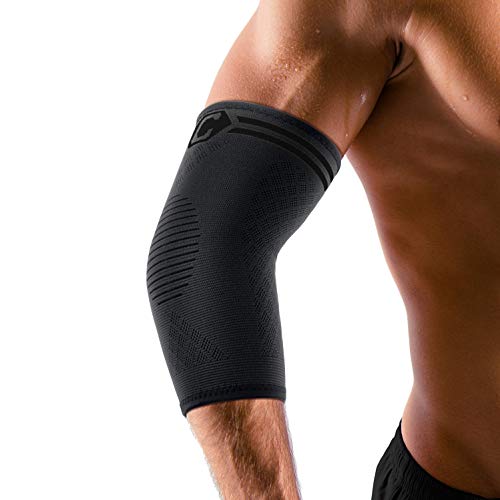
Description: TARGETED PAIN RELIEF & BOOSTED RECOVERY - Engineered with graduated compression, our elbow sleeves apply targeted support to key joint areas to help relieve discomfort associated with tennis elbow, tendonitis, and arthritis. |
Description: GOOD PERFORMANCE - The elbow brace applies even pressure to the elbow joint and elbow muscles, which can relieve tennis elbow, tendonitis, joint inflammation, golfer's elbow and other elbow pains, etc. |
Description: Our elbow brace is great for treating tendonitis, arthritis, sprained bones, strained ligaments, cubital Tunnel,ulnar nerve. Provides optimal support and compression to the elbow joint, reducing pain and preventing further injury during activities |
|
Our Rating:
4.8
|
Our Rating:
4.5
|
Our Rating:
4.4
|
|
$8.49
|
$11.99
|
$7.97
|
TARGETED PAIN RELIEF & BOOSTED RECOVERY - Engineered with graduated compression, our elbow sleeves apply targeted support to key joint areas to help relieve discomfort associated with tennis elbow, tendonitis, and arthritis.
GOOD PERFORMANCE - The elbow brace applies even pressure to the elbow joint and elbow muscles, which can relieve tennis elbow, tendonitis, joint inflammation, golfer's elbow and other elbow pains, etc.
Our elbow brace is great for treating tendonitis, arthritis, sprained bones, strained ligaments, cubital Tunnel,ulnar nerve. Provides optimal support and compression to the elbow joint, reducing pain and preventing further injury during activities
Additional Tips for Long-Term Arm Health
Successful long-term arm brace use extends beyond the device itself, incorporating comprehensive strategies that support overall arm health and maximize treatment effectiveness. These complementary approaches enhance brace benefits while promoting natural healing processes.
Exercise and Strengthening
Range of motion exercises maintain joint flexibility during brace use, preventing stiffness that can develop with external support. Gentle stretching routines performed during brace-free periods support continued mobility.
Progressive strengthening programs help maintain muscle function while the brace provides symptom control. Working with physical therapists ensures exercises complement rather than conflict with brace protocols.
Functional movement training focuses on proper movement patterns that reduce strain on affected areas, supporting long-term health beyond the brace treatment period.
Ergonomic Improvements
Workplace modifications address root causes of repetitive strain that may have contributed to the need for long-term brace use. Proper desk height, monitor positioning, and tool selection reduce ongoing stress.
Activity technique refinement helps individuals perform necessary tasks with less strain on affected areas. This might include learning new movement patterns or using assistive tools that reduce arm stress.
Environmental adaptations make daily activities less demanding on the arms, supporting the healing process while brace support manages symptoms.
Lifestyle Modifications
Stress management supports overall healing as chronic stress can worsen pain conditions and slow recovery processes. Relaxation techniques and stress reduction strategies complement physical treatments.
Sleep optimization ensures adequate rest for tissue repair and pain management. Proper sleep positioning and nighttime brace protocols can significantly improve treatment outcomes.
Nutrition support provides the building blocks necessary for tissue repair and inflammation management. Anti-inflammatory diets may enhance the benefits of brace treatment.
Professional Support Integration
Regular medical monitoring ensures underlying conditions receive appropriate treatment while brace support manages symptoms. This comprehensive approach addresses root causes rather than just symptom control.
Physical therapy coordination optimizes the combination of brace support with therapeutic exercises and manual treatments for maximum benefit.
Occupational therapy consultation may help with workplace accommodations and adaptive strategies that reduce the need for brace dependence over time.
Common Mistakes to Avoid
Understanding frequent errors in long-term arm brace use helps prevent complications and optimize treatment outcomes. Avoiding these common pitfalls supports successful extended brace protocols and prevents problems that could interrupt treatment.
Improper Fit Issues
Over-tightening represents one of the most common mistakes, as users often believe tighter braces provide better support. Excessive compression can impair circulation, cause nerve problems, and create pressure sores during extended wear.
Under-sizing occurs when individuals choose braces that are too small, thinking smaller sizes provide better support. Proper measurement and sizing ensure therapeutic compression without harmful restriction.
Ignoring size changes during treatment can lead to fit problems as swelling decreases or muscle mass changes. Regular fit assessment prevents complications from braces that no longer fit properly.
Incorrect Brace Selection
Wrong support level happens when individuals choose braces that don’t match their condition severity or activity needs. Too little support fails to provide benefits, while excessive support can cause dependence or discomfort.
Inappropriate type selection occurs when users select braces designed for different conditions or wear patterns than their specific needs require. Understanding brace categories helps ensure proper matching.
Quality compromises to save money can result in braces that don’t provide adequate support or durability for long-term use, ultimately costing more through frequent replacement or treatment complications.
Usage Protocol Errors
Constant wear without breaks can lead to skin problems, muscle weakness, and circulation issues. Even long-term protocols require strategic breaks for tissue health and function maintenance.
Inconsistent use patterns reduce treatment effectiveness when individuals wear braces sporadically rather than following recommended protocols for their specific conditions.
Ignoring discomfort signals can lead to serious complications when users continue wearing braces that cause pain, numbness, or other warning signs of problems.
Maintenance Neglect
Poor hygiene practices can result in skin infections, brace deterioration, and odor problems that make continued use difficult or unsafe.
Delayed replacement of worn braces compromises treatment effectiveness and may create new problems from components that no longer function properly.
Inadequate inspection routines miss early signs of wear or damage that could lead to brace failure or injury during use.
When to Seek Medical Advice
Recognizing when professional consultation is necessary during long-term arm brace use ensures safety and treatment effectiveness. Certain symptoms or situations require immediate medical attention to prevent complications or address underlying condition changes.
Warning Signs Requiring Attention
Persistent or worsening pain despite proper brace use may indicate condition progression, improper treatment, or the need for additional interventions beyond brace support alone.
Numbness or tingling that develops or worsens during brace use could suggest nerve compression, circulation problems, or improper fit requiring immediate evaluation and adjustment.
Skin changes including persistent redness, sores, rashes, or infections need prompt medical attention to prevent serious complications during long-term brace protocols.
Functional Changes
Decreased strength or mobility may indicate over-dependence on brace support or progression of underlying conditions requiring treatment modification or additional therapies.
New symptoms that develop during brace use could suggest complications, secondary problems, or conditions that weren’t initially recognized and need evaluation.
Loss of treatment effectiveness when previously successful brace protocols no longer provide adequate symptom control may require condition reassessment or treatment adjustments.
Condition Monitoring
Regular follow-up scheduling ensures ongoing medical oversight during long-term brace use, allowing for protocol adjustments and early identification of problems.
Periodic reassessment of underlying conditions helps determine if continued brace use remains appropriate or if other treatments might be more effective.
Professional fit checks ensure braces continue providing proper support without causing problems as conditions or anatomy change over time.
Emergency Situations
Severe pain increase that occurs suddenly during brace use requires immediate evaluation to rule out serious complications or acute condition changes.
Circulation compromise indicated by color changes, severe numbness, or temperature differences needs urgent medical attention to prevent tissue damage.
Allergic reactions to brace materials can develop even after extended use and require prompt treatment and alternative brace selection.
Similar to knee brace safety monitoring, arm brace users should maintain awareness of potential complications and seek appropriate medical care when concerning symptoms develop.
Frequently Asked Questions
Can you wear an arm brace long-term?
Yes, arm braces can be worn long-term safely when used properly with appropriate breaks and monitoring. Medical professionals regularly recommend extended brace protocols for chronic conditions, with studies showing benefits for periods ranging from months to years when proper guidelines are followed.
Will long-term use weaken muscles?
Muscle weakness can occur with excessive dependence on brace support, but this risk is minimized through proper protocols that include regular exercise, scheduled brace-free periods, and activity-specific rather than constant use. Balancing support with muscle activation maintains strength while managing symptoms.
What type of brace is best for extended wear?
Compression sleeves and flexible wraparound braces typically work best for long-term use due to their comfort, breathability, and adjustability. These designs provide therapeutic support while minimizing bulk and irritation that can develop with rigid braces during extended wear periods.
How often should you take breaks from wearing a brace?
Breaks every 2-3 hours are generally recommended during extended wear periods to maintain circulation, inspect skin condition, and allow gentle movement. The specific schedule may vary based on individual tolerance, brace type, and condition severity, with some protocols allowing longer wear periods.
Can long-term brace use prevent future injuries?
Preventive benefits are possible when braces are used appropriately during high-risk activities or for individuals with predisposing factors. However, the most effective prevention combines brace support with proper technique, strengthening exercises, and ergonomic improvements rather than relying on bracing alone.
How do you know if a brace fits properly for long-term use?
Proper fit provides support without causing numbness, excessive pressure, or movement restriction during normal activities. The brace should feel snug but comfortable, allow normal circulation, and not create pressure points or chafing during extended wear periods.
What materials are best for long-term arm brace use?
Breathable, moisture-wicking synthetic materials typically perform best for extended wear, offering durability, washability, and comfort. Hypoallergenic fabrics prevent skin reactions, while antimicrobial treatments help maintain hygiene during regular use.
Conclusion
Long-term arm brace use offers a safe, effective solution for managing chronic pain, preventing recurring injuries, and supporting daily function when other treatments alone aren’t sufficient. The key to success lies in selecting the right arm brace for long-term use that balances therapeutic support with comfort features necessary for extended wear periods.
Proper selection and protocols make the difference between successful long-term outcomes and problematic complications. Compression sleeves and flexible wraparound designs typically provide the best combination of support and wearability, while breathable materials and adjustable fits ensure comfort throughout extended treatment periods.
Comprehensive management strategies that combine brace support with exercise, ergonomic improvements, and professional monitoring optimize results while preventing the muscle weakness and dependence that can occur with improper use. Regular breaks, skin care, and fit monitoring maintain safety throughout treatment.
Professional guidance enhances treatment success by ensuring appropriate brace selection, proper fitting, and ongoing protocol adjustments as conditions change. Medical oversight helps identify complications early and ensures underlying conditions receive comprehensive treatment beyond symptom management alone.
For individuals dealing with chronic arm conditions, workplace strain, or recurring injuries, a well-chosen and properly used arm brace can provide the consistent support needed to maintain function, manage pain, and prevent condition progression. The investment in quality bracing and proper protocols pays dividends in improved quality of life and long-term arm health.
Take the first step by consulting with a healthcare provider to assess your specific needs and develop a comprehensive long-term management plan that incorporates appropriate brace support with other therapeutic strategies for optimal outcomes.