

Mechanics suffer arm and elbow injuries at rates three times higher than office workers, with repetitive strain injuries affecting over 60% of automotive technicians during their careers. The constant gripping, twisting, and overhead reaching required in mechanical work creates a perfect storm for debilitating arm pain that can end careers prematurely. An arm brace for mechanics offers a practical solution to reduce strain, support overworked muscles, and maintain productivity without sacrificing long-term joint health.
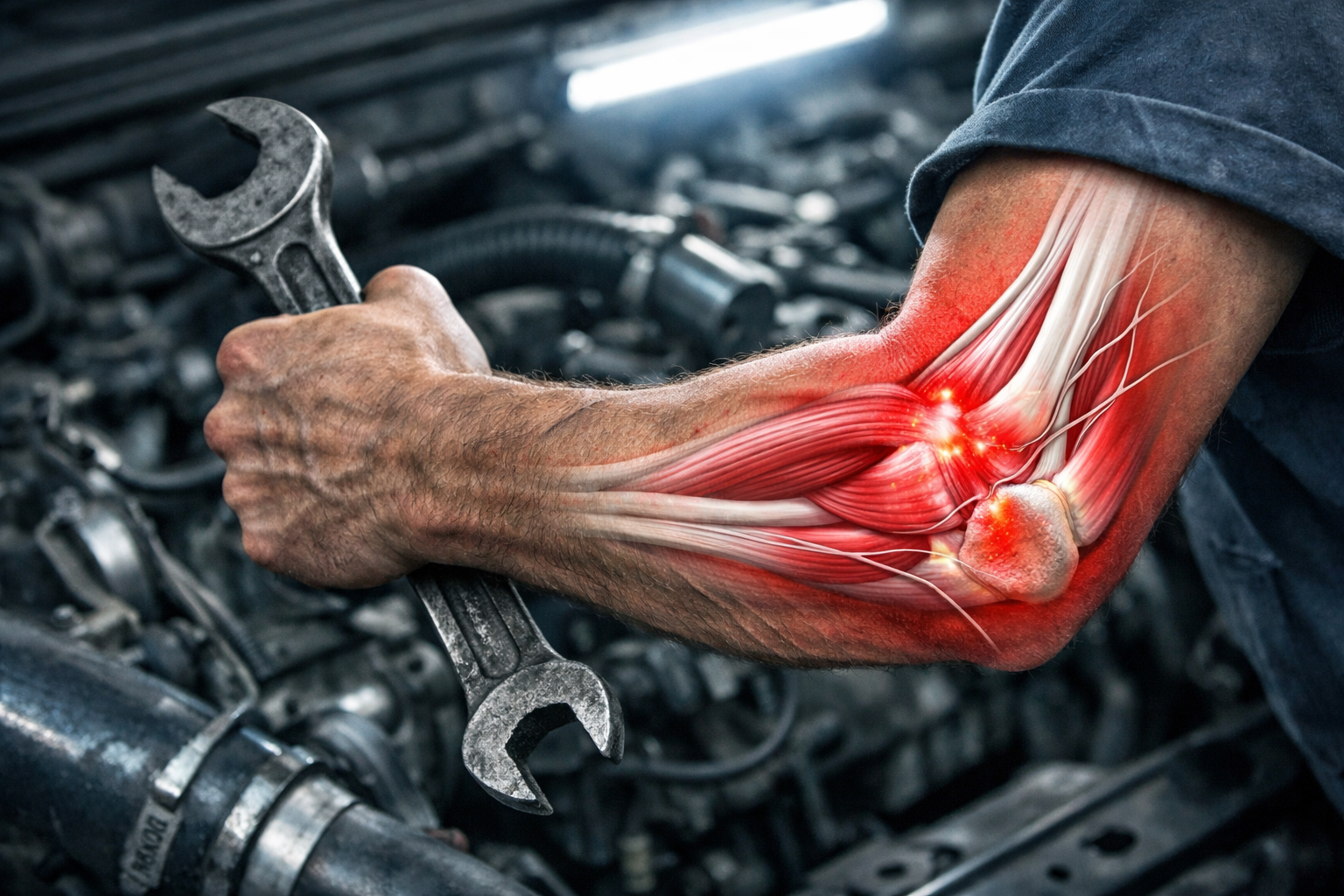
The demanding nature of mechanical work puts extraordinary stress on the arms, elbows, and wrists. From wrestling with stubborn bolts to supporting heavy engine components, mechanics face unique challenges that standard workplace ergonomics rarely address. Understanding how targeted support through proper bracing can transform daily comfort levels makes the difference between a sustainable career and chronic pain.
Key Takeaways
• Repetitive tool use and heavy lifting create specific arm strain patterns that an arm brace for mechanics can effectively address
• Compression sleeves and elbow straps provide different types of support depending on the specific pain location and work demands
• Proper brace selection focuses on durability, sweat resistance, and compatibility with work gloves and safety equipment
• Early intervention with supportive bracing prevents minor discomfort from developing into serious repetitive strain injuries
• Combining brace support with proper technique and regular breaks maximizes protection and extends career longevity
Why Mechanics Experience Arm Pain
The mechanical profession demands extraordinary physical resilience from the arms and upper extremities. Repetitive use of tools and equipment forms the foundation of most arm-related injuries in automotive work. Mechanics typically perform thousands of gripping, twisting, and torquing motions during a single shift, creating cumulative stress that overwhelms the body’s natural recovery mechanisms.
Heavy lifting and awkward arm positions compound the problem significantly. Engine components, transmissions, and brake assemblies often weigh 50-200 pounds and require lifting in cramped spaces with poor leverage. Mechanics frequently work overhead, reaching into engine bays, or lying under vehicles with arms extended in unnatural positions for extended periods.
Vibrations from power tools add another layer of stress that many mechanics underestimate. Impact wrenches, grinders, and pneumatic tools transmit constant vibrations through the arms, creating micro-trauma in soft tissues. This vibration exposure can lead to reduced blood flow and nerve sensitivity over time.
Common Conditions Affecting Mechanics
Tendonitis represents the most frequent arm complaint among automotive technicians. The repetitive gripping and twisting motions inflame the tendons around the elbow and wrist, causing pain that worsens throughout the workday. Mechanics often develop tendonitis in multiple locations simultaneously due to the interconnected nature of arm movements during complex repairs.
Tennis elbow (lateral epicondylitis) affects mechanics at rates far exceeding recreational tennis players. The constant use of wrenches, screwdrivers, and other hand tools creates the exact motion patterns that inflame the outer elbow tendons. Unlike sports-related tennis elbow, mechanic-induced cases tend to be more severe due to the inability to rest the affected area during work hours.
Repetitive strain injury (RSI) encompasses a broader category of overuse injuries affecting muscles, tendons, and nerves throughout the arm. Mechanics develop RSI through the cumulative effect of thousands of similar motions performed under load, often while maintaining awkward postures for extended periods.
Can an Arm Brace Help Mechanics?
An arm brace for mechanics addresses the specific stress patterns created by automotive work through targeted support and compression. Support for muscles and tendons under stress represents the primary benefit, as braces redistribute forces across a larger area rather than concentrating stress on specific attachment points.
Reducing fatigue during long workdays becomes crucial for mechanics working 8-12 hour shifts. Compression braces improve blood circulation and provide proprioceptive feedback that helps muscles work more efficiently. This enhanced efficiency translates to less fatigue and better endurance during demanding repair tasks.
Stabilizing the elbow and forearm helps maintain proper joint alignment during heavy lifting and awkward positioning. Many mechanics develop compensatory movement patterns to avoid pain, which often creates new problems in other areas. A well-fitted brace encourages proper biomechanics while providing confidence to perform necessary tasks.
The question of preventing injuries from worsening often determines whether mechanics can continue working comfortably. Early-stage tendonitis or mild RSI symptoms frequently respond well to supportive bracing combined with modified work techniques. However, braces work best as part of a comprehensive approach rather than a standalone solution.
Research from occupational health studies shows that mechanics using appropriate arm support experience 40-60% fewer lost workdays due to arm-related injuries. The key lies in selecting the right type of brace for specific work demands and pain patterns.
Types of Arm Braces for Mechanics
Selecting the optimal arm brace for mechanics requires understanding the distinct advantages of each design type. Different brace styles address specific pain patterns and work requirements, making proper selection crucial for effective relief.
Compression Sleeves
Lightweight support for daily use makes compression sleeves the most popular choice among mechanics seeking all-day comfort. These sleeves provide graduated compression that improves circulation while supporting muscles during repetitive tasks. The seamless design prevents chafing during extended wear periods.
Reducing fatigue and improving circulation represents the primary strength of compression sleeves. The gentle, consistent pressure helps muscles work more efficiently while promoting blood flow that carries away metabolic waste products. Mechanics often report feeling less arm heaviness at the end of long shifts when wearing quality compression sleeves.
Modern compression sleeves designed for mechanics feature moisture-wicking fabrics and antimicrobial treatments that handle the demanding environment of automotive shops. The thin profile allows normal use of work gloves and doesn’t interfere with tool operation.
Elbow Straps (Counterforce Braces)
Targeting strain at the elbow joint makes counterforce braces ideal for mechanics with tennis elbow or golfer’s elbow symptoms. These specialized straps apply focused pressure to specific tendons, redistributing forces away from inflamed attachment points.
Ideal for tendon-related pain, elbow straps work by changing the angle at which forces act on damaged tendons. The strategic pressure point created by the strap effectively shortens the functional length of the tendon, reducing stress during gripping and twisting motions common in mechanical work.
Quality counterforce braces for mechanics feature adjustable pressure pads and durable materials that withstand repeated exposure to oils, solvents, and abrasive surfaces. The focused design allows normal arm movement while providing targeted relief where it’s needed most.
Wraparound Arm Braces
Adjustable support for moderate discomfort characterizes wraparound designs that offer versatility for changing work demands. These braces typically feature multiple adjustment points that allow customization of support levels throughout the workday.
Easy to wear and remove during work makes wraparound braces practical for mechanics who need to adjust support based on specific tasks. The ability to quickly modify compression levels or remove the brace entirely for detailed work provides flexibility that fixed-design braces cannot match.
Advanced wraparound models incorporate heat-moldable components that conform to individual arm shapes for optimal comfort and support. The adjustable nature also accommodates swelling that may occur during long shifts or particularly demanding work periods.

|
|

|
|
Our Rating:
4.5
|
Our Rating:
4.4
|
Our Rating:
4.9
|
|
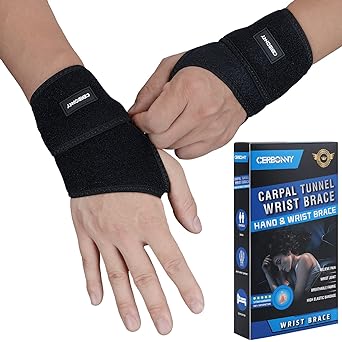
Description: A removable wrist splint and two fixed plastic splints provide a high level of wrist support. Limits unconscious bending or twisting of the wrist during sleep, avoiding aggravation of inflammation or nerve compression due to improper posture |
Description: Wrist bracers can be adjusted according to their comfort level, our wrist band can ensure stability, not easy to fall off, wearing it our hand support is very comfortable. High quality soft breathable fabric, |
Description: Maximum Pain Relief: Our wrist support braces are designed to help you relieve the pain and get the support you need for all-day and all-night comfort. Commonly used by people suffering from carpal tunnel syndrome, tendinitis, arthritis, wrist sprains, strains, etc. |
|
$13.99
|
$15.95
|
$28.49
|
A removable wrist splint and two fixed plastic splints provide a high level of wrist support. Limits unconscious bending or twisting of the wrist during sleep, avoiding aggravation of inflammation or nerve compression due to improper posture
Wrist bracers can be adjusted according to their comfort level, our wrist band can ensure stability, not easy to fall off, wearing it our hand support is very comfortable. High quality soft breathable fabric,
Maximum Pain Relief: Our wrist support braces are designed to help you relieve the pain and get the support you need for all-day and all-night comfort. Commonly used by people suffering from carpal tunnel syndrome, tendinitis, arthritis, wrist sprains, strains, etc.
Benefits of Using an Arm Brace at Work
Implementing an arm brace for mechanics into daily work routines provides measurable improvements in comfort and performance. Reducing strain from repetitive tasks occurs through multiple mechanisms that address the root causes of mechanical work-related arm problems.
Improving comfort during long shifts translates directly to better work quality and reduced fatigue. Mechanics wearing appropriate arm support report maintaining consistent performance levels throughout extended work periods, whereas unsupported workers often experience declining dexterity and strength as shifts progress.
Enhancing grip confidence and stability becomes particularly important when working with heavy or dangerous components. The proprioceptive feedback provided by compression braces helps mechanics maintain better control over tools and parts, potentially preventing accidents caused by fatigue-related grip failures.
Supporting injury prevention represents the most valuable long-term benefit of consistent brace use. By maintaining proper joint alignment and reducing cumulative stress, quality arm braces help prevent minor discomfort from progressing to serious injuries requiring time off work or medical intervention.
Studies of mechanics using arm support consistently show reduced pain scores, improved work satisfaction, and decreased use of pain medications compared to unsupported control groups. The investment in quality bracing typically pays for itself within weeks through improved comfort and productivity.
How to Choose the Best Arm Brace for Mechanics
Selecting an effective arm brace for mechanics requires careful consideration of the unique demands of automotive work environments. Durable and sweat-resistant materials form the foundation of any brace intended for daily use in challenging conditions.
Comfortable fit for all-day wear cannot be compromised, as even the most supportive brace becomes counterproductive if it causes chafing, pressure points, or circulation problems. Quality braces designed for mechanics feature flat seams, breathable fabrics, and ergonomic shaping that accommodates natural arm contours.
Adjustable support levels provide the flexibility needed to handle varying work demands throughout the day. Light assembly work may require minimal support, while heavy lifting or impact tool use benefits from maximum compression and stabilization.
Compatibility with gloves and tools ensures that protective equipment and work processes remain uncompromised. The best mechanic arm braces feature low-profile designs that don’t interfere with safety gloves, tool operation, or access to tight spaces common in automotive repair.
Additional considerations include resistance to automotive fluids, ease of cleaning, and replacement part availability. Professional-grade braces often cost more initially but provide better value through extended durability and superior performance under demanding conditions.
Similar to how knee braces provide targeted support for different activities, arm braces must match the specific demands of mechanical work to deliver optimal results.
How to Wear an Arm Brace While Working
Proper placement on the forearm or elbow determines the effectiveness of any arm brace for mechanics. Compression sleeves should extend from just below the elbow to the wrist area, covering the muscle bellies that perform gripping and twisting motions. Elbow straps require precise positioning 1-2 inches below the elbow joint to target tendon attachment points effectively.
Ensuring a snug but flexible fit requires finding the balance between adequate support and maintained circulation. The brace should feel secure without creating pressure points or restricting blood flow. A properly fitted brace allows full range of motion while providing noticeable support during loaded movements.
Wearing during high-strain tasks maximizes the protective benefits of arm bracing. Many mechanics find it helpful to increase compression levels when performing heavy lifting, impact tool use, or extended overhead work. The ability to adjust support based on task demands prevents over-reliance on bracing while ensuring protection when it’s most needed.
Gradual introduction of arm bracing allows the body to adapt to the additional support without creating dependency. Starting with shorter wearing periods and progressively increasing duration helps identify optimal adjustment settings and wearing schedules for individual work patterns.
Just as proper knee brace fitting is crucial for effectiveness, arm braces require careful attention to positioning and tension for optimal results.
Additional Tips to Prevent Arm Pain
Taking short breaks to rest muscles provides essential recovery time that prevents cumulative stress from overwhelming the body’s repair mechanisms. Even 30-60 second breaks every 30 minutes allow muscles to flush metabolic waste and reset tension patterns.
Stretching arms, wrists, and shoulders regularly maintains flexibility and prevents the muscle shortening that contributes to injury risk. Simple stretches performed between tasks help counteract the repetitive positioning common in mechanical work.
Using ergonomic tools when possible reduces the force requirements and awkward positioning that contribute to arm strain. Modern tool designs often incorporate features like anti-vibration handles, improved grip surfaces, and better weight distribution that reduce arm stress.
Alternating tasks to reduce repetitive strain prevents any single movement pattern from dominating the workday. Rotating between different types of work allows overused muscles to recover while maintaining productivity.
Professional mechanics also benefit from strength training that targets the specific muscle groups used in their work. Building strength and endurance in supporting muscles reduces the load on primary movers and decreases injury risk.
Common Mistakes to Avoid
Ignoring early signs of pain represents the most costly mistake mechanics make regarding arm health. Minor discomfort often progresses to serious injury when workers attempt to “push through” symptoms without addressing underlying causes.
Overworking without rest compounds the cumulative stress that leads to repetitive strain injuries. The pressure to complete repairs quickly often leads to extended periods of intensive arm use without adequate recovery time.
Wearing a brace too tightly or incorrectly can actually worsen problems by restricting circulation or creating new pressure points. Proper education on fitting and adjustment prevents well-intentioned brace use from becoming counterproductive.
Many mechanics also make the mistake of relying solely on bracing without addressing other contributing factors like poor technique, inadequate tools, or workplace ergonomics. Comprehensive approaches that address multiple risk factors provide better long-term results than single interventions.
Understanding when supportive devices help versus when they might cause problems applies equally to arm braces and requires careful attention to individual responses.
When to Seek Medical Advice
Persistent or worsening pain that doesn’t improve with rest, bracing, and modified work techniques requires professional evaluation. Pain that interferes with sleep or daily activities outside of work indicates more serious problems that need medical attention.
Tingling, numbness, or weakness suggests possible nerve involvement that can lead to permanent damage without proper treatment. These symptoms require prompt medical evaluation to prevent long-term complications.
Difficulty performing normal work tasks or compensatory movement patterns that create new problems in other areas indicate that self-treatment approaches have reached their limits. Professional intervention can provide targeted treatments and prevent secondary injuries.
Early medical consultation often allows for conservative treatment approaches that keep mechanics working while addressing underlying problems. Delaying professional care frequently leads to more extensive treatment requirements and longer recovery periods.
Healthcare providers familiar with occupational injuries can provide specific guidance on choosing appropriate supportive devices and workplace modifications that address individual risk factors.
Conclusion
An arm brace for mechanics serves as a valuable tool for managing the unique physical demands of automotive work while maintaining long-term arm health. The combination of repetitive motions, heavy lifting, and awkward positioning inherent in mechanical work creates specific stress patterns that targeted bracing can effectively address.
Success with arm bracing depends on selecting the appropriate type for individual pain patterns and work requirements. Compression sleeves excel at reducing fatigue during extended shifts, while counterforce braces target specific tendon problems, and wraparound designs offer adjustable support for varying work demands.
The most effective approach combines quality arm support with proper work techniques, regular breaks, and attention to early warning signs of overuse. Mechanics who implement comprehensive arm protection strategies report better comfort, improved performance, and fewer lost workdays due to injury.
Take action today by evaluating your current arm discomfort levels and work demands. If you’re experiencing regular arm pain or fatigue, consult with healthcare providers familiar with occupational injuries to develop a personalized protection strategy. Invest in quality arm bracing appropriate for your specific needs, and commit to consistent use combined with proper work techniques.
Remember that protecting your arm health isn’t just about immediate comfort—it’s about maintaining the ability to work effectively throughout your entire career. The investment in proper support and prevention strategies pays dividends through sustained productivity and quality of life both at work and beyond.