

Nearly 30% of all workplace injuries involve the arms and hands, yet most people underestimate how a simple arm brace for mild injury recovery can dramatically accelerate their return to normal activities. While severe injuries grab attention with dramatic symptoms, mild arm injuries often linger for weeks or months when not properly supported during the healing process.
Even minor strains, overuse injuries, and repetitive motion damage can significantly impact daily productivity and comfort. The key lies in understanding how targeted support through an arm brace for mild injury recovery creates the optimal environment for tissue repair while preventing further aggravation.
This comprehensive guide explores everything needed to make informed decisions about arm braces, from identifying mild injuries to selecting the right support system and implementing effective recovery strategies.
Key Takeaways
• Mild arm injuries respond well to supportive bracing that reduces strain during daily activities
• Different brace types serve specific purposes – compression sleeves for circulation, elbow straps for tendon issues, and wraparound designs for adjustable support
• Proper timing matters – braces work best when used early in recovery and gradually reduced as healing progresses
• Combined approach yields optimal results when bracing is paired with rest, ice therapy, and gradual activity progression
• Professional guidance becomes necessary when pain persists beyond several days or symptoms worsen
What Is a Mild Arm Injury?
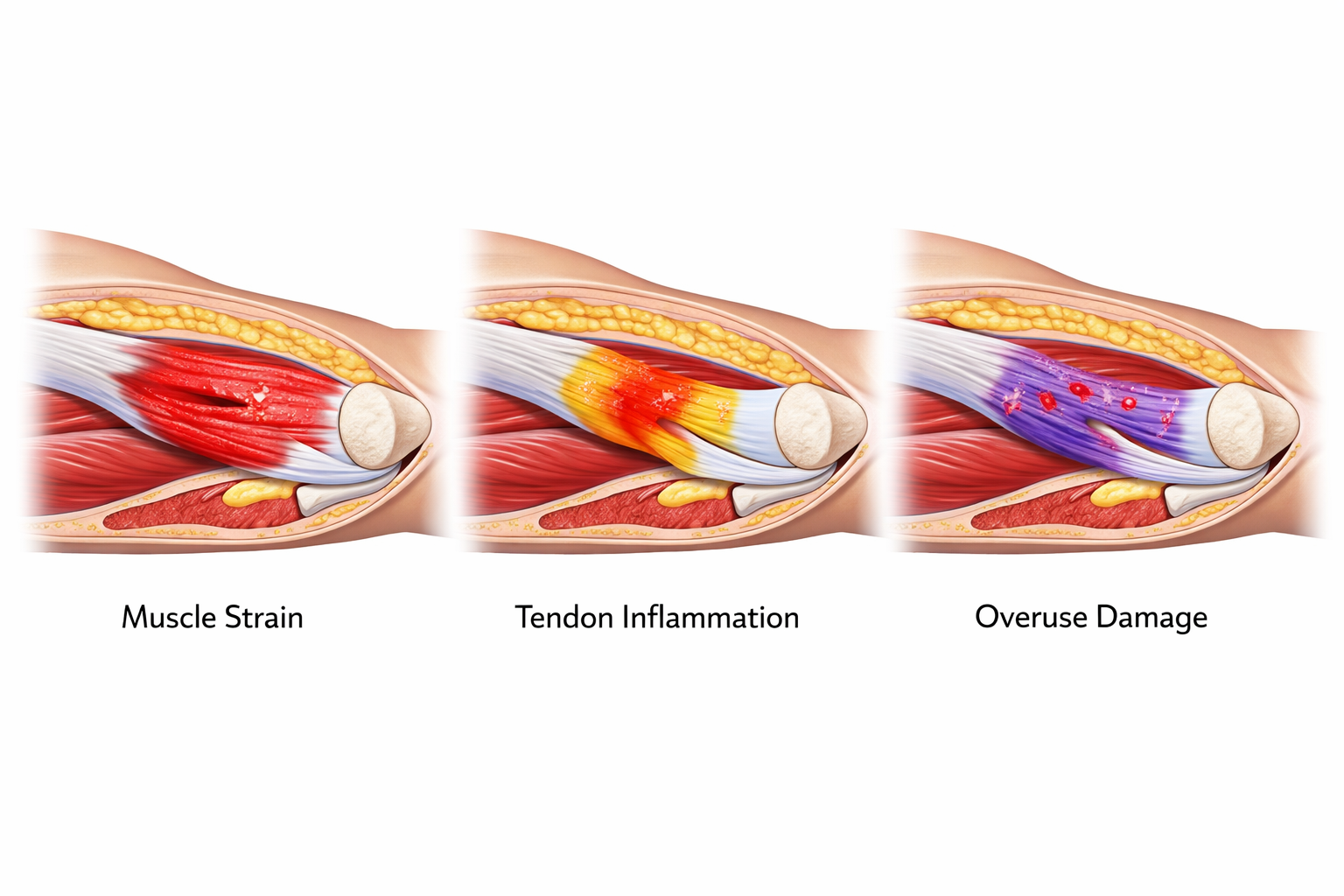
Mild arm injuries represent the most common category of upper extremity problems, affecting muscles, tendons, and soft tissues without causing severe structural damage. These injuries typically develop gradually through repetitive stress or occur suddenly from minor trauma that doesn’t result in fractures or complete tears.
Definition and Characteristics
Mild injuries encompass several conditions:
- Muscle strains – Overstretching or minor tearing of muscle fibers
- Minor sprains – Slight stretching of ligaments around joints
- Tendinitis – Inflammation of tendons from overuse
- Repetitive strain injuries – Cumulative damage from repeated motions
Common Symptoms to Recognize
Identifying mild arm injuries early enables prompt treatment with an arm brace for mild injury recovery:
Physical Signs:
• Soreness or tenderness in specific areas
• Mild swelling that comes and goes
• Stiffness, especially in the morning
• Aching that worsens with activity
Functional Changes:
• Reduced strength during gripping or lifting
• Decreased flexibility or range of motion
• Fatigue in the affected arm during use
• Discomfort during specific movements
Distinguishing Mild from Severe Injuries
Understanding injury severity helps determine appropriate treatment approaches. Mild injuries typically allow continued use of the arm with some discomfort, while severe injuries involve:
- Intense, constant pain
- Significant swelling and bruising
- Complete inability to move the arm
- Visible deformity or instability
- Numbness or tingling sensations
Writers working on books about childhood trauma that inspire healing often develop repetitive strain injuries from extended typing sessions, making proper injury recognition crucial for maintaining productivity.
Common Causes of Mild Arm Injuries
Understanding injury causes helps prevent recurrence and guides treatment decisions. Most mild arm injuries develop through predictable patterns that respond well to supportive interventions.
Repetitive Motion Injuries
Workplace Activities:
- Extended computer use and typing
- Assembly line work requiring repeated motions
- Tool use in construction or manufacturing
- Lifting and carrying tasks
Daily Life Patterns:
- Household cleaning and maintenance
- Gardening and yard work
- Cooking and food preparation
- Childcare activities requiring frequent lifting
Sports and Exercise-Related Causes
Common Athletic Scenarios:
- Tennis and racquet sports creating elbow strain
- Golf swings causing repetitive stress
- Weight training with improper form
- Swimming strokes performed incorrectly
Weekend Warrior Syndrome:
Many people experience mild injuries when suddenly increasing activity levels without proper conditioning or warm-up routines.
Sudden Strain and Awkward Movements
Typical Situations:
- Catching falling objects unexpectedly
- Sleeping in uncomfortable positions
- Reaching or stretching beyond normal range
- Carrying heavy items with poor body mechanics
Age-Related Factors
As people age, tissues become less flexible and more susceptible to injury from activities that previously caused no problems. This natural process makes arm brace for mild injury recovery particularly valuable for older adults returning to activities.
Can an Arm Brace Help With Mild Injury Recovery?
The effectiveness of arm braces in supporting mild injury recovery stems from several biomechanical and physiological mechanisms that create optimal conditions for tissue healing.
Primary Benefits of Bracing
Structural Support:
Arm braces provide external support that reduces stress on injured tissues during movement. This mechanical assistance allows damaged fibers to heal without constant re-injury from normal activities.
Pain Reduction:
By limiting excessive motion and providing compression, braces help reduce pain signals and muscle spasms that often accompany mild injuries.
Improved Circulation:
Compression-style braces enhance blood flow to injured areas, delivering nutrients and oxygen essential for tissue repair while helping remove metabolic waste products.
How Braces Support the Healing Process
Load Distribution:
Quality arm braces redistribute forces across broader areas, preventing concentration of stress on specific injured structures. This mechanism proves particularly effective for tendon-related injuries.
Movement Control:
Rather than completely immobilizing the arm, modern braces allow controlled movement that promotes healing while preventing harmful motions that could worsen the injury.
Proprioceptive Feedback:
Braces provide sensory input that improves body awareness and movement patterns, helping prevent re-injury during the recovery phase.
Scientific Evidence for Brace Effectiveness
Research consistently demonstrates that appropriate bracing can:
- Reduce recovery time by 20-30% compared to rest alone
- Decrease pain levels during daily activities
- Lower the risk of chronic problems developing
- Improve functional outcomes when combined with other treatments
The key lies in selecting the right type of arm brace for mild injury recovery and using it appropriately throughout the healing process.
|

|

|
|
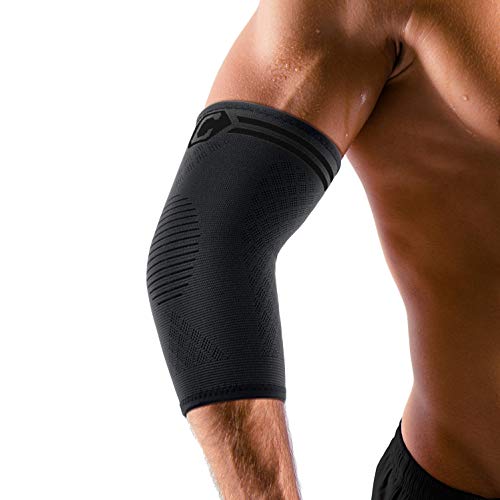
Description: TARGETED PAIN RELIEF & BOOSTED RECOVERY - Engineered with graduated compression, our elbow sleeves apply targeted support to key joint areas to help relieve discomfort associated with tennis elbow, tendonitis, and arthritis. |
Description: GOOD PERFORMANCE - The elbow brace applies even pressure to the elbow joint and elbow muscles, which can relieve tennis elbow, tendonitis, joint inflammation, golfer's elbow and other elbow pains, etc. |
Description: Our elbow brace is great for treating tendonitis, arthritis, sprained bones, strained ligaments, cubital Tunnel,ulnar nerve. Provides optimal support and compression to the elbow joint, reducing pain and preventing further injury during activities |
|
Our Rating:
4.8
|
Our Rating:
4.5
|
Our Rating:
4.4
|
|
$9.99
|
$9.99
|
$7.97
|
TARGETED PAIN RELIEF & BOOSTED RECOVERY - Engineered with graduated compression, our elbow sleeves apply targeted support to key joint areas to help relieve discomfort associated with tennis elbow, tendonitis, and arthritis.
GOOD PERFORMANCE - The elbow brace applies even pressure to the elbow joint and elbow muscles, which can relieve tennis elbow, tendonitis, joint inflammation, golfer's elbow and other elbow pains, etc.
Our elbow brace is great for treating tendonitis, arthritis, sprained bones, strained ligaments, cubital Tunnel,ulnar nerve. Provides optimal support and compression to the elbow joint, reducing pain and preventing further injury during activities
Types of Arm Braces for Mild Injury Recovery
Selecting the appropriate brace type directly impacts recovery success. Each design serves specific purposes and works best for particular injury patterns and activity levels.
Compression Sleeves
Design Features:
Compression sleeves provide uniform pressure along the entire arm or specific segments, typically made from elastic materials that conform to arm contours.
Best Applications:
• General muscle soreness and fatigue
• Minor swelling management
• Prevention during high-risk activities
• Early-stage recovery support
Advantages:
- Lightweight and comfortable for extended wear
- Allows full range of motion
- Improves circulation and reduces swelling
- Suitable for daily activities and exercise
Elbow Straps (Counterforce Braces)
Mechanism of Action:
These specialized braces apply targeted pressure to specific tendons, redirecting forces away from injured attachment points commonly affected in tennis elbow or golfer’s elbow conditions.
Key Features:
- Adjustable strap positioning
- Focused pressure application
- Minimal interference with movement
- Easy application and removal
Ideal Conditions:
• Lateral or medial epicondylitis
• Tendon irritation from repetitive gripping
• Return to sports activities
• Workplace injury prevention
Wraparound Arm Braces
Versatility Benefits:
Wraparound designs offer adjustable support levels through multiple straps and closures, allowing customization based on daily needs and recovery progress.
Construction Elements:
- Multiple adjustment points
- Breathable fabric panels
- Removable stays for varying rigidity
- Hook and loop closures for easy fitting
Suitable Scenarios:
• Moderate muscle strains requiring variable support
• Injuries affecting multiple arm areas
• Users needing different support levels throughout the day
• Transition periods during recovery
Flexible Support Braces
Balanced Approach:
These braces combine supportive elements with flexible materials, providing stability while maintaining functional movement capabilities.
Design Philosophy:
The goal involves supporting healing tissues without creating dependency or muscle weakness from over-reliance on external support.
Applications:
• Gradual return to work activities
• Sports rehabilitation phases
• Long-term management of chronic conditions
• Prevention of re-injury during increased activity
Authors developing writing skills often benefit from compression sleeves during long writing sessions to prevent repetitive strain injuries.
What to Look for in the Best Arm Brace
Selecting an effective arm brace for mild injury recovery requires evaluating multiple factors that directly impact comfort, effectiveness, and long-term outcomes.
Comfort and Fit Considerations
Material Quality:
- Breathable fabrics prevent moisture buildup and skin irritation
- Hypoallergenic materials reduce allergic reactions
- Moisture-wicking properties maintain comfort during extended wear
- Soft edges and seams prevent pressure points and chafing
Sizing Accuracy:
Proper sizing ensures optimal therapeutic benefit while preventing complications from overly tight or loose fitting braces.
Adjustability Features
Multiple Adjustment Points:
Quality braces offer several adjustment mechanisms allowing fine-tuning of support levels and pressure distribution.
Progressive Support Options:
The ability to modify support intensity enables gradual reduction as healing progresses, supporting natural recovery patterns.
Durability and Maintenance
Construction Quality:
- Reinforced stress points for extended use
- Colorfast materials that maintain appearance
- Easy-care fabrics suitable for frequent washing
- Replaceable components for long-term value
Maintenance Requirements:
Simple care instructions ensure consistent hygiene and brace effectiveness throughout the recovery period.
Activity-Specific Features
Work Environment Compatibility:
Consider whether the brace design accommodates specific job requirements without compromising safety or productivity.
Exercise and Sports Use:
Some braces include features specifically designed for athletic activities, such as enhanced moisture management or sport-specific support patterns.
Cost-Effectiveness Analysis
Value Considerations:
- Initial purchase price versus expected lifespan
- Potential savings from faster recovery
- Reduced risk of chronic problems requiring expensive treatments
- Insurance coverage and reimbursement options
Quality arm braces for mild injury recovery represent investments in health and productivity rather than simple expense items.
How to Choose the Right Arm Brace
Making the optimal brace selection requires systematic evaluation of injury characteristics, lifestyle factors, and recovery goals.
Injury Assessment Matching
Severity Evaluation:
Match brace support level to injury severity – mild strains typically respond well to compression sleeves, while more significant injuries may require wraparound designs with adjustable support.
Location Specificity:
Different arm areas require different support approaches:
- Upper arm injuries – Full-length compression sleeves
- Elbow problems – Counterforce straps or elbow-specific braces
- Forearm issues – Targeted compression or flexible support braces
Activity Level Considerations
Occupational Requirements:
Evaluate daily work demands to ensure brace compatibility:
- Desk work – Lightweight compression for repetitive strain prevention
- Physical labor – Robust support with enhanced protection features
- Healthcare workers – Easy-clean materials with professional appearance
Recreation and Exercise:
Consider sports and hobby activities that may require specific brace features or removal during certain activities.
Personal Comfort Preferences
Wearing Duration:
Some people prefer minimal braces for all-day wear, while others accept bulkier designs for enhanced support during specific activities.
Aesthetic Considerations:
Discrete designs may be important for professional environments or personal preferences regarding visible medical devices.
Professional Guidance Integration
Healthcare Provider Input:
Consulting with healthcare professionals ensures brace selection aligns with overall treatment plans and recovery goals.
Fitting Assistance:
Many medical supply stores offer professional fitting services that optimize brace effectiveness and comfort.
Writers exploring how to write a book and get it published should consider ergonomic factors that may require supportive bracing during intensive writing periods.
How to Use an Arm Brace During Recovery
Proper brace utilization maximizes therapeutic benefits while avoiding potential complications from incorrect application or overuse.
Timing and Duration Guidelines
Initial Phase (Days 1-7):
During acute injury phases, consistent brace use during all activities helps protect healing tissues and manage inflammation.
Intermediate Phase (Weeks 2-4):
Gradually reduce wearing time as symptoms improve, focusing on high-risk activities and periods of increased arm use.
Recovery Phase (Weeks 4+):
Transition to activity-specific use, maintaining support during challenging tasks while allowing normal function during routine activities.
Proper Application Techniques
Positioning Accuracy:
- Ensure brace alignment with anatomical structures
- Position support elements over injured areas
- Avoid gaps or bunching that reduces effectiveness
- Check circulation after application
Tension Adjustment:
Proper tightness provides support without restricting blood flow or causing numbness. The “two-finger rule” allows sliding two fingers under the brace comfortably.
Activity Modification Strategies
Gradual Progression:
Systematically increase activity levels while monitoring symptoms for signs of overexertion or re-injury.
Movement Quality Focus:
Emphasize proper movement patterns and body mechanics rather than simply returning to previous activity levels quickly.
Monitoring and Adjustment
Daily Assessment:
Regular evaluation of pain levels, swelling, and functional capacity guides decisions about brace use modifications.
Progress Tracking:
Documenting improvements helps identify optimal wearing schedules and activity progression rates.
Warning Signs:
Discontinue use and seek professional advice if experiencing increased pain, numbness, skin irritation, or worsening symptoms.
Additional Tips for Faster Recovery
Combining arm brace for mild injury recovery with complementary treatments creates synergistic effects that accelerate healing and improve outcomes.
Rest and Activity Balance
Strategic Rest Periods:
Complete rest isn’t always optimal – controlled movement promotes healing while excessive activity delays recovery. Find the balance that maintains function without aggravating symptoms.
Sleep Positioning:
Proper arm positioning during sleep prevents overnight stiffness and supports healing. Consider pillow support or modified sleeping positions.
Ice Therapy Integration
Application Timing:
Ice therapy works best during the first 48-72 hours after injury, helping control inflammation and pain.
Safe Application Methods:
- Apply ice for 15-20 minutes at a time
- Use barriers to prevent skin damage
- Allow skin temperature to normalize between applications
- Combine with brace use for enhanced benefits
Gentle Stretching and Movement
Early Mobilization:
Gentle, pain-free movement prevents stiffness and maintains circulation without stressing injured tissues.
Progressive Stretching:
As healing progresses, gradually increase stretch intensity and duration while monitoring symptom response.
Nutrition and Hydration Support
Anti-inflammatory Foods:
Incorporate foods rich in omega-3 fatty acids, antioxidants, and anti-inflammatory compounds to support natural healing processes.
Adequate Hydration:
Proper hydration maintains tissue health and supports nutrient delivery to healing areas.
Ergonomic Improvements
Workplace Modifications:
Adjust workstation setup to reduce strain on recovering arms during daily activities.
Tool and Equipment Evaluation:
Consider ergonomic tools and equipment that reduce stress on healing tissues during necessary activities.
Writers working on creative writing projects can benefit from ergonomic keyboards and proper desk setup to prevent repetitive strain injuries.
Common Mistakes to Avoid
Understanding frequent errors in arm brace for mild injury recovery helps optimize treatment outcomes and prevent setbacks.
Premature Return to Full Activity
The Rush Back Syndrome:
Many people discontinue brace use too quickly when symptoms initially improve, leading to re-injury and prolonged recovery periods.
Gradual Progression Importance:
Tissues need time to rebuild strength and flexibility even after pain subsides. Maintain supportive measures during this vulnerable period.
Incorrect Brace Selection
One-Size-Fits-All Mentality:
Different injuries require different support approaches. Using the wrong brace type can delay healing or cause additional problems.
Ignoring Fit Requirements:
Poorly fitting braces provide inadequate support and may create new pressure points or circulation problems.
Overreliance on Bracing
Dependency Development:
Extended use without gradual weaning can lead to muscle weakness and psychological dependence on external support.
Natural Healing Support:
Braces should facilitate natural healing rather than replace normal muscle function indefinitely.
Neglecting Complementary Treatments
Brace-Only Approach:
Relying solely on bracing without addressing underlying causes or incorporating other treatment modalities limits recovery potential.
Comprehensive Care Benefits:
Combining bracing with appropriate rest, exercise, and lifestyle modifications produces superior outcomes.
Ignoring Warning Signs
Symptom Escalation:
Continuing brace use when symptoms worsen or new problems develop can mask serious conditions requiring professional intervention.
Professional Consultation Timing:
Seek medical advice when recovery doesn’t progress as expected or complications arise.
When to Seek Medical Advice
Recognizing situations requiring professional evaluation ensures appropriate care and prevents minor problems from becoming major issues.
Persistent or Worsening Symptoms
Time-Based Guidelines:
Mild injuries typically show improvement within 3-5 days with appropriate care. Lack of progress or symptom worsening warrants professional evaluation.
Pain Pattern Changes:
New pain locations, increased intensity, or different pain characteristics may indicate complications or misdiagnosis.
Functional Limitations
Activity Restrictions:
Inability to perform essential daily activities or work tasks despite appropriate bracing and rest requires professional assessment.
Strength and Mobility Concerns:
Significant weakness, stiffness, or range of motion limitations that don’t improve with conservative treatment need evaluation.
Systemic Symptoms
Red Flag Indicators:
- Fever or signs of infection
- Numbness or tingling sensations
- Color changes in the arm or hand
- Severe swelling that doesn’t respond to treatment
Workplace or Legal Considerations
Workers’ Compensation Requirements:
Work-related injuries often require documentation and professional evaluation for legal and insurance purposes.
Return-to-Work Clearance:
Some occupations require medical clearance before returning to full duties after injury.
Authors developing books about discipline understand the importance of disciplined adherence to recovery protocols and professional guidance.
Frequently Asked Questions
Do arm braces help mild injuries heal faster?
Yes, arm braces for mild injury recovery can accelerate healing by reducing stress on injured tissues, improving circulation, and preventing re-injury during daily activities. Research shows 20-30% faster recovery times when bracing is combined with appropriate rest and gradual activity progression.
How long should you wear a brace for recovery?
Wearing duration depends on injury severity and healing progress. Typically:
- Week 1-2: Consistent use during all activities
- Week 3-4: Activity-specific use with gradual reduction
- Week 4+: Transition to high-risk activities only
Most mild injuries require 2-6 weeks of supportive bracing with progressive reduction as healing occurs.
Can you wear an arm brace all day?
Yes, quality braces designed for extended wear can be worn throughout the day, but regular removal for hygiene and skin inspection is important. Remove braces during sleep unless specifically recommended by healthcare providers.
What type of brace is best for mild injuries?
Compression sleeves work well for general muscle soreness and minor strains. Elbow straps target tendon-related issues effectively. Wraparound braces offer adjustable support for varying needs. The best choice depends on specific injury location and severity.
Should I exercise while wearing an arm brace?
Light exercise and gentle movement are beneficial during recovery when wearing appropriate braces. Avoid high-impact activities or movements that cause pain. Focus on maintaining mobility and gradually increasing activity as healing progresses.
How tight should an arm brace be?
Braces should provide firm support without restricting circulation. The “two-finger rule” allows sliding two fingers comfortably under the brace. Signs of excessive tightness include numbness, tingling, color changes, or increased pain.
Conclusion
An arm brace for mild injury recovery serves as a valuable tool in supporting natural healing processes while maintaining functional capacity during recovery. The key to success lies in selecting the appropriate brace type, using it correctly throughout the healing phases, and combining supportive bracing with complementary treatments like rest, ice therapy, and gradual activity progression.
Understanding the different brace options – from compression sleeves for general support to specialized elbow straps for tendon issues – enables informed decisions that optimize recovery outcomes. Proper timing, fit, and progressive reduction of brace use prevents dependency while supporting tissue healing.
Take Action for Your Recovery:
- Assess your injury accurately to determine appropriate brace type and support level
- Consult healthcare professionals when symptoms persist or worsen beyond expected timelines
- Combine bracing with rest, ice therapy, and ergonomic improvements for comprehensive care
- Monitor progress regularly and adjust brace use as healing advances
- Invest in quality braces that provide comfort, durability, and appropriate support features
Remember that mild injuries respond best to early intervention with appropriate support. Don’t let minor arm problems become chronic issues that impact long-term function and quality of life. With proper brace selection and consistent use, most people return to full activity within 4-6 weeks while building habits that prevent future injuries.
For writers and others engaged in repetitive activities, consider exploring effective brainstorming techniques that incorporate regular breaks and ergonomic practices to prevent overuse injuries.