

Nearly 60% of office workers report experiencing arm, wrist, or shoulder pain related to their desk job. This staggering statistic reveals a hidden epidemic affecting millions of professionals who spend their days typing, clicking, and maintaining static positions that strain their upper extremities.
The modern workplace has created an environment where repetitive motions and prolonged computer use have become the norm. As remote work continues to rise in 2026, many professionals find themselves working longer hours at makeshift home offices that lack proper ergonomic support. This has led to an increased interest in solutions like an arm brace for office workers to help manage discomfort and maintain productivity.
This comprehensive guide explores how arm braces can provide relief for desk-bound professionals, covering everything from understanding the root causes of workplace arm pain to selecting the right supportive device for your specific needs. Whether you’re experiencing early signs of discomfort or dealing with chronic pain from years of office work, you’ll discover practical strategies to protect your arms and enhance your work experience.
Key Takeaways
• Office work creates unique arm strain through repetitive motions, poor ergonomics, and prolonged static positioning that can lead to conditions like RSI and tendonitis
• Arm braces provide targeted support by reducing muscle fatigue, improving positioning, and offering compression that helps manage pain during long work sessions
• Different brace types serve specific needs – compression sleeves for all-day comfort, elbow straps for targeted relief, and wraparound braces for moderate support
• Proper selection and fit are crucial – consider your work tasks, comfort requirements, and ensure breathable materials for extended wear
• Braces work best as part of a comprehensive approach that includes ergonomic improvements, regular breaks, and proper workplace setup
Why Office Workers Experience Arm Pain
The modern office environment presents unique challenges for arm health that previous generations of workers never faced. Understanding these factors helps explain why an arm brace for office workers has become an increasingly sought-after solution.
Repetitive Motion Injuries
Office work involves thousands of repetitive movements each day. The average office worker makes approximately 50,000 to 200,000 keystrokes daily, creating constant stress on the muscles, tendons, and joints of the arms and hands. These repetitive motions can lead to microscopic tears in soft tissues that, over time, develop into painful conditions.
Mouse usage compounds the problem by requiring precise, repetitive movements combined with sustained grip pressure. The combination of clicking, scrolling, and positioning creates a perfect storm for overuse injuries that affect the entire arm from the shoulder down to the fingertips.
Poor Ergonomic Setup
Many office workers operate in less-than-ideal ergonomic conditions that place unnecessary strain on their arms:
- Desk height mismatches force workers to raise or lower their arms unnaturally
- Monitor positioning that’s too high or low creates shoulder and neck tension that radiates down the arms
- Keyboard and mouse placement that requires reaching or awkward wrist angles
- Chair armrest issues that provide inadequate support or force uncomfortable positioning
Static Positioning Problems
Unlike jobs that involve varied movement, office work often requires maintaining the same position for hours. This static positioning creates several problems:
Reduced blood circulation occurs when arms remain in fixed positions, leading to stiffness and discomfort. Muscle fatigue develops as certain muscle groups work continuously to maintain position without adequate rest periods.
Common Arm-Related Office Injuries
Several specific conditions frequently affect office workers:
Repetitive Strain Injury (RSI) encompasses various overuse conditions affecting muscles, tendons, and nerves. Symptoms include pain, stiffness, and weakness that typically worsen with continued activity.
Tennis Elbow (Lateral Epicondylitis) affects the outer elbow area and can result from repetitive wrist extension during typing and mouse use. Despite its name, this condition commonly affects office workers who rarely play tennis.
Carpal Tunnel Syndrome involves compression of the median nerve in the wrist, causing numbness, tingling, and pain that can radiate up the forearm.
Tendonitis in various locations along the arm can develop from repetitive motions and sustained muscle tension common in office environments.
Can an Arm Brace Help Office Workers?
The question of whether an arm brace for office workers provides meaningful benefits has gained attention as workplace injuries continue to rise. Research and user experiences suggest that properly selected and used arm braces can offer significant advantages for desk-bound professionals.
Mechanism of Support
Arm braces work through several mechanisms that directly address common office-related arm problems:
Compression therapy improves blood circulation and reduces swelling in affected tissues. This enhanced circulation helps deliver nutrients to stressed muscles and tendons while removing metabolic waste products that contribute to pain and stiffness.
Positional support helps maintain proper arm alignment during repetitive tasks. By providing gentle guidance, braces can prevent extreme wrist angles and reduce stress on vulnerable joints and soft tissues.
Load distribution spreads forces across a broader area rather than concentrating stress on specific points. This is particularly beneficial during prolonged typing or mouse use sessions.
Evidence-Based Benefits
Studies examining workplace interventions have shown promising results for supportive devices:
- Reduced pain intensity in workers using appropriate arm support during computer tasks
- Improved endurance for repetitive activities when compression garments are used
- Enhanced proprioception (body awareness) that helps users maintain better positioning naturally
Real-World Applications
Office workers report several practical benefits from using arm braces:
Immediate comfort during long work sessions, allowing for sustained productivity without increasing pain levels. Many users find they can work longer periods without the fatigue and discomfort that previously limited their effectiveness.
Preventive protection for workers who haven’t yet developed significant problems but want to avoid future issues. This proactive approach can be particularly valuable for employees in high-risk positions or those with family histories of repetitive strain injuries.
Confidence restoration for workers returning from injury or managing chronic conditions. The psychological benefit of feeling supported can reduce anxiety about re-injury and improve overall work performance.
Limitations and Considerations
While arm braces offer valuable benefits, they’re not a complete solution. Braces cannot correct poor ergonomics or eliminate the need for proper workplace setup. They work best as part of a comprehensive approach that includes ergonomic improvements and behavioral changes.
Individual variation means that what works well for one person may not be ideal for another. Factors like body size, specific job tasks, and the nature of existing problems all influence brace effectiveness.
Similar to how knee braces provide targeted support for specific conditions, arm braces offer focused assistance that can significantly improve comfort and function when properly matched to individual needs.
Types of Arm Braces for Office Use
Selecting the right arm brace for office workers requires understanding the different types available and their specific applications in workplace settings. Each design offers unique advantages depending on the nature of your work tasks and comfort requirements.
Compression Sleeves
Compression sleeves represent the most popular choice for all-day office wear due to their lightweight, breathable design. These seamless garments provide graduated compression that’s typically strongest at the wrist and gradually decreases toward the elbow.
Key advantages include:
- Minimal bulk under clothing
- Moisture-wicking materials for all-day comfort
- Easy to put on and remove
- Suitable for extended wear periods
- Machine washable for easy maintenance
Best for: Workers with mild to moderate arm fatigue, those seeking preventive support, or individuals who need discrete support that won’t interfere with professional appearance.
Elbow Straps and Bands
Elbow straps target specific areas of discomfort with focused compression around the forearm just below the elbow joint. These compact devices are designed to reduce stress on the tendons that attach near the elbow.
Design features:
- Adjustable tension for customized support
- Minimal interference with arm movement
- Quick application and removal
- Targeted pressure relief
- Compatible with most clothing styles
Ideal applications: Tennis elbow symptoms, golfer’s elbow, or localized tendon pain that worsens with repetitive gripping or typing motions.
Wraparound Arm Braces
Wraparound designs offer adjustable support that can be customized throughout the workday. These braces typically feature velcro closures and may include additional padding or stays for enhanced stability.
Advantages:
- Adjustable compression levels
- Can be loosened or tightened as needed
- Often include removable components
- Provide moderate to firm support
- Suitable for various arm sizes
Best suited for: Workers with moderate pain levels who need adjustable support, those returning from injury, or individuals who experience varying comfort needs throughout the day.
Flexible Support Braces
Flexible support braces combine the benefits of compression with light structural support through flexible stays or reinforcement panels. These designs balance mobility with stability.
Features:
- Flexible stays that move with natural arm motion
- Breathable fabric construction
- Moderate compression with enhanced stability
- Professional appearance suitable for office settings
- Comfortable for extended wear
Recommended for: Office workers who need more support than compression sleeves provide but want to maintain full range of motion for their job tasks.
Specialized Office Designs
Some manufacturers have developed braces specifically for computer users and office workers. These products often incorporate features like:
- Ergonomic padding positioned to support arms during typing
- Moisture-wicking technology for all-day comfort
- Low-profile designs that work well under business attire
- Quick-release mechanisms for easy bathroom breaks or meetings
Understanding these options helps ensure you select an arm brace for office workers that matches your specific workplace needs and comfort preferences.
What to Look for in the Best Arm Brace for Office Workers
Choosing an effective arm brace for office workers requires careful consideration of features that directly impact workplace comfort and functionality. The unique demands of office environments necessitate specific characteristics that may not be priorities in other applications.
All-Day Comfort Features
Breathable materials top the priority list for office workers who may wear braces for 8+ hours daily. Look for fabrics that incorporate moisture-wicking technology, such as:
- Bamboo fiber blends that naturally resist odor and moisture
- Synthetic moisture-wicking fabrics designed for athletic wear
- Mesh panels in high-heat areas like the inner elbow
- Antimicrobial treatments that prevent odor buildup over time
Seamless construction prevents pressure points that can become painful during extended wear. Flat-seam technology and tagless designs reduce irritation that could distract from work tasks.
Professional Appearance
Office environments often require a professional appearance, making discretion an important factor:
Neutral colors like black, navy, or beige blend well with business attire and remain inconspicuous under clothing. Slim profiles prevent obvious bulging under dress shirts or blouses.
Compatibility with business attire ensures the brace doesn’t interfere with professional clothing requirements. Consider how the brace will work with:
- Long-sleeved shirts and blouses
- Suit jackets and blazers
- Professional dress codes
- Client-facing situations
Adjustability and Fit
Customizable compression allows users to modify support levels throughout the workday. Features to look for include:
- Multiple adjustment points for personalized fit
- Easy-to-reach fasteners that can be adjusted without assistance
- Size ranges that accommodate fluctuations in arm size due to swelling or activity
- Secure closures that won’t loosen during normal office activities
Durability for Daily Use
Office workers need braces that withstand daily wear and frequent washing:
High-quality materials resist wear from repeated use and washing cycles. Reinforced stress points at closures and high-wear areas extend product life.
Easy maintenance features include machine-washable materials and quick-drying fabrics that allow for regular cleaning without extended downtime.
Task-Specific Considerations
Different office tasks may require specific brace features:
Typing-intensive work benefits from braces that maintain wrist mobility while supporting the forearm. Mouse-heavy tasks may require focused support for the dominant arm.
Presentation duties might necessitate braces that can be quickly removed or are virtually invisible under professional clothing.
Safety and Health Features
Graduated compression provides therapeutic benefits without restricting circulation. Avoid braces that create pressure points or cause numbness.
Hypoallergenic materials prevent skin reactions that could worsen with daily wear. Look for certifications or testing that confirms skin-safe materials.
Just as proper knee brace fit is crucial for effectiveness, arm brace selection requires attention to sizing and comfort features that support long-term use in professional environments.
How to Choose the Right Arm Brace for Desk Work
Selecting an appropriate arm brace for office workers involves matching specific product features to individual work requirements and comfort needs. A systematic approach ensures you invest in a solution that provides genuine workplace benefits.
Assess Your Work Tasks
Document your daily activities to understand which arm movements and positions create the most stress:
- Typing duration and intensity – Note how many hours you spend actively typing versus other tasks
- Mouse usage patterns – Consider whether you use a traditional mouse, trackpad, or alternative input devices
- Workstation setup – Evaluate your current desk height, monitor position, and chair configuration
- Break frequency – Assess how often you naturally take breaks from repetitive tasks
Identify problem areas by noting when and where discomfort occurs. Is pain concentrated in the elbow, forearm, wrist, or does it radiate throughout the arm? Understanding your specific pain pattern helps narrow brace options.
Consider Your Schedule
Work duration significantly impacts brace selection:
Full-day wear (6+ hours) requires maximum comfort features like breathable materials, seamless construction, and adjustable compression. Part-time use for specific tasks may allow for firmer support levels that might be uncomfortable for extended periods.
Meeting requirements influence discretion needs. Workers who frequently present to clients or attend video calls may prioritize invisible support options.
Evaluate Severity Levels
Mild discomfort or prevention typically responds well to compression sleeves or lightweight support options. These provide gentle assistance without restricting movement.
Moderate pain or diagnosed conditions like tennis elbow or tendonitis may benefit from targeted support devices like elbow straps or wraparound braces with adjustable compression.
Severe or chronic conditions often require consultation with healthcare providers who can recommend specific brace types or even prescription devices tailored to medical needs.
Size and Fit Considerations
Accurate measurements ensure optimal brace performance:
- Forearm circumference at the widest point
- Wrist circumference just above the wrist bone
- Elbow circumference with arm slightly bent
- Arm length from wrist to elbow for full-coverage designs
Time of day matters for measurements, as arms may swell slightly throughout the workday. Measure when you typically experience the most discomfort for the most accurate sizing.
Budget and Value Assessment
Initial investment varies widely among brace types:
Basic compression sleeves ($15-40) offer good value for prevention and mild support needs. Specialized office braces ($40-80) provide enhanced features for serious office workers. Premium or medical-grade options ($80-150+) offer maximum durability and therapeutic benefits.
Long-term value includes durability, washability, and effectiveness in reducing pain that could lead to medical expenses or lost productivity.
Trial and Return Policies
Comfort testing is crucial since individual responses to braces vary significantly. Look for retailers or manufacturers that offer:
- 30-day trial periods to assess real-world comfort
- Easy return processes if the brace doesn’t meet expectations
- Size exchange options if initial measurements prove incorrect
- Customer service support for fitting questions or concerns
Professional Consultation
Healthcare provider input can be valuable, especially for workers with existing conditions or significant pain levels. Physical therapists, occupational health specialists, or sports medicine physicians can provide personalized recommendations.
Workplace ergonomic assessments may reveal that brace selection should be coordinated with workstation improvements for maximum benefit.
The selection process for an arm brace for office workers mirrors the careful consideration needed for other supportive devices, ensuring that your choice provides genuine workplace benefits rather than just temporary relief.
How to Wear an Arm Brace at the Office
Proper application and use of an arm brace for office workers significantly impacts its effectiveness and your comfort throughout the workday. Understanding correct wearing techniques ensures you maximize benefits while avoiding common problems that can reduce brace performance.
Correct Positioning Techniques
Placement location varies by brace type but generally follows specific anatomical landmarks:
Compression sleeves should extend from just above the wrist to mid-forearm or elbow, depending on design. The tightest compression typically occurs at the wrist with gradual reduction toward the elbow.
Elbow straps position approximately 1-2 inches below the elbow joint, over the muscle belly of the forearm. The pressure pad should align with the area of maximum tenderness when palpated.
Wraparound braces require careful attention to manufacturer guidelines, ensuring any stays or reinforcements align with natural arm anatomy.
Achieving Proper Tension
Compression level should provide noticeable support without causing numbness, tingling, or discoloration. A properly fitted brace feels snug but allows normal circulation.
The two-finger test provides a practical gauge: you should be able to slide two fingers under the brace material without excessive resistance. If you cannot fit two fingers, the brace is too tight. If there’s significant looseness, tightening may be needed.
Adjustment throughout the day may be necessary as arm size can fluctuate with activity, temperature, and time. Most office workers find they need to loosen braces slightly in the afternoon as natural swelling occurs.
Integration with Work Tasks
Typing comfort requires ensuring the brace doesn’t interfere with natural wrist positioning. The brace should support without forcing awkward angles that could create new problems.
Mouse usage may require special attention to ensure the brace doesn’t catch on desk surfaces or mouse pads. Some users find that repositioning their mouse pad or using a wrist rest helps accommodate the brace.
Keyboard shortcuts and function keys should remain accessible. Test reach and comfort for commonly used key combinations while wearing the brace.
Timing and Duration Guidelines
Initial wear periods should be gradual, starting with 1-2 hours to assess comfort and skin reaction. Gradually increase duration as comfort allows.
Break periods remain important even with brace support. Remove the brace periodically to allow skin to breathe and check for any irritation or pressure marks.
Overnight wear is generally not recommended unless specifically prescribed by a healthcare provider. Most arm braces designed for office use are intended for daytime activity support only.
Hygiene and Maintenance
Daily cleaning may be necessary for braces worn for extended periods, especially in warm environments or for users who perspire heavily.
Skin care includes checking for irritation, redness, or pressure sores that could indicate fit problems or material sensitivities. Clean, dry skin before application helps prevent issues.
Rotation strategies work well for users who need daily support. Having two identical braces allows for washing one while wearing the other, ensuring consistent support without hygiene compromises.
Professional Considerations
Clothing compatibility requires planning outfit choices around brace wear. Loose-fitting sleeves accommodate braces more easily than tight-fitting garments.
Meeting protocols might involve deciding whether to wear the brace during important presentations or client meetings. Some users prefer removable options for high-visibility situations.
Workplace policies should be reviewed to ensure brace use complies with any dress codes or safety requirements specific to your work environment.
Understanding proper wearing techniques for an arm brace for office workers ensures you receive maximum benefit while maintaining professional appearance and workplace functionality. Just as proper knee brace application affects outcomes, correct arm brace use significantly impacts comfort and effectiveness in office settings.
Best Desk Setup to Reduce Arm Strain
Creating an ergonomic workspace complements the benefits of an arm brace for office workers by addressing the root causes of arm strain. Proper desk setup reduces the workload on your arms, making brace support more effective and comfortable throughout the day.
Monitor Height and Distance
Screen positioning dramatically affects arm and shoulder strain. The top of your monitor should align with or sit slightly below eye level when looking straight ahead. This positioning prevents neck strain that often radiates down into the shoulders and arms.
Distance guidelines recommend placing monitors 20-26 inches from your eyes, roughly an arm’s length away. This distance allows comfortable viewing without leaning forward, which creates shoulder tension that affects the entire arm.
Multiple monitor setups require special consideration. Primary monitors should be directly in front of you, with secondary screens positioned at slight angles to minimize neck rotation and associated arm strain.
Keyboard and Mouse Placement
Keyboard height should allow your elbows to rest at approximately 90-degree angles with shoulders relaxed. Keyboards positioned too high force shoulder elevation, creating tension throughout the arm. Too low positioning causes forward shoulder posture and wrist extension.
Mouse positioning matters significantly for arm comfort. Place your mouse at the same height as your keyboard and close enough to reach without extending your arm away from your body. Alternative input devices like trackballs or vertical mice can reduce repetitive strain for some users.
Wrist support through padded rests can help maintain neutral wrist positions, but avoid resting wrists while actively typing or mousing, as this can increase pressure on sensitive structures.
Chair and Armrest Configuration
Chair height affects the entire upper body posture chain. Adjust chair height so your feet rest flat on the floor (or footrest) with thighs parallel to the ground. This foundation supports proper arm positioning.
Armrest adjustment should support your arms with elbows at 90 degrees and shoulders relaxed. Armrests that are too high push shoulders up, creating tension. Too low, and they provide no support, forcing muscles to work harder.
Armrest width should allow arms to rest comfortably without forcing shoulders inward or outward from their natural position.
Desk Surface Considerations
Desk height typically works best at elbow level when seated properly. Standard desk heights (29-30 inches) work for most people of average height, but taller or shorter individuals may need adjustable solutions.
Desk depth should provide adequate space for monitors at proper distances while allowing room for keyboards and mice without crowding. Shallow desks force equipment too close, creating awkward positioning.
Surface materials can impact comfort. Hard surfaces may require padding for arm contact areas, while textured surfaces might interfere with mouse movement.
Lighting and Glare Reduction
Screen glare forces users to lean forward or adjust positioning to see clearly, creating arm and shoulder strain. Position monitors perpendicular to windows and use blinds or curtains to control natural light.
Task lighting should illuminate work surfaces without creating screen reflections. Proper lighting reduces eye strain that can cause forward head posture and associated arm tension.
Organization and Accessibility
Frequently used items should be within easy reach without stretching or straining. This includes phones, documents, supplies, and reference materials.
Document holders positioned at screen height reduce neck strain from looking down at papers, preventing the shoulder and arm tension that accompanies poor neck posture.
Cable management prevents arm movements from being restricted by tangled cords or cables that pull on equipment.
Environmental Factors
Temperature control affects muscle tension and comfort. Cool environments can increase muscle stiffness, while excessive heat may cause swelling that affects brace fit.
Air circulation helps maintain comfort during long work sessions, particularly important for users wearing arm braces that may trap heat.
Workspace Flexibility
Adjustable components allow for position changes throughout the day. Even small adjustments can provide relief and prevent static positioning problems.
Sit-stand options offer opportunities to change arm positioning and reduce the cumulative strain of sustained postures.
An optimized workspace setup works synergistically with an arm brace for office workers, creating an environment where supportive devices can provide maximum benefit while addressing the underlying causes of workplace arm strain.
Additional Tips for Preventing Arm Pain at Work
Beyond using an arm brace for office workers and optimizing workspace ergonomics, several proactive strategies can significantly reduce arm pain and prevent future problems. These approaches work together to create a comprehensive defense against workplace-related arm injuries.
Strategic Break Implementation
Micro-breaks of 30-60 seconds every 15-20 minutes provide crucial relief for overworked muscles and tendons. During these brief pauses:
- Shake out hands and arms to promote circulation
- Change arm positions by reaching overhead or behind your back
- Flex and extend fingers to counteract sustained gripping positions
- Roll shoulders backward to release accumulated tension
Longer breaks every 1-2 hours should include more substantial movement and position changes. Use these opportunities to walk around, perform stretching exercises, or engage in completely different activities that use different muscle groups.
Break reminders through computer software, phone apps, or simple timers help maintain consistency. Many office workers become absorbed in tasks and forget to take breaks until pain already develops.
Targeted Stretching Exercises
Desk-friendly stretches can be performed throughout the workday without special equipment or clothing changes:
Wrist flexor stretch: Extend arm forward, palm up, and gently pull fingers back toward your body with the other hand. Hold 15-30 seconds.
Wrist extensor stretch: Extend arm forward, palm down, and gently push hand downward with the other hand. Hold 15-30 seconds.
Forearm rotation: With elbows at your sides, rotate forearms so palms face up, then down, repeating 10-15 times.
Shoulder blade squeezes: Pull shoulder blades together while lifting chest, hold for 5 seconds, repeat 10 times.
Upper trap stretch: Gently tilt head to one side while reaching opposite arm toward the floor. Hold 15-30 seconds each side.
Activity Variation Strategies
Task rotation prevents overuse of specific muscle groups by alternating between different types of work activities. For example:
- Alternate between typing and phone calls
- Mix computer work with paper-based tasks
- Switch between mouse-intensive and keyboard-intensive activities
- Incorporate standing tasks when possible
Input device variation can reduce repetitive strain by changing movement patterns:
- Voice recognition software for document creation
- Keyboard shortcuts to reduce mouse usage
- Touchscreen devices for certain tasks
- Alternative mice like trackballs or stylus-based input
Strengthening and Conditioning
Progressive strengthening helps build resilience against repetitive strain injuries:
Grip strengthening using stress balls, therapy putty, or grip trainers builds endurance for sustained gripping activities.
Forearm strengthening through wrist curls with light weights or resistance bands improves muscle balance and endurance.
Postural strengthening focusing on upper back and shoulder muscles helps maintain proper positioning that reduces arm strain.
Stress Management
Psychological stress often manifests as physical tension that increases susceptibility to injury. Stress reduction techniques include:
- Deep breathing exercises during work breaks
- Progressive muscle relaxation focusing on arm and shoulder areas
- Mindfulness practices that increase body awareness
- Workload management to prevent overwhelming schedules
Hydration and Nutrition
Adequate hydration supports tissue health and reduces inflammation that can contribute to pain and stiffness. Anti-inflammatory nutrition through foods rich in omega-3 fatty acids, antioxidants, and vitamins can support tissue recovery.
Sleep and Recovery
Quality sleep provides essential recovery time for overworked tissues. Sleep positioning that maintains neutral arm and wrist positions prevents additional strain during rest periods.
Recovery activities outside of work, such as gentle yoga, swimming, or other low-impact exercises, can improve overall arm health and resilience.
Technology Solutions
Ergonomic accessories beyond braces can provide additional support:
- Document holders to reduce neck strain
- Footrests to improve overall posture
- Keyboard trays for better positioning
- Monitor arms for optimal screen placement
Software solutions like keystroke logging can help identify usage patterns and remind users to take breaks or vary activities.
These preventive strategies work synergistically with an arm brace for office workers to create a comprehensive approach to workplace arm health. Just as knee pain management benefits from multiple approaches, arm pain prevention requires attention to multiple factors beyond just supportive devices.
|

|

|
|
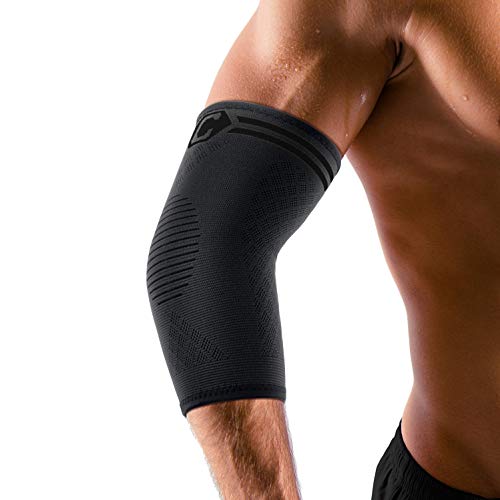
Description: TARGETED PAIN RELIEF & BOOSTED RECOVERY - Engineered with graduated compression, our elbow sleeves apply targeted support to key joint areas to help relieve discomfort associated with tennis elbow, tendonitis, and arthritis. |
Description: GOOD PERFORMANCE - The elbow brace applies even pressure to the elbow joint and elbow muscles, which can relieve tennis elbow, tendonitis, joint inflammation, golfer's elbow and other elbow pains, etc. |
Description: Our elbow brace is great for treating tendonitis, arthritis, sprained bones, strained ligaments, cubital Tunnel,ulnar nerve. Provides optimal support and compression to the elbow joint, reducing pain and preventing further injury during activities |
|
Our Rating:
4.8
|
Our Rating:
4.5
|
Our Rating:
4.4
|
|
$8.49
|
$11.99
|
$7.97
|
TARGETED PAIN RELIEF & BOOSTED RECOVERY - Engineered with graduated compression, our elbow sleeves apply targeted support to key joint areas to help relieve discomfort associated with tennis elbow, tendonitis, and arthritis.
GOOD PERFORMANCE - The elbow brace applies even pressure to the elbow joint and elbow muscles, which can relieve tennis elbow, tendonitis, joint inflammation, golfer's elbow and other elbow pains, etc.
Our elbow brace is great for treating tendonitis, arthritis, sprained bones, strained ligaments, cubital Tunnel,ulnar nerve. Provides optimal support and compression to the elbow joint, reducing pain and preventing further injury during activities
Common Mistakes to Avoid
Even well-intentioned office workers can undermine the benefits of an arm brace for office workers through common errors in selection, use, or workplace habits. Understanding these pitfalls helps ensure your investment in arm support provides maximum benefit and comfort.
Brace Selection Errors
Choosing based on price alone often leads to disappointment. While expensive doesn’t always mean better, extremely cheap braces may lack the durability, comfort features, or proper compression needed for effective office use. Quality materials and construction justify reasonable price differences.
Ignoring size guidelines represents one of the most common mistakes. Many users guess at sizing or assume “one size fits most” products will work for everyone. Accurate measurements and attention to manufacturer sizing charts prevent fit problems that reduce effectiveness and comfort.
Selecting the wrong brace type for specific needs creates frustration and poor outcomes. A compression sleeve designed for mild support won’t help someone with significant tendonitis, while a rigid brace may be unnecessarily restrictive for preventive use.
Wearing and Usage Mistakes
Overtightening in an attempt to increase support often backfires by restricting circulation and creating pressure points. Proper compression should feel supportive, not painful or numbing.
Wearing too long initially can cause skin irritation and discomfort that discourages continued use. Gradual introduction allows skin and muscles to adapt to the brace.
Inconsistent use reduces benefits significantly. Wearing a brace only when pain is severe means missing the preventive benefits that come from consistent support during repetitive activities.
Ignoring hygiene leads to skin problems and premature brace deterioration. Regular cleaning and proper drying maintain both brace function and user comfort.
Ergonomic Oversights
Relying solely on the brace without addressing workspace ergonomics limits potential benefits. Braces supplement good ergonomics but cannot compensate for fundamentally poor workplace setup.
Maintaining poor posture while wearing a brace can create new problems in other areas. Comprehensive postural awareness ensures that supporting one area doesn’t create strain elsewhere.
Ignoring other body regions can lead to compensatory problems. For example, focusing only on arm support while neglecting back or neck positioning may shift strain to other areas.
Behavioral Mistakes
Skipping breaks because the brace provides comfort can lead to overuse injuries despite support. Regular breaks remain essential even with effective bracing.
Increasing work intensity because pain is reduced can overwhelm the brace’s protective capacity. Gradual activity increases allow tissues to adapt while maintaining brace benefits.
Ignoring early warning signs of skin irritation, increased pain, or numbness can lead to more serious problems. Prompt attention to any negative changes prevents minor issues from becoming major problems.
Medical and Professional Oversights
Avoiding professional consultation when problems persist or worsen can delay appropriate treatment. Healthcare provider input becomes important when braces don’t provide expected relief or when symptoms suggest more serious conditions.
Not informing healthcare providers about brace use can interfere with accurate diagnosis and treatment planning. Communication about all interventions helps providers make better recommendations.
Ignoring workplace policies regarding medical devices or ergonomic equipment can create unnecessary conflicts. Checking with HR or management ensures brace use complies with workplace requirements.
Long-term Strategy Mistakes
Becoming dependent on braces without addressing underlying causes can limit long-term improvement. Braces should facilitate healing and prevention, not become permanent crutches for poor workplace habits.
Neglecting strengthening and conditioning while relying on passive support can lead to muscle weakness over time. Active approaches to arm health complement brace support for better long-term outcomes.
Failing to reassess needs as conditions change can result in using inappropriate support levels. Periodic evaluation ensures brace selection continues to match current needs.
Financial Mistakes
Not researching return policies before purchase can result in being stuck with ineffective or uncomfortable braces. Understanding exchange and return options provides protection for your investment.
Buying multiple braces simultaneously without testing one first can be wasteful if the style or brand doesn’t work well for your needs. Sequential purchasing allows for learning and refinement of preferences.
Ignoring insurance coverage possibilities means missing potential cost savings. Some health savings accounts or insurance plans may cover ergonomic devices prescribed by healthcare providers.
Avoiding these common mistakes ensures that an arm brace for office workers provides the intended benefits while supporting long-term arm health and workplace comfort.
When to Seek Medical Advice
While an arm brace for office workers can provide significant relief for many workplace-related arm problems, certain situations require professional medical evaluation and treatment. Recognizing when self-care measures are insufficient helps prevent minor issues from developing into serious, long-term problems.
Red Flag Symptoms
Severe or worsening pain that doesn’t respond to rest, bracing, or ergonomic improvements may indicate conditions requiring medical intervention. Pain that interferes with sleep, daily activities, or work performance warrants professional evaluation.
Numbness or tingling in the hands, fingers, or arms can signal nerve compression or other neurological issues that need prompt attention. These symptoms may indicate conditions like carpal tunnel syndrome, cubital tunnel syndrome, or cervical radiculopathy that require specific treatments.
Weakness or loss of function in the arms or hands represents a serious concern requiring immediate medical evaluation. Difficulty gripping objects, dropping items frequently, or inability to perform normal work tasks may indicate nerve damage or other serious conditions.
Swelling or visible deformity in the arms, elbows, or wrists suggests possible injury or inflammatory conditions that need professional diagnosis and treatment.
Duration and Pattern Concerns
Persistent symptoms lasting more than 2-3 weeks despite appropriate self-care measures including rest, ergonomic improvements, and brace use should prompt medical consultation.
Progressive worsening of symptoms over time, even with conservative treatment, may indicate conditions that require more aggressive intervention or different treatment approaches.
Recurring episodes of arm pain that repeatedly interfere with work or daily activities suggest underlying problems that need professional assessment and management.
Impact on Daily Function
Work performance decline due to arm pain or discomfort indicates the need for professional evaluation, especially if symptoms affect productivity, accuracy, or ability to perform job duties safely.
Sleep disruption from arm pain suggests more significant problems that may require medical treatment beyond supportive devices and ergonomic improvements.
Activity limitations that prevent normal daily activities like driving, household tasks, or recreational activities warrant professional assessment.
When Braces Don’t Help
No improvement with appropriate brace use after 2-4 weeks may indicate that the condition requires different treatment approaches or that the underlying problem is more serious than initially thought.
Worsening symptoms while wearing a brace could suggest improper fit, inappropriate brace selection, or underlying conditions that require different management strategies.
Skin problems from brace use that don’t resolve with proper hygiene and fit adjustments may indicate allergic reactions or other issues requiring medical attention.
Specific Conditions Requiring Medical Care
Suspected carpal tunnel syndrome with classic symptoms of nighttime numbness, tingling in thumb and first three fingers, or positive provocative tests needs professional evaluation for potential nerve conduction studies and treatment options.
Tennis elbow or golfer’s elbow that doesn’t respond to conservative measures may benefit from physical therapy, injections, or other medical treatments.
Thoracic outlet syndrome with symptoms of arm numbness, tingling, or color changes requires specialized evaluation and treatment.
Cervical radiculopathy causing arm pain that originates from neck problems needs medical assessment and potentially imaging studies.
Workplace Considerations
Workers’ compensation issues may require medical documentation of work-related injuries or conditions. Early medical evaluation can help establish appropriate care and documentation for workplace injury claims.
Accommodation needs for ongoing arm problems may require medical documentation to support requests for ergonomic equipment, modified duties, or other workplace accommodations.
Return-to-work planning after injury or treatment often benefits from medical guidance to ensure safe and effective transition back to full duties.
Types of Healthcare Providers
Primary care physicians can evaluate symptoms, provide initial treatment, and make referrals to specialists when needed.
Occupational medicine specialists have specific expertise in workplace-related injuries and can provide comprehensive evaluation and treatment recommendations.
Orthopedic specialists focus on musculoskeletal problems and can diagnose and treat bone, joint, and soft tissue conditions affecting the arms.
Neurologists specialize in nerve-related problems and can evaluate conditions like carpal tunnel syndrome or other nerve compression syndromes.
Physical therapists can assess movement patterns, provide exercise programs, and recommend ergonomic improvements to complement other treatments.
Occupational therapists specialize in work-related function and can provide specific recommendations for workplace modifications and adaptive strategies.
Preparing for Medical Consultation
Document symptoms including timing, severity, triggers, and activities that worsen or improve symptoms. This information helps healthcare providers make accurate diagnoses and treatment recommendations.
Bring workplace information including job descriptions, photos of workstations, and details about daily activities that may contribute to symptoms.
List current treatments including braces used, medications taken, and ergonomic changes made. This helps providers understand what has been tried and what might be most helpful next.
Just as knee problems sometimes require professional evaluation, arm pain that doesn’t respond appropriately to conservative measures including an arm brace for office workers may need medical assessment to ensure optimal outcomes and prevent long-term complications.
Frequently Asked Questions
Do arm braces help office workers?
Yes, arm braces can significantly help office workers by providing compression, support, and improved positioning during repetitive tasks. They work best for mild to moderate arm fatigue, tendonitis, and repetitive strain injuries common in office environments. However, braces are most effective when combined with proper ergonomics and regular breaks rather than used as a standalone solution.
Can you wear an arm brace while typing?
Absolutely – many arm braces are specifically designed for typing comfort. Compression sleeves and flexible support braces allow full range of motion while providing gentle support. The key is selecting a brace that doesn’t restrict wrist movement or interfere with natural hand positioning. Some users find that lightweight compression sleeves work better for extended typing sessions than rigid braces.
What type of brace is best for desk work?
Compression sleeves typically work best for all-day desk work due to their breathable materials, comfortable fit, and professional appearance. For specific conditions like tennis elbow, targeted elbow straps may be more effective. Workers with moderate pain might benefit from adjustable wraparound braces that can be modified throughout the day. The best choice depends on your specific symptoms, work tasks, and comfort preferences.
How tight should an arm brace be?
An arm brace should feel snug but not restrictive. You should be able to slide two fingers under the brace material without excessive resistance. Proper compression provides support without causing numbness, tingling, or skin discoloration. If you experience any of these symptoms, the brace is too tight and should be loosened immediately. Remember that arms may swell slightly throughout the day, requiring minor adjustments.
How long can I wear an arm brace at work?
Most office workers can safely wear appropriate arm braces for 6-8 hours daily, but this should be built up gradually. Start with 1-2 hours to assess comfort and skin reaction, then gradually increase duration. Take the brace off periodically to allow skin to breathe and check for any irritation. Overnight wear is generally not recommended unless specifically prescribed by a healthcare provider.
Will wearing an arm brace weaken my muscles?
Properly used arm braces for office work typically don’t cause significant muscle weakness because they provide support rather than complete immobilization. However, it’s important to maintain regular stretching and strengthening exercises to prevent any potential muscle deconditioning. If you’re concerned about muscle weakness, consult with a physical therapist who can recommend appropriate exercises to maintain strength while using supportive devices.
Can I wear an arm brace under my work clothes?
Yes, most arm braces designed for office use can be worn discreetly under work clothes. Compression sleeves and low-profile braces work particularly well under long-sleeved shirts and blouses. Choose neutral colors like black or beige that won’t show through light-colored clothing. Some braces may create slight bulk under very fitted clothing, so consider your typical work attire when selecting a brace style.
Do I need a prescription for an arm brace?
Most arm braces for office workers are available over-the-counter and don’t require prescriptions. However, if you have a diagnosed medical condition or severe symptoms, your healthcare provider may recommend specific prescription devices or provide documentation for insurance coverage. Some employers or insurance plans may cover ergonomic devices when prescribed by a healthcare provider.
How do I clean and maintain my arm brace?
Most arm braces can be machine washed in cold water on a gentle cycle. Air drying is typically recommended to prevent damage from heat. Check manufacturer instructions for specific care requirements, as some braces may need hand washing or have removable components. Regular cleaning prevents odor buildup and maintains material integrity. Having two identical braces allows for rotation while one is being washed.
When should I replace my arm brace?
Replace your arm brace when it loses elasticity, develops tears, or no longer provides adequate compression. Signs it’s time for replacement include stretched-out materials, worn closures that don’t stay secure, persistent odors despite cleaning, or visible wear that affects function. Quality braces typically last 6-12 months with daily use, though this varies based on materials and care.
Understanding these common questions helps office workers make informed decisions about using an arm brace for office workers as part of their workplace comfort and health strategy.
Conclusion
The modern office environment presents unique challenges for arm health, with millions of workers experiencing pain and discomfort from repetitive tasks and poor ergonomics. An arm brace for office workers can provide valuable support and relief when properly selected and used as part of a comprehensive approach to workplace wellness.
Key benefits of office arm braces include reduced muscle fatigue, improved positioning during repetitive tasks, enhanced circulation through compression, and the confidence to maintain productivity while managing discomfort. However, success depends on choosing the right type of brace for your specific needs, ensuring proper fit and application, and combining brace use with ergonomic improvements and healthy work habits.
Selection considerations should prioritize all-day comfort through breathable materials, professional appearance for workplace appropriateness, and adjustability to accommodate changing needs throughout the day. Whether you choose compression sleeves for mild support, elbow straps for targeted relief, or wraparound braces for moderate conditions, proper sizing and gradual introduction ensure optimal results.
Workplace integration requires attention to ergonomic setup, regular breaks, and maintaining good posture even while wearing supportive devices. Remember that braces supplement good workplace practices rather than replacing them. The most successful outcomes occur when arm braces work together with proper desk setup, regular movement, and stress management strategies.
Professional guidance becomes important when symptoms persist, worsen, or significantly impact work performance. While many office workers find excellent relief with over-the-counter braces and ergonomic improvements, some conditions require medical evaluation and specialized treatment approaches.
Take action today by assessing your current workspace setup, documenting any arm discomfort patterns, and researching appropriate brace options for your specific needs. Start with ergonomic improvements to your workstation, consider a trial period with a suitable arm brace, and establish regular break and stretching routines. Remember that small, consistent changes often provide more lasting benefits than dramatic interventions.
Your arms support your productivity and livelihood – investing in their health and comfort through appropriate support and workplace modifications pays dividends in both immediate comfort and long-term career sustainability. Whether you’re experiencing early signs of strain or managing existing discomfort, the right arm brace for office workers combined with smart workplace practices can help you maintain comfort and productivity throughout your career.