

Over 65% of office workers develop repetitive strain injuries in their arms and wrists, making overuse injuries one of the most common workplace health concerns in 2026. These painful conditions don’t happen overnight – they develop gradually through repeated stress on muscles, tendons, and joints without adequate recovery time.
Whether you’re typing at a computer, swinging a tennis racket, or using tools at work, your arms endure countless repetitive motions daily. When these movements exceed your body’s ability to repair itself, overuse injuries emerge. Many people experiencing persistent arm pain turn to an arm brace for overuse injury as an effective solution to manage symptoms and prevent further damage.
This comprehensive guide explores how arm braces can reduce strain, support recovery, and help you return to pain-free activities. You’ll learn about different brace types, proper usage techniques, and complementary recovery strategies that address the root causes of overuse injuries.
Key Takeaways
• Overuse injuries develop from repetitive stress without sufficient recovery time, commonly affecting office workers, athletes, and manual laborers
• Arm braces provide targeted support by reducing strain on muscles and tendons during repetitive activities
• Different brace types serve specific needs – compression sleeves for mild symptoms, counterforce braces for tendon issues, and immobilization braces for severe cases
• Proper brace selection depends on injury severity and daily activity requirements
• Recovery requires a comprehensive approach combining bracing with rest, ergonomic improvements, and gradual activity modification
What Is an Overuse Injury?
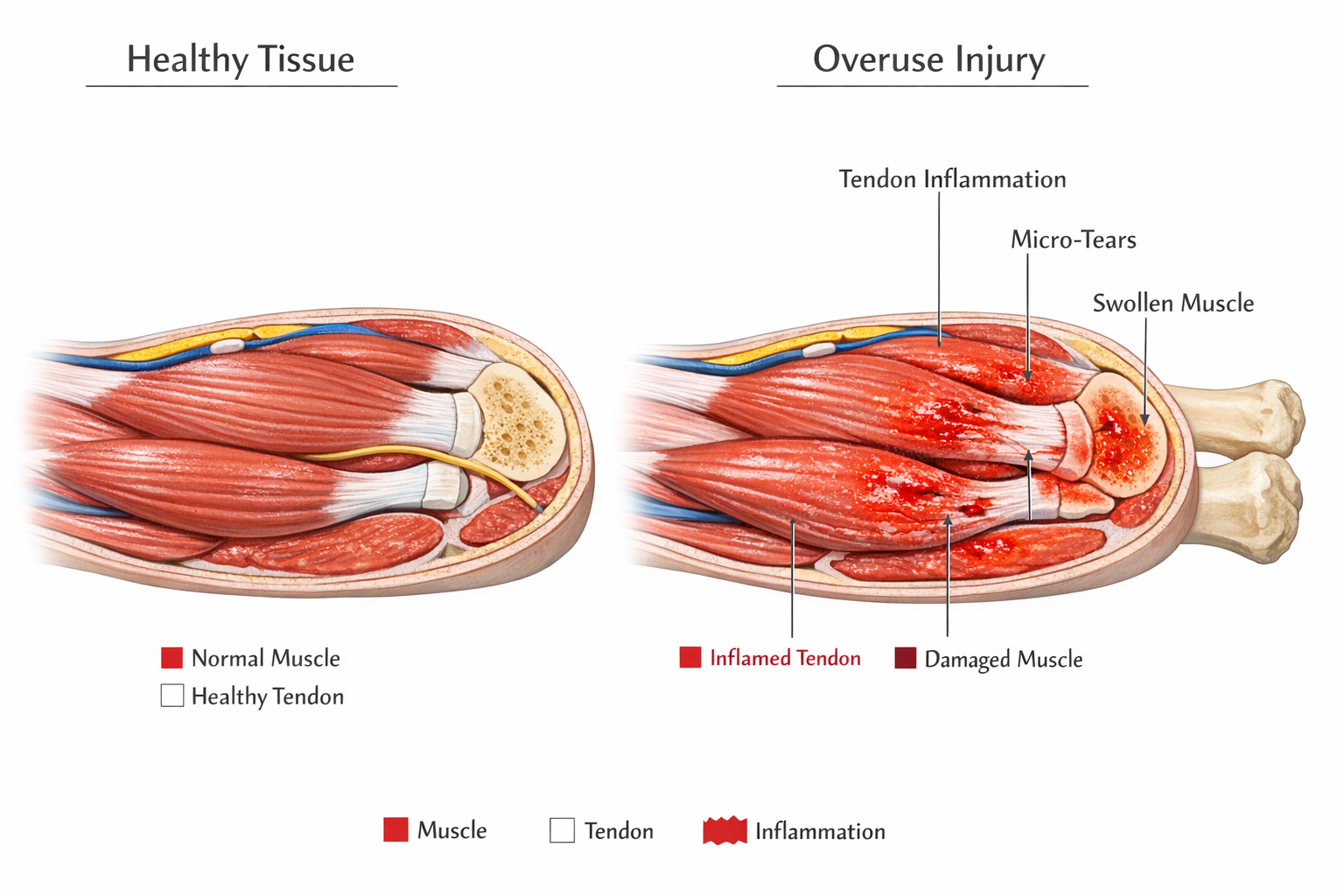
An overuse injury occurs when repetitive stress on muscles, tendons, or joints exceeds the body’s natural healing capacity. Unlike acute injuries from sudden trauma, overuse injuries develop gradually through accumulated micro-damage over weeks or months.
How Micro-Strain Builds Over Time
Each repetitive movement creates microscopic tears in muscle fibers and tendons. Under normal circumstances, your body repairs this damage during rest periods. However, when repetitive stress continues without adequate recovery, these micro-tears accumulate faster than they can heal.
This process leads to inflammation, scar tissue formation, and progressive weakness in the affected area. The arm’s complex network of muscles and tendons makes it particularly vulnerable to overuse injuries, especially in the elbow and forearm regions.
Common Symptoms to Watch For
Overuse injuries typically present with these warning signs:
Early Stage Symptoms:
• Mild aching or soreness after activity
• Stiffness in the morning or after periods of rest
• Slight weakness during repetitive tasks
• Occasional sharp pains during specific movements
Progressive Symptoms:
• Persistent pain that doesn’t improve with rest
• Reduced grip strength or coordination
• Swelling around joints or tendons
• Pain that interferes with daily activities
Why Early Intervention Matters
Addressing overuse injuries in their early stages prevents progression to chronic conditions that may require months of recovery. An arm brace for overuse injury can be particularly effective during this critical period, providing support while your body’s natural healing processes work to repair damaged tissue.
Early intervention also helps maintain your ability to continue work and recreational activities with modifications, rather than requiring complete cessation of activities later.
Common Causes of Arm Overuse Injuries
Understanding what triggers overuse injuries helps you identify risk factors and make preventive changes to your routine.
Repetitive Tasks and Occupational Hazards
Office Work: Typing, mouse use, and prolonged computer work create repetitive stress on forearm muscles and tendons. Poor keyboard positioning and excessive clicking contribute to conditions like tennis elbow and carpal tunnel syndrome.
Manual Labor: Construction workers, mechanics, and assembly line workers face high risks from repetitive lifting, gripping, and tool use. The constant vibration from power tools adds additional stress to arm structures.
Healthcare Workers: Nurses, therapists, and caregivers frequently develop overuse injuries from patient lifting, repetitive documentation, and prolonged positioning during procedures.
For workers in these high-risk occupations, specialized arm braces designed for specific activities can provide crucial support. Our guides on arm braces for mechanics and painters offer targeted solutions for these professions.
Sports and Athletic Activities
Racquet Sports: Tennis, badminton, and squash players commonly develop lateral epicondylitis (tennis elbow) from repetitive swinging motions and improper technique.
Weightlifting: Excessive training volume, poor form, or inadequate rest between sessions can lead to tendon inflammation and muscle strain.
Throwing Sports: Baseball, softball, and javelin athletes face unique risks from the high-velocity, repetitive nature of throwing motions.
Poor Ergonomics and Technique
Improper positioning during repetitive activities significantly increases overuse injury risk:
• Awkward wrist angles during typing or tool use
• Excessive grip pressure when holding objects
• Poor posture that places additional stress on arm muscles
• Inadequate workspace setup forcing uncomfortable reaching or positioning
Insufficient Rest and Recovery
Modern work culture often promotes continuous activity without adequate recovery periods. Muscles and tendons require rest to repair micro-damage from daily activities. Without sufficient downtime, even normal activities can become sources of overuse injury.
Conditions Often Linked to Overuse
Several specific conditions frequently result from arm overuse:
Tendonitis: Inflammation of tendons, commonly affecting the elbow (tennis elbow, golfer’s elbow) and wrist areas.
Repetitive Strain Injury (RSI): A broad category encompassing various soft tissue injuries from repetitive motions.
Bursitis: Inflammation of fluid-filled sacs that cushion joints, often occurring at the elbow.
Muscle Fatigue Syndrome: Chronic muscle weakness and pain from prolonged overuse without adequate recovery.

|
|

|
|
Our Rating:
4.5
|
Our Rating:
4.4
|
Our Rating:
4.9
|
|
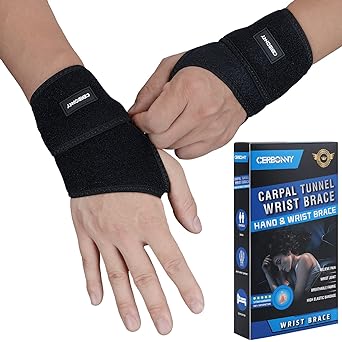
Description: A removable wrist splint and two fixed plastic splints provide a high level of wrist support. Limits unconscious bending or twisting of the wrist during sleep, avoiding aggravation of inflammation or nerve compression due to improper posture |
Description: Wrist bracers can be adjusted according to their comfort level, our wrist band can ensure stability, not easy to fall off, wearing it our hand support is very comfortable. High quality soft breathable fabric, |
Description: Maximum Pain Relief: Our wrist support braces are designed to help you relieve the pain and get the support you need for all-day and all-night comfort. Commonly used by people suffering from carpal tunnel syndrome, tendinitis, arthritis, wrist sprains, strains, etc. |
|
$13.99
|
$15.95
|
$27.06
|
A removable wrist splint and two fixed plastic splints provide a high level of wrist support. Limits unconscious bending or twisting of the wrist during sleep, avoiding aggravation of inflammation or nerve compression due to improper posture
Wrist bracers can be adjusted according to their comfort level, our wrist band can ensure stability, not easy to fall off, wearing it our hand support is very comfortable. High quality soft breathable fabric,
Maximum Pain Relief: Our wrist support braces are designed to help you relieve the pain and get the support you need for all-day and all-night comfort. Commonly used by people suffering from carpal tunnel syndrome, tendinitis, arthritis, wrist sprains, strains, etc.
Can an Arm Brace Help With Overuse Injury?
An arm brace for overuse injury can be highly effective when used as part of a comprehensive treatment approach. These devices work through several mechanisms to reduce pain and support healing.
Provides Targeted Support to Stressed Tissues
Arm braces redistribute forces away from injured muscles and tendons, allowing damaged tissues to rest while you continue necessary activities. Compression elements in many braces also improve blood circulation, which enhances nutrient delivery to healing tissues.
The support provided by braces helps maintain proper arm positioning during activities, reducing the likelihood of compensatory movements that could worsen existing injuries or create new problems.
Reduces Strain During Repetitive Movements
By providing external support, arm braces decrease the workload on fatigued muscles and inflamed tendons. This is particularly beneficial for people who cannot completely avoid repetitive activities due to work or daily living requirements.
Counterforce braces, for example, redirect tension forces in forearm tendons, significantly reducing stress on attachment points at the elbow where tennis elbow and golfer’s elbow commonly occur.
Helps Stabilize the Elbow and Forearm
Many overuse injuries involve instability or excessive movement in joints and soft tissues. Arm braces provide controlled stabilization that limits harmful motions while preserving functional movement patterns.
This stabilization is especially important during the acute phase of overuse injuries when tissues are inflamed and vulnerable to further damage from uncontrolled movements.
May Prevent Further Irritation and Worsening Symptoms
Perhaps most importantly, arm braces help break the cycle of continued tissue damage that perpetuates overuse injuries. By reducing stress on healing tissues, braces create an environment where natural repair processes can work effectively.
For those dealing with repetitive motion pain, the right brace can make the difference between gradual improvement and chronic, worsening symptoms.
Limitations and Realistic Expectations
While arm braces offer significant benefits, they work best when combined with other interventions:
• Braces don’t cure underlying causes like poor ergonomics or technique
• Long-term healing requires activity modification and strengthening exercises
• Proper fit and usage are essential for effectiveness
• Some conditions may require medical treatment beyond bracing alone
Types of Arm Braces for Overuse Injury
Different brace designs address specific aspects of overuse injuries. Understanding these options helps you choose the most appropriate support for your condition.
Compression Sleeves
Design and Function: Compression sleeves provide uniform pressure around the entire forearm or elbow area. Made from elastic materials, they offer gentle support and improved circulation without restricting movement.
Best For:
• Mild overuse symptoms and early-stage injuries
• General muscle fatigue and soreness
• Prevention during high-risk activities
• Athletes who need support without bulk
Benefits:
• ✅ Lightweight and comfortable for extended wear
• ✅ Improve blood flow and reduce swelling
• ✅ Can be worn under clothing discreetly
• ✅ Affordable and widely available
Limitations:
• Limited support for severe injuries
• May not provide adequate stabilization for joint problems
Elbow Straps (Counterforce Braces)
Design and Function: These specialized braces feature a strap that wraps around the forearm just below the elbow. They work by redistributing tension forces in the forearm muscles and tendons.
Best For:
• Tennis elbow (lateral epicondylitis)
• Golfer’s elbow (medial epicondylitis)
• Localized tendon pain and inflammation
• People who need targeted support during specific activities
Benefits:
• ✅ Highly effective for tendon-related overuse injuries
• ✅ Allow full range of motion while providing support
• ✅ Easy to adjust tension and positioning
• ✅ Minimal interference with daily activities
Key Features to Look For:
• Padded contact area to prevent pressure points
• Adjustable strap tension
• Breathable materials for comfort
• Proper sizing for your forearm circumference
Wraparound Arm Braces
Design and Function: These braces feature adjustable straps or panels that wrap around the arm, providing customizable support levels. They often combine compression with targeted reinforcement areas.
Best For:
• Moderate overuse injuries requiring adjustable support
• People with varying symptom severity throughout the day
• Those who need different support levels for different activities
• Conditions affecting multiple areas of the forearm or elbow
Benefits:
• ✅ Highly customizable support and compression
• ✅ Can accommodate swelling changes throughout the day
• ✅ Often include additional padding for comfort
• ✅ Suitable for a wide range of arm sizes
Advanced Features:
• Multiple adjustment points for precise fit
• Removable padding for cleaning
• Moisture-wicking materials
• Integrated hot/cold therapy pockets
Immobilization Braces
Design and Function: These more substantial braces significantly limit arm and elbow movement to promote healing during acute injury phases or severe overuse conditions.
Best For:
• Severe overuse injuries requiring rest
• Post-injury recovery phases
• Conditions where movement causes significant pain
• Short-term use during flare-ups
Benefits:
• ✅ Maximum protection for healing tissues
• ✅ Prevent harmful movements during sleep
• ✅ Reduce pain by eliminating aggravating motions
• ✅ Allow complete rest for severely inflamed tissues
Important Considerations:
• Should be used under medical guidance
• Prolonged use may lead to muscle weakness
• Requires gradual return to normal activity
• May interfere significantly with daily tasks
What to Look for in the Best Arm Brace for Overuse Injury
Selecting the right brace requires careful consideration of your specific needs, lifestyle, and injury characteristics.
Comfortable Fit for Extended Wear
Since overuse injuries often require prolonged brace use, comfort is paramount. Look for braces with:
• Soft, padded contact areas that won’t create pressure points
• Breathable materials that wick moisture away from skin
• Smooth edges that won’t chafe during movement
• Adjustable components that accommodate daily swelling changes
Poor-fitting braces can create new problems, including skin irritation, reduced circulation, or compensatory movement patterns that stress other body areas.
Breathable, Sweat-Resistant Materials
Extended wear during work or exercise generates heat and moisture. Quality arm braces incorporate:
• Moisture-wicking fabrics that keep skin dry
• Ventilation panels or perforations for airflow
• Antimicrobial treatments to prevent odor and bacteria growth
• Quick-drying materials for easy cleaning and maintenance
Adjustable Support Levels
Your support needs may vary throughout the day or as your condition improves. Adjustable braces offer several advantages:
• Customize compression and support for different activities
• Accommodate changes in swelling or pain levels
• Allow gradual reduction in support as healing progresses
• Provide different support for work versus recreational activities
Lightweight Design for Daily Use
Heavy, bulky braces often go unworn because they interfere with normal activities. The best arm braces for injury balance support with practicality:
• Minimal bulk under clothing
• Lightweight materials that don’t fatigue the arm
• Low-profile design that doesn’t restrict clothing choices
• Quiet operation without squeaking or rustling sounds
Secure Fit That Stays in Place
A brace that constantly shifts or slides loses effectiveness and becomes annoying. Quality braces feature:
• Non-slip materials that grip skin or clothing appropriately
• Multiple attachment points for secure positioning
• Proper sizing options to match your arm dimensions
• Durable closures that maintain tension over time
Similar to how knee braces need proper fitting, arm braces require precise sizing and positioning to work effectively.
How to Choose the Right Arm Brace
Selecting an appropriate arm brace for overuse injury involves matching the brace type and features to your specific situation.
Match Support Level to Symptom Severity
Mild Symptoms (1-3/10 pain scale):
• Compression sleeves or light support braces
• Focus on prevention and minor symptom relief
• Maintain full range of motion and function
Moderate Symptoms (4-6/10 pain scale):
• Counterforce braces or adjustable wraparound designs
• Provide targeted support while allowing most activities
• Consider braces with removable components for flexibility
Severe Symptoms (7-10/10 pain scale):
• Immobilization or rigid support braces
• Prioritize rest and protection over function
• May require medical evaluation and guidance
Consider Your Daily Activity Level
Sedentary Work: Focus on comfort during prolonged wear and discrete design for office environments.
Physical Labor: Prioritize durability, secure fit, and protection during demanding activities.
Athletic Activities: Look for sport-specific designs that balance support with performance requirements.
Mixed Activities: Choose adjustable braces that can adapt to varying demands throughout your day.
Prioritize Comfort for Long-Term Wear
Since overuse injuries often require weeks or months of management, long-term comfort is essential:
• Try braces on if possible before purchasing
• Read user reviews focusing on comfort during extended wear
• Consider purchasing multiple braces for rotation during cleaning
• Factor in seasonal considerations (breathability for summer wear)
Ensure Proper Sizing and Fit
Measurement Guidelines:
• Measure forearm circumference at the widest point
• Measure arm length from elbow to wrist if specified
• Take measurements when swelling is typical (not first thing in morning)
• Consider dominant vs. non-dominant arm size differences
Fit Indicators:
• Snug but not tight compression
• No pinching or pressure points
• Maintains position during normal activities
• Doesn’t cause numbness or tingling
For those dealing with chronic pain conditions, proper fit becomes even more critical for long-term management success.
How to Use an Arm Brace Effectively
Proper usage maximizes the benefits of your arm brace for overuse injury while avoiding potential complications.
Wear During Repetitive or High-Strain Activities
Strategic Timing:
• Put on the brace before starting repetitive activities
• Wear during work tasks that typically trigger symptoms
• Use during sports or exercise that stress the affected area
• Consider wearing during household activities like cleaning or gardening
Activity-Specific Guidelines:
• Computer work: Apply brace before starting your workday
• Sports: Wear during practice and competition, remove during rest
• Manual labor: Use throughout work shifts with periodic adjustment checks
• Sleep: Only if recommended for severe conditions (most overuse injuries don’t require nighttime bracing)
Use During Flare-Ups or Long Work Sessions
Overuse injuries often have cyclical patterns with periods of increased symptoms. Recognize these patterns and increase brace usage accordingly:
• Monitor pain levels and adjust wearing schedule
• Increase support during busy work periods or deadline stress
• Use preventively before activities known to trigger symptoms
• Have backup braces available for unexpected flare-ups
Ensure Proper Positioning and Fit
Correct Positioning:
• Follow manufacturer’s instructions for placement
• Position counterforce straps 1-2 inches below the elbow
• Ensure compression sleeves cover the entire affected area
• Check that adjustable components are properly aligned
Daily Fit Checks:
• Verify positioning after putting on the brace
• Adjust for swelling changes throughout the day
• Ensure no bunching or rolling of materials
• Confirm that circulation remains normal (check fingernail color and sensation)
Avoid Over-Tightening or Continuous Use Without Breaks
Proper Tension Guidelines:
• Tighten until snug but not restrictive
• You should be able to slide one finger under compression areas
• Avoid tightening to the point of numbness or tingling
• Remember: More pressure doesn’t necessarily mean better support
Rest Periods:
• Remove brace for 15-30 minutes every 2-3 hours during extended wear
• Allow skin to breathe and circulation to normalize
• Perform gentle stretching during break periods
• Clean and dry skin if moisture accumulation occurs
Signs of Excessive Use:
• Skin irritation or pressure marks
• Increased stiffness when brace is removed
• Muscle weakness from over-dependence
• Worsening symptoms despite consistent use
Additional Ways to Recover From Overuse Injury
While an arm brace for overuse injury provides valuable support, comprehensive recovery requires addressing underlying causes and promoting tissue healing.
Rest and Reduce Repetitive Motion
Modified Activity Approach:
• Reduce frequency and intensity of aggravating activities rather than complete cessation
• Take frequent breaks during repetitive tasks (5 minutes every 30 minutes)
• Alternate between different types of activities to vary stress patterns
• Use your non-dominant hand for some tasks to reduce load on the injured side
Work Modifications:
• Request ergonomic assessments and equipment adjustments
• Use voice recognition software to reduce typing
• Implement task rotation with coworkers when possible
• Consider temporary duty modifications during acute phases
Stretch and Strengthen Arm Muscles
Gentle Stretching Routine:
• Perform stretches 2-3 times daily, holding for 15-30 seconds
• Focus on forearm flexors and extensors
• Include wrist and finger stretches
• Never stretch into sharp pain – mild discomfort is acceptable
Progressive Strengthening:
• Begin with isometric exercises (muscle contraction without movement)
• Progress to light resistance exercises using bands or light weights
• Focus on eccentric strengthening (controlled lengthening of muscles)
• Include grip strength and coordination exercises
Sample Exercise Progression:
- Week 1-2: Gentle stretching and pain-free range of motion
- Week 3-4: Add isometric strengthening exercises
- Week 5-6: Introduce light resistance exercises
- Week 7+: Progress resistance and add functional movements
Improve Ergonomics and Technique
Workplace Ergonomics:
• Position computer monitors at eye level to reduce neck strain
• Use ergonomic keyboards and mice designed to reduce wrist stress
• Ensure proper chair height and armrest positioning
• Consider standing desk options for position variety
Sports Technique:
• Work with qualified instructors to improve form
• Use proper equipment sizing (racquet grip size, tool handles)
• Implement proper warm-up and cool-down routines
• Focus on technique over power or speed during recovery
Gradually Return to Activity
Structured Return Protocol:
• Start with 25% of normal activity volume
• Increase by 10-25% weekly if symptoms remain stable
• Monitor symptoms for 24-48 hours after activity increases
• Reduce activity if pain increases beyond baseline levels
Return-to-Work Guidelines:
• Begin with modified duties or reduced hours
• Gradually increase task complexity and duration
• Maintain brace use during initial return phases
• Have contingency plans for symptom flare-ups
For those dealing with joint pain relief needs, combining bracing with these recovery strategies typically produces the best long-term outcomes.
Common Mistakes to Avoid
Understanding frequent errors in overuse injury management helps you avoid setbacks and achieve better outcomes.
Ignoring Early Signs of Overuse
The “Push Through” Mentality:
Many people ignore initial symptoms, believing they’ll resolve on their own. Early intervention is far more effective than treating chronic, established injuries.
Warning Signs Not to Ignore:
• Persistent soreness lasting more than 2-3 days
• Pain that returns quickly after rest periods
• Gradual decrease in strength or coordination
• Stiffness that doesn’t improve with gentle movement
Proper Response:
• Begin using an arm brace for overuse injury at first signs of problems
• Modify activities before symptoms become severe
• Implement rest and recovery strategies immediately
• Seek professional advice if symptoms persist beyond one week
Continuing Repetitive Activity Without Rest
The Cycle of Worsening:
Continuing normal activities without modification perpetuates the cycle of tissue damage and inflammation that defines overuse injuries.
Breaking the Cycle:
• Reduce activity volume by 50% during initial treatment
• Implement frequent rest breaks throughout the day
• Use alternative methods to accomplish necessary tasks
• Accept that temporary activity reduction prevents long-term disability
Wearing a Brace Too Tightly
Complications of Over-Tightening:
• Reduced circulation leading to numbness and tingling
• Increased muscle tension and compensatory movement patterns
• Skin breakdown and pressure sores
• Paradoxical increase in pain from excessive compression
Proper Tightness Guidelines:
• Snug fit without restriction of normal circulation
• Ability to slide one finger under compression areas
• No numbness, tingling, or color changes in fingers
• Comfort during extended wear periods
Relying Only on a Brace Without Changing Habits
The Limitation of Passive Treatment:
Braces provide valuable support but don’t address underlying causes of overuse injuries. Lasting recovery requires comprehensive lifestyle changes.
Essential Complementary Strategies:
• Ergonomic improvements in work and home environments
• Technique modifications for sports and recreational activities
• Strengthening and flexibility programs
• Stress management and adequate sleep for tissue healing
Long-Term Success Factors:
• View bracing as one component of comprehensive treatment
• Address root causes like poor posture or technique
• Develop sustainable activity modification strategies
• Build strength and endurance gradually over time
Similar to how knee brace users must avoid common fitting mistakes, arm brace users need to understand proper application and realistic expectations for optimal results.
When to Seek Medical Advice
While many overuse injuries respond well to conservative treatment including bracing, certain situations require professional medical evaluation.
Pain That Persists or Worsens Over Time
Red Flag Symptoms:
• Pain that continues to increase despite 1-2 weeks of conservative treatment
• Symptoms that worsen with rest rather than improve
• Sharp, shooting pains that differ from typical overuse discomfort
• Pain that awakens you from sleep consistently
Timeline for Medical Consultation:
• Immediate: Severe pain with sudden onset
• Within 1 week: Moderate pain that doesn’t improve with rest and bracing
• Within 2 weeks: Mild pain that shows no signs of improvement
• Ongoing monitoring: Any symptoms that plateau rather than gradually improve
Weakness or Reduced Function
Functional Limitations Requiring Evaluation:
• Significant decrease in grip strength (difficulty opening jars, holding objects)
• Inability to perform normal work tasks even with modifications
• Dropping objects frequently or unexpectedly
• Difficulty with fine motor tasks like writing or buttoning clothes
Strength Testing at Home:
• Compare grip strength between affected and unaffected arms
• Test ability to lift common objects (coffee cup, book, small tools)
• Assess coordination with simple tasks (touching thumb to each finger)
• Monitor changes in dominant hand function particularly closely
Limited Range of Motion
Movement Restrictions to Monitor:
• Inability to fully straighten or bend the elbow
• Significant stiffness that doesn’t improve with gentle stretching
• Pain at the end ranges of motion that prevents normal positioning
• Locking or catching sensations during movement
Daily Function Impact:
• Difficulty reaching overhead or behind the back
• Problems with personal care activities (bathing, dressing)
• Inability to position the arm comfortably for sleep
• Restriction that interferes with driving or other essential activities
Pain Interfering With Daily Activities
Quality of Life Indicators:
• Inability to work or perform essential job functions
• Sleep disruption from pain or positioning difficulties
• Avoidance of social or recreational activities due to symptoms
• Emotional distress or anxiety related to persistent symptoms
Work-Related Considerations:
• Need for frequent breaks that affect productivity
• Inability to meet job requirements even with modifications
• Consideration of workers’ compensation claims
• Risk of career impact from prolonged symptoms
Professional Treatment Options:
• Physical therapy for structured rehabilitation programs
• Occupational therapy for work-specific modifications
• Medical imaging (ultrasound, MRI) to assess tissue damage
• Injection therapies for persistent inflammation
• Surgical consultation for severe or refractory cases
For those experiencing inflammation-related symptoms, medical evaluation can help determine if additional anti-inflammatory treatments are needed beyond bracing.
Frequently Asked Questions
Do arm braces help overuse injuries?
Yes, arm braces can significantly help overuse injuries by providing support to stressed muscles and tendons, reducing strain during repetitive activities, and creating an environment that promotes healing. They work best when combined with activity modification, proper ergonomics, and gradual strengthening exercises.
The effectiveness depends on choosing the right type of brace for your specific condition and using it properly as part of a comprehensive treatment approach.
How long should I wear an arm brace?
Duration varies based on injury severity and activity demands:
• Mild overuse injuries: 2-4 weeks with gradual reduction as symptoms improve
• Moderate injuries: 4-8 weeks with continued use during high-risk activities
• Severe injuries: 8-12 weeks or longer, often requiring medical supervision
Daily wearing schedule:
• During symptomatic periods: 6-8 hours daily during activities
• As symptoms improve: Only during high-risk or repetitive activities
• Maintenance phase: Preventive use during known trigger activities
Can I wear an arm brace all day?
While possible, continuous all-day wear isn’t typically necessary for most overuse injuries. Extended wear should include:
• Regular breaks every 2-3 hours to allow circulation and skin recovery
• Removal during low-risk activities like eating or relaxing
• Nighttime removal unless specifically recommended for severe conditions
• Monitoring for signs of over-dependence or muscle weakness
Consult healthcare providers if you feel you need continuous support, as this may indicate a more serious condition requiring additional treatment.
What type of brace is best for overuse injury?
The best brace type depends on your specific condition:
• Tennis elbow/Golfer’s elbow: Counterforce straps or elbow bands
• General muscle fatigue: Compression sleeves
• Multiple area involvement: Adjustable wraparound braces
• Severe acute symptoms: Immobilization braces (short-term use)
Selection factors:
• Symptom location and severity
• Daily activity requirements
• Comfort preferences for extended wear
• Budget and insurance coverage considerations
For personalized recommendations, consider consulting with healthcare providers or trying different types to determine what works best for your specific situation and lifestyle needs.
Conclusion
An arm brace for overuse injury can be a highly effective tool for managing pain, supporting healing, and preventing further damage when used as part of a comprehensive treatment approach. The key to success lies in understanding that overuse injuries develop gradually from repetitive stress and require patience and consistency to resolve.
The most important takeaways for your recovery journey:
🎯 Early intervention matters most – addressing symptoms when they first appear prevents progression to chronic, difficult-to-treat conditions
🎯 Choose the right brace type – match your support needs to your specific condition, whether that’s a compression sleeve for mild symptoms or a counterforce brace for tendon-related pain
🎯 Combine bracing with lifestyle changes – ergonomic improvements, technique modifications, and gradual strengthening provide lasting results beyond what bracing alone can achieve
🎯 Use braces strategically – wear them during high-risk activities and flare-ups, but allow regular breaks to prevent over-dependence
🎯 Monitor your progress – track symptom changes and functional improvements to guide treatment decisions and know when to seek additional help
Your next steps should include:
- Assess your current symptoms honestly and choose an appropriate brace type based on severity and daily needs
- Identify and modify the repetitive activities or ergonomic factors contributing to your overuse injury
- Implement a structured approach combining bracing with rest, gentle stretching, and gradual return to activities
- Set realistic expectations for recovery timelines – most overuse injuries require 4-12 weeks of consistent management
- Seek professional help if symptoms persist beyond 2 weeks or interfere significantly with daily function
Remember that overuse injuries are highly treatable with the right approach. By taking action now with appropriate bracing and comprehensive lifestyle modifications, you can return to pain-free activities and prevent future recurrence. The investment in proper treatment today prevents the much larger costs – both financial and personal – of chronic, untreated overuse injuries.