

Professional painters lose an average of 12 working days per year due to arm and elbow injuries – a staggering statistic that highlights the physical demands of this essential trade. The repetitive motions, extended overhead work, and constant grip pressure that define painting work create a perfect storm for musculoskeletal problems. An Arm Brace for Painters has emerged as a practical solution, offering targeted support that can help reduce strain and extend comfortable working hours. This comprehensive guide explores how the right arm support can transform your painting experience, reduce pain, and help maintain your livelihood for years to come.
Key Takeaways
• Repetitive strain injuries are common among painters due to constant brushing, rolling, and overhead work that stress arm muscles and tendons
• Arm braces provide targeted support during painting tasks, helping reduce fatigue and prevent minor strains from developing into serious injuries
• Three main types of arm braces work for painters: compression sleeves, elbow straps, and wraparound braces, each offering different levels of support
• Proper selection and fit are crucial – look for breathable, lightweight materials with adjustable support levels based on your specific pain or workload
• Combining brace use with ergonomic practices like regular breaks, stretching, and proper tool selection maximizes pain prevention and work comfort
Why Painters Experience Arm Pain
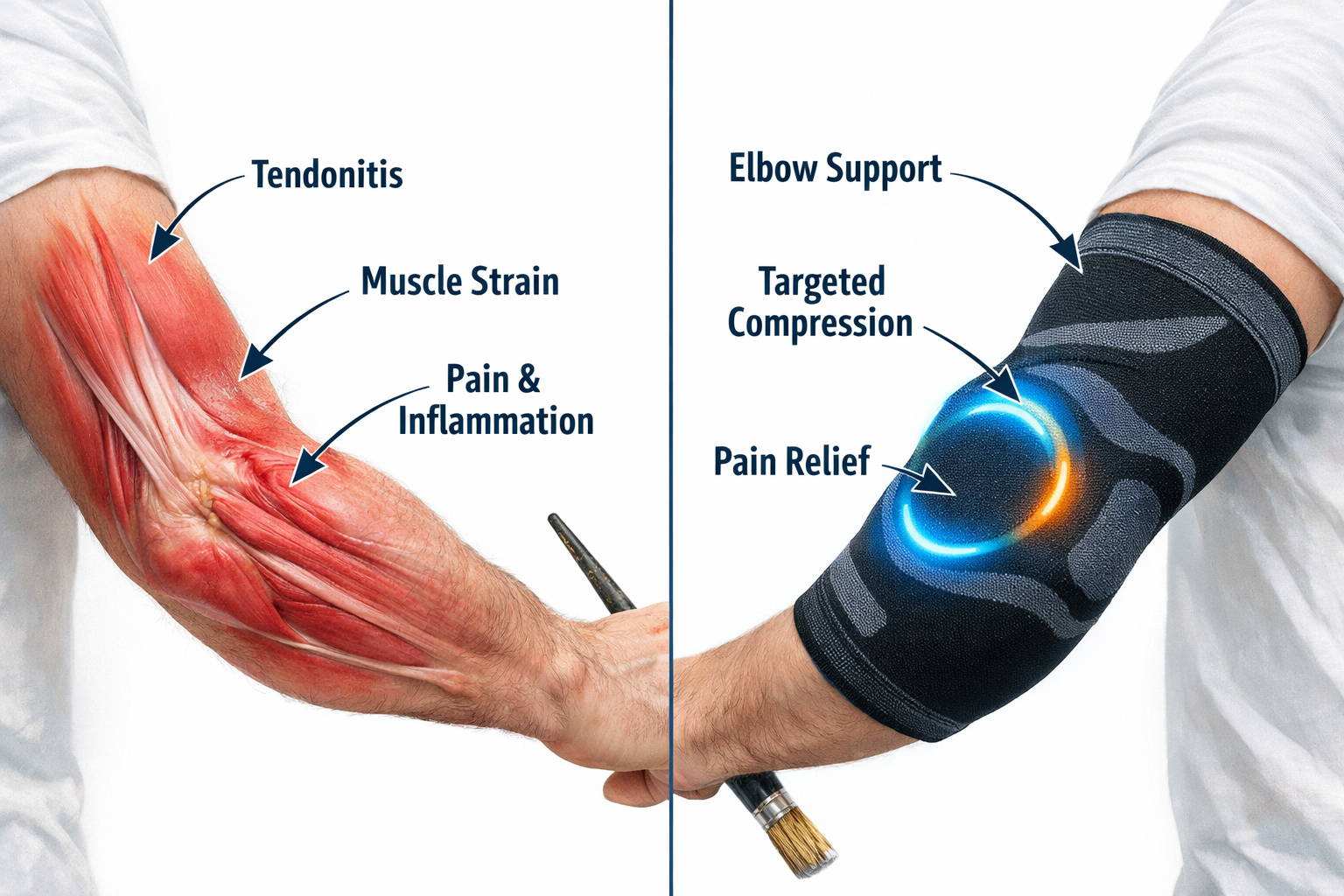
The painting profession places unique demands on the arms, elbows, and forearms that few other trades can match. Understanding these stressors helps explain why an Arm Brace for Painters has become an essential tool for many professionals.
Repetitive Brushing and Rolling Motions 🎨
Every stroke of a brush or roll of a paint roller creates micro-stress on the muscles and tendons of the forearm. Over the course of a typical workday, painters may perform thousands of these repetitive motions, leading to:
- Overuse of flexor and extensor muscles in the forearm
- Tendon inflammation from constant friction and movement
- Muscle fatigue that compounds throughout long projects
Working with Arms Raised for Extended Periods
Ceiling work, high walls, and detailed trim painting require painters to hold their arms in elevated positions for hours. This creates:
- Shoulder impingement that radiates down to the elbow
- Reduced blood flow to arm muscles in raised positions
- Increased strain on the lateral epicondyle (outer elbow area)
Grip Strain from Tool Handling
Maintaining a firm grip on brushes, rollers, and spray equipment throughout the day leads to:
- Forearm muscle tightness from sustained gripping
- Trigger finger symptoms in severe cases
- Wrist and hand fatigue that affects arm stability
Common Painting-Related Conditions
Several specific conditions frequently affect painters:
Tennis Elbow (Lateral Epicondylitis)
- Pain on the outside of the elbow
- Caused by overuse of forearm extensor muscles
- Worsened by gripping and lifting motions
Tendonitis
- Inflammation of tendons in the forearm and elbow
- Results from repetitive stress and inadequate recovery time
- Can affect multiple tendon groups simultaneously
Repetitive Strain Injury (RSI)
- Broad category covering various overuse injuries
- Develops gradually over weeks or months
- Can become chronic without proper intervention
Understanding these pain patterns helps explain why targeted support from an arm brace can provide significant relief. Just as athletes in other fields use supportive braces for injury prevention, painters can benefit from specialized arm support designed for their unique occupational demands.
Can an Arm Brace Help Painters?
The short answer is yes – an Arm Brace for Painters can provide meaningful support and pain reduction for many professionals in the trade. However, understanding exactly how these devices work helps set realistic expectations and maximize their effectiveness.
Provides Support During Repetitive Tasks ⚡
Arm braces work by:
- Distributing stress across a broader area of the forearm
- Reducing direct pressure on inflamed tendons and muscles
- Providing external stability that supplements natural muscle function
- Limiting excessive range of motion that can worsen existing injuries
Helps Reduce Fatigue and Discomfort
Many painters report that wearing an arm brace allows them to:
- Work longer without breaks due to reduced muscle fatigue
- Maintain better technique when arms aren’t fighting pain
- Focus on quality work instead of managing discomfort
- Complete projects more efficiently with sustained energy levels
Improves Stability in the Forearm and Elbow
The compression and support provided by quality arm braces can:
- Enhance proprioception (awareness of arm position)
- Reduce muscle tremors caused by fatigue
- Provide consistent pressure that promotes blood flow
- Stabilize the elbow joint during dynamic movements
May Prevent Minor Strain from Worsening
Early intervention with an arm brace can:
- Prevent acute injuries from becoming chronic conditions
- Allow continued work while tissues heal
- Reduce inflammation through controlled compression
- Break the cycle of re-injury that often affects painters
Limitations to Consider
While arm braces offer significant benefits, they’re not magic solutions. Important limitations include:
- Won’t cure existing injuries – medical treatment may still be needed
- Require proper fit and use to be effective
- Work best when combined with other preventive measures
- May take time to show benefits – consistency is key
Similar to how supportive devices help with other repetitive strain activities, arm braces for painters work best as part of a comprehensive approach to occupational health that includes proper technique, regular breaks, and ergonomic tool selection.
Types of Arm Braces for Painters
Choosing the right Arm Brace for Painters depends on your specific pain patterns, work demands, and comfort preferences. Three main categories offer different approaches to arm support, each with distinct advantages for painting professionals.
Compression Sleeves 💪
Best For: All-day wear, mild to moderate discomfort, circulation improvement
Compression sleeves provide uniform pressure along the entire forearm, making them ideal for painters who experience general fatigue rather than specific pain points.
Key Features:
- Lightweight fabric construction that doesn’t restrict movement
- Graduated compression that’s tighter at the wrist, looser toward the elbow
- Moisture-wicking materials to prevent sweat buildup during long work sessions
- Easy on/off design that doesn’t require complex adjustments
Advantages for Painters:
- Can be worn under work clothes without bulk
- Provides consistent support throughout the workday
- Improves blood circulation in the forearm muscles
- Reduces overall muscle fatigue from repetitive motions
Potential Drawbacks:
- May not provide targeted relief for specific pain points
- Limited adjustability compared to other brace types
- Can feel too restrictive for some users during detailed work

|
|

|
|
Our Rating:
4.5
|
Our Rating:
4.4
|
Our Rating:
4.9
|
|
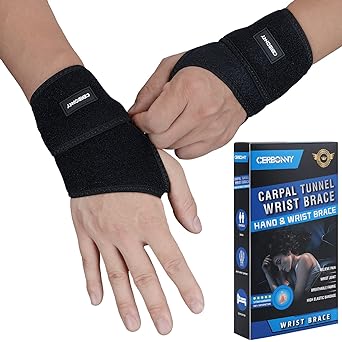
Description: A removable wrist splint and two fixed plastic splints provide a high level of wrist support. Limits unconscious bending or twisting of the wrist during sleep, avoiding aggravation of inflammation or nerve compression due to improper posture |
Description: Wrist bracers can be adjusted according to their comfort level, our wrist band can ensure stability, not easy to fall off, wearing it our hand support is very comfortable. High quality soft breathable fabric, |
Description: Maximum Pain Relief: Our wrist support braces are designed to help you relieve the pain and get the support you need for all-day and all-night comfort. Commonly used by people suffering from carpal tunnel syndrome, tendinitis, arthritis, wrist sprains, strains, etc. |
|
$13.99
|
$15.95
|
$27.06
|
A removable wrist splint and two fixed plastic splints provide a high level of wrist support. Limits unconscious bending or twisting of the wrist during sleep, avoiding aggravation of inflammation or nerve compression due to improper posture
Wrist bracers can be adjusted according to their comfort level, our wrist band can ensure stability, not easy to fall off, wearing it our hand support is very comfortable. High quality soft breathable fabric,
Maximum Pain Relief: Our wrist support braces are designed to help you relieve the pain and get the support you need for all-day and all-night comfort. Commonly used by people suffering from carpal tunnel syndrome, tendinitis, arthritis, wrist sprains, strains, etc.
Elbow Straps (Counterforce Braces) 🎯
Best For: Tennis elbow, specific tendon pain, targeted relief
These specialized braces focus pressure on a specific area just below the elbow, making them highly effective for painters with diagnosed tennis elbow or lateral epicondylitis.
Key Features:
- Narrow band design (typically 1-2 inches wide)
- Adjustable tension via Velcro or buckle systems
- Targeted pressure point that reduces stress on inflamed tendons
- Minimal coverage that doesn’t interfere with wrist movement
Advantages for Painters:
- Highly effective for tennis elbow symptoms
- Doesn’t restrict hand and wrist mobility
- Easy to adjust tension throughout the workday
- Relatively inexpensive compared to full arm braces
Potential Drawbacks:
- Limited coverage area may not help with widespread pain
- Can slip or migrate during active painting work
- May cause pressure points if worn too tightly
- Not suitable for general forearm fatigue
Wraparound Arm Braces 🔧
Best For: Moderate to severe pain, customizable support, versatile protection
Wraparound designs offer the most comprehensive support and adjustability, making them suitable for painters with complex or severe arm problems.
Key Features:
- Multiple adjustment points for customized fit and pressure
- Broader coverage area from wrist to mid-forearm
- Reinforced support elements like stays or gel pads
- Removable components that can be adjusted based on daily needs
Advantages for Painters:
- Maximum support for severe or chronic conditions
- Highly customizable fit and pressure distribution
- Comprehensive coverage for multiple problem areas
- Professional-grade construction for demanding work environments
Potential Drawbacks:
- More expensive than simpler brace types
- Bulkier design may interfere with detailed painting work
- Complex adjustment process that takes time to master
- May be unnecessarily complex for mild pain issues
Choosing the Right Type
Consider these factors when selecting your Arm Brace for Painters:
| Factor | Compression Sleeve | Elbow Strap | Wraparound Brace |
|---|---|---|---|
| Pain Level | Mild to moderate | Specific/targeted | Moderate to severe |
| Work Type | All painting tasks | Detail work friendly | Heavy-duty projects |
| Adjustability | Limited | Moderate | High |
| Price Range | $ | $ | $$ |
| Ease of Use | Very easy | Easy | Moderate |
Just as different types of support work better for different activities, painters benefit from matching their brace type to their specific work demands and pain patterns. The key is starting with the simplest solution that addresses your needs and upgrading only if necessary.
Benefits of Using an Arm Brace While Painting
Incorporating an Arm Brace for Painters into your daily work routine offers multiple advantages that extend far beyond simple pain relief. These benefits compound over time, making arm braces a valuable investment in long-term career sustainability.
Reduces Strain During Repetitive Motions ⚡
The primary benefit of arm braces lies in their ability to modify stress distribution during the thousands of brush strokes and roller passes that define painting work.
Biomechanical Advantages:
- Redistributes load across multiple muscle groups instead of concentrating stress
- Provides external support that reduces the workload on fatigued muscles
- Maintains proper joint alignment during repetitive movements
- Reduces micro-trauma that accumulates throughout long work sessions
Real-World Impact:
Painters report being able to complete 20-30% more work before experiencing fatigue when wearing appropriate arm support. This translates to longer productive hours and reduced need for frequent breaks.
Helps Maintain Comfort Throughout Long Projects 🏠
Multi-day projects like whole-house painting or commercial jobs test the limits of physical endurance. Arm braces help maintain consistent comfort levels that keep productivity high.
Extended Project Benefits:
- Prevents pain escalation that typically worsens over consecutive work days
- Maintains steady work pace without the slowdowns caused by increasing discomfort
- Reduces end-of-day fatigue that can affect next-day performance
- Enables consistent quality by preventing technique degradation due to pain
Improves Endurance and Productivity 📈
The relationship between comfort and productivity in painting work is direct and measurable. Arm braces contribute to enhanced work capacity in several ways:
Productivity Metrics:
- Increased square footage coverage per hour
- Fewer work interruptions for pain management
- Better tool control maintained throughout the day
- Reduced rework caused by technique problems from fatigue
Case Study Example:
A residential painting contractor reported that after implementing arm braces for his crew, project completion times decreased by an average of 15% while worker satisfaction scores increased significantly.
Supports Injury Prevention 🛡️
Prevention is always more cost-effective than treatment. Arm braces serve as proactive protection against the cumulative damage that can end painting careers.
Prevention Mechanisms:
- Early intervention before minor discomfort becomes major injury
- Consistent support that prevents overuse during busy periods
- Improved body mechanics through enhanced proprioceptive feedback
- Reduced inflammation through controlled compression
Long-Term Career Benefits:
- Extended working years without chronic pain limitations
- Maintained earning capacity through consistent work ability
- Reduced medical costs from preventing serious injuries
- Better quality of life outside of work hours
Enhanced Work Quality and Precision 🎨
Comfort directly impacts the quality of painting work. When arms aren’t fighting pain and fatigue, painters can:
- Maintain steady hands for detailed trim and cut-in work
- Apply consistent pressure for even paint coverage
- Work at optimal speeds without rushing due to discomfort
- Focus on technique rather than managing pain
Cost-Effectiveness Analysis
The investment in a quality Arm Brace for Painters typically pays for itself within weeks:
| Benefit Category | Monthly Value |
|---|---|
| Increased productivity (15% improvement) | $200-400 |
| Reduced sick days (2 days saved) | $150-300 |
| Prevention of medical costs | $100-500 |
| Total Monthly Benefit | $450-1,200 |
| Typical Brace Cost | $25-75 |
This analysis shows that even modest improvements in comfort and productivity can justify the investment many times over. Similar to how other supportive devices provide measurable benefits, arm braces offer painters a clear return on investment through improved work capacity and injury prevention.
The key is viewing arm braces not as an expense, but as professional equipment that enhances your ability to perform at your best while protecting your most valuable asset – your physical health.
How to Choose the Best Arm Brace for Painters
Selecting the right Arm Brace for Painters requires careful consideration of multiple factors that directly impact comfort, effectiveness, and durability in demanding work environments. Making the wrong choice can lead to wasted money and continued discomfort, while the right selection can transform your work experience.
Breathable and Sweat-Resistant Materials 💨
Painting work generates significant heat and perspiration, making material selection critical for all-day comfort and hygiene.
Premium Material Options:
- Moisture-wicking synthetics like polyester blends that pull sweat away from skin
- Breathable neoprene with perforated designs for ventilation
- Bamboo fiber blends that offer natural antimicrobial properties
- Mesh panels in high-heat areas for enhanced airflow
Materials to Avoid:
- Solid rubber or vinyl that traps moisture and heat
- Non-breathable fabrics that become uncomfortable during extended wear
- Materials with rough textures that can cause skin irritation
- Fabrics that retain odors after washing
Testing for Breathability:
Look for braces that specify moisture management features and consider trying them during a short work session before committing to all-day use.
Lightweight Design for Mobility 🏃♂️
Painters need full range of motion for reaching, stretching, and detailed work. Heavy or bulky braces can actually hinder performance and create new problems.
Weight Considerations:
- Target weight under 4 ounces for compression sleeves
- Minimal bulk that doesn’t interfere with tool handling
- Flexible materials that move naturally with arm motion
- Streamlined profiles that fit under work clothes
Mobility Testing:
Before purchasing, verify that the brace allows you to:
- Reach overhead comfortably for ceiling work
- Rotate your arm freely for roller techniques
- Maintain fine motor control for detail brushwork
- Bend and flex your elbow through full range of motion
Adjustable Fit for Comfort 🔧
Arm size and comfort preferences vary significantly among painters. Adjustability features ensure optimal fit and allow for modifications as swelling or muscle development changes.
Key Adjustment Features:
- Multiple Velcro straps for customized compression levels
- Elastic components that accommodate arm size changes throughout the day
- Removable padding that can be repositioned for targeted relief
- Size range options with overlap between sizes for better fitting
Proper Fit Guidelines:
- Should feel snug but not restrictive during normal movement
- No pinching or binding at any point during arm motion
- Consistent pressure without creating pressure points
- Easy to adjust without removing completely
Level of Support Based on Pain or Workload 📊
Different painting situations require different levels of support. Matching support level to need prevents over-treatment or inadequate protection.
Support Level Guide:
| Pain Level | Work Intensity | Recommended Support |
|---|---|---|
| Mild fatigue | Light touch-ups | Compression sleeve |
| Moderate discomfort | Full-day residential | Elbow strap + sleeve |
| Significant pain | Heavy commercial work | Wraparound brace |
| Chronic conditions | Any painting work | Medical-grade support |
Additional Selection Criteria
Durability Features:
- Reinforced stitching at stress points
- Washable materials that maintain shape after cleaning
- Replaceable components like straps or padding
- Warranty coverage for defects or premature wear
Brand Reputation:
Research manufacturers that specialize in occupational support rather than general fitness products. Look for:
- Professional endorsements from trade organizations
- Clinical testing or medical approval
- User reviews from actual painters and contractors
- Customer service for sizing and fit questions
Cost Considerations:
While price shouldn’t be the only factor, consider:
- Cost per month of expected use rather than upfront price
- Replacement frequency for different quality levels
- Multi-brace discounts if outfitting a crew
- Insurance coverage possibilities for medical-grade devices
Professional Fitting Services
Some medical supply stores and occupational health clinics offer professional fitting services that can be valuable for:
- First-time brace users unsure about sizing
- Complex pain patterns requiring specialized solutions
- Workers’ compensation cases where documentation is needed
- Chronic conditions that may benefit from medical oversight
Just as proper fitting is crucial for other types of supportive devices, taking time to ensure your Arm Brace for Painters fits correctly will maximize its effectiveness and your comfort throughout long work days.
The investment in proper selection and fitting pays dividends through improved work capacity, reduced pain, and extended career longevity. Don’t rush this decision – your arms will thank you for the careful consideration.
How to Wear an Arm Brace While Painting
Proper application and positioning of your Arm Brace for Painters is crucial for maximizing benefits and avoiding potential problems. Even the highest-quality brace won’t provide optimal support if worn incorrectly, while proper technique can make even basic braces highly effective.
Proper Positioning on the Forearm or Elbow 🎯
For Compression Sleeves:
- Start 2-3 inches below the wrist to ensure full forearm coverage
- Extend to mid-forearm or just below the elbow depending on sleeve length
- Ensure even compression along the entire covered area
- Avoid bunching or rolling that creates pressure points
For Elbow Straps:
- Position 1-2 inches below the elbow joint on the forearm
- Center over the muscle belly of the forearm extensors
- Align with the point of maximum tenderness if treating tennis elbow
- Keep the strap horizontal and parallel to the elbow crease
For Wraparound Braces:
- Begin at the wrist and work upward for even application
- Cover the entire problem area plus 1-2 inches beyond
- Position support elements (stays, pads) over specific pain points
- Ensure all straps lay flat without twisting or overlapping
Ensuring a Snug but Flexible Fit ✋
The balance between support and mobility is critical for painting work. Too loose provides inadequate support; too tight restricts movement and circulation.
Proper Tension Guidelines:
- Compression should feel firm but not painful
- You should be able to slide one finger under the brace edge
- No tingling or numbness in fingers or hand
- Skin color remains normal – no blanching or redness
Circulation Check:
Every 30 minutes, verify that:
- Fingers move freely with normal sensation
- Pulse remains strong at the wrist
- No swelling appears below the brace
- Comfort level remains consistent without increasing tightness
Adjustment Throughout the Day:
Arm size can change during work due to:
- Muscle pump effect from repetitive activity
- Temperature changes affecting blood flow
- Swelling patterns that vary with activity level
- Fatigue that may require different support levels
Wearing Strategy During High-Intensity Tasks 💪
Pre-Work Application:
- Put on the brace before starting rather than waiting for pain
- Allow 5-10 minutes for adjustment to the sensation
- Test range of motion with practice movements
- Make initial adjustments before beginning actual work
During Peak Activity:
Focus brace use during:
- Overhead painting sessions that stress the arms most
- Large surface rolling that involves repetitive motions
- Detail work periods requiring sustained grip pressure
- End-of-day tasks when fatigue is highest
Break Periods:
- Loosen or remove the brace during extended breaks (30+ minutes)
- Allow skin to breathe and check for any irritation
- Massage the area gently to promote circulation
- Reapply carefully when resuming work
Integration with Work Clothing 👕
Under vs. Over Clothing:
- Compression sleeves work well under long sleeves
- Elbow straps can be worn over or under shirts
- Wraparound braces may require looser-fitting sleeves
Seasonal Considerations:
- Summer work may require more breathable materials
- Winter conditions can affect brace fit under heavy clothing
- Rain gear compatibility should be considered for exterior work
Common Application Mistakes to Avoid ❌
Positioning Errors:
- Too high on the arm – reduces effectiveness for forearm issues
- Too low toward the wrist – may interfere with hand movement
- Uneven application – creates pressure points and discomfort
- Over bony prominences – can cause pain and skin problems
Tension Problems:
- Over-tightening – restricts circulation and movement
- Under-tightening – provides inadequate support
- Inconsistent pressure – creates hot spots and ineffective areas
- Ignoring comfort signals – can lead to skin damage or nerve compression
Maintenance During Use 🧼
Daily Care:
- Check skin condition regularly for irritation signs
- Wipe down the brace if it becomes excessively dirty
- Rotate between multiple braces if working consecutive days
- Air dry thoroughly between uses
Weekly Maintenance:
- Wash according to manufacturer instructions to prevent odor and bacteria
- Inspect for wear at stress points and adjustment mechanisms
- Replace worn components like straps or padding as needed
- Reassess fit as your arm condition changes
Understanding proper application techniques for supportive devices helps ensure that your Arm Brace for Painters provides maximum benefit while avoiding the complications that can arise from improper use. Taking time to master these techniques will pay dividends in comfort and effectiveness throughout your painting career.
Additional Tips to Prevent Arm Pain
While an Arm Brace for Painters provides valuable support, combining it with comprehensive prevention strategies creates the most effective approach to maintaining arm health throughout a painting career. These additional measures address the root causes of arm strain and complement the benefits of supportive bracing.
Take Regular Breaks to Rest Muscles ⏰
Structured Break Schedule:
- Every 45-60 minutes during intensive painting work
- 5-10 minute breaks for light stretching and arm rest
- Longer 15-20 minute breaks every 2-3 hours for complete recovery
- End-of-day wind-down period to gradually reduce activity
Effective Break Activities:
- Lower arms completely to reduce blood pooling
- Gentle shaking of hands and arms to promote circulation
- Light massage of forearm muscles
- Hydration to support muscle function and recovery
Micro-Break Techniques:
Even during continuous work, incorporate:
- Brief tool switches every 15-20 minutes
- Arm position changes when possible
- Conscious relaxation of grip pressure
- Shoulder rolls to reduce upper body tension
Stretch Arms, Wrists, and Shoulders 🤸♂️
Essential Stretches for Painters:
Forearm Extensor Stretch:
- Extend arm forward, palm down
- Gently pull hand downward with other hand
- Hold 15-30 seconds, repeat 3 times
- Targets tennis elbow area specifically
Forearm Flexor Stretch:
- Extend arm forward, palm up
- Gently pull fingers back toward body
- Hold 15-30 seconds, repeat 3 times
- Balances extensor stretching
Shoulder Cross-Body Stretch:
- Pull arm across chest with opposite hand
- Hold 15-30 seconds each arm
- Reduces shoulder tension that contributes to arm pain
Timing for Stretching:
- Before work to prepare muscles
- During breaks to maintain flexibility
- After work to promote recovery
- Evening routine to prevent overnight stiffness
Use Ergonomic Tools and Grips 🔧
Tool Modifications:
- Padded grips that reduce pressure points
- Larger diameter handles that require less grip force
- Extension poles that reduce overhead reaching
- Lightweight alternatives where possible
Brush and Roller Improvements:
- Ergonomic brush handles with contoured grips
- Quick-release roller frames that reduce wrist stress
- Angled brushes that improve wrist position
- Foam grips that can be added to existing tools
Spray Equipment Considerations:
- Balanced spray guns that reduce arm fatigue
- Proper hose management to minimize pulling forces
- Trigger modifications for reduced finger strain
- Support harnesses for heavy equipment
Alternate Tasks to Reduce Repetitive Strain 🔄
Task Rotation Strategies:
- Switch between brushing and rolling every 30-45 minutes
- Alternate between detail and broad work throughout the day
- Change arm positions regularly (overhead, side, below)
- Vary paint application techniques when possible
Crew Coordination:
For teams, implement:
- Job rotation schedules that prevent any one person from doing the same task all day
- Skill-based alternation that matches tasks to individual strengths
- Workload distribution that prevents overuse injuries
- Cross-training that enables flexible task assignment
Strengthen Supporting Muscles 💪
Targeted Exercises:
- Wrist curls to build forearm strength
- Grip strengthening with stress balls or resistance tools
- Shoulder stabilization exercises
- Core strengthening to support overall posture
Exercise Timing:
- Off-work days for strength building
- Light exercises during work breaks
- Post-work routines for recovery and strengthening
- Seasonal programs during slower work periods
Optimize Work Environment 🏠
Ladder and Scaffold Setup:
- Proper height adjustment to minimize reaching
- Stable positioning that allows natural arm movement
- Frequent repositioning rather than overreaching
- Safety considerations that don’t compromise ergonomics
Paint Station Organization:
- Convenient paint placement at appropriate heights
- Easy access to tools and materials
- Organized workflow that minimizes unnecessary movements
- Adequate lighting to prevent strain from poor visibility
Nutrition and Hydration Support 🥤
Anti-Inflammatory Foods:
- Omega-3 rich fish to reduce inflammation
- Antioxidant-rich fruits and vegetables
- Adequate protein for muscle recovery
- Complex carbohydrates for sustained energy
Hydration Strategy:
- Consistent water intake throughout the workday
- Electrolyte replacement during hot weather work
- Limit caffeine that can increase muscle tension
- Post-work recovery drinks with protein and carbohydrates
Sleep and Recovery Optimization 😴
Sleep Position:
- Avoid sleeping on affected arms when possible
- Use supportive pillows to maintain neutral arm position
- Consider arm elevation if swelling is present
- Maintain consistent sleep schedule for optimal recovery
Recovery Techniques:
- Ice application for acute inflammation
- Heat therapy for muscle tension
- Gentle massage or self-massage techniques
- Stress management to reduce overall muscle tension
These comprehensive prevention strategies work synergistically with your Arm Brace for Painters to create a robust defense against occupational arm injuries. Just as professionals in other fields benefit from comprehensive injury prevention approaches, painters who implement multiple prevention strategies see the best long-term results in maintaining arm health and work capacity.
Common Mistakes to Avoid
Even well-intentioned painters can undermine their arm health through common errors that seem minor but have significant cumulative effects. Understanding these pitfalls helps ensure that your Arm Brace for Painters and other prevention efforts achieve maximum effectiveness.
Ignoring Early Signs of Discomfort ⚠️
The “Push Through” Mentality:
Many painters adopt a “tough it out” approach that can transform minor issues into major problems:
- Mild soreness after work becomes constant background pain
- Occasional stiffness progresses to limited range of motion
- Intermittent discomfort develops into chronic conditions requiring medical treatment
- Productivity actually decreases as compensation patterns develop
Early Warning Signs to Address:
- End-of-day achiness that doesn’t resolve with rest
- Morning stiffness in arms or elbows
- Grip strength changes or difficulty with fine motor tasks
- Sleep disruption due to arm discomfort
Proper Response Strategy:
- Document symptoms to track patterns and progression
- Implement immediate modifications like brace use or technique changes
- Seek early intervention rather than waiting for severe symptoms
- Adjust workload temporarily to prevent escalation
Overworking Without Breaks 🚫
The Deadline Trap:
Project deadlines and financial pressures often lead painters to eliminate breaks, creating perfect conditions for injury:
Common Overwork Patterns:
- Skipping lunch breaks to finish projects faster
- Working through fatigue when arms are already stressed
- Extending daily hours without proportional rest increases
- Weekend work without adequate recovery time
Physiological Consequences:
- Muscle fatigue accumulation that exceeds recovery capacity
- Inflammatory processes that worsen without rest periods
- Technique degradation that increases stress on already tired muscles
- Decreased work quality that may require costly rework
Break Optimization:
- Schedule breaks proactively rather than waiting for fatigue
- Use timers or reminders to enforce break discipline
- Plan work sequences that naturally include rest periods
- View breaks as productivity investments rather than time losses
Wearing the Brace Incorrectly or Too Tightly 🔧
Fitting Errors:
Improper Arm Brace for Painters application can create new problems while failing to address existing ones:
Over-Tightening Problems:
- Circulation restriction leading to numbness or tingling
- Pressure sores from excessive compression
- Muscle weakness from over-dependence on external support
- Rebound pain when the brace is removed
Under-Tightening Issues:
- Inadequate support that provides no therapeutic benefit
- Brace migration during work activities
- False sense of security without actual protection
- Wasted investment in ineffective treatment
Positioning Mistakes:
- Wrong anatomical placement that misses target areas
- Interference with natural movement patterns
- Conflict with work clothing or safety equipment
- Inconsistent application that varies effectiveness
Proper Application Checklist:
✅ Skin is clean and dry before application
✅ Brace positioned according to manufacturer instructions
✅ Compression feels firm but not painful
✅ Full range of motion maintained for work tasks
✅ No tingling, numbness, or color changes
✅ Comfort maintained throughout work period
Relying Solely on the Brace 🎯
The Single-Solution Fallacy:
Some painters expect an Arm Brace for Painters to solve all their problems without addressing underlying causes:
Incomplete Approach Problems:
- Continued poor technique that perpetuates stress patterns
- Inadequate rest that prevents healing
- Ignored ergonomic factors in tools and work setup
- Lack of strengthening that leaves muscles vulnerable
Comprehensive Care Requirements:
- Technique modification to reduce stress generation
- Tool upgrades for better ergonomics
- Strength training to support arm function
- Overall health optimization including nutrition and sleep
Inconsistent Use Patterns 📅
Sporadic Application:
Inconsistent brace use undermines the cumulative benefits that develop over time:
Common Inconsistency Patterns:
- Only wearing during pain episodes rather than preventively
- Forgetting to bring the brace to work sites
- Removing during “easy” tasks that still contribute to cumulative stress
- Abandoning use when symptoms temporarily improve
Consistency Benefits:
- Cumulative protection that builds over time
- Habit formation that makes use automatic
- Better symptom tracking to assess effectiveness
- Optimal tissue adaptation to support presence
Neglecting Professional Guidance 👨⚕️
Self-Treatment Limitations:
While many arm issues respond well to conservative treatment, some situations require professional evaluation:
When to Seek Help:
- Symptoms worsen despite proper brace use and rest
- Numbness or tingling that suggests nerve involvement
- Significant weakness that affects work performance
- Sleep disruption from pain
Professional Resources:
- Occupational medicine specialists familiar with work-related injuries
- Physical therapists who can address movement patterns
- Ergonomic consultants for workplace modifications
- Orthopedic specialists for severe or persistent conditions
Equipment Neglect 🧼
Maintenance Oversights:
Poor care of your Arm Brace for Painters reduces its effectiveness and lifespan:
Common Neglect Issues:
- Irregular washing leading to bacterial growth and odors
- Ignoring wear signs until the brace fails completely
- Improper storage that damages materials
- Using damaged equipment that provides inadequate support
Proper Maintenance:
- Daily inspection for wear or damage
- Regular cleaning according to manufacturer instructions
- Proper storage in clean, dry conditions
- Timely replacement when effectiveness diminishes
Understanding and avoiding these common mistakes ensures that your investment in arm protection pays maximum dividends. Similar to how proper use is crucial for other supportive devices, getting the details right with your Arm Brace for Painters makes the difference between success and frustration in managing occupational arm stress.
When to Seek Medical Advice
While an Arm Brace for Painters and self-care measures effectively address many occupational arm issues, certain symptoms and situations require professional medical evaluation. Recognizing these warning signs early can prevent minor problems from becoming career-threatening injuries.
Persistent or Worsening Pain 🚨
Red Flag Symptoms:
- Pain that continues despite 2-3 weeks of proper brace use and rest modifications
- Increasing intensity of discomfort over time rather than gradual improvement
- Pain that awakens you from sleep consistently
- Discomfort that spreads beyond the original area of concern
Pain Pattern Analysis:
Track your symptoms to provide valuable information to healthcare providers:
| Symptom Characteristic | Concerning Pattern | Normal Pattern |
|---|---|---|
| Timing | Constant or night pain | Work-related only |
| Intensity | Increasing over weeks | Stable or improving |
| Location | Spreading or radiating | Localized and specific |
| Response to Rest | No improvement | Significant relief |
Documentation Strategy:
- Daily pain ratings on a 1-10 scale
- Activity correlation noting what makes pain better or worse
- Sleep impact including awakening frequency
- Medication use and effectiveness
Weakness or Limited Movement 💪
Functional Limitations:
Seek immediate evaluation if you experience:
- Difficulty gripping brushes or tools with normal strength
- Inability to lift paint cans or equipment you previously handled easily
- Reduced range of motion that interferes with reaching or positioning
- Coordination problems affecting precision work
Strength Testing:
Simple tests that indicate need for professional evaluation:
- Grip strength comparison between affected and unaffected arms
- Lifting capacity significantly reduced from baseline
- Fine motor control problems with detailed tasks
- Endurance changes requiring frequent rest breaks
Progressive Weakness Concerns:
- Gradual decline in function over weeks or months
- Sudden onset of significant weakness
- Asymmetric changes between arms
- Associated symptoms like numbness or tingling
Pain Interfering with Daily Work 🛠️
Occupational Impact Indicators:
Professional evaluation becomes necessary when:
- Work quality suffers due to pain-related limitations
- Productivity decreases significantly despite effort
- Safety concerns arise from compromised function
- Career sustainability appears threatened
Specific Work Limitations:
- Inability to complete normal daily tasks
- Frequent work breaks required for pain management
- Tool modifications no longer provide adequate relief
- Consideration of career change due to physical limitations
Economic Considerations:
- Lost income from reduced work capacity
- Potential workers’ compensation claims
- Long-term disability risk assessment
- Cost-benefit analysis of treatment vs. continued work limitations
Neurological Symptoms 🧠
Nerve-Related Warning Signs:
These symptoms always warrant prompt medical attention:
- Numbness or tingling in fingers, hand, or forearm
- Electric shock sensations shooting down the arm
- Muscle twitching or fasciculations
- Temperature sensitivity changes in the affected area
Common Nerve Conditions in Painters:
- Carpal tunnel syndrome from repetitive wrist motions
- Cubital tunnel syndrome affecting the elbow area
- Radial nerve compression from prolonged pressure
- Cervical radiculopathy from neck positioning during overhead work
Systemic Symptoms 🌡️
Signs of Serious Underlying Conditions:
- Fever accompanying arm pain
- Unexplained weight loss with persistent symptoms
- Multiple joint involvement suggesting systemic disease
- Skin changes including rashes or unusual coloration
Healthcare Provider Selection 👨⚕️
Primary Care Options:
- Family medicine physicians for initial evaluation
- Occupational medicine specialists familiar with work-related injuries
- Urgent care centers for acute symptom onset
- Employee health services if available through employers
Specialist Referrals:
- Orthopedic surgeons for structural problems
- Physical medicine and rehabilitation specialists
- Rheumatologists for inflammatory conditions
- Neurologists for nerve-related symptoms
Physical Therapy Evaluation:
Consider direct physical therapy consultation for:
- Movement pattern analysis and correction
- Ergonomic assessment and recommendations
- Exercise prescription for strengthening and flexibility
- Manual therapy techniques for pain relief
Preparing for Medical Visits 📋
Information to Gather:
- Detailed work history including years in painting and typical daily activities
- Symptom timeline with specific dates and progression
- Previous treatments tried and their effectiveness
- Current medications and supplements
Questions to Ask:
- Specific diagnosis and expected recovery timeline
- Treatment options available and their success rates
- Work modifications recommended during recovery
- Prevention strategies for avoiding recurrence
- Follow-up schedule and monitoring requirements
Workers’ Compensation Considerations ⚖️
Documentation Requirements:
- Incident reporting if symptoms developed acutely
- Medical records establishing work-relatedness
- Physician statements linking condition to occupational activities
- Employer cooperation in providing modified duties if possible
Legal Protections:
- Right to medical treatment for work-related conditions
- Protection from retaliation for filing claims
- Wage replacement during recovery periods
- Vocational rehabilitation if career change becomes necessary
Understanding when professional help is needed ensures that treatable conditions don’t progress to permanent disability. Just as other occupational injuries benefit from early intervention, arm problems in painters respond best to prompt, appropriate treatment combined with continued use of supportive measures like your Arm Brace for Painters.
The key is balancing self-care with professional guidance to achieve the best possible outcomes for both immediate symptom relief and long-term career sustainability.
Conclusion
The demanding nature of painting work creates unique challenges for arm health, but these challenges are not insurmountable. An Arm Brace for Painters serves as a valuable tool in a comprehensive approach to maintaining comfort and productivity throughout a painting career. The evidence clearly shows that targeted arm support can reduce strain, improve endurance, and help prevent minor discomfort from progressing to serious injury.
Key takeaways for implementing arm support in your painting work:
✅ Choose the right type of brace based on your specific pain patterns and work demands – compression sleeves for general fatigue, elbow straps for tennis elbow, or wraparound braces for comprehensive support
✅ Prioritize proper fit and application to maximize benefits while avoiding complications like circulation restriction or pressure points
✅ Combine brace use with comprehensive prevention strategies including regular breaks, stretching, ergonomic tools, and task rotation for optimal results
✅ Monitor your symptoms consistently and seek professional medical advice when pain persists, worsens, or interferes with daily work activities
✅ View arm protection as professional equipment – an investment in your ability to maintain productivity and quality work throughout your career
The painting industry demands physical resilience, but smart prevention strategies can help you meet those demands without sacrificing your long-term health. By implementing the guidance outlined in this article, you’re taking proactive steps to protect your most valuable professional asset – your ability to perform quality work comfortably and consistently.
Your next steps should include:
- Assess your current arm health and identify any early warning signs that need attention
- Research and select an appropriate Arm Brace for Painters based on your specific needs and work patterns
- Implement the additional prevention strategies that fit your work style and schedule
- Monitor your progress over the coming weeks and adjust your approach as needed
- Share this information with fellow painters who might benefit from improved arm health strategies
Remember that protecting your arm health isn’t just about reducing pain – it’s about sustaining your livelihood, maintaining work quality, and enjoying a long, productive career in the painting trade. The small investment in proper arm support and prevention strategies pays dividends through improved comfort, enhanced productivity, and reduced risk of career-limiting injuries.
Take action today to protect your arms, and they’ll continue to serve you well throughout your painting career. Your future self will thank you for the proactive steps you take now to maintain optimal arm health and work capacity.