

Nearly 1.8 million workers suffer from repetitive strain injuries each year, with arm and wrist pain accounting for over 60% of workplace-related musculoskeletal disorders. Whether you’re typing at a computer, operating machinery, or performing manual labor, repetitive motions can gradually damage muscles, tendons, and joints in your arms. An arm brace for repetitive motion pain offers targeted support to help reduce strain and prevent further injury during daily activities.
Understanding how to properly use arm braces, combined with ergonomic improvements and preventive strategies, can significantly reduce discomfort and help you maintain productivity without sacrificing your long-term health. This comprehensive guide explores everything you need to know about using an arm brace for repetitive motion pain effectively.
Key Takeaways
• Repetitive strain injuries develop gradually through repeated arm movements that stress muscles and tendons over time
• Arm braces provide targeted support by reducing strain on overused muscles during repetitive activities
• Different brace types serve specific needs – compression sleeves for general support, elbow straps for tendonitis, and wraparound braces for adjustable compression
• Proper brace selection depends on your specific pain location, activity level, and severity of symptoms
• Combining brace use with ergonomic improvements and regular breaks provides the most effective long-term relief
What Is Repetitive Motion Pain?
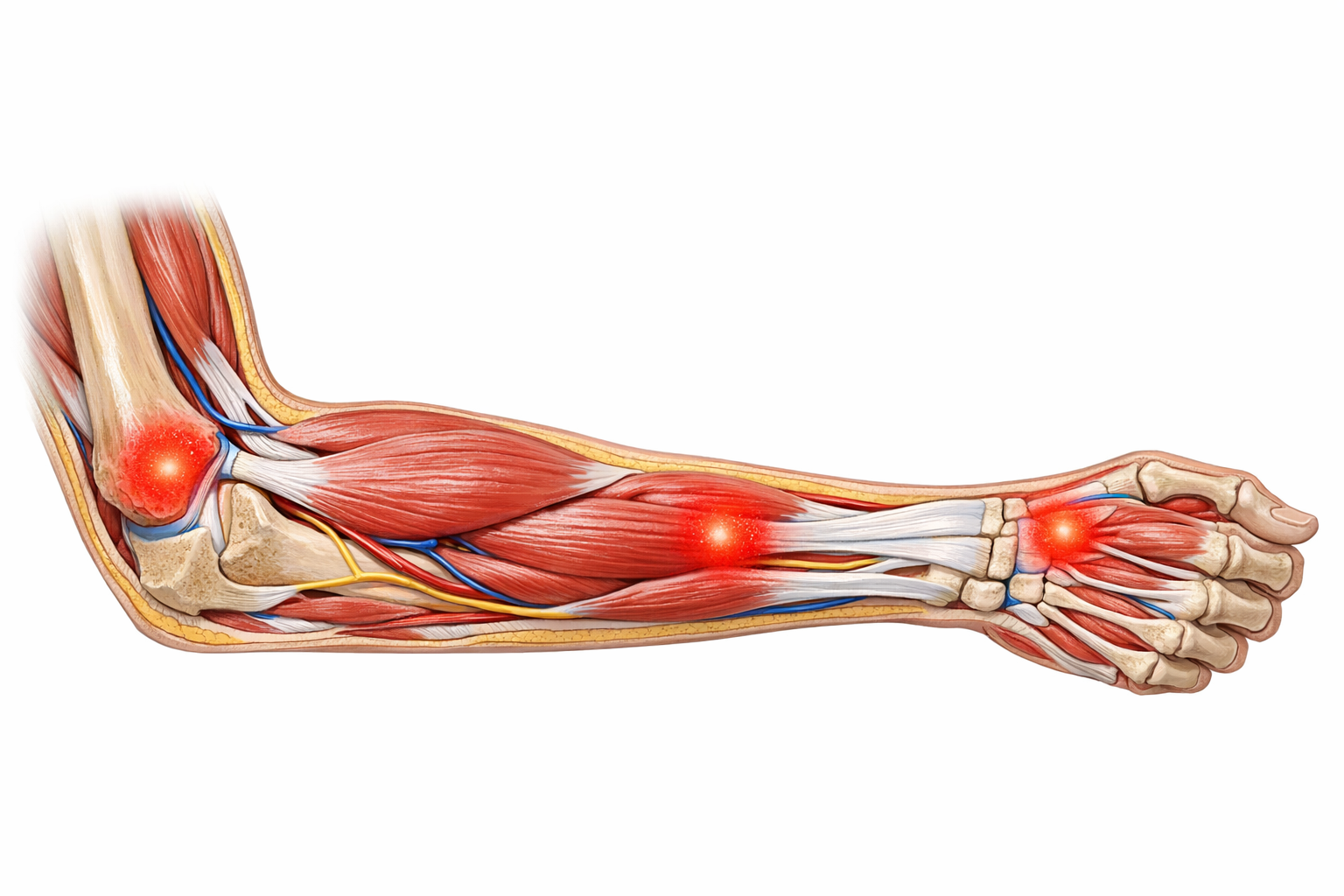
Repetitive strain injuries (RSI) occur when the same motions are performed repeatedly over extended periods, causing microscopic damage to muscles, tendons, and nerves. Unlike acute injuries from sudden trauma, RSI develops gradually as tissues become inflamed and weakened from overuse.
The arm contains complex networks of muscles, tendons, and joints that work together during movement. When these structures perform the same actions thousands of times daily, they experience cumulative stress that can exceed their natural healing capacity. This leads to inflammation, pain, and reduced function.
Common Symptoms of Repetitive Motion Pain
Recognizing early warning signs helps prevent minor discomfort from becoming chronic pain:
🔴 Aching or soreness – Persistent dull pain in the forearm, elbow, or upper arm
🔴 Stiffness – Reduced range of motion, especially after periods of rest
🔴 Weakness – Difficulty gripping objects or performing tasks that were previously easy
🔴 Tingling or numbness – Nerve-related symptoms indicating potential compression
🔴 Fatigue – Arms tire quickly during normal activities
These symptoms typically worsen with continued activity and may improve with rest, especially in early stages. However, without proper intervention, pain can become constant and significantly impact daily life.
Common Causes of Repetitive Motion Arm Pain
Understanding what triggers repetitive motion pain helps identify when an arm brace for repetitive motion pain might be beneficial:
Typing and Computer Work
Extended keyboard and mouse use creates repetitive stress on forearm muscles and wrist tendons. Poor ergonomics, such as improper desk height or wrist positioning, amplifies this strain. Office workers who type for 6+ hours daily face particularly high risk.
Manual Labor and Tool Use
Jobs requiring repetitive lifting, gripping, or tool operation stress arm muscles continuously. Construction workers, assembly line employees, and mechanics frequently develop RSI from prolonged tool use without adequate rest periods.
Sports Activities
Tennis, golf, baseball, and weightlifting involve repetitive arm motions that can overload specific muscle groups. Athletes who practice extensively without proper recovery time often experience overuse injuries.
Poor Posture or Ergonomics
Incorrect positioning during activities forces muscles to work harder than necessary. Hunched shoulders, extended reaches, or awkward angles increase strain on arm structures during repetitive tasks.
Many people benefit from specialized arm support for their specific occupations. For example, painters face unique arm strain challenges that require targeted prevention strategies.
Can an Arm Brace Help With Repetitive Motion Pain?
An arm brace for repetitive motion pain can provide significant relief by addressing multiple factors that contribute to discomfort:
Muscle and Tendon Support
Braces provide external support to overworked muscles and tendons, reducing the load they must bear during repetitive activities. This allows damaged tissues to heal while still permitting necessary movement.
Strain Reduction During Movement
By stabilizing joints and limiting excessive motion, braces help maintain proper biomechanics during repetitive tasks. This prevents further micro-trauma to already stressed tissues.
Improved Circulation
Compression from properly fitted braces enhances blood flow to affected areas, delivering nutrients needed for healing while removing inflammatory waste products.
Prevention of Symptom Progression
Early intervention with supportive bracing can prevent minor discomfort from developing into chronic pain conditions that require more intensive treatment.
“The key to managing repetitive strain injuries is early intervention. Arm braces provide the support needed to continue activities while allowing healing to occur.” – American Physical Therapy Association
However, braces work best as part of a comprehensive approach that includes ergonomic improvements, regular breaks, and proper exercise.
Types of Arm Braces for Repetitive Motion Pain
Selecting the right type of arm brace for repetitive motion pain depends on your specific symptoms and activities:
Compression Sleeves
Best for: General arm fatigue and mild discomfort
Compression sleeves provide uniform pressure along the entire forearm or upper arm. They’re made from elastic materials that improve circulation while offering light support during activities.
Benefits:
- Lightweight and comfortable for all-day wear
- Improves blood flow and reduces muscle fatigue
- Suitable for prevention and mild symptoms
- Easy to wear under clothing
Ideal users: Office workers, light manual laborers, athletes during training
Elbow Straps (Counterforce Braces)
Best for: Tennis elbow, golfer’s elbow, and tendonitis
These targeted braces apply pressure to specific tendons near the elbow joint, redirecting forces away from inflamed attachment points.
Benefits:
- Precise targeting of problem areas
- Allows normal movement while reducing tendon stress
- Effective for lateral and medial epicondylitis
- Compact design doesn’t restrict daily activities
Ideal users: Tennis players, golfers, carpenters, mechanics
Wraparound Arm Braces
Best for: Moderate to severe pain requiring adjustable support
These braces feature adjustable straps or closures that allow customized compression levels. They often include additional padding or stays for enhanced stability.
Benefits:
- Adjustable support levels throughout the day
- Better fit accommodation for swelling changes
- Enhanced stability for injured areas
- Suitable for various arm sizes
Ideal users: Manual laborers, athletes with existing injuries, post-rehabilitation support
Just as different knee conditions require specific support approaches, as discussed in our complete guide to choosing knee braces, arm pain also benefits from targeted brace selection.
Benefits of Using an Arm Brace
Incorporating an arm brace for repetitive motion pain into your daily routine offers multiple advantages:
✅ Reduces Strain from Repetitive Activity
Braces act as external support systems, sharing the load with your muscles and tendons. This reduction in stress allows overworked tissues to function more efficiently and experience less fatigue.
✅ Helps Manage Pain and Discomfort
The compression and support provided by braces can significantly reduce pain levels during activities. Many users report immediate relief when properly fitted braces are applied.
✅ Improves Endurance During Tasks
By reducing muscle fatigue and providing stability, braces help you maintain performance levels for longer periods. This is particularly valuable for workers who cannot take frequent breaks.
✅ Supports Injury Prevention
Proactive use of arm braces during high-risk activities can prevent the development of RSI. This preventive approach is far more effective than treating established injuries.
✅ Maintains Productivity
Unlike complete rest, which may not be practical for work or sports, braces allow continued activity with reduced risk of symptom progression.
How to Choose the Best Arm Brace
Selecting an effective arm brace for repetitive motion pain requires careful consideration of several factors:
Level of Support Needed
Light Support: Compression sleeves for prevention and mild symptoms
Moderate Support: Elbow straps for specific tendon issues
Maximum Support: Wraparound braces for severe pain or post-injury recovery
Assess your current pain level and activity demands to determine appropriate support intensity.
Breathable Material for Long Wear
Look for moisture-wicking fabrics that prevent skin irritation during extended use. Neoprene provides excellent support but may trap heat, while breathable synthetics offer comfort for all-day wear.
Proper Sizing and Fit
Measure your arm circumference at the widest part of your forearm and follow manufacturer sizing charts carefully. A properly fitted brace should feel snug but not restrict circulation.
Sizing Tips:
- Measure arms in the morning when swelling is minimal
- Check fit after 15-20 minutes of wear
- Ensure you can slide one finger under the brace edges
- Look for adjustable options if arm size varies throughout the day
Comfort During Movement
Test the brace through your typical range of motion. It should provide support without binding, pinching, or restricting necessary movements for your activities.
Similar to how proper knee brace fitting is crucial for effectiveness, arm braces require careful attention to sizing and positioning.

|
|

|
|
Our Rating:
4.5
|
Our Rating:
4.4
|
Our Rating:
4.9
|
|
Description: A removable wrist splint and two fixed plastic splints provide a high level of wrist support. Limits unconscious bending or twisting of the wrist during sleep, avoiding aggravation of inflammation or nerve compression due to improper posture |
Description: Wrist bracers can be adjusted according to their comfort level, our wrist band can ensure stability, not easy to fall off, wearing it our hand support is very comfortable. High quality soft breathable fabric, |
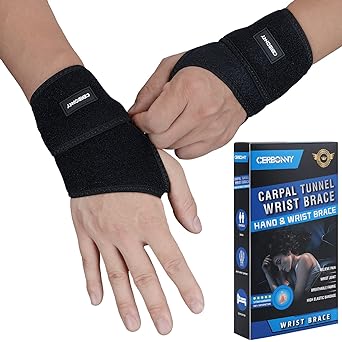
Description: Maximum Pain Relief: Our wrist support braces are designed to help you relieve the pain and get the support you need for all-day and all-night comfort. Commonly used by people suffering from carpal tunnel syndrome, tendinitis, arthritis, wrist sprains, strains, etc. |
|
$13.99
|
$15.95
|
$27.06
|
A removable wrist splint and two fixed plastic splints provide a high level of wrist support. Limits unconscious bending or twisting of the wrist during sleep, avoiding aggravation of inflammation or nerve compression due to improper posture
Wrist bracers can be adjusted according to their comfort level, our wrist band can ensure stability, not easy to fall off, wearing it our hand support is very comfortable. High quality soft breathable fabric,
Maximum Pain Relief: Our wrist support braces are designed to help you relieve the pain and get the support you need for all-day and all-night comfort. Commonly used by people suffering from carpal tunnel syndrome, tendinitis, arthritis, wrist sprains, strains, etc.
How to Use an Arm Brace Effectively
Maximizing the benefits of your arm brace for repetitive motion pain requires proper application and timing:
Wear During High-Repetition Activities
Put on your brace before beginning tasks that typically cause discomfort. This proactive approach prevents symptom onset rather than trying to manage existing pain.
Optimal timing:
- Before work shifts involving repetitive motions
- During sports practice or competition
- When performing household tasks that trigger symptoms
- Throughout activities that require sustained gripping or lifting
Ensure Proper Positioning on the Arm
Position the brace according to manufacturer instructions, typically 1-2 inches below the elbow for forearm support. The pressure point should align with your specific pain location.
Positioning guidelines:
- Center compression zones over problem areas
- Ensure straps lie flat without bunching
- Check that edges don’t dig into skin
- Verify proper alignment after initial movement
Avoid Wearing Too Tightly
While support is important, excessive compression can restrict blood flow and cause additional problems. The brace should feel supportive but not painful or numbing.
Warning signs of excessive tightness:
- Tingling or numbness below the brace
- Skin color changes (pale or blue)
- Increased pain or throbbing
- Swelling below the brace line
Combine with Rest and Recovery
Braces supplement but don’t replace proper recovery practices. Continue taking regular breaks, performing stretches, and allowing adequate rest between high-intensity activities.
Professionals in demanding fields, such as mechanics and hairstylists, often need specialized strategies for managing repetitive strain while maintaining work performance.
Additional Ways to Reduce Repetitive Motion Pain
While an arm brace for repetitive motion pain provides valuable support, combining it with other preventive measures creates the most effective long-term solution:
Take Frequent Breaks
Implement the 20-20-20 rule: Every 20 minutes, take a 20-second break and look at something 20 feet away. For arm-intensive work, add brief stretching or movement breaks every hour.
Effective break strategies:
- Set automatic reminders on your phone or computer
- Alternate between different types of tasks
- Use break time for gentle stretching or walking
- Avoid using break time for other repetitive activities
Stretch Arms and Wrists Regularly
Gentle stretching maintains flexibility and reduces muscle tension. Focus on movements that counteract your repetitive motions.
Essential stretches:
- Wrist flexor stretch: Extend arm forward, pull fingers back gently
- Wrist extensor stretch: Extend arm forward, push hand down with other hand
- Forearm rotation: Rotate forearms in circles with arms extended
- Shoulder rolls: Roll shoulders backward and forward to release tension
Improve Ergonomics
Optimize your workspace to reduce strain on arms and wrists during activities.
Ergonomic improvements:
- Adjust desk and chair height for neutral wrist position
- Use ergonomic keyboards and mouse pads with wrist support
- Position monitors at eye level to prevent forward head posture
- Ensure adequate lighting to avoid leaning forward
Strengthen Supporting Muscles
Building strength in arm and shoulder muscles improves endurance and reduces injury risk.
Strengthening exercises:
- Resistance band exercises for forearm muscles
- Wall push-ups for arm and shoulder stability
- Grip strengthening with stress balls or hand grippers
- Shoulder blade squeezes to improve posture
Common Mistakes to Avoid
Preventing these common errors helps ensure your arm brace for repetitive motion pain provides maximum benefit:
❌ Ignoring Early Warning Signs
Many people dismiss initial discomfort as normal fatigue, allowing minor issues to become serious injuries. Address symptoms promptly with appropriate support and activity modification.
❌ Overusing the Arm Without Rest
Braces enable continued activity but don’t eliminate the need for recovery. Pushing through pain, even with brace support, can worsen underlying damage.
❌ Relying Only on a Brace Without Lifestyle Changes
Braces provide temporary relief, but lasting improvement requires addressing root causes like poor ergonomics, inadequate breaks, or improper technique.
❌ Using the Wrong Type of Brace
Different conditions require specific support types. Using a compression sleeve for severe tendonitis or an elbow strap for general fatigue may provide inadequate relief.
❌ Poor Brace Maintenance
Dirty or worn-out braces lose effectiveness and may harbor bacteria. Follow cleaning instructions and replace braces when they lose elasticity or support.
When to Seek Medical Advice
While an arm brace for repetitive motion pain helps many people, certain symptoms require professional evaluation:
🚨 Persistent or Worsening Pain
If pain continues despite proper brace use, rest, and ergonomic improvements, underlying damage may require medical treatment. Don’t delay seeking help if symptoms progressively worsen.
🚨 Numbness or Tingling
Nerve-related symptoms suggest possible compression or inflammation that may need specific medical intervention. These symptoms can indicate conditions like carpal tunnel syndrome or cubital tunnel syndrome.
🚨 Difficulty Performing Everyday Tasks
When pain interferes with basic activities like gripping objects, lifting lightweight items, or personal care tasks, professional assessment is necessary.
🚨 Signs of Serious Injury
Seek immediate medical attention for:
- Sudden, severe pain
- Visible swelling or deformity
- Complete loss of function
- Signs of infection (fever, red streaking, warmth)
Healthcare providers can perform diagnostic tests, prescribe appropriate treatments, and recommend specialized therapy when needed. Early professional intervention often prevents minor issues from becoming chronic conditions.
Similar to how knee pain sometimes requires professional evaluation to determine the best treatment approach, persistent arm pain benefits from expert assessment.
Conclusion
An arm brace for repetitive motion pain serves as a valuable tool for managing discomfort and preventing further injury during daily activities. By providing targeted support to overworked muscles and tendons, these devices help reduce strain while allowing you to maintain necessary productivity levels.
The key to success lies in selecting the appropriate brace type for your specific condition, ensuring proper fit and positioning, and combining brace use with comprehensive prevention strategies. Compression sleeves work well for general fatigue and prevention, while elbow straps target specific tendon issues, and wraparound braces provide adjustable support for more severe symptoms.
Remember that braces supplement but don’t replace good ergonomics, regular breaks, and proper recovery practices. The most effective approach combines supportive bracing with workplace improvements, strengthening exercises, and attention to early warning signs.
Take action today by:
- Assessing your current symptoms and risk factors
- Researching appropriate brace options for your needs
- Implementing ergonomic improvements in your workspace
- Establishing regular break and stretching routines
- Consulting healthcare providers for persistent or worsening symptoms
Early intervention with proper support and preventive measures can help you maintain arm health and continue performing the activities you need without sacrificing long-term comfort and function.