

Over 12 million Americans seek medical treatment for repetitive strain injuries each year, making it one of the most common workplace health issues in 2026. Whether you spend hours typing at a computer, work in manual labor, or engage in repetitive sports activities, your arms bear the brunt of countless repeated motions that can lead to chronic pain and discomfort.
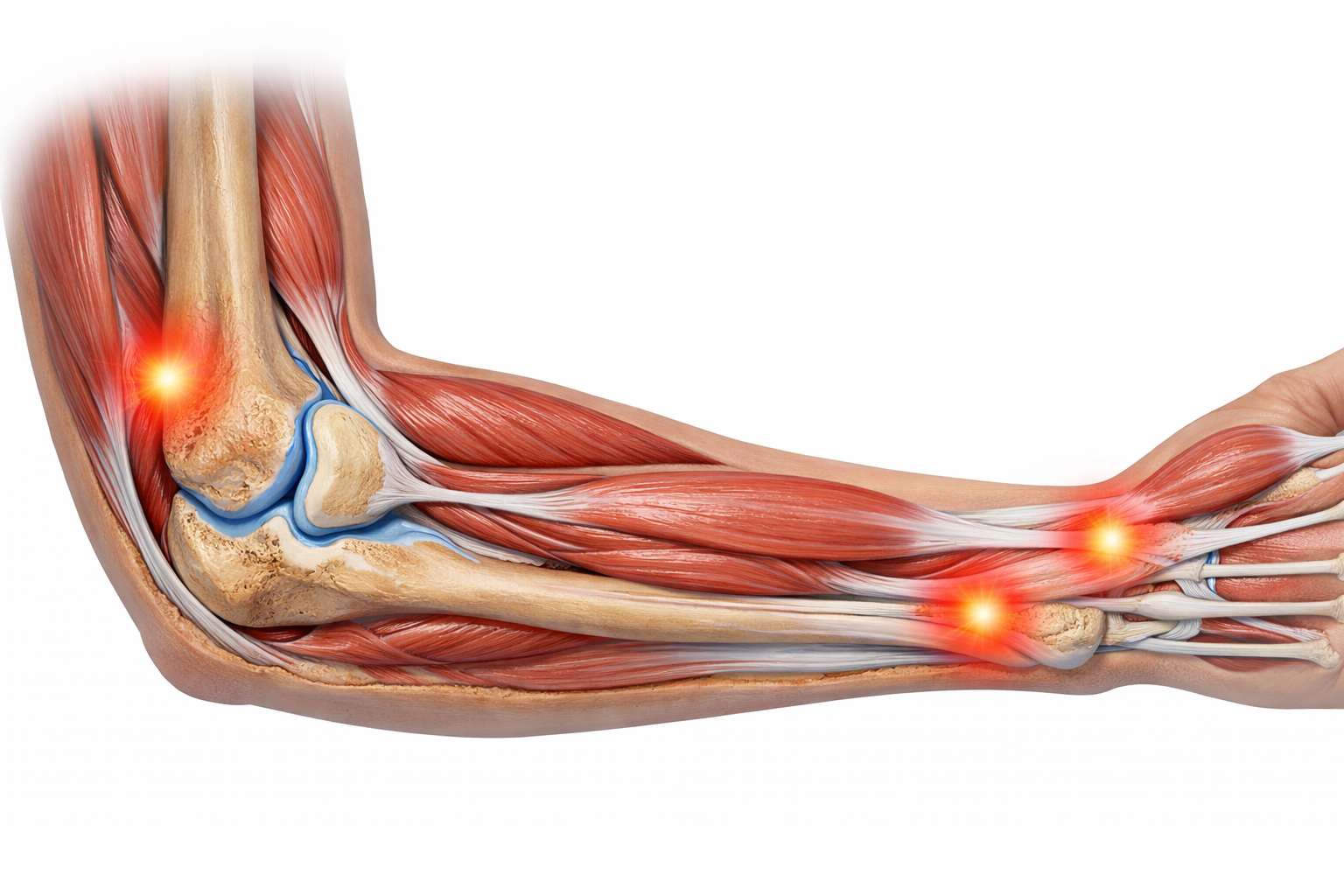
When daily activities become painful, many people turn to an arm brace for repetitive motion pain as their first line of defense. These supportive devices offer a practical, non-invasive way to manage discomfort while continuing essential tasks. This comprehensive guide explores how arm braces can provide relief, which types work best for different situations, and how to choose the right support for your specific needs.
Key Takeaways
• Repetitive strain injuries affect millions of people annually, causing pain, stiffness, and reduced function in the arms
• Arm braces provide targeted support and compression to reduce strain on overworked muscles and tendons
• Different brace types serve specific purposes – from light compression sleeves to targeted elbow straps
• Proper selection and use of an arm brace, combined with ergonomic improvements, offers the best results
• Early intervention with supportive devices can prevent minor discomfort from developing into chronic conditions
What Is Repetitive Motion Pain?
Repetitive motion pain, also known as repetitive strain injury (RSI), occurs when muscles, tendons, and nerves become damaged from performing the same movements over and over again. Unlike acute injuries that happen suddenly, RSI develops gradually as tissues become inflamed and irritated from constant use without adequate recovery time.
The human arm contains a complex network of muscles, tendons, and joints that work together to perform precise movements. When these structures repeat the same motion hundreds or thousands of times daily, microscopic damage accumulates faster than the body can repair it. This leads to inflammation, pain, and eventually functional limitations.
Common Symptoms Include:
- Aching or soreness that worsens with activity
- Stiffness especially in the morning or after periods of rest
- Fatigue in the affected muscles during routine tasks
- Weakness or reduced grip strength
- Tingling or numbness in severe cases
- Sharp pain during specific movements
Early recognition and management of these symptoms is crucial. What starts as mild discomfort can progress to debilitating pain that interferes with work, hobbies, and daily activities. The sooner you address repetitive motion pain, the better your chances of preventing long-term complications.
Common Causes of Repetitive Motion Arm Pain
Understanding what triggers repetitive motion pain helps you identify risk factors and take preventive action. The modern lifestyle exposes most people to multiple risk factors simultaneously, making arm pain increasingly common across all age groups.
Typing and Computer Work 💻
Extended computer use represents the leading cause of arm RSI in 2026. The combination of repetitive finger movements, sustained wrist positions, and poor ergonomics creates perfect conditions for strain injuries. Office workers often type 8,000-10,000 keystrokes per hour, putting enormous stress on the forearm muscles and tendons.
Manual Labor and Tool Use 🔧
Construction workers, mechanics, and manufacturing employees face high rates of arm RSI from:
- Repetitive lifting and carrying
- Prolonged tool use with vibration
- Overhead reaching and gripping
- Assembly line work requiring precise, repeated motions
Sports Activities ⚾
Athletes in certain sports experience predictable patterns of arm strain:
- Tennis players develop “tennis elbow” from repetitive racquet swinging
- Golfers strain their arms from repeated swing motions
- Baseball pitchers stress their throwing arms through high-velocity, repetitive motions
- Weightlifters can develop pain from repeated lifting patterns
Poor Ergonomics and Posture
Workplace setup significantly impacts arm strain. Common ergonomic problems include:
- Desks too high or low for proper arm positioning
- Computer mice placed too far from the body
- Keyboards that force awkward wrist angles
- Chairs without proper arm support
Lack of Rest and Recovery
Modern work culture often discourages taking breaks, but muscles and tendons need regular rest to repair microscopic damage. Working through pain or fatigue accelerates the development of chronic conditions.
Can an Arm Brace Help With Repetitive Motion Pain?
An arm brace for repetitive motion pain can provide significant relief when used correctly as part of a comprehensive management strategy. These devices work through several mechanisms to reduce strain and promote healing in overworked tissues.
Provides Targeted Support 🎯
Braces offer external support to muscles and tendons that are working overtime. By sharing the load, they reduce the stress on inflamed tissues and allow natural healing processes to occur. This support is particularly valuable during activities that typically trigger pain.
Reduces Strain During Movement
A well-fitted brace helps maintain proper alignment and limits excessive motion that can aggravate injured tissues. This controlled movement allows you to continue necessary activities while protecting healing structures from further damage.
Improves Circulation Through Compression 🩸
Many arm braces incorporate compression technology that enhances blood flow to the affected area. Improved circulation delivers more oxygen and nutrients to healing tissues while helping remove inflammatory waste products that contribute to pain and stiffness.
Prevents Symptom Progression
Early use of an arm brace can prevent minor discomfort from developing into chronic, debilitating conditions. By reducing daily strain accumulation, braces help break the cycle of injury and re-injury that characterizes progressive RSI.
Enhances Confidence and Function
Many people with arm pain develop movement anxiety, avoiding activities that might trigger discomfort. A supportive brace can restore confidence in arm function and help maintain normal activity levels during the healing process.
Similar to how knee braces provide targeted support for joint pain, arm braces offer specialized relief for upper extremity repetitive strain injuries.

|
|

|
|
Our Rating:
4.5
|
Our Rating:
4.4
|
Our Rating:
4.9
|
|
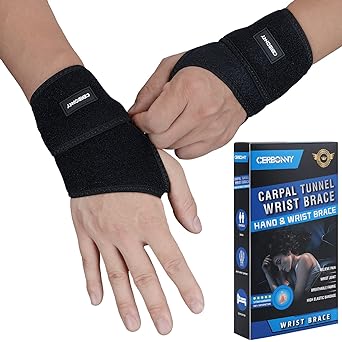
Description: A removable wrist splint and two fixed plastic splints provide a high level of wrist support. Limits unconscious bending or twisting of the wrist during sleep, avoiding aggravation of inflammation or nerve compression due to improper posture |
Description: Wrist bracers can be adjusted according to their comfort level, our wrist band can ensure stability, not easy to fall off, wearing it our hand support is very comfortable. High quality soft breathable fabric, |
Description: Maximum Pain Relief: Our wrist support braces are designed to help you relieve the pain and get the support you need for all-day and all-night comfort. Commonly used by people suffering from carpal tunnel syndrome, tendinitis, arthritis, wrist sprains, strains, etc. |
|
$13.99
|
$15.95
|
$27.06
|
A removable wrist splint and two fixed plastic splints provide a high level of wrist support. Limits unconscious bending or twisting of the wrist during sleep, avoiding aggravation of inflammation or nerve compression due to improper posture
Wrist bracers can be adjusted according to their comfort level, our wrist band can ensure stability, not easy to fall off, wearing it our hand support is very comfortable. High quality soft breathable fabric,
Maximum Pain Relief: Our wrist support braces are designed to help you relieve the pain and get the support you need for all-day and all-night comfort. Commonly used by people suffering from carpal tunnel syndrome, tendinitis, arthritis, wrist sprains, strains, etc.
Types of Arm Braces for Repetitive Motion Pain
Choosing the right type of arm brace for repetitive motion pain depends on your specific symptoms, activity level, and the location of your discomfort. Each style offers unique benefits for different situations and severity levels.
Compression Sleeves 🧤
Compression sleeves provide gentle, uniform pressure along the entire forearm and are ideal for people with mild to moderate repetitive strain symptoms.
Benefits:
- Light, even compression improves circulation
- Comfortable for all-day wear
- Maintains full range of motion
- Machine washable and durable
- Discreet under clothing
Best For:
- Computer workers with general arm fatigue
- Athletes during training and competition
- People with early-stage RSI symptoms
- Those who need support during light activities
Elbow Straps (Counterforce Braces) 🎾
These targeted braces focus pressure on specific tendons near the elbow joint, making them highly effective for localized pain conditions like tennis elbow or golfer’s elbow.
Benefits:
- Precise pressure on affected tendons
- Reduces strain on elbow attachment points
- Allows normal wrist and shoulder movement
- Quick and easy to apply
- Effective for acute flare-ups
Best For:
- Tennis elbow (lateral epicondylitis)
- Golfer’s elbow (medial epicondylitis)
- Localized tendon pain near the elbow
- Activities involving gripping and twisting motions
Wraparound Arm Braces 🔄
Adjustable wraparound designs offer customizable support levels and can be modified throughout the day based on activity demands and comfort needs.
Benefits:
- Adjustable compression and support
- Can target specific problem areas
- Easy to put on and remove
- Suitable for varying activity levels
- Good for moderate discomfort
Best For:
- People with fluctuating symptoms
- Those who need different support levels throughout the day
- Moderate repetitive strain injuries
- Users who want maximum adjustability
Hybrid Braces 🔀
Advanced designs that combine compression sleeves with targeted support elements, offering comprehensive protection for complex or severe repetitive strain conditions.
Benefits:
- Multiple support mechanisms in one device
- Comprehensive coverage for complex conditions
- Professional-grade materials and construction
- Suitable for serious athletes and workers
- Maximum protection during high-demand activities
Best For:
- Severe or chronic repetitive strain injuries
- Professional athletes and heavy manual workers
- People with multiple problem areas
- Those who need maximum support and protection
Just as there are various knee brace options for different types of pain, arm braces come in multiple configurations to address specific repetitive motion issues.
What to Look for in the Best Arm Brace
Selecting an effective arm brace for repetitive motion pain requires careful consideration of several key factors that directly impact comfort, effectiveness, and long-term satisfaction with your choice.
Comfortable Fit for Extended Wear ✅
Since repetitive strain often requires long-term management, your brace must remain comfortable during extended use. Look for:
- Seamless construction that won’t create pressure points
- Soft, padded edges that won’t dig into your skin
- Contoured design that follows your arm’s natural shape
- Multiple size options for proper fit across different arm dimensions
Breathable Materials 🌬️
All-day wear demands materials that manage moisture and prevent skin irritation:
- Moisture-wicking fabrics that keep skin dry
- Mesh panels for enhanced ventilation
- Antimicrobial treatments to prevent odor buildup
- Quick-drying materials for easy maintenance
Adjustable Compression Levels 🎛️
Your support needs may vary throughout the day and as your condition improves:
- Variable tension straps for customized pressure
- Multiple adjustment points for precise fit
- Easy-to-use fastening systems for quick modifications
- Graduated compression that’s stronger in key areas
Lightweight and Flexible Design 🪶
The best braces provide support without restricting normal movement:
- Thin profile that fits under clothing
- Flexible materials that move with your arm
- Strategic reinforcement only where needed
- Minimal bulk for unrestricted function
Secure Fit That Stays in Place 🔒
A brace that slides or shifts during use loses effectiveness and becomes annoying:
- Silicone grip strips to prevent sliding
- Anatomical shaping for natural fit
- Quality fasteners that maintain tension
- Proper sizing guidelines from the manufacturer
How to Choose the Right Arm Brace
Selecting the most appropriate arm brace for repetitive motion pain involves matching your specific needs with the right type and features of support device.
Match Brace Type to Pain Severity 📊
Mild Symptoms (1-3/10 pain scale):
- Compression sleeves for general support
- Light, breathable materials
- Focus on prevention and comfort
Moderate Symptoms (4-6/10 pain scale):
- Wraparound braces with adjustable support
- Targeted compression for problem areas
- Balance between support and mobility
Severe Symptoms (7-10/10 pain scale):
- Hybrid braces with maximum support
- Professional-grade materials
- Consider medical consultation
Consider Your Daily Activities 🏃♂️
Office Workers:
- Prioritize all-day comfort and discretion
- Choose breathable materials for extended wear
- Ensure compatibility with keyboard and mouse use
Manual Laborers:
- Focus on durability and protection
- Select moisture-resistant materials
- Ensure secure fit during physical activity
Athletes:
- Balance support with performance needs
- Choose sport-specific designs when available
- Consider competition regulations and requirements
Prioritize Comfort for Long-Term Wear 😌
Since repetitive strain injuries often require weeks or months of management:
- Try before buying when possible
- Read user reviews focusing on comfort
- Consider starting with lighter support and upgrading if needed
- Ensure easy care and maintenance
Ensure Proper Sizing and Fit 📏
Incorrect sizing is the leading cause of brace failure:
- Measure your arm according to manufacturer guidelines
- Consider swelling patterns throughout the day
- Account for clothing layers you’ll wear underneath
- When between sizes, consult customer service for guidance
Understanding how to choose the right support device applies similar principles whether you’re selecting arm or knee braces.
How to Use an Arm Brace Effectively
Proper use of your arm brace for repetitive motion pain maximizes its benefits and helps prevent complications. Following these guidelines ensures you get the most value from your investment in pain relief.
Wear During High-Risk Activities ⚠️
Target brace use during times when your arm experiences the most strain:
- Computer work sessions longer than 30 minutes
- Manual labor tasks involving repetitive motions
- Sports activities that stress your arm
- Household chores like cleaning or gardening
Ensure Proper Positioning 🎯
Correct placement is crucial for effectiveness:
- Follow manufacturer instructions for positioning landmarks
- Center support elements over problem areas
- Align compression zones with affected muscles and tendons
- Check positioning regularly throughout the day
Avoid Over-Tightening ⚖️
Too much compression can cause more harm than good:
- Snug but not tight – you should be able to slide a finger underneath
- Monitor for numbness or tingling which indicates excessive pressure
- Loosen during rest periods to promote circulation
- Remove if swelling increases significantly
Combine with Recovery Strategies 🔄
Braces work best as part of a comprehensive approach:
- Take regular breaks from repetitive activities
- Perform gentle stretches throughout the day
- Apply ice or heat as recommended by healthcare providers
- Maintain good posture and ergonomics
Gradual Introduction 📈
Start slowly to allow your body to adjust:
- Begin with 1-2 hours of wear initially
- Gradually increase duration as comfort improves
- Monitor skin condition for signs of irritation
- Adjust fit as swelling decreases with treatment
For those dealing with multiple joint issues, understanding whether knee braces actually help can provide insights into realistic expectations for arm brace effectiveness.
Additional Ways to Reduce Repetitive Motion Pain
While an arm brace for repetitive motion pain provides valuable support, combining it with other strategies creates the most effective treatment approach for long-term relief and prevention.
Take Frequent Breaks ⏰
Regular rest periods allow tissues to recover and prevent strain accumulation:
- Follow the 20-20-20 rule: Every 20 minutes, take a 20-second break and look at something 20 feet away
- Micro-breaks: 30-second pauses every 10 minutes during intensive tasks
- Longer breaks: 5-10 minute breaks every hour for stretching and movement
- Lunch breaks: Step away completely from repetitive activities
Improve Ergonomics 🖥️
Proper workplace setup reduces strain on your arms and prevents future injuries:
Desk Setup:
- Monitor height: Top of screen at or slightly below eye level
- Keyboard position: Elbows at 90-degree angles
- Mouse placement: Close to keyboard, same height
- Chair support: Armrests support forearms without lifting shoulders
Tool Modifications:
- Ergonomic keyboards reduce wrist strain
- Vertical mice maintain natural arm position
- Padded tool handles reduce grip pressure
- Anti-vibration gloves for power tool use
Stretch and Strengthen 💪
Targeted exercises improve flexibility and build resilience:
Daily Stretches:
- Wrist flexor stretch: Extend arm, pull hand back gently
- Wrist extensor stretch: Extend arm, push hand down gently
- Shoulder rolls: Forward and backward circles
- Neck stretches: Side bends and gentle rotations
Strengthening Exercises:
- Grip strengthening: Squeeze stress ball or therapy putty
- Resistance band exercises: Controlled arm movements
- Eccentric exercises: Slow, controlled muscle lengthening
- Progressive loading: Gradually increase exercise intensity
Gradually Reduce Strain 📉
Systematic reduction in repetitive activities allows healing while maintaining function:
- Task rotation: Alternate between different types of work
- Voice recognition software: Reduce typing demands
- Delegation: Share repetitive tasks when possible
- Automation: Use tools and technology to reduce manual work
Heat and Cold Therapy 🧊🔥
Temperature treatments complement brace use for enhanced relief:
- Ice: 15-20 minutes for acute pain and inflammation
- Heat: 15-20 minutes for stiffness and muscle tension
- Contrast therapy: Alternating hot and cold treatments
- Timing: Ice after activity, heat before activity
Similar to comprehensive knee pain management strategies, effective arm pain treatment requires multiple approaches working together.
Common Mistakes to Avoid
Understanding what not to do when managing repetitive motion pain is just as important as knowing the right strategies. These common mistakes can delay healing and worsen your condition.
Ignoring Early Warning Signs 🚨
Many people dismiss initial symptoms as “just part of the job” or temporary discomfort:
- Mild aching after work that doesn’t resolve with rest
- Morning stiffness that takes longer to improve
- Decreased grip strength during routine tasks
- Fatigue in arm muscles during normal activities
The Fix: Take any persistent arm discomfort seriously and begin protective measures immediately.
Overusing Without Rest 🔄
Pushing through pain often makes repetitive strain injuries worse:
- “No pain, no gain” mentality doesn’t apply to RSI
- Working overtime without adequate recovery time
- Skipping breaks to meet deadlines or goals
- Continuing painful activities hoping they’ll improve
The Fix: Respect your body’s signals and prioritize recovery time.
Incorrect Brace Use ❌
Even the best arm brace for repetitive motion pain won’t help if used improperly:
- Wearing too tightly and restricting circulation
- Wrong size selection that doesn’t provide proper support
- Inconsistent use that doesn’t allow benefits to accumulate
- Poor positioning that misses the target area
The Fix: Follow manufacturer instructions carefully and adjust based on comfort and effectiveness.
Relying Solely on Braces 🩹
While braces are valuable tools, they’re not complete solutions:
- Ignoring ergonomic improvements in your workspace
- Skipping exercises and stretches that build resilience
- Not addressing underlying causes of strain
- Avoiding lifestyle changes that reduce repetitive stress
The Fix: Use braces as part of a comprehensive management strategy.
Waiting Too Long for Professional Help ⏳
Delayed treatment often leads to more complex, chronic conditions:
- Hoping symptoms will resolve on their own
- Fear of medical costs or time off work
- Minimizing symptom severity to yourself and others
- Self-treating beyond your knowledge and experience
The Fix: Seek professional evaluation when symptoms persist or worsen despite conservative measures.
Learning from common knee brace mistakes can help you avoid similar errors with arm braces.
When to Seek Medical Advice
While an arm brace for repetitive motion pain and self-care strategies help many people, certain symptoms require professional medical evaluation to prevent serious complications.
Persistent or Worsening Pain 📈
Seek medical attention if your arm pain:
- Continues for more than 2-3 weeks despite conservative treatment
- Gradually worsens over time instead of improving
- Interferes with sleep or wakes you at night
- Requires increasing amounts of pain medication for relief
Neurological Symptoms 🧠
These signs suggest nerve involvement that needs immediate attention:
- Numbness or tingling in your fingers or hand
- Electric shock sensations shooting down your arm
- Weakness that affects your ability to grip objects
- Loss of fine motor control for detailed tasks
Functional Limitations 🚫
Professional help is needed when symptoms significantly impact daily life:
- Unable to perform essential work tasks
- Difficulty with basic activities like dressing or eating
- Avoiding activities you previously enjoyed
- Compensatory movements that create new problems
Signs of Serious Conditions ⚠️
Some symptoms suggest conditions requiring immediate medical care:
- Severe, sudden onset of arm pain
- Swelling, redness, or warmth suggesting infection
- Complete loss of function in your arm or hand
- Symptoms affecting both arms simultaneously
When Conservative Treatment Fails 🔄
If you’ve tried appropriate self-care measures for several weeks without improvement:
- Proper ergonomics and workplace modifications
- Regular use of appropriate arm brace
- Rest and activity modification as recommended
- Over-the-counter pain management as directed
What to Expect from Medical Evaluation:
- Detailed history of your symptoms and activities
- Physical examination of your arm, neck, and shoulder
- Possible imaging studies like X-rays or MRI
- Nerve conduction tests if nerve problems are suspected
- Treatment recommendations which may include physical therapy, injections, or other interventions
Understanding when professional help is needed for joint pain applies similar principles for both arm and knee conditions.
Frequently Asked Questions
Do arm braces help repetitive motion pain?
Yes, arm braces can significantly help with repetitive motion pain by providing support to overworked muscles and tendons, reducing strain during activities, and improving circulation through compression. They’re most effective when used as part of a comprehensive approach that includes ergonomic improvements, regular breaks, and proper exercise.
Can you wear an arm brace all day?
Most people can safely wear an arm brace for repetitive motion pain throughout their workday, but it’s important to remove it periodically to allow skin to breathe and circulation to normalize. Start with shorter periods and gradually increase wear time as your comfort improves. Remove the brace if you experience numbness, tingling, or increased swelling.
What type of brace is best for RSI?
The best brace type depends on your specific symptoms and severity:
- Compression sleeves work well for mild, general arm fatigue
- Elbow straps are ideal for localized tendon pain like tennis elbow
- Wraparound braces offer adjustable support for moderate symptoms
- Hybrid braces provide maximum support for severe or complex conditions
How long does repetitive strain take to heal?
Healing time varies significantly based on severity, how long symptoms have been present, and treatment compliance. Mild cases may improve in 2-4 weeks with proper care, while chronic conditions can take several months. Early intervention with appropriate treatment, including use of an arm brace, typically leads to faster recovery.
Should I wear my arm brace during exercise?
This depends on the type of exercise and your specific condition. Light activities and stretching can often be done while wearing a brace, but intense exercise may require removal to prevent overheating and allow full range of motion. Consult with a healthcare provider or physical therapist for exercise-specific guidance.
Can I sleep with an arm brace on?
Generally, it’s not recommended to sleep with an arm brace unless specifically advised by a healthcare provider. Nighttime wear can restrict circulation and cause skin irritation. Most people benefit more from proper sleep positioning and ergonomic pillows to support their arms during rest.
For additional guidance on brace selection and use, explore our comprehensive guide to choosing the right support device for your specific needs.
Conclusion
An arm brace for repetitive motion pain can be a valuable tool in your journey toward relief and recovery, but success depends on choosing the right type, using it correctly, and combining it with other proven strategies. The key is taking action early, before minor discomfort develops into a chronic, debilitating condition.
Remember that effective management requires a comprehensive approach. While your arm brace provides crucial support during high-risk activities, combining it with ergonomic improvements, regular breaks, targeted exercises, and proper rest creates the best foundation for long-term success.
Your Next Steps:
- Assess your symptoms honestly and identify the activities that trigger your pain
- Choose an appropriate arm brace based on your symptom severity and daily activities
- Implement ergonomic improvements in your workspace and daily routines
- Establish a routine of regular breaks, stretches, and recovery strategies
- Monitor your progress and seek professional help if symptoms persist or worsen
Don’t let repetitive motion pain control your life. With the right combination of support, lifestyle modifications, and professional guidance when needed, you can return to the activities you enjoy while protecting your arms from future injury. Start with small changes today, and build toward a comprehensive strategy that keeps you active and pain-free for years to come.
For those dealing with additional joint concerns, explore our related guides on joint pain relief strategies and chronic pain management to develop a complete approach to musculoskeletal health.