

Over 30% of adults experience arm or elbow pain that worsens during sleep, turning what should be restorative hours into periods of discomfort and restless tossing. The search for relief leads many to discover that an arm brace for sleeping with elbow pain can transform their nighttime experience from painful interruptions to peaceful, healing rest.
Elbow pain doesn’t follow a 9-to-5 schedule. While daytime activities might distract from the discomfort, nighttime brings a different challenge. The stillness of sleep often amplifies pain signals, and common sleeping positions can place additional strain on already irritated joints and tendons. Whether dealing with tennis elbow, tendonitis, or nerve compression, finding the right support system becomes crucial for both immediate comfort and long-term healing.
This comprehensive guide explores how the right arm brace can provide the support needed for pain-free sleep, covering everything from understanding why elbow pain intensifies at night to selecting the perfect brace for individual needs.
Key Takeaways
• Nighttime elbow pain worsens due to reduced movement, poor positioning, and nerve compression during sleep
• Arm braces provide essential support by maintaining neutral positioning and reducing strain on tendons and joints
• Different brace types serve different needs – from soft compression sleeves for mild pain to immobilization braces for severe conditions
• Proper fit and materials matter – breathable, padded designs ensure comfort during extended nighttime wear
• Combining braces with proper sleep positioning maximizes pain relief and promotes better healing
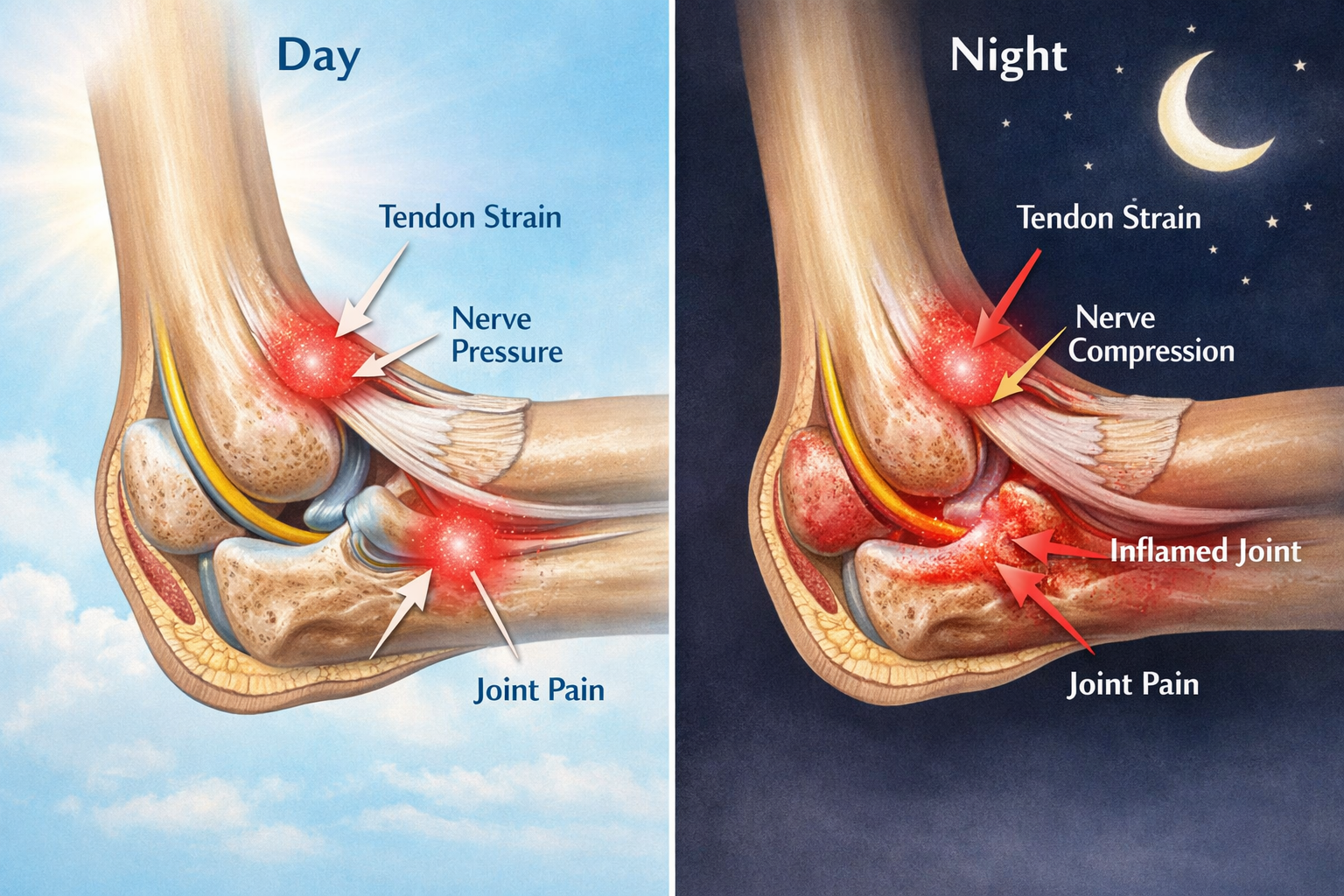
Why Elbow Pain Gets Worse at Night
Understanding why elbow discomfort intensifies during sleep hours helps explain why an arm brace for sleeping with elbow pain becomes such an effective solution. Several physiological and positional factors contribute to increased nighttime symptoms.
Reduced Movement and Stiffness
During sleep, the natural movement that keeps joints flexible throughout the day comes to a halt. This prolonged stillness allows inflammation to settle in affected areas, creating morning stiffness and increased pain sensitivity. The elbow joint, already dealing with conditions like tennis elbow or tendonitis, becomes more rigid without regular movement to promote circulation.
Problematic Sleep Positions
Common sleeping positions often place the elbow in compromised positions for extended periods. Side sleepers frequently bend their arm under their pillow or body, creating sustained pressure on the joint. Back sleepers might allow their arm to fall into awkward angles, while stomach sleepers often twist their arms unnaturally.
Nerve Compression Issues
The ulnar nerve, which runs along the inside of the elbow, becomes particularly vulnerable during sleep. Prolonged bending or pressure can cause the familiar “funny bone” sensation to intensify into genuine pain and numbness that disrupts sleep quality.
Common Conditions Affecting Sleep
- Tennis Elbow (Lateral Epicondylitis): Inflammation of tendons on the outside of the elbow worsens with sustained positioning
- Golfer’s Elbow (Medial Epicondylitis): Similar inflammation on the inside of the elbow joint
- Cubital Tunnel Syndrome: Nerve compression that intensifies with elbow flexion during sleep
- General Tendonitis: Any inflammatory condition affecting the elbow’s supporting structures
The importance of proper nighttime support becomes clear when considering these factors. Without intervention, poor sleep positioning can actually slow healing and perpetuate the cycle of pain and inflammation.
Can an Arm Brace Help While Sleeping?
The effectiveness of using an arm brace for sleeping with elbow pain lies in its ability to address the root causes of nighttime discomfort. Rather than simply masking symptoms, a well-designed brace provides structural support that promotes healing while ensuring comfortable rest.
Maintaining Neutral Positioning
A quality arm brace keeps the elbow in an optimal position throughout the night, preventing the harmful flexion and extension that can aggravate existing conditions. This neutral positioning reduces stress on inflamed tendons and allows natural healing processes to occur without interruption.
Reducing Tendon and Joint Strain
By providing external support, an arm brace takes pressure off overworked tendons and ligaments. This is particularly beneficial for conditions like tennis elbow, where repetitive strain has created microscopic tears in the tendon tissue. The brace essentially acts as a backup support system, allowing damaged tissues to rest and repair.
Preventing Unconscious Movement
During sleep, people naturally shift positions without awareness. These unconscious movements can place the injured elbow in compromising positions that restart the inflammation cycle. A properly fitted brace serves as a gentle reminder to the body, maintaining proper alignment even during deep sleep phases.
Improving Overall Sleep Quality
Pain disrupts sleep cycles, preventing the deep, restorative sleep necessary for healing. By reducing nighttime pain episodes, an arm brace can help restore normal sleep patterns. Better sleep quality, in turn, supports the body’s natural healing processes and reduces overall pain sensitivity.
The key lies in selecting a brace specifically designed for overnight use. Unlike daytime braces that might prioritize rigid support for active use, nighttime braces focus on comfort while maintaining therapeutic positioning.
|

|

|
|
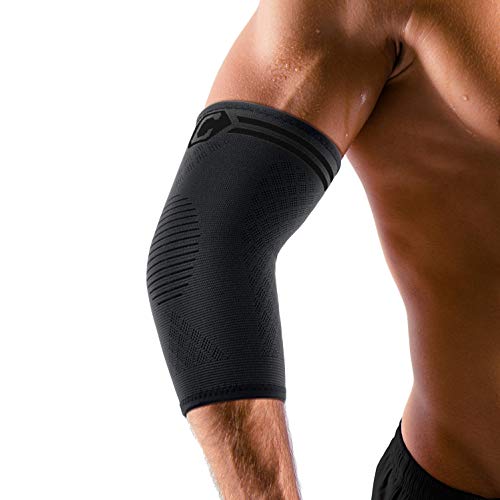
Description: TARGETED PAIN RELIEF & BOOSTED RECOVERY - Engineered with graduated compression, our elbow sleeves apply targeted support to key joint areas to help relieve discomfort associated with tennis elbow, tendonitis, and arthritis. |
Description: GOOD PERFORMANCE - The elbow brace applies even pressure to the elbow joint and elbow muscles, which can relieve tennis elbow, tendonitis, joint inflammation, golfer's elbow and other elbow pains, etc. |
Description: Our elbow brace is great for treating tendonitis, arthritis, sprained bones, strained ligaments, cubital Tunnel,ulnar nerve. Provides optimal support and compression to the elbow joint, reducing pain and preventing further injury during activities |
|
Our Rating:
4.8
|
Our Rating:
4.5
|
Our Rating:
4.4
|
|
$9.99
|
$9.99
|
$7.97
|
TARGETED PAIN RELIEF & BOOSTED RECOVERY - Engineered with graduated compression, our elbow sleeves apply targeted support to key joint areas to help relieve discomfort associated with tennis elbow, tendonitis, and arthritis.
GOOD PERFORMANCE - The elbow brace applies even pressure to the elbow joint and elbow muscles, which can relieve tennis elbow, tendonitis, joint inflammation, golfer's elbow and other elbow pains, etc.
Our elbow brace is great for treating tendonitis, arthritis, sprained bones, strained ligaments, cubital Tunnel,ulnar nerve. Provides optimal support and compression to the elbow joint, reducing pain and preventing further injury during activities
Types of Arm Braces for Sleeping With Elbow Pain
Choosing the right arm brace for sleeping with elbow pain requires understanding the different types available and their specific benefits. Each design addresses different severity levels and types of elbow conditions.
Soft Compression Sleeves
Design and Function
Soft compression sleeves represent the gentlest form of nighttime elbow support. Made from breathable, stretchy materials like neoprene or elastic fabric, these sleeves provide mild compression and warmth to the affected area.
Best Applications
- Mild elbow discomfort or early-stage conditions
- General joint stiffness that worsens overnight
- Situations where full immobilization isn’t necessary
- People who find rigid braces too restrictive for sleep
Advantages for Sleep
The lightweight design makes these sleeves barely noticeable during sleep, while the gentle compression promotes blood flow and reduces minor swelling. They’re also easy to put on and adjust, making them ideal for people who need to remove or reposition their brace during the night.
Wraparound Arm Braces
Adjustable Support Features
Wraparound braces use velcro straps or similar fastening systems to provide customizable support levels. This adjustability makes them particularly suitable for overnight use, as users can modify the tightness based on comfort needs throughout the night.
Moderate Pain Management
These braces work well for moderate elbow pain that requires more support than a simple sleeve can provide. The wraparound design allows for targeted compression on specific areas while maintaining overall joint stability.
Sleep Compatibility
The ability to adjust tension makes these braces more sleep-friendly than rigid alternatives. Users can loosen the brace slightly for comfort while maintaining therapeutic support throughout the night.
Immobilization Braces
Fixed Position Support
For severe elbow conditions or post-injury recovery, immobilization braces keep the joint in a completely fixed position. These braces prevent any movement that could aggravate serious conditions or disrupt healing processes.
When They’re Necessary
- Severe tendonitis requiring complete rest
- Post-surgical recovery periods
- Acute injury phases where any movement causes significant pain
- Conditions where joint stability is compromised
Sleep Considerations
While these braces provide maximum support, they require adjustment to sleeping habits. Users often need to modify their sleep position and may require additional pillows for comfort.
Padded Night Braces
Specialized Sleep Design
Some manufacturers create braces specifically for nighttime use, incorporating extra padding and softer materials. These designs prioritize sleep comfort while maintaining therapeutic benefits.
Pressure Point Prevention
Strategic padding prevents the brace from creating pressure points during extended wear. This is particularly important for side sleepers who might otherwise experience discomfort from brace components pressing against the mattress.
Enhanced Comfort Features
- Moisture-wicking materials to prevent night sweats
- Rounded edges to prevent digging into skin
- Softer fastening systems that won’t scratch or catch on bedding
- Breathable designs that prevent overheating
Understanding these different types helps individuals select the most appropriate arm brace for sleeping with elbow pain based on their specific condition severity and personal comfort preferences.
What to Look for in the Best Arm Brace for Sleeping
Selecting an effective arm brace for sleeping with elbow pain requires careful attention to specific features that distinguish nighttime braces from their daytime counterparts. The ideal sleep brace balances therapeutic support with extended-wear comfort.
Material Considerations
Breathable Fabric Construction
Sleep braces should utilize materials that allow air circulation to prevent overheating and moisture buildup during extended wear. Look for:
- Neoprene with perforations for durability and breathability
- Moisture-wicking synthetic blends that pull sweat away from skin
- Cotton-lined interiors for sensitive skin comfort
- Antimicrobial treatments to prevent odor and bacteria buildup
Skin-Friendly Options
Since sleep braces remain in contact with skin for 6-8 hours continuously, hypoallergenic materials become crucial for people with sensitive skin or allergies.
Comfort-Focused Design Elements
Strategic Padding Placement
Quality sleep braces incorporate padding in areas most likely to experience pressure during sleep:
- Elbow joint coverage to cushion against mattress contact
- Strap edges to prevent cutting into skin
- Bony prominence protection around the elbow’s natural pressure points
Seamless Construction
Internal seams can create pressure points during extended wear. The best sleep braces use:
- Flat-seam construction that lies smooth against skin
- Seamless zones in high-contact areas
- Rounded edges that won’t dig in during movement
Adjustability Features
Multiple Adjustment Points
Sleep needs change throughout the night, making adjustability essential:
- Dual-strap systems for customized compression levels
- Micro-adjustment capabilities for fine-tuning fit
- Quick-release mechanisms for easy nighttime adjustments
Size Range Accommodation
Proper sizing becomes more critical for sleep braces due to extended wear periods. Quality options offer:
- Comprehensive size charts with multiple measurement points
- Overlapping size ranges to accommodate between-size measurements
- Adjustable length options for different arm proportions
Sleep-Specific Features
Low-Profile Design
Unlike bulky daytime braces, sleep versions should:
- Minimize bulk to prevent interference with natural sleep positions
- Maintain smooth contours that won’t catch on bedding
- Avoid rigid components that could create uncomfortable pressure points
Quiet Operation
Velcro and other fastening systems should operate quietly to avoid disturbing sleep partners or causing awakening during nighttime adjustments.
Similar to how people research proper knee brace fitting for optimal support, understanding these key features ensures selection of an arm brace that provides therapeutic benefits without compromising sleep quality.
How to Choose the Right Arm Brace for Night Use
Selecting the most suitable arm brace for sleeping with elbow pain involves matching the brace characteristics to individual needs, sleep habits, and pain severity levels. A systematic approach ensures optimal results.
Assessing Pain Severity and Type
Mild Discomfort (1-3 on pain scale)
For occasional elbow stiffness or minor discomfort:
- Compression sleeves provide adequate support
- Lightweight materials won’t interfere with sleep
- Minimal restriction allows natural movement
Moderate Pain (4-6 on pain scale)
For consistent pain that disrupts sleep:
- Wraparound braces offer adjustable support levels
- Targeted compression addresses specific problem areas
- Medium-level immobilization prevents aggravating movements
Severe Pain (7-10 on pain scale)
For intense pain or post-injury recovery:
- Immobilization braces prevent harmful movement
- Maximum support prioritizes healing over mobility
- Medical-grade construction ensures therapeutic effectiveness
Sleep Position Considerations
Side Sleepers
Side sleeping creates unique challenges for elbow positioning:
- Extra padding needed for mattress contact areas
- Low-profile designs prevent bulk interference
- Flexible materials accommodate arm positioning under pillows
Back Sleepers
Back sleeping generally provides the most elbow-friendly position:
- Standard support levels work well for most conditions
- Focus on preventing arm rotation during sleep
- Comfortable materials for extended contact with bedding
Stomach Sleepers
This position creates the most elbow stress:
- Higher support levels may be necessary
- Consider position modification alongside brace use
- Maximum comfort features essential due to challenging positioning
Individual Factors
Skin Sensitivity
People with sensitive skin need special consideration:
- Hypoallergenic materials prevent reactions
- Soft interior linings reduce friction
- Breathable designs minimize moisture-related irritation
Activity Level
Consider daytime activities that might affect nighttime needs:
- Heavy computer users may need nerve compression focus
- Athletes might require more robust support
- Manual laborers often benefit from maximum overnight rest
Budget Considerations
Quality sleep braces range from budget-friendly to premium options:
- Basic compression sleeves: $15-30
- Mid-range wraparound braces: $30-60
- Premium specialized sleep braces: $60-120
- Medical-grade immobilization braces: $80-200
Just as individuals research which knee brace works best for specific conditions, taking time to match elbow brace features to personal needs ensures better outcomes and improved sleep quality.
How to Wear an Arm Brace While Sleeping
Proper application of an arm brace for sleeping with elbow pain significantly impacts both comfort and therapeutic effectiveness. Following correct wearing techniques ensures maximum benefit while preventing potential complications.
Correct Positioning Techniques
Anatomical Placement
The brace should align with natural elbow anatomy:
- Center the main support over the lateral epicondyle (outside elbow bump)
- Position compression zones over inflamed tendon areas
- Ensure joint mobility isn’t completely restricted unless medically required
- Align straps to distribute pressure evenly across the forearm
Pre-Sleep Application
Apply the brace 15-30 minutes before sleep to:
- Test comfort levels while still awake
- Make necessary adjustments before drowsiness sets in
- Allow skin adaptation to the brace materials
- Verify proper circulation isn’t compromised
Achieving Optimal Fit
Tightness Guidelines
The “two-finger rule” applies to sleep braces:
- Slide two fingers under the brace straps comfortably
- Avoid overtightening which can restrict blood flow
- Ensure snug contact without creating pressure points
- Check multiple positions to verify consistent comfort
Circulation Monitoring
Watch for signs of restricted blood flow:
- Finger color changes indicating circulation problems
- Numbness or tingling beyond the original condition
- Swelling in fingers or hand areas
- Temperature differences in the affected arm
Nighttime Adjustment Strategies
Mid-Sleep Modifications
Design a system for comfortable nighttime adjustments:
- Practice adjustments during daytime to build muscle memory
- Keep bedside lighting minimal but adequate for safety
- Use velcro carefully to avoid noise that disturbs sleep partners
- Have backup comfort measures like extra pillows readily available
Progressive Adaptation
New brace users should gradually increase wearing time:
- Start with 2-3 hours before full sleep application
- Increase duration by 1-2 hours nightly
- Monitor skin condition for any irritation signs
- Adjust tightness as comfort levels improve
Common Application Mistakes
Positioning Errors
- Too high placement that restricts shoulder movement
- Too low positioning that misses the target area
- Rotational misalignment that creates uneven pressure
- Strap overlap that creates bulky pressure points
Timing Issues
- Last-minute application without comfort testing
- Inconsistent wearing that prevents adaptation
- Removal during pain episodes instead of adjustment
- Wearing damaged braces that no longer provide proper support
Understanding proper application techniques, similar to learning how to properly wear other supportive braces, ensures that the arm brace for sleeping with elbow pain provides maximum therapeutic benefit while maintaining sleep comfort throughout the night.
Best Sleeping Positions for Elbow Pain
Combining an arm brace for sleeping with elbow pain with optimal sleep positioning creates the most effective approach to nighttime pain management. Proper positioning works synergistically with brace support to minimize strain and promote healing.
Neutral Arm Positioning Principles
Anatomical Alignment
The goal is maintaining the arm’s natural resting position:
- Slight elbow flexion (15-30 degrees) reduces tendon tension
- Neutral wrist position prevents additional strain transmission
- Shoulder relaxation avoids compensatory tension patterns
- Forearm support distributes weight evenly
Avoiding Problematic Positions
Certain positions consistently aggravate elbow conditions:
- Full elbow flexion that compresses the ulnar nerve
- Arm tucked under body creating sustained pressure
- Overhead arm placement that stretches inflamed tendons
- Twisted arm positions that create unnatural joint stress
Position-Specific Strategies
Back Sleeping (Recommended)
This position offers the most elbow-friendly alignment:
- Arms at sides with slight natural bend
- Pillow support under the affected forearm if needed
- Avoid crossing arms over chest or stomach
- Use additional pillows to prevent rolling onto the affected side
Side Sleeping Modifications
For those who must sleep on their side:
- Sleep on the unaffected side when possible
- Pillow between arms to maintain spacing
- Support the affected arm with a body pillow
- Avoid sleeping directly on the painful elbow
Alternative Support Methods
When traditional positioning isn’t sufficient:
- Wedge pillows to maintain consistent arm elevation
- Arm positioning devices designed for specific conditions
- Body pillows that provide comprehensive support
- Adjustable bed positioning to reduce overall pressure
Environmental Modifications
Mattress Considerations
The sleep surface affects arm positioning:
- Medium-firm mattresses provide better overall support
- Memory foam can create pressure points for some individuals
- Mattress toppers may improve comfort for side sleepers
- Adjustable bases allow for customized positioning
Pillow Configuration
Strategic pillow placement enhances brace effectiveness:
- Arm elevation pillows reduce swelling and pressure
- Contoured pillows maintain consistent support
- Multiple thin pillows allow for fine-tuned adjustments
- Hypoallergenic options for sensitive individuals
Progressive Position Training
Adaptation Strategies
Changing sleep positions requires patience and consistency:
- Gradual transition from preferred to optimal positions
- Comfort aids to make new positions more appealing
- Consistent practice even during daytime rest
- Positive reinforcement by noting pain reduction benefits
Monitoring Progress
Track position effectiveness:
- Morning pain levels compared to previous positioning
- Sleep quality measurements using apps or journals
- Daytime function improvement as an outcome measure
- Brace comfort in different positions
Just as people learn about proper sleeping with other types of braces, mastering optimal sleep positioning with an elbow brace requires practice but significantly improves both comfort and healing outcomes.
Additional Tips to Reduce Nighttime Elbow Pain
While an arm brace for sleeping with elbow pain provides essential support, combining it with complementary strategies creates a comprehensive approach to nighttime pain management and improved sleep quality.
Pre-Sleep Preparation Routines
Gentle Stretching Protocols
Perform these stretches 30-60 minutes before bedtime:
- Wrist flexor stretches to reduce forearm tension
- Gentle elbow range of motion within pain-free limits
- Shoulder blade squeezes to address compensatory tension
- Neck stretches to prevent referred pain patterns
Temperature Therapy Applications
Strategic use of heat and cold before sleep:
- Warm compress (15-20 minutes) to relax muscles and improve circulation
- Cold therapy (10-15 minutes) if acute inflammation is present
- Contrast therapy alternating warm and cold for chronic conditions
- Timing considerations – end with warmth for better sleep preparation
Activity Modification Strategies
Evening Activity Guidelines
Adjust late-day activities to minimize elbow stress:
- Reduce computer use 2-3 hours before bedtime
- Avoid repetitive motions that aggravate existing conditions
- Modify lifting techniques to protect the elbow joint
- Plan demanding tasks for earlier in the day when pain tolerance is higher
Ergonomic Considerations
Evening activities should support elbow health:
- Proper workstation setup for any evening computer work
- Supportive seating that maintains good overall posture
- Tool modifications like ergonomic handles for evening tasks
- Break scheduling even during light evening activities
Sleep Environment Optimization
Room Temperature Control
Optimal temperature supports both comfort and healing:
- Cool room temperature (65-68°F) promotes better sleep quality
- Adequate ventilation prevents overheating with brace wear
- Humidity control reduces skin irritation under braces
- Personal comfort adjustments based on individual preferences
Bedding Considerations
Choose materials that work well with brace wear:
- Smooth fabrics that won’t catch on brace materials
- Breathable sheets to prevent overheating
- Appropriate blanket weight that doesn’t create pressure
- Easy-care materials for frequent washing if needed
Stress Management Techniques
Relaxation Methods
Pain and stress create a cycle that disrupts sleep:
- Deep breathing exercises to activate the parasympathetic nervous system
- Progressive muscle relaxation starting from unaffected areas
- Mindfulness meditation to reduce pain perception
- Gentle yoga or tai chi movements that don’t stress the elbow
Pain Coping Strategies
Develop mental tools for managing breakthrough pain:
- Distraction techniques like audiobooks or podcasts
- Visualization exercises imagining healing and comfort
- Positive self-talk to counter pain-related anxiety
- Acceptance strategies for unavoidable discomfort periods
Nutritional Support
Anti-Inflammatory Foods
Evening meals can support overnight healing:
- Omega-3 rich foods like salmon or walnuts
- Antioxidant-rich fruits such as berries or cherries
- Leafy green vegetables providing essential minerals
- Turmeric and ginger for natural anti-inflammatory effects
Hydration Balance
Maintain proper hydration without disrupting sleep:
- Adequate daytime fluid intake to support healing
- Reduced evening consumption to minimize nighttime awakening
- Electrolyte balance especially if using topical treatments
- Avoid alcohol which can interfere with sleep quality and healing
These complementary strategies work alongside an arm brace for sleeping with elbow pain to create optimal conditions for both immediate comfort and long-term healing, similar to how comprehensive approaches benefit other joint conditions requiring supportive bracing during recovery.
Common Mistakes to Avoid
Understanding frequent errors in using an arm brace for sleeping with elbow pain helps prevent complications and ensures optimal therapeutic outcomes. Avoiding these pitfalls can mean the difference between successful pain management and continued discomfort.
Sizing and Fit Errors
Overtightening the Brace
The most common mistake involves applying excessive pressure:
- Circulation compromise leading to numbness and tingling
- Pressure sores from sustained tight contact
- Rebound swelling when the brace is removed
- Sleep disruption from discomfort and the need for frequent adjustments
Incorrect Size Selection
Many people choose the wrong size based on assumptions:
- Measuring errors that lead to poor fit
- Ignoring manufacturer sizing charts in favor of “standard” sizes
- Not accounting for swelling that changes throughout the day
- Assuming one size fits all conditions regardless of specific needs
Brace Selection Mistakes
Choosing Rigidity Over Comfort
Sleep braces require different priorities than daytime supports:
- Excessive immobilization that isn’t necessary for the condition
- Hard materials that create pressure points during extended wear
- Bulky designs that interfere with natural sleep positions
- Ignoring breathability leading to skin irritation and overheating
Mismatching Brace Type to Condition
Different elbow conditions require specific support approaches:
- Using compression sleeves for conditions requiring immobilization
- Applying immobilization braces for minor discomfort
- Ignoring specific design features meant for particular conditions
- Choosing based on price alone rather than therapeutic appropriateness
Usage Pattern Errors
Inconsistent Wearing Schedule
Sporadic use prevents proper adaptation and therapeutic benefit:
- Wearing only during pain flares instead of consistently
- Skipping nights when feeling better
- Irregular application timing that doesn’t allow for adjustment
- Premature discontinuation before healing is complete
Ignoring Skin Health
Extended wear requires attention to skin condition:
- Not cleaning the brace regularly leading to bacterial buildup
- Ignoring early irritation signs that can develop into serious problems
- Failing to rotate between multiple braces for hygiene
- Not allowing skin recovery time when irritation occurs
Sleep Habit Mistakes
Not Modifying Sleep Position
Continuing problematic sleep habits undermines brace effectiveness:
- Sleeping on the affected arm despite brace protection
- Maintaining positions that created the original problem
- Resisting necessary position changes due to comfort preferences
- Not using supportive pillows to maintain proper alignment
Environmental Neglect
Failing to optimize the sleep environment for brace use:
- Ignoring room temperature that affects comfort with the brace
- Using inappropriate bedding that catches or pulls on the brace
- Poor lighting for nighttime adjustments
- Noise issues from velcro or other brace components
Treatment Integration Errors
Abandoning Other Therapies
An arm brace should complement, not replace, comprehensive treatment:
- Stopping physical therapy once the brace provides relief
- Ignoring underlying causes that created the condition
- Not addressing ergonomic issues in daily activities
- Avoiding professional medical advice for persistent problems
Unrealistic Expectations
Setting inappropriate goals for brace effectiveness:
- Expecting immediate complete pain relief rather than gradual improvement
- Assuming the brace alone will solve all elbow problems
- Not planning for adaptation period discomfort
- Ignoring the need for lifestyle modifications alongside brace use
Understanding these common pitfalls helps users maximize the benefits of their arm brace for sleeping with elbow pain while avoiding complications that could delay healing or create additional problems. Similar to learning from common mistakes with other types of braces, awareness of these issues leads to better outcomes and more successful pain management.
When to Seek Medical Advice
While an arm brace for sleeping with elbow pain can provide significant relief for many conditions, certain symptoms and situations require professional medical evaluation. Recognizing these warning signs ensures appropriate care and prevents potential complications.
Red Flag Symptoms
Neurological Warning Signs
Seek immediate medical attention for:
- Progressive numbness that worsens despite brace use
- Muscle weakness in the hand or fingers
- Tingling that spreads beyond the original area
- Loss of grip strength or fine motor control
- Burning sensations that intensify over time
Circulation Concerns
These symptoms indicate potential vascular compromise:
- Color changes in fingers (blue, white, or mottled appearance)
- Temperature differences between affected and unaffected arms
- Swelling that increases despite elevation and rest
- Pulse changes or absence of pulse in the wrist
- Severe pain that seems disproportionate to the original condition
Persistent Pain Patterns
Worsening Symptoms
Professional evaluation is needed when:
- Pain intensity increases despite consistent brace use and proper positioning
- Sleep disruption continues after 2-3 weeks of appropriate treatment
- Daytime function deteriorates rather than improves
- New areas of pain develop in the shoulder, neck, or other arm
- Morning stiffness becomes progressively worse
Treatment Resistance
Some conditions require more than conservative management:
- No improvement after 4-6 weeks of consistent brace use
- Recurring symptoms that return immediately when brace use stops
- Multiple failed treatments including rest, bracing, and activity modification
- Functional limitations that interfere with work or daily activities
Underlying Condition Indicators
Systemic Disease Signs
Elbow pain may be part of larger health issues:
- Multiple joint involvement suggesting rheumatoid arthritis or other systemic conditions
- Fever or general illness accompanying elbow symptoms
- Skin changes like rashes or unusual coloration
- Unexplained fatigue or weight loss
- Family history of autoimmune or inflammatory conditions
Structural Damage Concerns
Some situations indicate potential serious injury:
- History of trauma that preceded the pain onset
- Visible deformity or changes in elbow appearance
- Locking or catching sensations in the joint
- Instability or feeling that the elbow might “give out”
- Grinding or clicking sounds with movement
Professional Treatment Options
Diagnostic Procedures
Medical evaluation may include:
- Physical examination to assess range of motion, strength, and stability
- Imaging studies like X-rays, MRI, or ultrasound
- Nerve conduction studies for suspected nerve compression
- Blood tests to rule out inflammatory or systemic conditions
- Injection diagnostics to identify specific pain sources
Advanced Treatment Modalities
Healthcare providers can offer treatments beyond bracing:
- Physical therapy with specialized techniques and exercises
- Prescription medications for inflammation or nerve pain
- Injection therapies including corticosteroids or platelet-rich plasma
- Surgical interventions for severe or refractory cases
- Occupational therapy for ergonomic and activity modifications
Timing Considerations
Acute vs. Chronic Situations
Different timeframes warrant different approaches:
- Acute injuries (less than 2 weeks) may need immediate evaluation
- Subacute conditions (2-12 weeks) often benefit from conservative treatment first
- Chronic problems (over 3 months) typically require comprehensive evaluation
- Recurring episodes suggest the need for underlying cause investigation
Quality of Life Impact
Seek help when elbow pain significantly affects:
- Sleep quality that doesn’t improve with proper bracing and positioning
- Work performance or ability to perform job duties
- Daily activities like dressing, eating, or personal care
- Recreational activities that are important for mental health
- Relationship quality due to sleep disruption or mood changes
Understanding when to seek professional help ensures that an arm brace for sleeping with elbow pain serves as part of appropriate comprehensive care rather than delaying necessary medical intervention. Similar to recognizing when other joint conditions require professional attention, early identification of serious symptoms leads to better outcomes and prevents complications.
Frequently Asked Questions
Can you wear an arm brace while sleeping?
Yes, wearing an arm brace for sleeping with elbow pain is generally safe and often recommended for various elbow conditions. Sleep-specific braces are designed with comfort features like breathable materials, soft padding, and adjustable compression levels that make extended wear comfortable and therapeutic.
The key is selecting a brace specifically designed for nighttime use rather than rigid daytime braces. Sleep braces prioritize comfort while maintaining therapeutic positioning, helping reduce pain and promote healing during rest periods.
Is it safe to wear a brace all night?
Wearing a properly fitted arm brace for sleeping with elbow pain throughout the night is typically safe when following manufacturer guidelines and medical recommendations. However, several safety considerations apply:
- Proper fit is crucial – the brace should be snug but not tight enough to restrict circulation
- Regular monitoring for signs of skin irritation, numbness, or circulation problems
- Gradual adaptation starting with shorter periods before full-night wear
- Quality materials that allow breathability and prevent moisture buildup
If any concerning symptoms develop, such as increased numbness, color changes in fingers, or severe discomfort, remove the brace and consult a healthcare provider.
What type of brace is best for elbow pain at night?
The best arm brace for sleeping with elbow pain depends on the specific condition and pain severity:
For mild discomfort: Soft compression sleeves provide gentle support and warmth without restriction.
For moderate pain: Wraparound braces with adjustable straps offer customizable support levels that can be modified for sleep comfort.
For severe conditions: Padded immobilization braces designed for nighttime use provide maximum support while incorporating comfort features.
For nerve-related pain: Braces that prevent elbow flexion help reduce ulnar nerve compression during sleep.
The ideal choice balances therapeutic support with sleep comfort, using breathable materials and strategic padding to prevent pressure points during extended wear.
How tight should a brace be for sleeping?
An arm brace for sleeping with elbow pain should follow the “two-finger rule” – you should be able to slide two fingers comfortably under the brace straps. This ensures adequate support without compromising circulation during extended wear.
Signs of proper fit:
- Snug contact without pressure points
- No numbness or tingling in fingers
- Comfortable throughout various sleep positions
- Easy to adjust if needed during the night
Signs the brace is too tight:
- Finger color changes or temperature differences
- Increased numbness beyond the original condition
- Indentations or marks that persist after removal
- Significant discomfort that disrupts sleep
Start with a looser fit and gradually adjust as comfort allows. The brace should provide support without creating new problems or discomfort that interferes with healing sleep.
Conclusion
Finding relief from nighttime elbow pain through the use of an arm brace for sleeping with elbow pain represents a practical, effective approach to improving both comfort and healing outcomes. The evidence clearly demonstrates that proper nighttime support addresses the root causes of increased pain during sleep – from poor positioning and reduced movement to nerve compression and sustained pressure on inflamed tissues.
The key to success lies in selecting the appropriate brace type for individual needs, whether that’s a gentle compression sleeve for mild discomfort or a specialized immobilization brace for severe conditions. Equally important is understanding proper application techniques, optimal sleep positioning, and the integration of complementary strategies like environmental modifications and pre-sleep preparation routines.
Take Action for Better Sleep:
- Assess your pain level and elbow condition to determine the most appropriate brace type
- Prioritize comfort features like breathable materials, strategic padding, and adjustable fit when selecting a brace
- Practice proper application techniques and gradually adapt to nighttime wear
- Optimize your sleep environment and positioning to work synergistically with brace support
- Monitor your progress and seek professional medical advice if symptoms persist or worsen
Remember that while an arm brace can provide significant relief and support healing, it works best as part of a comprehensive approach that may include activity modifications, ergonomic improvements, and professional medical care when appropriate. The investment in proper nighttime elbow support often pays dividends in improved sleep quality, reduced pain, and faster healing – transforming restless nights into restorative periods that support long-term elbow health and overall well-being.