

Nearly 50 million Americans suffer from tendonitis each year, making it one of the most common causes of arm and joint pain in adults. This painful condition can turn simple daily tasks like typing, lifting, or even holding a coffee cup into uncomfortable challenges that disrupt work and life.
When tendonitis strikes, many people immediately search for an arm brace for tendonitis to find relief. The good news is that the right supportive brace can significantly reduce pain, prevent further injury, and help speed recovery when used correctly.
This comprehensive guide covers everything needed to understand tendonitis, how arm braces provide relief, and which type works best for different situations. Whether dealing with tennis elbow, golfer’s elbow, or general forearm tendonitis, the right support can make a meaningful difference in comfort and healing.
Key Takeaways
• Arm braces reduce tendon strain by applying targeted compression and support to inflamed areas
• Different brace types serve specific needs – from counterforce straps for localized pain to compression sleeves for general support
• Proper fit and positioning are essential for maximum pain relief and healing benefits
• Early treatment with bracing combined with rest and proper care prevents long-term complications
• Professional guidance should be sought for severe or persistent symptoms lasting more than a few weeks
What Is Tendonitis?
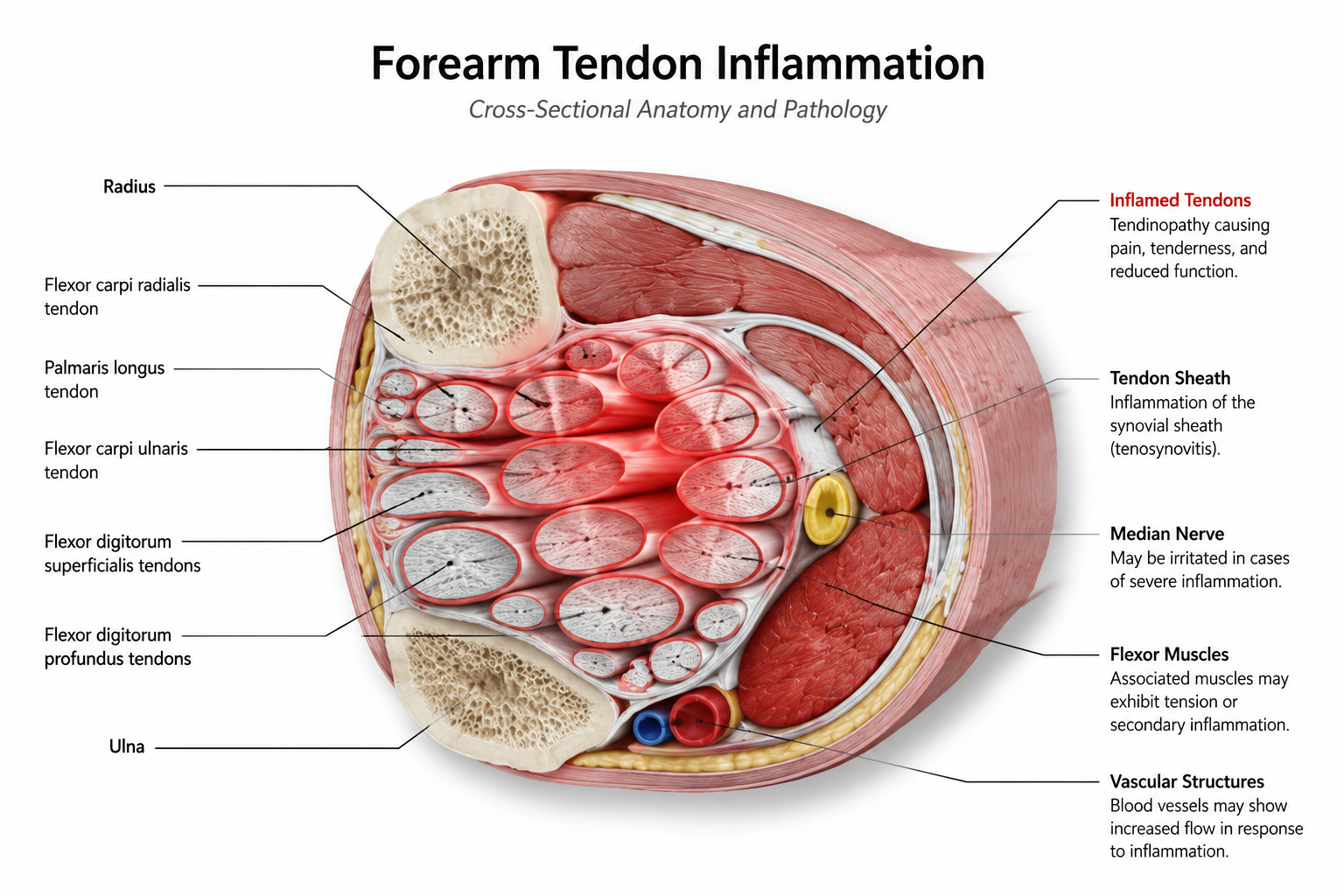
Tendonitis is the inflammation or irritation of tendons – the thick, fibrous cords that connect muscles to bones. In the arm, this condition commonly affects the tendons around the elbow, forearm, and wrist areas.
When tendons become inflamed, they develop microscopic tears and swelling that cause pain and limit normal movement. This happens when repetitive stress or sudden overuse exceeds the tendon’s ability to repair itself naturally.
Common Symptoms Include:
- Sharp or aching pain that worsens with movement
- Tenderness when touching the affected area
- Stiffness especially in the morning or after rest
- Weakness in grip strength or arm function
- Swelling around the elbow or forearm
The pain often starts as mild discomfort but can progress to severe, constant pain if left untreated. Many people notice symptoms worsen during activities that involve gripping, twisting, or repetitive arm motions.
Why Early Treatment Matters
Addressing tendonitis symptoms early prevents the condition from becoming chronic. Acute tendonitis typically heals within 2-6 weeks with proper care, while chronic cases can persist for months and may require more intensive treatment.
Common Causes of Arm Tendonitis
Understanding what triggers tendonitis helps prevent future episodes and guides treatment decisions. The most frequent causes include:
Repetitive Motion Activities
- Computer work and prolonged typing
- Manual labor involving lifting, hammering, or tool use
- Assembly line work with repetitive hand movements
- Musical instruments requiring repetitive finger and wrist motions
For professionals dealing with repetitive strain, specialized support options like arm braces for typing pain or arm braces for mechanics can provide targeted relief.
Sports-Related Causes
- Tennis (tennis elbow/lateral epicondylitis)
- Golf (golfer’s elbow/medial epicondylitis)
- Weightlifting with poor form or excessive weight
- Baseball and other throwing sports
Other Contributing Factors
- Poor ergonomics at workstations
- Sudden increase in activity level
- Age-related changes in tendon flexibility
- Previous injuries that didn’t heal properly
Can an Arm Brace Help Tendonitis?
Yes, an arm brace for tendonitis can provide significant relief and support healing through several mechanisms:
🎯 Reduces Tendon Strain
Braces redistribute forces away from inflamed tendons, allowing them to rest and recover during daily activities. This targeted support prevents further microscopic tears that worsen inflammation.
💪 Applies Therapeutic Compression
Gentle compression improves blood flow to the affected area, which helps reduce swelling and delivers healing nutrients to damaged tissues.
🔒 Stabilizes the Joint
By limiting excessive movement, braces prevent re-injury while still allowing functional motion for daily tasks.
⚡ Enables Continued Activity
Unlike complete rest, which isn’t always practical, braces allow people to continue working and exercising with reduced pain and injury risk.
Research shows that counterforce bracing can reduce pain by up to 60% in people with lateral epicondylitis (tennis elbow) when combined with proper rest and rehabilitation exercises.
Types of Arm Braces for Tendonitis
Choosing the right type of arm brace for tendonitis depends on the location of pain, severity of symptoms, and activity level. Here are the main categories:
Counterforce Straps ⭐
Best for: Localized elbow pain (tennis elbow, golfer’s elbow)
These small, targeted straps wrap around the forearm just below the elbow. They apply focused pressure to specific tendons, redirecting forces away from the painful attachment points.
Key Features:
- Lightweight and discreet
- Allow full range of motion
- Ideal for sports and work activities
- Easy to adjust throughout the day
Compression Sleeves
Best for: Mild to moderate forearm discomfort, general support
Full-length sleeves provide even compression from wrist to elbow, improving circulation and offering gentle support to multiple muscle groups.
Key Features:
- Graduated compression design
- Moisture-wicking materials
- Suitable for extended wear
- Help reduce overall arm fatigue
Wraparound Arm Braces
Best for: Moderate pain requiring adjustable support
These versatile braces use velcro straps or other closure systems to provide customizable compression and support levels.
Key Features:
- Adjustable compression zones
- Accommodate swelling changes
- Good for daily wear
- Often include gel pads for targeted pressure
Immobilization Braces
Best for: Severe tendonitis requiring movement restriction
More rigid braces that significantly limit elbow or wrist motion, typically used during acute flare-ups or early recovery phases.
Key Features:
- Maximum support and stability
- Prevent re-injury during healing
- Usually prescribed by healthcare providers
- Temporary use during recovery
For those dealing with work-related arm strain, specialized options like arm braces for repetitive motion pain offer targeted solutions for specific occupational needs.
|

|

|
|
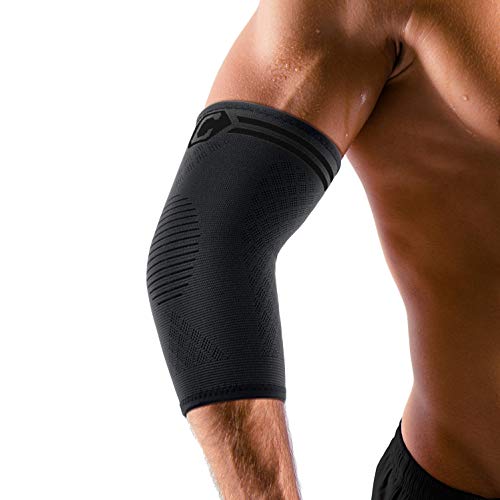
Description: TARGETED PAIN RELIEF & BOOSTED RECOVERY - Engineered with graduated compression, our elbow sleeves apply targeted support to key joint areas to help relieve discomfort associated with tennis elbow, tendonitis, and arthritis. |
Description: GOOD PERFORMANCE - The elbow brace applies even pressure to the elbow joint and elbow muscles, which can relieve tennis elbow, tendonitis, joint inflammation, golfer's elbow and other elbow pains, etc. |
Description: Our elbow brace is great for treating tendonitis, arthritis, sprained bones, strained ligaments, cubital Tunnel,ulnar nerve. Provides optimal support and compression to the elbow joint, reducing pain and preventing further injury during activities |
|
Our Rating:
4.8
|
Our Rating:
4.5
|
Our Rating:
4.4
|
|
$9.99
|
$9.99
|
$7.97
|
TARGETED PAIN RELIEF & BOOSTED RECOVERY - Engineered with graduated compression, our elbow sleeves apply targeted support to key joint areas to help relieve discomfort associated with tennis elbow, tendonitis, and arthritis.
GOOD PERFORMANCE - The elbow brace applies even pressure to the elbow joint and elbow muscles, which can relieve tennis elbow, tendonitis, joint inflammation, golfer's elbow and other elbow pains, etc.
Our elbow brace is great for treating tendonitis, arthritis, sprained bones, strained ligaments, cubital Tunnel,ulnar nerve. Provides optimal support and compression to the elbow joint, reducing pain and preventing further injury during activities
What to Look for in the Best Arm Brace for Tendonitis
When selecting an arm brace for tendonitis, several key features determine effectiveness and comfort:
✅ Targeted Support Design
The brace should address the specific location of tendon pain. Elbow tendonitis requires different support than wrist or forearm issues.
✅ Comfortable Materials
Look for:
- Breathable fabrics that wick moisture
- Soft padding at pressure points
- Hypoallergenic materials to prevent skin irritation
- Durable construction for daily use
✅ Proper Fit and Sizing
- Measure arm circumference at the recommended points
- Check size charts carefully – sizing varies between brands
- Consider adjustable options for swelling fluctuations
- Ensure the brace stays in position during movement
✅ Adjustable Compression
The ability to modify pressure levels allows for:
- Increased support during activities
- Reduced compression during rest
- Accommodation of healing progress
- Personal comfort preferences
✅ Ease of Use
- Simple on/off application
- One-handed adjustment capability
- Clear positioning guidelines
- Machine washable materials
How to Choose the Right Arm Brace
Selecting the most effective arm brace for tendonitis requires matching the brace type to individual needs:
Step 1: Identify Pain Location
- Outer elbow pain: Tennis elbow counterforce strap
- Inner elbow pain: Golfer’s elbow strap
- Forearm pain: Compression sleeve or wraparound brace
- Multiple areas: Full-arm compression sleeve
Step 2: Assess Symptom Severity
- Mild discomfort: Compression sleeve
- Moderate pain: Counterforce strap or wraparound brace
- Severe pain: Immobilization brace (consult healthcare provider)
Step 3: Consider Activity Level
- Active lifestyle/sports: Counterforce strap for mobility
- Office work: Compression sleeve for typing
- Manual labor: Heavy-duty wraparound brace
- Rest/recovery: Immobilization brace if recommended
Step 4: Evaluate Daily Schedule
- All-day wear: Breathable compression sleeve
- Activity-specific use: Counterforce strap
- Night support: Specialized sleep brace
How to Wear an Arm Brace for Tendonitis
Proper application ensures maximum benefit from an arm brace for tendonitis:
Correct Positioning
For Counterforce Straps:
- Locate the tender spot on the forearm (usually 1-2 inches below the elbow)
- Position the strap’s pressure pad directly over this area
- Wrap snugly but not tight enough to restrict circulation
- The strap should feel supportive, not painful
For Compression Sleeves:
- Slide the sleeve up from the wrist toward the elbow
- Ensure even distribution without bunching
- The sleeve should feel snug like a firm handshake
- Check that circulation isn’t restricted (fingertips should remain pink)
Proper Tightness Guidelines
- Too loose: No pain relief, brace slides during movement
- Too tight: Numbness, tingling, or increased pain
- Just right: Comfortable support with maintained circulation
When to Adjust
- Tighten before activities that typically cause pain
- Loosen during rest periods or if swelling increases
- Reposition if the brace shifts during use
- Remove periodically to check skin condition
When to Use an Arm Brace
Strategic timing maximizes the benefits of an arm brace for tendonitis:
During High-Risk Activities ⚠️
- Repetitive tasks like typing, painting, or assembly work
- Sports participation especially racquet sports or weightlifting
- Heavy lifting or manual labor
- Extended computer use
During Symptom Flare-ups 🔥
- Morning stiffness when symptoms are typically worst
- After periods of rest when tendons are tight
- During weather changes that may increase joint discomfort
- When returning to activity after a break
As Preventive Support 🛡️
- During new activities that stress the arms
- When increasing exercise intensity or duration
- At work in jobs requiring repetitive motions
- During recovery from previous tendonitis episodes
For specific occupational needs, targeted solutions like arm braces for hairstylists or arm braces for warehouse workers provide specialized support.
Additional Ways to Treat Tendonitis
While an arm brace for tendonitis provides valuable support, comprehensive treatment includes several approaches:
Rest and Activity Modification 😴
- Reduce repetitive motions that aggravate symptoms
- Take frequent breaks during prolonged activities
- Modify techniques to reduce tendon stress
- Avoid painful movements while maintaining general mobility
Ice and Heat Therapy 🧊🔥
- Ice for acute pain and inflammation (15-20 minutes, 3-4 times daily)
- Heat before activities to improve flexibility
- Contrast therapy alternating ice and heat for chronic cases
Stretching and Strengthening 💪
- Gentle stretches to maintain tendon flexibility
- Progressive strengthening as pain decreases
- Eccentric exercises specifically beneficial for tendon healing
- Proper warm-up before activities
Ergonomic Improvements 🖥️
- Adjust workstation height and positioning
- Use ergonomic tools and equipment
- Improve posture to reduce arm strain
- Take regular movement breaks
Anti-inflammatory Support
- Over-the-counter NSAIDs as directed by healthcare providers
- Natural anti-inflammatories like turmeric or omega-3 fatty acids
- Proper hydration to support tissue health
- Adequate sleep for optimal healing
For comprehensive pain management strategies, explore options for daily pain management that complement brace use.
Common Mistakes to Avoid
Avoiding these pitfalls ensures better outcomes with arm brace for tendonitis treatment:
❌ Wearing the Brace Too Tightly
Problem: Restricts circulation and can worsen symptoms
Solution: Adjust for firm support without numbness or tingling
❌ Choosing the Wrong Brace Type
Problem: Ineffective treatment and continued pain
Solution: Match brace design to specific tendon location and activity needs
❌ Ignoring Early Warning Signs
Problem: Allows condition to progress to chronic stage
Solution: Address mild symptoms promptly with appropriate support
❌ Over-relying on the Brace Alone
Problem: Neglects other important treatment aspects
Solution: Combine bracing with rest, stretching, and activity modification
❌ Returning to Full Activity Too Quickly
Problem: Re-injury and prolonged recovery time
Solution: Gradual return to activities with continued brace support
❌ Poor Brace Maintenance
Problem: Reduced effectiveness and hygiene issues
Solution: Clean regularly according to manufacturer instructions
When to Seek Medical Advice
While an arm brace for tendonitis can provide significant relief, certain situations require professional medical evaluation:
🚨 Immediate Medical Attention Needed:
- Severe pain that doesn’t respond to rest and basic treatment
- Numbness or tingling in fingers or hand
- Significant weakness affecting daily function
- Signs of infection (fever, redness, warmth, swelling)
📅 Schedule Medical Consultation For:
- Persistent symptoms lasting more than 2-3 weeks
- Worsening pain despite proper treatment
- Recurrent episodes of tendonitis
- Uncertainty about diagnosis or appropriate treatment
🏥 Healthcare Providers May Recommend:
- Physical therapy for specialized exercises
- Prescription medications for inflammation control
- Corticosteroid injections for severe cases
- Advanced imaging (MRI, ultrasound) to assess tendon damage
- Surgical consultation for chronic, non-responsive cases
For those dealing with specific types of arm pain, specialized resources like arm braces for tennis elbow or arm braces for joint pain relief provide targeted guidance.
Frequently Asked Questions
Do arm braces help tendonitis?
Yes, arm braces for tendonitis can significantly help by reducing strain on inflamed tendons, providing compression to decrease swelling, and offering support during activities. Studies show counterforce braces can reduce tennis elbow pain by up to 60% when used properly.
What type of brace is best for tendonitis?
The best type depends on your specific condition:
- Counterforce straps for tennis elbow or golfer’s elbow
- Compression sleeves for general forearm support
- Wraparound braces for adjustable, moderate support
- Immobilization braces for severe cases requiring movement restriction
Can you wear an arm brace all day?
Most arm braces for tendonitis can be worn throughout the day, but it’s important to:
- Remove periodically to check skin condition
- Loosen or remove during sleep unless specifically designed for nighttime use
- Ensure proper fit to avoid circulation problems
- Follow manufacturer guidelines for wear duration
How long does tendonitis take to heal?
Healing time varies based on severity and treatment approach:
- Acute tendonitis: 2-6 weeks with proper care
- Chronic tendonitis: Several months of consistent treatment
- Severe cases: May require 6-12 months or longer
Using an arm brace for tendonitis can help speed recovery by protecting tendons during the healing process.
Should I wear my arm brace during exercise?
Yes, wearing an arm brace for tendonitis during exercise can:
- Prevent re-injury during physical activity
- Allow continued participation in sports or fitness routines
- Provide confidence and support during movement
- Reduce post-exercise pain and stiffness
Choose a brace designed for active use that allows proper range of motion while providing adequate support.
Conclusion
An arm brace for tendonitis can be a highly effective tool for managing pain, supporting healing, and preventing further injury when used as part of a comprehensive treatment approach. The key to success lies in selecting the right type of brace for your specific condition, ensuring proper fit and positioning, and combining brace use with appropriate rest, stretching, and activity modification.
Remember that while braces provide valuable support, they work best when integrated with other treatment strategies including proper ergonomics, gradual strengthening exercises, and lifestyle modifications. For persistent or severe symptoms, don’t hesitate to consult with healthcare professionals who can provide personalized treatment recommendations.
Next Steps:
- Identify your specific type of arm tendonitis and pain location
- Choose an appropriate brace based on your symptoms and activity level
- Learn proper application techniques for maximum benefit
- Combine brace use with rest, stretching, and ergonomic improvements
- Monitor your progress and seek medical advice if symptoms persist
With the right support and treatment approach, most people with tendonitis can return to their normal activities with reduced pain and improved function. Take action today to start your journey toward better arm health and pain-free living.