

Tennis elbow affects up to 3% of the population annually, yet 95% of cases can be successfully managed without surgery when proper treatment begins early. This painful condition doesn’t just sideline athletes—it strikes office workers, mechanics, painters, and anyone who performs repetitive arm motions. An Arm Brace for Tennis Elbow has become one of the most effective non-invasive treatments, offering targeted relief that allows people to continue their daily activities while healing progresses.
Understanding how to choose and use the right arm brace can mean the difference between weeks of debilitating pain and a swift return to normal function. This comprehensive guide explores everything needed to make informed decisions about tennis elbow treatment and recovery.
Key Takeaways
• Tennis elbow affects tendons on the outer elbow through repetitive stress, causing pain during gripping and lifting activities
• Counterforce arm braces provide targeted pressure just below the elbow to reduce strain on inflamed tendons
• Early treatment with proper bracing can prevent chronic pain and reduce recovery time significantly
• Combining brace use with rest and proper technique delivers the best outcomes for long-term relief
• Severe or persistent symptoms lasting over 6 weeks require professional medical evaluation
What Is Tennis Elbow?
Tennis elbow, medically known as lateral epicondylitis, occurs when tendons connecting forearm muscles to the outer part of the elbow become inflamed or develop small tears. Despite its name, this condition affects far more non-athletes than tennis players, impacting anyone who repeatedly uses their forearm muscles.
The condition develops gradually as repetitive motions create microscopic damage in the tendons faster than the body can repair them. This leads to a cycle of inflammation and pain that can become chronic without proper treatment.
Common Symptoms Include:
- Sharp pain on the outer elbow that worsens with activity
- Weak grip strength making it difficult to hold objects
- Pain radiating down the forearm during lifting or twisting motions
- Morning stiffness in the elbow and forearm
- Difficulty with simple tasks like turning doorknobs or shaking hands
Early recognition and treatment prevent the condition from becoming a long-term problem. Many people ignore initial symptoms, allowing minor tendon irritation to progress into significant pain and functional limitations.
What Causes Tennis Elbow?
Understanding the root causes helps prevent recurrence and guides treatment decisions. Tennis elbow typically develops through several mechanisms:
Repetitive Motion Injuries
Workplace activities account for the majority of tennis elbow cases. Computer users, carpenters, painters, and assembly line workers frequently develop symptoms from repeated forearm motions. The constant stress on extensor tendons creates cumulative damage over time.
Sports-Related Causes
While tennis gives the condition its name, multiple sports contribute to development:
- Tennis: Poor backhand technique or grip size
- Golf: Improper swing mechanics
- Weightlifting: Excessive gripping during lifts
- Baseball: Repetitive throwing motions
Biomechanical Factors
Poor technique amplifies stress on elbow tendons. Using tools that are too heavy, gripping too tightly, or maintaining awkward arm positions during work increases injury risk. Age-related changes in tendon elasticity also make people over 40 more susceptible.
Overuse Without Recovery
Insufficient rest between activities prevents natural healing processes. Tendons need time to repair microscopic damage from daily use. Continuous stress without adequate recovery leads to progressive deterioration and pain.
Can an Arm Brace Help Tennis Elbow?
Research consistently demonstrates that an Arm Brace for Tennis Elbow provides significant pain relief and functional improvement for most people with this condition. Clinical studies show that 80-90% of patients experience meaningful symptom reduction when using appropriate bracing combined with activity modification.
How Braces Provide Relief
Counterforce mechanism: The most effective braces apply targeted pressure to forearm muscles just below the elbow. This pressure changes the angle at which muscles pull on inflamed tendons, reducing stress at the attachment point and allowing healing to occur.
Pain reduction: By redistributing forces across a broader area, braces decrease the concentrated stress that causes pain during gripping and lifting activities. Many users report immediate comfort improvement when properly fitted.
Functional support: Braces enable continued participation in necessary activities while protecting healing tissues. This prevents the complete activity restriction that often leads to muscle weakness and joint stiffness.
Clinical Evidence
Multiple research studies validate brace effectiveness:
- 85% of patients showed significant pain reduction within 4 weeks of consistent brace use
- Grip strength improved by an average of 25% when wearing counterforce braces
- Return to activity occurred 3-4 weeks faster with bracing compared to rest alone
The key lies in selecting the appropriate brace type and wearing it consistently during activities that typically trigger symptoms.
Types of Arm Braces for Tennis Elbow
Different brace designs serve specific needs and symptom severities. Understanding these options helps match the right support to individual circumstances.
Counterforce Straps (Most Popular Choice)
Counterforce straps represent the gold standard for tennis elbow treatment. These narrow bands wrap around the forearm approximately 2-3 inches below the elbow, applying focused pressure to extensor muscles.
Key Features:
- Targeted pressure pad that sits over the muscle belly
- Adjustable tension for customized compression
- Minimal bulk allowing normal clothing wear
- Activity-specific use during work or sports
Best For: Active individuals who need support during specific activities while maintaining full range of motion during rest periods.
Compression Sleeves
Full-arm compression sleeves provide gentle, even pressure from wrist to upper arm. While less targeted than counterforce straps, they offer comfortable all-day wear and mild symptom relief.
Advantages:
- Even compression reduces overall inflammation
- Comfortable for extended wear under clothing
- Moisture-wicking materials keep skin dry
- Graduated compression improves circulation
Best For: People with mild symptoms who need gentle support throughout the day, particularly office workers and those with multiple arm pain locations.
Wraparound Arm Braces
Adjustable wraparound designs combine features of straps and sleeves, offering variable compression levels and broader coverage area.
Benefits:
- Customizable fit accommodates swelling changes
- Multiple adjustment points for precise pressure
- Broader support area for complex pain patterns
- Easy application with hook-and-loop closures
Best For: Individuals with moderate pain who need adjustable support levels throughout the day or those transitioning between activity levels.
Immobilization Braces
Rigid braces limit elbow and forearm movement for severe cases requiring complete rest of affected tissues.
When Used:
- Acute injury phases with severe inflammation
- Post-surgical recovery following tendon repair
- Chronic cases unresponsive to other treatments
- Night-time use to prevent unconscious aggravating movements
Best For: Severe symptoms requiring maximum protection, typically under medical supervision.
What to Look for in the Best Arm Brace for Tennis Elbow
Selecting an effective brace requires attention to specific design features that directly impact comfort and therapeutic benefit. Quality varies significantly between products, making informed selection crucial for treatment success.
Essential Design Elements
Pressure pad placement determines effectiveness. The best braces feature anatomically shaped pads that target the precise muscle groups involved in tennis elbow. Look for pads that maintain position during movement and distribute pressure evenly.
Material quality affects both durability and comfort. Premium braces use breathable, moisture-wicking fabrics that prevent skin irritation during extended wear. Neoprene provides excellent support but may cause overheating, while newer synthetic materials offer better ventilation.
Adjustment mechanisms should allow fine-tuning of compression levels. Multiple adjustment points enable customization for different activities and symptom changes throughout the healing process.
Sizing and Fit Considerations
Proper measurement ensures optimal therapeutic benefit. Measure forearm circumference at the widest point, typically 3-4 inches below the elbow. Most manufacturers provide detailed sizing charts, but individual anatomy variations may require trying multiple sizes.
Comfort indicators include:
- No pinching or binding during normal movement
- Secure positioning without constant readjustment
- Appropriate compression that feels supportive but not restrictive
- Skin tolerance for intended wear duration
Quality Indicators
Construction details reveal long-term durability:
- Reinforced stitching at stress points
- High-grade fasteners that maintain grip over time
- Washable materials for hygiene maintenance
- Manufacturer warranty indicating confidence in product quality
For those seeking comprehensive guidance on arm brace selection, our best arm brace for tennis elbow guide provides detailed product comparisons and recommendations.
How to Choose the Right Arm Brace
Matching brace characteristics to individual needs maximizes therapeutic benefit and user satisfaction. Several factors influence the optimal choice for each person’s situation.
Symptom Severity Assessment
Mild symptoms (occasional discomfort, minimal functional limitation) respond well to compression sleeves or lightweight counterforce straps. These provide gentle support without restricting normal activities.
Moderate symptoms (regular pain during activities, noticeable grip weakness) benefit from adjustable counterforce braces with targeted pressure pads. These offer more aggressive treatment while maintaining activity participation.
Severe symptoms (constant pain, significant functional impairment) may require rigid braces or medical supervision. Complete activity modification often becomes necessary at this stage.
Activity Level Matching
High-activity individuals need durable braces that maintain position during vigorous movement. Sports-specific designs often incorporate additional features like moisture management and streamlined profiles.
Moderate activity levels suit most standard counterforce braces. These provide adequate support for typical work and recreational activities without excessive bulk or restriction.
Low activity requirements allow focus on comfort features like soft materials and gentle compression. All-day wearability becomes more important than maximum support strength.
Lifestyle Considerations
Professional appearance requirements may favor low-profile designs that remain hidden under business attire. Compression sleeves often work better than bulky straps in formal environments.
Manual labor demands require robust construction and secure positioning systems. Braces must withstand repeated stress and maintain therapeutic pressure throughout long work shifts.
Budget constraints don’t necessarily limit effectiveness. Many moderately priced braces provide excellent therapeutic benefit when properly selected and fitted.
|

|

|
|
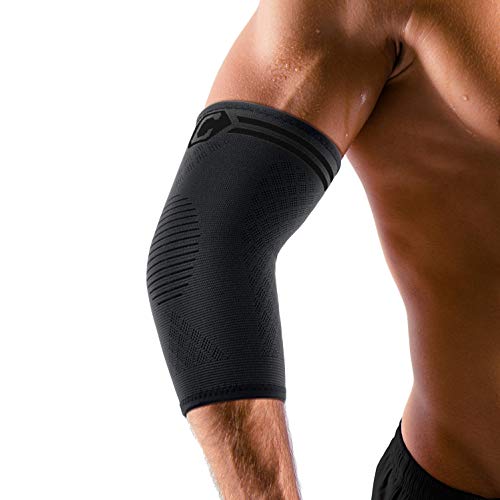
Description: TARGETED PAIN RELIEF & BOOSTED RECOVERY - Engineered with graduated compression, our elbow sleeves apply targeted support to key joint areas to help relieve discomfort associated with tennis elbow, tendonitis, and arthritis. |
Description: GOOD PERFORMANCE - The elbow brace applies even pressure to the elbow joint and elbow muscles, which can relieve tennis elbow, tendonitis, joint inflammation, golfer's elbow and other elbow pains, etc. |
Description: Our elbow brace is great for treating tendonitis, arthritis, sprained bones, strained ligaments, cubital Tunnel,ulnar nerve. Provides optimal support and compression to the elbow joint, reducing pain and preventing further injury during activities |
|
Our Rating:
4.8
|
Our Rating:
4.5
|
Our Rating:
4.4
|
|
$9.99
|
$9.99
|
$7.97
|
TARGETED PAIN RELIEF & BOOSTED RECOVERY - Engineered with graduated compression, our elbow sleeves apply targeted support to key joint areas to help relieve discomfort associated with tennis elbow, tendonitis, and arthritis.
GOOD PERFORMANCE - The elbow brace applies even pressure to the elbow joint and elbow muscles, which can relieve tennis elbow, tendonitis, joint inflammation, golfer's elbow and other elbow pains, etc.
Our elbow brace is great for treating tendonitis, arthritis, sprained bones, strained ligaments, cubital Tunnel,ulnar nerve. Provides optimal support and compression to the elbow joint, reducing pain and preventing further injury during activities
How to Wear an Arm Brace for Tennis Elbow
Proper application technique significantly impacts therapeutic effectiveness and user comfort. Even the highest-quality brace provides minimal benefit when incorrectly positioned or adjusted.
Positioning Guidelines
Location placement is critical for counterforce braces. Position the pressure pad over the muscle belly of forearm extensors, approximately 2-4 inches below the elbow joint. The pad should sit on the outer (lateral) aspect of the forearm, directly over the area that feels tender when pressed.
Strap orientation should allow the pressure pad to maintain contact during arm movement. Most designs work best when the main strap runs perpendicular to the forearm axis, with additional straps providing rotational stability.
Compression level requires careful adjustment. Start with minimal tension and gradually increase until comfortable pressure is felt over the target area. Excessive tightness causes circulation problems and may increase pain.
Application Steps
- Clean and dry skin before application to prevent irritation and ensure proper adhesion
- Position the brace with pressure pad over the tender area while arm is relaxed
- Secure primary strap with moderate tension, checking for proper pad placement
- Adjust secondary straps if present, ensuring even pressure distribution
- Test range of motion to verify the brace doesn’t restrict necessary movement
- Fine-tune compression based on comfort and symptom response
Wear Duration Guidelines
During activities that typically trigger symptoms, consistent brace use provides maximum benefit. This includes work tasks, sports participation, and household activities involving gripping or lifting.
Rest periods allow skin recovery and prevent dependency on external support. Remove braces during sleep unless specifically prescribed for nighttime use.
Gradual weaning helps transition back to normal activity as symptoms improve. Reduce wear time progressively while monitoring symptom response.
For beginners experiencing elbow pain, our arm brace guide for beginners offers additional tips for first-time users.
When to Use an Arm Brace
Strategic timing of brace use maximizes therapeutic benefit while preventing over-dependence on external support. Understanding when to wear and when to remove braces accelerates recovery and maintains long-term joint health.
Activity-Specific Applications
Work-related tasks that involve repetitive gripping, lifting, or tool use benefit from consistent bracing. This includes computer work, manual labor, and precision tasks requiring sustained forearm muscle activation.
Sports participation requires sport-specific considerations. Tennis players should wear braces during practice and matches, while golfers benefit from use during swing practice and rounds. The brace should not interfere with proper technique or safety.
Household activities like gardening, cleaning, and cooking often trigger symptoms in recovering individuals. Bracing during these tasks prevents symptom flares while maintaining necessary daily function.
Symptom-Based Guidelines
During pain flares, increased brace use helps control inflammation and prevents further tissue damage. This may require wearing braces for longer periods or using more supportive designs temporarily.
Preventive use before activities known to trigger symptoms helps avoid pain cycles. Many people successfully prevent symptom recurrence by bracing proactively during high-risk activities.
Recovery phases require gradual reduction in brace dependence. As symptoms improve, progressively decrease wear time while monitoring for symptom return.
Environmental Considerations
Temperature extremes may affect brace comfort and effectiveness. Hot weather increases sweating under braces, while cold conditions may require additional warm-up time before activities.
Work environment factors like dust, chemicals, or safety requirements may influence brace selection and wear patterns. Some workplaces have specific policies regarding personal protective equipment that may affect brace use.
Additional Ways to Treat Tennis Elbow
While an Arm Brace for Tennis Elbow provides excellent symptom relief, comprehensive treatment approaches deliver superior long-term outcomes. Combining bracing with other evidence-based treatments accelerates healing and prevents recurrence.
Rest and Activity Modification
Strategic rest doesn’t mean complete inactivity. Instead, avoid specific movements that trigger pain while maintaining overall arm function. This allows inflamed tissues to heal while preventing muscle weakness and joint stiffness.
Ergonomic improvements address underlying causes of repetitive strain. Adjusting workstation height, tool selection, and technique reduces stress on healing tissues and prevents future episodes.
Gradual return protocols help safely resume normal activities. Progressive loading of healing tissues builds strength and endurance without re-injury risk.
Stretching and Strengthening
Eccentric strengthening exercises specifically target the muscles and tendons involved in tennis elbow. Research shows that controlled lengthening exercises promote tendon healing and reduce pain more effectively than traditional strengthening methods.
Flexibility maintenance prevents compensatory movement patterns that can lead to secondary problems. Regular stretching of forearm muscles and surrounding joints maintains normal biomechanics during healing.
Progressive loading gradually increases tissue tolerance to normal stresses. This prevents the weakness and re-injury risk associated with prolonged rest periods.
Anti-Inflammatory Treatments
Ice application during acute phases helps control inflammation and pain. Apply for 15-20 minutes several times daily, particularly after activities that increase symptoms.
Heat therapy becomes more beneficial during chronic phases, improving blood flow and tissue flexibility before activities. Many people find alternating heat and ice provides optimal symptom control.
Topical treatments offer localized relief without systemic medication effects. Anti-inflammatory gels and creams can supplement other treatments, particularly for people who cannot take oral medications.
Professional Treatments
Physical therapy provides expert guidance for exercise progression and technique correction. Therapists can identify contributing factors and develop personalized treatment plans for optimal outcomes.
Massage therapy helps reduce muscle tension and improve circulation in affected areas. Specific techniques targeting forearm muscles can complement other treatments effectively.
For those dealing with sharp elbow pain, additional targeted strategies may be necessary to address acute symptoms.
Common Mistakes to Avoid
Understanding frequent errors in tennis elbow management helps prevent treatment delays and complications. Many people inadvertently hinder their recovery through well-intentioned but counterproductive approaches.
Brace-Related Errors
Wearing too tightly is the most common mistake with counterforce braces. Excessive compression can reduce blood flow, increase pain, and cause skin problems. The brace should feel supportive but never painful or restrictive.
Incorrect positioning dramatically reduces effectiveness. Many users place braces too close to the elbow or over the wrong muscle groups. Taking time to locate the proper position pays dividends in symptom relief.
Inconsistent use prevents optimal benefit. Wearing braces sporadically or only after pain begins limits their preventive and therapeutic effects. Consistent use during triggering activities provides better outcomes.
Treatment Approach Mistakes
Ignoring early symptoms allows minor problems to become major issues. Tennis elbow responds much better to early intervention than chronic treatment. Addressing initial discomfort prevents weeks or months of significant pain.
Returning too quickly to full activity often causes symptom recurrence. Gradual progression allows tissues to adapt to increasing demands without re-injury. Patience during recovery prevents setbacks.
Focusing only on symptoms without addressing underlying causes leads to recurrence. Identifying and correcting the activities or techniques that caused the problem prevents future episodes.
Activity Modifications
Complete rest often causes more problems than benefit. While avoiding painful activities is important, maintaining overall arm function prevents weakness and stiffness that complicate recovery.
Poor technique continuation perpetuates the problem even with other treatments. Learning proper movement patterns is essential for long-term success, whether in sports or work activities.
Inadequate warm-up before activities increases re-injury risk. Proper preparation of muscles and tendons reduces stress during demanding tasks.
When to Seek Medical Advice
While many cases of tennis elbow respond well to conservative treatment including bracing, certain situations require professional medical evaluation and intervention.
Red Flag Symptoms
Severe pain that interferes with sleep or basic daily activities may indicate significant tissue damage requiring medical attention. Pain that doesn’t respond to rest, ice, and over-the-counter medications warrants evaluation.
Numbness or tingling in the hand or fingers suggests possible nerve involvement that requires prompt assessment. These symptoms can indicate complications beyond simple tendon inflammation.
Significant weakness that affects grip strength or basic hand function may require imaging studies and specialized treatment. Progressive weakness despite treatment is particularly concerning.
Timeline Considerations
Symptoms persisting beyond 6-8 weeks of conservative treatment should be professionally evaluated. While tennis elbow can take months to fully resolve, lack of improvement suggests the need for additional interventions.
Recurrent episodes may indicate underlying biomechanical problems or inadequate initial treatment. Professional assessment can identify contributing factors and develop comprehensive treatment plans.
Work-related cases often benefit from occupational medicine evaluation to address workplace factors and prevent recurrence. This is particularly important for jobs requiring continued arm use.
Treatment Options
Injection therapies including corticosteroids or platelet-rich plasma may be recommended for persistent cases. These treatments can provide significant relief when conservative measures prove insufficient.
Physical therapy prescription ensures proper exercise technique and progression. Professional guidance optimizes recovery and prevents common mistakes that delay healing.
Advanced imaging like MRI or ultrasound can reveal the extent of tissue damage and guide treatment decisions. This is particularly valuable for cases not responding to standard treatments.
People experiencing arm soreness alongside tennis elbow symptoms may benefit from comprehensive evaluation to address all contributing factors.
Frequently Asked Questions
Do arm braces help tennis elbow?
Yes, research consistently shows that properly fitted arm braces provide significant pain relief and functional improvement for tennis elbow. Studies indicate 80-90% of people experience meaningful symptom reduction when using counterforce braces consistently. The key is selecting the right type of brace and wearing it correctly during activities that typically trigger symptoms.
Where should a tennis elbow brace be placed?
A tennis elbow brace should be positioned 2-4 inches below the elbow joint on the forearm. The pressure pad needs to sit over the muscle belly of the forearm extensors, on the outer (lateral) side of the arm. This location allows the brace to reduce tension on the inflamed tendons at their attachment point on the elbow.
Can you wear a tennis elbow brace all day?
While tennis elbow braces can be worn for extended periods, it’s generally better to use them strategically during activities that trigger symptoms rather than continuously. Constant wear may lead to skin irritation and muscle dependency. Most experts recommend wearing braces during work, sports, or household tasks that cause pain, then removing them during rest periods to allow skin recovery.
How long does tennis elbow take to heal?
Tennis elbow typically takes 6-12 months to fully heal, though many people see significant improvement within 6-8 weeks of proper treatment. Factors affecting healing time include symptom severity, age, activity level, and consistency with treatment. Early intervention with bracing and activity modification generally leads to faster recovery than waiting until symptoms become severe.
Should I sleep with a tennis elbow brace?
Most people don’t need to sleep with a tennis elbow brace unless specifically recommended by a healthcare provider. However, some individuals find that nighttime bracing prevents unconscious movements that aggravate symptoms. If sleeping with a brace, ensure it’s not too tight and doesn’t restrict circulation. For detailed guidance on nighttime bracing, see our guide to sleeping with elbow pain.
What’s the difference between tennis elbow and golfer’s elbow braces?
Tennis elbow braces target the outer (lateral) part of the elbow and forearm, while golfer’s elbow braces focus on the inner (medial) side. The positioning and pressure points differ significantly between these conditions. Using the wrong type of brace may provide little benefit or potentially worsen symptoms, so proper diagnosis is important before selecting a brace.
Conclusion
An Arm Brace for Tennis Elbow serves as a powerful tool in the comprehensive treatment of this common and often frustrating condition. The evidence clearly demonstrates that properly selected and correctly worn braces provide significant pain relief, functional improvement, and faster return to normal activities for the vast majority of people with tennis elbow.
Success with bracing depends on understanding the different types available and matching them to individual needs. Counterforce straps remain the gold standard for active individuals, while compression sleeves offer gentle all-day support for milder symptoms. The key lies in consistent use during triggering activities, proper positioning, and appropriate compression levels.
However, bracing works best as part of a comprehensive approach that includes activity modification, proper ergonomics, and gradual strengthening exercises. Addressing underlying causes prevents recurrence and ensures long-term success. Early intervention consistently produces better outcomes than waiting for symptoms to become severe.
Take Action Today
Start with proper assessment of symptom severity and activity demands to guide brace selection. Measure your forearm accurately and consult sizing charts to ensure optimal fit. Begin conservative treatment immediately rather than hoping symptoms will resolve on their own.
Combine bracing with smart activity modification and gradual return to normal function as symptoms improve. Monitor progress closely and seek professional help if symptoms persist beyond 6-8 weeks or worsen despite appropriate treatment.
For those ready to find relief, explore our comprehensive best arm brace for elbow pain guide to compare top-rated options and make an informed decision. Remember, the right brace used correctly can transform weeks of pain into a manageable recovery process, allowing a swift return to the activities that matter most.