

Warehouse workers file 3.2 times more workers’ compensation claims for arm and shoulder injuries than the average worker across all industries. This staggering statistic reveals a harsh reality: the demanding physical nature of warehouse work takes a serious toll on workers’ arms, elbows, and forearms. An arm brace for warehouse workers has emerged as a practical solution to combat this epidemic of workplace strain, offering targeted support that can mean the difference between a productive career and chronic pain.
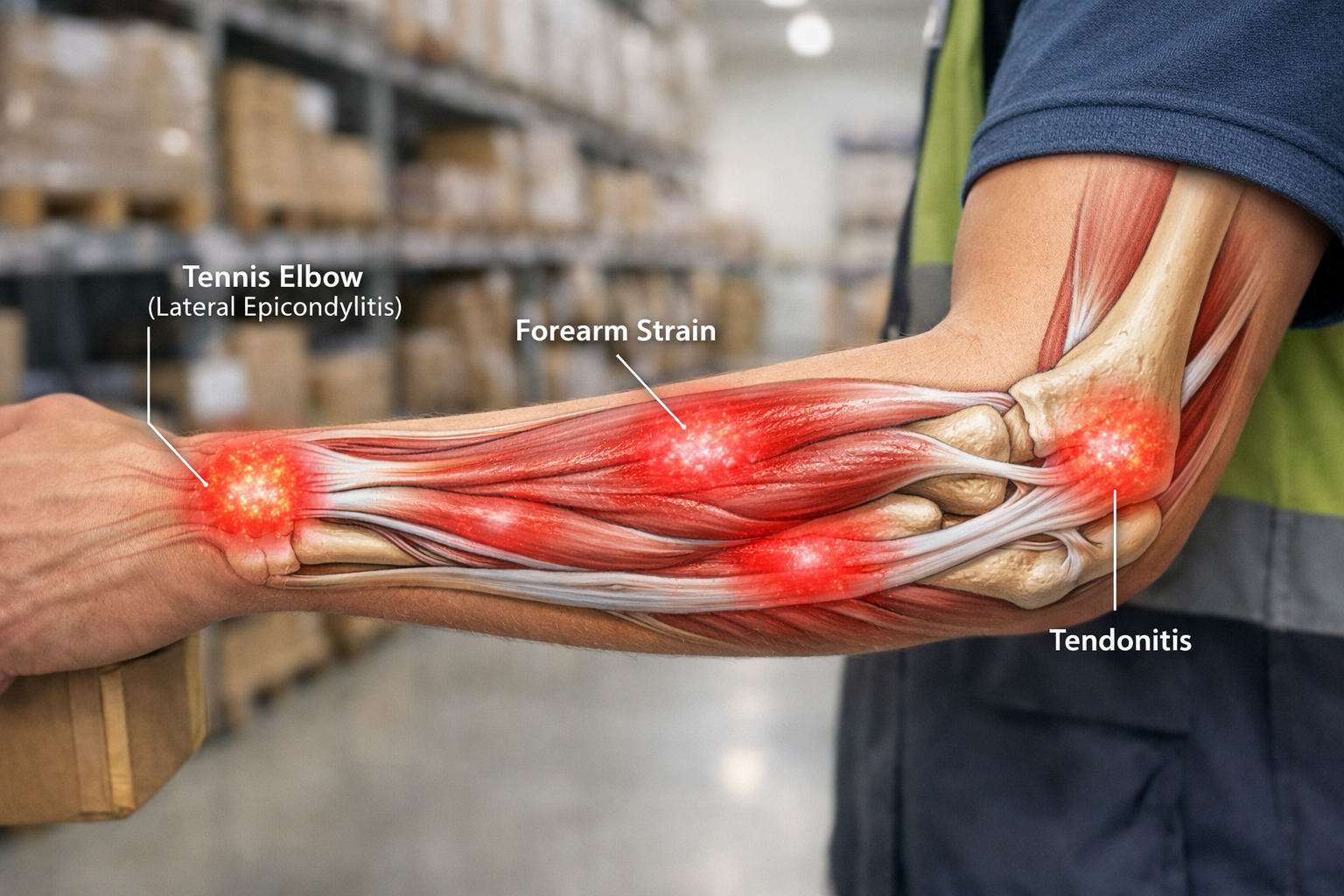
The repetitive lifting, carrying, and gripping motions that define warehouse work create the perfect storm for overuse injuries. From tennis elbow to tendonitis, these conditions don’t just cause pain—they can derail careers and impact quality of life. However, with the right protective equipment and knowledge, warehouse workers can significantly reduce their risk of injury while maintaining peak performance on the job.
Key Takeaways
• Warehouse workers face 3x higher risk of arm injuries due to repetitive motions and heavy lifting
• Arm braces provide targeted support for muscles and tendons under constant stress
• Three main types of arm braces serve different needs: compression sleeves, elbow straps, and wraparound braces
• Proper fit and positioning are crucial for maximum effectiveness and comfort during long shifts
• Combining arm braces with proper technique and regular breaks creates the most comprehensive injury prevention strategy
Why Warehouse Workers Experience Arm Pain
The modern warehouse environment demands incredible physical endurance from workers’ arms and shoulders. Repetitive lifting and carrying of packages weighing anywhere from 5 to 50 pounds creates constant stress on the musculoskeletal system. Unlike occasional heavy lifting, warehouse work requires these motions hundreds of times per shift, day after day.
Frequent gripping and pulling motions compound the problem. Workers constantly grasp boxes, pull items from shelves, and manipulate packaging materials. These actions engage the forearm muscles and tendons repeatedly, leading to microscopic tears and inflammation over time. The grip strength required to safely handle packages also places significant strain on the wrist and elbow joints.
Long shifts with limited recovery time prevent the natural healing process that occurs during rest. Many warehouse workers put in 10-12 hour shifts with minimal breaks, leaving little opportunity for stressed tissues to recover. This chronic overuse creates a cycle where minor strain accumulates into serious injury.
The most common conditions affecting warehouse workers include:
Tendonitis – Inflammation of the tendons connecting muscles to bones, particularly in the elbow and wrist areas. This condition causes pain, stiffness, and reduced range of motion that worsens with continued activity.
Tennis elbow (lateral epicondylitis) – Despite its name, this condition frequently affects warehouse workers who perform repetitive gripping and lifting motions. Pain radiates from the outside of the elbow down the forearm, making it difficult to lift or grip objects.
Repetitive strain injury (RSI) – A broad category encompassing various overuse injuries affecting muscles, tendons, and nerves. RSI can develop gradually and may not show symptoms until significant damage has occurred.
Understanding these common workplace injuries helps workers recognize early warning signs and take proactive steps to protect their health. Just as athletes in other physically demanding fields use protective equipment, warehouse workers can benefit from similar support strategies.
Can an Arm Brace Help Warehouse Workers?
An arm brace for warehouse workers serves as a crucial line of defense against the physical demands of the job. These specialized support devices work by providing targeted support to muscles and tendons that are under constant stress during warehouse activities. Unlike general fitness accessories, arm braces designed for industrial work are built to withstand the rigors of a demanding work environment.
The primary mechanism of action involves reducing fatigue during long shifts. When muscles and tendons receive external support, they don’t have to work as hard to maintain proper positioning and stability. This reduction in muscular effort translates to less fatigue and discomfort, allowing workers to maintain their performance throughout extended shifts.
Stabilizing the elbow and forearm represents another key benefit. The brace helps maintain proper joint alignment during lifting and carrying motions, reducing the risk of awkward positioning that can lead to injury. This stabilization is particularly valuable when workers are tired or rushing to meet productivity targets.
Perhaps most importantly, an arm brace may help prevent minor strain from becoming serious injury. By providing consistent support and reminding workers to maintain proper form, braces can interrupt the progression from minor discomfort to debilitating conditions like tendonitis or tennis elbow.
Research in occupational health supports the use of supportive equipment for preventing workplace injuries. A study published in the Journal of Occupational Rehabilitation found that workers using appropriate supportive devices experienced 23% fewer upper extremity injuries compared to those without support.
The effectiveness of arm braces isn’t just theoretical—it’s backed by real-world experience from warehouse workers who have successfully used these devices to extend their careers and reduce pain. However, it’s important to understand that arm braces work best as part of a comprehensive approach that includes proper technique, adequate rest, and workplace ergonomics.
For workers already experiencing some discomfort, an arm brace can provide immediate relief while allowing the healing process to begin. The key is choosing the right type of brace for specific needs and work requirements, which varies depending on the nature of the warehouse tasks and the individual worker’s condition.
Types of Arm Braces for Warehouse Workers
Selecting the right arm brace for warehouse workers requires understanding the different types available and their specific applications. Each design serves distinct purposes and offers varying levels of support, comfort, and functionality in the demanding warehouse environment.
Compression Sleeves
Compression sleeves represent the most versatile option for warehouse workers seeking all-day comfort and support. These lightweight, form-fitting garments provide graduated compression that improves blood circulation while reducing muscle fatigue and soreness.
The primary advantage of compression sleeves lies in their lightweight support for all-day wear. Unlike bulkier braces, compression sleeves can be worn comfortably throughout an entire shift without restricting movement or causing excessive sweating. The breathable materials used in quality compression sleeves wick moisture away from the skin, maintaining comfort even during intense physical activity.
Compression sleeves help improve circulation and reduce fatigue through their graduated pressure design. The sleeve applies more pressure at the extremities and gradually decreases toward the core, promoting better blood flow and reducing the accumulation of metabolic waste products that contribute to muscle soreness.
These sleeves work particularly well for workers experiencing general arm fatigue or those looking to prevent the onset of overuse injuries. They’re also excellent for workers returning from minor injuries who need gentle support during the healing process.
Elbow Straps (Counterforce Braces)
Elbow straps, also known as counterforce braces, provide targeted support specifically designed to address elbow-related pain and discomfort. These compact devices focus their support at the critical junction where forearm muscles attach to the elbow.
The design targets stress at the elbow joint by redistributing forces away from the inflamed or irritated tendon attachment points. When a worker grips or lifts an object, the strap helps disperse the mechanical stress across a broader area, reducing the concentrated force on specific tender points.
Elbow straps prove useful for tendon-related pain, particularly conditions like tennis elbow or golfer’s elbow that commonly affect warehouse workers. The strap’s pressure point system interrupts the pain cycle by changing how forces transmit through the affected tendons during gripping and lifting motions.
These braces work exceptionally well for workers who experience specific elbow pain but don’t need full-arm support. Their compact design makes them easy to wear under work clothing and doesn’t interfere with the range of motion required for warehouse tasks.
Wraparound Arm Braces
Wraparound arm braces offer the most comprehensive support option, providing adjustable support for moderate discomfort while remaining practical for physically demanding work environments. These braces typically feature multiple adjustment points and can be customized to provide support exactly where it’s needed most.
The adjustable nature of wraparound braces makes them ideal for workers whose pain levels or support needs vary throughout the day. Workers can tighten the brace during heavy lifting periods and loosen it during lighter tasks, maintaining optimal comfort and support.
These braces are easy to use during physically demanding work because they’re designed with industrial applications in mind. The materials resist wear and tear from constant use, and the adjustment mechanisms remain functional even in dusty or humid warehouse environments.
Wraparound braces work best for workers experiencing moderate to significant discomfort who need more support than a compression sleeve can provide but want more adjustability than a fixed elbow strap offers. They’re also excellent for workers transitioning back to full duty after an injury.
The choice between these three types often depends on the specific nature of the work being performed, the severity of any existing discomfort, and personal preferences regarding fit and feel. Many warehouse workers find success by starting with a compression sleeve and progressing to more supportive options if needed. Similar to how other workers in physically demanding jobs benefit from targeted support – such as arm braces for mechanics or arm braces for painters – warehouse workers can find significant relief with the right supportive equipment.
Benefits of Using an Arm Brace at Work
Implementing an arm brace for warehouse workers into daily work routines delivers measurable benefits that extend beyond simple pain relief. These advantages directly impact work performance, job satisfaction, and long-term career sustainability in the physically demanding warehouse environment.
Reducing strain from repetitive tasks stands as the primary benefit most workers notice immediately. The constant lifting, carrying, and gripping motions that characterize warehouse work create cumulative stress on arm muscles and tendons. An arm brace helps distribute these forces more evenly, preventing the concentration of stress at vulnerable points like tendon attachment sites.
Workers typically report a noticeable difference in how their arms feel at the end of a shift when using appropriate support. Instead of the burning fatigue and stiffness that often accompanies repetitive work, properly supported arms maintain better function throughout the day.
Improved endurance during long shifts represents another significant advantage. When muscles and tendons receive external support, they expend less energy maintaining stability and proper positioning. This energy conservation translates to sustained performance levels even during extended work periods.
Many warehouse workers describe feeling “fresher” at the end of supported shifts, with enough energy remaining for personal activities rather than collapsing from exhaustion. This improved endurance can also enhance safety, as fatigued workers are more prone to accidents and poor decision-making.
Enhanced comfort while lifting and carrying makes the daily work experience more tolerable and sustainable. Arm braces help maintain proper joint alignment during these activities, reducing the awkward positioning that often leads to discomfort and injury. The psychological benefit of feeling supported and protected also contributes to increased confidence when handling heavy or awkward items.
Supporting injury prevention may be the most valuable long-term benefit. By providing consistent support and encouraging proper movement patterns, arm braces can interrupt the progression from minor discomfort to serious injury. This preventive approach is far more effective and less costly than treating established injuries.
The economic impact of injury prevention cannot be overstated. Workers who avoid serious arm injuries maintain their earning potential and avoid the financial stress associated with workers’ compensation claims, medical bills, and potential career changes. Employers also benefit through reduced insurance costs and improved productivity.
Additional benefits include:
• Increased confidence when handling challenging loads
• Better sleep quality due to reduced nighttime pain
• Improved job satisfaction from reduced daily discomfort
• Enhanced focus on tasks rather than managing pain
• Reduced reliance on pain medications
The cumulative effect of these benefits creates a positive cycle where workers feel better, perform better, and maintain their health more effectively. This improvement in overall well-being often extends beyond work hours, positively impacting family life and recreational activities.
Understanding these benefits helps workers make informed decisions about incorporating arm braces into their work routine. The investment in proper support equipment typically pays dividends in improved comfort, performance, and long-term health outcomes.
How to Choose the Best Arm Brace for Warehouse Work
Selecting an effective arm brace for warehouse workers requires careful consideration of the unique demands and challenges present in industrial work environments. Unlike braces designed for sports or casual use, warehouse work demands equipment that can withstand constant use while providing reliable support throughout extended shifts.
Durable and sweat-resistant materials form the foundation of any quality warehouse arm brace. The industrial environment exposes equipment to dust, moisture, temperature variations, and constant friction from movement and contact with packages. Look for braces constructed from high-grade neoprene, moisture-wicking synthetic fabrics, or breathable mesh materials that resist degradation from sweat and repeated washing.
The stitching and hardware components deserve equal attention. Reinforced seams prevent premature failure under stress, while corrosion-resistant buckles, straps, and adjustment mechanisms ensure long-term functionality. Many warehouse workers report that cheaper braces fail within weeks due to inferior construction, making the initial investment in quality materials worthwhile.
Comfortable fit for extended wear becomes critical when workers need support for 8-12 hour shifts. The brace should provide adequate support without creating pressure points, chafing, or restricting blood circulation. Look for designs with padded contact areas, smooth interior surfaces, and ergonomic shaping that follows the natural contours of the arm.
Breathability plays a crucial role in extended wear comfort. Warehouse work generates significant body heat, and a brace that traps moisture against the skin quickly becomes uncomfortable and potentially unsanitary. Quality braces incorporate ventilation panels or moisture-wicking materials that help regulate temperature and humidity.
Adjustable support levels allow workers to customize the brace’s function based on current needs and work demands. Some days may require maximum support during heavy lifting periods, while lighter tasks might need minimal assistance. Braces with multiple adjustment points or removable components provide this flexibility.
The adjustment mechanism itself should be easy to operate, even while wearing work gloves. Quick-release buckles, Velcro straps, or dial systems that can be operated single-handed prove most practical in warehouse settings where workers need to make adjustments without assistance.
Design for high-movement environments distinguishes warehouse-specific braces from general-purpose options. The brace should accommodate the full range of motion required for reaching, lifting, carrying, and manipulating objects without binding or shifting position.
Consider these specific features:
• Low-profile design that fits under work clothing without bulk
• Secure attachment that prevents sliding during movement
• Easy cleaning for maintaining hygiene standards
• Size range that accommodates various body types
• Color options that comply with workplace dress codes
The brace should also be compatible with other required safety equipment such as gloves, safety vests, or protective sleeves. Some warehouse environments have specific requirements for equipment colors or reflective elements that must be considered during selection.
Testing the brace during typical work activities, if possible, provides valuable insight into its practical performance. Many medical supply stores or occupational health providers offer trial periods or fitting services that allow workers to evaluate different options before making a final decision.
Price considerations should balance initial cost against long-term value. A more expensive brace that provides reliable support for months or years often proves more economical than repeatedly replacing cheaper alternatives that fail quickly.
Just as workers in other demanding professions benefit from specialized support equipment – such as arm braces for hairstylists who face different but equally challenging repetitive strain issues – warehouse workers need equipment designed specifically for their unique work environment and physical demands.
How to Wear an Arm Brace on the Job
Proper application and positioning of an arm brace for warehouse workers directly impacts its effectiveness and comfort during demanding work shifts. Incorrect usage can not only reduce the brace’s benefits but may also create new problems such as restricted circulation or increased discomfort.
Proper positioning on the forearm or elbow varies depending on the type of brace and the specific condition being addressed. For compression sleeves, the garment should cover the entire forearm from just below the elbow to just above the wrist, with the fabric lying smooth against the skin without bunching or twisting.
Elbow straps require more precise positioning to be effective. The strap should sit approximately 2-3 inches below the elbow joint, directly over the muscle belly of the forearm extensors. This positioning allows the strap to intercept and redistribute forces before they reach the sensitive tendon attachment points at the elbow.
Wraparound braces typically feature multiple components that must be positioned correctly for optimal function. The main support panel should center over the area of discomfort or strain, while secondary straps provide additional stability without over-tightening any single area.
Ensuring a snug but flexible fit requires finding the balance between adequate support and maintained circulation. The brace should feel secure and supportive without creating a tourniquet effect that restricts blood flow. A properly fitted brace allows you to slide one finger underneath the material but doesn’t shift position during normal movement.
Signs of proper fit include:
• Comfortable pressure without pinching or binding
• No numbness or tingling in the fingers
• Maintained full range of motion for work tasks
• Stable positioning that doesn’t require frequent readjustment
Warning signs of improper fit include:
• Skin discoloration or temperature changes
• Increased pain or discomfort
• Swelling above or below the brace
• Inability to perform normal work functions
Wearing during high-strain activities maximizes the brace’s protective benefits. While some workers prefer to wear their brace throughout the entire shift, others find it more practical to apply support during specific high-demand periods such as heavy lifting, extended carrying tasks, or repetitive sorting activities.
The timing of brace application can be strategic. Putting on the brace before beginning physically demanding tasks provides preventive support, while applying it after noticing early signs of fatigue can help prevent minor discomfort from progressing to significant pain.
For workers using elbow straps, the positioning may need slight adjustment throughout the day as muscles fatigue and change shape. This is normal and expected – the key is maintaining the strap’s position over the target muscle group rather than allowing it to migrate toward the elbow joint itself.
Clothing considerations also impact proper wear. The brace should be applied directly against the skin or over thin, smooth fabric to prevent bunching and ensure proper compression. Thick or textured clothing underneath can interfere with the brace’s function and create pressure points.
Regular position checks throughout the shift help maintain optimal placement. Quick visual and tactile inspections ensure the brace hasn’t shifted and continues to provide appropriate support. Workers should also monitor their comfort levels and make adjustments as needed rather than tolerating increasing discomfort.
Breaking in a new brace gradually often improves long-term comfort and acceptance. Starting with shorter wear periods and progressively increasing duration allows the body to adapt to the support while identifying any fit issues that need addressing.
Proper hygiene practices extend the brace’s life and maintain skin health. Daily cleaning according to manufacturer instructions prevents bacterial buildup and material degradation. Having multiple braces allows for rotation while maintaining continuous support availability.

|
|

|
|
Our Rating:
4.5
|
Our Rating:
4.4
|
Our Rating:
4.9
|
|
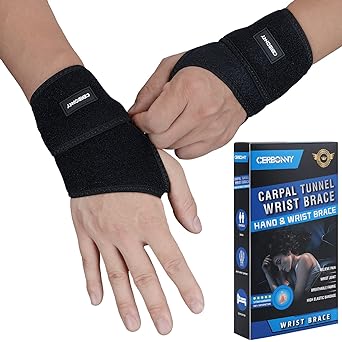
Description: A removable wrist splint and two fixed plastic splints provide a high level of wrist support. Limits unconscious bending or twisting of the wrist during sleep, avoiding aggravation of inflammation or nerve compression due to improper posture |
Description: Wrist bracers can be adjusted according to their comfort level, our wrist band can ensure stability, not easy to fall off, wearing it our hand support is very comfortable. High quality soft breathable fabric, |
Description: Maximum Pain Relief: Our wrist support braces are designed to help you relieve the pain and get the support you need for all-day and all-night comfort. Commonly used by people suffering from carpal tunnel syndrome, tendinitis, arthritis, wrist sprains, strains, etc. |
|
$13.99
|
$15.95
|
$27.06
|
A removable wrist splint and two fixed plastic splints provide a high level of wrist support. Limits unconscious bending or twisting of the wrist during sleep, avoiding aggravation of inflammation or nerve compression due to improper posture
Wrist bracers can be adjusted according to their comfort level, our wrist band can ensure stability, not easy to fall off, wearing it our hand support is very comfortable. High quality soft breathable fabric,
Maximum Pain Relief: Our wrist support braces are designed to help you relieve the pain and get the support you need for all-day and all-night comfort. Commonly used by people suffering from carpal tunnel syndrome, tendinitis, arthritis, wrist sprains, strains, etc.
Additional Tips to Prevent Arm Pain
While an arm brace for warehouse workers provides valuable support, combining it with proper work techniques and lifestyle practices creates the most comprehensive approach to preventing arm pain and injury. These additional strategies work synergistically with supportive equipment to maximize protection and comfort.
Using proper lifting techniques forms the cornerstone of injury prevention in warehouse work. The arms and back work together during lifting motions, and poor technique places excessive strain on arm muscles and joints. Key principles include keeping loads close to the body, using leg muscles for power, and avoiding twisting motions while carrying weight.
When lifting, engage the core muscles to provide spinal stability, which reduces the compensatory strain on arm muscles. Grip objects with the whole hand rather than just fingertips, and use both hands whenever possible to distribute the load evenly. For awkward or heavy items, team lifting eliminates the need for individual workers to exceed their safe lifting capacity.
Taking breaks when possible allows stressed tissues to recover and prevents the accumulation of fatigue that leads to injury. Even brief 30-60 second rest periods during continuous work can provide significant relief. Use break times to perform gentle stretching or simply allow arms to rest in a neutral position.
Micro-breaks throughout the work period prove more beneficial than infrequent longer breaks. The goal is to interrupt the repetitive stress cycle before significant fatigue develops. Smart break timing might involve pausing between heavy lifting sessions or alternating between different types of tasks that use different muscle groups.
Stretching arms and shoulders regularly maintains flexibility and reduces muscle tension that contributes to pain and stiffness. Simple stretches can be performed during breaks or even while continuing light work activities. Focus on gentle movements that counteract the repetitive motions of warehouse work.
Effective stretches include:
• Wrist circles to maintain joint mobility
• Forearm stretches to counteract gripping tension
• Shoulder rolls to release upper body tension
• Neck stretches to address compensatory strain
• Gentle arm swings to promote circulation
Rotating tasks to reduce repetitive strain prevents any single muscle group from becoming overworked. When possible, alternate between lifting-heavy tasks, detail work, walking assignments, and administrative duties. This variation allows different muscle groups to rest while others work.
Task rotation also provides mental stimulation that can reduce the perception of physical strain. Workers often report that varied work feels less demanding than repetitive activities, even when the total physical output remains similar.
Additional preventive strategies include:
Hydration maintenance supports muscle function and reduces cramping. Dehydration contributes to muscle fatigue and increases injury risk. Warehouse workers should maintain consistent fluid intake throughout their shift, particularly in warm environments.
Proper nutrition provides the building blocks for muscle recovery and energy production. A diet rich in anti-inflammatory foods such as fruits, vegetables, and omega-3 fatty acids supports tissue health and recovery.
Adequate sleep allows the body to repair daily tissue damage and restore energy reserves. Poor sleep quality interferes with recovery and increases pain sensitivity, making workers more susceptible to injury.
Strength training during off-hours can improve the body’s ability to handle work demands. Focus on exercises that strengthen the core, shoulders, and forearms while maintaining flexibility. Even simple resistance band exercises performed at home can provide significant benefits.
Ergonomic awareness helps workers identify and modify risk factors in their work environment. This might involve adjusting shelf heights, using mechanical aids when available, or suggesting workplace improvements to supervisors.
Early intervention when discomfort first appears prevents minor issues from becoming serious injuries. Workers should address pain promptly rather than hoping it will resolve on its own. This might involve adjusting work techniques, increasing the use of supportive equipment, or seeking professional advice.
The combination of these strategies with appropriate arm support creates a comprehensive approach to workplace injury prevention. Workers who adopt multiple protective measures typically experience better outcomes than those relying on any single intervention. Just as professionals in other fields benefit from comprehensive approaches – such as gamers who use specialized arm braces combined with ergonomic practices – warehouse workers achieve the best results through multifaceted prevention strategies.
Common Mistakes to Avoid
Even well-intentioned warehouse workers can undermine their efforts to prevent arm pain by making common mistakes that reduce the effectiveness of protective measures. Understanding these pitfalls helps workers maximize the benefits of their arm brace for warehouse workers and other preventive strategies.
Ignoring early signs of discomfort represents perhaps the most costly mistake warehouse workers make. The initial stages of overuse injuries often present as mild soreness, stiffness, or fatigue that workers dismiss as normal job-related discomfort. This “tough it out” mentality allows minor tissue damage to progress into serious conditions that require extensive treatment and time off work.
Early warning signs that should never be ignored include:
• Persistent soreness that doesn’t resolve overnight
• Stiffness or reduced range of motion in the morning
• Pain that worsens throughout the work shift
• Weakness or difficulty gripping objects
• Tingling or numbness in the fingers
Addressing these symptoms immediately through rest, proper support, and technique modification can prevent weeks or months of more serious problems later. Workers should view early discomfort as valuable feedback from their body rather than a sign of weakness.
Overworking without rest compounds the physical stress that leads to injury. Some workers, driven by productivity goals or financial pressures, skip breaks or work excessive overtime without allowing adequate recovery time. This approach inevitably leads to diminished performance and increased injury risk.
The human body requires regular recovery periods to repair the microscopic tissue damage that occurs during physical work. Without adequate rest, this damage accumulates faster than it can be repaired, leading to inflammation, pain, and eventual injury. Even workers using arm braces need regular rest to maintain their effectiveness.
Wearing a brace too tightly or incorrectly can create new problems while failing to address the original concern. Overly tight braces restrict circulation, leading to numbness, tingling, and potential tissue damage. Incorrectly positioned braces may provide support in the wrong area while leaving vulnerable tissues unprotected.
Common fitting errors include:
• Applying compression sleeves with wrinkles or bunching
• Positioning elbow straps directly over the joint instead of the muscle belly
• Over-tightening wraparound braces to compensate for poor positioning
• Wearing braces over thick clothing that interferes with proper compression
• Using damaged or worn-out braces that no longer provide adequate support
Regular fit checks throughout the workday help identify and correct these issues before they cause problems. Workers should also replace braces when they show signs of wear or lose their supportive properties.
Relying solely on equipment without addressing underlying risk factors limits the effectiveness of any protective strategy. An arm brace provides valuable support, but it cannot compensate for poor lifting technique, inadequate fitness, or workplace hazards that should be addressed through other means.
The most effective injury prevention programs combine supportive equipment with proper training, ergonomic improvements, and individual health maintenance. Workers who expect their arm brace to solve all problems without making other changes often experience disappointing results.
Choosing inappropriate brace types for specific conditions or work requirements reduces effectiveness and may create additional problems. A compression sleeve designed for general fatigue won’t provide adequate support for someone with tennis elbow, while a rigid brace might be unnecessarily restrictive for minor discomfort.
Understanding the specific benefits and limitations of different brace types helps workers make informed decisions about their protective equipment. When in doubt, consulting with healthcare providers or occupational health specialists can provide valuable guidance.
Neglecting overall health and fitness makes workers more susceptible to injury regardless of the protective equipment they use. Poor cardiovascular fitness, weak core muscles, inflexibility, and excess weight all contribute to increased injury risk in physically demanding jobs.
Workers who maintain good overall health through regular exercise, proper nutrition, adequate sleep, and stress management typically experience fewer work-related injuries and recover more quickly when problems do occur.
Failing to communicate with supervisors about pain or work-related concerns can lead to missed opportunities for workplace improvements or accommodations that could prevent injury. Many employers are willing to make reasonable modifications when they understand the specific challenges their workers face.
This might include adjusting work assignments, providing additional equipment, or modifying procedures to reduce injury risk. However, supervisors can’t address problems they don’t know exist, making open communication essential.
Avoiding these common mistakes requires ongoing attention and commitment to safe work practices. Workers who remain vigilant about their health and safety while using appropriate protective equipment like arm braces typically enjoy longer, more comfortable careers in warehouse work.
When to Seek Medical Advice
While an arm brace for warehouse workers and proper work techniques can prevent and manage many common arm problems, certain symptoms require professional medical evaluation. Recognizing when self-care measures are insufficient can prevent minor issues from becoming serious, long-term problems that could end a warehouse career.
Persistent or worsening pain that doesn’t improve with rest, proper support, and modified work techniques signals the need for professional assessment. Pain that continues for more than a few days despite appropriate self-care measures may indicate tissue damage that requires specific treatment beyond what an arm brace can provide.
Warning signs that warrant immediate medical attention include:
• Sharp, shooting pain that interferes with normal activities
• Pain that wakes you from sleep or prevents restful sleep
• Discomfort that progressively worsens over several days
• Pain that spreads from the original location to other areas
• Symptoms that don’t respond to over-the-counter pain medications
Healthcare providers can perform specific tests to diagnose conditions like tendonitis, nerve compression, or stress fractures that may not be apparent to the affected worker. Early professional intervention often leads to faster recovery and prevents the need for more aggressive treatments later.
Weakness or limited mobility in the arm, elbow, or hand requires prompt evaluation to determine the underlying cause and appropriate treatment. These symptoms may indicate nerve involvement, significant tissue damage, or conditions that could worsen without proper medical management.
Specific mobility concerns include:
• Difficulty lifting or carrying objects that were previously manageable
• Reduced grip strength that affects work performance
• Inability to fully extend or flex the elbow
• Numbness or tingling in the fingers or hand
• Coordination problems that increase accident risk
These symptoms may indicate conditions such as nerve compression syndromes, severe tendonitis, or joint problems that require specialized treatment beyond supportive equipment.
Pain interfering with work duties represents a critical threshold that demands professional attention. When arm discomfort prevents workers from performing their essential job functions safely and effectively, continued work without proper treatment risks serious injury and potential permanent damage.
Work-related functional limitations might include:
• Inability to lift required weights safely
• Difficulty maintaining grip on packages or equipment
• Reduced endurance that affects productivity
• Compensatory movements that create new injury risks
• Fear or anxiety about performing normal work tasks
Healthcare providers can assess these functional limitations and recommend appropriate treatments, work modifications, or rehabilitation programs to restore full work capacity.
Recurring symptoms that improve with rest but return when work resumes suggest underlying problems that require professional diagnosis and treatment. This pattern often indicates progressive conditions that won’t resolve without specific intervention.
The medical evaluation process typically includes a detailed history of symptoms, physical examination, and potentially diagnostic imaging or other tests to identify the specific problem. Based on these findings, healthcare providers can recommend targeted treatments such as:
• Physical therapy to address muscle imbalances and movement patterns
• Prescription medications for inflammation or pain management
• Injection therapies for specific conditions like tendonitis
• Ergonomic assessments to identify and modify workplace risk factors
• Surgical consultation for severe or non-responsive conditions
Occupational health specialists understand the specific demands of warehouse work and can provide targeted recommendations for managing work-related arm problems. These professionals often have experience with similar cases and can suggest practical solutions that allow workers to continue their careers while protecting their health.
Many employers offer access to occupational health services or employee assistance programs that can facilitate appropriate medical care. Workers should familiarize themselves with these resources before problems develop to ensure quick access when needed.
Workers’ compensation considerations may also influence the timing of medical consultation. Most workers’ compensation systems require prompt reporting and medical evaluation of work-related injuries to ensure coverage for treatment costs and lost wages.
Understanding the specific requirements and timelines for workers’ compensation claims in your jurisdiction helps protect both health and financial interests when work-related arm problems develop.
The key principle is that early professional intervention typically leads to better outcomes than delayed treatment. Workers who seek appropriate medical care when warning signs first appear often return to full function more quickly and with fewer long-term complications than those who delay seeking help.
Similar to how other professionals might need specialized medical care for work-related issues – just as athletes or other workers using supportive equipment might need professional guidance – warehouse workers should view medical consultation as a normal part of maintaining their occupational health rather than a sign of weakness or failure.
Conclusion
The demanding physical nature of warehouse work doesn’t have to result in chronic arm pain and career-limiting injuries. An arm brace for warehouse workers serves as a powerful tool in the fight against repetitive strain injuries, offering targeted support that can significantly reduce daily discomfort while helping prevent minor issues from becoming serious problems.
The evidence is clear: warehouse workers face substantially higher risks of arm and shoulder injuries compared to workers in other industries. However, this elevated risk can be effectively managed through a combination of proper protective equipment, sound work techniques, and proactive health maintenance strategies.
Key strategies for success include:
🔧 Choosing the right arm brace based on specific needs, work demands, and comfort requirements
💪 Combining supportive equipment with proper lifting techniques and regular breaks
⚠️ Recognizing early warning signs and addressing them promptly before they become serious
🏥 Seeking professional help when symptoms persist or interfere with work performance
🔄 Maintaining overall health through proper nutrition, exercise, and adequate rest
The investment in quality arm support equipment typically pays dividends in improved comfort, sustained work performance, and long-term career sustainability. Workers who take proactive steps to protect their arm health often find they can maintain productive careers well into their later years, while those who ignore early warning signs may face forced career changes due to preventable injuries.
Your next steps should include:
- Assess your current symptoms and identify specific areas of concern or discomfort
- Research appropriate arm brace options based on your work demands and symptom patterns
- Implement proper work techniques including lifting mechanics and break scheduling
- Monitor your response to supportive equipment and adjust usage as needed
- Seek professional guidance if symptoms persist or worsen despite appropriate self-care
Remember that protecting your arm health is an investment in your future earning potential and quality of life. The physical demands of warehouse work are significant, but with the right knowledge, equipment, and techniques, workers can successfully manage these challenges while maintaining their health and productivity.
Don’t wait until pain becomes unbearable or interferes with your ability to work. Take action today to protect your arms and ensure a long, successful career in warehouse operations. Your body—and your future self—will thank you for the proactive steps you take now to prevent injury and maintain optimal function.