

Nearly 85% of serious weight lifters experience arm pain or elbow discomfort at some point in their training journey, according to sports medicine research. The repetitive stress of heavy lifting, combined with poor recovery habits, creates a perfect storm for injury. An arm brace for weight lifting has become an essential tool for many athletes seeking to protect their arms while maintaining peak performance in the gym.
Weight lifting places tremendous stress on the arms, elbows, and connecting tendons. Without proper support, lifters often develop painful conditions like tennis elbow, tendonitis, or muscle strain that can sideline their progress for weeks or months. The good news? The right arm support can help prevent these issues while boosting confidence during heavy lifts.
This comprehensive guide covers everything needed to choose and use an arm brace for weight lifting effectively. From understanding different brace types to proper wearing techniques, readers will learn how to protect their arms and lift with greater confidence.
Key Takeaways
• Arm braces provide crucial support during heavy lifting by stabilizing joints and reducing tendon strain
• Different brace types serve specific purposes – from light compression sleeves to heavy-duty support braces
• Proper fit and positioning are essential for effectiveness and comfort during workouts
• Combining brace use with proper technique delivers the best injury prevention results
• Persistent arm pain requires medical evaluation – braces support but don’t replace professional treatment
Why Weight Lifters Experience Arm Pain
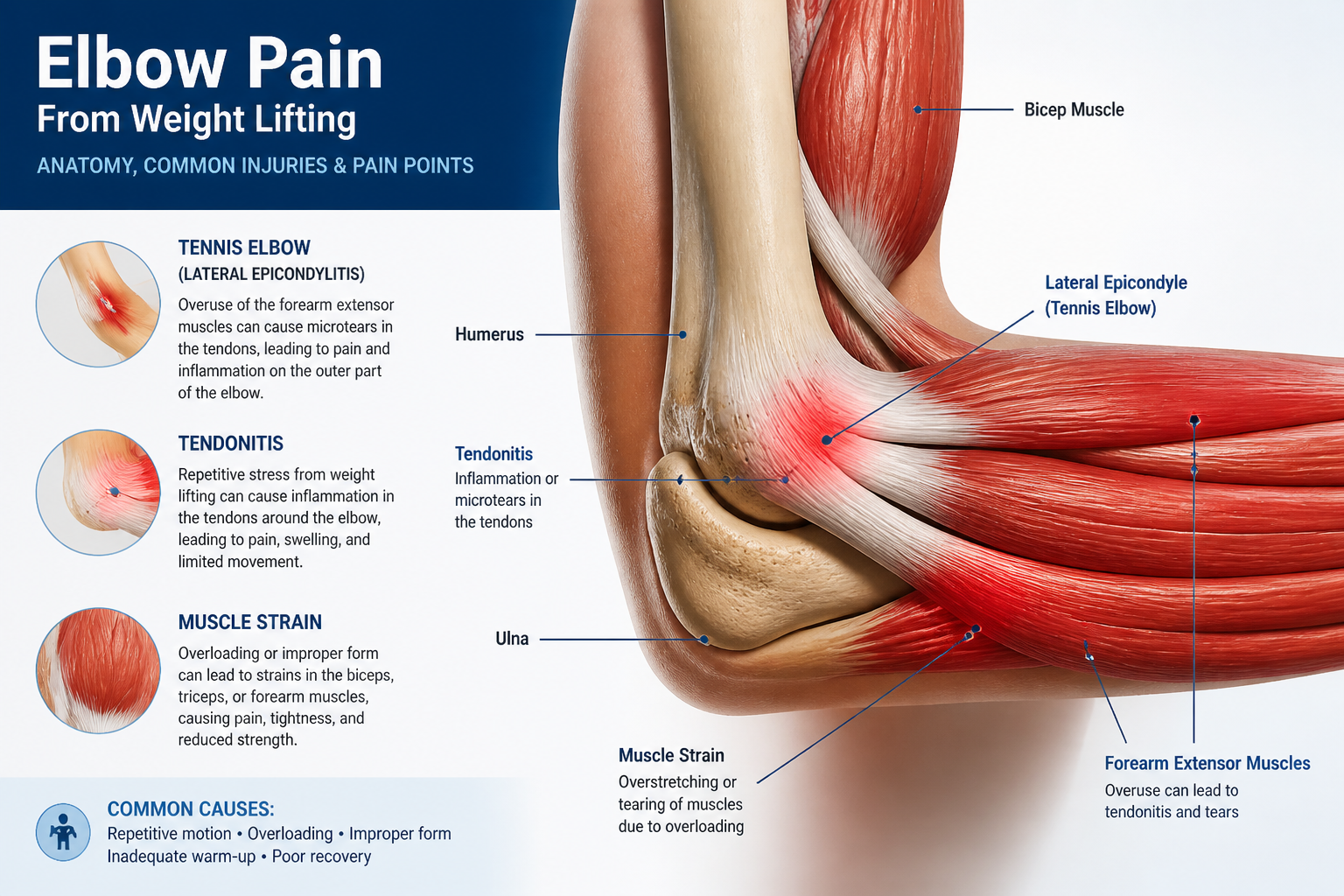
Weight lifting creates unique challenges for the arms and elbows that many other sports don’t present. The combination of heavy loads and repetitive movements places extraordinary stress on muscles, tendons, and joints throughout the arm.
Heavy Loads and Repetitive Stress
During a typical bench press, bicep curl, or overhead press, the arms must stabilize and control weights that often exceed body weight. This intense loading pattern, repeated across multiple sets and exercises, gradually wears down the supporting structures around the elbow and forearm.
The eccentric phase of lifting (lowering the weight) actually creates more stress than lifting the weight up. This controlled lowering motion forces muscles and tendons to work harder, leading to microscopic damage that requires proper recovery time.
Common Lifting-Related Arm Problems
Tendonitis ranks as the most frequent complaint among weight lifters. This inflammation of the tendons connecting muscles to bones typically develops gradually, starting as mild discomfort and progressing to sharp pain during specific movements.
Tennis elbow (lateral epicondylitis) affects the outer portion of the elbow, causing pain that radiates down the forearm. Despite its name, this condition frequently strikes weight lifters who perform repetitive gripping and lifting motions.
Muscle strain occurs when muscle fibers stretch beyond their capacity or tear partially. The biceps and triceps are particularly vulnerable during heavy pressing and pulling exercises.
How Small Problems Become Serious Injuries
Many lifters ignore early warning signs of arm pain, viewing discomfort as a normal part of training. This “push through the pain” mentality often transforms minor issues into major injuries requiring extended recovery periods.
Overtraining compounds the problem by preventing adequate tissue repair between sessions. Without sufficient rest, small tears and inflammation accumulate, eventually causing significant pain and reduced performance.
Poor lifting form accelerates this process by placing abnormal stress on joints and muscles. When technique breaks down under heavy loads, the arms often compensate in ways that increase injury risk.
Similar to how athletes use knee braces for weight lifting to protect their lower body joints, arm braces serve a crucial protective role for upper body training.
Can an Arm Brace Help With Weight Lifting?
The short answer is yes – when used correctly, an arm brace for weight lifting can provide significant benefits for both injury prevention and performance enhancement. However, understanding exactly how these devices work helps lifters make informed decisions about their use.
Provides Support to Muscles and Tendons Under Load
Arm braces work by distributing stress more evenly across the forearm and elbow region. During heavy lifts, the brace acts like an external support system, reducing the load on individual tendons and muscle attachments.
The compression effect improves blood flow to the area, which can enhance muscle function and reduce fatigue during extended training sessions. This increased circulation also helps remove metabolic waste products that contribute to muscle soreness.
Helps Stabilize the Elbow Joint
Joint stability becomes crucial during compound movements like bench press, rows, and overhead pressing. An arm brace provides proprioceptive feedback – essentially helping the brain better understand joint position and movement patterns.
This enhanced awareness can lead to improved lifting technique as the lifter becomes more conscious of arm positioning throughout each exercise. Better technique naturally reduces injury risk while potentially improving performance.
Reduces Strain During Heavy Lifts
The counterforce principle used in many arm braces helps redirect stress away from painful areas. By applying targeted pressure to specific points on the forearm, these devices can significantly reduce the load on inflamed or injured tendons.
For lifters dealing with existing discomfort, this strain reduction can mean the difference between continuing to train and being forced to take time off. The brace essentially acts as a mechanical advantage that allows continued activity while tissues heal.
May Improve Confidence and Control
The psychological benefits of wearing an arm brace shouldn’t be underestimated. Many lifters report feeling more confident when attempting heavy weights while wearing supportive gear.
This increased confidence often translates to better performance, as the lifter can focus on proper technique rather than worrying about potential pain or injury. The mental aspect of training plays a significant role in both safety and results.
Just as athletes benefit from understanding how to choose the right knee brace for their specific needs, selecting the appropriate arm brace requires careful consideration of individual factors and training goals.
Types of Arm Braces for Weight Lifting
Understanding the different categories of arm braces helps lifters select the most appropriate option for their specific needs and training intensity. Each type offers distinct advantages and works best in particular situations.
Compression Sleeves 💪
Compression sleeves represent the lightest form of arm support, typically made from elastic materials like neoprene or spandex blends. These sleeves slide over the entire forearm and provide uniform compression throughout the covered area.
Benefits:
- Improve blood circulation during training
- Provide mild joint warming
- Offer minimal bulk and maximum mobility
- Suitable for all-day wear
Best for: Lifters seeking light support during moderate training sessions or those wanting to prevent minor discomfort from developing into larger problems.
Elbow Straps (Counterforce Braces)
These targeted devices wrap around the upper forearm, just below the elbow joint. They work by applying focused pressure to specific tendons, redirecting stress away from painful attachment points.
Key features:
- Adjustable tension for customized support
- Compact design that doesn’t restrict movement
- Targeted relief for tennis elbow and similar conditions
- Quick application – can be put on in seconds
Best for: Lifters experiencing elbow pain, tendonitis, or those recovering from minor arm injuries while maintaining their training routine.
Wraparound Arm Braces
Wraparound designs offer more comprehensive support than simple straps while remaining more flexible than rigid braces. These typically feature adjustable straps or velcro closures that allow for customized compression levels.
Advantages:
- Adjustable support levels throughout the day
- Secure fit that won’t slip during intense training
- Moderate bulk balancing support with mobility
- Versatile design suitable for various arm sizes
Best for: Lifters with moderate discomfort who need more support than a simple sleeve but don’t require heavy-duty stabilization.
Heavy-Duty Support Braces
Heavy-duty braces incorporate rigid elements like metal stays or plastic reinforcements to provide maximum stability and support. These devices typically cover larger areas of the arm and may include hinged components for controlled movement.
Features:
- Maximum stability for serious injuries
- Rigid reinforcement prevents harmful movements
- Professional-grade materials built for durability
- Comprehensive coverage of the entire elbow region
Best for: Lifters recovering from significant injuries, those with chronic conditions, or athletes performing extremely heavy lifting where maximum support is essential.
The choice between these options often depends on the severity of symptoms and training intensity. Many lifters find that having multiple types allows them to match their support level to their daily needs and workout demands.
For those dealing with specific conditions, exploring options like the best arm brace for tendonitis can provide targeted solutions for particular problems.
What to Look for in the Best Arm Brace for Weight Lifting
Selecting the right arm brace requires evaluating several critical factors that directly impact both effectiveness and user experience. The best brace combines optimal support with practical usability for the demanding environment of weight training.
Strong but Flexible Support
The ideal arm brace for weight lifting must provide adequate stability without completely restricting natural movement patterns. Look for braces that use graduated compression – tighter in key support areas while allowing flexibility where movement is essential.
Quality indicators:
- Reinforced stress points that won’t fail under load
- Flexible joints that move with natural arm motion
- Durable stitching that can handle repeated stretching
- Progressive support that adapts to different activities
Durable Materials for Repeated Use
Weight lifting creates a harsh environment for equipment. Sweat, friction, and constant movement quickly destroy inferior materials. Premium braces use materials specifically chosen for athletic applications.
Material priorities:
- Moisture-wicking fabrics that manage sweat effectively
- Abrasion-resistant surfaces that won’t wear through quickly
- Reinforced attachment points for straps and closures
- Easy-care materials that maintain properties after washing
Secure Fit That Won’t Slip
Nothing undermines confidence like a brace that shifts during critical lifts. The best arm braces for weight lifting feature multiple adjustment points and secure closure systems that maintain position throughout intense training sessions.
Fit features to prioritize:
- Multiple strap systems for customized adjustment
- Non-slip interior surfaces that grip without irritation
- Anatomical shaping that follows natural arm contours
- Size-specific designs rather than “one-size-fits-all” options
Breathable, Sweat-Resistant Design
Extended training sessions generate significant heat and moisture around the brace area. Poor ventilation can lead to skin irritation, odor problems, and reduced wearing comfort.
Ventilation elements:
- Perforated panels in high-heat areas
- Moisture-wicking linings that pull sweat away from skin
- Quick-dry materials that don’t stay soggy
- Antimicrobial treatments that prevent odor buildup
Comfort During Movement
The most supportive brace becomes useless if it’s too uncomfortable to wear consistently. Comfort features should enhance rather than hinder the training experience.
Comfort considerations:
- Padded contact points that prevent pressure spots
- Smooth interior surfaces that won’t chafe or irritate
- Ergonomic design that works with natural body mechanics
- Lightweight construction that doesn’t add unnecessary bulk
Understanding these key features helps lifters make informed decisions when comparing different models and brands. The investment in a quality arm brace pays dividends through improved training consistency and reduced injury risk.
For those seeking comprehensive support solutions, exploring resources about the best arm braces for lifting can provide detailed comparisons of top-rated options.
How to Choose the Right Arm Brace for Lifting
Selecting the optimal arm brace requires matching the device capabilities to individual needs, training style, and current physical condition. This systematic approach ensures the best possible outcomes while avoiding common selection mistakes.
Match Brace Type to Lifting Intensity
Training volume and intensity should directly influence brace selection. Powerlifters handling maximum loads need different support than fitness enthusiasts performing moderate resistance training.
High-intensity training (80%+ 1RM):
- Heavy-duty braces with rigid reinforcement
- Maximum stability features
- Professional-grade materials
- Comprehensive joint coverage
Moderate training (60-80% 1RM):
- Wraparound braces with adjustable support
- Balanced flexibility and stability
- Comfortable for extended wear
- Versatile adjustment options
Light training (below 60% 1RM):
- Compression sleeves or light straps
- Minimal bulk and maximum mobility
- Focus on circulation and warmth
- All-day wearing comfort
Consider Current Pain or Injury Level
Existing symptoms significantly impact the type and level of support needed. Honest assessment of current condition prevents under-supporting serious issues or over-bracing minor discomfort.
Acute pain or recent injury:
- Seek medical evaluation first
- Heavy-duty support may be necessary
- Focus on stability over mobility
- Consider professional fitting
Chronic discomfort:
- Moderate support with good adjustability
- Balance support with function
- Look for targeted pressure relief
- Consider multiple brace types for different activities
Prevention-focused:
- Light compression or targeted straps
- Emphasis on comfort and wearability
- Minimal impact on training technique
- Cost-effective options appropriate
Balance Support with Mobility
The support-mobility trade-off represents one of the most critical decisions in brace selection. More support generally means less natural movement, which can impact lifting technique and performance.
Factors to consider:
- Exercise types performed most frequently
- Range of motion requirements for key lifts
- Technique sensitivity to restricted movement
- Training goals and performance priorities
Ensure Proper Sizing and Fit
Accurate sizing makes the difference between an effective support device and an expensive piece of equipment that sits unused. Most manufacturers provide detailed sizing guides based on arm measurements.
Measurement guidelines:
- Forearm circumference at the widest point
- Upper arm circumference if the brace extends that far
- Elbow circumference when bent at 90 degrees
- Arm length for full-coverage models
Fit verification:
- Snug but not restrictive when muscles are relaxed
- No pressure points or pinching
- Maintains position during arm movement
- Allows full range of motion for training exercises
Many lifters find success using different braces for different situations – light compression for daily wear and heavier support for intense training sessions. This approach provides flexibility while ensuring appropriate support levels for varying demands.
For those dealing with specific workplace-related arm issues, resources like arm braces for office workers can provide additional insights into managing arm health throughout the day.
How to Wear an Arm Brace While Lifting
Proper application and positioning of an arm brace directly impacts its effectiveness and comfort during training sessions. Following correct procedures ensures maximum benefit while avoiding common problems that can undermine the brace’s protective function.
Position Correctly on the Forearm or Elbow
Placement accuracy determines how well the brace performs its intended function. Most arm braces for weight lifting target specific anatomical areas, and even small positioning errors can significantly reduce effectiveness.
For elbow straps:
- Position 1-2 inches below the elbow joint
- Center the pressure pad over the lateral epicondyle (outer elbow bump)
- Ensure the strap sits parallel to the ground when arm is extended
- Avoid placing directly over the elbow joint itself
For compression sleeves:
- Cover the entire forearm from wrist to just below elbow
- Ensure even compression throughout the covered area
- Check that the sleeve doesn’t bunch or wrinkle during movement
- Position seams away from high-contact areas
For wraparound braces:
- Follow manufacturer’s anatomical landmarks for positioning
- Secure primary support elements over target areas
- Ensure even pressure distribution across all contact points
- Double-check positioning after initial movement
Keep It Snug but Not Restrictive
The compression level requires careful balance – too loose provides insufficient support while too tight can impair circulation and cause discomfort. Proper tension should feel supportive but comfortable.
Tension guidelines:
- Should feel firm pressure without pain or numbness
- Allow normal blood circulation – check fingertip color regularly
- Permit full range of motion for all planned exercises
- Feel secure during movement without shifting
Warning signs of over-tightening:
- Tingling or numbness in fingers
- Skin color changes below the brace
- Increased pain or discomfort
- Restricted movement beyond intended limits
Wear During High-Strain Exercises
Strategic timing maximizes brace benefits while minimizing any potential drawbacks. Most lifters don’t need constant brace wear but benefit significantly during specific high-risk activities.
Priority exercises for brace use:
- Heavy compound movements (bench press, rows, overhead press)
- High-repetition arm exercises (bicep curls, tricep extensions)
- Exercises that aggravate existing symptoms
- Personal record attempts or maximum effort lifts
Consider removing for:
- Warm-up exercises with light weights
- Exercises that feel completely comfortable without support
- Cool-down and stretching activities
- Between-set rest periods if desired for comfort
Test Mobility Before Lifting
Pre-training verification ensures the brace won’t interfere with proper exercise technique or create unexpected limitations during critical lifts.
Mobility check routine:
- Perform full arm circles in both directions
- Practice key lifting movements with bodyweight only
- Test grip strength and wrist mobility
- Verify elbow flexion and extension through full range
Adjustment indicators:
- Any restriction of normal movement patterns
- Discomfort during movement testing
- Pressure points that develop during motion
- Shifting or sliding of the brace position
Making small adjustments before beginning the workout prevents larger problems during training. Most quality braces allow fine-tuning of fit and compression levels to optimize comfort and function.
For individuals who spend long hours in repetitive activities outside the gym, understanding how to manage arm fatigue can complement their lifting-focused arm protection strategy.
|

|

|
|
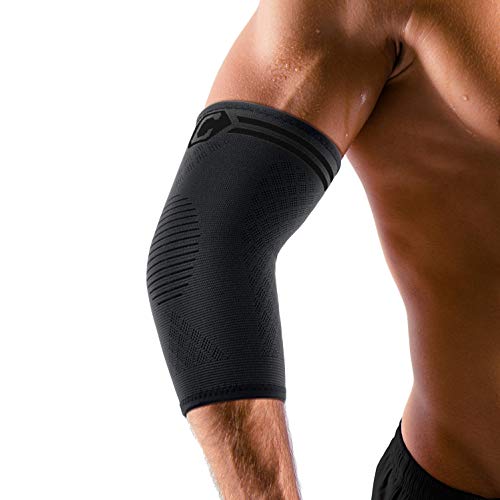
Description: TARGETED PAIN RELIEF & BOOSTED RECOVERY - Engineered with graduated compression, our elbow sleeves apply targeted support to key joint areas to help relieve discomfort associated with tennis elbow, tendonitis, and arthritis. |
Description: GOOD PERFORMANCE - The elbow brace applies even pressure to the elbow joint and elbow muscles, which can relieve tennis elbow, tendonitis, joint inflammation, golfer's elbow and other elbow pains, etc. |
Description: Our elbow brace is great for treating tendonitis, arthritis, sprained bones, strained ligaments, cubital Tunnel,ulnar nerve. Provides optimal support and compression to the elbow joint, reducing pain and preventing further injury during activities |
|
Our Rating:
4.8
|
Our Rating:
4.5
|
Our Rating:
4.4
|
|
$8.49
|
$11.99
|
$7.97
|
TARGETED PAIN RELIEF & BOOSTED RECOVERY - Engineered with graduated compression, our elbow sleeves apply targeted support to key joint areas to help relieve discomfort associated with tennis elbow, tendonitis, and arthritis.
GOOD PERFORMANCE - The elbow brace applies even pressure to the elbow joint and elbow muscles, which can relieve tennis elbow, tendonitis, joint inflammation, golfer's elbow and other elbow pains, etc.
Our elbow brace is great for treating tendonitis, arthritis, sprained bones, strained ligaments, cubital Tunnel,ulnar nerve. Provides optimal support and compression to the elbow joint, reducing pain and preventing further injury during activities
When to Use an Arm Brace in Weight Lifting
Strategic timing of brace use maximizes protective benefits while maintaining natural movement patterns and strength development. Understanding when arm support provides the most value helps lifters make informed decisions about consistent use versus situational application.
During Heavy Lifting Sessions
High-intensity training days create the greatest stress on arm structures and represent the highest injury risk periods. Using an arm brace for weight lifting during these sessions provides crucial support when it’s needed most.
Heavy session indicators:
- Working at 85%+ of one-rep maximum
- Performing competition-style lifts
- Training with unfamiliar or challenging weights
- Pushing through strength plateaus
Specific high-risk exercises:
- Bench press with maximum or near-maximum loads
- Heavy rowing movements that stress the elbow joint
- Overhead pressing that challenges arm stability
- Weighted pull-ups or dips with significant added resistance
When Recovering from Minor Injuries
Active recovery often allows continued training with appropriate modifications and support. An arm brace can enable maintained fitness while tissues heal, preventing the deconditioning that comes with complete rest.
Recovery scenarios:
- Mild tendonitis that doesn’t require complete activity cessation
- Minor muscle strains that respond well to supported movement
- Post-injury return to training under professional guidance
- Chronic conditions that benefit from ongoing support
Recovery guidelines:
- Follow medical professional recommendations for activity levels
- Start with lighter weights and progress gradually
- Monitor pain levels and adjust intensity accordingly
- Use the brace as part of a comprehensive recovery plan
During High-Volume Training
Extended training sessions or high-repetition workouts can fatigue the supporting structures around the elbow and forearm. Brace support helps maintain proper joint mechanics as muscles tire.
High-volume situations:
- Endurance-focused training with moderate weights
- Circuit training involving multiple arm exercises
- Competition preparation with increased training frequency
- Technique practice sessions with repetitive movements
As a Preventive Measure
Proactive protection can prevent minor issues from developing into significant problems. This approach works particularly well for lifters with previous injury history or those in high-risk training phases.
Prevention strategies:
- Use during new exercise introduction periods
- Apply when increasing training volume significantly
- Employ during technique modification phases
- Utilize when returning from extended breaks
Risk factors for preventive use:
- Previous elbow or arm injuries
- Age-related joint changes
- Occupational arm stress outside the gym
- Genetic predisposition to joint problems
The key to successful brace use lies in matching support levels to actual needs rather than relying on maximum support for all situations. This approach maintains natural strength development while providing protection when it matters most.
For those dealing with arm discomfort throughout their daily activities, exploring daily pain management strategies can provide comprehensive approaches to maintaining arm health.
Additional Tips to Prevent Arm Injuries
While an arm brace for weight lifting provides valuable support, comprehensive injury prevention requires a multi-faceted approach that addresses technique, recovery, and overall training management. These strategies work synergistically with brace use to maximize arm health and training longevity.
Warm Up Properly Before Lifting
Adequate preparation of the arm muscles, tendons, and joints significantly reduces injury risk by increasing blood flow, improving tissue elasticity, and enhancing neuromuscular coordination.
Effective arm warm-up sequence:
- 5-10 minutes of light cardiovascular activity to increase overall circulation
- Dynamic arm circles in both directions, gradually increasing range of motion
- Band pull-aparts to activate the posterior shoulder and arm muscles
- Light resistance exercises mimicking the planned workout movements
Progressive loading:
- Start with bodyweight movements before adding external resistance
- Perform multiple warm-up sets with gradually increasing weights
- Include movement-specific preparation for each major exercise
- Allow adequate time for tissues to reach optimal temperature
Use Proper Form and Technique
Correct movement patterns distribute stress appropriately across joints and muscles, preventing the abnormal loading that leads to overuse injuries and acute trauma.
Key technique principles:
- Maintain neutral joint alignment throughout all movements
- Control both lifting and lowering phases of each repetition
- Avoid excessive momentum that places sudden stress on joints
- Respect individual range of motion limitations
Common technique errors:
- Elbow flaring during pressing movements
- Excessive wrist extension during gripping exercises
- Rapid, uncontrolled lowering of weights
- Training through poor form when fatigued
Avoid Overtraining
Excessive training volume or intensity without adequate recovery prevents tissue adaptation and repair, leading to accumulated damage and eventual injury.
Overtraining warning signs:
- Persistent muscle soreness that doesn’t resolve between sessions
- Declining performance despite consistent training
- Increased injury susceptibility and minor aches
- Reduced motivation and training enjoyment
Recovery optimization:
- Plan rest days as carefully as training days
- Vary training intensity throughout the week
- Monitor subjective recovery indicators daily
- Adjust volume based on life stress and sleep quality
Allow Time for Recovery
Adequate rest periods between training sessions enable tissue repair, adaptation, and strengthening. This biological process cannot be rushed and requires appropriate time allocation.
Recovery strategies:
- 48-72 hours between intense training of the same muscle groups
- Quality sleep of 7-9 hours per night for optimal recovery
- Proper nutrition to support tissue repair and adaptation
- Active recovery activities that promote blood flow without adding stress
Recovery enhancement:
- Gentle stretching to maintain mobility and reduce stiffness
- Light massage or self-massage techniques for circulation
- Heat and cold therapy as appropriate for individual response
- Stress management to optimize the body’s recovery capacity
Combining these injury prevention strategies with appropriate brace use creates a comprehensive approach to arm health that supports long-term training success. The investment in prevention pays significant dividends through reduced injury risk and improved training consistency.
For lifters who are new to arm protection strategies, starting with beginner-friendly approaches to elbow pain management can provide a solid foundation for developing good habits.
Common Mistakes to Avoid
Even well-intentioned lifters can undermine their arm health and brace effectiveness through common errors in application, expectations, and training approach. Recognizing these pitfalls helps ensure that arm brace use contributes positively to training outcomes.
Relying Too Heavily on a Brace
Over-dependence on external support can lead to weakened natural stabilizing muscles and reduced proprioceptive awareness. The brace should enhance rather than replace the body’s natural protective mechanisms.
Signs of over-reliance:
- Inability to train comfortably without the brace
- Avoiding brace-free activities that were previously comfortable
- Increasing brace use without corresponding improvement in symptoms
- Fear of training without external support
Healthy brace relationship:
- Use as temporary support during high-stress periods
- Gradually reduce dependence as strength and comfort improve
- Maintain some brace-free training to preserve natural function
- Focus on addressing underlying causes of arm problems
Wearing It Too Tightly
Excessive compression creates more problems than it solves, potentially impairing circulation, causing nerve compression, and creating new areas of discomfort.
Over-tightening consequences:
- Reduced blood flow leading to tissue hypoxia
- Nerve compression causing tingling or numbness
- Skin irritation and pressure sores
- Compensatory movement patterns that stress other areas
Proper tension indicators:
- Comfortable pressure that feels supportive but not restrictive
- Normal skin color and sensation below the brace
- Full range of motion for all intended activities
- No marks or indentations after brace removal
Ignoring Pain Signals
Pain serves as a protective mechanism that indicates tissue damage or dysfunction. Using a brace to mask pain without addressing underlying causes can lead to more serious injuries.
Warning signs to never ignore:
- Sharp, sudden pain during or after exercise
- Progressive worsening of symptoms despite brace use
- Night pain that disrupts sleep
- Weakness or instability in the affected arm
Appropriate pain response:
- Modify or cease activities that cause significant pain
- Seek professional evaluation for persistent or severe symptoms
- Use the brace as support while addressing root causes
- Document pain patterns to identify triggers and improvements
Using Improper Lifting Technique
Poor form places abnormal stress on joints and soft tissues that no brace can fully counteract. Technique improvement should be the primary focus with brace use as supplementary support.
Technique priorities:
- Learn proper movement patterns before adding significant load
- Practice with light weights to establish good habits
- Seek qualified instruction for complex exercises
- Video analysis can reveal subtle form errors
Form breakdown indicators:
- Increasing discomfort during specific exercises
- Inability to complete full range of motion
- Compensation patterns using other body parts
- Reduced control during the lowering phase of lifts
Avoiding these common mistakes requires honest self-assessment and willingness to prioritize long-term health over short-term training goals. The most successful lifters view brace use as part of a comprehensive approach to arm health rather than a quick fix for poor training practices.
Understanding when professional guidance becomes necessary helps lifters make appropriate decisions about their arm health management strategy.
When to Seek Medical Advice
While an arm brace for weight lifting can provide significant support and symptom relief, certain situations require professional medical evaluation to prevent serious injury and ensure appropriate treatment. Recognizing these warning signs helps lifters make timely decisions about seeking care.
Persistent or Worsening Pain
Pain that continues despite rest, brace use, and activity modification indicates potential underlying pathology that requires professional assessment. This is particularly concerning when symptoms progressively worsen over time.
Red flag symptoms:
- Pain lasting more than 2-3 weeks without improvement
- Gradual increase in pain intensity despite conservative measures
- Pain that interferes with daily activities beyond weight lifting
- Symptoms that don’t respond to typical rest and recovery strategies
Documentation helps medical evaluation:
- Pain intensity scales (1-10) tracked over time
- Activity triggers that consistently worsen symptoms
- Time patterns – when pain is worst during the day
- Response to interventions including brace use and rest
Sharp Pain During Lifting
Acute, severe pain during exercise often indicates tissue damage that requires immediate attention. This type of pain should never be “pushed through” or ignored.
Immediate action required for:
- Sudden, sharp pain that stops the exercise immediately
- “Pop” or “snap” sensations accompanied by pain
- Immediate swelling or visible deformity
- Complete inability to continue the exercise
Emergency vs. urgent care:
- Emergency room for suspected fractures, complete tears, or severe trauma
- Urgent care or sports medicine for acute pain without obvious deformity
- Primary care physician for less severe but concerning symptoms
- Sports medicine specialist for exercise-related injuries
Weakness or Reduced Performance
Unexplained weakness or significant performance decline may indicate nerve involvement, complete muscle tears, or other serious conditions requiring specialized evaluation.
Concerning weakness patterns:
- Grip strength loss that doesn’t improve with rest
- Inability to lift previously manageable weights
- Muscle weakness in specific movement patterns
- Coordination problems or unusual clumsiness
Neurological warning signs:
- Numbness or tingling extending into the hand or fingers
- Muscle twitching or unusual sensations
- Temperature changes in the affected arm
- Color changes in skin or fingernails
Limited Range of Motion
Significant restriction in arm or elbow movement, especially when accompanied by pain, may indicate joint problems, severe inflammation, or mechanical blockages.
Movement limitations requiring evaluation:
- Inability to fully straighten or bend the elbow
- Shoulder movement restrictions affecting the entire arm
- Wrist mobility problems that impact grip function
- Progressive stiffness that worsens over time
Associated symptoms:
- Swelling that doesn’t resolve with rest and ice
- Joint locking or catching sensations
- Grinding or clicking sounds with movement
- Visible joint deformity or unusual appearance
Professional Evaluation Benefits
Early intervention often prevents minor problems from becoming major injuries requiring extensive treatment and recovery time.
Healthcare providers for arm problems:
- Primary care physicians for initial evaluation and referrals
- Orthopedic surgeons for structural problems and surgical conditions
- Sports medicine doctors for exercise-related injuries
- Physical therapists for movement dysfunction and rehabilitation
Diagnostic tools available:
- X-rays for bone and joint problems
- MRI scans for soft tissue evaluation
- Ultrasound for tendon and muscle assessment
- Nerve conduction studies for neurological concerns
The goal of professional evaluation is to identify treatable conditions early and develop appropriate management strategies that may include continued brace use as part of a comprehensive treatment plan.
For those experiencing arm discomfort related to specific activities, exploring targeted solutions like arm braces for delivery drivers can provide insights into occupation-specific arm protection strategies.
Frequently Asked Questions
Do arm braces help with weight lifting?
Yes, arm braces can significantly help with weight lifting by providing support to muscles and tendons, stabilizing the elbow joint, and reducing strain during heavy exercises. They’re particularly effective for lifters experiencing minor discomfort, recovering from injuries, or performing high-intensity training. However, braces work best when combined with proper technique and adequate recovery practices.
Should you wear an arm brace every workout?
Not necessarily. The frequency of arm brace use should match individual needs and training intensity. Many lifters benefit from wearing braces during heavy lifting sessions, high-volume training, or when experiencing discomfort, while using brace-free sessions for lighter workouts. Constant use may lead to over-dependence, so strategic application typically produces better long-term results.
What type of brace is best for lifting?
The best type depends on specific needs:
- Compression sleeves work well for light support and circulation
- Elbow straps target tendonitis and tennis elbow effectively
- Wraparound braces offer adjustable support for moderate issues
- Heavy-duty braces provide maximum stability for serious conditions or very heavy lifting
Most lifters find elbow straps or wraparound braces offer the best balance of support and mobility for weight training.
How tight should an arm brace be?
An arm brace should feel snug and supportive without being restrictive. Proper tightness allows normal blood circulation (check fingertip color regularly), full range of motion for planned exercises, and secure positioning without slipping. Warning signs of over-tightening include tingling, numbness, skin color changes, or increased pain. The brace should feel like firm, comfortable pressure rather than constriction.
Can I lift heavy weights while wearing an arm brace?
Yes, many lifters successfully perform heavy training while wearing appropriate arm braces. The key is selecting a brace designed for high-intensity activities and ensuring proper fit and positioning. Heavy-duty braces or quality wraparound models typically handle the demands of serious lifting. However, always prioritize proper form and listen to your body’s signals regardless of brace use.
Will wearing an arm brace weaken my muscles?
Occasional or strategic brace use typically won’t weaken muscles when combined with regular strength training. However, constant dependence on external support may reduce natural stabilizer muscle activation over time. The solution is balanced use – wearing braces during high-stress periods while maintaining some brace-free training to preserve natural strength and coordination.
How long should I wear an arm brace during workouts?
Wear duration should match training needs and comfort levels. Many lifters apply braces only during exercises that cause discomfort or high-stress movements like heavy pressing or pulling. Others wear them throughout entire sessions during high-intensity training phases. Remove the brace if you experience numbness, increased pain, or circulation problems.
Can arm braces prevent tennis elbow in lifters?
Arm braces can help prevent tennis elbow by reducing stress on the lateral epicondyle tendons during repetitive gripping and lifting motions. Counterforce elbow straps are particularly effective for this purpose. However, prevention also requires proper lifting technique, adequate recovery time, and gradual progression in training intensity.
Similar to how knee braces can help prevent injury in the lower body, arm braces serve a valuable preventive role when used appropriately as part of a comprehensive training approach.
Conclusion
An arm brace for weight lifting serves as a valuable tool for protecting arms, managing discomfort, and maintaining training consistency. The key to success lies in matching the right type of brace to individual needs while understanding that external support works best as part of a comprehensive approach to arm health.
Strategic brace use during heavy lifting sessions, high-volume training, or recovery periods can significantly reduce injury risk and improve training confidence. However, the most effective protection comes from combining brace support with proper lifting technique, adequate recovery, and progressive training methods.
For lifters experiencing arm pain or discomfort, starting with a quality elbow strap or compression sleeve often provides immediate relief while allowing continued training. Those with more serious concerns should consider professional evaluation to ensure appropriate treatment and prevent minor issues from becoming major injuries.
Take action today by honestly assessing your current arm health, selecting an appropriate brace if needed, and committing to the injury prevention strategies outlined in this guide. Your future training success depends on the protective measures you implement now.
Remember that consistency in both protection and technique creates the foundation for long-term lifting success. Whether you’re dealing with current discomfort or working to prevent future problems, the right arm brace can help you lift with greater confidence and reduced injury risk.