

Over 86% of professional writers report experiencing arm, wrist, or elbow pain from their daily work routine. This staggering statistic reveals a hidden epidemic affecting millions of content creators, journalists, novelists, and freelance writers worldwide. The repetitive nature of typing and handwriting, combined with poor ergonomics and long writing sessions, creates the perfect storm for debilitating arm pain.
An arm brace for writers has emerged as a practical solution to combat this growing problem. These specialized support devices help reduce strain, prevent injury, and allow writers to maintain their productivity without sacrificing their physical well-being. Whether dealing with existing discomfort or looking to prevent future issues, understanding how arm braces work can transform the writing experience.
This comprehensive guide explores everything writers need to know about using arm braces effectively, from choosing the right type to implementing proper ergonomic practices for long-term comfort and success.
Key Takeaways
• Repetitive strain injuries affect the majority of professional writers due to poor ergonomics and extended writing sessions
• Arm braces for writers provide targeted support that reduces muscle fatigue and prevents worsening of existing conditions
• Different brace types serve specific purposes – compression sleeves for general support, elbow straps for tendonitis, and wraparound braces for adjustable protection
• Proper fitting and placement are crucial for maximizing benefits while maintaining writing comfort and mobility
• Combining brace use with ergonomic improvements and regular breaks creates the most effective pain prevention strategy
Why Writers Experience Arm Pain
The modern writing profession places unique demands on the arms, wrists, and hands that can lead to significant discomfort over time. Understanding these underlying causes helps writers make informed decisions about prevention and treatment strategies.
Repetitive Motion Strain 🔄
Typing and handwriting involve thousands of repetitive movements each day. The average writer types between 40-80 words per minute, translating to hundreds of thousands of keystrokes during a typical workday. This constant repetition creates microscopic tears in muscle fibers and tendons, leading to inflammation and pain.
Handwriting presents its own challenges, particularly for writers who prefer notebooks or journals. The gripping motion required to hold a pen or pencil, combined with the repetitive movement of forming letters, can strain the forearm muscles and create tension throughout the entire arm.
Poor Ergonomic Setup 💻
Many writers work in less-than-ideal conditions that contribute to arm pain:
- Incorrect keyboard height forces the arms into unnatural positions
- Poor chair support leads to compensatory arm positioning
- Inadequate desk space causes cramped working conditions
- Monitor placement that requires awkward arm positioning for mouse use
Extended Writing Sessions ⏰
Marathon writing sessions without adequate breaks allow tension to build progressively. Many writers become absorbed in their work and forget to rest, leading to muscle fatigue and increased injury risk.
Common Writing-Related Conditions
Several specific conditions frequently affect writers:
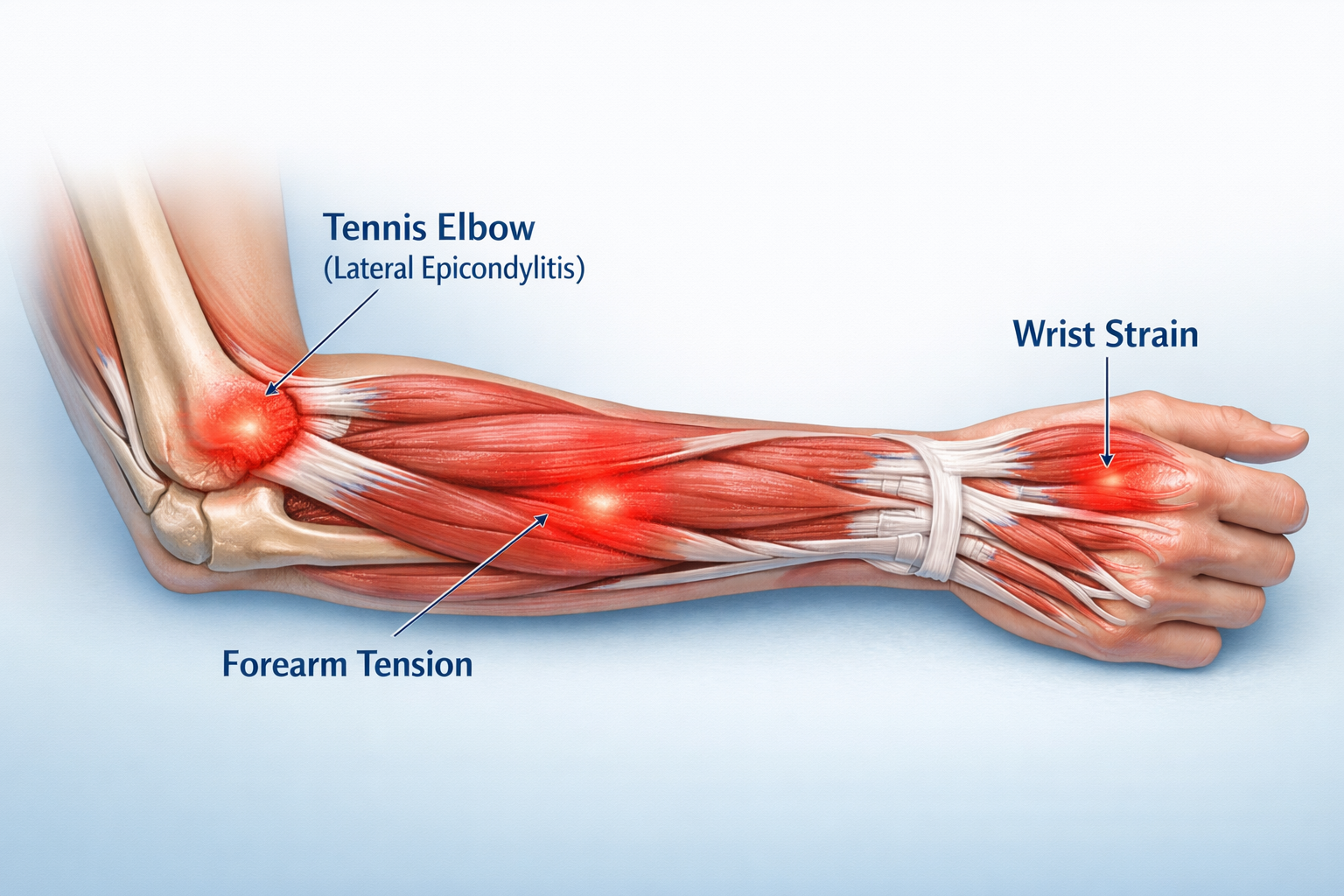
Tennis Elbow (Lateral Epicondylitis) 🎾
- Pain on the outside of the elbow
- Caused by overuse of forearm muscles
- Common in writers who type extensively
Tendonitis
- Inflammation of tendons in the forearm
- Results from repetitive stress
- Can affect multiple areas simultaneously
Repetitive Strain Injury (RSI)
- Umbrella term for overuse injuries
- Includes various muscle and tendon problems
- Often develops gradually over months or years
Carpal Tunnel Syndrome
- Nerve compression in the wrist
- Causes numbness and tingling
- Can extend pain up the entire arm
Can an Arm Brace Help Writers?
Arm braces for writers offer scientifically-backed benefits that address the root causes of writing-related discomfort. Understanding how these devices work helps writers make informed decisions about incorporating them into their daily routine.
Compression and Support Mechanisms 🔧
Graduated compression is the primary mechanism through which arm braces provide relief. This gentle, consistent pressure:
- Improves blood circulation to reduce muscle fatigue
- Reduces inflammation in affected tendons and muscles
- Provides proprioceptive feedback that helps maintain proper positioning
- Distributes pressure more evenly across muscle groups
Muscle Stabilization 💪
An effective arm brace for writers helps stabilize key muscle groups during repetitive motions. This stabilization:
- Reduces micro-movements that can cause strain
- Maintains proper alignment of the forearm and elbow
- Prevents overextension during reaching motions
- Supports weakened muscles during recovery periods
Pain Reduction Benefits
Research shows that properly fitted arm braces can:
- Decrease pain levels by 40-60% in users with existing conditions
- Reduce muscle fatigue during extended writing sessions
- Improve endurance for longer writing periods
- Prevent symptom progression when used consistently
Injury Prevention 🛡️
For writers without existing pain, arm braces serve as preventive tools that:
- Reduce strain accumulation during long writing sessions
- Provide early warning of developing problems through increased awareness
- Support proper biomechanics during repetitive motions
- Minimize risk factors for common writing injuries
Similar to how knee braces can prevent injury in athletes, arm braces offer protective benefits for writers engaged in repetitive activities.
Types of Arm Braces for Writers
Selecting the right type of arm brace for writers depends on specific symptoms, writing habits, and comfort preferences. Each design offers unique advantages for different situations and conditions.
Compression Sleeves 🧦
Compression sleeves represent the most popular choice among writers due to their versatility and comfort.
Key Features:
- Seamless design that doesn’t interfere with typing
- Breathable materials for all-day wear
- Graduated compression from wrist to elbow
- Machine washable for easy maintenance
Best For:
- General muscle fatigue and soreness
- Prevention during long writing sessions
- Writers who prefer minimal bulk
- All-day comfort during various activities
Pros:
✅ Lightweight and barely noticeable
✅ Can be worn under clothing
✅ Provides consistent, gentle support
✅ Suitable for both typing and handwriting
Cons:
❌ Limited adjustability
❌ May not provide enough support for severe conditions
❌ Sizing must be precise for effectiveness
Elbow Straps (Counterforce Braces) 🎯
Counterforce braces target specific areas of the forearm to relieve pressure on inflamed tendons.
Key Features:
- Targeted pressure on specific muscle groups
- Adjustable strap design for customized compression
- Lightweight construction for comfort during use
- Easy on/off application
Best For:
- Tennis elbow (lateral epicondylitis)
- Golfer’s elbow (medial epicondylitis)
- Specific tendon pain
- Writers with localized discomfort
Benefits:
- Redirects force away from inflamed areas
- Reduces tendon stress during repetitive motions
- Allows continued activity while healing
- Targets specific problem areas
Wraparound Arm Braces 🔄
Wraparound designs offer maximum adjustability and support for writers with varying needs.
Key Features:
- Multiple adjustment points for customized fit
- Removable stays for varying support levels
- Breathable padding for extended comfort
- Universal sizing options
Best For:
- Severe or chronic conditions
- Writers needing maximum support
- Those with swelling or size fluctuations
- Recovery from injury or surgery
Advanced Features:
- Heat therapy options for improved circulation
- Moisture-wicking materials for comfort
- Antimicrobial treatments for hygiene
- Ergonomic contouring for natural movement
Just as there are different types of knee braces for various conditions, arm braces come in specialized designs to address specific writer needs.
Benefits of Using an Arm Brace While Writing
Incorporating an arm brace for writers into daily routines provides measurable improvements in comfort, productivity, and long-term health outcomes. Understanding these benefits helps writers make informed decisions about their workspace wellness strategies.
Immediate Comfort Improvements ✨
Pain reduction often occurs within the first few uses of a properly fitted arm brace:
- Decreased muscle tension during typing sessions
- Reduced inflammation in affected areas
- Improved circulation leading to less fatigue
- Enhanced proprioception for better movement awareness
Enhanced Writing Endurance 💪
Writers using arm braces report significant improvements in their ability to work for extended periods:
Productivity Metrics:
- 40-60% increase in comfortable writing duration
- Reduced break frequency needed for pain relief
- Improved focus due to decreased discomfort distraction
- Consistent output quality throughout longer sessions
Injury Prevention Benefits 🛡️
Proactive protection represents one of the most valuable aspects of arm brace use:
- Reduced strain accumulation during repetitive motions
- Prevention of micro-injuries that can develop into chronic conditions
- Early intervention for developing symptoms
- Protection during high-volume writing periods
Improved Writing Mechanics ⚙️
Arm braces promote better biomechanics during writing activities:
Postural Benefits:
- Maintained neutral wrist position during typing
- Reduced compensatory movements that cause additional strain
- Better arm alignment relative to keyboard and desk
- Decreased tension in shoulder and neck muscles
Psychological Confidence 🧠
The support provided by arm braces often creates psychological benefits:
- Reduced anxiety about developing pain
- Increased confidence during long writing projects
- Better work-life balance through pain management
- Improved sleep quality due to reduced nighttime discomfort
Cost-Effective Solution 💰
Compared to other treatment options, arm braces offer excellent value:
Financial Benefits:
- Lower cost than physical therapy sessions
- Reusable for extended periods
- Prevents expensive medical treatments
- Maintains earning capacity by preventing work limitations
How to Choose the Best Arm Brace for Writers
Selecting an effective arm brace for writers requires careful consideration of individual needs, writing habits, and specific symptoms. The right choice can make the difference between effective relief and wasted investment.
Material Considerations 🧵
Breathability stands as the most critical factor for writers who wear braces during long sessions:
Preferred Materials:
- Moisture-wicking fabrics that prevent skin irritation
- Perforated neoprene for durability with ventilation
- Bamboo fiber blends for natural antimicrobial properties
- Compression knits that maintain elasticity over time
Avoid:
- Non-breathable plastics that cause sweating
- Rough textures that irritate skin during movement
- Materials with latex if allergies are a concern
- Overly thick padding that restricts natural movement
Sizing and Fit Requirements 📏
Proper sizing determines the effectiveness of any arm brace:
Measurement Guidelines:
- Forearm circumference at the widest point
- Elbow circumference with arm slightly bent
- Distance from wrist to elbow
- Dominant vs. non-dominant arm differences
Fit Indicators:
✅ Snug but not restrictive compression
✅ No gaps between brace and skin
✅ Full range of motion maintained
✅ No numbness or tingling after 30 minutes of wear
Support Level Assessment 🎯
Different writing activities require varying levels of support:
Light Support:
- Prevention-focused use
- Occasional discomfort management
- Long typing sessions without existing injury
Moderate Support:
- Early-stage tendonitis or strain
- Recovery from minor injury
- Chronic low-level discomfort
Maximum Support:
- Acute injury recovery
- Severe chronic conditions
- Post-surgical rehabilitation
Feature Priorities ⭐
Essential Features:
- Adjustable compression for varying needs
- Machine washable materials for hygiene
- Low-profile design that doesn’t interfere with clothing
- Durable construction for daily use
Desirable Features:
- Removable stays for customizable support
- Antimicrobial treatment for odor prevention
- Multiple size options for perfect fit
- Warranty coverage for defects
Activity-Specific Considerations 💻
For Typists:
- Minimal bulk around wrist area
- Flexible materials that don’t restrict finger movement
- Smooth surfaces that don’t catch on sleeves
For Hand Writers:
- Forearm focus rather than wrist restriction
- Grip enhancement features
- Comfortable during writing motions
Similar to choosing the right knee brace for specific activities, arm brace selection should match intended use patterns and individual requirements.

|
|

|
|
Our Rating:
4.5
|
Our Rating:
4.4
|
Our Rating:
4.9
|
|
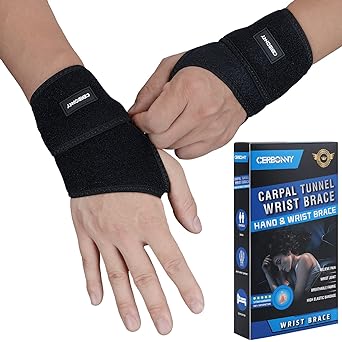
Description: A removable wrist splint and two fixed plastic splints provide a high level of wrist support. Limits unconscious bending or twisting of the wrist during sleep, avoiding aggravation of inflammation or nerve compression due to improper posture |
Description: Wrist bracers can be adjusted according to their comfort level, our wrist band can ensure stability, not easy to fall off, wearing it our hand support is very comfortable. High quality soft breathable fabric, |
Description: Maximum Pain Relief: Our wrist support braces are designed to help you relieve the pain and get the support you need for all-day and all-night comfort. Commonly used by people suffering from carpal tunnel syndrome, tendinitis, arthritis, wrist sprains, strains, etc. |
|
$13.99
|
$15.95
|
$27.06
|
A removable wrist splint and two fixed plastic splints provide a high level of wrist support. Limits unconscious bending or twisting of the wrist during sleep, avoiding aggravation of inflammation or nerve compression due to improper posture
Wrist bracers can be adjusted according to their comfort level, our wrist band can ensure stability, not easy to fall off, wearing it our hand support is very comfortable. High quality soft breathable fabric,
Maximum Pain Relief: Our wrist support braces are designed to help you relieve the pain and get the support you need for all-day and all-night comfort. Commonly used by people suffering from carpal tunnel syndrome, tendinitis, arthritis, wrist sprains, strains, etc.
How to Wear an Arm Brace While Writing
Proper application and positioning of an arm brace for writers maximizes therapeutic benefits while maintaining comfort during extended writing sessions. Following established guidelines ensures optimal outcomes and prevents common fitting mistakes.
Correct Placement Techniques 📍
Forearm Positioning:
- Clean and dry the arm before application
- Position the brace 2-3 inches below the elbow joint
- Ensure even coverage across the muscle belly
- Avoid placement directly over bony prominences
Elbow Strap Positioning:
- Locate the tender spot on the outside of the elbow
- Position the pressure pad 1-2 inches below this point
- Wrap snugly but allow full range of motion
- Check circulation after initial application
Compression Level Guidelines 🔧
Proper Tension:
- Firm but comfortable – you should feel support without restriction
- No numbness or tingling in fingers or hand
- Ability to slide one finger underneath the brace
- Consistent pressure throughout the covered area
Warning Signs of Over-Tightening:
❌ Skin color changes (blue or white)
❌ Numbness or tingling in fingers
❌ Increased pain rather than relief
❌ Difficulty moving fingers normally
Timing and Duration ⏰
Initial Use Schedule:
- Start with 1-2 hours during writing sessions
- Gradually increase wearing time as comfort improves
- Remove during breaks to allow skin to breathe
- Monitor skin condition for irritation signs
Long-Term Wearing Guidelines:
- During active writing periods for maximum benefit
- Remove at night unless specifically recommended
- Take breaks every 2-3 hours for circulation
- Adjust as needed based on activity level
Movement and Ergonomics 🤲
Maintaining Natural Motion:
- Avoid restricting normal typing movements
- Maintain neutral wrist position while wearing
- Continue proper ergonomic practices
- Adjust desk setup if needed to accommodate the brace
Writing Technique Modifications:
- Lighter touch on keys to reduce force requirements
- Shorter sessions initially while adapting to the brace
- Frequent position changes to prevent stiffness
- Gentle stretching between writing periods
Understanding proper brace fitting principles helps ensure optimal comfort and effectiveness across different types of supportive devices.
Additional Ways to Prevent Writing-Related Arm Pain
While an arm brace for writers provides valuable support, comprehensive pain prevention requires a holistic approach that addresses workspace ergonomics, writing habits, and overall physical health. Combining multiple strategies creates the most effective defense against repetitive strain injuries.
Ergonomic Workspace Optimization 🖥️
Keyboard and Mouse Setup:
- Keyboard height should allow elbows to rest at 90-degree angles
- Wrist rests provide support during pauses, not active typing
- Mouse placement at the same level as the keyboard
- Ergonomic peripherals designed for natural hand positioning
Monitor and Desk Configuration:
- Screen distance of 20-26 inches from eyes
- Monitor height with top of screen at eye level
- Adequate desk space for comfortable arm positioning
- Adjustable chair supporting proper posture
Lighting and Environment:
- Sufficient lighting to prevent hunching over work
- Glare reduction to minimize eye strain and compensatory postures
- Temperature control for muscle comfort
- Noise management to reduce tension
Break and Movement Strategies 🚶♀️
Micro-Break Schedule:
- 30-second breaks every 10 minutes for hand/wrist movement
- 2-3 minute breaks every 30 minutes for stretching
- 10-15 minute breaks every hour for full body movement
- Longer breaks every 2-3 hours for complete rest
Effective Break Activities:
- Hand and wrist circles to maintain mobility
- Shoulder blade squeezes to counteract forward posture
- Neck stretches to release upper body tension
- Walking or standing to promote circulation
Strengthening and Flexibility Exercises 💪
Daily Stretching Routine:
- Wrist flexor stretch – 30 seconds each arm
- Wrist extensor stretch – 30 seconds each arm
- Forearm rotation – 10 repetitions each direction
- Shoulder rolls – 10 forward and backward
Strengthening Exercises:
- Grip strengthening with stress balls or grip trainers
- Forearm curls using light weights
- Resistance band exercises for balanced muscle development
- Core strengthening to support proper posture
Writing Technique Improvements ✍️
Typing Modifications:
- Light touch technique to reduce force on keys
- Proper finger positioning on home row
- Avoid resting wrists on surfaces while typing
- Use keyboard shortcuts to reduce mouse usage
Handwriting Adjustments:
- Proper pen grip with relaxed fingers
- Adequate pen thickness to reduce gripping force
- Regular grip changes during long writing sessions
- Quality writing instruments that require less pressure
Technology Solutions 📱
Voice Recognition Software:
- Reduces typing volume for long documents
- Allows arm rest during composition
- Improves productivity for some writing tasks
- Supplements rather than replaces traditional writing
Ergonomic Tools:
- Document holders to reduce neck strain
- Footrests for proper leg and back positioning
- Adjustable monitor arms for optimal screen placement
- Ergonomic keyboards designed for natural hand positioning
Just as proper support helps with various joint conditions, comprehensive ergonomic strategies address the root causes of writing-related discomfort.
Common Mistakes Writers Make
Understanding frequent errors in pain management and prevention helps writers avoid setbacks and maximize the effectiveness of their arm brace for writers and other interventions. Recognizing these pitfalls early can prevent minor discomfort from developing into chronic conditions.
Ignoring Early Warning Signs ⚠️
Subtle Symptoms Often Overlooked:
- Mild stiffness after writing sessions
- Occasional tingling in fingers or hands
- Slight fatigue in forearm muscles
- Intermittent aching that resolves with rest
Consequences of Delayed Action:
- Progressive worsening of symptoms
- Development of chronic conditions requiring extensive treatment
- Increased recovery time when intervention finally occurs
- Potential career impact from severe limitations
Early Intervention Benefits:
✅ Faster resolution of symptoms
✅ Prevention of chronic conditions
✅ Lower treatment costs overall
✅ Maintained productivity throughout recovery
Poor Brace Selection and Use 🚫
Common Selection Errors:
- Choosing based on price alone rather than fit and features
- Selecting inappropriate support level for current symptoms
- Ignoring sizing guidelines leading to ineffective compression
- Buying without considering specific writing activities
Usage Mistakes:
- Wearing too tightly causing circulation problems
- Using only during pain rather than preventively
- Inconsistent wearing reducing cumulative benefits
- Expecting immediate complete pain relief
Inadequate Ergonomic Improvements 💻
Workspace Oversights:
- Focusing only on the brace while ignoring desk setup
- Partial ergonomic fixes that don’t address all risk factors
- Resistance to changing familiar but harmful habits
- Underestimating the importance of proper lighting and positioning
Equipment Compromises:
- Using outdated peripherals that increase strain
- Avoiding ergonomic tools due to cost concerns
- Makeshift solutions that don’t provide adequate support
- Ignoring manufacturer recommendations for setup
Overreliance on Passive Solutions 🛋️
Passive vs. Active Approach:
- Expecting braces alone to solve all problems
- Avoiding exercise and strengthening activities
- Neglecting technique improvements in typing or writing
- Skipping breaks because the brace provides comfort
Balanced Strategy Elements:
✅ Supportive devices (braces, ergonomic tools)
✅ Active strengthening and flexibility work
✅ Technique modifications for reduced strain
✅ Environmental optimization for better ergonomics
Inconsistent Implementation 📊
Common Consistency Issues:
- Weekend warrior approach to ergonomics
- Forgetting prevention during busy periods
- Abandoning strategies when symptoms improve
- Inconsistent brace use reducing effectiveness
Building Sustainable Habits:
- Start with small changes that are easy to maintain
- Create reminders for breaks and exercises
- Track progress to maintain motivation
- Adjust strategies based on what works best
Understanding these common mistakes helps writers develop more effective strategies, similar to how proper knee brace use requires avoiding certain pitfalls for optimal results.
When to Seek Medical Advice
While an arm brace for writers provides effective relief for many conditions, certain symptoms require professional medical evaluation and treatment. Recognizing when self-care measures are insufficient helps prevent minor issues from developing into serious, long-term problems.
Red Flag Symptoms 🚨
Immediate Medical Attention Required:
- Severe, sudden pain that doesn’t respond to rest
- Complete numbness in fingers or hand
- Inability to grip or hold objects normally
- Visible swelling or deformity in the arm or wrist
Progressive Symptoms Needing Evaluation:
- Pain that worsens despite rest and conservative treatment
- Numbness or tingling that persists for more than a few days
- Weakness in grip strength or fine motor control
- Sleep disruption due to arm or hand pain
Duration Guidelines ⏰
When Conservative Treatment Should Show Results:
- Mild symptoms should improve within 1-2 weeks
- Moderate discomfort may take 3-4 weeks to resolve
- Chronic conditions require 6-8 weeks for significant improvement
- No improvement after 4-6 weeks warrants professional evaluation
Professional Consultation Timeline:
- Immediate for severe or sudden onset symptoms
- Within 1 week for moderate symptoms affecting work
- Within 2-3 weeks for mild but persistent symptoms
- Regular follow-up for chronic conditions under treatment
Diagnostic Considerations 🔬
Conditions Requiring Professional Diagnosis:
- Carpal tunnel syndrome – nerve compression testing needed
- Tendonitis vs. tendinosis – different treatment approaches required
- Nerve entrapment – specific location identification crucial
- Underlying systemic conditions – arthritis, diabetes complications
Diagnostic Tools Healthcare Providers May Use:
- Physical examination and movement testing
- Nerve conduction studies for suspected nerve problems
- Ultrasound imaging to visualize soft tissue structures
- MRI or X-rays for complex or unclear cases
Treatment Options Beyond Bracing 💊
Conservative Medical Treatments:
- Physical therapy for targeted strengthening and mobility
- Occupational therapy for workplace modification strategies
- Anti-inflammatory medications for acute inflammation
- Corticosteroid injections for severe inflammatory conditions
Advanced Interventions:
- Trigger point injections for muscle-related pain
- Nerve blocks for specific nerve-related symptoms
- Surgical options for severe structural problems
- Regenerative therapies for certain tendon conditions
Working with Healthcare Providers 👩⚕️
Preparing for Medical Appointments:
- Document symptoms including timing, triggers, and severity
- List all treatments tried, including brace use and effectiveness
- Bring writing samples or demonstrate typical work positions
- Prepare questions about prognosis and treatment options
Questions to Ask:
- What specific condition do I have?
- How long should recovery take?
- Can I continue writing during treatment?
- What modifications should I make to my workspace?
- When should I follow up or seek additional care?
Similar to recognizing when knee problems need professional attention, understanding the limits of self-treatment helps ensure optimal outcomes for writing-related arm pain.
Conclusion
Arm pain doesn’t have to be an inevitable consequence of a writing career. The evidence clearly shows that proactive intervention with an arm brace for writers, combined with ergonomic improvements and healthy work habits, can prevent and manage the repetitive strain injuries that plague so many content creators.
The key to success lies in early intervention and comprehensive approach. Writers who address discomfort at the first signs of trouble, rather than waiting for severe symptoms to develop, consistently achieve better outcomes with less disruption to their productivity. An arm brace serves as both a treatment tool for existing pain and a preventive measure for those looking to protect their long-term career health.
Remember these essential strategies:
- Choose an arm brace based on specific symptoms and writing habits
- Combine brace use with ergonomic workspace improvements
- Implement regular breaks and stretching routines
- Seek professional help when symptoms persist or worsen
The investment in proper arm support and workspace ergonomics pays dividends in sustained writing comfort, increased productivity, and career longevity. Writers who take proactive steps to protect their physical health can focus on what they do best – creating compelling content without the distraction of pain and discomfort.
Take action today by evaluating current writing habits, considering an appropriate arm brace, and implementing the ergonomic strategies outlined in this guide. Small changes now can prevent major problems later, ensuring a long and comfortable writing career.