

Over 15 million Americans suffer from elbow pain each year, with tennis elbow alone affecting up to 3% of the population. Despite these staggering numbers, many people continue to endure chronic discomfort without seeking proper support solutions. Finding the best arm brace for elbow pain can be the difference between ongoing suffering and returning to pain-free daily activities.
Whether the pain stems from repetitive work tasks, sports activities, or underlying conditions like tendonitis, the right arm brace provides targeted relief while allowing continued function. This comprehensive guide explores the most effective bracing options, helping readers make informed decisions about their elbow pain management strategy.
Key Takeaways
• Compression sleeves work best for mild to moderate elbow pain and all-day comfort
• Counterforce straps provide targeted relief for tennis elbow and golfer’s elbow conditions
• Proper fit and placement are crucial for maximum pain relief and injury prevention
• Combining bracing with ergonomic improvements leads to better long-term outcomes
• Persistent pain lasting over two weeks requires professional medical evaluation
What Causes Elbow Pain?
Elbow pain develops through various mechanisms, but repetitive movements top the list of culprits. Typing, lifting, gripping tools, and sports activities create microscopic tears in tendons and muscles around the elbow joint. Over time, these small injuries accumulate, leading to inflammation and chronic discomfort.
Poor ergonomics amplify the problem significantly. Workers who maintain awkward wrist positions, grip tools too tightly, or lack proper arm support experience higher rates of elbow pain. The modern workplace, with its emphasis on computer work and repetitive tasks, has created an epidemic of overuse injuries.
Common Elbow Pain Conditions
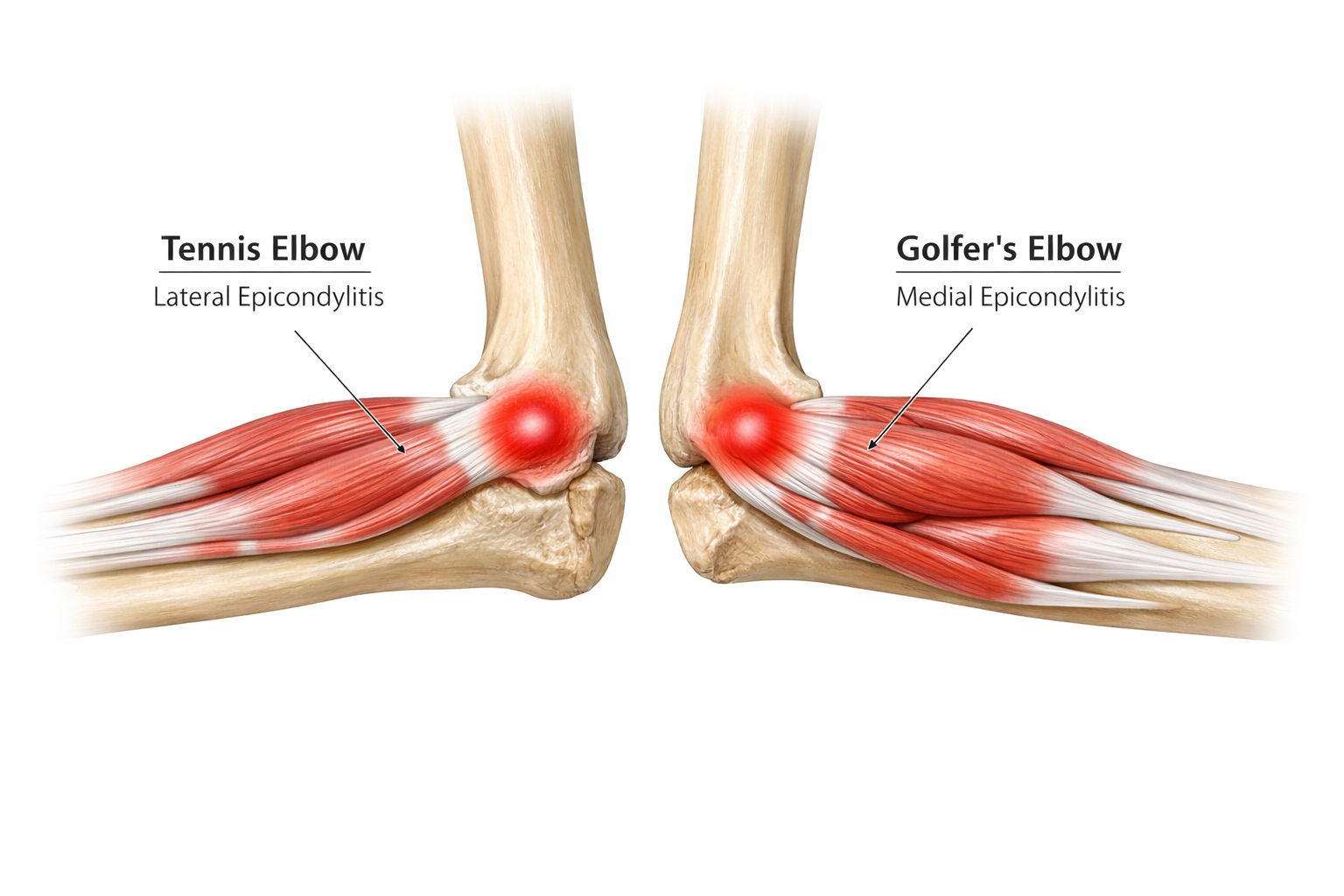
Tennis elbow (lateral epicondylitis) affects the outer part of the elbow, causing pain that radiates down the forearm. Despite its name, this condition impacts office workers and manual laborers more frequently than tennis players.
Golfer’s elbow (medial epicondylitis) creates pain on the inner elbow and forearm. This condition often results from repetitive gripping motions and affects people in various occupations, not just golfers.
General tendonitis can develop in any of the tendons surrounding the elbow joint. This inflammation causes stiffness, swelling, and pain that worsens with movement.
Early intervention proves critical for all these conditions. Addressing elbow pain promptly prevents minor issues from becoming chronic problems that require extensive treatment. Many people who search for the best arm brace for pain could have avoided severe symptoms with earlier action.
Can an Arm Brace Help Elbow Pain?
Arm braces provide relief through multiple mechanisms that address both symptoms and underlying causes of elbow pain. Compression therapy reduces inflammation by improving blood flow and limiting excessive movement of damaged tissues. This gentle pressure helps control swelling while promoting healing.
Joint stabilization represents another key benefit. Braces limit harmful movements that aggravate injured tendons and muscles while still allowing functional motion. This protection enables people to continue daily activities without causing additional damage.
Tendon offloading occurs when braces redistribute forces away from injured areas. Counterforce straps, in particular, redirect tension to healthy tissues, giving damaged tendons time to heal while maintaining grip strength and function.
The psychological benefits shouldn’t be overlooked either. Wearing a supportive brace often reduces anxiety about reinjury, allowing people to move more confidently and naturally. This improved movement pattern can actually accelerate recovery.
Research consistently shows that appropriate bracing, combined with activity modification, provides significant pain reduction for most elbow conditions. The key lies in selecting the right type of brace for the specific condition and using it correctly.
Types of Arm Braces for Elbow Pain
Compression Sleeves 💪
Compression sleeves offer uniform pressure along the entire forearm and elbow area. These lightweight, breathable garments provide gentle support that’s ideal for mild to moderate pain. The even compression helps reduce swelling while maintaining full range of motion.
Best for: General elbow discomfort, mild tendonitis, prevention during repetitive activities, and all-day wear comfort.
Key features: Seamless construction, moisture-wicking materials, graduated compression, and machine washable design.
Counterforce Straps (Elbow Bands) 🎯
Counterforce straps apply targeted pressure to specific tendons below the elbow joint. These specialized bands redirect forces away from damaged tissue, providing immediate relief for conditions like tennis elbow and golfer’s elbow.
Best for: Tennis elbow, golfer’s elbow, acute tendon pain, and activity-specific support.
Key features: Adjustable tension, anatomical design, gel or foam padding, and lightweight construction.
Wraparound Arm Braces 🔧
Wraparound braces offer customizable support levels through adjustable straps and panels. These versatile options work well for people who need varying degrees of support throughout the day or during different activities.
Best for: Moderate pain, joint instability, variable symptoms, and people who need adjustable compression.
Key features: Multiple adjustment points, removable stays, breathable materials, and easy application.
Immobilization Braces 🛡️
Immobilization braces limit movement significantly to protect severely injured or post-surgical elbows. These rigid supports ensure proper healing by preventing harmful motions while tissues repair.
Best for: Severe injuries, post-surgical recovery, acute flare-ups, and nighttime protection.
Key features: Rigid construction, secure fastening systems, padded interior, and medical-grade materials.
Many people also benefit from learning about arm braces for specific activities to address occupation-related pain patterns.

|
|

|
|
Our Rating:
4.5
|
Our Rating:
4.4
|
Our Rating:
4.9
|
|
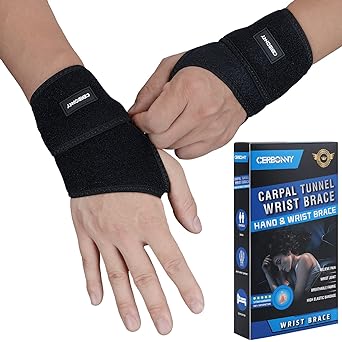
Description: A removable wrist splint and two fixed plastic splints provide a high level of wrist support. Limits unconscious bending or twisting of the wrist during sleep, avoiding aggravation of inflammation or nerve compression due to improper posture |
Description: Wrist bracers can be adjusted according to their comfort level, our wrist band can ensure stability, not easy to fall off, wearing it our hand support is very comfortable. High quality soft breathable fabric, |
Description: Maximum Pain Relief: Our wrist support braces are designed to help you relieve the pain and get the support you need for all-day and all-night comfort. Commonly used by people suffering from carpal tunnel syndrome, tendinitis, arthritis, wrist sprains, strains, etc. |
|
$13.99
|
$15.95
|
$27.06
|
A removable wrist splint and two fixed plastic splints provide a high level of wrist support. Limits unconscious bending or twisting of the wrist during sleep, avoiding aggravation of inflammation or nerve compression due to improper posture
Wrist bracers can be adjusted according to their comfort level, our wrist band can ensure stability, not easy to fall off, wearing it our hand support is very comfortable. High quality soft breathable fabric,
Maximum Pain Relief: Our wrist support braces are designed to help you relieve the pain and get the support you need for all-day and all-night comfort. Commonly used by people suffering from carpal tunnel syndrome, tendinitis, arthritis, wrist sprains, strains, etc.
What to Look for in the Best Arm Brace for Elbow Pain
Level of Support 📊
Light support works best for mild discomfort and prevention. These braces provide gentle compression without restricting movement significantly.
Moderate support suits most common elbow pain conditions. These braces offer targeted compression while maintaining functional mobility.
Strong support becomes necessary for severe pain, instability, or post-injury recovery. These braces significantly limit movement to protect healing tissues.
Comfort Features 😌
Extended wear comfort requires breathable materials, seamless construction, and proper padding. Look for moisture-wicking fabrics that prevent skin irritation during long periods of use.
Anatomical design ensures the brace follows natural arm contours without creating pressure points. Well-designed braces stay in position without constant adjustment.
Material Quality 🏆
Durability matters for daily use. High-quality materials withstand repeated washing and maintain their supportive properties over time.
Breathability prevents overheating and moisture buildup. Synthetic blends often provide the best combination of support and ventilation.
Adjustability and Fit 📏
Proper sizing is crucial for effectiveness. Measure the forearm circumference at the widest point to ensure correct fit.
Adjustment options allow fine-tuning of compression levels. Multiple straps or elastic panels provide better customization than single-adjustment designs.
For people with specific occupational needs, specialized options like arm braces for mechanics address unique workplace challenges.
How to Choose the Right Arm Brace for Your Needs
Match Brace Type to Condition 🎯
Tennis elbow responds best to counterforce straps positioned 2-3 inches below the elbow joint. These target the specific tendons involved in lateral epicondylitis.
Golfer’s elbow may benefit from compression sleeves or counterforce straps designed for medial epicondylitis. The placement differs slightly from tennis elbow braces.
General tendonitis often improves with compression sleeves that provide uniform support to the entire elbow area.
Consider Daily Activities 🏃♀️
Office workers need comfortable, low-profile braces that work well under clothing. Compression sleeves often provide the best combination of support and discretion.
Athletes require braces that maintain performance while providing protection. Counterforce straps often work well during sports activities.
Manual laborers need durable braces that withstand harsh conditions while providing strong support. Wraparound designs with reinforced materials often work best.
Pain Severity Assessment 📈
Mild pain (1-3/10): Compression sleeves or light counterforce straps usually provide adequate relief.
Moderate pain (4-6/10): Wraparound braces or stronger counterforce straps offer better support for daily activities.
Severe pain (7-10/10): Immobilization braces or medical-grade supports may be necessary, often requiring professional guidance.
Sizing Considerations 📐
Measure the forearm at its widest point, typically 4-5 inches below the elbow. Most manufacturers provide sizing charts, but when in doubt, choose the larger size for comfort.
Consider how the brace will fit over or under clothing. Some people prefer wearing braces directly against the skin, while others need them to work over sleeves.
How to Wear an Arm Brace Correctly
Proper Placement 📍
Counterforce straps should sit 2-3 inches below the elbow joint, directly over the muscle belly of the forearm. The pressure should feel firm but not painful.
Compression sleeves should cover the elbow joint and extend several inches up and down the arm. Ensure the sleeve doesn’t bunch or create pressure points.
Wraparound braces should center over the elbow with equal coverage above and below the joint. All straps should lie flat without twisting.
Achieving Proper Fit 🔧
The brace should feel snug but not restrictive. A properly fitted brace allows normal blood circulation while providing adequate support.
Check circulation by pressing a fingernail until it turns white, then releasing. The pink color should return within 2 seconds. Slower return indicates the brace is too tight.
Movement testing ensures the brace doesn’t interfere with necessary motions. You should be able to perform normal activities with only slight awareness of the brace.
Timing of Use ⏰
During activities that typically cause pain, wearing a brace provides the most benefit. This includes work tasks, sports, or household activities.
Preventive use before pain starts can help avoid flare-ups during high-risk activities.
Rest periods may still benefit from light compression, but immobilization braces should typically be removed during inactive times unless specifically prescribed otherwise.
Avoiding Over-Reliance ⚠️
Braces should supplement, not replace proper movement patterns and ergonomics. Relying solely on a brace without addressing underlying causes often leads to continued problems.
Gradual weaning from brace use as symptoms improve helps maintain muscle strength and joint mobility.
When to Use an Arm Brace
During Repetitive Tasks 🔄
Computer work, assembly line jobs, and tool use benefit significantly from elbow support. Wearing a brace during these activities prevents pain accumulation throughout the day.
Break timing becomes crucial even with brace support. Take 30-second breaks every 30 minutes to stretch and change position.
Physical Activity Support 🏃♂️
Sports participation often continues safely with appropriate bracing. Tennis players, golfers, and weightlifters frequently use elbow braces to prevent reinjury.
Exercise modifications may still be necessary. Reduce intensity or modify techniques that aggravate symptoms, even with brace support.
Recovery Periods 🩹
Post-injury healing benefits from consistent brace use during the inflammatory phase. This typically lasts 2-6 weeks depending on injury severity.
Sleep protection prevents unconscious movements that could reinjure healing tissues. Immobilization braces work best for nighttime use.
Preventive Applications 🛡️
High-risk activities warrant preventive bracing even without current symptoms. This includes new activities, increased intensity, or return to activity after time off.
Occupational protection helps prevent work-related injuries. Many delivery drivers and gamers benefit from preventive elbow support.
Additional Ways to Reduce Elbow Pain
Movement and Ergonomic Improvements 🏢
Workstation setup plays a crucial role in elbow health. Position keyboards and mice at elbow height with arms relaxed at your sides.
Tool modifications can reduce elbow stress significantly. Use tools with larger grips, reduce grip force requirements, and alternate hands when possible.
Posture awareness affects elbow positioning throughout the day. Maintain neutral wrist positions and avoid prolonged reaching or awkward arm positions.
Exercise and Strengthening 💪
Gentle stretching maintains flexibility in forearm muscles and tendons. Hold stretches for 30 seconds and repeat 3-5 times daily.
Progressive strengthening builds resilience in elbow structures. Start with light resistance and gradually increase as tolerance improves.
Eccentric exercises specifically benefit tendon healing. These controlled lengthening movements promote tissue remodeling and strength gains.
Recovery Strategies ❄️
Ice therapy reduces inflammation during acute flare-ups. Apply for 15-20 minutes several times daily during the first 48-72 hours after symptom onset.
Rest and activity modification allows healing while maintaining function. Avoid aggravating activities but continue gentle movement to prevent stiffness.
Sleep quality affects healing significantly. Ensure adequate rest and consider nighttime bracing if pain interferes with sleep.
Similar principles apply to other joint pain management, as discussed in guides about knee pain relief.
Common Mistakes to Avoid
Brace Selection Errors ❌
Wrong brace type for the condition leads to poor results. Tennis elbow requires different support than general tendonitis or post-surgical recovery.
Ignoring sizing guidelines results in ineffective treatment. Too loose provides insufficient support, while too tight can worsen symptoms.
Choosing based on price alone often leads to poor outcomes. Quality braces provide better support and durability, making them more cost-effective long-term.
Usage Mistakes 🚫
Wearing too tightly can reduce blood flow and cause additional problems. The brace should provide support without causing numbness or tingling.
Inconsistent use during aggravating activities reduces effectiveness. Consistent application during high-risk times provides the best results.
Ignoring pain signals while wearing a brace can lead to further injury. The brace should reduce pain, not mask it completely.
Treatment Approach Errors 📉
Relying solely on bracing without addressing underlying causes often leads to recurring problems. Combine bracing with ergonomic improvements and proper technique.
Avoiding all activity can lead to weakness and stiffness. Maintain appropriate activity levels while protecting the injured area.
Delaying professional help for persistent symptoms can result in chronic problems that are harder to treat.
When to Seek Medical Advice
Red Flag Symptoms 🚨
Numbness or tingling in the hand or fingers may indicate nerve involvement requiring immediate attention.
Severe weakness in grip strength or inability to lift objects suggests significant injury that needs professional evaluation.
Visible deformity or significant swelling indicates possible fracture or severe soft tissue injury.
Persistent Symptoms 📅
Pain lasting more than 2 weeks despite rest and conservative treatment warrants medical evaluation.
Worsening symptoms over time, especially with appropriate self-care, suggest the need for professional intervention.
Night pain that interferes with sleep often indicates more serious conditions requiring medical attention.
Functional Limitations 🔒
Inability to perform work tasks or daily activities suggests the need for comprehensive treatment beyond simple bracing.
Recurring episodes of elbow pain may indicate underlying conditions that require specific medical treatment.
Limited range of motion that doesn’t improve with gentle stretching and activity modification needs professional assessment.
Healthcare providers can recommend prescription braces, physical therapy, or other treatments that aren’t available over-the-counter. They can also rule out serious conditions that mimic common elbow pain.
Frequently Asked Questions
Do arm braces actually help elbow pain?
Yes, research consistently shows that appropriate arm braces provide significant pain relief for most elbow conditions. Compression braces reduce inflammation, while counterforce straps redistribute forces away from injured tendons. The key is selecting the right type of brace for your specific condition and using it correctly.
How long should you wear an arm brace?
Duration depends on the condition and brace type. Compression sleeves can often be worn throughout the day, while counterforce straps work best during specific activities. Immobilization braces should follow medical guidelines, typically 2-6 weeks for healing injuries. Most people benefit from wearing braces during aggravating activities and removing them during rest periods.
Can you wear an arm brace all day?
Compression sleeves designed for extended wear can typically be worn all day safely. However, counterforce straps and rigid braces should generally be removed periodically to prevent skin irritation and maintain normal circulation. Listen to your body and remove any brace that causes numbness, tingling, or increased pain.
What type of arm brace is best for tennis elbow?
Counterforce straps work best for tennis elbow, providing targeted pressure to the extensor tendons 2-3 inches below the elbow joint. These braces redirect forces away from the injured lateral epicondyle while maintaining grip strength. Compression sleeves can also help with mild tennis elbow symptoms and work well for all-day comfort.
Should I wear my elbow brace to bed?
Generally, no for most brace types. Compression sleeves and counterforce straps should typically be removed during sleep to allow normal circulation and prevent skin irritation. However, immobilization braces may be recommended for nighttime use after injuries or surgery. Always follow specific medical advice if you’ve been prescribed a particular wearing schedule.
Conclusion
Finding the best arm brace for elbow pain requires understanding your specific condition, activity needs, and pain severity. Compression sleeves excel for mild to moderate pain and all-day comfort, while counterforce straps provide targeted relief for tennis elbow and golfer’s elbow. Wraparound braces offer adjustable support for varying needs, and immobilization braces protect during serious injuries or recovery.
Success depends on more than just selecting the right brace. Proper fit, correct placement, and appropriate timing of use maximize effectiveness while preventing complications. Combining bracing with ergonomic improvements, activity modification, and appropriate exercises creates the best foundation for long-term relief.
Remember that persistent elbow pain lasting more than two weeks warrants professional evaluation. While braces provide excellent support for many conditions, some situations require comprehensive medical treatment that goes beyond over-the-counter solutions.
Take action today by assessing your specific needs, measuring for proper sizing, and selecting an appropriate brace type. Start with conservative options like compression sleeves for mild symptoms, or consider counterforce straps for activity-related pain. Most importantly, address underlying causes like poor ergonomics or repetitive strain patterns to prevent future problems.
The right elbow brace can restore function and comfort, allowing you to return to work, sports, and daily activities without constant pain. With proper selection and use, many people experience significant improvement within days to weeks of starting appropriate bracing protocols.