

Over 3.2 million Americans seek medical treatment for arm and elbow injuries each year, with many more managing pain at home without proper support. Whether dealing with tennis elbow, muscle strains, or post-surgical recovery, finding the best arm brace for injury can mean the difference between prolonged discomfort and effective healing. The right support device not only reduces pain but actively promotes faster recovery by stabilizing injured tissues and preventing further damage.
This comprehensive guide explores the top arm brace options available in 2026, helping individuals make informed decisions about their injury recovery. From compression sleeves for mild strains to immobilization braces for severe injuries, understanding which type of support matches specific conditions ensures optimal healing outcomes.
Key Takeaways
• Proper arm brace selection depends on injury severity, with compression sleeves for mild issues and immobilization braces for serious conditions
• Targeted support through elbow straps and counterforce braces effectively treats tendonitis and overuse injuries
• Combination therapy using braces alongside rest, ice, and gradual activity return produces the best recovery results
• Professional guidance becomes essential for severe injuries, persistent symptoms, or post-surgical recovery situations
• Quality materials and proper fit ensure comfort during extended wear while maintaining therapeutic benefits
Common Types of Arm Injuries
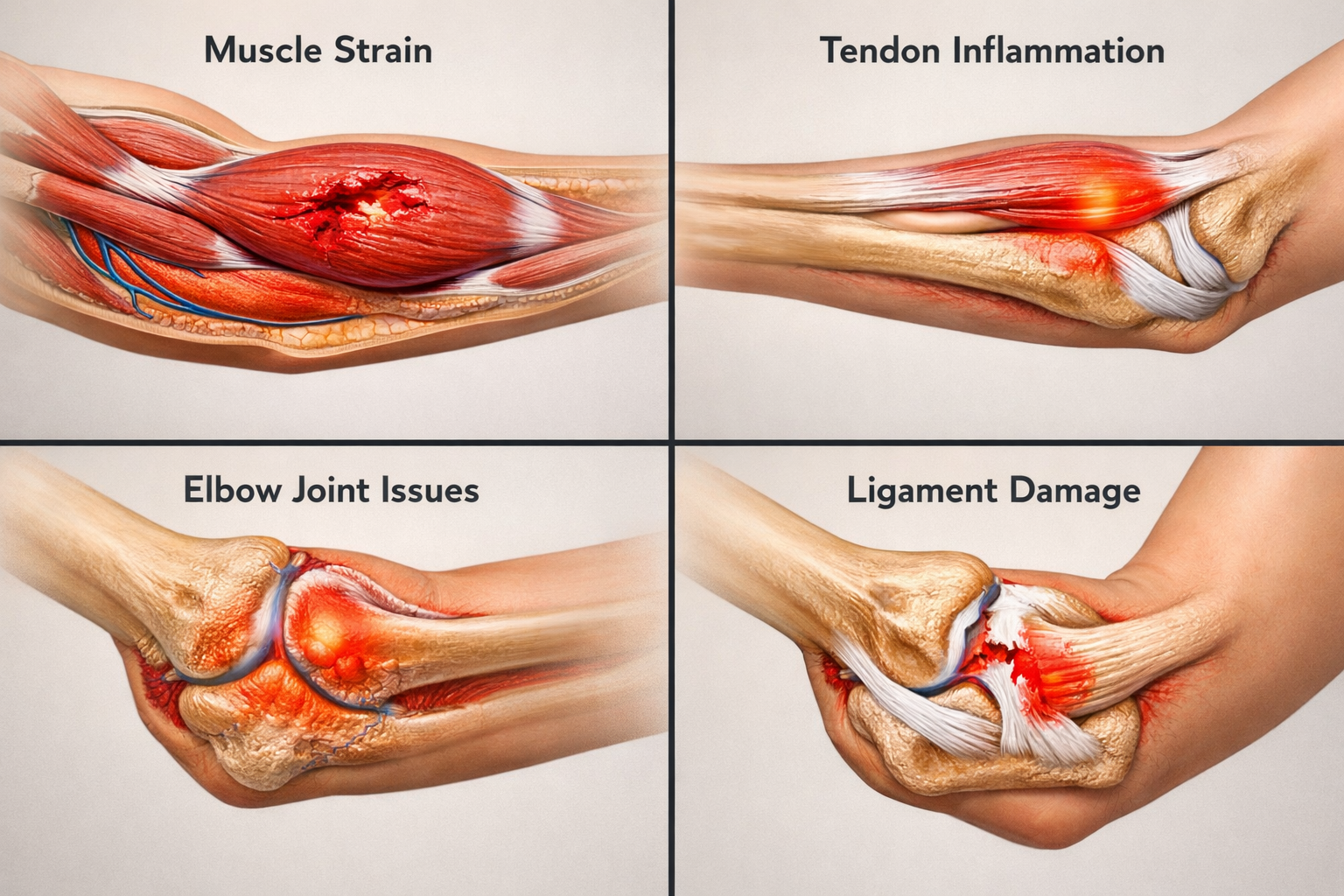
Understanding the nature of arm injuries helps determine which type of support provides the most effective relief. Muscle strains and ligament sprains represent the most frequent arm injuries, often resulting from sudden movements, overexertion, or sports activities. These injuries typically cause immediate pain, swelling, and reduced range of motion.
Tendonitis and overuse injuries develop gradually through repetitive motions common in work environments, sports, or daily activities. Tennis elbow (lateral epicondylitis) and golfer’s elbow (medial epicondylitis) exemplify these conditions, causing persistent pain around the elbow joint and forearm. Arm braces for warehouse workers often address these repetitive strain injuries effectively.
Elbow injuries specifically target the joint’s complex structure, including the bones, cartilage, and surrounding soft tissues. These injuries may result from direct impact, falls, or chronic stress from repetitive activities. Symptoms often include sharp pain during movement, stiffness, and weakness in grip strength.
Post-surgery or recovery-related conditions require specialized support to protect healing tissues and maintain proper positioning. These situations demand careful attention to medical guidelines and often involve graduated support levels as healing progresses.
Key symptoms to monitor include:
- Persistent pain that worsens with activity
- Visible swelling or inflammation around the injury site
- Weakness in grip strength or arm function
- Limited mobility or stiffness in joints
- Numbness or tingling in fingers or hand
Recognizing these symptoms early allows for prompt treatment and prevents minor issues from developing into chronic conditions requiring more intensive intervention.
How an Arm Brace Helps With Injury Recovery
Arm braces function through multiple therapeutic mechanisms that actively support the healing process. Stabilization represents the primary benefit, as braces limit harmful movements while allowing beneficial motion that promotes circulation and prevents stiffness. This controlled environment protects injured tissues from additional stress during vulnerable healing phases.
Strain reduction occurs when braces redistribute forces away from injured muscles and tendons. This mechanical advantage allows damaged tissues to rest while maintaining functional use of the arm for daily activities. The support particularly benefits individuals who cannot completely avoid arm use due to work or personal responsibilities.
Compression therapy through properly fitted braces reduces swelling by improving lymphatic drainage and blood circulation. Enhanced circulation delivers essential nutrients to healing tissues while removing metabolic waste products that can impede recovery. This process often provides immediate pain relief and reduces inflammation markers.
Injury prevention during the healing phase prevents setbacks that could extend recovery time significantly. Braces serve as a constant reminder to avoid harmful movements while providing physical barriers against overextension or sudden impacts.
The psychological benefits include increased confidence during movement and reduced anxiety about re-injury. This mental comfort often leads to better compliance with rehabilitation exercises and earlier return to normal activities within safe parameters.
Research indicates that properly applied arm braces can reduce recovery time by 20-30% compared to rest alone, particularly for tendon-related injuries and mild to moderate strains. The key lies in selecting appropriate support levels and wearing schedules that match the injury’s healing stage.
Types of Arm Braces for Injury Support
Compression Sleeves
Compression sleeves provide light to moderate support ideal for mild injuries, chronic conditions, and prevention strategies. These seamless garments apply graduated pressure that improves circulation while allowing full range of motion. The elastic materials conform to arm contours, delivering consistent compression without restricting normal activities.
Benefits include enhanced proprioception (body awareness), reduced muscle vibration during movement, and improved recovery after exercise. Arm braces for arm fatigue often utilize compression technology to combat workplace-related tiredness and minor strain.
Material considerations focus on moisture-wicking fabrics that maintain comfort during extended wear. Quality compression sleeves feature antimicrobial treatments and seamless construction to prevent skin irritation during long-term use.
Elbow Straps (Counterforce Braces)
Counterforce braces specifically target tendon-related injuries by redirecting forces away from inflamed attachment points. These devices position strategically placed pressure pads over specific muscle groups, reducing tension at the elbow joint during gripping and lifting activities.
The design proves particularly effective for tennis elbow and golfer’s elbow, conditions that affect millions of workers and athletes annually. Proper positioning requires placement approximately 2-3 inches below the elbow joint, directly over the muscle belly rather than the tendon insertion point.
Clinical studies demonstrate significant pain reduction and improved function when counterforce braces are used consistently during symptom-provoking activities. The targeted approach allows continued participation in work and sports while protecting healing tissues.
Wraparound Arm Braces
Wraparound designs offer adjustable support levels through customizable compression and positioning. These braces feature multiple straps or closure systems that accommodate swelling changes and provide precise fit adjustments throughout the healing process.
The versatility makes wraparound braces excellent choices for moderate injuries requiring variable support during different activities. Easy application benefits individuals with limited mobility or those who need to adjust compression levels throughout the day.
Quality wraparound braces incorporate breathable materials and ergonomic padding to maintain comfort during extended wear periods. The adjustability ensures optimal therapeutic benefit as healing progresses and support requirements change.
Immobilization Braces or Splints
Immobilization devices provide maximum stability for severe injuries, post-surgical recovery, or conditions requiring complete rest. These rigid or semi-rigid braces significantly limit movement while maintaining proper positioning of injured structures.
Medical supervision typically guides the use of immobilization braces, as improper application or duration can lead to stiffness and muscle weakness. The devices often feature removable components that allow gradual return to mobility as healing permits.
Modern immobilization braces incorporate lightweight materials and ventilation systems to improve patient compliance and comfort. Some designs allow controlled range of motion exercises while maintaining protective positioning during critical healing phases.
Just as individuals seek knee braces for pain relief for lower extremity issues, arm immobilization braces serve similar protective functions for upper extremity injuries requiring maximum support and stability.

|
|

|
|
Our Rating:
4.5
|
Our Rating:
4.4
|
Our Rating:
4.9
|
|
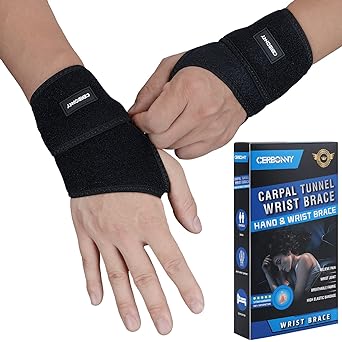
Description: A removable wrist splint and two fixed plastic splints provide a high level of wrist support. Limits unconscious bending or twisting of the wrist during sleep, avoiding aggravation of inflammation or nerve compression due to improper posture |
Description: Wrist bracers can be adjusted according to their comfort level, our wrist band can ensure stability, not easy to fall off, wearing it our hand support is very comfortable. High quality soft breathable fabric, |
Description: Maximum Pain Relief: Our wrist support braces are designed to help you relieve the pain and get the support you need for all-day and all-night comfort. Commonly used by people suffering from carpal tunnel syndrome, tendinitis, arthritis, wrist sprains, strains, etc. |
|
$13.99
|
$15.95
|
$28.49
|
A removable wrist splint and two fixed plastic splints provide a high level of wrist support. Limits unconscious bending or twisting of the wrist during sleep, avoiding aggravation of inflammation or nerve compression due to improper posture
Wrist bracers can be adjusted according to their comfort level, our wrist band can ensure stability, not easy to fall off, wearing it our hand support is very comfortable. High quality soft breathable fabric,
Maximum Pain Relief: Our wrist support braces are designed to help you relieve the pain and get the support you need for all-day and all-night comfort. Commonly used by people suffering from carpal tunnel syndrome, tendinitis, arthritis, wrist sprains, strains, etc.
Best Arm Braces for Injury (Top Picks Section)
Best Overall Arm Brace for Injury Recovery
The Bauerfeind EpiTrain stands out as the top choice for comprehensive injury support, combining medical-grade compression with targeted pressure relief. This German-engineered brace features anatomically shaped knit fabric that provides graduated compression while maintaining breathability and comfort during extended wear.
Key features include:
- Viscoelastic pressure pad for targeted tendon relief
- Moisture-wicking fabric with antimicrobial properties
- Anatomical fit that prevents rolling or sliding
- Machine washable construction for easy maintenance
The EpiTrain effectively addresses multiple injury types, from mild strains to chronic tendonitis, making it an excellent investment for individuals with recurring arm issues or those seeking preventive support during high-risk activities.
Best for Tendonitis and Elbow Injuries
The Aircast Pneumatic Armband utilizes air-filled pressure technology to deliver precise counterforce therapy for tendon-related conditions. This innovative design allows users to adjust compression levels through a simple inflation system, providing customized treatment that adapts to symptom severity and activity demands.
Clinical advantages include:
- Adjustable pneumatic pressure for personalized treatment
- Targeted relief for tennis elbow and golfer’s elbow
- Lightweight design suitable for all-day wear
- Proven effectiveness in clinical studies
The pneumatic system ensures consistent pressure distribution while accommodating arm size variations and swelling changes throughout the healing process. This adaptability makes it particularly effective for chronic conditions requiring long-term management.
Best for Moderate Injuries
The McDavid Compression Arm Sleeve with Targeted Support combines full-arm compression with strategically placed reinforcement zones for moderate injury management. This hybrid design provides comprehensive support while maintaining the flexibility needed for daily activities and light exercise.
Design benefits include:
- Graduated compression from wrist to upper arm
- Reinforced elbow and forearm zones for added stability
- Seamless construction prevents pressure points
- UV protection for outdoor activities
The sleeve’s versatility makes it suitable for various moderate injuries, including muscle strains, minor ligament damage, and overuse conditions that require more support than basic compression but less restriction than rigid braces.
Best for Severe Injuries or Immobilization
The DonJoy ComfortFORM Elbow Support provides maximum stability for severe injuries requiring significant movement restriction. This semi-rigid brace features adjustable hinges and customizable padding to accommodate various injury types while maintaining proper joint alignment.
Protection features include:
- Adjustable ROM (range of motion) hinges
- Removable padding for swelling accommodation
- Breathable fabric liner for comfort
- Quick-release mechanisms for easy application
The ComfortFORM design allows healthcare providers to customize support levels and gradually increase mobility as healing progresses, making it ideal for post-surgical recovery and severe soft tissue injuries.
Best Budget Arm Brace
The Copper Compression Arm Sleeve offers reliable support at an affordable price point without sacrificing essential therapeutic benefits. This copper-infused compression sleeve provides antimicrobial properties and basic support suitable for mild injuries and prevention strategies.
Value features include:
- Copper-infused fabric for odor control
- Graduated compression design
- Machine washable durability
- Multiple size options for proper fit
While lacking the advanced features of premium braces, this option provides effective basic support for individuals with budget constraints or those new to arm brace therapy seeking to evaluate benefits before investing in higher-end options.
Similar to how individuals research knee brace options for arthritis, choosing the right arm brace requires balancing therapeutic needs with practical considerations like cost, comfort, and lifestyle compatibility.
How to Choose the Best Arm Brace for Injury
Selecting the optimal arm brace requires careful evaluation of several key factors that directly impact therapeutic effectiveness and user compliance. Injury severity serves as the primary determining factor, with mild conditions responding well to compression sleeves while severe injuries may require rigid immobilization devices.
Level of support needed correlates directly with activity demands and healing stage. Individuals returning to sports or physically demanding work require more robust support than those with sedentary lifestyles. The brace must provide adequate protection without unnecessarily restricting functional movement patterns.
Comfort considerations become crucial for long-term compliance, as uncomfortable braces often end up unused despite their therapeutic potential. Key comfort factors include:
- Breathable materials that prevent excessive moisture buildup
- Seamless construction to avoid pressure points and skin irritation
- Adjustable components for accommodation of swelling changes
- Lightweight design that doesn’t create additional fatigue
Proper sizing and fit ensures optimal therapeutic benefit while preventing complications from excessive pressure or inadequate support. Most manufacturers provide detailed sizing charts based on arm circumference measurements at specific anatomical landmarks.
Material quality affects durability, comfort, and therapeutic effectiveness. Premium materials like medical-grade neoprene and moisture-wicking fabrics justify higher costs through improved performance and longevity. Consider the intended usage frequency when evaluating material investments.
Activity-specific requirements influence brace selection significantly. Arm braces for typing pain differ substantially from those designed for sports activities or manual labor. Understanding primary use scenarios helps narrow options to the most appropriate designs.
Budget considerations should balance immediate costs against long-term value. Higher-quality braces often provide better therapeutic outcomes and durability, potentially reducing overall treatment costs through faster recovery and extended product life.
How to Wear an Arm Brace for Recovery
Proper application technique significantly impacts therapeutic effectiveness and user comfort. Positioning accuracy requires placement of support elements directly over injured structures while ensuring the brace doesn’t interfere with normal joint mechanics or circulation.
Pre-application preparation includes cleaning the skin and ensuring the arm is in a neutral position. Remove any jewelry that might interfere with brace placement or create pressure points during wear. Check for skin irritation or open wounds that might require protective padding.
Fit assessment involves checking for appropriate snugness without excessive tightness. The brace should feel supportive and secure without causing numbness, tingling, or color changes in the fingers. A properly fitted brace allows insertion of one finger beneath the material without significant resistance.
Wearing schedules vary based on injury type and healing stage. Acute injuries often benefit from continuous wear during waking hours, while chronic conditions may require use only during symptom-provoking activities. Follow healthcare provider recommendations when available.
Activity modifications during brace wear help maximize therapeutic benefits. Avoid activities that cause pain despite brace support, and gradually increase activity levels as symptoms improve. The brace should enhance function, not enable harmful overuse.
Monitoring guidelines include regular assessment of:
- Skin condition beneath the brace
- Circulation in fingers and hand
- Symptom changes during use
- Brace condition and proper positioning
Removal and cleaning protocols maintain hygiene and product longevity. Remove the brace at least once daily to inspect skin condition and clean both the brace and skin as recommended by the manufacturer.
Just as proper knee brace fitting requires attention to detail, arm brace application demands careful consideration of positioning, pressure, and comfort factors to achieve optimal therapeutic outcomes.
Additional Tips for Faster Recovery
Arm brace therapy works most effectively when combined with comprehensive recovery strategies that address multiple aspects of healing. Rest and activity modification form the foundation of injury recovery, requiring temporary avoidance of movements or activities that aggravate symptoms while maintaining beneficial motion that promotes circulation.
Ice therapy application during acute injury phases reduces inflammation and pain when used appropriately. Apply ice for 15-20 minutes every 2-3 hours during the first 48-72 hours after injury, always using a barrier between ice and skin to prevent tissue damage.
Compression and elevation work synergistically with arm braces to control swelling and promote healing. Elevate the injured arm above heart level when possible, particularly during rest periods and sleep.
Gradual exercise progression prevents re-injury while restoring function and strength. Begin with gentle range-of-motion exercises and progress to strengthening activities as pain and inflammation subside. The arm brace should support these exercises, not restrict beneficial movement.
Nutrition optimization supports tissue healing through adequate protein intake, anti-inflammatory nutrients, and proper hydration. Focus on foods rich in vitamin C, zinc, and omega-3 fatty acids to promote collagen synthesis and reduce inflammation.
Sleep quality improvement accelerates healing through enhanced growth hormone release and tissue repair processes. Maintain consistent sleep schedules and create comfortable positioning that doesn’t stress the injured arm.
Stress management techniques reduce cortisol levels that can impair healing. Consider meditation, gentle yoga, or other relaxation methods that don’t aggravate arm symptoms.
Professional guidance from physical therapists or occupational therapists provides exercise protocols and activity modifications tailored to specific injuries and recovery goals. These specialists can also recommend arm brace options for painters and other occupation-specific needs.
Workplace modifications reduce re-injury risk and support continued healing during return-to-work phases. Ergonomic assessments and equipment adjustments often prevent symptom recurrence.
Common Mistakes to Avoid
Understanding frequent errors in arm brace use helps prevent complications and ensures optimal therapeutic outcomes. Incorrect brace selection represents the most common mistake, often resulting from self-diagnosis or inadequate understanding of injury requirements. Using compression sleeves for severe injuries or immobilization braces for minor strains can impede healing and create additional problems.
Improper fit and application reduces therapeutic effectiveness and may cause secondary issues. Common fitting errors include:
- Excessive tightness that impairs circulation or causes numbness
- Insufficient support that fails to protect injured structures
- Poor positioning that misaligns support elements with injury sites
- Ignoring size changes due to swelling or muscle atrophy
Premature return to activity often occurs when initial pain relief from brace use creates false confidence about healing progress. Tissue healing requires adequate time regardless of symptom improvement, and premature stress can cause re-injury or chronic problems.
Neglecting hygiene protocols leads to skin irritation, infections, and premature brace deterioration. Regular cleaning of both the brace and skin prevents bacterial growth and maintains material integrity.
Over-reliance on braces without addressing underlying causes creates dependency and may weaken supporting muscles. Braces should facilitate healing and function, not replace proper rehabilitation and strengthening exercises.
Ignoring worsening symptoms while continuing brace use can mask serious complications requiring medical intervention. Persistent or increasing pain, numbness, or functional loss warrants professional evaluation regardless of brace use.
Inconsistent use patterns reduce therapeutic effectiveness and may prolong recovery. Sporadic brace use fails to provide the consistent support needed for optimal healing outcomes.
Failure to adjust treatment as healing progresses can impede recovery or create new problems. Support requirements change throughout the healing process, requiring modifications to brace type, wearing schedule, or activity restrictions.
Similar to avoiding common knee brace mistakes, arm brace users must remain vigilant about proper application and realistic expectations to achieve the best possible outcomes.
When to Seek Medical Advice
Recognizing situations requiring professional medical evaluation ensures appropriate treatment and prevents complications from delayed or inadequate care. Severe pain levels that don’t respond to rest, ice, and over-the-counter medications within 48-72 hours warrant medical assessment to rule out fractures, complete tears, or other serious injuries.
Neurological symptoms including numbness, tingling, weakness, or loss of sensation require immediate evaluation as they may indicate nerve compression or damage. These symptoms can worsen rapidly without proper treatment and may result in permanent deficits if ignored.
Significant swelling or deformity suggests possible fractures, dislocations, or severe soft tissue damage requiring professional diagnosis and treatment. Visual changes in arm shape or size compared to the uninjured side indicate potentially serious underlying problems.
Functional limitations that prevent normal daily activities or work responsibilities need professional assessment to determine appropriate treatment strategies and prevent long-term disability. Early intervention often prevents minor issues from becoming chronic problems.
Signs of infection including increased redness, warmth, streaking, fever, or discharge from wounds require immediate medical attention. Infections can spread rapidly and cause serious complications if not treated promptly.
Lack of improvement after 1-2 weeks of appropriate self-care and brace use suggests the need for professional evaluation and possibly more intensive treatment. Persistent symptoms may indicate underlying conditions requiring specific medical interventions.
Post-surgical concerns including increased pain, swelling, drainage, or any unexpected changes in healing progress should prompt immediate contact with the surgical team. Post-operative complications require prompt recognition and treatment.
Medication interactions or side effects from pain medications used during recovery may require medical guidance for safe and effective symptom management.
Return-to-activity decisions for sports, work, or other demanding activities benefit from professional assessment to ensure adequate healing and reduce re-injury risk.
Healthcare providers can also recommend appropriate injury prevention strategies and long-term management approaches for individuals with recurring arm problems or high-risk activities.
Frequently Asked Questions (FAQ Section)
Does an arm brace help injuries heal faster?
Arm braces accelerate healing by providing stability, reducing strain on injured tissues, and improving circulation through compression. Research indicates 20-30% faster recovery times for many soft tissue injuries when braces are used appropriately alongside other treatment methods. However, braces work best as part of comprehensive treatment including rest, appropriate exercise, and activity modification.
How long should I wear an arm brace for injury?
Wearing duration depends on injury severity and healing progress. Acute injuries typically require 2-6 weeks of regular use, while chronic conditions may benefit from longer-term support during symptom-provoking activities. Most healthcare providers recommend gradually reducing brace use as symptoms improve and function returns to normal levels.
Can you wear an arm brace all day?
Most arm braces are designed for extended wear, but continuous use requires attention to skin health and circulation. Remove the brace at least once daily for skin inspection and cleaning. If numbness, tingling, or skin irritation develops, reduce wearing time and consult healthcare providers if symptoms persist.
What type of arm brace is best for injury recovery?
The best arm brace type depends on specific injury characteristics:
- Compression sleeves for mild strains and chronic conditions
- Counterforce braces for tendonitis and elbow pain
- Wraparound braces for moderate injuries requiring adjustable support
- Immobilization braces for severe injuries or post-surgical recovery
Should I sleep with my arm brace on?
Sleeping with arm braces depends on injury severity and medical recommendations. Acute injuries may require nighttime support, while chronic conditions often benefit from brace removal during sleep to allow natural movement and prevent stiffness. Follow healthcare provider guidance when available.
How tight should an arm brace be?
Proper arm brace fit provides firm support without restricting circulation. You should be able to insert one finger beneath the brace material without significant resistance. Signs of excessive tightness include numbness, tingling, color changes in fingers, or increased pain. Adjust fit as swelling changes throughout healing.
Can I exercise while wearing an arm brace?
Exercise during brace use should focus on gentle range-of-motion and strengthening activities that don’t cause pain. The brace should support beneficial movement while preventing harmful stress on healing tissues. Avoid high-impact activities or sports until cleared by healthcare providers.
Conclusion
Finding the best arm brace for injury requires careful consideration of injury type, severity, and individual lifestyle factors. From compression sleeves that provide gentle support for minor strains to immobilization braces designed for severe injuries, the right choice can significantly impact recovery speed and long-term outcomes. The key lies in matching brace characteristics to specific injury requirements while maintaining realistic expectations about healing timelines.
Successful recovery extends beyond simply wearing a brace—it involves comprehensive care including appropriate rest, gradual activity progression, and attention to overall health factors that influence healing. Quality arm braces serve as valuable tools in this process, providing the stability and support needed for tissues to heal while maintaining functional use of the arm for daily activities.
Take action today by honestly assessing your injury severity and consulting healthcare providers when symptoms persist or worsen. Invest in a quality arm brace that matches your specific needs, and commit to consistent use as part of a broader recovery strategy. Remember that proper healing takes time, and patience with the recovery process often determines long-term success.
For individuals with recurring arm problems or high-risk activities, consider preventive brace use and workplace modifications that reduce injury likelihood. The investment in proper support and injury prevention strategies pays dividends through maintained productivity and reduced healthcare costs over time.