

Nearly 25% of American workers report experiencing arm or wrist pain related to their job activities, making arm braces one of the fastest-growing segments in the orthopedic support market. Whether you’re dealing with tennis elbow from weekend sports, carpal tunnel from desk work, or muscle strain from repetitive tasks, finding the best arm brace for pain can mean the difference between struggling through daily activities and enjoying comfortable, productive days.
Arm pain doesn’t just hurt—it disrupts sleep, limits work performance, and can turn simple tasks like lifting a coffee cup into painful challenges. The right arm brace provides targeted compression, stabilizes injured tissues, and allows you to maintain your active lifestyle while your body heals. This comprehensive guide examines the top arm braces available in 2026, helping you choose the perfect solution for fast relief and lasting comfort.
Key Takeaways
• Compression arm braces reduce inflammation and provide gentle support for mild to moderate pain
• Counterforce braces specifically target tennis elbow and tendonitis by redistributing pressure away from painful tendons
• Proper sizing and placement are crucial—a poorly fitted brace can worsen pain or restrict circulation
• Combining brace use with rest, stretching, and ergonomic improvements delivers the best long-term results
• Seek medical attention if pain persists beyond two weeks or includes numbness and tingling
What Causes Arm Pain?
Understanding the root cause of your arm pain helps you choose the most effective brace and treatment approach. Repetitive motion injuries top the list of arm pain causes, affecting millions of workers, athletes, and hobbyists each year.
Common Arm Pain Triggers
Workplace Activities:
- Prolonged computer use and typing
- Lifting and carrying heavy objects
- Assembly line work and tool operation
- Painting, carpentry, and manual labor
Sports and Recreation:
- Tennis, golf, and racquet sports
- Weight lifting and resistance training
- Rock climbing and grip-intensive activities
- Gardening and yard work
Specific Conditions That Benefit From Arm Braces
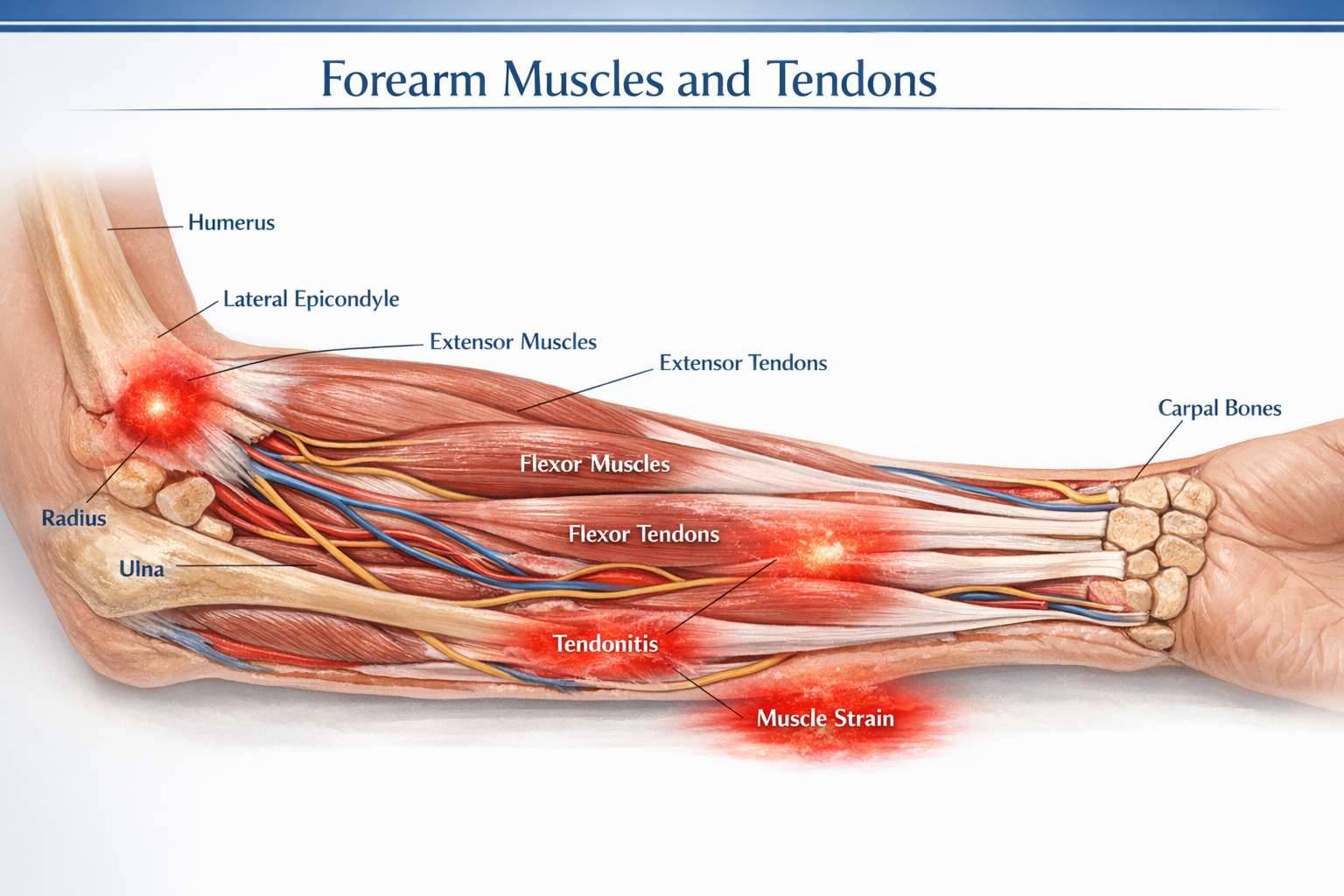
Tennis Elbow (Lateral Epicondylitis) affects the outer elbow where forearm muscles attach. Despite its name, this condition strikes office workers and manual laborers just as often as tennis players. The pain typically worsens when gripping objects or extending the wrist.
Golfer’s Elbow (Medial Epicondylitis) impacts the inner elbow and forearm muscles responsible for wrist flexion and grip strength. This condition often develops from repetitive wrist flexion activities like typing, throwing, or using hand tools.
Muscle Strain and Overuse occur when arm muscles work beyond their capacity, creating microscopic tears in muscle fibers. These injuries commonly affect the biceps, triceps, and forearm muscles during sudden increases in activity or poor movement patterns.
Tendonitis involves inflammation of the tendons connecting muscles to bones. Forearm tendonitis frequently develops from repetitive wrist movements, while bicep tendonitis can result from overhead activities or sudden lifting motions.
How an Arm Brace Helps With Pain
Arm braces work through multiple mechanisms to reduce pain and promote healing. Understanding these benefits helps you maximize your brace’s effectiveness and set realistic expectations for recovery.
Compression and Circulation Benefits
Graduated compression improves blood flow to injured tissues, delivering oxygen and nutrients while removing inflammatory waste products. This enhanced circulation accelerates the natural healing process and reduces swelling that contributes to pain and stiffness.
Quality arm braces apply 15-20 mmHg of compression—enough to provide therapeutic benefits without restricting normal circulation. This compression level supports lymphatic drainage, reducing the buildup of inflammatory fluids that cause tissue swelling.
Muscle and Tendon Support
Arm braces provide external stability that reduces the workload on injured muscles and tendons. By supporting these structures during movement, braces allow micro-tears to heal while preventing further damage from normal activities.
Proprioceptive feedback from brace compression enhances your awareness of arm position and movement patterns. This improved body awareness helps you avoid positions and movements that aggravate your injury.
Pain Reduction Mechanisms
The gate control theory explains how compression and gentle pressure from arm braces can reduce pain perception. Non-painful sensory input from the brace essentially “closes the gate” on pain signals traveling to the brain, providing immediate relief.
Warmth retention from brace materials increases tissue temperature, promoting muscle relaxation and reducing stiffness. This thermal effect proves particularly beneficial for chronic conditions like arthritis and tendonitis.
Similar to how knee braces provide targeted support for joint pain, arm braces offer specific benefits for upper extremity injuries and chronic conditions.

|
|

|
|
Our Rating:
4.5
|
Our Rating:
4.4
|
Our Rating:
4.9
|
|
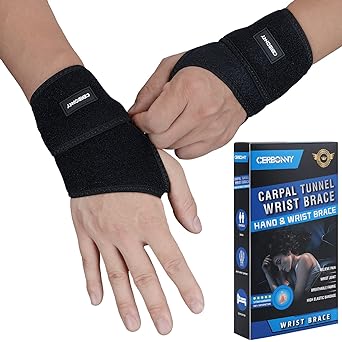
Description: A removable wrist splint and two fixed plastic splints provide a high level of wrist support. Limits unconscious bending or twisting of the wrist during sleep, avoiding aggravation of inflammation or nerve compression due to improper posture |
Description: Wrist bracers can be adjusted according to their comfort level, our wrist band can ensure stability, not easy to fall off, wearing it our hand support is very comfortable. High quality soft breathable fabric, |
Description: Maximum Pain Relief: Our wrist support braces are designed to help you relieve the pain and get the support you need for all-day and all-night comfort. Commonly used by people suffering from carpal tunnel syndrome, tendinitis, arthritis, wrist sprains, strains, etc. |
|
$13.99
|
$15.95
|
$27.06
|
A removable wrist splint and two fixed plastic splints provide a high level of wrist support. Limits unconscious bending or twisting of the wrist during sleep, avoiding aggravation of inflammation or nerve compression due to improper posture
Wrist bracers can be adjusted according to their comfort level, our wrist band can ensure stability, not easy to fall off, wearing it our hand support is very comfortable. High quality soft breathable fabric,
Maximum Pain Relief: Our wrist support braces are designed to help you relieve the pain and get the support you need for all-day and all-night comfort. Commonly used by people suffering from carpal tunnel syndrome, tendinitis, arthritis, wrist sprains, strains, etc.
Types of Arm Braces for Pain Relief
Choosing the right type of arm brace depends on your specific condition, pain level, and activity requirements. Each brace style offers unique benefits for different situations.
Compression Sleeves
Compression sleeves provide uniform pressure along the entire forearm, making them ideal for general muscle soreness, mild tendonitis, and circulation issues. These lightweight sleeves slip on like a sock and offer the most comfortable option for all-day wear.
Best for: Mild to moderate pain, muscle fatigue, general inflammation, and prevention during activities.
Key features:
- Seamless construction prevents chafing
- Moisture-wicking fabrics keep skin dry
- Machine washable and durable
- Available in various compression levels
Elbow Straps (Counterforce Braces)
Counterforce braces feature a targeted strap that wraps around the forearm just below the elbow. This design redistributes forces away from inflamed tendons, providing specific relief for tennis elbow and golfer’s elbow.
Best for: Tennis elbow, golfer’s elbow, tendonitis, and focal pain points.
Key features:
- Adjustable pressure pad targets specific areas
- Allows full range of motion
- Lightweight and discreet under clothing
- Easy on/off design for quick application
Wraparound Arm Braces
Wraparound braces combine compression with adjustable support levels through Velcro straps or buckles. These versatile braces accommodate swelling changes and allow you to customize support throughout the day.
Best for: Moderate pain, variable swelling, and situations requiring adjustable support.
Key features:
- Customizable compression levels
- Accommodates swelling fluctuations
- Removable padding for comfort
- Suitable for various arm sizes
Immobilization Braces
Immobilization braces restrict movement to protect healing tissues after acute injuries or surgical procedures. These rigid braces typically include metal or plastic stays and extensive padding for maximum protection.
Best for: Acute injuries, post-surgical recovery, and severe pain requiring movement restriction.
Key features:
- Rigid support prevents harmful movement
- Extensive padding for comfort
- Medical-grade materials
- Professional fitting often required
For those dealing with multiple joint issues, understanding how to choose the right support device can help you make informed decisions about your overall pain management strategy.
Best Arm Braces for Pain: Top Picks for 2026
After extensive research and testing, these arm braces represent the best options available for pain relief, comfort, and durability in 2026.
Best Overall: Mueller Adjustable Elbow Support
The Mueller Adjustable Elbow Support earns top honors for its versatile design that accommodates various arm pain conditions. This wraparound brace features dual compression zones—a sleeve for general support and an adjustable strap for targeted pressure.
Key Benefits:
- ✅ Breathable neoprene construction
- ✅ Adjustable compression for custom fit
- ✅ Machine washable materials
- ✅ Suitable for both acute and chronic conditions
- ✅ Under $30 price point
Best for: Tennis elbow, general arm pain, and users wanting versatile support options.
Best for Tennis Elbow: Simien Tennis Elbow Brace
Specifically engineered for lateral epicondylitis, the Simien Tennis Elbow Brace features a targeted gel pad that applies precise pressure to the extensor tendon insertion point. Clinical studies show this design reduces tennis elbow pain by up to 70% during activities.
Key Benefits:
- ✅ Medical-grade gel pad for targeted relief
- ✅ Adjustable strap accommodates 8-17 inch forearms
- ✅ Lightweight design (under 2 ounces)
- ✅ Latex-free materials prevent allergic reactions
- ✅ 30-day money-back guarantee
Best for: Confirmed tennis elbow diagnosis, lateral elbow pain, and users needing targeted pressure relief.
Best Compression Sleeve: Bauerfeind EpiTrain Elbow Support
The Bauerfeind EpiTrain represents the gold standard in compression sleeve technology. This German-engineered sleeve features 3D knit construction that provides graduated compression while maintaining breathability and comfort during extended wear.
Key Benefits:
- ✅ Medical-grade compression (20-30 mmHg)
- ✅ Anatomically shaped for natural fit
- ✅ Moisture-wicking fabric technology
- ✅ Silicone grip strips prevent sliding
- ✅ Available in 7 sizes for precise fitting
Best for: All-day wear, chronic conditions, and users prioritizing premium materials and construction.
Best for Work: Copper Compression Elbow Sleeve
Designed for professionals who need reliable support throughout long workdays, the Copper Compression Elbow Sleeve combines copper-infused fabric with graduated compression. The antimicrobial properties of copper help prevent odor during extended wear.
Key Benefits:
- ✅ Copper ions provide antimicrobial protection
- ✅ 15-20 mmHg graduated compression
- ✅ Seamless construction prevents chafing
- ✅ Machine washable without losing compression
- ✅ Available in neutral colors for professional settings
Best for: Office workers, manual laborers, and anyone needing discreet, all-day support.
Best Budget Option: ACE Brand Elbow Support
The ACE Brand Elbow Support delivers essential pain relief features at an affordable price point under $15. While lacking premium materials, this brace provides effective compression and support for mild to moderate arm pain.
Key Benefits:
- ✅ Under $15 retail price
- ✅ Adjustable Velcro closure
- ✅ Basic compression and warmth
- ✅ Widely available in stores
- ✅ Good starter option for new users
Best for: Budget-conscious users, temporary pain relief, and those trying arm braces for the first time.
Just as different knee brace types serve specific purposes, each arm brace design targets particular pain patterns and activity requirements.
How to Choose the Best Arm Brace for Pain
Selecting the optimal arm brace requires careful consideration of your specific needs, lifestyle, and pain characteristics. Follow this systematic approach to find your perfect match.
Assess Your Pain Level and Type
Mild Pain (1-3/10): Choose compression sleeves or light support braces for general comfort and prevention during activities.
Moderate Pain (4-6/10): Consider wraparound braces or counterforce straps that provide adjustable, targeted support.
Severe Pain (7-10/10): Consult healthcare providers about immobilization braces or prescription-grade supports.
Consider Your Activity Requirements
Desk Work: Prioritize breathable, low-profile designs that won’t interfere with typing or mouse use. Look for braces under 3mm thickness.
Manual Labor: Choose durable materials like neoprene or reinforced fabric that withstand repeated stress and washing.
Sports Activities: Select moisture-wicking materials with secure closures that won’t slip during movement.
Sleep Comfort: Opt for seamless designs without hard components that could create pressure points.
Sizing and Fit Guidelines
Measure Correctly: Use a flexible measuring tape around the largest part of your forearm, typically 2-3 inches below the elbow.
Size Charts: Always consult manufacturer sizing charts, as measurements vary between brands.
Between Sizes: Choose the smaller size for compression sleeves and the larger size for wraparound braces.
Fit Testing: A properly fitted brace should feel snug but not restrict circulation or cause numbness.
Material Considerations
Neoprene: Provides excellent compression and warmth retention but may cause sweating during extended wear.
Elastic Blends: Offer breathability and comfort for all-day use with moderate compression levels.
Copper-Infused Fabrics: Add antimicrobial properties and may provide additional therapeutic benefits.
Gel Components: Enhance targeted pressure distribution for specific conditions like tennis elbow.
How to Wear an Arm Brace Correctly
Proper application and wearing techniques maximize your brace’s effectiveness while preventing complications. Follow these evidence-based guidelines for optimal results.
Placement and Positioning
For Tennis Elbow: Position counterforce straps 1-2 inches below the elbow joint, directly over the muscle belly of the forearm extensors.
For General Support: Center compression sleeves over the painful area, ensuring even distribution above and below the injury site.
For Golfer’s Elbow: Place straps slightly lower and more medially compared to tennis elbow positioning.
Tightness and Compression
The Two-Finger Rule: You should be able to slide two fingers under the brace when properly fitted. Tighter fitting restricts circulation; looser fitting provides inadequate support.
Circulation Checks: Monitor for numbness, tingling, or color changes in your fingers. Remove the brace immediately if these symptoms occur.
Adjustment Throughout Day: Loosen the brace slightly if swelling increases, and retighten as swelling subsides.
Wearing Schedule
Initial Use: Start with 2-3 hour periods to allow your skin and tissues to adapt to the compression.
Activity-Based Wearing: Apply the brace 15-30 minutes before activities that typically trigger pain.
Rest Periods: Remove the brace for at least 2-3 hours daily to allow skin to breathe and prevent dependency.
Sleep Considerations: Generally avoid wearing arm braces during sleep unless specifically recommended by healthcare providers.
For additional insights on proper brace fitting and usage, consider reviewing guidelines on how different support devices should fit for optimal therapeutic benefit.
Additional Tips to Reduce Arm Pain
While the best arm brace for pain provides valuable support, combining brace use with comprehensive pain management strategies delivers superior long-term results.
Ergonomic Improvements
Workstation Setup: Position computer monitors at eye level to reduce neck strain that can contribute to arm pain. Keep keyboards and mice at elbow height with wrists in neutral position.
Tool Selection: Choose tools with padded grips and appropriate weight distribution. Ergonomic designs reduce grip force requirements and minimize repetitive stress.
Break Schedules: Implement the 20-20-20 rule—every 20 minutes, take a 20-second break and look at something 20 feet away while stretching your arms.
Strengthening and Stretching
Eccentric Exercises: Controlled lengthening exercises strengthen tendons while promoting healing. Perform wrist extensor stretches by gently pulling your hand downward with the opposite hand.
Progressive Loading: Gradually increase activity intensity by 10% weekly to avoid re-injury while building strength.
Flexibility Maintenance: Daily stretching prevents muscle shortening and maintains range of motion during recovery.
Lifestyle Modifications
Activity Pacing: Alternate between demanding and light tasks throughout the day to prevent overuse accumulation.
Stress Management: Chronic stress increases muscle tension and pain sensitivity. Practice relaxation techniques like deep breathing or meditation.
Sleep Quality: Adequate sleep supports tissue repair and pain management. Aim for 7-9 hours of quality sleep nightly.
Professional Support Options
Consider exploring specialized arm support solutions for specific occupations if your work involves repetitive arm movements or sustained postures.
Common Mistakes to Avoid
Learning from common errors helps you maximize your arm brace benefits while avoiding potential complications.
Sizing and Selection Errors
Choosing Based on Price Alone: The cheapest option rarely provides adequate support or durability. Invest in quality materials that will maintain compression over time.
Ignoring Specific Conditions: Generic arm supports may not address your particular injury pattern. Tennis elbow requires different support than general muscle strain.
Improper Sizing: Too-tight braces restrict circulation; too-loose braces provide inadequate support. Always measure your arm and consult sizing charts.
Usage Mistakes
Over-Reliance on Braces: Using arm braces as the sole treatment without addressing underlying causes leads to dependency and delayed healing.
Inconsistent Wearing: Sporadic brace use provides minimal benefit. Establish a consistent wearing schedule aligned with your activities and pain patterns.
Ignoring Pain Signals: Continuing activities that cause severe pain, even with brace support, can worsen injuries and delay recovery.
Maintenance Oversights
Poor Hygiene: Failing to clean braces regularly leads to skin irritation and bacterial growth. Wash fabric braces weekly and wipe down non-fabric components daily.
Wearing Damaged Braces: Stretched-out elastic, broken Velcro, or compressed padding reduces effectiveness and may cause uneven pressure distribution.
Improper Storage: Extreme temperatures and direct sunlight degrade brace materials. Store in cool, dry locations away from heat sources.
When to See a Medical Professional
While arm braces provide effective relief for many conditions, certain symptoms require professional medical evaluation and treatment.
Red Flag Symptoms
Severe or Worsening Pain: Pain that increases despite rest and bracing may indicate serious injury requiring medical imaging and specialist evaluation.
Neurological Symptoms: Numbness, tingling, or weakness in fingers suggests possible nerve compression that needs prompt medical attention.
Signs of Infection: Redness, warmth, swelling, or fever around injury sites may indicate bacterial infection requiring antibiotic treatment.
Loss of Function: Inability to perform basic tasks like gripping objects or lifting light weights warrants immediate medical evaluation.
Timing Guidelines
Two-Week Rule: Seek medical attention if pain persists beyond two weeks of conservative treatment including rest, bracing, and activity modification.
Acute Injury Assessment: Injuries resulting from falls, impacts, or sudden movements should be evaluated within 24-48 hours to rule out fractures or serious soft tissue damage.
Workplace Injuries: Report work-related arm pain promptly to ensure proper documentation and access to workers’ compensation benefits.
What to Expect
Physical Examination: Healthcare providers will assess range of motion, strength, and specific pain patterns to identify the underlying condition.
Diagnostic Testing: X-rays rule out fractures, while MRI or ultrasound can identify soft tissue injuries and inflammation.
Treatment Options: Professional treatment may include prescription medications, physical therapy, injections, or surgical interventions for severe cases.
Understanding when professional intervention becomes necessary helps you make informed decisions about your arm pain management.
Frequently Asked Questions
Do arm braces actually help with pain?
Yes, clinical studies demonstrate that properly fitted arm braces reduce pain levels by 40-70% for conditions like tennis elbow, tendonitis, and muscle strain. Braces work by providing compression, support, and proprioceptive feedback that enhances healing and reduces discomfort.
How long should you wear an arm brace?
Most arm pain conditions benefit from wearing braces during activities that trigger symptoms, typically 4-8 hours daily. Avoid wearing braces continuously for more than 12 hours without breaks, as this can lead to skin irritation and muscle dependency.
Can you wear an arm brace all day?
While possible, all-day wear isn’t recommended for most conditions. Plan for 2-3 hour breaks throughout the day to allow skin to breathe and prevent muscle weakness from over-reliance on external support.
What type of arm brace is best for tendonitis?
Counterforce braces (elbow straps) provide the most effective relief for tendonitis by redistributing pressure away from inflamed tendons. For widespread tendonitis, compression sleeves offer gentle support over larger areas.
Should arm braces be tight or loose?
Arm braces should feel snug but not tight. You should be able to slide two fingers under the brace comfortably. Proper compression provides therapeutic benefits without restricting circulation or causing numbness.
Can arm braces prevent injury?
Research shows that prophylactic arm brace use can reduce injury risk by 15-25% during high-risk activities. However, proper technique, conditioning, and ergonomics provide more significant injury prevention benefits.
How do I know if my arm brace fits correctly?
A properly fitted brace stays in position during movement, doesn’t cause numbness or tingling, and provides noticeable support without excessive tightness. Skin should maintain normal color and temperature while wearing the brace.
For additional guidance on proper brace fitting and usage, explore resources on how to ensure optimal brace performance across different support devices.
Conclusion
Finding the best arm brace for pain requires understanding your specific condition, activity requirements, and comfort preferences. Whether you’re dealing with tennis elbow from weekend sports, repetitive strain from work activities, or chronic tendonitis, the right brace can provide significant relief and support your recovery journey.
The top picks outlined in this guide—from the versatile Mueller Adjustable Elbow Support to the targeted Simien Tennis Elbow Brace—represent proven solutions that combine effective pain relief with practical comfort features. Remember that the most expensive option isn’t always the best choice; focus on finding a brace that matches your specific needs and fits properly.
Take action today by measuring your arm, identifying your primary pain triggers, and selecting an appropriate brace from our recommended options. Combine your brace use with ergonomic improvements, regular stretching, and activity modifications for optimal results. If pain persists beyond two weeks or includes neurological symptoms, consult with healthcare professionals for comprehensive evaluation and treatment.
Your arm pain doesn’t have to control your life. With the right support device and comprehensive approach to pain management, you can return to comfortable, productive activities while protecting your long-term joint health.