

Over 3.5 million sports-related arm injuries occur annually in the United States, with tennis elbow and forearm strain topping the list among recreational and professional athletes. The search for the best arm brace for sports has intensified as more people recognize that prevention beats recovery every time.
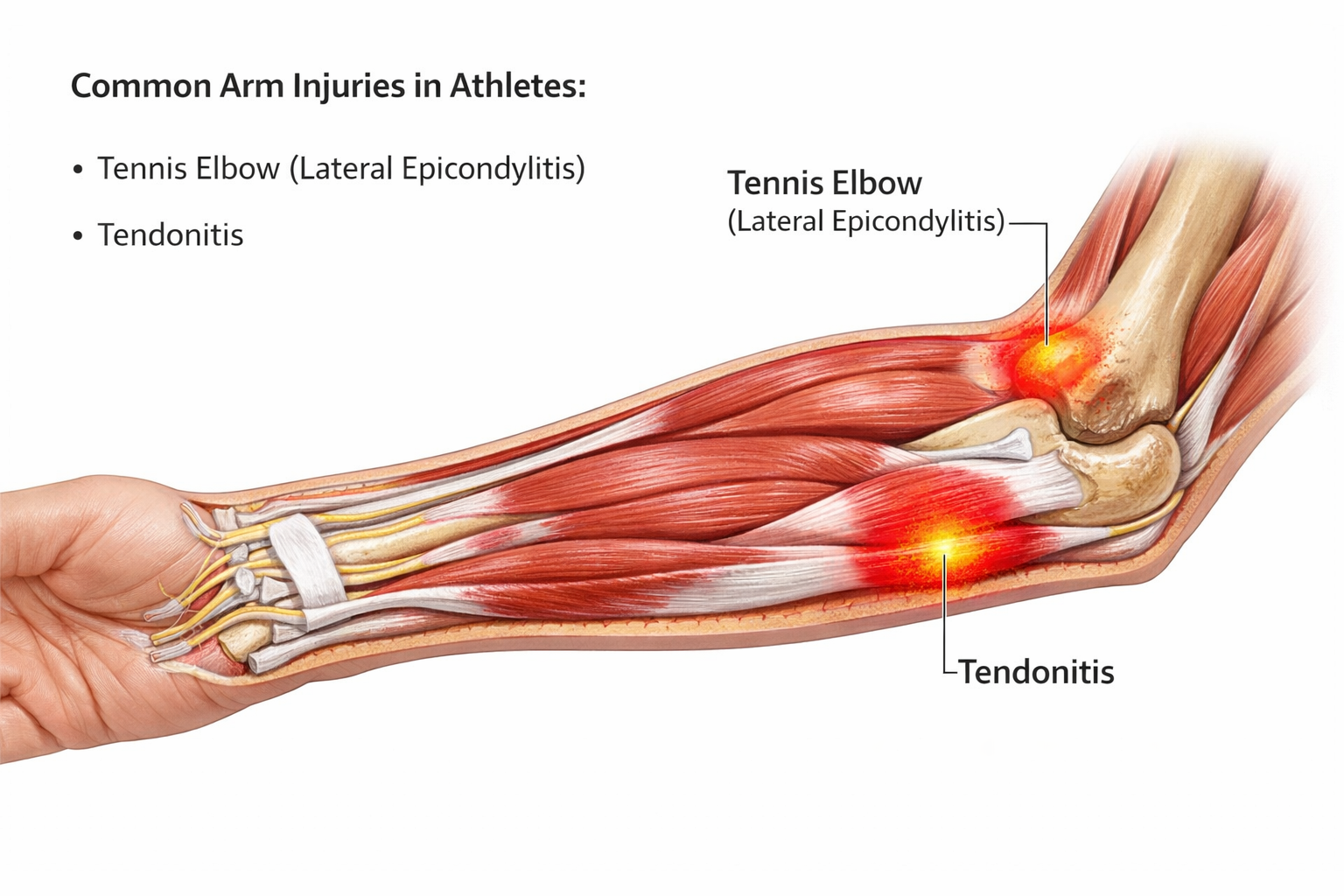
Whether you’re swinging a tennis racket, throwing a baseball, or lifting weights, your arms endure tremendous stress during athletic activities. The repetitive motions and high-impact forces can lead to painful conditions that sideline even the most dedicated athletes. Finding the right arm support can mean the difference between peak performance and prolonged recovery time.
This comprehensive guide explores everything you need to know about selecting and using the best arm brace for sports. From understanding different brace types to choosing the perfect fit for your specific activity, you’ll discover how proper arm support can enhance your performance while protecting you from injury.
Key Takeaways
• Prevention is crucial: Sports-related arm injuries affect millions of athletes annually, making protective gear essential for long-term performance
• Multiple brace types available: Compression sleeves, elbow straps, wraparound braces, and performance support braces each serve different athletic needs
• Sport-specific selection matters: The best arm brace varies depending on your activity, intensity level, and existing conditions
• Proper fit ensures effectiveness: A well-fitted brace provides support without restricting movement or causing discomfort
• Combine with good habits: Arm braces work best when paired with proper warm-up, technique, and recovery practices
Why Athletes Experience Arm Pain
Athletic activities place enormous demands on the arms, elbows, and forearms through repetitive movements and high-intensity actions. Throwing motions in baseball and football create tremendous stress on the elbow joint, while swinging movements in tennis and golf can strain the forearm muscles and tendons.
The most common culprits behind arm pain in sports include:
Repetitive Movement Patterns
- Tennis players perform thousands of forehand and backhand swings
- Baseball pitchers repeat the same throwing motion hundreds of times
- Weightlifters stress their arms through repetitive lifting patterns
- Swimmers perform continuous arm strokes for extended periods
High-Impact and High-Intensity Activity
Sports that involve sudden, explosive movements put tremendous strain on arm structures. Basketball players experience jarring impacts when shooting and rebounding, while volleyball players endure repetitive spiking and blocking motions.
Overtraining and Inadequate Recovery
Many athletes push through fatigue without allowing proper recovery time. This leads to cumulative stress on muscles, tendons, and joints, eventually resulting in overuse injuries.
Common Athletic Arm Conditions
Tennis Elbow (Lateral Epicondylitis) 🎾
- Affects the outer elbow area
- Common in racket sports and activities involving gripping
- Causes pain during lifting and gripping motions
Golfer’s Elbow (Medial Epicondylitis) ⛳
- Impacts the inner elbow region
- Frequent in golf, baseball, and throwing sports
- Creates pain when flexing the wrist or fingers
Forearm Tendonitis
- Inflammation of forearm tendons
- Results from repetitive wrist and finger movements
- Common in climbing, rowing, and racket sports
Muscle Strain and Fatigue
- Overworked muscles become tight and painful
- Reduces performance and increases injury risk
- Often develops gradually over time
Understanding these pain patterns helps explain why prevention through proper support becomes crucial for athletic success. Rather than waiting for pain to develop, smart athletes invest in protective gear that maintains their competitive edge. Just as many athletes benefit from knee support during high-impact activities, arm braces provide similar preventive benefits for upper extremity health.

|
|

|
|
Our Rating:
4.5
|
Our Rating:
4.4
|
Our Rating:
4.9
|
|
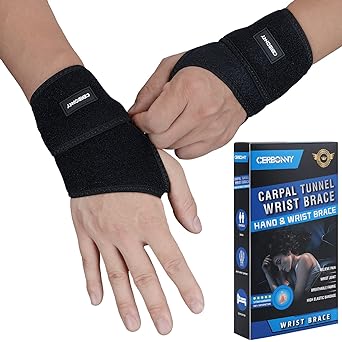
Description: A removable wrist splint and two fixed plastic splints provide a high level of wrist support. Limits unconscious bending or twisting of the wrist during sleep, avoiding aggravation of inflammation or nerve compression due to improper posture |
Description: Wrist bracers can be adjusted according to their comfort level, our wrist band can ensure stability, not easy to fall off, wearing it our hand support is very comfortable. High quality soft breathable fabric, |
Description: Maximum Pain Relief: Our wrist support braces are designed to help you relieve the pain and get the support you need for all-day and all-night comfort. Commonly used by people suffering from carpal tunnel syndrome, tendinitis, arthritis, wrist sprains, strains, etc. |
|
$13.99
|
$15.95
|
$27.06
|
A removable wrist splint and two fixed plastic splints provide a high level of wrist support. Limits unconscious bending or twisting of the wrist during sleep, avoiding aggravation of inflammation or nerve compression due to improper posture
Wrist bracers can be adjusted according to their comfort level, our wrist band can ensure stability, not easy to fall off, wearing it our hand support is very comfortable. High quality soft breathable fabric,
Maximum Pain Relief: Our wrist support braces are designed to help you relieve the pain and get the support you need for all-day and all-night comfort. Commonly used by people suffering from carpal tunnel syndrome, tendinitis, arthritis, wrist sprains, strains, etc.
Can an Arm Brace Improve Sports Performance?
The relationship between arm braces and athletic performance extends far beyond simple injury prevention. Quality arm support can actually enhance your competitive edge through multiple mechanisms that directly impact how you move and perform.
Provides Enhanced Stability and Support
Arm braces create external stability around key joints and muscle groups, allowing your natural strength to work more efficiently. This stabilization helps maintain proper biomechanics during repetitive motions, reducing energy waste and improving consistency.
Reduces Muscle and Tendon Strain
By distributing forces across a broader area, arm braces decrease the concentrated stress on specific tendons and muscle attachments. This reduction in localized strain allows you to maintain higher intensity levels for longer periods without experiencing the typical fatigue patterns.
Helps Maintain Proper Form
Fatigue often leads to compromised technique, which increases injury risk and reduces performance. Arm braces provide proprioceptive feedback that helps you maintain better form throughout your activity, especially during the later stages when natural fatigue sets in.
Improves Confidence and Mental Performance
Athletes who worry about arm pain or re-injury often hold back subconsciously, limiting their full potential. Proper arm support provides psychological confidence that allows you to compete at maximum intensity without fear or hesitation.
Enhances Endurance During Repetitive Activity
The supportive compression provided by quality arm braces improves blood circulation and reduces muscle oscillation during movement. This enhanced efficiency can extend your endurance capacity, allowing for longer training sessions and better late-game performance.
“The best athletes understand that performance enhancement comes from optimizing every aspect of their preparation, including protective equipment that allows them to train and compete without limitations.” – Sports Medicine Research
Performance Benefits by Sport Type
Racket Sports 🏓
- Improved grip stability during long matches
- Reduced forearm fatigue in extended rallies
- Better control during powerful shots
Throwing Sports ⚾
- Enhanced elbow stability during throwing motion
- Reduced strain on supporting muscles
- Improved accuracy through better joint alignment
Weightlifting and Strength Training 💪
- Better grip endurance during heavy lifts
- Reduced forearm pump during high-volume training
- Improved lifting consistency across multiple sets
The key lies in selecting arm support that provides benefits without restricting natural movement patterns. Similar to how athletes choose specialized knee braces for different activities, the best arm brace for sports should complement your specific movement requirements while delivering measurable performance advantages.
Types of Arm Braces for Sports
Selecting the best arm brace for sports requires understanding the distinct advantages each type offers for different athletic activities and conditions. Each design serves specific purposes and excels in particular sporting contexts.
Compression Sleeves
Compression sleeves represent the most versatile option for active athletes, providing graduated pressure along the entire forearm and elbow region.
Key Features:
- Lightweight, breathable fabric construction
- 360-degree compression around the arm
- Seamless design prevents chafing during movement
- Available in various compression levels
Best For:
- Endurance sports (running, cycling, swimming)
- Long training sessions requiring extended wear
- Athletes seeking preventive support rather than injury treatment
- Sports with continuous arm movement
Advantages:
✅ Maximum mobility and flexibility
✅ Excellent moisture management
✅ Comfortable for all-day wear
✅ Provides consistent compression throughout activity
Elbow Straps (Counterforce Braces)
Counterforce braces target specific tendon areas, making them ideal for addressing tennis elbow and golfer’s elbow conditions.
Design Elements:
- Focused pressure pad positioned over affected tendons
- Adjustable strap system for customized compression
- Lightweight construction for minimal movement restriction
- Strategic placement below the elbow joint
Optimal Applications:
- Tennis, squash, and racket sports
- Golf and throwing activities
- Occupational activities requiring repetitive gripping
- Recovery from lateral or medial epicondylitis
Benefits:
✅ Targeted relief for specific conditions
✅ Minimal impact on natural movement
✅ Easy adjustment during activity
✅ Cost-effective solution for focused support
Wraparound Arm Braces
Wraparound designs offer the most adjustable support levels, making them perfect for athletes with varying intensity needs or those transitioning between different activities.
Construction Features:
- Multiple Velcro or strap adjustment points
- Customizable compression zones
- Removable padding or support elements
- Accommodates arm size variations throughout the day
Ideal Situations:
- Athletes requiring different support levels for training vs. competition
- Multi-sport participants with varying arm stress patterns
- Recovery periods requiring adjustable compression
- Sports with intermittent high-intensity movements
Strengths:
✅ Maximum customization options
✅ Adapts to changing needs throughout activity
✅ Suitable for multiple arm sizes and shapes
✅ Easy to modify compression during wear
Performance Support Braces
Performance-focused braces represent the cutting edge of athletic arm support, designed specifically for competitive athletes who demand maximum support without compromising mobility.
Advanced Features:
- Moisture-wicking technical fabrics
- Ergonomic design following natural arm contours
- Strategic ventilation zones
- Reinforced support areas for high-stress movements
Target Applications:
- Competitive and professional athletics
- High-intensity training programs
- Sports requiring explosive arm movements
- Athletes returning from previous injuries
Performance Advantages:
✅ Optimized for athletic movement patterns
✅ Superior durability for frequent use
✅ Advanced materials for comfort and performance
✅ Designed to enhance rather than restrict movement
Choosing the Right Type for Your Needs
| Brace Type | Best For | Support Level | Mobility | Price Range |
|---|---|---|---|---|
| Compression Sleeves | Endurance sports, prevention | Light-Medium | Excellent | $ |
| Elbow Straps | Tennis elbow, targeted relief | Medium | Very Good | $ |
| Wraparound Braces | Variable needs, recovery | Medium-High | Good | $$ |
| Performance Braces | Competitive athletics | High | Excellent | $$$ |
The best arm brace for sports depends on your specific activity, current condition, and performance requirements. Many athletes find success using different types for training versus competition, similar to how serious athletes might use different knee support options depending on their activity and condition severity.
For athletes dealing with specific conditions like tendonitis, exploring specialized arm braces for tendonitis can provide targeted relief while maintaining athletic performance.
What to Look for in the Best Arm Brace for Sports
Selecting the best arm brace for sports requires evaluating specific features that directly impact both performance and comfort during athletic activities. The right combination of characteristics ensures you get maximum benefit without compromising your competitive edge.
Flexibility for Full Range of Motion
Unrestricted movement stands as the most critical factor for athletic arm braces. The support should enhance your natural biomechanics rather than limit them.
Essential Flexibility Features:
- Articulated joint design that moves with your elbow
- Stretch panels in high-mobility areas
- Contoured construction following natural arm curves
- Multi-directional fabric stretch capabilities
Movement Testing:
- Perform your sport’s key motions while wearing the brace
- Check for any binding or restriction during full arm extension
- Ensure the brace doesn’t shift position during dynamic movements
- Verify comfortable range during overhead and cross-body motions
Breathable, Sweat-Resistant Materials
Athletic activities generate significant heat and moisture, making advanced fabric technology essential for comfort and performance.
Superior Material Characteristics:
- Moisture-wicking synthetic fibers that pull sweat away from skin
- Antimicrobial treatments preventing odor and bacteria buildup
- Quick-dry capabilities for multi-session use
- Mesh ventilation panels in high-heat areas
Fabric Technologies to Seek:
- Coolmax or similar moisture management systems
- Bamboo fiber blends for natural antimicrobial properties
- Merino wool combinations for temperature regulation
- Advanced polyester blends with enhanced breathability
Secure Fit That Won’t Slip During Activity
Consistent positioning throughout your activity ensures the brace provides intended support without becoming a distraction.
Fit Security Elements:
- Silicone grip strips along the inner surface
- Graduated compression preventing roll-down
- Multiple adjustment points for customized fit
- Anatomically shaped construction reducing migration
Sizing Considerations:
- Measure your arm at multiple points (forearm, elbow, upper arm)
- Account for muscle pump during intense activity
- Consider arm dominance – your dominant arm may be slightly larger
- Factor in any existing swelling or inflammation
Lightweight Design for Performance
Every ounce matters in competitive athletics, making weight optimization a crucial selection factor.
Weight-Saving Features:
- Ultra-thin technical fabrics maintaining strength
- Minimal hardware and buckles
- Strategic material placement reducing bulk
- Seamless construction eliminating excess material
Performance Impact:
- Lighter braces reduce fatigue during extended activity
- Less bulk improves aerodynamics in speed sports
- Minimal weight impact on throwing and swinging mechanics
- Enhanced comfort during long training sessions
Durability for Frequent Use
Athletic equipment must withstand intensive use across multiple training sessions and competitions.
Durability Indicators:
- Reinforced stitching in high-stress areas
- Quality hardware resistant to corrosion and wear
- Fabric treatments maintaining elasticity over time
- Warranty coverage indicating manufacturer confidence
Longevity Factors:
- Double-layered construction in wear-prone zones
- UV-resistant materials for outdoor sports
- Colorfast dyes preventing fading and bleeding
- Easy care instructions supporting frequent washing
Additional Performance Features
Advanced Characteristics:
- Compression mapping targeting specific muscle groups
- Removable padding for customized comfort
- Reflective elements for low-light training
- Quick-release mechanisms for easy removal
Red Flags to Avoid
❌ Avoid These Characteristics:
- Rigid materials that restrict natural movement
- Non-breathable fabrics causing excessive heat buildup
- Single-size-fits-all designs lacking proper fit
- Cheap construction with poor stitching quality
- Materials causing skin irritation or allergic reactions
The best arm brace for sports combines all these elements into a cohesive design that enhances your athletic performance while providing necessary support. Athletes dealing with specific conditions might also benefit from exploring specialized options for elbow pain or targeted support for lifting activities, ensuring they get the most appropriate support for their particular needs.
Remember that the perfect brace should feel like a natural extension of your body, providing support you can feel without movements you notice. Quality arm support represents an investment in your long-term athletic success and injury prevention.
How to Choose the Right Arm Brace for Your Sport
Different sports place unique demands on your arms, making sport-specific selection crucial for optimal performance and protection. The best arm brace for sports varies significantly based on movement patterns, intensity levels, and injury risk factors associated with each activity.
Match Brace Type to Sport Requirements
Racket Sports (Tennis, Squash, Badminton) 🎾
- Primary Need: Forearm and elbow support during repetitive swinging motions
- Recommended Type: Elbow straps or compression sleeves
- Key Features: Targeted tendon support, grip enhancement, vibration dampening
- Specific Considerations: Must allow full wrist rotation and quick directional changes
Throwing Sports (Baseball, Football, Javelin) ⚾
- Primary Need: Elbow stability during explosive throwing motions
- Recommended Type: Performance support braces with joint stabilization
- Key Features: Dynamic support, moisture management, lightweight construction
- Specific Considerations: Cannot interfere with throwing mechanics or arm speed
Weightlifting and Strength Training 💪
- Primary Need: Forearm support during heavy lifting and grip-intensive exercises
- Recommended Type: Compression sleeves or wraparound braces
- Key Features: Enhanced grip stability, fatigue reduction, adjustable compression
- Specific Considerations: Must accommodate muscle pump and varying exercise positions
Swimming and Water Sports 🏊
- Primary Need: Stroke efficiency support without water retention
- Recommended Type: Lightweight compression sleeves
- Key Features: Quick-dry materials, chlorine resistance, streamlined design
- Specific Considerations: Minimal drag impact, secure fit during water entry
Contact Sports (Basketball, Hockey, Rugby) 🏀
- Primary Need: Protection from impact while maintaining mobility
- Recommended Type: Performance support braces with protective elements
- Key Features: Impact resistance, secure fit during contact, durability
- Specific Considerations: League regulations and safety requirements
Consider Activity Intensity and Frequency
High-Intensity, Short-Duration Activities
- Focus on maximum support during peak performance moments
- Prioritize lightweight design to minimize performance impact
- Choose braces with quick-adjustment capabilities
- Examples: Sprinting, jumping events, powerlifting
Moderate-Intensity, Long-Duration Activities
- Emphasize comfort and breathability for extended wear
- Select moisture-wicking materials preventing skin irritation
- Opt for graduated compression reducing fatigue
- Examples: Distance running, cycling, recreational tennis
Variable-Intensity Activities
- Choose adjustable support systems accommodating intensity changes
- Look for versatile designs suitable for multiple movement patterns
- Consider removable elements for customization
- Examples: Basketball, soccer, martial arts
Choose Based on Existing Conditions
For Existing Tennis Elbow:
- Counterforce braces with targeted pressure pads
- Adjustable compression for symptom management
- Materials allowing gradual return to full activity
- Consider specialized tennis elbow support options
For General Arm Fatigue:
- Compression sleeves promoting circulation
- Lightweight designs for all-day comfort
- Graduated pressure reducing muscle oscillation
- Moisture-wicking properties for extended wear
For Previous Injuries:
- Higher support levels providing confidence during return to sport
- Adjustable systems accommodating healing progression
- Professional-grade materials ensuring durability
- Consultation with healthcare providers for specific recommendations
For Preventive Use:
- Minimal restriction maintaining natural movement patterns
- Comfortable designs encouraging consistent use
- Cost-effective options for long-term wear
- Focus on fatigue reduction and circulation enhancement
|
|
|
|
|
Our Rating:
4.5
|
Our Rating:
4.4
|
Our Rating:
4.9
|
|
Description: A removable wrist splint and two fixed plastic splints provide a high level of wrist support. Limits unconscious bending or twisting of the wrist during sleep, avoiding aggravation of inflammation or nerve compression due to improper posture |
Description: Wrist bracers can be adjusted according to their comfort level, our wrist band can ensure stability, not easy to fall off, wearing it our hand support is very comfortable. High quality soft breathable fabric, |
Description: Maximum Pain Relief: Our wrist support braces are designed to help you relieve the pain and get the support you need for all-day and all-night comfort. Commonly used by people suffering from carpal tunnel syndrome, tendinitis, arthritis, wrist sprains, strains, etc. |
|
$13.99
|
$15.95
|
$27.06
|
A removable wrist splint and two fixed plastic splints provide a high level of wrist support. Limits unconscious bending or twisting of the wrist during sleep, avoiding aggravation of inflammation or nerve compression due to improper posture
Wrist bracers can be adjusted according to their comfort level, our wrist band can ensure stability, not easy to fall off, wearing it our hand support is very comfortable. High quality soft breathable fabric,
Maximum Pain Relief: Our wrist support braces are designed to help you relieve the pain and get the support you need for all-day and all-night comfort. Commonly used by people suffering from carpal tunnel syndrome, tendinitis, arthritis, wrist sprains, strains, etc.
Ensure Proper Fit for Optimal Performance
Measurement Guidelines:
- Forearm Circumference: Measure at the widest point, typically 2-3 inches below the elbow
- Elbow Circumference: Measure around the elbow joint with arm slightly bent
- Upper Arm Reference: Some braces require upper arm measurements for proper sizing
Fit Testing Protocol:
- Static Testing: Ensure comfortable fit during rest position
- Dynamic Testing: Perform sport-specific movements checking for restriction
- Endurance Testing: Wear for extended periods evaluating comfort
- Adjustment Testing: Verify easy modification during activity
Size Selection Tips:
- When between sizes, consider your activity intensity level
- Account for potential swelling during long activities
- Factor in any underlying conditions affecting arm size
- Consider seasonal variations in muscle mass
Professional Consultation Benefits
When to Seek Expert Advice:
- Persistent pain despite brace use
- Complex injury history requiring specialized support
- Competitive athletics with specific performance requirements
- Uncertainty about appropriate brace type for your condition
Healthcare Professionals to Consult:
- Sports medicine physicians for injury-specific recommendations
- Physical therapists for movement pattern analysis
- Athletic trainers for sport-specific guidance
- Occupational therapists for work-related arm stress
The best arm brace for sports ultimately depends on finding the perfect intersection between your sport’s demands, your individual needs, and your performance goals. Athletes with specific workplace demands might also explore work-appropriate arm support that transitions between professional and athletic activities.
Remember that the right brace should enhance your natural abilities rather than mask underlying issues. Combine proper brace selection with appropriate training, recovery, and technique refinement for optimal long-term results.
How to Wear an Arm Brace During Sports
Proper application and positioning of your arm brace can make the difference between enhanced performance and uncomfortable distraction. The best arm brace for sports only delivers its full benefits when worn correctly throughout your athletic activities.
Position Correctly on the Forearm or Elbow
Compression Sleeve Positioning:
- Start 2-3 inches below the wrist for full forearm coverage
- Extend to 2-3 inches above the elbow crease
- Ensure smooth, wrinkle-free application
- Avoid bunching at the elbow joint during arm flexion
Elbow Strap Placement:
- Position the pressure pad 1-2 inches below the point of maximum tenderness
- For tennis elbow: Place on the outer forearm muscle mass
- For golfer’s elbow: Position on the inner forearm area
- Tighten gradually until you feel supportive pressure without pain
Wraparound Brace Application:
- Begin wrapping from the bottom up to prevent slipping
- Overlap each wrap by approximately 50% for consistent compression
- Secure the final closure above the area needing most support
- Check circulation by ensuring you can slip one finger under the brace
Ensure Snug but Non-Restrictive Fit
Optimal Tightness Guidelines:
- Firm enough to stay in position during vigorous movement
- Loose enough to allow normal blood circulation
- No tingling, numbness, or color changes in fingers
- Comfortable pressure that feels supportive rather than constrictive
Circulation Check Methods:
- Fingernail test: Press fingernail until white, release should return pink color within 2 seconds
- Movement test: Full finger flexion and extension should remain comfortable
- Sensation test: No tingling or numbness in hand or fingers
- Duration test: Comfort should persist throughout your typical activity length
Pre-Activity Application Protocol
15 Minutes Before Activity:
- Apply the brace in a relaxed, seated position
- Perform gentle arm movements checking for comfort
- Make any necessary adjustments to fit or position
- Allow your arm to adapt to the brace sensation
5 Minutes Before Activity:
- Perform dynamic warm-up movements while wearing the brace
- Check that the brace hasn’t shifted position
- Verify full range of motion in all directions
- Make final adjustments if needed
Test Mobility Before Starting Activity
Essential Movement Patterns to Check:
Overhead Movements 🏐
- Full arm extension above head
- Comfortable shoulder rotation in all directions
- No binding or restriction during reaching motions
- Smooth transition between different arm positions
Cross-Body Movements 🏓
- Arm movement across the chest
- Comfortable internal rotation at the shoulder
- No interference with opposite arm movements
- Smooth coordination during bilateral activities
Rotational Movements ⚾
- Forearm rotation (pronation and supination)
- Full elbow flexion and extension
- Comfortable wrist movement in all directions
- No restriction during sport-specific motion patterns
Grip and Release Patterns 🎾
- Normal grip strength and control
- Comfortable finger flexion and extension
- No interference with equipment handling
- Smooth transition between grip positions
During-Activity Monitoring
Performance Indicators:
- Consistent brace position throughout activity
- No sliding, bunching, or migration
- Maintained comfort level during intense movements
- Continued effectiveness of support function
Warning Signs Requiring Adjustment:
❌ Immediate Attention Needed:
- Numbness or tingling in fingers
- Color changes in hand or fingers
- Sharp pain or increased discomfort
- Significant restriction of normal movement
- Brace slipping or rolling during activity
Mid-Activity Adjustment Tips:
- Loosen slightly if experiencing circulation issues
- Reposition if the brace has migrated from optimal placement
- Tighten if support feels insufficient
- Remove temporarily if experiencing any adverse reactions
Post-Activity Care and Removal
Immediate Post-Activity:
- Remove the brace gradually rather than quickly
- Allow circulation to normalize over 2-3 minutes
- Inspect skin for any irritation or pressure marks
- Perform gentle stretching to restore normal sensation
Skin Care Considerations:
- Clean and dry the application area
- Apply moisturizer if skin appears dry or irritated
- Allow skin to breathe between applications
- Monitor for any allergic reactions or persistent irritation
Common Application Mistakes to Avoid
❌ Avoid These Errors:
- Applying over clothing that can bunch or create pressure points
- Wearing the brace too tightly, restricting circulation
- Ignoring discomfort hoping it will improve
- Failing to adjust for muscle pump during intense activity
- Using the same tightness for all activities regardless of intensity
The best arm brace for sports becomes most effective when proper application becomes second nature. Athletes who also use lower extremity support can apply similar principles found in guides about proper knee brace fitting to ensure optimal results from all their protective equipment.
For athletes dealing with specific conditions, exploring targeted support for injury recovery can provide additional guidance on proper application techniques for therapeutic use.
Remember that proper brace application is a skill that improves with practice. Take time to perfect your technique, and don’t hesitate to make adjustments as you learn what works best for your specific needs and activities.
When to Use an Arm Brace in Sports
Strategic timing of arm brace use can significantly impact both your immediate performance and long-term athletic health. Understanding when to implement support helps maximize the benefits while avoiding over-dependence on external assistance.
During Training and Competition
High-Intensity Training Sessions
The best arm brace for sports proves most valuable during your most demanding training periods when muscle fatigue and form breakdown increase injury risk.
Optimal Training Applications:
- Volume training days with high repetition counts
- Technical skill sessions requiring precise arm movements
- Strength training focusing on grip-intensive exercises
- Endurance sessions lasting longer than typical competition duration
Competition Day Strategy:
- Warm-up period: Light support allowing natural movement preparation
- Pre-competition: Full support providing confidence and stability
- During competition: Maintain consistent support throughout event
- Post-competition: Continue support during cool-down to prevent stiffening
Recovery from Minor Injuries
Early Recovery Phase (Days 1-7)
- Gentle compression supporting healing tissues
- Protection from accidental re-injury during daily activities
- Gradual return to light movement with support
- Pain management through targeted pressure application
Progressive Recovery Phase (Weeks 2-4)
- Adjustable support levels matching healing progression
- Confidence building during return to sport-specific movements
- Prevention of compensation patterns that could create new issues
- Gradual weaning from higher support levels
Return to Sport Phase (Weeks 4-8)
- Performance-level support during initial return sessions
- Monitoring for any signs of symptom recurrence
- Psychological confidence during full-intensity activities
- Preventive use during high-risk training scenarios
High-Volume Training Periods
Seasonal Training Peaks
During intensive training blocks, your arms face cumulative stress that can lead to overuse injuries without proper support.
Pre-Season Preparation:
- Gradual load introduction with supportive compression
- Prevention of early-season overuse injuries
- Adaptation period allowing tissues to strengthen progressively
- Baseline establishment for in-season support needs
In-Season Maintenance:
- Consistent support during regular training and competition
- Fatigue management during congested competition schedules
- Recovery enhancement between events
- Performance optimization through reduced energy waste
Off-Season Considerations:
- Reduced dependency during lower-intensity periods
- Focus on strengthening exercises without external support
- Occasional use during skill maintenance sessions
- Preparation for upcoming season demands
Preventive Measures for Recurring Issues
Pattern Recognition:
Athletes with history of arm problems benefit from proactive brace use before symptoms develop.
Early Warning Signs:
- Mild stiffness after training sessions
- Slight discomfort during specific movements
- Fatigue occurring earlier than normal
- Grip strength feeling less secure than usual
Preventive Application Schedule:
- Monday/Wednesday/Friday: Support during high-intensity sessions
- Tuesday/Thursday: Recovery-focused light support or no brace
- Weekend: Competition or long-session support as needed
- Rest days: Generally no support unless experiencing symptoms
Activity-Specific Timing Guidelines
Throwing Sports Schedule:
- Bullpen sessions: Full support during high-volume throwing
- Game situations: Support based on individual comfort and league rules
- Recovery days: Light compression for circulation enhancement
- Off-season: Minimal use focusing on natural strength development
Racket Sports Timing:
- Practice sessions: Support during repetitive drill work
- Match play: Consistent support throughout competition
- Multi-day tournaments: Continuous support between matches for recovery
- Lesson periods: Support during technique-intensive instruction
Strength Training Applications:
- Heavy lifting days: Support during compound movements
- High-volume sessions: Compression throughout entire workout
- Grip-intensive exercises: Targeted support for forearm-dominant activities
- Recovery workouts: Light support or no brace for active recovery
Signs You Should NOT Use a Brace
❌ Contraindications for Brace Use:
- Acute injury requiring immediate medical attention
- Severe swelling that could be worsened by compression
- Open wounds or skin conditions in the application area
- Circulatory problems that could be aggravated by compression
- Allergic reactions to brace materials
⚠️ Warning Signs During Use:
- Increasing pain despite brace support
- Numbness or tingling that doesn’t resolve with loosening
- Skin irritation or breakdown
- Performance decline that coincides with brace introduction
Developing Your Personal Usage Strategy
Assessment Factors:
- Current injury status and pain levels
- Training intensity and volume patterns
- Competition schedule and importance
- Individual response to brace support
- Long-term athletic goals and timeline
Monitoring Success:
- Performance metrics during supported vs. unsupported activities
- Pain levels before, during, and after brace use
- Recovery time between training sessions
- Overall comfort and confidence during activities
The best arm brace for sports becomes most effective when used strategically rather than continuously. Similar to how athletes might use knee support during specific activities, arm braces work best as part of a comprehensive approach to athletic health and performance optimization.
Athletes dealing with specific conditions should consider targeted support for pain management while developing their personalized usage strategy. Remember that the goal is enhanced performance and injury prevention, not dependence on external support for normal function.
Additional Tips to Prevent Arm Injuries in Sports
While the best arm brace for sports provides excellent support, comprehensive injury prevention requires a holistic approach combining proper preparation, technique, and recovery strategies. Smart athletes understand that protective equipment works best as part of a complete prevention program.
Warm Up Properly Before Activity
Dynamic Warm-Up Protocol (10-15 minutes):
Phase 1: General Circulation (3-5 minutes)
- Light cardio activity raising overall body temperature
- Arm circles progressing from small to large ranges
- Cross-body arm swings activating shoulder mobility
- Gentle joint rotations at wrist, elbow, and shoulder
Phase 2: Sport-Specific Movements (5-7 minutes)
- Mimicking competition movements at 50% intensity
- Progressive speed increases preparing nervous system
- Range of motion exercises targeting primary movement patterns
- Activation exercises for stabilizing muscle groups
Phase 3: Intensity Preparation (2-3 minutes)
- Near-competition speed movements with light resistance
- Final mobility checks ensuring full range of motion
- Mental preparation and focus development
- Equipment checks including brace positioning
Use Correct Technique and Form
Biomechanical Principles:
- Efficient movement patterns reducing unnecessary stress
- Proper body positioning distributing forces appropriately
- Smooth acceleration and deceleration phases
- Coordinated movement involving entire kinetic chain
Common Technique Errors Leading to Arm Injuries:
❌ Avoid These Mistakes:
- Over-gripping equipment causing excessive forearm tension
- Poor body positioning forcing arms to compensate
- Rushing through movements without proper control
- Ignoring fatigue signals leading to form breakdown
- Attempting advanced techniques without proper progression
Professional Instruction Benefits:
- Video analysis revealing subtle technique flaws
- Personalized correction strategies for individual movement patterns
- Progressive skill development reducing injury risk
- Regular technique maintenance preventing bad habits
Allow Adequate Recovery Between Sessions
Recovery Timeline Guidelines:
High-Intensity Sessions:
- 24-48 hours before similar intensity training
- Active recovery activities promoting circulation
- Sleep optimization supporting tissue repair
- Nutrition focus on anti-inflammatory foods
Moderate-Intensity Training:
- 12-24 hours recovery for most athletes
- Light movement maintaining mobility
- Hydration emphasis supporting metabolic recovery
- Stress management reducing cortisol impact on healing
Skill-Development Sessions:
- Same-day or next-day training often appropriate
- Focus on movement quality over intensity
- Mental recovery as important as physical rest
- Progressive loading building tolerance gradually
Strengthen Supporting Muscle Groups
Comprehensive Arm Strengthening Program:
Forearm and Grip Strength 💪
- Wrist curls and extensions building balanced strength
- Grip variations training different hand positions
- Farmer’s walks developing functional grip endurance
- Resistance band exercises providing variable resistance
Elbow Stability Exercises
- Eccentric strengthening for tendon health
- Isometric holds building stability strength
- Multi-angle resistance training
- Proprioceptive exercises improving joint awareness
Shoulder Girdle Support
- Rotator cuff strengthening providing proximal stability
- Scapular stabilization exercises
- Postural correction activities
- Core strengthening supporting entire kinetic chain
Progressive Loading Principles:
- Start with bodyweight or light resistance
- Focus on movement quality before increasing load
- Progress gradually allowing adaptation time
- Include both strength and endurance components
- Maintain consistency for long-term benefits
Flexibility and Mobility Maintenance
Daily Mobility Routine (10-15 minutes):
Morning Activation:
- Gentle range of motion exercises upon waking
- Light stretching addressing overnight stiffness
- Joint mobility preparation for daily activities
- Posture awareness setting good habits early
Pre-Activity Preparation:
- Dynamic stretching preparing muscles for activity
- Sport-specific movement patterns
- Gradual intensity increases
- Final mobility checks ensuring readiness
Post-Activity Recovery:
- Static stretching while muscles remain warm
- Focus on areas that worked hardest during activity
- Gentle decompression exercises
- Relaxation techniques supporting recovery
Nutrition and Hydration for Tissue Health
Anti-Inflammatory Nutrition:
- Omega-3 fatty acids reducing systemic inflammation
- Antioxidant-rich fruits and vegetables
- Adequate protein supporting tissue repair
- Proper hydration maintaining tissue quality
Timing Considerations:
- Pre-activity fueling providing energy for proper technique
- During-activity hydration maintaining performance
- Post-activity nutrition supporting recovery
- Consistent daily habits building long-term health
Environmental and Equipment Factors
Equipment Maintenance:
- Regular inspection of all athletic equipment
- Proper sizing ensuring optimal biomechanics
- Quality replacement preventing compensation patterns
- Appropriate equipment for skill and activity level
Environmental Awareness:
- Temperature considerations affecting muscle function
- Surface conditions impacting movement patterns
- Weather factors influencing grip and control
- Altitude or humidity effects on performance and recovery
The best arm brace for sports works most effectively when combined with these comprehensive prevention strategies. Athletes who also focus on lower extremity health can find similar principles in guides about knee injury prevention, creating a complete approach to athletic health.
Remember that consistency in these prevention strategies often proves more valuable than perfect execution of any single element. Small, daily investments in arm health compound over time, creating resilient, high-performing athletes who can enjoy their sports for years to come.
Common Mistakes to Avoid
Even with the best arm brace for sports, athletes often make critical errors that can compromise both safety and performance. Understanding these common pitfalls helps ensure you get maximum benefit from your protective equipment while maintaining optimal athletic function.
Relying Too Heavily on External Support
The Over-Dependence Trap 🚫
Many athletes fall into the pattern of using their brace for every activity, including low-intensity training and daily tasks where natural strength should suffice.
Signs of Over-Dependence:
- Feeling anxious or uncomfortable during any arm activity without the brace
- Using the brace during basic daily activities like typing or light lifting
- Avoiding strength training exercises that could improve natural stability
- Decreased confidence in your arm’s natural capabilities
Healthy Usage Balance:
- Reserve brace use for high-intensity, high-risk, or symptomatic periods
- Gradually reduce dependency as strength and confidence improve
- Incorporate “brace-free” training sessions to maintain natural function
- Focus on progressive strengthening rather than permanent support
Long-Term Consequences of Over-Reliance:
- Muscle weakness from reduced natural activation
- Decreased proprioception and joint awareness
- Psychological dependence limiting athletic confidence
- Delayed development of natural stability and strength
Wearing the Brace Too Tightly
The Circulation Compromise ⚠️
Excessive tightness represents one of the most dangerous mistakes athletes make, often believing that tighter equals better support.
Immediate Warning Signs:
- Numbness or tingling in fingers or hand
- Color changes (pale, blue, or red) in the hand
- Swelling below the brace application site
- Sharp pain or increased discomfort during wear
Proper Tightness Guidelines:
- Snug enough to prevent sliding during vigorous activity
- Loose enough to slip one finger underneath the brace
- No restriction of normal blood flow or nerve function
- Comfortable pressure that feels supportive rather than constrictive
Adjustment Protocol:
- Start looser and gradually tighten if needed
- Check circulation every 15-20 minutes during initial use
- Loosen immediately if any circulation symptoms appear
- Re-evaluate fit if discomfort persists beyond initial adaptation
Ignoring Pain Signals During Activity
The “Push Through” Mentality ❌
Athletes often mistake pain for normal discomfort, continuing activity despite warning signals that indicate potential injury.
Pain vs. Normal Sensations:
- Sharp, shooting pain: Stop activity immediately
- Dull ache or pressure: Monitor closely, consider reducing intensity
- Burning sensation: Often indicates overuse, requires rest
- Numbness or weakness: Serious warning requiring immediate attention
Appropriate Response to Pain:
- Stop activity and assess the situation calmly
- Remove or loosen the brace to rule out fit issues
- Apply ice if swelling or inflammation is present
- Seek medical evaluation if pain persists or worsens
When to Resume Activity:
- Complete pain resolution during rest and basic movements
- Normal strength and range of motion testing
- Gradual return starting at reduced intensity
- Professional clearance for significant pain episodes
Using Improper Technique Despite Support
The False Security Effect 🎯
Some athletes develop overconfidence when wearing their brace, leading to compromised technique and increased injury risk.
Common Technique Compromises:
- Overexertion believing the brace provides complete protection
- Poor body mechanics relying on the brace to compensate
- Attempting advanced skills before proper progression
- Ignoring fatigue because the brace masks early warning signs
Maintaining Proper Technique:
- Continue focusing on movement quality regardless of brace use
- Regular technique assessment with coaches or trainers
- Video analysis to identify subtle form changes
- Progressive skill development following established protocols
Neglecting Overall Conditioning
The Single-Solution Fallback 💪
Believing that arm brace alone solves all injury prevention needs while neglecting comprehensive fitness development.
Comprehensive Conditioning Elements:
- Strength training for all supporting muscle groups
- Flexibility and mobility work maintaining range of motion
- Cardiovascular fitness supporting overall performance
- Balance and coordination training enhancing athletic function
Integration Strategy:
- Combine brace use with progressive strengthening programs
- Maintain flexibility work even when using supportive equipment
- Address movement pattern deficiencies through targeted exercises
- Regular fitness assessments ensuring balanced development
Improper Care and Maintenance
The Equipment Neglect Problem 🧼
Failing to maintain your arm brace properly can lead to reduced effectiveness, skin problems, and premature equipment failure.
Essential Care Practices:
- Daily cleaning after each use with appropriate cleaners
- Proper drying preventing bacterial and fungal growth
- Regular inspection for wear, damage, or elastic failure
- Appropriate storage maintaining shape and material properties
Replacement Indicators:
- Loss of elasticity or compression effectiveness
- Visible wear, fraying, or material breakdown
- Persistent odors despite proper cleaning
- Changes in fit due to material stretching or shrinkage
Inappropriate Brace Selection
The One-Size-Fits-All Assumption 📏
Using generic or inappropriate brace types that don’t match specific sport requirements or individual needs.
Selection Mistakes:
- Choosing based on price rather than functionality
- Using braces designed for different activities or conditions
- Ignoring individual anatomy and fit requirements
- Failing to upgrade as needs or activities change
Proper Selection Process:
- Assess specific sport requirements and movement patterns
- Consider individual injury history and current symptoms
- Professional consultation for complex or persistent issues
- Regular re-evaluation of equipment appropriateness
The best arm brace for sports only delivers optimal results when used correctly and as part of a comprehensive approach to athletic health. Athletes can learn from similar principles applied to lower extremity support to understand both benefits and potential pitfalls of protective equipment.
For athletes dealing with specific conditions, exploring targeted approaches to arm pain management can provide additional guidance on avoiding common usage mistakes while maximizing therapeutic benefits.
Remember that protective equipment should enhance your natural abilities and confidence, not replace proper training, technique, or conditioning. The goal is optimized performance with reduced injury risk, achieved through smart, strategic use of supportive equipment combined with comprehensive athletic development.
When to Seek Medical Advice
While the best arm brace for sports can provide significant relief and support, certain situations require professional medical evaluation to ensure proper diagnosis and treatment. Recognizing when self-care measures aren’t sufficient can prevent minor issues from becoming serious, long-term problems.
Persistent or Worsening Pain Despite Brace Use
Red Flag Symptoms Requiring Immediate Attention:
- Pain intensity increasing over 2-3 days despite rest and bracing
- Symptoms that worsen during normal daily activities
- Pain that disrupts sleep or prevents comfortable rest positions
- No improvement after one week of appropriate brace use and activity modification
Progressive Pain Patterns:
- Sharp, shooting pain that radiates down the arm or into the hand
- Aching that becomes constant rather than activity-related
- Pain that requires increasing amounts of medication for relief
- Symptoms spreading to new areas or affecting multiple joints
Documentation for Medical Consultation:
- Pain intensity scale ratings throughout different times of day
- Activities that consistently trigger or relieve symptoms
- Brace effectiveness and any changes in response over time
- Sleep disruption patterns and frequency
Sharp Pain During Athletic Activity
Immediate Action Required: 🚨
Acute, severe pain during sports participation often indicates tissue damage requiring prompt professional evaluation.
Stop Activity Immediately If You Experience:
- Sudden, severe pain that prevents continued movement
- “Popping” or “tearing” sensations accompanied by immediate pain
- Complete inability to use the arm normally
- Visible deformity or swelling that develops rapidly
Emergency vs. Urgent Care Decisions:
- Emergency room: Suspected fractures, dislocations, or complete tears
- Urgent care: Severe pain without obvious deformity
- Sports medicine appointment: Sharp pain that resolves but returns with activity
- Primary care: Persistent sharp pain that doesn’t improve with rest
Weakness or Significantly Reduced Performance
Functional Decline Indicators:
- Grip strength noticeably weaker than baseline or opposite arm
- Inability to perform normal sport-specific movements
- Coordination problems or clumsiness during familiar activities
- Endurance decrease that doesn’t improve with rest and recovery
Performance Testing at Home:
- Grip strength comparison between dominant and non-dominant arms
- Range of motion assessment in all directions
- Simple coordination tests like finger-to-nose movements
- Functional movements specific to your sport or daily activities
Professional Assessment Benefits:
- Objective strength testing using calibrated equipment
- Comprehensive movement analysis identifying specific deficits
- Imaging studies if structural damage is suspected
- Targeted rehabilitation programs addressing identified weaknesses
Limited Range of Motion or Stiffness
Mobility Restrictions Requiring Evaluation:
- Morning stiffness lasting more than 30 minutes after waking
- Progressive loss of motion over several days or weeks
- Inability to fully straighten or bend the arm
- Locking sensations or mechanical blocks to movement
Self-Assessment Guidelines:
- Compare range of motion to your unaffected arm
- Note whether stiffness improves with gentle movement and warming
- Document any positions or movements that are completely impossible
- Track progression – is motion improving, staying same, or worsening?
When Stiffness Indicates Serious Issues:
- Sudden onset of severe stiffness following injury
- Progressive stiffness accompanied by swelling or color changes
- Complete inability to move the joint through any range
- Stiffness with fever or signs of infection
Neurological Symptoms
Nerve-Related Warning Signs: ⚠️
Neurological symptoms always warrant prompt medical evaluation as they can indicate serious underlying conditions.
Immediate Medical Attention Required:
- Numbness or tingling that doesn’t resolve when brace is removed
- Weakness in specific muscle groups, especially hand muscles
- Changes in sensation, temperature perception, or touch sensitivity
- Coordination problems affecting fine motor skills
Nerve Compression vs. Serious Neurological Issues:
- Simple compression: Symptoms resolve with position changes or brace adjustment
- Serious issues: Symptoms persist or worsen regardless of positioning
- Progressive patterns: Gradual spread of symptoms to new areas
- Associated symptoms: Neck pain, headaches, or other neurological signs
Systemic Symptoms
Whole-Body Signs Requiring Evaluation:
- Fever accompanying arm pain or swelling
- Unexplained fatigue or malaise with arm symptoms
- Multiple joint involvement suggesting systemic conditions
- Skin changes including rashes, unusual warmth, or discoloration
Possible Underlying Conditions:
- Infection in joints, bones, or soft tissues
- Autoimmune conditions affecting multiple body systems
- Circulatory problems causing arm symptoms
- Systemic inflammatory conditions requiring specialized treatment
Finding Appropriate Medical Care
Healthcare Provider Options:
Primary Care Physician:
- Initial evaluation of most arm pain conditions
- Coordination of care with specialists when needed
- Management of chronic conditions
- Prescription medications and basic treatment recommendations
Sports Medicine Specialist:
- Athletic injury expertise and sport-specific knowledge
- Advanced diagnostic capabilities including imaging interpretation
- Injection therapies and specialized treatments
- Return-to-sport protocols and performance optimization
Orthopedic Surgeon:
- Surgical evaluation when conservative treatment fails
- Complex injury diagnosis and management
- Advanced imaging interpretation
- Specialized procedures for serious structural problems
Physical Therapist:
- Movement analysis and functional assessment
- Hands-on treatment techniques
- Exercise prescription and progression
- Equipment recommendations including brace selection guidance
Preparing for Medical Consultation
Information to Gather:
- Detailed symptom history including onset, duration, and progression
- List of activities that worsen or improve symptoms
- Previous treatments tried and their effectiveness
- Current medications and any allergies
Questions to Ask Your Provider:
- Specific diagnosis and expected recovery timeline
- Activity restrictions and gradual return protocols
- Brace recommendations and proper usage guidelines
- Warning signs that would require immediate follow-up
The best arm brace for sports can provide excellent support, but it’s not a substitute for proper medical evaluation when serious symptoms develop. Athletes who understand when to seek help can prevent minor issues from becoming major problems, ensuring long-term athletic success and arm health.
Similar to how athletes should recognize warning signs requiring medical attention for knee problems, understanding arm-specific red flags helps maintain overall athletic health and performance.
Frequently Asked Questions
Do arm braces improve sports performance?
Yes, quality arm braces can enhance athletic performance through multiple mechanisms. The best arm brace for sports provides stability that allows your natural strength to work more efficiently, reduces muscle fatigue through improved circulation, and offers proprioceptive feedback that helps maintain proper form during extended activity.
Performance benefits include:
- Reduced energy waste from unnecessary muscle tension
- Enhanced endurance during repetitive movements
- Improved confidence allowing full effort without fear of injury
- Better form maintenance during fatigue periods
- Decreased recovery time between training sessions
However, performance improvement depends on proper brace selection and usage. The brace must complement your natural movement patterns rather than restrict them.
Can you wear an arm brace during games and competitions?
Most sports allow arm braces during competition, but specific rules vary by sport, level, and governing organization. Professional and collegiate sports often have detailed equipment regulations that may restrict certain brace types or require pre-approval.
General Guidelines:
- Recreational sports: Usually no restrictions on supportive equipment
- High school athletics: Check with athletic director or league officials
- College sports: NCAA has specific rules varying by sport
- Professional sports: Each league maintains detailed equipment policies
Recommended Actions:
- Verify rules with officials before competition
- Choose low-profile designs that don’t create safety hazards for other players
- Ensure the brace doesn’t provide unfair advantage through performance enhancement
- Have backup options in case certain brace types aren’t permitted
What type of arm brace is best for athletes?
The optimal brace type depends on your specific sport, condition, and performance requirements. Here’s a breakdown by athletic needs:
For Endurance Athletes:
- Compression sleeves providing consistent support without bulk
- Moisture-wicking materials for extended wear comfort
- Lightweight designs minimizing performance impact
For Power Athletes:
- Performance support braces offering maximum stability during explosive movements
- Adjustable compression accommodating muscle pump
- Durable construction withstanding high forces
For Precision Sports:
- Elbow straps targeting specific tendon support
- Minimal restriction allowing fine motor control
- Secure fit preventing distraction during critical moments
For Contact Sports:
- Protective braces offering impact resistance
- Secure attachment systems preventing displacement
- League-approved designs meeting safety regulations
The best arm brace for sports ultimately balances your specific support needs with the movement requirements of your activity.
Should you train with an arm brace every time?
No, using an arm brace for every training session can lead to over-dependence and potentially weaken your natural stabilizing muscles. Strategic usage provides better long-term results.
Recommended Usage Pattern:
- High-intensity sessions: Use brace during demanding training
- Skill development: Light support or no brace to maintain natural feedback
- Recovery days: Minimal or no brace use allowing natural function
- Competition preparation: Consistent brace use matching competition conditions
Signs You’re Using the Brace Too Frequently:
- Anxiety or discomfort during any arm activity without the brace
- Decreased confidence in your natural arm strength
- Weakness development in supporting muscle groups
- Inability to perform basic activities without external support
Healthy Balance Strategy:
- Alternate supported and unsupported training sessions
- Focus on progressive strengthening exercises
- Gradually reduce brace dependency as strength improves
- Reserve consistent use for high-risk or symptomatic periods
How long should you wear an arm brace during sports?
Wear duration should match your activity length and intensity level. Most athletes can safely wear quality arm braces throughout their entire training session or competition without issues.
Duration Guidelines:
- Training sessions: Full duration of activity plus warm-up and cool-down
- Competitions: Entire event duration including preparation time
- Daily maximum: Generally 8-12 hours with proper fit and circulation checks
- Continuous wear: Remove for at least 2-3 hours daily to allow skin recovery
Monitoring During Extended Use:
- Check circulation every 30-60 minutes during long activities
- Remove immediately if numbness, tingling, or color changes occur
- Adjust tightness as needed for muscle pump or swelling changes
- Take breaks during extended training camps or tournaments
Post-Activity Care:
- Remove gradually allowing circulation to normalize
- Clean and dry the application area
- Inspect skin for irritation or pressure marks
- Allow recovery time before next application
Can arm braces prevent all sports injuries?
No, arm braces cannot prevent all injuries, but they significantly reduce risk when used appropriately as part of a comprehensive injury prevention program.
What Arm Braces CAN Prevent:
- Overuse injuries from repetitive stress
- Muscle fatigue-related problems
- Minor strains from poor form during fatigue
- Re-injury of previously damaged tissues
What Arm Braces CANNOT Prevent:
- Acute traumatic injuries from direct impact or falls
- Fractures from high-force collisions
- Injuries resulting from poor technique or inadequate conditioning
- Systemic conditions like arthritis or nerve disorders
Comprehensive Prevention Strategy:
- Proper warm-up and conditioning programs
- Technique instruction and regular form assessment
- Adequate rest and recovery between sessions
- Quality equipment including appropriate arm support
- Professional guidance for injury-prone athletes
The best arm brace for sports works most effectively when combined with smart training practices, proper technique, and overall fitness development. Athletes seeking comprehensive support can explore additional protective equipment options to create a complete injury prevention program.
Remember that arm braces are tools to enhance your natural abilities and reduce injury risk, not magical solutions that eliminate all athletic hazards. Success comes from combining quality protective equipment with intelligent training, proper technique, and consistent attention to your body’s signals.
Conclusion
The journey to finding the best arm brace for sports requires understanding your specific needs, activity demands, and performance goals. Quality arm support can transform your athletic experience by providing the confidence and protection needed to perform at your highest level while reducing injury risk.
Key principles for success:
- Match your brace type to your sport’s specific movement patterns and intensity requirements
- Prioritize proper fit and comfort to ensure consistent use without performance compromise
- Use strategic timing rather than constant dependence to maintain natural strength and function
- Combine brace support with comprehensive conditioning, proper technique, and adequate recovery
Your next steps:
- Assess your current needs – identify pain patterns, activity levels, and performance goals
- Research appropriate brace types for your specific sport and condition requirements
- Invest in quality equipment that balances support, comfort, and durability
- Develop a usage strategy that enhances rather than replaces your natural capabilities
- Monitor your progress and adjust your approach based on results and changing needs
The best arm brace for sports becomes a valuable partner in your athletic journey when selected thoughtfully and used strategically. Whether you’re preventing future problems, managing current discomfort, or returning from injury, the right arm support can help you stay protected while performing at your absolute best.
Remember that protective equipment works most effectively as part of a complete approach to athletic health. Combine your arm brace with proper training, technique refinement, and smart recovery practices to achieve long-term success in your chosen sport.
Take action today by evaluating your current arm health and considering how appropriate support could enhance your athletic performance and longevity. Your future self will thank you for the investment in proper protection and peak performance capability.