

Over 50% of office workers will experience arm tendonitis at some point in their careers, yet most continue working through the pain without proper support. This widespread condition affects millions of people who perform repetitive motions daily, from typing and lifting to sports activities. Finding the best arm brace for tendonitis can make the difference between months of discomfort and effective pain relief that allows you to maintain your daily activities.
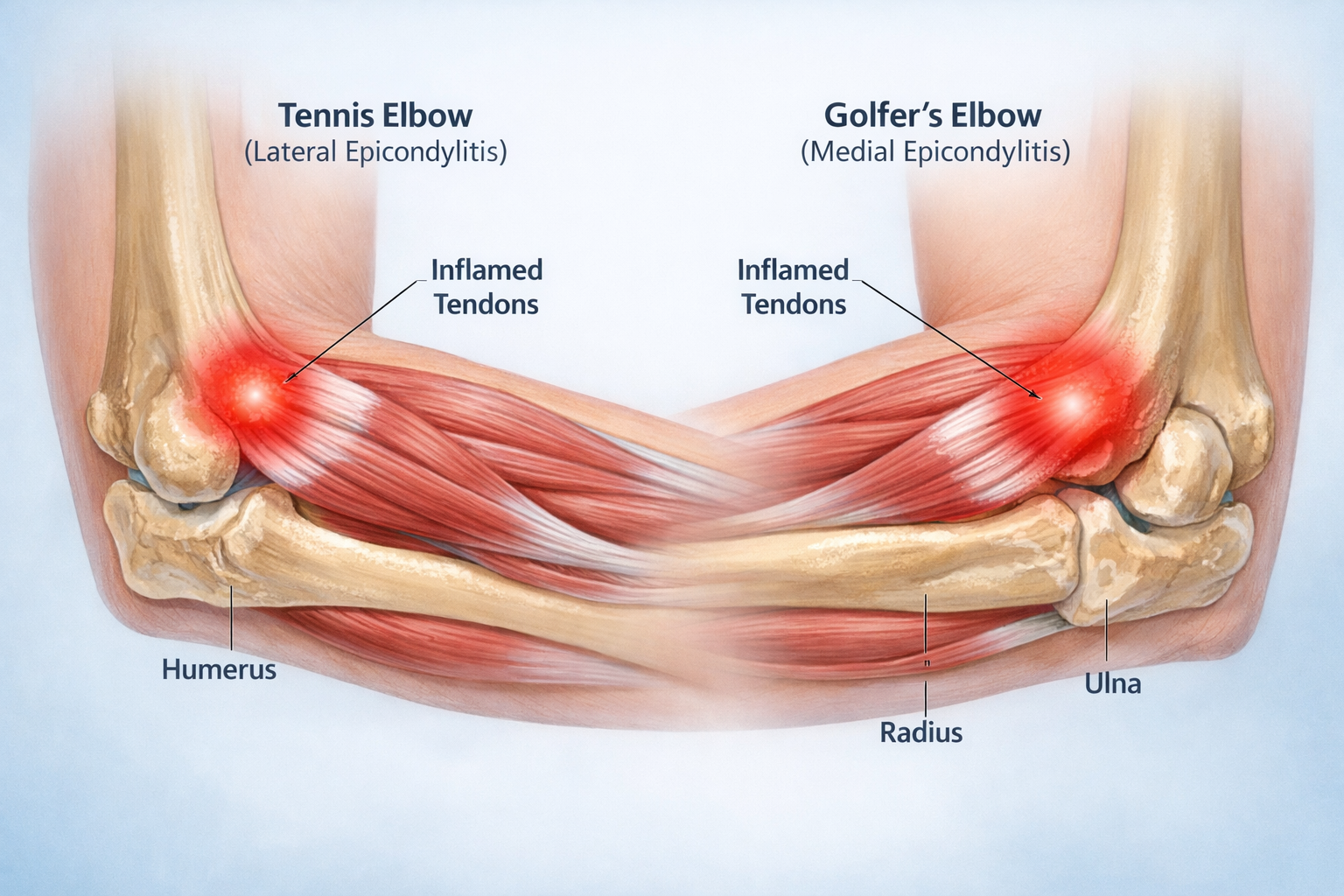
Tendonitis occurs when tendons become inflamed due to overuse, repetitive strain, or sudden injury. The resulting pain, stiffness, and weakness can significantly impact your quality of life and work performance. While rest and proper treatment are essential, the right arm brace provides crucial support during the healing process and helps prevent further injury.
This comprehensive guide explores the most effective arm braces for tendonitis relief in 2026, helping you understand which type works best for your specific condition and lifestyle needs.
Key Takeaways
• Compression sleeves work best for mild to moderate tendonitis by providing even pressure and improving circulation
• Counterforce braces target specific pressure points and are ideal for tennis elbow and golfer’s elbow conditions
• Proper fit is crucial – braces should be snug but not restrictive, allowing normal blood flow while providing support
• Combine brace use with rest, ice therapy, and ergonomic improvements for optimal recovery results
• Consult a healthcare provider if pain persists beyond 2-3 weeks or worsens despite using supportive braces
What Is Tendonitis and Why Does It Hurt?
Tendonitis is the inflammation of tendons – the thick, fibrous cords that connect muscles to bones. When these tissues become irritated through overuse or injury, they swell and cause significant pain. The condition most commonly affects the elbow, wrist, and shoulder areas where repetitive motions create constant stress on the tendons.
Common Types of Arm Tendonitis
Tennis Elbow (Lateral Epicondylitis) 🎾
This condition affects the tendons on the outside of the elbow. Despite its name, tennis elbow commonly occurs in people who don’t play tennis, including office workers, painters, and mechanics who perform repetitive gripping motions.
Golfer’s Elbow (Medial Epicondylitis) ⛳
This affects the tendons on the inside of the elbow and typically results from repetitive wrist flexion and gripping activities. Like tennis elbow, it’s not limited to golfers and often affects people in various professions.
Forearm Tendonitis
This broader category includes inflammation of various tendons in the forearm, often caused by repetitive typing, lifting, or tool use.
Recognizable Symptoms
The symptoms of arm tendonitis typically include:
- Sharp or aching pain that worsens with movement
- Tenderness around the affected tendon
- Weak grip strength that makes holding objects difficult
- Morning stiffness that gradually improves with gentle movement
- Swelling around the elbow or forearm area
Why Support Is Critical for Healing
Tendons have limited blood supply compared to muscles, which means they heal more slowly. Continued stress on inflamed tendons can lead to chronic pain and potential long-term damage. Proper support through bracing allows tendons to rest while maintaining some mobility, creating optimal conditions for natural healing.
For those whose work involves repetitive arm motions, our guide on arm braces for repetitive motion pain provides specialized advice for workplace-related tendonitis.
How an Arm Brace Helps Tendonitis
Understanding how arm braces work can help you choose the most effective option for your specific condition. The best arm brace for tendonitis provides multiple therapeutic benefits that accelerate healing and reduce pain.
Reduces Strain on Affected Tendons
Arm braces work by redistributing forces away from inflamed tendons. When you grip objects or perform activities, the brace absorbs some of the stress that would normally transfer directly to the damaged tissue. This reduction in mechanical stress allows tendons to begin the healing process without constant re-injury.
Applies Targeted Compression
Compression therapy improves blood circulation and reduces inflammation. Quality arm braces apply graduated pressure that:
- Enhances oxygen delivery to damaged tissues
- Helps remove metabolic waste products
- Reduces swelling and inflammation
- Provides proprioceptive feedback that improves movement awareness
Stabilizes the Forearm and Elbow
Proper stabilization prevents excessive movement that could aggravate tendonitis. Braces limit harmful motions while still allowing functional movement patterns necessary for daily activities. This controlled mobility promotes healing while maintaining muscle strength and joint flexibility.
Improves Circulation and Recovery
The gentle compression provided by quality braces stimulates blood flow without restricting circulation. Improved blood flow delivers essential nutrients and oxygen to healing tissues while removing inflammatory byproducts that contribute to pain and swelling.
Many professionals who rely on their arms for work have found significant relief using targeted support. Our best arm brace for pain guide covers additional options for various pain conditions.

|
|

|
|
Our Rating:
4.5
|
Our Rating:
4.4
|
Our Rating:
4.9
|
|
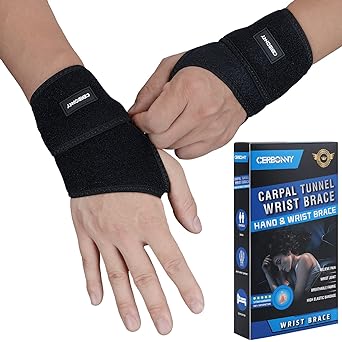
Description: A removable wrist splint and two fixed plastic splints provide a high level of wrist support. Limits unconscious bending or twisting of the wrist during sleep, avoiding aggravation of inflammation or nerve compression due to improper posture |
Description: Wrist bracers can be adjusted according to their comfort level, our wrist band can ensure stability, not easy to fall off, wearing it our hand support is very comfortable. High quality soft breathable fabric, |
Description: Maximum Pain Relief: Our wrist support braces are designed to help you relieve the pain and get the support you need for all-day and all-night comfort. Commonly used by people suffering from carpal tunnel syndrome, tendinitis, arthritis, wrist sprains, strains, etc. |
|
$13.99
|
$15.95
|
$27.06
|
A removable wrist splint and two fixed plastic splints provide a high level of wrist support. Limits unconscious bending or twisting of the wrist during sleep, avoiding aggravation of inflammation or nerve compression due to improper posture
Wrist bracers can be adjusted according to their comfort level, our wrist band can ensure stability, not easy to fall off, wearing it our hand support is very comfortable. High quality soft breathable fabric,
Maximum Pain Relief: Our wrist support braces are designed to help you relieve the pain and get the support you need for all-day and all-night comfort. Commonly used by people suffering from carpal tunnel syndrome, tendinitis, arthritis, wrist sprains, strains, etc.
Types of Arm Braces for Tendonitis
Choosing the best arm brace for tendonitis requires understanding the different types available and their specific benefits. Each design addresses different aspects of tendonitis pain and recovery.
Compression Sleeves
Compression sleeves provide uniform pressure along the entire forearm and are excellent for mild to moderate tendonitis. These sleeves are typically made from breathable, stretchy materials that conform to your arm’s shape.
Benefits:
- Even pressure distribution
- Improved circulation
- Comfortable for all-day wear
- Machine washable and durable
Best for: General forearm pain, mild tendonitis, prevention during activities
Elbow Straps (Counterforce Braces)
Counterforce braces are specifically designed for tennis elbow and golfer’s elbow. These straps apply targeted pressure to specific points on the forearm, redirecting forces away from the inflamed tendon attachment points.
Key Features:
- Adjustable pressure pad placement
- Lightweight and discreet
- Can be worn during activities
- Easy to put on and remove
Best for: Tennis elbow, golfer’s elbow, specific tendon pain points
Wraparound Arm Braces
Wraparound designs offer adjustable compression levels and can accommodate swelling changes throughout the day. These braces typically feature velcro closures that allow for precise fit adjustments.
Advantages:
- Customizable compression
- Accommodates swelling fluctuations
- Secure fit during movement
- Suitable for various arm sizes
Best for: Moderate to severe tendonitis, swelling management, variable pain levels
Immobilization Braces
Immobilization braces provide maximum support by limiting movement of the elbow and forearm. These are typically recommended for severe tendonitis or during the acute phase of injury.
When to consider:
- Severe pain with movement
- Recent injury or flare-up
- Doctor’s recommendation for rest
- Failed conservative treatment
For specific occupational needs, professionals might benefit from specialized options like arm braces for mechanics or arm braces for hairstylists.
How to Choose the Best Arm Brace for Tendonitis
Selecting the right brace requires careful consideration of your specific symptoms, lifestyle, and treatment goals. The best arm brace for tendonitis varies from person to person based on these individual factors.
Assess Your Pain Severity
Mild Pain (1-3/10):
- Compression sleeves work well
- Focus on prevention during activities
- Lightweight, breathable materials
Moderate Pain (4-6/10):
- Counterforce braces for targeted relief
- Adjustable compression levels
- Consider combination therapy
Severe Pain (7-10/10):
- Immobilization or rigid braces
- Maximum support and rest
- Medical supervision recommended
Identify Your Tendonitis Type
For Tennis Elbow:
- Counterforce braces with lateral placement
- Adjustable pressure pads
- Lightweight for daily wear
For Golfer’s Elbow:
- Medial-focused counterforce design
- Wraparound styles for better coverage
- Compression sleeves for mild cases
For General Forearm Tendonitis:
- Full-coverage compression sleeves
- Graduated compression design
- Moisture-wicking materials
Consider Comfort and Wearability
Material Quality:
- Breathable, moisture-wicking fabrics
- Hypoallergenic materials for sensitive skin
- Durable construction for long-term use
Fit and Adjustability:
- Proper sizing charts and measurements
- Adjustable straps or closures
- Accommodation for swelling changes
Daily Use Factors:
- Discretion under clothing
- Easy application and removal
- Compatibility with work activities
Evaluate Special Features
Advanced Options:
- Gel pads for extra comfort
- Antimicrobial treatments
- Removable components for washing
- Temperature regulation technology
The choice of brace may also depend on your specific work environment. For example, warehouse workers and delivery drivers have different requirements based on their job demands.
How to Use an Arm Brace for Tendonitis
Proper application and use of your arm brace is crucial for achieving optimal results. Even the best arm brace for tendonitis won’t be effective if used incorrectly.
Correct Positioning
For Counterforce Braces:
- Locate the tender spot on your forearm (typically 1-2 inches below the elbow)
- Position the pressure pad directly over this area
- Wrap the strap snugly but not tightly around your forearm
- The brace should feel supportive without cutting off circulation
For Compression Sleeves:
- Slide the sleeve up your arm starting from the wrist
- Ensure even coverage from wrist to elbow
- Check that the sleeve lies flat without bunching
- The compression should feel firm but comfortable
Achieving the Right Fit
Proper Tightness:
- You should be able to slide one finger under the brace
- No tingling, numbness, or color changes in your fingers
- Firm support without restricting blood flow
- Comfortable enough for extended wear
Signs of Incorrect Fit:
- Skin discoloration or indentations
- Increased pain or discomfort
- Numbness or tingling sensations
- Brace sliding or moving during activity
When to Wear Your Brace
During Activities:
- Work tasks that involve gripping or lifting
- Sports or exercise activities
- Household chores and daily tasks
- Computer work or repetitive motions
Rest Periods:
- Remove during sleep unless specifically advised otherwise
- Take breaks every few hours to check skin condition
- Allow air circulation to prevent moisture buildup
Avoiding Over-Reliance
While braces provide excellent support, it’s important not to become overly dependent on them:
- Gradually reduce wear time as symptoms improve
- Maintain muscle strength through appropriate exercises
- Address underlying causes like poor ergonomics or technique
- Follow a comprehensive treatment plan that includes rest and rehabilitation
For those dealing with work-related tendonitis, our guides on arm braces for painters and typing pain relief offer profession-specific advice.
Additional Ways to Reduce Tendonitis Pain
While finding the best arm brace for tendonitis is important, combining brace use with other treatment strategies provides the most comprehensive relief and fastest recovery.
Rest and Activity Modification
Strategic Rest:
- Avoid activities that worsen pain
- Take frequent breaks during repetitive tasks
- Modify techniques to reduce strain
- Gradually return to full activity levels
Activity Modification Tips:
- Use both hands for lifting when possible
- Alternate between different tasks
- Adjust workspace ergonomics
- Consider assistive tools or devices
Ice Therapy and Anti-Inflammatory Strategies
Ice Application:
- Apply ice for 15-20 minutes several times daily
- Use during acute pain flares
- Wrap ice in a thin towel to protect skin
- Never apply ice directly to skin
Natural Anti-Inflammatory Approaches:
- Maintain a diet rich in omega-3 fatty acids
- Stay hydrated to support tissue health
- Consider turmeric or other natural anti-inflammatories
- Get adequate sleep for optimal healing
Stretching and Strengthening Exercises
Gentle Stretches:
- Wrist flexor and extensor stretches
- Tennis elbow stretches
- Nerve gliding exercises
- Hold stretches for 30 seconds, repeat 3 times
Progressive Strengthening:
- Start with light resistance exercises
- Focus on eccentric strengthening
- Gradually increase intensity as tolerated
- Work with a physical therapist when possible
Improving Ergonomics
Workplace Modifications:
- Adjust computer monitor height and distance
- Use ergonomic keyboards and mice
- Ensure proper chair and desk height
- Take regular breaks from repetitive tasks
Home Environment:
- Organize frequently used items at appropriate heights
- Use tools with ergonomic grips
- Maintain good posture during activities
- Consider ergonomic aids for daily tasks
Similar to how people benefit from knee braces for pain relief, combining multiple treatment approaches yields the best results for arm tendonitis.
Common Mistakes to Avoid
Understanding common pitfalls can help you get better results from your treatment plan and avoid setbacks in your recovery.
Wearing the Wrong Type of Brace
Common Errors:
- Using a compression sleeve for severe pain that needs targeted support
- Choosing an immobilization brace for mild symptoms
- Selecting the wrong size or fit
- Using a knee brace design for arm pain
Solution: Properly assess your symptoms and choose the appropriate brace type for your specific condition.
Wearing It Too Tightly
Problems with Over-Tightening:
- Reduced blood circulation
- Increased swelling
- Skin irritation and pressure sores
- Potential nerve compression
Proper Approach: The brace should provide support without causing discomfort or restricting normal blood flow.
Ignoring Underlying Causes
Root Cause Issues:
- Poor workplace ergonomics
- Improper technique in sports or activities
- Muscle imbalances or weakness
- Inadequate rest between activities
Comprehensive Approach: Address the underlying factors that caused your tendonitis to prevent recurrence.
Returning to Activity Too Soon
Premature Return Risks:
- Re-injury of healing tendons
- Chronic pain development
- Longer overall recovery time
- Need for more aggressive treatment
Gradual Progression: Follow a structured return-to-activity plan that gradually increases intensity and duration.
Neglecting Other Treatment Modalities
Incomplete Treatment:
- Relying solely on bracing without rest
- Skipping physical therapy exercises
- Ignoring pain signals
- Not addressing contributing factors
Balanced Approach: Use bracing as part of a comprehensive treatment plan that includes rest, exercise, and lifestyle modifications.
When to See a Doctor
While the best arm brace for tendonitis can provide significant relief, certain situations require professional medical evaluation and treatment.
Persistent or Worsening Pain
Red Flags:
- Pain that continues despite 2-3 weeks of conservative treatment
- Symptoms that worsen with proper brace use and rest
- Pain that interferes with sleep or daily activities
- Severe pain that doesn’t respond to over-the-counter medications
Loss of Strength or Mobility
Concerning Symptoms:
- Significant weakness in grip strength
- Inability to perform normal daily activities
- Stiffness that doesn’t improve with gentle movement
- Numbness or tingling in the fingers
Signs of Complications
Serious Warning Signs:
- Visible swelling that doesn’t respond to rest and ice
- Skin color changes around the affected area
- Fever or signs of infection
- Complete inability to use the affected arm
Professional Treatment Options
Medical Interventions:
- Prescription anti-inflammatory medications
- Corticosteroid injections
- Physical therapy referrals
- Advanced imaging studies (ultrasound, MRI)
- Surgical consultation for severe cases
Specialized Care:
- Sports medicine physicians
- Orthopedic specialists
- Physical therapists
- Occupational therapists for work-related issues
Just as people seek professional guidance for knee pain support, arm tendonitis sometimes requires expert medical intervention for optimal recovery.
Conclusion
Finding the best arm brace for tendonitis is a crucial step in managing pain and promoting healing, but success depends on choosing the right type for your specific condition and using it properly. Compression sleeves work well for mild to moderate symptoms, while counterforce braces provide targeted relief for tennis elbow and golfer’s elbow. More severe cases may require immobilization braces or medical supervision.
Remember that effective tendonitis treatment involves more than just wearing a brace. Combine your supportive device with adequate rest, proper ergonomics, gentle exercises, and lifestyle modifications for optimal results. Pay attention to warning signs that indicate the need for professional medical evaluation, such as persistent pain, weakness, or symptoms that worsen despite treatment.
Take Action Today:
- Assess your symptoms honestly and choose the appropriate brace type
- Ensure proper fit by following sizing guidelines and checking for comfort
- Implement a comprehensive treatment plan that includes rest and activity modification
- Monitor your progress and seek medical attention if symptoms don’t improve within 2-3 weeks
- Address underlying causes like poor ergonomics or technique to prevent recurrence
The right arm brace can provide significant relief and support your recovery journey. By combining proper bracing with smart lifestyle changes and professional guidance when needed, you can overcome tendonitis pain and return to your normal activities with confidence.