

Tennis elbow affects up to 3% of the population annually, with nearly 50% of tennis players experiencing this painful condition at some point in their careers. Despite its name, lateral epicondylitis—commonly known as tennis elbow—strikes far more office workers, mechanics, and painters than professional athletes. Finding the best arm brace for tennis elbow can mean the difference between months of debilitating pain and a swift return to normal activities.
This comprehensive guide explores the most effective arm braces for tennis elbow relief, helping you understand which type works best for your specific needs and activity level. Whether you’re dealing with mild discomfort or severe grip weakness, the right brace can significantly reduce pain while supporting your recovery.
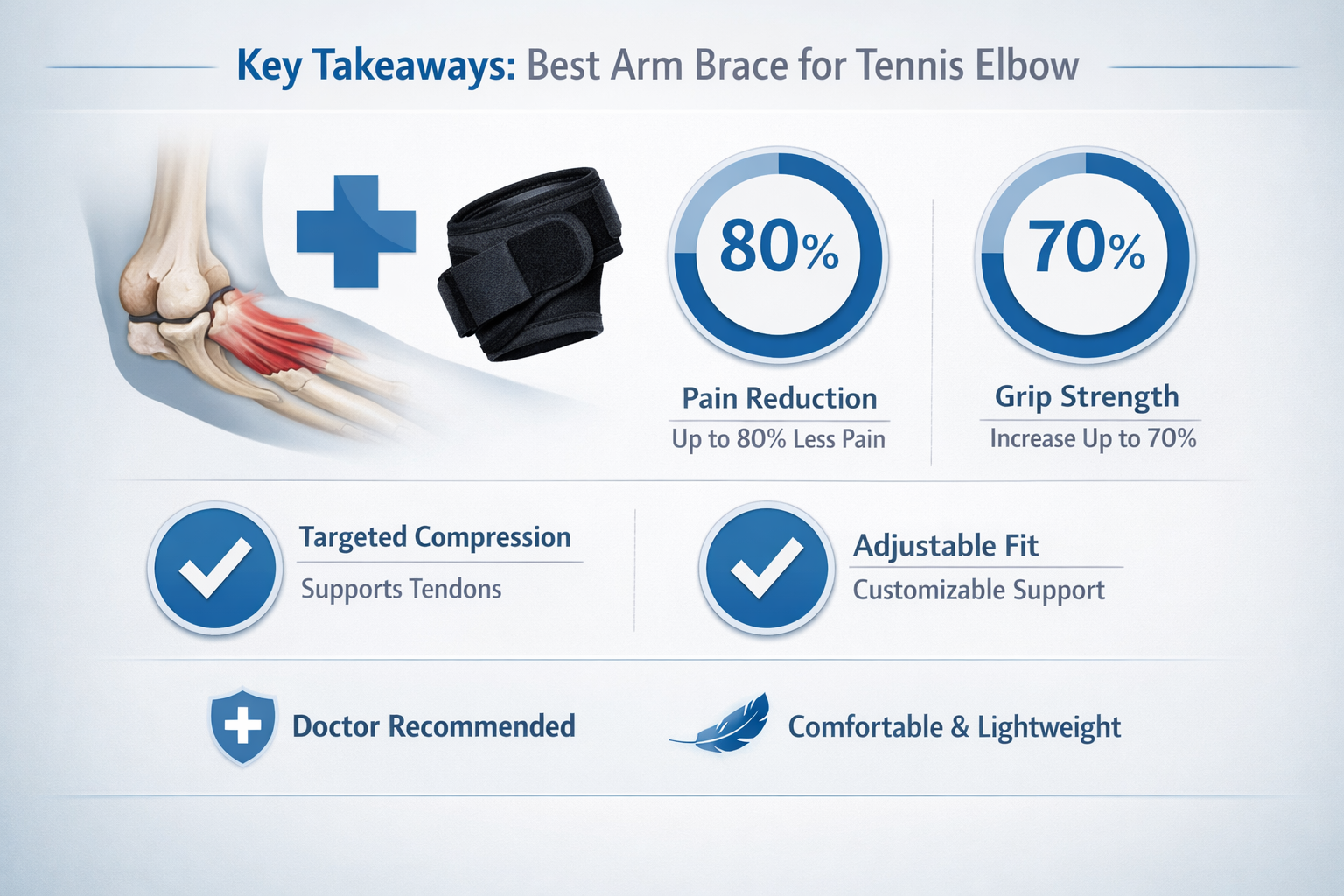
Key Takeaways
• Counterforce straps are the most effective type of brace for tennis elbow, applying targeted pressure just below the elbow to reduce tendon strain
• Proper positioning is crucial—braces should sit 1-2 inches below the elbow on the forearm for maximum effectiveness
• Activity-specific selection matters—choose compression sleeves for all-day wear and counterforce straps for high-strain activities
• Early intervention with the right brace can prevent minor tennis elbow from becoming a chronic condition
• Combining brace use with rest, stretching, and proper technique leads to faster recovery than using a brace alone
What Is Tennis Elbow?
Tennis elbow, medically known as lateral epicondylitis, occurs when the tendons connecting your forearm muscles to the outer part of your elbow become inflamed and painful. This condition develops from repetitive stress and overuse of the forearm muscles, particularly those responsible for extending the wrist and fingers.
The condition affects the extensor carpi radialis brevis tendon most commonly, though other forearm tendons can also become involved. Unlike acute injuries, tennis elbow develops gradually through microscopic tears in the tendon tissue that accumulate over time.
Common Symptoms Include:
- Sharp pain on the outer elbow that may radiate down the forearm
- Weak grip strength making it difficult to hold objects
- Pain when lifting even lightweight items like a coffee cup
- Stiffness in the elbow, especially in the morning
- Burning sensation along the outer forearm
The pain typically worsens with activities that involve gripping, twisting, or lifting motions. Simple tasks like shaking hands, turning doorknobs, or holding a pen can become surprisingly difficult and painful.
Why early support matters: Without proper treatment and support, tennis elbow can become a chronic condition lasting months or even years. Early intervention with appropriate bracing, rest, and activity modification can significantly reduce recovery time and prevent long-term complications.
Can an Arm Brace Help Tennis Elbow?
Yes, arm braces can be highly effective for tennis elbow relief when used correctly. Research shows that counterforce bracing can reduce pain by up to 60% during gripping activities and improve functional capacity in people with lateral epicondylitis.
How Braces Provide Relief:
🎯 Targeted Pressure Application
Braces apply focused pressure to the forearm muscles just below the elbow, changing the angle of muscle pull on the inflamed tendon. This redistribution of forces reduces stress on the damaged tissue during movement.
💪 Muscle Stabilization
By providing external support, braces help stabilize the forearm muscles during contractions. This stabilization reduces the workload on injured tendons while maintaining functional grip strength.
🔄 Improved Biomechanics
Properly positioned braces alter the biomechanics of forearm muscle activation, allowing you to perform daily activities with less strain on the lateral epicondyle.
⚡ Enhanced Proprioception
The compression and pressure from braces improve proprioceptive feedback, helping your brain better coordinate muscle activation patterns and reduce compensatory movements that can worsen symptoms.
Clinical studies demonstrate that people using tennis elbow braces experience faster return to activities and reduced pain intensity compared to those relying on rest alone. The key is selecting the right type of brace and wearing it consistently during aggravating activities.
Types of Arm Braces for Tennis Elbow
Understanding the different types of tennis elbow braces helps you choose the most appropriate option for your specific needs and activity level. Each type offers unique benefits and works best in different situations.
Counterforce Straps (Most Effective) ⭐
How they work: Counterforce straps apply concentrated pressure to a small area of the forearm, typically 1-2 inches below the elbow. This targeted compression reduces the pull of forearm muscles on the lateral epicondyle.
Best for:
- Active individuals who need support during sports or work
- Moderate to severe tennis elbow pain
- People who perform repetitive gripping or lifting tasks
- Those seeking maximum pain relief during activities
Key features to look for:
- Adjustable tension for personalized compression
- Non-slip materials that stay in position
- Breathable padding for comfort during extended wear
- Width of 1-2 inches for optimal pressure distribution
Compression Sleeves
How they work: Compression sleeves provide uniform pressure along the entire forearm and elbow area, promoting circulation and offering mild support to all surrounding muscles.
Best for:
- Mild tennis elbow symptoms
- All-day wear comfort
- Prevention during low-risk activities
- People with sensitive skin who can’t tolerate strap pressure
Advantages:
- More comfortable for extended wear
- Provide warmth that can reduce stiffness
- Easy to put on and adjust
- Less conspicuous under clothing
Hybrid Braces (Sleeve + Strap Combination)
How they work: These braces combine the targeted pressure of counterforce straps with the comprehensive support of compression sleeves, offering both focused relief and general forearm stabilization.
Best for:
- Moderate tennis elbow pain
- People who want versatility in one product
- Those transitioning from acute to recovery phases
- Individuals with multiple forearm issues
Immobilization Braces
How they work: These braces limit wrist and forearm movement to allow complete rest of the injured tendons. They’re typically used for severe cases or during specific recovery periods.
Best for:
- Severe tennis elbow that hasn’t responded to other treatments
- Nighttime use to prevent painful movements during sleep
- Post-injection or post-surgical recovery
- Acute flare-ups requiring complete rest
Important note: Immobilization braces should only be used under medical supervision, as prolonged immobilization can lead to stiffness and muscle weakness.
What to Look for in the Best Arm Brace for Tennis Elbow
Selecting the right tennis elbow brace requires careful consideration of several key factors that directly impact effectiveness and comfort. The best arm brace for tennis elbow should meet your specific needs while providing reliable, long-term support.
Essential Features for Maximum Effectiveness
🎯 Targeted Pressure Capability
Look for braces that can apply focused pressure to the specific area where your forearm muscles attach. The most effective braces concentrate pressure on a 1-2 inch area approximately 2-3 inches below the elbow joint.
🏃♂️ Activity-Appropriate Support Level
Consider your daily activities when choosing support intensity:
- Light support: For desk work and light household tasks
- Moderate support: For gardening, light sports, and manual labor
- Maximum support: For heavy lifting, intense sports, and construction work
🌬️ Breathable, Skin-Friendly Materials
Quality braces use moisture-wicking fabrics and hypoallergenic materials to prevent skin irritation during extended wear. Look for:
- Neoprene-free options if you have latex allergies
- Antimicrobial treatments to prevent odor buildup
- Soft, padded contact surfaces
⚙️ Adjustability and Customization
The ability to fine-tune pressure and fit ensures optimal effectiveness:
- Multiple adjustment points for personalized compression
- Easy-to-use fastening systems you can operate with one hand
- Size ranges that accommodate different arm circumferences
💪 Durability for Daily Use
A quality tennis elbow brace should maintain its effectiveness through regular use:
- Reinforced stitching at stress points
- Colorfast materials that won’t fade or deteriorate
- Washable components for hygiene maintenance
Similar to how people research knee braces for pain relief, it’s important to consider the long-term durability and comfort of any joint support device you’ll be wearing regularly.
Size and Fit Considerations
Proper measurement technique: Measure your forearm circumference 2-3 inches below the elbow while your arm is relaxed. Most manufacturers provide detailed sizing charts, but when in doubt, choose the larger size as you can always adjust the tension.
Fit indicators:
- ✅ Snug but not restrictive feeling
- ✅ No tingling or numbness in fingers
- ✅ Ability to slide one finger under the brace
- ❌ Visible indentations in skin after removal
- ❌ Color changes in fingers or hand
How to Choose the Right Arm Brace
Selecting the most effective tennis elbow brace requires matching the brace type to your specific symptoms, activity level, and lifestyle needs. The best arm brace for tennis elbow varies significantly between individuals based on these factors.
Match Brace Type to Pain Severity
Mild Pain (1-3/10 on pain scale):
- Start with compression sleeves for general support
- Consider counterforce straps for specific activities
- Focus on prevention and early intervention
Moderate Pain (4-6/10 on pain scale):
- Counterforce straps are typically most effective
- Hybrid braces offer good versatility
- May need different braces for different activities
Severe Pain (7-10/10 on pain scale):
- Maximum support counterforce straps for activities
- Immobilization braces for rest periods
- Consider medical evaluation for additional treatments
Consider Your Daily Activities
Office Workers and Computer Users:
- Lightweight compression sleeves for all-day comfort
- Counterforce straps for mouse and keyboard use
- Focus on ergonomic positioning combined with bracing
Manual Laborers and Tradespeople:
- Heavy-duty counterforce straps with maximum adjustability
- Durable materials that withstand work environments
- Quick-release mechanisms for easy removal during breaks
Athletes and Active Individuals:
- Sport-specific braces designed for your activity
- Moisture-wicking materials for sweat management
- Secure fastening systems that won’t slip during movement
Recreational Users:
- Versatile hybrid braces for varied activities
- Moderate support levels for weekend warrior activities
- Easy-to-use designs for occasional wear
Lifestyle and Comfort Preferences
All-Day Wear Requirements:
Choose compression sleeves or low-profile counterforce straps that remain comfortable during extended use. Look for breathable materials and seamless construction to prevent chafing.
Discrete Appearance Needs:
Compression sleeves typically hide better under clothing than bulky counterforce straps. Skin-tone colors or thin profiles work best for professional environments.
Budget Considerations:
While premium braces often offer superior durability and comfort, effective tennis elbow relief is possible with mid-range options. Focus on proper fit and appropriate support level rather than premium features you won’t use.
Just as with choosing the right knee brace, the key is matching the device capabilities to your specific needs rather than simply buying the most expensive option.
How to Wear an Arm Brace for Tennis Elbow
Proper positioning and wearing technique are crucial for maximizing the effectiveness of your tennis elbow brace. Even the best arm brace for tennis elbow won’t provide relief if worn incorrectly.
Correct Positioning Technique
📍 Location on Forearm:
Position the brace 1-2 inches below the elbow joint on your forearm. The pressure point should sit directly over the muscle belly of your forearm extensors, not on the elbow joint itself.
🎯 Pressure Point Identification:
- Bend your elbow to 90 degrees
- Make a fist and extend your wrist backward
- Feel for the firm muscle contraction on the outer forearm
- Position the brace’s pressure pad over this area
- The brace should compress this muscle when you repeat the movement
⚙️ Tension Adjustment:
Start with moderate tension and gradually adjust based on comfort and effectiveness:
- Too loose: No pain relief during gripping activities
- Too tight: Numbness, tingling, or increased pain
- Just right: Noticeable pain reduction without discomfort
Step-by-Step Application Process
- Clean and dry the forearm area before application
- Position the brace 1-2 inches below the elbow crease
- Wrap snugly but not tightly around the forearm
- Test the fit by performing a gentle gripping motion
- Fine-tune tension based on comfort and pain relief
- Check circulation by ensuring normal finger color and sensation
Duration and Timing Guidelines
During Activities:
Wear your brace during any activity that typically triggers tennis elbow pain:
- Lifting objects heavier than 5 pounds
- Gripping tools or sports equipment
- Repetitive wrist or forearm movements
- Computer work if it aggravates symptoms
Rest Periods:
Remove the brace during rest periods to allow normal circulation and prevent skin irritation. Most people benefit from 1-2 hour breaks every 4-6 hours of continuous wear.
Sleep Considerations:
Generally, avoid wearing counterforce straps during sleep as they can cause discomfort. However, compression sleeves or immobilization braces may be recommended for nighttime use in severe cases.
Common Fit Problems and Solutions
Brace Slips Down During Use:
- Ensure proper size selection
- Check that fastening system is secure
- Consider braces with anti-slip materials or additional straps
Skin Irritation or Chafing:
- Reduce wearing time initially to build tolerance
- Use barrier creams or thin sleeves underneath
- Choose braces with softer, padded contact surfaces
Numbness or Tingling:
- Immediately loosen the brace tension
- Check that brace isn’t positioned over nerves
- Ensure circulation isn’t compromised
Understanding proper brace fitting principles applies to all joint braces, including those for tennis elbow, emphasizing the importance of correct sizing and positioning.

|
|

|
|
Our Rating:
4.5
|
Our Rating:
4.4
|
Our Rating:
4.9
|
|
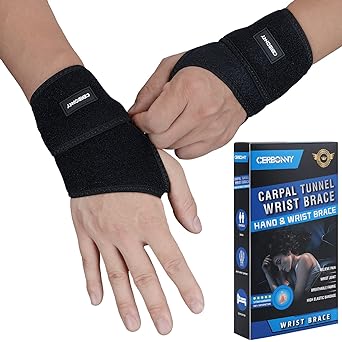
Description: A removable wrist splint and two fixed plastic splints provide a high level of wrist support. Limits unconscious bending or twisting of the wrist during sleep, avoiding aggravation of inflammation or nerve compression due to improper posture |
Description: Wrist bracers can be adjusted according to their comfort level, our wrist band can ensure stability, not easy to fall off, wearing it our hand support is very comfortable. High quality soft breathable fabric, |
Description: Maximum Pain Relief: Our wrist support braces are designed to help you relieve the pain and get the support you need for all-day and all-night comfort. Commonly used by people suffering from carpal tunnel syndrome, tendinitis, arthritis, wrist sprains, strains, etc. |
|
$13.99
|
$15.95
|
$27.06
|
A removable wrist splint and two fixed plastic splints provide a high level of wrist support. Limits unconscious bending or twisting of the wrist during sleep, avoiding aggravation of inflammation or nerve compression due to improper posture
Wrist bracers can be adjusted according to their comfort level, our wrist band can ensure stability, not easy to fall off, wearing it our hand support is very comfortable. High quality soft breathable fabric,
Maximum Pain Relief: Our wrist support braces are designed to help you relieve the pain and get the support you need for all-day and all-night comfort. Commonly used by people suffering from carpal tunnel syndrome, tendinitis, arthritis, wrist sprains, strains, etc.
When to Use an Arm Brace
Strategic timing of brace use maximizes therapeutic benefits while preventing over-dependence. Understanding when to wear your tennis elbow brace ensures optimal healing and symptom management.
Activity-Based Usage Guidelines
🏋️♂️ During High-Strain Activities:
Always wear your brace when performing activities known to trigger tennis elbow pain:
- Lifting weights or heavy objects
- Using tools requiring grip strength (hammers, screwdrivers, wrenches)
- Playing racquet sports or golf
- Repetitive computer mouse use
- Gardening or yard work
📅 Preventive Use:
Consider wearing a brace proactively during activities that previously caused problems, even if you’re not currently experiencing pain. This preventive approach can stop minor irritation from developing into full-blown tennis elbow flare-ups.
⚡ During Flare-Ups:
Increase brace usage during symptom flare-ups to provide additional support while tissues heal. This may mean wearing the brace for longer periods or during lighter activities than usual.
Work Environment Applications
Office Settings:
- Wear during intensive computer work sessions
- Use during meetings involving note-taking or document handling
- Consider lighter compression sleeves for all-day professional wear
Manual Labor Jobs:
- Apply brace before starting shift
- Adjust tension based on task requirements throughout the day
- Use break periods to assess comfort and circulation
Healthcare and Service Industries:
- Wear during patient lifting or equipment handling
- Use for repetitive tasks like filing or cleaning
- Choose discrete options that maintain professional appearance
Recovery Phase Management
Early Recovery (Weeks 1-4):
Use braces consistently during any aggravating activities while focusing on rest and gentle rehabilitation exercises.
Mid Recovery (Weeks 4-8):
Gradually reduce brace dependence by wearing only during higher-risk activities while building strength through targeted exercises.
Late Recovery (Weeks 8+):
Transition to occasional use during particularly demanding activities or as a preventive measure during high-risk periods.
The principles of when to wear supportive braces apply broadly across different joint conditions, emphasizing activity-specific usage for optimal results.
Additional Ways to Relieve Tennis Elbow
While finding the best arm brace for tennis elbow provides significant symptom relief, combining bracing with other proven treatment strategies accelerates healing and reduces the risk of recurrence.
Rest and Activity Modification
Strategic Rest Periods:
Complete rest isn’t always necessary, but modifying aggravating activities allows healing while maintaining function:
- Reduce grip intensity during daily tasks
- Take frequent breaks during repetitive activities
- Alternate between different types of movements
- Avoid activities that cause sharp increases in pain
Ergonomic Improvements:
- Adjust computer workstation height and mouse position
- Use tools with larger, padded grips when possible
- Modify sports technique with professional instruction
- Implement proper lifting mechanics
Therapeutic Exercises
Stretching Protocols:
Gentle stretching helps maintain flexibility and reduce muscle tension:
- Wrist extensor stretch: Hold for 30 seconds, repeat 3 times daily
- Forearm pronation/supination: Gentle rotation exercises
- Elbow flexor stretches: Target biceps and anterior forearm muscles
Progressive Strengthening:
Begin strengthening exercises only after acute pain subsides:
- Eccentric exercises: Proven most effective for tendon healing
- Grip strengthening: Using stress balls or therapeutic putty
- Wrist curls: Light weights with controlled movements
- Forearm rotation: Resistance band exercises
Anti-Inflammatory Strategies
Ice Therapy:
Apply ice for 15-20 minutes several times daily during acute phases:
- Use during painful flare-ups
- Apply after aggravating activities
- Never apply ice directly to skin
Heat Application:
Use heat therapy during chronic phases to improve circulation:
- Warm compress before stretching exercises
- Heat packs for muscle relaxation
- Contrast therapy (alternating heat and cold)
Topical Treatments:
- Anti-inflammatory gels for localized relief
- Arnica or other natural anti-inflammatory compounds
- Avoid prolonged use of topical medications
Professional Treatment Options
Physical Therapy:
Professional guidance ensures proper exercise progression and technique refinement. Therapists can also provide manual therapy techniques and modalities like ultrasound or electrical stimulation.
Medical Interventions:
For persistent cases, medical treatments may include:
- Corticosteroid injections for severe inflammation
- Platelet-rich plasma (PRP) therapy
- Shock wave therapy for chronic cases
- Surgical intervention for refractory cases
Understanding that braces work best as part of comprehensive treatment applies to tennis elbow management, where combining multiple approaches yields superior results.
Common Mistakes to Avoid
Avoiding these frequent errors ensures you get maximum benefit from your tennis elbow brace while preventing potential complications or delayed healing.
Improper Brace Usage
❌ Wearing the Brace Too Tightly
Problem: Excessive compression can reduce circulation, cause numbness, and actually increase pain.
Solution: Adjust tension so you can slide one finger under the brace comfortably.
❌ Incorrect Positioning
Problem: Placing the brace directly over the elbow joint or too far down the forearm reduces effectiveness.
Solution: Position 1-2 inches below the elbow crease over the muscle belly.
❌ Choosing the Wrong Brace Type
Problem: Using compression sleeves for severe pain or counterforce straps for mild symptoms.
Solution: Match brace type to symptom severity and activity requirements.
Treatment Approach Errors
❌ Ignoring Early Symptoms
Many people dismiss initial tennis elbow symptoms as temporary soreness, allowing the condition to worsen before seeking treatment.
Early warning signs to address immediately:
- Mild elbow discomfort after gripping activities
- Slight weakness when lifting light objects
- Occasional sharp pains during specific movements
❌ Returning to Full Activity Too Quickly
Problem: Premature return to aggravating activities often causes symptom recurrence and prolongs recovery.
Solution: Gradually increase activity intensity while monitoring symptom response.
❌ Over-Reliance on Bracing Alone
Problem: Using a brace without addressing underlying causes or incorporating other treatments.
Solution: Combine bracing with rest, exercises, and technique modifications.
Long-Term Management Mistakes
❌ Discontinuing Brace Use Too Abruptly
Problem: Sudden cessation of support can cause symptom return during the vulnerable healing phase.
Solution: Gradually reduce brace usage as strength and pain tolerance improve.
❌ Neglecting Preventive Measures
Problem: Failing to modify techniques or ergonomics that originally caused the condition.
Solution: Implement long-term changes in work habits, sports technique, and daily activities.
❌ Ignoring Bilateral Symptoms
Problem: Focusing only on the more painful arm while neglecting early symptoms in the opposite arm.
Solution: Monitor both arms and implement preventive measures bilaterally.
Learning from common brace usage mistakes helps ensure you use your tennis elbow brace safely and effectively for optimal results.
When to See a Doctor
While tennis elbow braces provide excellent symptom relief for many people, certain situations require professional medical evaluation to prevent complications and ensure appropriate treatment.
Red Flag Symptoms Requiring Immediate Attention
🚨 Severe Pain and Functional Loss:
- Pain rating 8-10/10 that doesn’t improve with rest and bracing
- Complete inability to grip or lift even lightweight objects
- Pain that wakes you from sleep despite proper positioning
🚨 Neurological Symptoms:
- Persistent numbness or tingling in fingers
- Weakness extending beyond grip strength to entire arm
- Loss of coordination or fine motor control
🚨 Signs of Infection or Serious Injury:
- Visible swelling, redness, or warmth around the elbow
- Fever accompanying elbow pain
- Recent trauma or injury to the elbow area
Timeline Indicators for Medical Consultation
After 2-3 Weeks:
If symptoms haven’t improved with consistent brace use, rest, and basic self-care measures, professional evaluation can identify underlying issues or alternative treatment approaches.
After 6-8 Weeks:
Persistent symptoms beyond two months often indicate chronic tennis elbow requiring more aggressive interventions such as physical therapy, injections, or specialized treatments.
Recurring Episodes:
Multiple episodes of tennis elbow, especially in both arms, may indicate systemic issues, occupational hazards, or technique problems requiring professional assessment.
Professional Treatment Options
Physical Therapy Referral:
Therapists provide specialized exercises, manual therapy, and modality treatments that complement brace usage for faster recovery.
Diagnostic Imaging:
MRI or ultrasound can identify:
- Extent of tendon damage
- Presence of tears or calcifications
- Other conditions mimicking tennis elbow
Advanced Treatment Modalities:
- Corticosteroid injections for severe inflammation
- Platelet-rich plasma (PRP) therapy for tissue healing
- Shock wave therapy for chronic cases
- Surgical intervention for refractory tennis elbow
Occupational and Legal Considerations
Workers’ Compensation Claims:
Document symptoms and treatment attempts for potential workplace injury claims, especially if tennis elbow developed from repetitive job duties.
Ergonomic Assessments:
Professional workplace evaluations can identify and correct environmental factors contributing to tennis elbow development.
Disability Accommodations:
Severe cases may qualify for workplace accommodations under the Americans with Disabilities Act, including modified duties or assistive equipment.
Understanding when professional intervention becomes necessary helps ensure you receive appropriate care at the right time for optimal recovery outcomes.
Frequently Asked Questions
Do arm braces actually help tennis elbow?
Yes, clinical research demonstrates that arm braces, particularly counterforce straps, can reduce tennis elbow pain by 40-60% during gripping activities. The best arm braces for tennis elbow work by redistributing forces away from the inflamed lateral epicondyle tendon, allowing continued function while promoting healing. Studies show that people using braces experience faster return to activities and improved grip strength compared to those using rest alone.
Where should you place a tennis elbow brace?
Position the brace 1-2 inches below the elbow crease on the forearm, directly over the muscle belly of the forearm extensors. To find the correct location, make a fist and bend your wrist backward—you should feel the muscles contract on the outer forearm. The brace’s pressure pad should sit over this area, not on the elbow joint itself. Proper positioning is crucial for effectiveness.
Can you wear a tennis elbow brace all day?
While compression sleeves can typically be worn all day comfortably, counterforce straps should be removed periodically to prevent circulation issues and skin irritation. Most experts recommend wearing braces during aggravating activities and taking 1-2 hour breaks every 4-6 hours. Listen to your body—remove the brace if you experience numbness, tingling, or increased pain.
How long does it take for tennis elbow to heal with a brace?
Tennis elbow recovery varies significantly based on severity and individual factors. With proper bracing and treatment:
- Mild cases: 2-6 weeks
- Moderate cases: 6-12 weeks
- Severe cases: 3-6 months or longer
Braces can provide immediate pain relief, but complete tendon healing takes time. Combining brace use with rest, exercises, and activity modification typically speeds recovery compared to any single treatment approach.
Should I wear my tennis elbow brace while sleeping?
Generally, counterforce straps aren’t recommended for sleep as they can cause discomfort and circulation issues. However, compression sleeves or immobilization braces may be beneficial for severe cases to prevent painful movements during sleep. Consult with a healthcare provider about nighttime bracing if you experience significant pain that disrupts sleep.
Can tennis elbow braces prevent the condition from occurring?
Yes, prophylactic brace use can help prevent tennis elbow in high-risk individuals. People who perform repetitive gripping activities, have a history of tennis elbow, or are returning to activity after recovery may benefit from preventive bracing during high-risk activities. However, addressing technique, ergonomics, and strength imbalances remains the most effective prevention strategy.
Conclusion
Finding the best arm brace for tennis elbow requires understanding your specific symptoms, activity needs, and lifestyle requirements. Counterforce straps remain the gold standard for most people, providing targeted pressure that reduces tendon strain during gripping activities. Compression sleeves offer comfortable all-day support for milder symptoms, while hybrid braces provide versatility for varying activity levels.
Key success factors include:
✅ Proper positioning 1-2 inches below the elbow on the forearm muscle belly
✅ Appropriate tension that provides relief without compromising circulation
✅ Activity-specific usage during high-strain tasks while allowing rest periods
✅ Combined approach incorporating rest, exercises, and technique modifications
✅ Gradual progression as symptoms improve and strength returns
Remember that even the most effective brace works best as part of a comprehensive treatment strategy. While braces provide excellent symptom relief and functional support, addressing underlying causes through ergonomic improvements, strengthening exercises, and technique modifications prevents recurrence and promotes long-term elbow health.
Take action today: Start with a quality counterforce strap positioned correctly on your forearm, use it consistently during aggravating activities, and combine it with appropriate rest and gradual strengthening exercises. If symptoms persist beyond 6-8 weeks or worsen despite proper treatment, consult with a healthcare provider for additional evaluation and treatment options.
The path to tennis elbow recovery is highly individual, but with the right brace and comprehensive approach, most people can return to pain-free activities and prevent future episodes.