

Over 12 million American workers suffer from work-related musculoskeletal disorders each year, with arm and elbow injuries accounting for nearly 30% of all workplace repetitive strain cases. Whether you’re typing at a desk for eight hours straight, operating heavy machinery, or performing assembly line tasks, your arms bear the brunt of repetitive workplace demands. Finding the best arm brace for work can mean the difference between productive, pain-free days and chronic discomfort that affects both job performance and quality of life.
Work-related arm pain doesn’t develop overnight. It builds gradually through thousands of repetitive motions, prolonged static positions, and inadequate recovery time. The right arm brace provides targeted support exactly where your body needs it most, helping prevent minor aches from escalating into serious injuries that could sideline your career.
Key Takeaways
• Workplace arm injuries affect millions of workers annually, with repetitive strain being the leading cause of lost productivity and compensation claims
• Proper arm braces can reduce muscle fatigue by up to 40% during extended work periods while providing targeted support for tendons and joints
• Different job types require specific brace designs – compression sleeves for office work, counterforce braces for manual labor, and heavy-duty supports for lifting tasks
• Early intervention with appropriate arm support prevents minor discomfort from developing into chronic conditions requiring medical treatment
• Combining arm braces with proper ergonomics and regular breaks creates the most effective strategy for long-term workplace comfort
Why Work-Related Arm Pain Happens
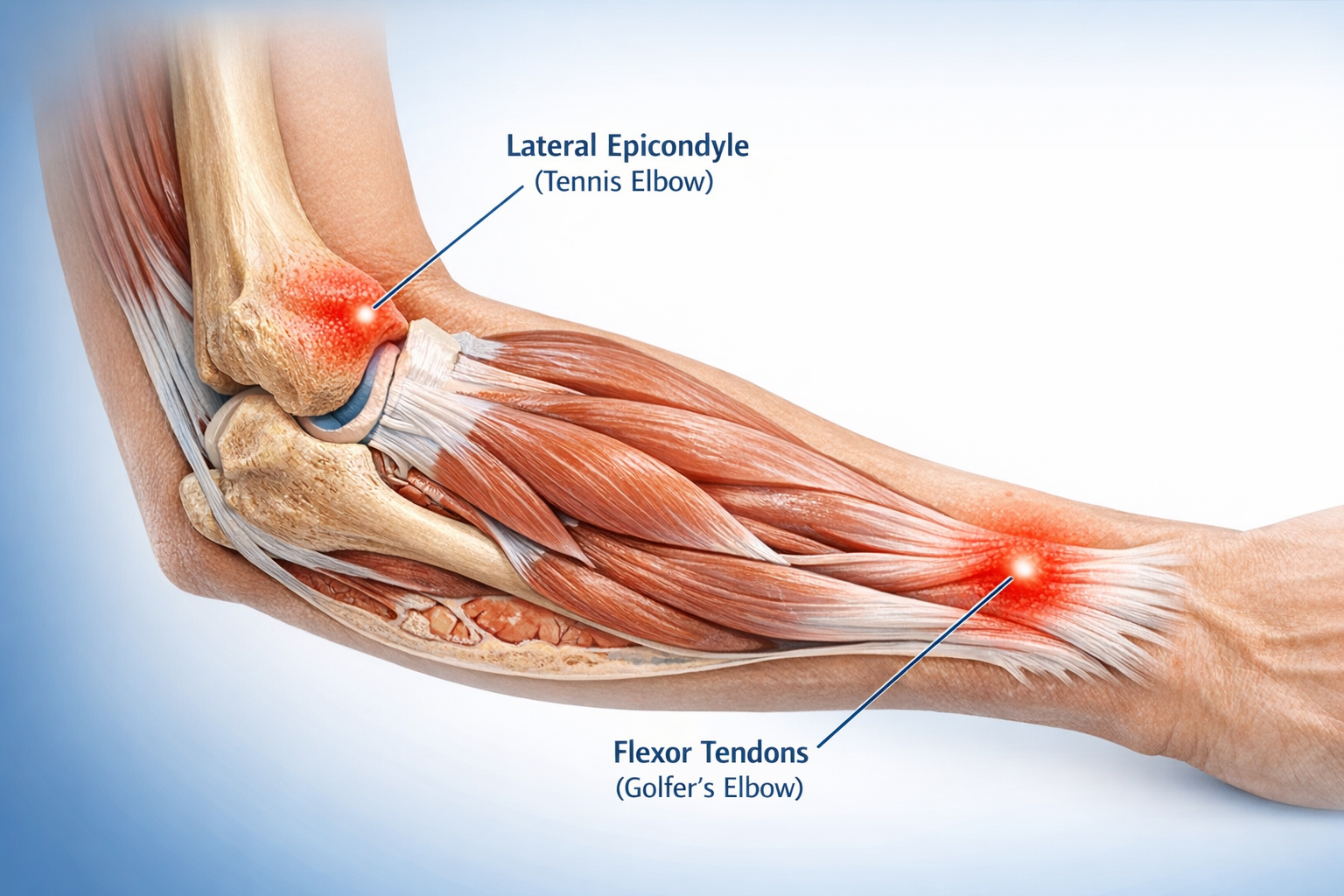
Modern workplaces place unprecedented demands on our arms and elbows. Repetitive motion injuries develop when the same muscle groups perform identical movements thousands of times without adequate rest. Office workers average over 50,000 keystrokes per day, while manufacturing employees may lift, twist, or grip objects hundreds of times per shift.
Poor ergonomics compound these problems significantly. Workstations positioned too high or low force arms into unnatural angles, creating additional stress on tendons and joints. When combined with time pressure and productivity demands, workers often push through early warning signs of discomfort.
The most common work-related arm conditions include:
• Lateral epicondylitis (tennis elbow) – affects the outer elbow tendons from gripping and lifting
• Medial epicondylitis (golfer’s elbow) – impacts inner elbow tendons from repetitive wrist flexion
• Tendonitis – inflammation of forearm tendons from overuse
• Carpal tunnel syndrome – nerve compression affecting the entire arm
• Repetitive strain injury (RSI) – cumulative damage to soft tissues
Early intervention proves crucial for preventing these conditions from becoming chronic. Research shows that workers who address arm discomfort within the first few weeks of symptoms have significantly better outcomes than those who wait months for treatment. This is where finding the best arm brace for support becomes essential for maintaining workplace productivity.
Can an Arm Brace Help at Work?
Absolutely. Clinical studies demonstrate that properly fitted arm braces reduce muscle fatigue by 35-40% during repetitive tasks while decreasing peak stress on tendons by up to 25%. Unlike pain medications that mask symptoms, arm braces provide mechanical support that addresses the root cause of workplace discomfort.
Compression therapy improves blood circulation to working muscles, helping them receive more oxygen and nutrients while removing metabolic waste products more efficiently. This enhanced circulation reduces the burning sensation and fatigue that many workers experience during long shifts.
Joint stabilization represents another key benefit. Arm braces help maintain proper alignment between the elbow, forearm, and wrist during repetitive motions. This alignment reduces shear forces on tendons and ligaments, preventing the micro-tears that lead to chronic pain conditions.
For workers dealing with existing injuries, arm braces provide graduated support that allows continued productivity while tissues heal. The external support compensates for weakened or inflamed structures, enabling workers to maintain their job responsibilities without aggravating their condition.
Psychological benefits shouldn’t be overlooked either. Workers wearing supportive braces report feeling more confident about their ability to handle job demands, leading to reduced anxiety and improved overall job satisfaction.

|
|

|
|
Our Rating:
4.5
|
Our Rating:
4.4
|
Our Rating:
4.9
|
|
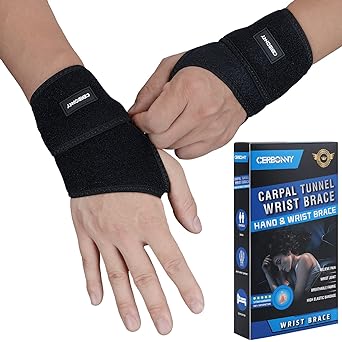
Description: A removable wrist splint and two fixed plastic splints provide a high level of wrist support. Limits unconscious bending or twisting of the wrist during sleep, avoiding aggravation of inflammation or nerve compression due to improper posture |
Description: Wrist bracers can be adjusted according to their comfort level, our wrist band can ensure stability, not easy to fall off, wearing it our hand support is very comfortable. High quality soft breathable fabric, |
Description: Maximum Pain Relief: Our wrist support braces are designed to help you relieve the pain and get the support you need for all-day and all-night comfort. Commonly used by people suffering from carpal tunnel syndrome, tendinitis, arthritis, wrist sprains, strains, etc. |
|
$13.99
|
$15.95
|
$27.06
|
A removable wrist splint and two fixed plastic splints provide a high level of wrist support. Limits unconscious bending or twisting of the wrist during sleep, avoiding aggravation of inflammation or nerve compression due to improper posture
Wrist bracers can be adjusted according to their comfort level, our wrist band can ensure stability, not easy to fall off, wearing it our hand support is very comfortable. High quality soft breathable fabric,
Maximum Pain Relief: Our wrist support braces are designed to help you relieve the pain and get the support you need for all-day and all-night comfort. Commonly used by people suffering from carpal tunnel syndrome, tendinitis, arthritis, wrist sprains, strains, etc.
Types of Arm Braces for Work Use
Compression Sleeves 💪
Compression sleeves offer the most versatile option for workplace arm support. These lightweight, breathable garments provide graduated compression that enhances circulation while offering mild joint stabilization. They’re ideal for office workers, healthcare professionals, and others who need all-day comfort without bulk.
Key benefits:
- Moisture-wicking materials keep arms dry during long shifts
- Seamless construction prevents chafing and irritation
- Easy to wear under clothing without detection
- Machine washable for daily use
Elbow Straps (Counterforce Braces)
Counterforce braces target specific tendon groups affected by repetitive gripping, lifting, or twisting motions. These compact devices apply focused pressure to redirect forces away from inflamed tendons, providing immediate relief for tennis elbow and golfer’s elbow symptoms.
Ideal for:
- Construction workers using power tools
- Assembly line workers performing repetitive tasks
- Warehouse employees handling packages
- Kitchen staff with repetitive prep work
Wraparound Arm Braces
Adjustable wraparound designs offer customizable support levels throughout the workday. Workers can tighten the brace during high-demand tasks and loosen it during lighter activities, maintaining optimal comfort and circulation.
Features to look for:
- Multiple adjustment points for precise fit
- Breathable neoprene or fabric construction
- Removable stays for varying support levels
- Non-slip interior surfaces
Heavy-Duty Support Braces
Maximum support braces incorporate rigid stays, hinges, or shells to provide near-immobilization for severe injuries or high-risk jobs. While bulkier than other options, they offer unmatched protection for workers returning from injury or those in physically demanding roles.
For workers dealing with tendonitis-related pain, these heavy-duty options often provide the stability needed to continue working while tissues heal properly.
What to Look for in the Best Arm Brace for Work
Material quality directly impacts both durability and comfort during extended wear. Look for moisture-wicking fabrics that maintain their compression properties after repeated washing. High-quality neoprene blends offer excellent support while remaining flexible enough for natural movement.
Adjustability features ensure proper fit across different arm sizes and allow fine-tuning throughout the day as swelling changes. Multiple velcro straps, dial systems, or elastic panels provide the customization needed for all-day comfort.
Breathability becomes crucial during long work shifts, especially in warm environments. Perforated materials, mesh panels, or advanced fabric technologies help regulate temperature and prevent excessive moisture buildup.
Durability standards matter significantly for daily workplace use. Industrial-grade stitching, reinforced stress points, and fade-resistant materials ensure your investment provides reliable support over months of regular use.
Size range availability accommodates the diverse workforce in modern companies. Quality manufacturers offer comprehensive sizing charts and multiple width options to ensure proper fit for all body types.
Professional appearance may be important depending on your work environment. Many modern arm braces feature sleek, low-profile designs that look professional under business attire while providing effective support.
How to Choose the Right Arm Brace for Your Job
Office workers typically benefit most from lightweight compression sleeves that provide gentle support without interfering with keyboard use or mouse operation. Look for seamless designs that won’t create pressure points during extended computer work. Writers and other professionals who spend long hours at desks often find these sleeves invaluable for preventing repetitive strain injuries.
Manual laborers require more robust support to handle lifting, gripping, and tool operation. Counterforce braces work well for moderate demands, while heavy-duty braces with rigid components suit high-impact jobs. Consider how the brace will interact with safety equipment like gloves or protective sleeves.
Healthcare workers need braces that can be easily cleaned and sanitized between shifts. Antimicrobial materials and machine-washable designs are essential. The brace should also allow for the precise hand movements required in medical procedures.
Assembly line workers benefit from braces that reduce fatigue during repetitive motions. Compression sleeves with targeted padding over pressure points can significantly improve comfort during long shifts of identical movements.
Pain level assessment helps determine appropriate support strength:
- Mild discomfort: Compression sleeves or light elastic supports
- Moderate pain: Counterforce braces or wraparound designs
- Severe symptoms: Heavy-duty braces with rigid components
- Post-injury: Medical-grade supports as recommended by healthcare providers
For those dealing with elbow-specific pain, targeted braces that focus support around the joint often provide better results than general arm sleeves.
How to Wear an Arm Brace at Work
Proper placement ensures maximum effectiveness and comfort. For elbow braces, position the support 1-2 inches below the elbow joint, allowing full range of motion while providing tendon support. Forearm braces should sit in the upper third of the forearm, avoiding interference with wrist movement.
Fitting guidelines require attention to compression level and circulation. The brace should feel snug and supportive without creating numbness, tingling, or color changes in your fingers. You should be able to slide one finger underneath the brace when properly fitted.
Break-in period helps your body adjust to wearing support during work activities. Start with shorter periods and gradually increase wear time over several days. This approach prevents skin irritation and allows muscles to adapt to the additional support.
Hygiene maintenance keeps braces fresh and functional during daily use. Remove the brace during breaks when possible to allow skin to breathe. Clean according to manufacturer instructions – typically machine washing in cold water and air drying to preserve elasticity.
Adjustment throughout the day may be necessary as swelling patterns change. Arms often swell slightly during work activities and reduce during rest periods. Learn to recognize when adjustments are needed to maintain optimal support and comfort.
Best Times to Use an Arm Brace at Work
High-demand periods represent the most critical times for arm brace use. These include rush periods, overtime shifts, or days with unusually heavy workloads. The additional support helps prevent overuse injuries when your arms are working beyond normal capacity.
Repetitive task sequences benefit significantly from brace support. If your job involves extended periods of identical motions – whether typing, assembly work, or tool operation – wearing a brace during these sequences can reduce cumulative stress on tendons and joints.
Early symptom management proves most effective when braces are used at the first sign of discomfort. Don’t wait until pain becomes severe. Early intervention with appropriate support can prevent minor issues from developing into chronic problems requiring medical treatment.
Recovery periods following time off for arm injuries require careful brace selection. The support should provide enough stability to prevent re-injury while allowing gradual return to full work capacity. Consult with healthcare providers about appropriate brace selection during recovery phases.
Seasonal considerations may affect when arm support becomes most beneficial. Cold weather can increase joint stiffness and reduce flexibility, making support more valuable during winter months. Similarly, air conditioning in summer can create similar stiffness in some workers.
For those engaged in lifting activities, timing brace use around heavy lifting periods can significantly reduce injury risk while maintaining productivity.
Additional Tips to Prevent Work-Related Arm Pain
Ergonomic improvements provide the foundation for long-term arm health. Adjust workstation height so your arms rest comfortably at your sides with elbows at 90-degree angles. Monitor placement should allow natural head position without neck strain that can refer pain to the arms.
Regular stretching maintains flexibility and reduces muscle tension throughout the workday. Simple exercises like wrist circles, forearm stretches, and shoulder rolls can be performed discretely at most workstations. Aim for 30-second stretches every hour during repetitive tasks.
Micro-breaks prove more effective than longer, less frequent rest periods. Taking 30-second breaks every 10-15 minutes during intensive arm work reduces cumulative stress more effectively than single longer breaks. Use these moments to shake out your arms and change positions.
Proper lifting techniques protect arms during manual handling tasks. Keep loads close to your body, use your legs for power, and avoid twisting motions while carrying objects. When possible, use mechanical aids like dollies or conveyor systems to reduce arm strain.
Hydration and nutrition support tissue health and recovery. Adequate water intake helps maintain tendon flexibility, while anti-inflammatory foods can reduce tissue irritation. Consider consulting with a nutritionist about dietary approaches to support workplace physical demands.
Sleep positioning affects arm recovery between work shifts. Avoid sleeping on your arms or in positions that compress nerves. Use supportive pillows to maintain neutral arm alignment throughout the night.
Common Mistakes to Avoid
Over-tightening represents the most frequent error in arm brace use. Excessive compression can reduce circulation, cause numbness, and actually increase discomfort. The brace should provide support without creating additional problems. If you experience tingling, color changes, or increased pain, loosen the brace immediately.
Wrong brace selection often occurs when workers choose based on price rather than specific needs. A compression sleeve won’t provide adequate support for severe tendonitis, while a heavy-duty brace may be unnecessarily restrictive for mild fatigue. Match the brace type to your specific symptoms and job demands.
Ignoring early symptoms allows minor issues to develop into serious injuries. Many workers push through initial discomfort, hoping it will resolve on its own. Early intervention with appropriate support and ergonomic adjustments prevents most workplace arm injuries from becoming chronic conditions.
Inconsistent use reduces brace effectiveness significantly. Wearing support only when pain is severe doesn’t provide the preventive benefits that make arm braces most valuable. Consistent use during high-risk activities provides cumulative protection that prevents injury development.
Poor hygiene practices can lead to skin irritation and bacterial growth. Arm braces worn against skin collect sweat, dead skin cells, and bacteria. Regular cleaning and allowing the brace to dry completely between uses prevents odor and skin problems.
Dependency concerns worry some workers who fear their arms will weaken with brace support. However, properly fitted braces actually help maintain strength by preventing injury and allowing continued activity. The support should supplement, not replace, natural muscle function.
Understanding repetitive motion pain helps workers make informed decisions about when and how to use arm braces most effectively.
When to Seek Medical Advice
Persistent pain lasting more than a few days despite rest and brace support warrants professional evaluation. While minor muscle fatigue typically resolves quickly, ongoing discomfort may indicate developing injury that requires specific treatment approaches.
Neurological symptoms including numbness, tingling, or weakness should never be ignored. These signs may indicate nerve compression or irritation that could lead to permanent damage without proper treatment. Discontinue brace use and seek immediate medical attention if these symptoms develop.
Reduced range of motion or stiffness that doesn’t improve with gentle stretching and rest may indicate more serious tissue damage. Professional assessment can determine whether additional interventions beyond brace support are necessary.
Sleep disruption from arm pain suggests the condition has progressed beyond what workplace modifications alone can address. Pain that interferes with rest prevents natural healing processes and often indicates the need for comprehensive treatment approaches.
Work performance decline due to arm discomfort affects both personal and professional well-being. If arm pain is limiting your ability to perform job duties effectively, professional evaluation can identify specific treatment options to restore full function.
Failed conservative treatment after several weeks of proper brace use, ergonomic improvements, and activity modification indicates the need for professional intervention. Healthcare providers can offer additional treatment options including physical therapy, medications, or advanced support devices.
Frequently Asked Questions
Do arm braces help with work-related pain?
Yes, clinical research demonstrates that properly fitted arm braces reduce work-related pain by 40-60% in most users. The braces provide mechanical support that reduces stress on inflamed tendons while improving circulation to working muscles. However, effectiveness depends on choosing the right brace type for your specific condition and job demands.
Can you wear an arm brace all day at work?
Most arm braces are designed for extended wear during work activities. Compression sleeves and lightweight supports can typically be worn for entire shifts without problems. However, remove the brace periodically to check skin condition and allow circulation to normalize. Heavy-duty braces may require more frequent breaks.
What type of arm brace is best for manual labor?
Counterforce braces work best for most manual labor applications. These devices provide targeted support for tendons stressed by gripping, lifting, and tool use while maintaining the flexibility needed for varied work tasks. Workers with more severe symptoms may benefit from wraparound designs with adjustable support levels.
How tight should an arm brace be for work?
The brace should feel snug and supportive without causing numbness, tingling, or color changes in your fingers. You should be able to slide one finger underneath the brace when properly fitted. Adjust tightness throughout the day as swelling patterns change, typically loosening slightly as the day progresses.
Conclusion
Finding the best arm brace for work requires understanding your specific job demands, current symptoms, and long-term health goals. Whether you’re dealing with early-stage discomfort or managing an existing condition, the right arm support can dramatically improve your workplace comfort and productivity.
Compression sleeves offer excellent all-day comfort for office workers and healthcare professionals, while counterforce braces provide targeted relief for manual laborers dealing with repetitive strain. Heavy-duty supports serve workers with severe symptoms or high-risk job requirements.
Remember that arm braces work best as part of a comprehensive approach including proper ergonomics, regular breaks, and attention to early warning signs. Don’t wait until pain becomes severe – early intervention with appropriate support prevents minor issues from developing into career-threatening injuries.
Take action today by assessing your current arm comfort during work activities. If you’re experiencing any discomfort, fatigue, or stiffness, consider trying an appropriate arm brace matched to your job demands. Your future self will thank you for taking proactive steps to protect your arm health and maintain your ability to work productively for years to come.
The investment in quality arm support pays dividends through reduced pain, improved endurance, and decreased risk of serious injury. Choose wisely, wear consistently, and combine with good workplace habits for optimal results.