

Picture this: you’re halfway through your morning jog when that familiar ache starts creeping into your knee, followed by the telltale puffiness that signals another bout with swelling. If you’re an active adult dealing with knee pain and inflammation, you’ve probably wondered whether a knee brace could be the game-changer you need. The question “does knee brace help with swelling” is one that countless athletes, weekend warriors, and fitness enthusiasts ask every day. 🏃♂️
Key Takeaways
• Knee braces can effectively reduce swelling through compression therapy, which improves circulation and reduces fluid buildup
• Different types of knee braces serve various purposes – compression sleeves for mild swelling, hinged braces for stability, and unloader braces for arthritis-related inflammation
• Proper fit and timing are crucial – wearing the right size brace at the optimal times maximizes swelling reduction benefits
• Knee braces work best as part of a comprehensive treatment plan that includes rest, ice, elevation, and appropriate medical care
• Most people see noticeable swelling reduction within 24-48 hours of consistent, proper knee brace use
Understanding Knee Swelling: The Root of the Problem

Before diving into whether knee braces help with swelling, it’s essential to understand what causes that puffy, uncomfortable feeling in your knee joint. Knee swelling, medically known as knee effusion, occurs when excess fluid accumulates in or around the knee joint.
Common Causes of Knee Swelling
Injury-Related Swelling:
- Ligament tears (ACL, MCL, PCL)
- Meniscus injuries
- Fractures or bone bruises
- Muscle strains around the knee
Chronic Conditions:
- Osteoarthritis
- Rheumatoid arthritis
- Bursitis
- Tendinitis
Overuse and Activity-Related:
- Runner’s knee
- Jumper’s knee
- Excessive training without adequate recovery
The swelling itself is actually your body’s natural response to injury or irritation. Blood vessels dilate and become more permeable, allowing fluid to leak into surrounding tissues. While this is part of the healing process, excessive or prolonged swelling can actually hinder recovery and cause additional discomfort.
How Does Knee Brace Help With Swelling? The Science Behind Compression
The answer to “does knee brace help with swelling” lies in understanding the mechanics of compression therapy. Knee braces designed for swelling reduction work through several key mechanisms:
1. External Compression
When you wear a properly fitted knee brace, it applies gentle, consistent pressure to the tissues around your knee joint. This external compression helps:
- Reduce fluid accumulation by preventing excess fluid from pooling in tissues
- Improve lymphatic drainage by encouraging the movement of inflammatory fluids away from the injury site
- Enhance circulation by promoting better blood flow through compressed blood vessels
2. Mechanical Support
Beyond compression, knee braces provide structural support that can indirectly reduce swelling:
- Limits excessive movement that could aggravate inflammation
- Distributes weight more evenly across the joint
- Reduces stress on injured tissues allowing them to heal more effectively
3. Proprioceptive Benefits
Knee braces also enhance proprioception – your body’s awareness of joint position and movement. This improved awareness can:
- Help prevent re-injury that could cause additional swelling
- Encourage proper movement patterns
- Reduce compensatory movements that might stress other areas
“Compression therapy has been shown to reduce edema and improve circulation in multiple clinical studies. The key is consistent, appropriate pressure that doesn’t restrict circulation.” – Sports Medicine Research
Types of Knee Braces for Swelling Relief
Not all knee braces are created equal when it comes to managing swelling. Understanding the different types can help you choose the most effective option for your specific situation.
Compression Sleeves
Best for: Mild to moderate swelling, general knee support during activity
Compression sleeves are typically made from neoprene or elastic materials and provide uniform compression around the entire knee. They’re:
- Easy to put on and take off
- Comfortable for all-day wear
- Ideal for preventive use during exercise
- Available in various compression levels
Wrap-Around Braces
Best for: Adjustable compression, post-injury recovery
These braces feature adjustable straps that allow you to customize compression levels:
- Perfect for fluctuating swelling levels
- Easy to adjust throughout the day
- Good for people with difficulty putting on sleeve-style braces
- Often include additional padding for comfort
Hinged Knee Braces
Best for: Significant injuries with swelling, ligament damage
Hinged braces combine compression with mechanical stability:
- Provide maximum support for serious injuries
- Control range of motion while allowing healing
- Often prescribed for post-surgical recovery
- May include adjustable compression elements
Unloader Braces
Best for: Arthritis-related swelling, cartilage damage
Specialized braces that redistribute weight away from damaged areas:
- Specifically designed for osteoarthritis
- Reduce pressure on affected compartments of the knee
- Can significantly decrease arthritis-related inflammation
- Require professional fitting for optimal results
|
Very Popular Choice
|
|

|
|
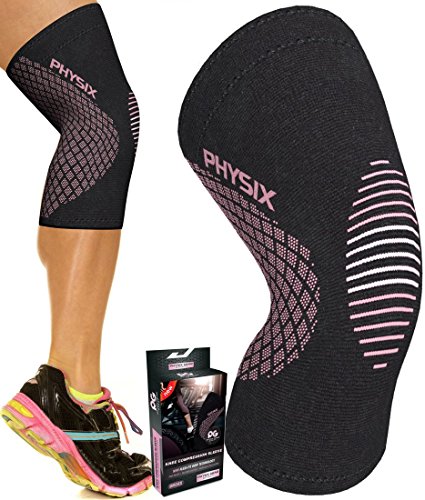
Description: Transform Your Workout Routine: this compression sleeve knee brace provides unmatched support for running, weightlifting, & daily activities. ideal for those who need compression knee sleeves brace. Empower Your Knees: our knee brace for swelling is crafted with high-quality materials to ensure long-lasting durability & comfort; excellent knee sleeves for compression that adapt to your movements, making it perfect for both men & women |
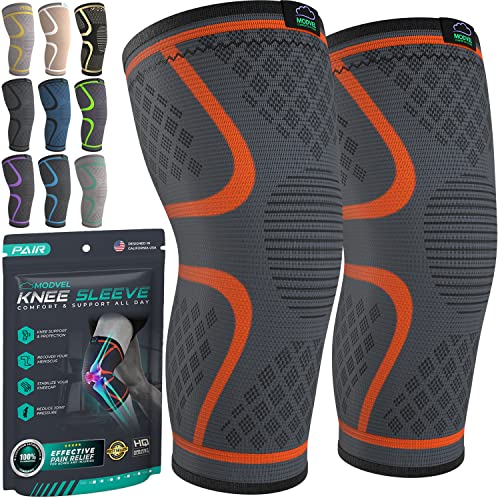
Description: No Pill & Injection Relief: Avert pain, inflammation, and sports injury with our knee braces for knee pain. It offers optimum support. Breathable & Moisture-Wicking: Designed for your active lifestyle, our knee braces for knee pain won't trap sweat! It will keep odors away and stay cool for all-day use |
Description: Knee Brace For Knee Pain Relief & Support: ComfiLife Knee Brace fits left or right knee and helps relieve pain from meniscus tears, sports injuries, tendonitis, arthritis, and more. For Working Out, Running, Weightlifting, and Sports: Whether you're running a half marathon, playing your favorite sport, or just getting through your day, our knee compression brace will help you keep your peak performance! |
|
Our Rating:
4.8
|
Our Rating:
4.4
|
Our Rating:
4.3
|
|
$18.89
|
$25.99
|
$9.95
|
Transform Your Workout Routine: this compression sleeve knee brace provides unmatched support for running, weightlifting, & daily activities. ideal for those who need compression knee sleeves brace.
Empower Your Knees: our knee brace for swelling is crafted with high-quality materials to ensure long-lasting durability & comfort; excellent knee sleeves for compression that adapt to your movements, making it perfect for both men & women
No Pill & Injection Relief: Avert pain, inflammation, and sports injury with our knee braces for knee pain. It offers optimum support.
Breathable & Moisture-Wicking: Designed for your active lifestyle, our knee braces for knee pain won't trap sweat! It will keep odors away and stay cool for all-day use
Knee Brace For Knee Pain Relief & Support: ComfiLife Knee Brace fits left or right knee and helps relieve pain from meniscus tears, sports injuries, tendonitis, arthritis, and more.
For Working Out, Running, Weightlifting, and Sports: Whether you're running a half marathon, playing your favorite sport, or just getting through your day, our knee compression brace will help you keep your peak performance!
Choosing the Right Knee Brace for Your Swelling
Selecting the most effective knee brace requires considering several factors specific to your situation and needs.
Severity of Swelling
Mild Swelling (barely noticeable puffiness):
- Compression sleeve with light to moderate compression
- Focus on prevention during activities
Moderate Swelling (visible but not severely limiting):
- Adjustable wrap-around brace
- Consider graduated compression options
Severe Swelling (significantly impacting function):
- Medical-grade compression brace
- May require prescription or professional fitting
Activity Level and Lifestyle
Highly Active Individuals:
- Look for moisture-wicking materials
- Ensure brace allows necessary range of motion
- Consider having multiple braces for different activities
Moderate Activity:
- Balance between support and comfort
- Choose versatile options suitable for daily wear
Limited Activity:
- Prioritize comfort and ease of use
- Focus on maximum compression benefits
Underlying Conditions
Different conditions may require specific brace features:
| Condition | Recommended Brace Type | Key Features |
|---|---|---|
| Osteoarthritis | Unloader brace | Weight redistribution, targeted compression |
| ACL injury | Hinged brace | Stability, controlled motion |
| General inflammation | Compression sleeve | Even pressure, comfort |
| Post-surgery | Medical-grade wrap | Adjustable compression, easy access |
Proper Usage: Maximizing Swelling Reduction Benefits
Understanding how to properly use a knee brace is crucial for achieving optimal swelling reduction. The question “does knee brace help with swelling” often depends more on proper usage than the brace itself.
Timing and Duration
When to Wear Your Brace:
- During activities that typically trigger swelling
- Immediately after injury to prevent excessive fluid accumulation
- During sleep if recommended by healthcare provider (usually only for severe cases)
- Throughout recovery as directed by medical professionals
How Long to Wear:
- Start with 2-4 hour periods and gradually increase
- Remove periodically to check skin condition
- Follow manufacturer guidelines for maximum daily wear time
- Listen to your body – remove if circulation feels restricted
Proper Fitting Techniques
Getting the right fit is essential for both effectiveness and safety:
Measuring for Size:
- Measure knee circumference at the center of the kneecap
- Measure thigh circumference 6 inches above kneecap
- Measure calf circumference 6 inches below kneecap
- Consult size charts specific to your chosen brace brand
Signs of Proper Fit:
- ✅ Snug but not restrictive feeling
- ✅ No sliding or bunching during movement
- ✅ Even compression around the joint
- ✅ No numbness or tingling
Warning Signs of Poor Fit:
- ❌ Skin discoloration or indentations
- ❌ Increased pain or discomfort
- ❌ Numbness or tingling sensations
- ❌ Brace slides or rotates during use
Combining with Other Treatments
Knee braces work most effectively when used as part of a comprehensive treatment approach:
The R.I.C.E. Method Enhanced:
- Rest: Use brace to limit harmful movements while allowing beneficial motion
- Ice: Apply ice therapy while wearing brace for enhanced anti-inflammatory effects
- Compression: The brace provides consistent compression between ice applications
- Elevation: Elevate leg while wearing brace for maximum fluid drainage
Real-World Effectiveness: What to Expect
When people ask “does knee brace help with swelling,” they want to know about real, measurable results. Here’s what research and clinical experience show:
Timeline for Improvement
Immediate Effects (0-24 hours):
- Reduced sensation of “fullness” in the knee
- Improved comfort during movement
- Better stability and confidence
Short-term Benefits (1-7 days):
- Noticeable reduction in visible swelling
- Decreased pain levels
- Improved range of motion
Long-term Results (1-4 weeks):
- Significant swelling reduction
- Enhanced function and mobility
- Reduced risk of re-injury
Success Rates and Studies
Research consistently supports the effectiveness of compression therapy for swelling reduction:
- Clinical studies show 60-80% of patients experience significant swelling reduction within one week of consistent brace use
- Compression therapy reduces swelling by an average of 30-50% compared to no treatment
- Patient satisfaction rates exceed 85% for properly fitted compression braces
Factors That Influence Effectiveness
Several factors can impact how well a knee brace helps with your specific swelling:
Positive Factors:
- Consistent, proper use
- Appropriate brace selection for condition
- Combining with other treatments
- Following medical advice
- Maintaining overall health and fitness
Limiting Factors:
- Severe underlying conditions
- Poor circulation
- Incorrect sizing or fit
- Inconsistent use
- Ignoring other treatment recommendations
Potential Limitations and Considerations

While knee braces can be highly effective for swelling reduction, it’s important to understand their limitations and potential drawbacks.
When Knee Braces May Not Be Enough
Severe Medical Conditions:
- Advanced arthritis requiring surgical intervention
- Significant ligament tears needing reconstruction
- Infections or other serious complications
- Chronic conditions requiring medication management
Signs You Need Additional Treatment:
- Swelling persists or worsens despite brace use
- Severe pain that doesn’t improve
- Signs of infection (redness, warmth, fever)
- Inability to bear weight on the affected leg
Potential Side Effects
Most people tolerate knee braces well, but some may experience:
Common Minor Issues:
- Skin irritation or rash
- Temporary indentations from compression
- Mild discomfort during adjustment period
- Difficulty finding comfortable sleeping positions
Serious Concerns (Rare):
- Circulation problems from over-tightening
- Allergic reactions to materials
- Increased pain or swelling
- Nerve compression symptoms
Cost and Insurance Considerations
Typical Price Ranges:
- Basic compression sleeves: $15-50
- Mid-range adjustable braces: $50-150
- Professional-grade hinged braces: $150-500
- Custom unloader braces: $500-2000+
Insurance Coverage:
- Many insurance plans cover medically necessary knee braces
- Prescription from healthcare provider usually required
- Documentation of conservative treatment attempts may be needed
- Coverage varies significantly between plans
Making the Decision: Is a Knee Brace Right for You?
Determining whether a knee brace will help with your specific swelling situation involves several considerations.
Self-Assessment Questions
Before investing in a knee brace, honestly evaluate:
- How severe is your swelling? (Mild occasional puffiness vs. significant daily swelling)
- What activities trigger or worsen the swelling?
- Have you tried other conservative treatments?
- Do you have any underlying medical conditions?
- Are you committed to consistent, proper use?
When to Consult Healthcare Professionals
Consider professional medical advice if you experience:
- Persistent swelling lasting more than a few days
- Severe pain accompanying the swelling
- Signs of infection or other complications
- Previous knee injuries or surgeries
- Chronic conditions like arthritis
Red Flags: When NOT to Self-Treat
Seek immediate medical attention for:
- 🚨 Sudden, severe swelling after trauma
- 🚨 Inability to bear weight or move the knee
- 🚨 Signs of blood clots (calf pain, warmth, redness)
- 🚨 Fever accompanying knee swelling
- 🚨 Numbness or tingling in the leg
Alternative and Complementary Approaches
While knee braces can be highly effective, they work best when combined with other evidence-based treatments for swelling reduction.
Physical Therapy and Exercise
Targeted Exercises:
- Gentle range of motion movements
- Strengthening exercises for supporting muscles
- Low-impact activities like swimming or cycling
- Balance and proprioception training
Benefits of Professional PT:
- Customized exercise programs
- Manual therapy techniques
- Education on proper movement patterns
- Progress monitoring and adjustment
Lifestyle Modifications
Dietary Considerations:
- Anti-inflammatory foods (fatty fish, leafy greens, berries)
- Adequate hydration for optimal circulation
- Limiting processed foods and excess sodium
- Maintaining healthy weight to reduce knee stress
Activity Modifications:
- Avoiding high-impact activities during flare-ups
- Using proper warm-up and cool-down routines
- Incorporating regular stretching and mobility work
- Listening to body signals and resting when needed
Medical Treatments
Non-Invasive Options:
- Anti-inflammatory medications (NSAIDs)
- Topical pain relievers and anti-inflammatories
- Corticosteroid injections for severe cases
- Hyaluronic acid injections for arthritis
Advanced Interventions:
- Platelet-rich plasma (PRP) therapy
- Stem cell treatments
- Arthroscopic procedures
- Joint replacement for end-stage arthritis
Success Stories and Practical Tips
Real-world experiences often provide the most valuable insights into whether knee braces help with swelling.
Common Success Scenarios
Weekend Warrior Recovery:
Many recreational athletes find compression sleeves invaluable for managing post-activity swelling. Wearing a brace during and after weekend sports activities can prevent the Monday morning stiffness and puffiness that often follows intense exercise.
Arthritis Management:
Individuals with osteoarthritis frequently report significant improvement in daily comfort when using unloader braces consistently. The combination of compression and weight redistribution can make the difference between struggling through daily activities and maintaining an active lifestyle.
Post-Injury Rehabilitation:
Following knee injuries, graduated compression braces often play a crucial role in the recovery process. They provide the support needed to begin gentle movement while controlling swelling that could impede healing.
Expert Tips for Maximum Benefit
Optimize Your Routine:
- Put on your brace first thing in the morning when swelling is typically minimal
- Remove the brace periodically throughout the day to check skin condition
- Clean your brace regularly to prevent skin irritation and odor
- Have backup braces available for continuous use during washing
Enhance Effectiveness:
- Combine brace use with elevation whenever possible
- Apply ice therapy while wearing the brace for enhanced anti-inflammatory effects
- Stay hydrated to support natural fluid balance
- Maintain consistent sleep schedules to support healing
Conclusion: Your Path Forward with Knee Brace Therapy
So, does knee brace help with swelling? The evidence overwhelmingly suggests yes – when used appropriately, knee braces can be highly effective tools for reducing swelling and supporting recovery. The key lies in choosing the right type of brace for your specific situation, ensuring proper fit and usage, and incorporating the brace into a comprehensive treatment approach.
Your next steps should include:
- Assess your specific needs – Consider the severity of your swelling, underlying causes, and activity level
- Research appropriate brace types – Use the information in this guide to narrow down your options
- Consult with healthcare professionals if you have significant or persistent swelling
- Start with conservative options – Begin with basic compression sleeves before investing in expensive specialized braces
- Monitor your progress – Keep track of swelling levels, pain, and functional improvements
- Be patient and consistent – Give your chosen treatment approach time to work while maintaining realistic expectations
Remember, knee braces are tools that work best as part of a holistic approach to knee health. Combine proper brace use with appropriate rest, exercise, nutrition, and medical care for optimal results. With the right strategy and commitment, you can effectively manage knee swelling and get back to the active lifestyle you enjoy. 💪
Whether you’re dealing with a recent injury, chronic arthritis, or exercise-related inflammation, the right knee brace can be a game-changer in your journey toward reduced swelling and improved knee function. Take the first step today by evaluating your needs and exploring the options that best fit your situation.