

The Complete Guide to Knee Support in 2026
Picture this: you’re climbing stairs and feel that familiar twinge in your knee. Or maybe you’re an athlete dealing with persistent knee discomfort that’s affecting your performance. You’ve probably wondered, “does knee compression sleeve work?” and whether this simple piece of fabric could be the solution you’ve been searching for. 🤔
The short answer? Yes, knee compression sleeves can work – but not in the way many people think. They’re not magic bullets that cure knee problems overnight, but they do offer real, measurable benefits for many conditions. Understanding how they work, when to use them, and what to expect can help you make an informed decision about whether a compression sleeve is right for your specific situation.
Key Takeaways
• Knee compression sleeves provide real benefits through improved blood flow, proprioception, and mild support
• They work best for mild to moderate knee issues like arthritis, minor strains, and general knee discomfort
• Compression sleeves are not substitutes for medical treatment of serious knee injuries or conditions
• Proper fit and quality materials are crucial for effectiveness and comfort
• Scientific evidence supports their use for pain reduction and functional improvement in many cases
How Do Knee Compression Sleeves Actually Work?

When asking “does knee compression sleeve work,” it’s important to understand the science behind these devices. Knee compression sleeves work through several mechanisms that address different aspects of knee health and comfort.
The Science of Compression Therapy
Improved Blood Circulation 🩸
Compression sleeves apply gentle, graduated pressure around the knee joint. This pressure helps improve blood flow by:
- Reducing blood pooling in the lower leg
- Enhancing venous return to the heart
- Promoting better oxygen delivery to tissues
- Helping remove metabolic waste products
Enhanced Proprioception
Proprioception is your body’s ability to sense its position in space. Compression sleeves enhance this by:
- Providing constant tactile feedback to the skin
- Improving joint position awareness
- Helping with balance and stability
- Reducing the risk of awkward movements that could cause injury
Warmth and Heat Retention
The fabric of compression sleeves helps maintain optimal joint temperature by:
- Keeping the knee warm during activity
- Promoting better muscle and ligament flexibility
- Reducing stiffness, especially in cold weather
- Supporting natural healing processes
What Compression Sleeves Don’t Do
It’s equally important to understand the limitations. Compression sleeves cannot:
- Provide significant structural support for major ligament injuries
- Replace proper medical treatment for serious conditions
- Cure underlying knee problems
- Prevent all types of knee injuries
Does Knee Compression Sleeve Work for Different Conditions?
The effectiveness of compression sleeves varies depending on the specific knee condition you’re dealing with. Let’s examine how they perform for different issues.
Arthritis and Joint Stiffness
For people with knee arthritis, compression sleeves can be particularly beneficial. Research shows they help by:
Pain Reduction 📉
- Studies indicate 20-30% pain reduction in many users
- Warmth helps reduce morning stiffness
- Gentle compression may block pain signals (gate control theory)
Improved Function
- Better range of motion during daily activities
- Reduced swelling and inflammation
- Enhanced confidence during movement
Many people find that knee braces designed specifically for arthritis provide even better results than basic compression sleeves.
Sports and Exercise-Related Issues
Athletes and active individuals often wonder “does knee compression sleeve work” for sports performance and injury prevention.
During Exercise:
- Improved muscle coordination
- Better joint stability
- Reduced fatigue in surrounding muscles
- Enhanced performance confidence
Post-Exercise Recovery:
- Faster reduction of exercise-induced swelling
- Improved recovery time between workouts
- Better sleep quality due to reduced discomfort
For runners specifically, choosing the right knee brace for running involves considering factors beyond just compression.
Minor Injuries and Strains
For mild knee injuries, compression sleeves offer several benefits:
| Condition | How Compression Helps | Effectiveness Rating |
|---|---|---|
| Minor sprains | Reduces swelling, provides warmth | ⭐⭐⭐⭐ |
| Muscle strains | Improves blood flow, supports healing | ⭐⭐⭐⭐ |
| General soreness | Pain relief, improved comfort | ⭐⭐⭐⭐⭐ |
| Patellofemoral pain | Enhanced tracking, reduced friction | ⭐⭐⭐ |
When Compression Sleeves May Not Work
Understanding when compression sleeves are less effective helps set realistic expectations:
Severe Injuries
- ACL/MCL tears require specialized bracing
- Meniscus tears often need targeted support
- Fractures require medical intervention
Chronic Conditions
- Severe arthritis may need specialized devices
- Bone-on-bone conditions require different approaches
|

|
Copper Fit!

|
|
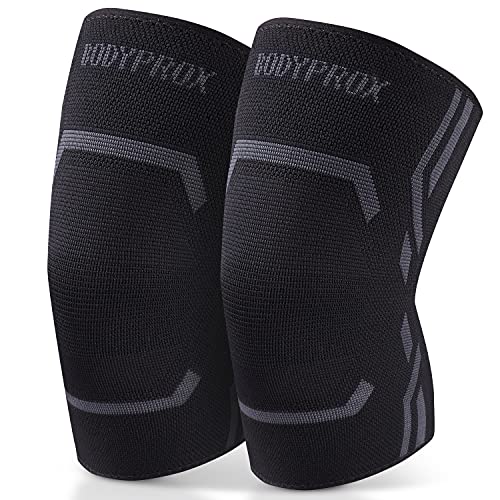
Description: Take action and prevent knee pain before it occurs! Optimize joint and muscle performance while preventing injuries. The Bodyprox Knee Compression Sleeves are a great addition to your gym bag, providing extra support. Decreased pain & swelling: Bodyprox Knee Compression Sleeves help minimize pain and inflammation when fluid builds up in joints. They’re extremely beneficial when working out, as heavy lifting adds a significant amount of weight to your already stressed joints and muscles! |
Description: Tailored for Comfort: Designed with a focus on comfort and effectiveness, this knee sleeve is perfect for women, men, and plus size users, offering reliable support for various activities Targeted Pain Relief: Whether you're dealing with arthritis, meniscus tear, or general knee discomfort, our knee sleeve provides the pain relief and support you need. |
Description: OUTSTANDING PROTECTION: Copper knee braces are ergonomically designed to protect your knees during sports such as running, basketball, soccer, golf, tennis, and skiing. They can also be worn during daily work and walks to minimize pressure on your knees. ANTI-SLIP DESIGN: Special knitting technology with two straps keeps the knee pads in place and prevents them from slipping or rolling up during daily wear and sports. |
|
Our Rating:
4.6
|
Our Rating:
4.2
|
Our Rating:
4.8
|
|
$12.99
|
$18.01
|
$19.99
|
Take action and prevent knee pain before it occurs! Optimize joint and muscle performance while preventing injuries. The Bodyprox Knee Compression Sleeves are a great addition to your gym bag, providing extra support.
Decreased pain & swelling: Bodyprox Knee Compression Sleeves help minimize pain and inflammation when fluid builds up in joints. They’re extremely beneficial when working out, as heavy lifting adds a significant amount of weight to your already stressed joints and muscles!
Tailored for Comfort: Designed with a focus on comfort and effectiveness, this knee sleeve is perfect for women, men, and plus size users, offering reliable support for various activities
Targeted Pain Relief: Whether you're dealing with arthritis, meniscus tear, or general knee discomfort, our knee sleeve provides the pain relief and support you need.
OUTSTANDING PROTECTION: Copper knee braces are ergonomically designed to protect your knees during sports such as running, basketball, soccer, golf, tennis, and skiing. They can also be worn during daily work and walks to minimize pressure on your knees.
ANTI-SLIP DESIGN: Special knitting technology with two straps keeps the knee pads in place and prevents them from slipping or rolling up during daily wear and sports.
Choosing the Right Compression Sleeve
Not all compression sleeves are created equal. The question “does knee compression sleeve work” often depends on selecting the right product for your needs.
Key Features to Look For
Material Quality 🧵
- Neoprene: Excellent warmth retention, good compression
- Elastic blends: Breathable, comfortable for all-day wear
- Copper-infused fabrics: May offer additional benefits
- Moisture-wicking properties: Essential for active use
Compression Level
- Mild (15-20 mmHg): General comfort, daily wear
- Moderate (20-30 mmHg): Active use, mild to moderate issues
- Firm (30-40 mmHg): Significant swelling, post-injury support
Fit and Sizing
Proper fit is crucial for effectiveness. A well-fitted sleeve should:
- Feel snug but not restrictive
- Stay in place during movement
- Not cut off circulation
- Allow full range of motion
Understanding how a knee brace should fit is essential for getting the benefits you’re looking for.
Popular Types and Their Benefits
Basic Compression Sleeves
- Simple, affordable option
- Good for mild support and warmth
- Easy to wear under clothing
Patella Support Sleeves
- Feature cutout or gel pad around kneecap
- Better for patellofemoral issues
- Enhanced tracking support
Open Patella Designs
- Reduce pressure on kneecap
- Good for anterior knee pain
- Allow better kneecap mobility
Real-World Results: What Users Experience
When evaluating “does knee compression sleeve work,” real user experiences provide valuable insights beyond clinical studies.
Positive Outcomes
Immediate Benefits ✅
- Warmth and comfort within minutes of wearing
- Reduced awareness of knee discomfort
- Improved confidence during activities
- Better sleep when worn at appropriate times
Long-term Improvements
- Gradual reduction in daily knee stiffness
- Ability to return to previously avoided activities
- Decreased reliance on pain medications
- Better overall quality of life
Common Challenges
Adjustment Period
- Initial discomfort while getting used to compression
- Finding the right tightness level
- Determining optimal wearing schedule
Maintenance Issues
- Regular washing requirements
- Gradual loss of compression over time
- Need for replacement every 6-12 months
Safety Considerations and Best Practices
Understanding how to use compression sleeves safely ensures you get benefits while avoiding potential problems.
When to Wear Them
Appropriate Times:
- During daily activities causing knee discomfort
- Before and during exercise
- When experiencing mild swelling
- During cold weather for warmth
When to Remove:
- If circulation feels compromised
- During sleep (unless specifically designed for nighttime use)
- If skin irritation develops
- When swelling increases despite use
For guidance on nighttime use, check out information about sleeping with knee braces.
Warning Signs to Watch For
Stop using a compression sleeve and consult a healthcare provider if you experience:
- Numbness or tingling below the knee
- Increased swelling despite compression
- Skin discoloration or persistent marks
- Worsening pain with use
- Signs of infection (redness, warmth, fever)
Maximizing Effectiveness
Proper Care:
- Wash regularly according to manufacturer instructions
- Air dry to maintain elasticity
- Replace when compression decreases
- Have backup sleeve for continuous use
Combining with Other Treatments:
- Physical therapy exercises
- Appropriate rest and activity modification
- Ice or heat therapy as recommended
- Professional medical care when needed
The Bottom Line: Does Knee Compression Sleeve Work?
After examining the science, real-world experiences, and practical considerations, the answer to “does knee compression sleeve work” is a qualified yes for many people and conditions.
Compression sleeves work best when:
- Used for appropriate conditions (mild to moderate knee issues)
- Properly fitted and high-quality
- Combined with other appropriate treatments
- Expectations are realistic
They may not work well when:
- Used for severe structural injuries
- Poorly fitted or low-quality
- Expected to provide major structural support
- Used as sole treatment for serious conditions
For those dealing with more significant knee issues, exploring options for the best knee brace for pain might be more appropriate.
Making Your Decision
If you’re considering a compression sleeve, ask yourself:
- What type of knee issue am I dealing with?
- Have I consulted with a healthcare provider?
- What are my realistic expectations?
- Am I willing to invest in a quality product?
- Will I use it consistently as recommended?
Remember that while compression sleeves can be helpful tools, they’re most effective as part of a comprehensive approach to knee health that may include exercise, proper nutrition, weight management, and professional medical care when needed.
Conclusion
So, does knee compression sleeve work? For many people dealing with mild to moderate knee issues, the answer is yes. These simple devices offer real benefits through improved circulation, enhanced proprioception, and gentle support that can reduce pain and improve function.
However, success depends on choosing the right sleeve, using it appropriately, and having realistic expectations about what it can and cannot do. Compression sleeves work best as part of a broader knee health strategy, not as standalone solutions for serious injuries or conditions.
Your next steps:
- Consult a healthcare provider if you have significant knee pain or injury
- Research quality options that match your specific needs and budget
- Start with conservative use to see how your body responds
- Monitor your progress and adjust usage as needed
- Consider professional guidance for choosing the right knee support for your situation
Remember, the best knee support is one that helps you stay active, comfortable, and confident in your daily activities. Whether that’s a simple compression sleeve or something more substantial depends on your individual needs and circumstances. 🏃♂️