

Over 54% of office workers experience repetitive strain injuries in their arms and elbows each year, yet most struggle to find effective relief. Learning how to choose the best arm brace can be the difference between ongoing discomfort and getting back to pain-free daily activities. With dozens of brace types, materials, and support levels available in 2026, making the right choice requires understanding your specific needs and condition.
The right arm brace provides targeted support, reduces pain, and helps prevent further injury. However, choosing the wrong type can worsen symptoms or provide no relief at all. This comprehensive guide walks through everything needed to select an arm brace that delivers real results.
Key Takeaways
• Match the brace type to your condition – compression sleeves for mild discomfort, elbow straps for tennis elbow, and immobilization braces for serious injuries
• Proper sizing is critical – measure your arm circumference accurately and follow manufacturer guidelines to ensure effective support
• Consider your daily activities – choose materials and adjustability features that work with your lifestyle and when you’ll wear the brace
• Combine brace use with healthy habits – stretching, ergonomic improvements, and gradual activity increases maximize long-term success
• Seek medical advice for persistent pain – if symptoms worsen or don’t improve within 2-3 weeks, consult a healthcare professional
Why You Might Need an Arm Brace
Arm braces serve multiple purposes beyond simple pain relief. They provide targeted support during healing, reduce strain on overused muscles and tendons, and help prevent recurring injuries. Many people find arm braces essential for maintaining their quality of life while managing chronic conditions.
Pain relief represents the most common reason people seek arm braces. Whether from a sudden injury or gradual overuse, arm pain can significantly impact daily activities. A properly chosen brace redistributes pressure, supports weakened areas, and allows inflamed tissues to heal.
Support during physical activity helps active individuals continue exercising while protecting vulnerable areas. Athletes, weekend warriors, and fitness enthusiasts use arm braces to maintain their training routines without aggravating existing conditions.
Recovery assistance speeds healing by providing consistent support and limiting harmful movements. During the recovery phase, arm braces maintain proper alignment and reduce the risk of re-injury.
Prevention of repetitive stress injuries benefits people whose work or hobbies involve repetitive arm motions. Office workers, musicians, and craftspeople often use arm braces proactively to avoid developing chronic conditions.
Common Conditions Requiring Arm Braces
Tendonitis affects the tendons connecting muscles to bones, causing pain and stiffness. This condition often develops from repetitive motions and responds well to targeted brace support.
Tennis elbow (lateral epicondylitis) creates pain on the outside of the elbow, typically from overuse of forearm muscles. Despite its name, tennis elbow affects many non-athletes who perform repetitive gripping activities.
Muscle strain occurs when muscle fibers stretch or tear beyond their normal capacity. Arm braces help support strained muscles while they heal and prevent further damage.
Repetitive strain injury (RSI) encompasses various conditions caused by repeated motions or sustained positions. RSI affects millions of workers and requires comprehensive management including proper bracing.
Similar to how people research knee braces for pain relief, understanding your specific arm condition helps determine the most effective brace type.
Understanding Different Types of Arm Braces
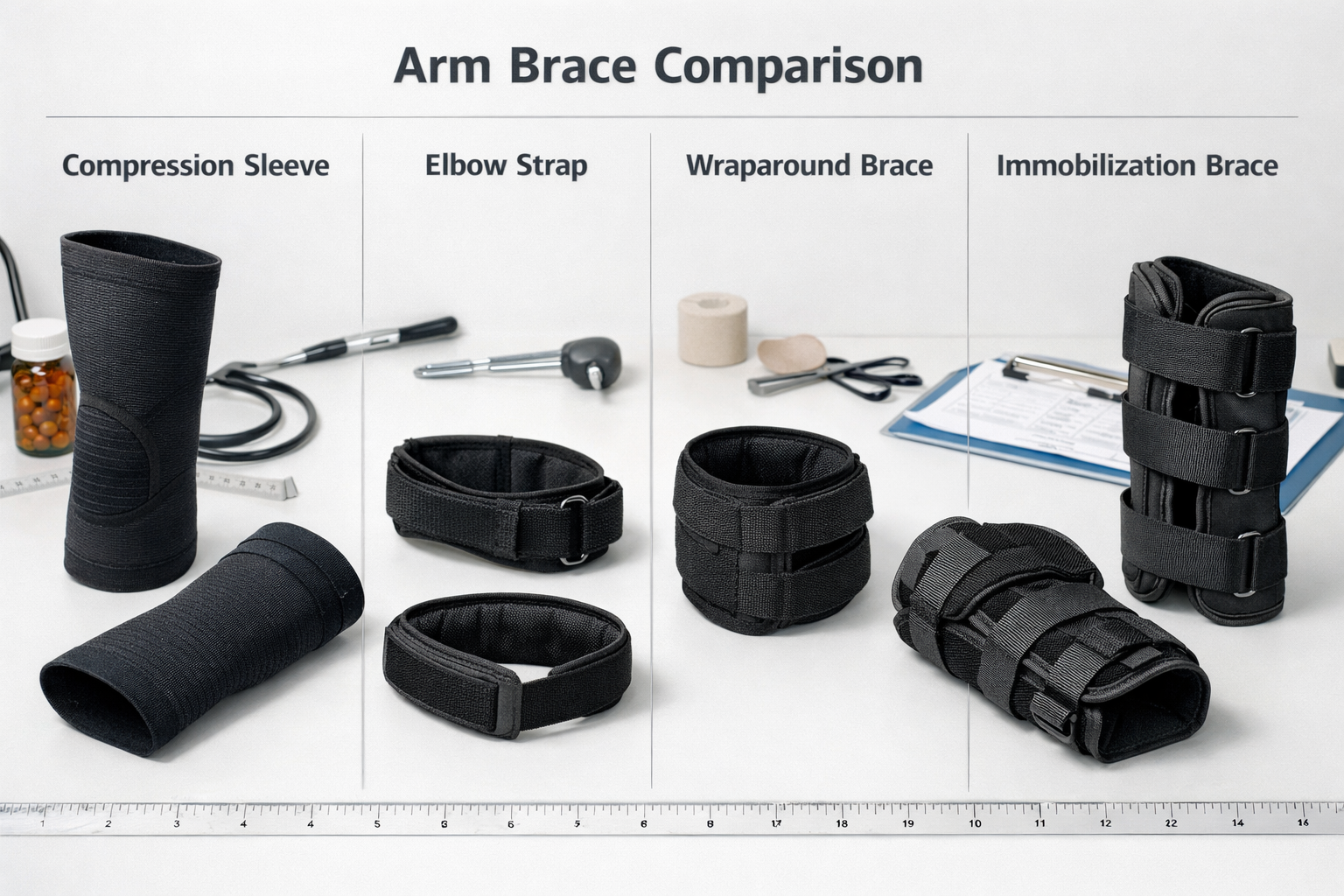
Selecting the right arm brace starts with understanding the four main categories available. Each type offers different levels of support and works best for specific conditions and activities.
Compression Sleeves
Compression sleeves provide gentle, uniform pressure around the entire arm or elbow area. These lightweight braces offer the most comfortable option for all-day wear and mild support needs.
The even pressure distribution helps reduce swelling, improves circulation, and provides proprioceptive feedback that can reduce pain perception. Compression sleeves work well for people with mild discomfort who need support during daily activities.
Best applications include general arm fatigue, mild tendonitis, and preventive support during repetitive activities. Many office workers and athletes choose compression sleeves for their versatility and comfort.
Material considerations focus on breathability and moisture management. Quality compression sleeves use synthetic blends that wick sweat and prevent overheating during extended wear.
Elbow Straps (Counterforce Braces)
Elbow straps apply focused pressure to specific tendons below the elbow joint. This targeted approach makes them highly effective for conditions like tennis elbow and golfer’s elbow.
The counterforce mechanism works by redistributing forces away from the inflamed tendon attachment point. This allows the affected area to rest while maintaining normal arm function.
Positioning is crucial for elbow straps to work effectively. The strap must sit approximately 1-2 inches below the elbow joint, directly over the muscle belly rather than the tendon itself.
Adjustable tension allows users to customize the pressure level throughout the day. Most people find they need less pressure as symptoms improve or during less demanding activities.
For those dealing with tennis elbow specifically, counterforce braces often provide the most targeted relief.
Wraparound Arm Braces
Wraparound designs offer adjustable support that can be customized for different activities and comfort levels. These braces typically feature multiple straps or closures for a secure, personalized fit.
Versatility makes wraparound braces suitable for various conditions and support needs. Users can adjust compression levels, target specific areas, and modify the fit as their condition changes.
Support zones in quality wraparound braces provide different levels of compression to various parts of the arm. This targeted approach addresses multiple problem areas simultaneously.
Activity-specific adjustments allow users to increase support during demanding tasks and reduce compression during rest periods. This flexibility helps prevent over-reliance on the brace.
Immobilization Braces
Immobilization braces provide the highest level of support by significantly limiting arm and elbow movement. These braces are typically recommended for more serious injuries or post-surgical recovery.
Rigid construction using materials like plastic or metal ensures the affected area remains stable during healing. This complete support prevents movements that could worsen the injury.
Medical supervision is often recommended when using immobilization braces. Healthcare providers can ensure proper fit and determine appropriate wearing schedules.
Gradual weaning helps transition from immobilization back to normal activity. Most people don’t wear these braces long-term, instead using them during acute phases of injury or recovery.
Key Factors in How to Choose the Best Arm Brace
Understanding your specific needs helps narrow down the overwhelming array of options available. Several critical factors determine which arm brace will provide the most effective relief and support.
Level of Support Needed
Light support works best for mild discomfort, fatigue, or preventive use. Compression sleeves and lightweight wraps provide gentle pressure without restricting normal activities. People with occasional arm soreness or those looking to prevent problems often choose light support options.
Moderate support addresses ongoing pain, mild to moderate tendonitis, or support during physical activities. Elbow straps and adjustable wraparound braces fall into this category. These braces provide targeted relief while allowing most normal movements.
Strong support becomes necessary for significant injuries, severe pain, or post-surgical recovery. Immobilization braces and rigid supports limit movement to protect healing tissues. Medical guidance often helps determine when strong support is appropriate.
Progressive support needs may change as conditions improve or worsen. Starting with appropriate support levels and adjusting as needed prevents over-treatment or inadequate protection.
Comfort and Fit Considerations
Snug without restriction describes the ideal fit for most arm braces. The brace should feel secure and supportive without cutting off circulation or causing numbness. Proper fit ensures the brace stays in position during activities.
Extended wear comfort becomes crucial for people who need all-day support. Soft edges, breathable materials, and ergonomic designs prevent skin irritation and pressure points that develop over time.
Range of motion preservation allows continued function while providing support. The best arm braces restrict harmful movements while permitting necessary daily activities.
Skin compatibility prevents allergic reactions and irritation from prolonged contact. Hypoallergenic materials and moisture-wicking properties help maintain healthy skin under the brace.
Material and Breathability Factors
Moisture management prevents the buildup of sweat and bacteria that can cause skin problems. Quality synthetic materials or natural fibers with moisture-wicking properties keep the skin dry and comfortable.
Temperature regulation helps prevent overheating during physical activities or in warm environments. Breathable fabrics and ventilation features maintain comfortable skin temperature.
Durability requirements vary based on intended use and activity levels. People who need daily support or engage in demanding activities require more robust materials and construction.
Easy maintenance simplifies long-term use and hygiene. Machine-washable materials and simple designs make it easier to keep the brace clean and fresh.
Adjustability Features
Custom fit capabilities accommodate different arm sizes, swelling fluctuations, and personal preferences. Adjustable straps, elastic panels, and modular designs provide flexibility for optimal fit.
Activity-based adjustments allow users to modify support levels throughout the day. Tighter settings during demanding tasks and looser fits during rest periods optimize both support and comfort.
Accommodation for changes helps the brace remain effective as conditions improve or activities change. Adjustable braces often provide longer-term value compared to fixed-size options.
User-friendly adjustments ensure people can modify their brace independently. Simple strap systems and intuitive designs encourage proper use and compliance.
How to Choose the Best Arm Brace for Your Specific Condition
Matching your symptoms and lifestyle to the appropriate brace type significantly improves outcomes. Different conditions respond better to specific support mechanisms and wearing patterns.
Symptom assessment provides the foundation for brace selection. Sharp, localized pain often responds well to targeted pressure from elbow straps, while general achiness may benefit more from compression sleeves.
Activity analysis helps determine when and how long you’ll need support. People with desk jobs may prioritize all-day comfort, while athletes might focus on performance and protection during specific activities.
Severity consideration guides the level of support needed. Mild, intermittent symptoms usually respond to lighter support, while severe or persistent pain may require more substantial bracing.
Lifestyle integration ensures the chosen brace works with your daily routine. Consider factors like clothing compatibility, ease of application, and discreteness for professional settings.
For people dealing with tendonitis specifically, targeted support that addresses the inflamed tendon while allowing normal function often provides the best results.
Trial periods help determine effectiveness before committing to long-term use. Many people find that what works in theory may not provide expected relief in practice.
Professional guidance can provide valuable insights, especially for persistent or severe conditions. Healthcare providers can recommend specific brace types and ensure proper fit and usage.
Finding the Right Size for Optimal Support
Proper sizing is crucial for arm brace effectiveness. An incorrectly sized brace can worsen symptoms, provide inadequate support, or cause new problems from poor fit.
Accurate Measurement Techniques
Forearm circumference measurement provides the most common sizing reference for arm braces. Measure around the largest part of the forearm, typically 2-3 inches below the elbow, using a flexible measuring tape.
Elbow circumference may be needed for some brace types, particularly those designed to fit around the joint itself. Measure with the arm slightly bent in a natural position.
Multiple measurements help ensure the best fit, especially for adjustable braces. Some manufacturers require measurements at different points along the arm for optimal sizing.
Timing considerations can affect measurements due to swelling patterns. Measure at the same time of day you’ll typically wear the brace, as arm size can fluctuate throughout the day.
Sizing Guidelines and Flexibility
Manufacturer variations mean that sizing can differ between brands and models. Always consult the specific sizing chart for the brace you’re considering rather than assuming standard sizes.
Between-size decisions often favor the larger size for comfort, especially with adjustable braces. Most people find slightly loose braces more comfortable than overly tight ones.
Adjustability compensation allows some flexibility in sizing for braces with multiple adjustment points. However, adjustable features work best when starting from an appropriate base size.
Return policies provide protection when ordering online or when unsure about sizing. Many reputable retailers offer exchanges for sizing issues, especially for medical devices.
Understanding proper brace fitting principles applies to arm braces as well – the goal is secure support without excessive tightness.
Proper Usage: When and How to Use Your Arm Brace
Effective arm brace use involves more than simply putting it on when pain occurs. Strategic timing, proper positioning, and appropriate wearing schedules maximize benefits while preventing dependency.
Optimal Wearing Times
Activity-based wearing focuses on using the brace during tasks that typically trigger symptoms. This might include computer work, sports activities, or household chores that involve repetitive arm motions.
Preventive use before symptom onset can help avoid flare-ups during known trigger activities. Many people find wearing their brace proactively more effective than waiting for pain to develop.
Recovery periods may require more consistent brace use to support healing tissues. During acute phases of injury, healthcare providers may recommend extended wearing schedules.
Sleep considerations vary by condition and brace type. While some people benefit from nighttime arm support, others find it unnecessary or uncomfortable.
Proper Positioning and Application
Anatomical landmarks guide correct brace placement for optimal effectiveness. Elbow straps should sit over the muscle belly, while compression sleeves should cover the entire affected area evenly.
Tension adjustment requires finding the balance between adequate support and comfortable circulation. The brace should feel snug and supportive without causing numbness or tingling.
Skin preparation helps prevent irritation during extended wear. Clean, dry skin and properly fitted braces reduce the risk of chafing or allergic reactions.
Regular repositioning prevents pressure points and maintains effectiveness throughout the day. Check the brace position periodically and adjust as needed for continued comfort and support.
Common Mistakes When Learning How to Choose the Best Arm Brace
Avoiding frequent pitfalls helps ensure you select and use an arm brace that provides real benefits. Many people make predictable errors that reduce effectiveness or create new problems.
Selection Errors
Wrong brace type represents the most common mistake in arm brace selection. Using a compression sleeve for tennis elbow or an elbow strap for general arm fatigue rarely provides optimal results.
Ignoring lifestyle factors leads to choosing braces that don’t integrate well with daily activities. A bulky brace may provide excellent support but prove impractical for office work or sleeping.
Price-focused decisions sometimes result in choosing inadequate braces to save money. While expensive doesn’t always mean better, extremely cheap braces often lack the quality needed for effective support.
Impulse purchases without proper research frequently lead to disappointment. Taking time to understand your needs and compare options usually results in better outcomes.
Sizing and Fit Problems
Guessing at size instead of measuring accurately causes many fit-related issues. Even people familiar with their clothing sizes should measure specifically for arm braces.
Ignoring adjustability means missing opportunities to optimize fit and comfort. Many adjustable braces work poorly when people don’t take time to customize the settings properly.
Overlooking swelling patterns can result in braces that fit well sometimes but become too tight or loose at other times. Consider how your arm size changes throughout the day or week.
Assuming one size fits all activities leads to compromise fits that don’t work optimally for any situation. Some people benefit from different brace settings or even different braces for various activities.
Usage Mistakes
Wearing too tightly in the belief that tighter means more effective support. Overly tight braces can reduce circulation, cause numbness, and actually worsen some conditions.
Continuous wear without breaks can lead to muscle weakness and dependency. Most conditions benefit from gradually reducing brace use as symptoms improve.
Ignoring hygiene creates skin problems that can become more troublesome than the original arm pain. Regular cleaning and proper skin care prevent complications from extended brace use.
Expecting immediate results leads to premature abandonment of potentially effective braces. Most conditions require consistent use over days or weeks to show significant improvement.
For those dealing with repetitive motion injuries, understanding proper brace selection and use becomes especially important for long-term relief.

|
|

|
|
Our Rating:
4.5
|
Our Rating:
4.4
|
Our Rating:
4.9
|
|
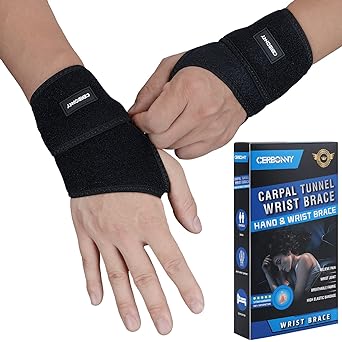
Description: A removable wrist splint and two fixed plastic splints provide a high level of wrist support. Limits unconscious bending or twisting of the wrist during sleep, avoiding aggravation of inflammation or nerve compression due to improper posture |
Description: Wrist bracers can be adjusted according to their comfort level, our wrist band can ensure stability, not easy to fall off, wearing it our hand support is very comfortable. High quality soft breathable fabric, |
Description: Maximum Pain Relief: Our wrist support braces are designed to help you relieve the pain and get the support you need for all-day and all-night comfort. Commonly used by people suffering from carpal tunnel syndrome, tendinitis, arthritis, wrist sprains, strains, etc. |
|
$13.99
|
$15.95
|
$27.06
|
A removable wrist splint and two fixed plastic splints provide a high level of wrist support. Limits unconscious bending or twisting of the wrist during sleep, avoiding aggravation of inflammation or nerve compression due to improper posture
Wrist bracers can be adjusted according to their comfort level, our wrist band can ensure stability, not easy to fall off, wearing it our hand support is very comfortable. High quality soft breathable fabric,
Maximum Pain Relief: Our wrist support braces are designed to help you relieve the pain and get the support you need for all-day and all-night comfort. Commonly used by people suffering from carpal tunnel syndrome, tendinitis, arthritis, wrist sprains, strains, etc.
Signs You Chose the Wrong Arm Brace
Recognizing when an arm brace isn’t working helps you make necessary adjustments or try different options. Several clear indicators suggest the need for a different approach.
Comfort and Fit Issues
Increased discomfort after wearing the brace indicates a poor match between the brace type and your condition. Effective braces should reduce symptoms, not create new ones.
Frequent slipping or shifting suggests sizing or design problems that prevent the brace from providing consistent support. A properly fitted brace should stay in position during normal activities.
Skin irritation or pressure marks develop when braces don’t fit properly or use materials that don’t agree with your skin. These problems often worsen over time without intervention.
Numbness or tingling indicates the brace is too tight or positioned incorrectly, potentially affecting circulation or nerve function. These symptoms require immediate attention and brace adjustment.
Effectiveness Concerns
No symptom improvement after 1-2 weeks of consistent use suggests the brace type may not match your condition. While some conditions take time to respond, complete lack of improvement warrants reevaluation.
Worsening symptoms despite proper brace use indicates the need for different support or medical evaluation. Some conditions require specific treatment approaches that braces alone cannot provide.
Limited functional improvement means the brace isn’t helping you perform daily activities more comfortably. Effective arm braces should enhance your ability to work, exercise, or complete routine tasks.
Dependency development without corresponding symptom improvement suggests the brace is providing psychological rather than physical benefits. Effective braces typically allow gradual reduction in use as conditions improve.
Additional Strategies for Better Results
Arm braces work best as part of a comprehensive approach to managing arm pain and preventing future problems. Combining brace use with other strategies typically produces superior long-term outcomes.
Exercise and Stretching
Gentle stretching helps maintain flexibility and prevent stiffness that can develop from brace use or the underlying condition. Focus on gradual, pain-free movements that don’t aggravate symptoms.
Strengthening exercises address muscle imbalances and weaknesses that may contribute to arm problems. Building strength in supporting muscles reduces strain on injured areas.
Gradual progression prevents re-injury while rebuilding function and confidence. Start with gentle movements and slowly increase intensity as symptoms improve and strength returns.
Professional guidance from physical therapists or exercise specialists ensures exercises are appropriate and effective for your specific condition. Proper technique prevents complications and maximizes benefits.
Ergonomic Improvements
Workspace modifications reduce repetitive strain and poor positioning that contribute to arm problems. Adjustable chairs, keyboard trays, and monitor positioning can significantly impact arm comfort.
Tool selection focuses on ergonomic designs that reduce grip force and awkward positioning. Many occupational arm problems improve with better tool choices and techniques.
Activity modification involves changing how you perform problematic tasks rather than avoiding them completely. Small adjustments in technique often provide significant symptom relief.
Regular breaks prevent the buildup of tension and fatigue that leads to pain and injury. Structured rest periods and position changes help maintain arm health throughout demanding days.
People in specific occupations may benefit from targeted approaches, such as arm braces designed for mechanics or other physically demanding jobs.
Lifestyle Modifications
Stress management addresses the muscle tension and poor sleep that can worsen arm pain. Relaxation techniques and stress reduction often complement physical treatments effectively.
Sleep optimization supports healing and reduces morning stiffness that many people with arm problems experience. Proper pillow support and sleep positioning can significantly impact symptoms.
Nutrition considerations support tissue healing and reduce inflammation that contributes to pain. Anti-inflammatory foods and adequate protein intake may enhance recovery.
Hydration maintenance keeps tissues healthy and supports the body’s natural healing processes. Proper hydration also helps prevent muscle cramps and stiffness.
When to Seek Medical Advice
While arm braces help many people manage their symptoms effectively, certain situations require professional medical evaluation and treatment. Recognizing these scenarios prevents complications and ensures appropriate care.
Red Flag Symptoms
Severe or worsening pain despite proper brace use and activity modification warrants medical evaluation. Progressive symptoms may indicate conditions that require specific medical treatment.
Numbness or tingling that persists or worsens suggests possible nerve involvement that needs professional assessment. These symptoms can indicate serious conditions requiring prompt attention.
Significant weakness or inability to perform normal activities may indicate structural damage or conditions beyond what braces can address effectively.
Signs of infection including redness, warmth, swelling, or fever require immediate medical attention. Infections can develop from skin irritation or underlying conditions.
Timing Considerations
Persistent symptoms lasting more than 2-3 weeks without improvement suggest the need for professional evaluation. While many conditions resolve with conservative treatment, persistent problems may require additional interventions.
Recurring episodes of arm pain may indicate underlying conditions or risk factors that need to be addressed comprehensively. Professional evaluation can identify contributing factors and prevent future problems.
Impact on daily life that doesn’t improve with bracing and self-care measures warrants medical consultation. Significant functional limitations often require comprehensive treatment approaches.
Work-related concerns may need occupational health evaluation to address workplace factors contributing to arm problems. Some conditions require formal workplace accommodations or modifications.
Professional Treatment Options
Physical therapy provides specialized exercise programs, manual therapy, and education that complement brace use effectively. Many people achieve better results combining braces with professional therapy.
Medical interventions including injections, medications, or procedures may be necessary for some conditions. These treatments often work synergistically with appropriate bracing.
Occupational therapy focuses on functional improvements and workplace modifications that address the root causes of repetitive strain injuries and other occupational arm problems.
Surgical consultation may be appropriate for severe conditions that don’t respond to conservative treatment. Early evaluation helps determine if surgical intervention might be beneficial.
Frequently Asked Questions
What type of arm brace is best for my condition?
The best arm brace depends on your specific symptoms and condition. Compression sleeves work well for general arm fatigue and mild discomfort. Elbow straps are most effective for tennis elbow and localized tendon pain. Wraparound braces suit people needing adjustable support for various activities. Immobilization braces are reserved for serious injuries requiring movement restriction. Consider your pain location, severity, and daily activities when choosing.
How tight should an arm brace be?
An arm brace should feel snug and supportive without restricting circulation. You should be able to slide one finger under the brace comfortably. Signs of proper fit include secure positioning without slipping, no numbness or tingling, and comfortable wear for extended periods. If the brace leaves deep marks, causes skin color changes, or creates numbness, it’s too tight and needs adjustment.
Can you wear an arm brace all day?
Most arm braces can be worn throughout the day, but taking periodic breaks is generally recommended. Compression sleeves typically tolerate all-day wear best, while rigid braces may need regular removal to prevent muscle weakness. Listen to your body and remove the brace if you experience increased pain, numbness, or skin irritation. Gradually reduce wearing time as symptoms improve to prevent dependency.
Do arm braces actually work?
Yes, arm braces can be highly effective when properly selected and used for appropriate conditions. Research shows significant pain reduction and functional improvement for conditions like tennis elbow, tendonitis, and repetitive strain injuries. However, effectiveness depends on choosing the right brace type, proper fit, and consistent use combined with other treatments like exercise and ergonomic improvements. Braces work best as part of comprehensive treatment rather than standalone solutions.
How long does it take for an arm brace to help?
Most people notice some improvement within 3-7 days of consistent brace use, with significant benefits typically developing over 2-4 weeks. Acute injuries may respond faster, while chronic conditions often require longer treatment periods. Factors affecting response time include condition severity, brace type appropriateness, proper fit, and compliance with wearing recommendations. If no improvement occurs after 2-3 weeks of proper use, consider trying a different brace type or seeking medical evaluation.
Should I wear my arm brace during exercise?
This depends on your condition and activity type. Many people benefit from wearing supportive braces during activities that typically trigger symptoms. However, some exercises may require brace removal for proper form and safety. Start with gentle activities while wearing the brace and gradually progress based on comfort and symptom response. Consult with healthcare providers or fitness professionals for guidance on exercise-specific brace use, especially for competitive sports or intense training.
Conclusion
Learning how to choose the best arm brace requires understanding your specific condition, lifestyle needs, and the different support options available. The most effective approach matches the brace type to your symptoms – compression sleeves for general discomfort, elbow straps for tennis elbow, wraparound braces for adjustable support, and immobilization braces for serious injuries.
Proper sizing and fit are crucial for effectiveness and comfort. Take accurate measurements, follow manufacturer guidelines, and prioritize adjustability for optimal results. Remember that the best arm brace provides adequate support without restricting circulation or causing new problems.
Take action today by assessing your symptoms, measuring your arm accurately, and selecting a brace that matches your specific needs. Start with conservative support levels and adjust as needed. Combine brace use with ergonomic improvements, appropriate exercises, and lifestyle modifications for the best long-term outcomes.
If symptoms persist or worsen despite proper brace use, don’t hesitate to seek professional medical advice. The right combination of bracing, treatment, and preventive strategies can help you return to pain-free daily activities and prevent future arm problems.