

Complete Step-by-Step Guide for Pain Relief
Struggling with knee pain can make even the simplest daily activities feel overwhelming. Whether you’re dealing with arthritis, a recent injury, or chronic discomfort, learning how to put on knee brace with velcro properly can be the difference between effective pain relief and continued frustration. A correctly fitted velcro knee brace provides crucial support, stability, and comfort—but only when applied using the right technique.
Key Takeaways
• Proper positioning is essential: align the brace with your kneecap before securing any velcro straps
• Sequential tightening works best: start with the bottom strap, then middle, and finish with the top
• Comfort indicators matter: the brace should feel snug but never cut off circulation or cause numbness
• Regular adjustment throughout the day ensures optimal support and prevents slipping
• Quality matters: choosing the right type of velcro knee brace significantly impacts effectiveness
Understanding Velcro Knee Braces and Their Benefits

Velcro knee braces have revolutionized knee support by offering adjustable compression and customizable fit that traditional elastic braces simply cannot match. These braces feature multiple velcro straps that allow users to fine-tune the level of support and compression based on their specific needs and comfort preferences.
The primary advantages of velcro knee braces include:
- Adjustable compression levels for different activities
- Easy on-and-off application without struggling with tight elastic
- Customizable fit for various leg sizes and shapes
- Targeted support for specific areas of the knee
- Durability that withstands regular washing and daily use
Understanding which knee brace is best for knee pain depends largely on your specific condition and lifestyle needs. Velcro braces excel in versatility, making them suitable for everything from post-injury recovery to ongoing arthritis management.
Essential Preparation Before Putting On Your Knee Brace
Choosing the Right Size and Type
Before learning how to put on knee brace with velcro, ensuring you have the correct size is crucial. An improperly sized brace can cause more harm than good, potentially restricting circulation or failing to provide adequate support.
Measuring Guidelines:
- Measure your leg circumference 6 inches above the kneecap
- Measure your leg circumference 6 inches below the kneecap
- Measure around the center of your kneecap
- Compare measurements to manufacturer sizing charts
Skin and Clothing Preparation
Proper preparation sets the foundation for comfortable, effective brace wear:
Skin Care:
- Clean and dry the knee area thoroughly
- Apply any prescribed topical medications before putting on the brace
- Check for cuts, rashes, or irritation that might worsen with brace contact
- Consider using a thin moisture-wicking liner if you have sensitive skin
Clothing Considerations:
Many people wonder about wearing knee braces over pants. While possible, direct skin contact typically provides better support and prevents slipping. If you must wear clothing underneath, choose thin, smooth fabrics that won’t bunch or create pressure points.
Step-by-Step Guide: How to Put On Knee Brace with Velcro
Step 1: Position the Brace Correctly 🎯
Start by identifying the front and back of your brace. Most velcro knee braces have clear indicators:
- The kneecap opening or patella support faces forward
- Velcro straps typically wrap from outside to inside
- Any hinges or rigid supports align with the sides of your knee
Hold the brace with both hands and slide your foot through the bottom opening. Pull the brace up your leg until the kneecap opening aligns perfectly with your patella.
Step 2: Secure the Bottom Strap First
The bottom strap provides the foundation for proper brace positioning. This strap sits below your kneecap and prevents the brace from sliding down during movement.
Proper technique:
- Pull the bottom strap snug but not tight
- Ensure the velcro adheres completely with no loose edges
- Check that the strap lies flat against your leg without bunching
Step 3: Apply the Middle Strap for Core Support
The middle strap typically provides the primary compression around your kneecap area. This is often the most critical strap for pain relief and stability.
Application tips:
- Adjust compression based on your comfort level and activity needs
- The strap should feel supportive without being restrictive
- Ensure the kneecap opening remains properly aligned
Step 4: Secure the Top Strap
The top strap prevents upward migration of the brace and provides additional thigh support. This strap should be the least tight of the three to avoid restricting blood flow in the larger thigh muscles.
Final positioning:
- Check that all straps lie flat without twisting
- Verify that the brace doesn’t shift when you bend your knee
- Ensure comfortable range of motion for walking and sitting
|

|
Copper Fit!

|
|
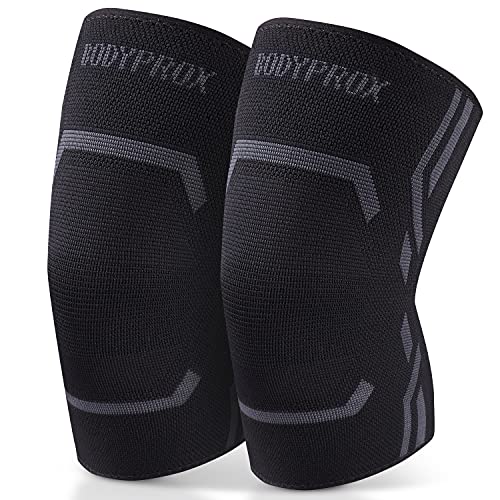
Description: Take action and prevent knee pain before it occurs! Optimize joint and muscle performance while preventing injuries. The Bodyprox Knee Compression Sleeves are a great addition to your gym bag, providing extra support. Decreased pain & swelling: Bodyprox Knee Compression Sleeves help minimize pain and inflammation when fluid builds up in joints. They’re extremely beneficial when working out, as heavy lifting adds a significant amount of weight to your already stressed joints and muscles! |
Description: Tailored for Comfort: Designed with a focus on comfort and effectiveness, this knee sleeve is perfect for women, men, and plus size users, offering reliable support for various activities Targeted Pain Relief: Whether you're dealing with arthritis, meniscus tear, or general knee discomfort, our knee sleeve provides the pain relief and support you need. |
Description: OUTSTANDING PROTECTION: Copper knee braces are ergonomically designed to protect your knees during sports such as running, basketball, soccer, golf, tennis, and skiing. They can also be worn during daily work and walks to minimize pressure on your knees. ANTI-SLIP DESIGN: Special knitting technology with two straps keeps the knee pads in place and prevents them from slipping or rolling up during daily wear and sports. |
|
Our Rating:
4.6
|
Our Rating:
4.2
|
Our Rating:
4.8
|
|
$12.99
|
$18.01
|
$19.99
|
Take action and prevent knee pain before it occurs! Optimize joint and muscle performance while preventing injuries. The Bodyprox Knee Compression Sleeves are a great addition to your gym bag, providing extra support.
Decreased pain & swelling: Bodyprox Knee Compression Sleeves help minimize pain and inflammation when fluid builds up in joints. They’re extremely beneficial when working out, as heavy lifting adds a significant amount of weight to your already stressed joints and muscles!
Tailored for Comfort: Designed with a focus on comfort and effectiveness, this knee sleeve is perfect for women, men, and plus size users, offering reliable support for various activities
Targeted Pain Relief: Whether you're dealing with arthritis, meniscus tear, or general knee discomfort, our knee sleeve provides the pain relief and support you need.
OUTSTANDING PROTECTION: Copper knee braces are ergonomically designed to protect your knees during sports such as running, basketball, soccer, golf, tennis, and skiing. They can also be worn during daily work and walks to minimize pressure on your knees.
ANTI-SLIP DESIGN: Special knitting technology with two straps keeps the knee pads in place and prevents them from slipping or rolling up during daily wear and sports.
Proper Fit and Comfort Guidelines
Recognizing the Right Compression Level
Understanding how a knee brace should fit is essential for both effectiveness and safety. The ideal fit provides support without compromising circulation or causing discomfort.
Signs of proper fit:
- ✅ Snug feeling without pain or numbness
- ✅ Ability to slide one finger under each strap
- ✅ No skin color changes or tingling sensations
- ✅ Comfortable range of motion for daily activities
Warning signs of improper fit:
- ❌ Numbness or tingling in your leg or foot
- ❌ Skin discoloration (blue, purple, or white)
- ❌ Severe restriction of movement
- ❌ Sharp pain or increased discomfort
Circulation Safety Considerations
One common concern is whether a knee brace can cut off circulation. While rare with proper application, it’s important to monitor for circulation issues, especially during the first few days of use.
Circulation check routine:
- Every 2 hours during initial use, check for numbness or color changes
- Remove the brace immediately if you experience tingling or severe tightness
- Gradually increase wearing time as your leg adapts to the support
- Consult a healthcare provider if circulation issues persist
Common Mistakes and How to Avoid Them
Mistake #1: Over-Tightening the Straps
The problem: Many users believe tighter equals better support, leading to over-compression that can cause more harm than good.
The solution: Start with moderate compression and adjust gradually. Remember that effective support comes from proper positioning, not excessive tightness.
Mistake #2: Incorrect Strap Sequence
The problem: Securing straps in the wrong order can lead to poor positioning and inadequate support.
The solution: Always follow the bottom-to-top sequence: secure the bottom strap first, then middle, then top. This ensures proper brace positioning throughout the application process.
Mistake #3: Ignoring Comfort Signals
The problem: Pushing through discomfort or unusual sensations can lead to injury or complications.
The solution: Listen to your body. If something feels wrong, stop and readjust. Proper brace application should increase comfort, not create new problems.
Mistake #4: Inconsistent Daily Application
The problem: Applying the brace differently each day can lead to inconsistent support and delayed healing.
The solution: Develop a consistent routine for how to put on knee brace with velcro. Consider marking optimal strap positions with a washable marker during your first successful applications.
Maintenance and Care Tips for Velcro Knee Braces
Daily Maintenance Routine
Proper care extends the life of your brace and ensures optimal hygiene:
After each use:
- Wipe down the brace with a damp cloth to remove sweat and oils
- Air dry completely before storing to prevent odor and bacteria growth
- Check velcro straps for debris that might reduce adhesion
- Inspect for signs of wear or damage
Weekly Deep Cleaning
Most velcro knee braces are machine washable, but always check manufacturer instructions:
Washing guidelines:
- Use cold water and gentle cycle
- Close all velcro straps to prevent snagging
- Use mild detergent without fabric softeners
- Air dry completely—avoid high heat that can damage materials
Velcro Maintenance
Velcro effectiveness diminishes over time, but proper maintenance can extend its lifespan:
- Remove lint and debris using a fine-tooth comb or velcro cleaning brush
- Replace worn velcro if adhesion becomes inadequate
- Store properly with straps fastened to prevent velcro from collecting debris
When to Wear Your Knee Brace and Activity Guidelines
Daily Wear Recommendations
The timing and duration of brace wear depends on your specific condition and activity level. Many people wonder whether it’s safe to wear a knee brace all day or if they should wear a knee brace to bed.
General guidelines:
- During activities that stress your knee (walking, climbing stairs, exercise)
- Throughout the workday if your job involves standing or physical activity
- Remove periodically to allow skin to breathe and circulation to normalize
- Nighttime use should be discussed with your healthcare provider
Activity-Specific Applications
Different activities may require different approaches to how to put on knee brace with velcro:
For exercise and sports:
- Apply slightly tighter compression for additional stability
- Ensure the brace won’t slip during high-movement activities
- Consider whether knee braces help with specific exercises you plan to perform
For work and daily activities:
- Prioritize comfort for extended wear
- Adjust compression based on the physical demands of your day
- Plan for mid-day adjustments if needed
Troubleshooting Common Issues
Brace Slipping or Moving
If your brace consistently slips despite proper application:
Potential solutions:
- Reassess sizing—you may need a different size
- Clean velcro straps thoroughly to restore adhesion
- Consider additional securing methods like medical tape for high-activity periods
- Evaluate fabric choice if wearing over clothing
Skin Irritation or Discomfort
Skin issues can develop even with proper application:
Prevention and treatment:
- Use moisture-wicking liners to reduce friction
- Apply skin barrier products if recommended by your healthcare provider
- Take regular breaks from brace wear to allow skin recovery
- Monitor for allergic reactions to brace materials
Inadequate Pain Relief
If your properly fitted brace isn’t providing expected relief:
Consider these factors:
- Brace type may not be optimal for your specific condition
- Additional treatments might be necessary alongside bracing
- Professional evaluation can help determine if you need a different type of knee support
Advanced Tips for Optimal Results
Customizing Compression Throughout the Day
Your knee support needs may change based on activity level, time of day, and symptoms:
Morning application:
- Start with moderate compression as joints may be stiff
- Gradually increase support as you become more active
- Monitor swelling that may have developed overnight
Evening adjustments:
- Reduce compression as activity levels decrease
- Address any swelling that has developed during the day
- Prepare for removal if you don’t wear the brace overnight
Combining with Other Treatments
Knee braces work best as part of a comprehensive pain management approach:
Complementary treatments:
- Physical therapy exercises to strengthen supporting muscles
- Anti-inflammatory medications as prescribed by your healthcare provider
- Ice or heat therapy applied before or after brace removal
- Activity modification to reduce knee stress
Understanding whether knee braces really help often depends on how well they’re integrated with other treatment modalities.
Special Considerations for Different Conditions
Arthritis Management
For those using knee braces for arthritis, specific application techniques can maximize benefits:
- Morning stiffness may require gentler initial application
- Weather sensitivity might necessitate compression adjustments
- Progressive conditions may require periodic sizing reassessment
Post-Injury Recovery
Recovery from injuries like meniscus tears may require specific brace application protocols:
- Follow healthcare provider guidelines for compression levels
- Monitor healing progress and adjust brace use accordingly
- Gradually reduce dependency as strength and stability improve
Chronic Pain Conditions
Long-term knee pain management requires sustainable bracing strategies:
- Develop consistent routines for daily application
- Plan for lifestyle integration including work and social activities
- Regular reassessment of brace effectiveness and condition
Long-Term Success Strategies
Building Healthy Habits
Successfully learning how to put on knee brace with velcro is just the beginning. Long-term success requires developing sustainable habits:
Daily routine integration:
- Set consistent times for brace application and removal
- Create reminders for proper positioning checks
- Track effectiveness and comfort levels over time
Monitoring Progress
Keep track of your knee health and brace effectiveness:
Weekly assessments:
- Pain levels during different activities
- Brace comfort and any areas of concern
- Activity tolerance improvements or changes
- Sleep quality if wearing the brace overnight
Professional Follow-Up
Regular healthcare provider consultations ensure optimal outcomes:
Discussion topics:
- Brace effectiveness for your specific condition
- Any complications or concerns with daily use
- Treatment plan adjustments based on progress
- Future needs as your condition evolves
Conclusion
Mastering how to put on knee brace with velcro properly can significantly improve your quality of life and pain management success. The key lies in understanding that effective bracing combines proper technique, consistent application, and ongoing attention to comfort and fit.
Remember these essential points: start with proper sizing and positioning, follow the bottom-to-top strap sequence, monitor for circulation issues, and maintain your brace properly for long-term effectiveness. Most importantly, listen to your body and adjust your approach as needed.
Your next steps:
- Practice the application technique described in this guide until it becomes routine
- Monitor your comfort and pain levels for the first week of consistent use
- Schedule a follow-up with your healthcare provider to discuss your progress
- Consider exploring additional knee support options if needed
Taking control of your knee pain through proper brace application is an investment in your long-term mobility and comfort. With patience and practice, you’ll develop the confidence and skill needed to make your velcro knee brace an effective tool in your pain management arsenal.
For more comprehensive information about knee braces and pain management strategies, visit Joint Brace for expert guidance and product recommendations tailored to your specific needs.