

The Complete Guide for Pain-Free Miles

Picture this: you’re halfway through your favorite running route when that familiar twinge in your knee starts acting up again. 😫 Sound familiar? If knee pain has been putting a damper on your running goals, you’ve probably wondered is knee brace good for running and whether it could be the solution you’ve been searching for.
The good news? Knee braces can be game-changers for many runners dealing with various knee issues. But like most things in life, it’s not a simple yes or no answer. The effectiveness depends on your specific condition, the type of brace, and how you use it.
Key Takeaways
• Knee braces can provide significant support for runners with specific conditions like patellofemoral pain syndrome, IT band issues, or minor ligament injuries
• Different brace types serve different purposes – compression sleeves offer mild support while hinged braces provide maximum stability
• Proper fit and timing are crucial – wearing the wrong size or using a brace for the wrong condition can actually worsen problems
• Braces work best as part of a comprehensive approach that includes proper training, stretching, and addressing underlying biomechanical issues
• Consult a healthcare professional before choosing a brace, especially for persistent or severe knee pain
Understanding Knee Pain in Runners

Before diving into whether is knee brace good for running, it’s essential to understand why runners experience knee pain in the first place. Running puts significant stress on the knee joint – about 2.5 times your body weight with each step! 🏃♀️
Common Running-Related Knee Issues
Runner’s Knee (Patellofemoral Pain Syndrome)
- Pain around or behind the kneecap
- Often caused by muscle imbalances or poor tracking
- Affects up to 25% of runners
IT Band Syndrome
- Sharp pain on the outside of the knee
- Results from tight iliotibial band rubbing against bone
- Common in distance runners
Meniscus Tears
- Pain with twisting or pivoting movements
- Can occur from overuse or acute injury
- May cause clicking or locking sensations
Ligament Strains
- MCL, LCL, or mild ACL/PCL injuries
- Usually from sudden direction changes or impacts
- Range from mild stretching to partial tears
Risk Factors That Increase Knee Pain
| Risk Factor | How It Affects Your Knees |
|---|---|
| Poor Running Form | Increases stress on joints and muscles |
| Muscle Imbalances | Creates uneven forces across the knee |
| Worn-Out Shoes | Reduces shock absorption and support |
| Training Errors | Too much, too fast leads to overuse |
| Previous Injuries | Weakness or compensation patterns |
| Anatomical Factors | Flat feet, leg length differences |
Types of Knee Braces for Runners
Now that we understand the problems, let’s explore the solutions. When considering is knee brace good for running, the type of brace matters enormously. Each style serves different purposes and conditions.
Compression Sleeves 🧦
Best for: Mild pain, swelling, general support
Pros:
- Lightweight and comfortable
- Improves blood circulation
- Provides warmth to muscles and joints
- Affordable option
Cons:
- Limited structural support
- May not help severe injuries
- Can slip during long runs
Patellar Straps (Chopat Straps)
Best for: Patellar tendonitis, jumper’s knee
How they work: Apply pressure below the kneecap to redistribute forces
Pros:
- Targeted relief for specific conditions
- Minimal bulk
- Easy to adjust tension
Cons:
- Limited to certain types of pain
- May cause pressure points if too tight
Wraparound Braces
Best for: Moderate instability, multiple pain points
Features:
- Adjustable straps for custom fit
- Often include side stays for stability
- Combination of compression and support
Pros:
- Versatile for different conditions
- Good balance of support and mobility
- Easy to put on and remove
Cons:
- Can be bulky under clothing
- May shift during intense activity
Hinged Knee Braces
Best for: Ligament injuries, significant instability
Features:
- Metal or plastic hinges on sides
- Maximum structural support
- Often prescribed by doctors
Pros:
- Excellent stability and protection
- Prevents harmful movements
- Suitable for return to activity after injury
Cons:
- Heavy and bulky
- May restrict natural movement
- Most expensive option
|
Very Popular Choice
|
|

|
|
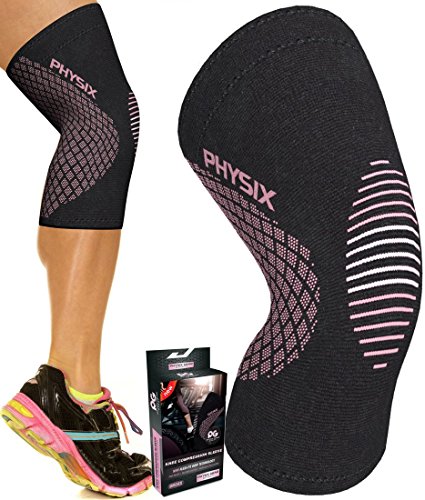
Description: Transform Your Workout Routine: this compression sleeve knee brace provides unmatched support for running, weightlifting, & daily activities. ideal for those who need compression knee sleeves brace. Empower Your Knees: our knee brace for swelling is crafted with high-quality materials to ensure long-lasting durability & comfort; excellent knee sleeves for compression that adapt to your movements, making it perfect for both men & women |
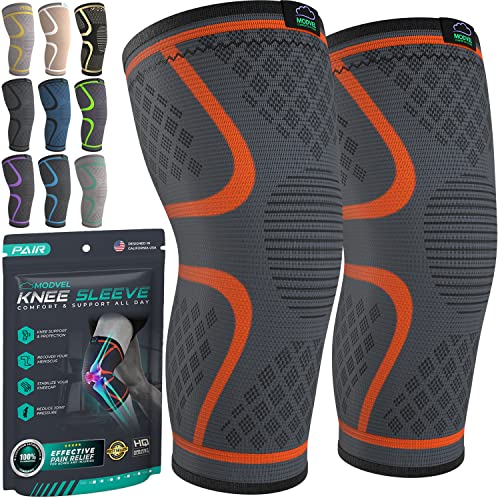
Description: No Pill & Injection Relief: Avert pain, inflammation, and sports injury with our knee braces for knee pain. It offers optimum support. Breathable & Moisture-Wicking: Designed for your active lifestyle, our knee braces for knee pain won't trap sweat! It will keep odors away and stay cool for all-day use |
Description: Knee Brace For Knee Pain Relief & Support: ComfiLife Knee Brace fits left or right knee and helps relieve pain from meniscus tears, sports injuries, tendonitis, arthritis, and more. For Working Out, Running, Weightlifting, and Sports: Whether you're running a half marathon, playing your favorite sport, or just getting through your day, our knee compression brace will help you keep your peak performance! |
|
Our Rating:
4.8
|
Our Rating:
4.4
|
Our Rating:
4.3
|
|
$18.89
|
$25.99
|
$9.95
|
Transform Your Workout Routine: this compression sleeve knee brace provides unmatched support for running, weightlifting, & daily activities. ideal for those who need compression knee sleeves brace.
Empower Your Knees: our knee brace for swelling is crafted with high-quality materials to ensure long-lasting durability & comfort; excellent knee sleeves for compression that adapt to your movements, making it perfect for both men & women
No Pill & Injection Relief: Avert pain, inflammation, and sports injury with our knee braces for knee pain. It offers optimum support.
Breathable & Moisture-Wicking: Designed for your active lifestyle, our knee braces for knee pain won't trap sweat! It will keep odors away and stay cool for all-day use
Knee Brace For Knee Pain Relief & Support: ComfiLife Knee Brace fits left or right knee and helps relieve pain from meniscus tears, sports injuries, tendonitis, arthritis, and more.
For Working Out, Running, Weightlifting, and Sports: Whether you're running a half marathon, playing your favorite sport, or just getting through your day, our knee compression brace will help you keep your peak performance!
So, Is Knee Brace Good for Running? The Evidence
The million-dollar question! Research shows that knee braces can indeed be beneficial for runners, but with important caveats.
What the Science Says 📊
Positive Research Findings:
- A 2023 study found that compression sleeves reduced pain in 78% of runners with patellofemoral pain syndrome
- Patellar straps showed significant improvement in patellar tendonitis symptoms in 85% of participants
- Functional braces helped 65% of runners with mild MCL injuries return to activity faster
Important Limitations:
- Braces don’t address underlying biomechanical issues
- Effectiveness varies greatly between individuals
- Some studies show minimal benefit for certain conditions
When Knee Braces Work Best
✅ Ideal Scenarios:
- Mild to moderate pain that doesn’t require medical intervention
- Specific conditions like runner’s knee or IT band syndrome
- Return to activity after minor injuries
- Prevention during high-risk activities
- Psychological comfort for anxious runners
❌ When Braces May Not Help:
- Severe structural damage requiring surgery
- Poor running form or training errors
- Muscle weakness that needs strengthening
- Acute injuries needing rest and medical care
Choosing the Right Knee Brace for Your Running Needs
Selecting the perfect brace isn’t just about grabbing the first one you see. Here’s how to make an informed decision about whether is knee brace good for running in your specific situation.
Step-by-Step Selection Process
1. Identify Your Specific Problem
- Where exactly does it hurt?
- When does the pain occur?
- What movements trigger discomfort?
- How severe is the pain (1-10 scale)?
2. Match Brace Type to Condition
| Condition | Recommended Brace Type | Why It Helps |
|---|---|---|
| Runner’s Knee | Compression sleeve or patellar strap | Reduces pressure, improves tracking |
| IT Band Syndrome | Compression sleeve | Provides warmth, mild compression |
| Patellar Tendonitis | Patellar strap | Redistributes tendon forces |
| Mild Ligament Strain | Wraparound or hinged brace | Provides stability, prevents re-injury |
| General Knee Pain | Compression sleeve | Improves circulation, warmth |
3. Consider Your Activity Level
- Casual runners (1-3x/week): Compression sleeve often sufficient
- Regular runners (4-5x/week): May need more substantial support
- Competitive athletes: Might require sport-specific braces
Sizing and Fit Guidelines
Proper measurement is crucial! 📏 An ill-fitting brace can cause more problems than it solves.
How to Measure:
- Measure thigh circumference 6 inches above kneecap
- Measure kneecap circumference at widest point
- Measure calf circumference 6 inches below kneecap
- Note any swelling that might affect size
Red Flags for Poor Fit:
- Numbness or tingling
- Increased pain or discomfort
- Brace slides down during activity
- Skin irritation or chafing
- Restricted blood circulation
Benefits and Limitations: The Real Talk
Let’s be honest about what knee braces can and can’t do. Understanding both sides helps you set realistic expectations.
The Benefits 🌟
Pain Reduction
Many runners experience immediate relief from compression and support. The brace can help break the pain cycle that often makes running uncomfortable.
Improved Confidence
Sometimes the psychological benefit is just as important as the physical one. Feeling supported can help you run with better form and less anxiety.
Enhanced Proprioception
Braces provide sensory feedback that can improve your awareness of knee position and movement patterns.
Injury Prevention
For runners with previous injuries, braces can provide extra protection during the return to activity.
Delayed Fatigue
Some runners report that compression helps their muscles feel fresher longer during runs.
The Limitations ⚠️
Not a Cure-All
Braces treat symptoms, not root causes. If your pain stems from poor form, muscle weakness, or training errors, a brace won’t fix those issues.
Potential Dependency
Some runners become psychologically dependent on their brace, even when it’s no longer needed.
Possible Muscle Weakening
Over-reliance on external support might prevent natural muscle strengthening.
Comfort Issues
Bulky braces can cause chafing, overheating, or restrict natural movement patterns.
Cost Considerations
Quality braces can be expensive, and you might need different types for different activities.
Proper Usage and Care Tips
Getting a knee brace is only half the battle. Using it correctly is what determines whether is knee brace good for running becomes a resounding yes in your experience.
When to Wear Your Brace
During Running:
- Start with shorter distances to test comfort
- Wear during activities that typically cause pain
- Remove immediately if pain increases
Pre and Post-Run:
- Some find benefit wearing compression sleeves before and after runs
- Can help with warm-up and recovery
Daily Activities:
- Generally not recommended for 24/7 wear
- Use only during activities that stress the knee
Breaking In Your New Brace
Week 1: Easy Introduction
- Wear for 15-20 minutes during light activity
- Check for pressure points or discomfort
- Adjust straps as needed
Week 2: Gradual Increase
- Extend wear time to 30-45 minutes
- Try during easy runs or walks
- Monitor skin for any irritation
Week 3+: Full Integration
- Use during normal running activities
- Continue monitoring comfort and effectiveness
Care and Maintenance
Daily Care:
- Air dry after each use
- Wipe down with damp cloth
- Check for wear or damage
Weekly Deep Clean:
- Hand wash with mild detergent
- Air dry completely (never use heat)
- Inspect velcro, straps, and hinges
When to Replace:
- Loss of elasticity in compression materials
- Velcro no longer holds securely
- Visible wear or damage
- No longer provides adequate support
Alternative and Complementary Approaches
While exploring is knee brace good for running, it’s important to consider other strategies that can work alongside or instead of bracing.
Strengthening Exercises 💪
Quadriceps Strengthening:
- Straight leg raises
- Wall sits
- Step-ups
- Squats (when appropriate)
Hip Strengthening:
- Clamshells
- Side-lying leg lifts
- Hip bridges
- Monster walks with resistance bands
Core Stability:
- Planks
- Dead bugs
- Bird dogs
- Side planks
Flexibility and Mobility Work
Key Areas to Target:
- IT band and tensor fasciae latae
- Quadriceps and hip flexors
- Hamstrings and calves
- Glutes and piriformis
Effective Techniques:
- Static stretching post-run
- Dynamic warm-up pre-run
- Foam rolling and self-massage
- Professional massage therapy
Running Form Modifications
Common Issues to Address:
- Overstriding
- Excessive heel striking
- Poor cadence
- Inadequate hip extension
Professional Help:
- Gait analysis at specialty running stores
- Physical therapy evaluation
- Running coach consultation
- Video analysis of running form
Recovery Strategies
Active Recovery:
- Easy walking or swimming
- Gentle yoga or stretching
- Low-intensity cross-training
Passive Recovery:
- Ice for acute inflammation
- Heat for muscle tension
- Compression for circulation
- Adequate sleep and nutrition
When to Seek Professional Help
Sometimes the question is knee brace good for running needs to be answered by a medical professional rather than trial and error.
Red Flag Symptoms 🚨
Seek immediate medical attention for:
- Severe, sudden onset pain
- Knee giving out or buckling
- Significant swelling or deformity
- Inability to bear weight
- Signs of infection (fever, warmth, redness)
Schedule a routine appointment for:
- Pain persisting more than 2 weeks
- Pain that worsens with rest
- Recurring episodes of knee problems
- Desire for preventive evaluation
Healthcare Professionals Who Can Help
Primary Care Physician
- Initial evaluation and diagnosis
- Referrals to specialists
- Management of underlying conditions
Sports Medicine Doctor
- Specialized in athletic injuries
- Advanced treatment options
- Return-to-sport protocols
Physical Therapist
- Movement analysis and correction
- Strengthening and flexibility programs
- Manual therapy techniques
Orthopedic Surgeon
- Surgical consultation if needed
- Advanced imaging interpretation
- Complex injury management
Certified Athletic Trainer
- Injury prevention strategies
- Taping and bracing techniques
- Return-to-activity protocols
Real Runner Experiences and Success Stories
Sometimes hearing from fellow runners helps answer is knee brace good for running better than any research study.
Sarah’s Story: Compression Sleeve Success
“I developed runner’s knee during marathon training. My physical therapist recommended a compression sleeve, and I was skeptical at first. But within a week of using it during runs, my pain decreased by about 70%. I was able to complete my marathon and continue running pain-free. The key was combining the brace with the strengthening exercises my PT gave me.”
Mike’s Experience: Patellar Strap Game-Changer
“Patellar tendonitis nearly ended my running career. I tried everything – rest, ice, different shoes. Finally, my sports medicine doctor suggested a patellar strap. It was like magic! The pain relief was immediate, and I could run without that sharp pain below my kneecap. I still use it for longer runs, even though my tendonitis has healed.”
Jennifer’s Journey: Finding the Right Fit
“My first knee brace was a disaster – too tight, caused chafing, and actually made my pain worse. I learned that sizing is everything. My second brace, properly fitted at a specialty store, made all the difference. It’s been two years now, and I credit my brace with keeping me running through some challenging times.”
Common Themes from Success Stories
What Works:
- Proper professional guidance in selection
- Combining braces with other treatments
- Gradual introduction and proper fitting
- Realistic expectations about outcomes
What Doesn’t:
- Using braces as the only treatment
- Ignoring underlying issues
- Poor fit or wrong brace type
- Expecting immediate, complete pain relief
Cost Considerations and Insurance Coverage
Let’s talk money – because the financial aspect of is knee brace good for running matters to most of us.
Price Ranges by Brace Type
| Brace Type | Price Range | Expected Lifespan |
|---|---|---|
| Basic Compression Sleeve | $15-$40 | 6-12 months |
| Premium Compression Sleeve | $40-$80 | 12-18 months |
| Patellar Strap | $20-$50 | 12-24 months |
| Wraparound Brace | $50-$150 | 18-36 months |
| Hinged Knee Brace | $100-$500+ | 2-5 years |
Insurance Coverage Tips
What’s Often Covered:
- Braces prescribed by physicians
- Post-injury or post-surgical braces
- Braces for diagnosed medical conditions
What’s Usually Not Covered:
- Preventive or “wellness” braces
- Over-the-counter purchases
- Replacement due to normal wear
Maximizing Coverage:
- Get a prescription from your doctor
- Use in-network suppliers
- Keep all receipts for HSA/FSA reimbursement
- Check if your plan has durable medical equipment benefits
Budget-Friendly Alternatives
Money-Saving Strategies:
- Start with basic compression sleeves
- Look for sales at sporting goods stores
- Consider generic brands for simple designs
- Check online retailers for competitive prices
- Ask about payment plans for expensive braces
Making Your Decision: Is a Knee Brace Right for You?
After exploring all aspects of is knee brace good for running, here’s a practical framework for making your decision.
Decision Tree
Start Here: Do you have knee pain during or after running?
- No: You probably don’t need a brace right now
- Yes: Continue to next question
Is your pain mild and manageable?
- Yes: Try a compression sleeve first
- No: Consult a healthcare professional
Have you addressed other potential causes?
- Training errors: Reduce mileage, improve progression
- Poor form: Work with a coach or get gait analysis
- Weak muscles: Start a strengthening program
- Old shoes: Replace worn-out footwear
Are you willing to use the brace consistently?
- Yes: Choose appropriate type for your condition
- No: Focus on other treatment methods
Trial Period Recommendations
Give it a fair shot:
- Use consistently for 2-3 weeks
- Track pain levels and running performance
- Note any side effects or issues
- Adjust fit and usage as needed
Evaluate effectiveness:
- Is pain reduced during activity?
- Can you run longer or more comfortably?
- Are there any negative effects?
- Do you feel more confident?
Conclusion
So, is knee brace good for running? The answer is a qualified yes for many runners, but it depends on your specific situation, the type of brace, and how you use it.
Knee braces can be valuable tools for managing pain, providing support, and boosting confidence during runs. They work best for specific conditions like runner’s knee, patellar tendonitis, and mild ligament issues. However, they’re most effective when used as part of a comprehensive approach that includes proper training, strengthening exercises, and addressing underlying biomechanical issues.
Your next steps should be:
- Identify your specific knee issue – where it hurts, when it hurts, and what triggers it
- Consult with a healthcare professional if pain persists or is severe
- Start with conservative options like compression sleeves for mild issues
- Ensure proper fit and sizing – this can make or break your experience
- Combine brace use with other treatments like strengthening and flexibility work
- Give it time – allow 2-3 weeks to properly evaluate effectiveness
- Stay realistic about what braces can and can’t do
Remember, the goal isn’t just to run with less pain today, but to address the root causes so you can enjoy pain-free running for years to come. A knee brace might be exactly what you need to bridge that gap while you work on long-term solutions.
Don’t let knee pain sideline your running dreams. With the right approach, proper guidance, and perhaps the right brace, you can get back to doing what you love – putting one foot in front of the other, mile after mile. 🏃♀️✨