

Picture this: you’re halfway through a brutal WOD (Workout of the Day), your heart is pounding, sweat is dripping, and suddenly you feel that familiar twinge in your knee. Sound familiar? You’re not alone. Knee injuries are among the most common setbacks in CrossFit, affecting both beginners and seasoned athletes. The good news? The right knee brace CrossFit gear can be your secret weapon for staying in the game while protecting those precious joints. 🏋️♂️
Whether you’re dealing with existing knee pain or want to prevent future injuries, understanding how to choose and use knee braces for CrossFit can make the difference between crushing your fitness goals and sitting on the sidelines. Let’s dive into everything you need to know about keeping your knees happy during those intense training sessions.
Key Takeaways
• Knee braces can significantly reduce injury risk during high-impact CrossFit movements like box jumps, burpees, and heavy squats
• Different types of knee braces serve different purposes – compression sleeves for general support, hinged braces for serious injuries, and patellar straps for runner’s knee
• Proper fit and timing are crucial – wearing the wrong size or type can actually hinder performance and cause more problems
• Knee braces work best as part of a comprehensive approach that includes proper warm-up, mobility work, and strength training
• Most CrossFit athletes benefit from compression sleeves for daily training, while those with existing injuries may need more specialized support
Understanding Knee Pain in CrossFit

CrossFit’s explosive movements and high-intensity nature put unique demands on your knees. Unlike traditional weightlifting or cardio, CrossFit combines jumping, squatting, lunging, and Olympic lifting all in one workout. This variety is what makes it so effective – and so potentially hard on your joints.
Common CrossFit Knee Injuries
The most frequent knee issues CrossFit athletes face include:
Patellar Tendinitis (Jumper’s Knee) 🦵
- Caused by repetitive jumping movements
- Pain below the kneecap
- Common from box jumps and burpees
IT Band Syndrome
- Tightness and pain on the outside of the knee
- Often from improper squat form or overuse
- Can radiate up to the hip
Meniscus Tears
- From twisting movements under load
- Can happen during heavy squats or lunges
- May cause clicking or locking sensations
General Knee Strain
- Overuse from high training volume
- Muscle imbalances
- Poor movement patterns
“The key to preventing knee injuries in CrossFit isn’t avoiding the movements – it’s preparing your body properly and using the right support when needed.” – Dr. Sarah Mitchell, Sports Medicine Physician
Types of Knee Braces for CrossFit Athletes
Not all knee braces are created equal, especially when it comes to CrossFit training. The best knee brace CrossFit option depends on your specific needs, injury history, and the types of movements you’re doing.
Compression Sleeves: The CrossFit Favorite
Compression sleeves are by far the most popular choice among CrossFit athletes, and for good reason:
✅ Benefits:
- Improve blood flow and reduce swelling
- Provide warmth to keep joints loose
- Offer mild support without restricting movement
- Easy to wear under workout clothes
- Affordable and durable
❌ Limitations:
- Limited support for serious injuries
- Won’t prevent major trauma
- May slip during intense workouts
Best for: Daily training, minor knee pain, injury prevention, and athletes who want support without bulk.
Hinged Knee Braces: Maximum Protection
For athletes with previous ACL injuries, ligament damage, or chronic instability, hinged braces offer serious protection:
✅ Benefits:
- Prevent dangerous knee movements
- Support damaged ligaments
- Allow controlled range of motion
- Provide confidence for return to sport
❌ Limitations:
- Bulky and can affect performance
- Expensive ($100-$500+)
- May cause dependency
- Can be hot and uncomfortable
Best for: Athletes recovering from surgery, those with ligament injuries, or anyone with significant knee instability.
Patellar Tracking Braces
These specialized braces help keep your kneecap in proper alignment:
✅ Benefits:
- Reduce patellar pain
- Improve tracking during movement
- Lightweight design
- Good for runner’s knee issues
❌ Limitations:
- Very specific use case
- Won’t help with other knee problems
- Can be tricky to position correctly
Best for: Athletes with patellofemoral pain syndrome or kneecap tracking issues.
|
Very Popular Choice
|
|

|
|
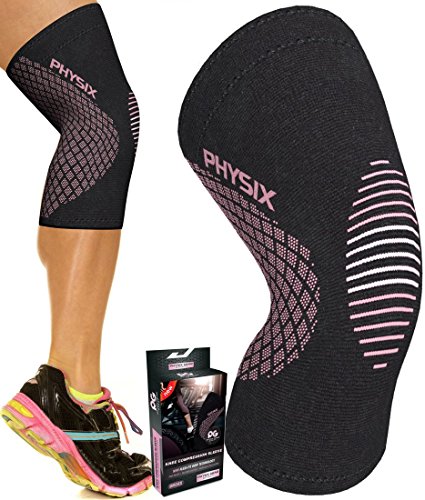
Description: Transform Your Workout Routine: this compression sleeve knee brace provides unmatched support for running, weightlifting, & daily activities. ideal for those who need compression knee sleeves brace. Empower Your Knees: our knee brace for swelling is crafted with high-quality materials to ensure long-lasting durability & comfort; excellent knee sleeves for compression that adapt to your movements, making it perfect for both men & women |
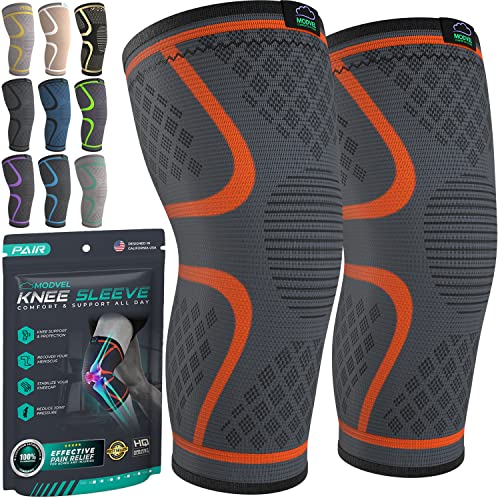
Description: No Pill & Injection Relief: Avert pain, inflammation, and sports injury with our knee braces for knee pain. It offers optimum support. Breathable & Moisture-Wicking: Designed for your active lifestyle, our knee braces for knee pain won't trap sweat! It will keep odors away and stay cool for all-day use |
Description: Knee Brace For Knee Pain Relief & Support: ComfiLife Knee Brace fits left or right knee and helps relieve pain from meniscus tears, sports injuries, tendonitis, arthritis, and more. For Working Out, Running, Weightlifting, and Sports: Whether you're running a half marathon, playing your favorite sport, or just getting through your day, our knee compression brace will help you keep your peak performance! |
|
Our Rating:
4.8
|
Our Rating:
4.4
|
Our Rating:
4.3
|
|
$18.89
|
$25.99
|
$9.95
|
Transform Your Workout Routine: this compression sleeve knee brace provides unmatched support for running, weightlifting, & daily activities. ideal for those who need compression knee sleeves brace.
Empower Your Knees: our knee brace for swelling is crafted with high-quality materials to ensure long-lasting durability & comfort; excellent knee sleeves for compression that adapt to your movements, making it perfect for both men & women
No Pill & Injection Relief: Avert pain, inflammation, and sports injury with our knee braces for knee pain. It offers optimum support.
Breathable & Moisture-Wicking: Designed for your active lifestyle, our knee braces for knee pain won't trap sweat! It will keep odors away and stay cool for all-day use
Knee Brace For Knee Pain Relief & Support: ComfiLife Knee Brace fits left or right knee and helps relieve pain from meniscus tears, sports injuries, tendonitis, arthritis, and more.
For Working Out, Running, Weightlifting, and Sports: Whether you're running a half marathon, playing your favorite sport, or just getting through your day, our knee compression brace will help you keep your peak performance!
Choosing the Right Knee Brace CrossFit Setup
Selecting the perfect knee brace CrossFit combination requires considering several factors. Here’s a practical approach to making the right choice:
Step 1: Assess Your Needs
Ask yourself these questions:
- What’s your injury history?
- No injuries = compression sleeve
- Previous surgery = hinged brace
- Chronic pain = consult a professional
- What movements cause pain?
- Jumping = patellar support
- Squatting = general compression
- Twisting = stability brace
- How often do you train?
- Daily = lightweight, breathable options
- Occasional = more supportive options okay
Step 2: Consider Your Training Style
Different CrossFit focuses require different support:
| Training Focus | Recommended Brace Type | Key Features |
|---|---|---|
| Metcons/WODs | Compression sleeve | Lightweight, non-slip |
| Olympic Lifting | Minimal support or none | Freedom of movement |
| Gymnastics | Compression sleeve | Flexibility priority |
| Powerlifting | Knee sleeves (thicker) | Warmth and compression |
Step 3: Fit and Comfort Testing
Proper fit is absolutely crucial for knee brace effectiveness:
🔍 Sizing Tips:
- Measure your knee circumference at the center of the kneecap
- Check thigh and calf measurements too
- When in doubt, try before you buy
- Consider swelling throughout the day
Red flags for poor fit:
- Sliding down during movement
- Bunching behind the knee
- Cutting off circulation
- Causing new pain or discomfort
Best Practices for Using Knee Braces in CrossFit
Having the right knee brace CrossFit gear is only half the battle. How and when you use it makes all the difference in effectiveness and injury prevention.
When to Wear Your Knee Brace
During Training:
- Put it on during your warm-up
- Wear throughout the entire workout
- Keep it on during cool-down
- Remove only after you’re completely finished
Recovery Days:
- Consider wearing for light movement
- Use during mobility work if it helps
- Remove for complete rest periods
Competition:
- Practice with your brace extensively first
- Make sure it’s allowed in your competition
- Have a backup plan if it malfunctions
Proper Care and Maintenance
Your knee brace is an investment in your training – take care of it properly:
Daily Care:
- Rinse with cold water after each use
- Air dry completely before storing
- Rotate between multiple braces if possible
- Check for wear and tear regularly
Weekly Deep Clean:
- Hand wash with mild detergent
- Avoid fabric softener (reduces compression)
- Never put in the dryer
- Replace when elastic loses effectiveness
Integration with Your Training Program
Knee braces work best as part of a complete approach:
- Warm-up properly – 10-15 minutes of dynamic movement
- Focus on mobility – especially ankle and hip flexibility
- Strengthen supporting muscles – glutes, quads, and calves
- Use proper form – no brace can fix bad movement patterns
- Listen to your body – pain is a signal, not something to ignore
Common Mistakes to Avoid

Even with the best intentions, many CrossFit athletes make these knee brace mistakes:
Mistake #1: Using a Brace as a Band-Aid
The Problem: Thinking a knee brace will fix underlying issues without addressing root causes.
The Solution: Use braces as support while you address mobility, strength, and movement pattern issues.
Mistake #2: Wrong Brace for the Job
The Problem: Using a compression sleeve when you need serious support, or vice versa.
The Solution: Match the brace type to your specific needs and injury level.
Mistake #3: Poor Timing
The Problem: Only wearing a brace when pain is severe, or wearing it 24/7.
The Solution: Use braces proactively during training and remove them for rest and recovery.
Mistake #4: Ignoring Fit
The Problem: Buying online without trying on, or continuing to use a brace that doesn’t fit properly.
The Solution: Prioritize proper fit over brand names or price points.
Alternative and Complementary Strategies
While knee braces are valuable tools, they’re most effective when combined with other injury prevention strategies:
Mobility and Flexibility Work
Daily mobility routine:
- Ankle circles and calf stretches
- Hip flexor stretches
- Quad and hamstring work
- IT band rolling
Pre-workout activation:
- Glute bridges
- Clamshells
- Single-leg deadlifts
- Wall sits
Strength Training Focus
Key areas to strengthen:
- Glutes – control hip and knee alignment
- VMO (inner quad) – stabilizes the kneecap
- Calves – support ankle stability
- Core – affects entire kinetic chain
Movement Quality
Form checkpoints for common CrossFit movements:
Squats:
- Knees track over toes
- Weight in heels
- Chest up, core engaged
Box Jumps:
- Land softly with bent knees
- Step down instead of jumping
- Focus on quality over speed
Lunges:
- Front knee stays over ankle
- Back knee drops straight down
- Equal weight distribution
Recovery and Long-Term Knee Health
Protecting your knees isn’t just about what happens during workouts – recovery and long-term care are equally important.
Post-Workout Recovery
Immediate post-workout (0-30 minutes):
- Remove knee brace and assess how you feel
- Ice if there’s any swelling or heat
- Gentle walking to promote blood flow
- Hydrate and refuel properly
Same day recovery (2-6 hours later):
- Gentle stretching or yoga
- Foam rolling (avoid direct pressure on knee joint)
- Elevation if there’s any swelling
- Monitor for delayed pain or stiffness
Sleep and Recovery
Quality sleep is crucial for joint health:
- 7-9 hours per night for optimal recovery
- Consider a pillow between your knees if you’re a side sleeper
- Keep your bedroom cool to reduce inflammation
- Establish a consistent sleep schedule
Nutrition for Joint Health
Foods that support knee health:
- Omega-3 fatty acids (fish, walnuts, flax seeds)
- Antioxidants (berries, leafy greens, colorful vegetables)
- Protein for muscle recovery and joint support
- Adequate hydration for cartilage health
When to Seek Professional Help
Sometimes, knee pain requires more than just a good brace. Here are signs it’s time to consult a healthcare professional:
🚨 Immediate medical attention needed:
- Severe pain that doesn’t improve with rest
- Inability to bear weight on the leg
- Obvious deformity or instability
- Signs of infection (heat, redness, fever)
⚠️ Schedule an appointment soon:
- Pain that persists for more than a few days
- Recurring pain with specific movements
- Swelling that doesn’t respond to ice and elevation
- Feeling like your knee might “give out”
Types of professionals who can help:
- Sports medicine doctors – specialized in athletic injuries
- Physical therapists – movement experts who can address root causes
- Orthopedic specialists – for serious structural issues
- Certified trainers – for movement pattern assessment
Conclusion
Finding the right knee brace CrossFit solution is a game-changer for athletes dealing with knee pain or looking to prevent future injuries. Remember, the best brace is the one that fits your specific needs, training style, and injury history. Whether you choose a simple compression sleeve for daily training or a more supportive hinged brace for serious protection, the key is using it as part of a comprehensive approach to knee health.
Your next steps:
- Assess your current knee health and identify any pain patterns or concerns
- Choose the appropriate brace type based on your needs and training demands
- Get properly fitted – don’t guess on sizing
- Integrate your brace into a complete injury prevention program including mobility, strength, and proper movement patterns
- Monitor your progress and adjust your approach as needed
Don’t let knee pain sideline your CrossFit journey. With the right knowledge, equipment, and approach, you can keep crushing your workouts while protecting your joints for years to come. Your knees (and your future self) will thank you! 💪
SEO Meta Title: Knee Brace CrossFit Guide 2026: Best Braces for Pain Relief
SEO Meta Description: Discover the best knee brace CrossFit options for pain relief and injury prevention. Complete guide to choosing, using, and caring for knee braces during intense training.