

Every cyclist knows that sinking feeling when knee pain strikes mid-ride. Whether you’re grinding up a steep climb or pushing through the final miles of a century ride, knee discomfort can transform your passion into pure agony. The good news? The right knee brace for cyclists can be a game-changer, offering the support and protection needed to keep you pedaling pain-free for years to come.
Cycling-related knee injuries affect up to 40% of serious cyclists, making knee braces one of the most sought-after pieces of protective gear in 2026. From weekend warriors to professional racers, cyclists are discovering that the right knee support can mean the difference between retiring early and riding well into their golden years.
Key Takeaways
• Proper knee braces can reduce cycling-related knee pain by up to 60% when chosen and fitted correctly
• Compression sleeves work best for mild pain, while hinged braces offer maximum support for serious injuries
• Timing matters – wearing a knee brace preventively is more effective than waiting until pain becomes severe
• Fit is crucial – an improperly fitted brace can worsen knee problems and reduce cycling performance
• Material and breathability are essential factors for long-distance cycling comfort
Understanding Cycling Knee Pain: Why Cyclists Need Specialized Support

Cycling places unique stresses on the knee joint that differ significantly from running or other sports. The repetitive pedaling motion, combined with the fixed position of the foot on the pedal, creates specific biomechanical challenges that can lead to various knee problems.
Common Cycling Knee Injuries
Patellofemoral Pain Syndrome (PFPS) represents the most frequent knee complaint among cyclists, accounting for nearly 25% of all cycling injuries. This condition, often called “cyclist’s knee,” occurs when the kneecap doesn’t track properly in its groove, causing pain around or behind the patella.
IT Band Syndrome affects the iliotibial band that runs along the outside of the thigh. Cyclists experience sharp pain on the outer side of the knee, particularly during the downstroke of pedaling. Poor bike fit and muscle imbalances often contribute to this painful condition.
Meniscus tears can develop gradually in cyclists due to the repetitive rotational forces during pedaling. While less common than PFPS, meniscus injuries can be particularly troublesome and may require specialized knee brace support for meniscus tears.
Why Standard Knee Braces Fall Short for Cyclists
Traditional knee braces designed for general use often fail to meet the specific needs of cyclists. The aerodynamic position, repetitive motion, and heat generation during cycling require specialized features that standard braces simply don’t provide.
Cyclists need braces that:
- Allow full range of motion during pedaling
- Manage moisture and heat effectively
- Stay in position during long rides
- Don’t interfere with cycling shorts or equipment
- Provide targeted support for cycling-specific movements
Types of Knee Braces for Cyclists: Finding Your Perfect Match
Selecting the right knee brace for cyclists depends on your specific condition, riding style, and comfort preferences. Understanding the different types available helps ensure you choose the most appropriate support for your needs.
Compression Sleeves: The Cyclist’s First Choice
Compression sleeves represent the most popular choice among recreational cyclists. These lightweight, stretchy garments provide gentle compression that improves blood flow and reduces minor pain and swelling.
✅ Benefits for cyclists:
- Lightweight and breathable
- Easy to wear under cycling shorts
- Improves proprioception (joint awareness)
- Reduces muscle fatigue
- Affordable and low-maintenance
❌ Limitations:
- Minimal structural support
- Not suitable for significant injuries
- May roll down during long rides
Hinged Knee Braces: Maximum Support for Serious Cyclists
Hinged knee braces offer the highest level of support and stability. These braces feature metal or plastic hinges on the sides that control knee movement while allowing normal flexion and extension.
✅ Ideal for:
- Previous ACL or MCL injuries
- Knee instability or “giving way”
- Return to cycling after surgery
- Competitive cyclists with demanding training schedules
❌ Considerations:
- Bulkier and heavier than other options
- May require larger cycling shorts
- Higher cost
- Potential for overheating
Patella Support Braces: Targeting Kneecap Problems
Patella support braces specifically address kneecap tracking issues common in cyclists. These braces feature a cutout or gel pad around the kneecap area to improve patellar alignment.
Key features:
- Open patella design reduces pressure on kneecap
- Side stabilizers prevent lateral movement
- Adjustable straps for custom fit
- Ideal for patellofemoral pain syndrome
Unloader Braces: Relief for Arthritic Cyclists
For cyclists dealing with arthritis or cartilage damage, unloader knee braces can provide significant relief by shifting weight away from damaged areas of the knee joint.
These specialized braces work by:
- Reducing pressure on affected compartments
- Maintaining cycling ability despite arthritis
- Delaying need for surgical intervention
- Improving overall comfort during rides
|
Very Popular Choice
|
|

|
|
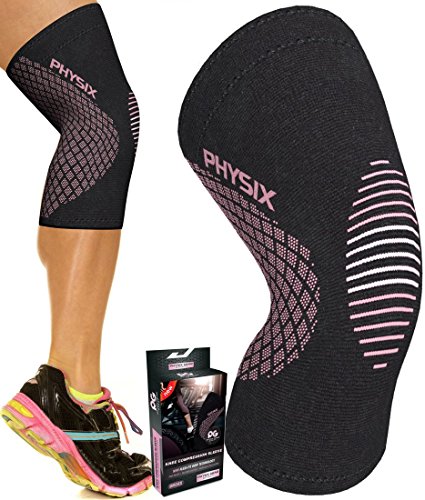
Description: Transform Your Workout Routine: this compression sleeve knee brace provides unmatched support for running, weightlifting, & daily activities. ideal for those who need compression knee sleeves brace. Empower Your Knees: our knee brace for swelling is crafted with high-quality materials to ensure long-lasting durability & comfort; excellent knee sleeves for compression that adapt to your movements, making it perfect for both men & women |
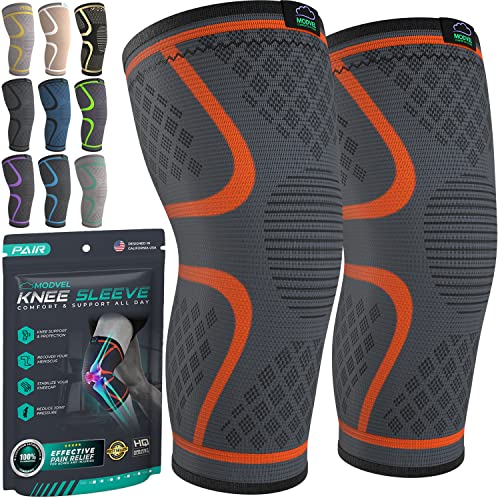
Description: No Pill & Injection Relief: Avert pain, inflammation, and sports injury with our knee braces for knee pain. It offers optimum support. Breathable & Moisture-Wicking: Designed for your active lifestyle, our knee braces for knee pain won't trap sweat! It will keep odors away and stay cool for all-day use |
Description: Knee Brace For Knee Pain Relief & Support: ComfiLife Knee Brace fits left or right knee and helps relieve pain from meniscus tears, sports injuries, tendonitis, arthritis, and more. For Working Out, Running, Weightlifting, and Sports: Whether you're running a half marathon, playing your favorite sport, or just getting through your day, our knee compression brace will help you keep your peak performance! |
|
Our Rating:
4.8
|
Our Rating:
4.4
|
Our Rating:
4.3
|
|
$18.89
|
$25.99
|
$9.95
|
Transform Your Workout Routine: this compression sleeve knee brace provides unmatched support for running, weightlifting, & daily activities. ideal for those who need compression knee sleeves brace.
Empower Your Knees: our knee brace for swelling is crafted with high-quality materials to ensure long-lasting durability & comfort; excellent knee sleeves for compression that adapt to your movements, making it perfect for both men & women
No Pill & Injection Relief: Avert pain, inflammation, and sports injury with our knee braces for knee pain. It offers optimum support.
Breathable & Moisture-Wicking: Designed for your active lifestyle, our knee braces for knee pain won't trap sweat! It will keep odors away and stay cool for all-day use
Knee Brace For Knee Pain Relief & Support: ComfiLife Knee Brace fits left or right knee and helps relieve pain from meniscus tears, sports injuries, tendonitis, arthritis, and more.
For Working Out, Running, Weightlifting, and Sports: Whether you're running a half marathon, playing your favorite sport, or just getting through your day, our knee compression brace will help you keep your peak performance!
How to Choose the Right Knee Brace for Cyclists
Selecting the perfect knee brace for cyclists requires careful consideration of multiple factors. The wrong choice can not only fail to provide relief but may actually worsen your condition or interfere with your cycling performance.
Assessing Your Knee Condition
Before choosing a brace, it’s crucial to understand what knee brace is best for knee pain based on your specific condition. Consider these factors:
Pain location and intensity:
- Front of knee: Likely patellofemoral issues
- Side of knee: Possible IT band or ligament problems
- Behind knee: May indicate meniscus or hamstring issues
- Generalized pain: Could suggest arthritis or overuse
Timing of pain:
- During rides: Mechanical or biomechanical issues
- After rides: Inflammation or overuse
- Constant pain: May require medical evaluation
Previous injuries:
- Document any prior knee surgeries or injuries
- Consider how old injuries might affect current symptoms
- Evaluate if previous treatments were effective
Sizing and Fit Considerations
Proper fit is absolutely critical for knee brace effectiveness. An ill-fitting brace can cause more problems than it solves. Here’s how to know what size knee brace you need:
Measurement guidelines:
- Knee circumference: Measure around the center of your kneecap
- Thigh circumference: Measure 6 inches above the kneecap
- Calf circumference: Measure 6 inches below the kneecap
Fit testing:
- The brace should feel snug but not restrictive
- You should be able to slide one finger under the brace
- No pinching or pressure points
- Full range of motion maintained
Material and Construction Features
Modern knee braces for cyclists incorporate advanced materials designed for athletic performance:
Moisture-wicking fabrics:
- Synthetic blends that pull sweat away from skin
- Antimicrobial treatments to prevent odor
- Quick-drying properties for multi-day tours
Breathable panels:
- Mesh inserts in high-heat areas
- Perforated neoprene for ventilation
- Strategic placement to maximize airflow
Durability features:
- Reinforced stitching in stress areas
- Abrasion-resistant materials
- Machine-washable construction
Proper Fitting and Wearing Techniques
Even the best knee brace for cyclists won’t be effective if worn incorrectly. Proper fitting and wearing techniques are essential for maximum benefit and comfort during rides.
Step-by-Step Fitting Guide
Understanding how to put on a knee brace properly ensures optimal performance and comfort:
Pre-fitting preparation:
- Clean and dry your leg thoroughly
- Remove any lotions or oils that might affect grip
- Have your cycling shorts nearby for compatibility testing
Fitting process:
- Position the brace with the center over your kneecap
- Secure the bottom strap first, ensuring it’s snug but not tight
- Attach the top strap with moderate tension
- Adjust side straps if present, maintaining equal pressure
- Test range of motion by simulating pedaling movements
Common Fitting Mistakes to Avoid
Over-tightening: This is the most common error. A brace that’s too tight can:
- Restrict blood circulation
- Cause numbness or tingling
- Create pressure sores
- Reduce pedaling efficiency
Incorrect positioning: The brace should be centered on your knee, not shifted up or down. Misalignment can:
- Reduce effectiveness
- Create uncomfortable pressure points
- Interfere with natural knee mechanics
Ignoring manufacturer guidelines: Each brace design has specific fitting requirements. Always follow the manufacturer’s instructions for optimal results.
Wearing Duration and Timing
Many cyclists wonder about appropriate wearing schedules. Here are evidence-based guidelines:
Pre-ride preparation:
- Put on the brace 10-15 minutes before riding
- Allow time for adjustment and comfort assessment
- Test with a short ride before longer distances
During rides:
- Monitor for any pressure points or discomfort
- Adjust as needed during rest stops
- Stay hydrated to prevent swelling that might affect fit
Post-ride care:
- Remove the brace gradually to assess knee condition
- Look for any red marks or irritation
- Clean the brace according to manufacturer instructions
For those wondering about extended wear, our guide on how many hours a day should I wear a knee brace provides detailed recommendations.
Maintenance and Care for Cycling Knee Braces
Proper maintenance extends the life of your knee brace for cyclists and ensures optimal hygiene during long rides. Cycling generates significant heat and moisture, making regular cleaning essential.
Daily Maintenance Routine
After each ride:
- Remove the brace and inspect for wear or damage
- Wipe down with a damp cloth to remove sweat and debris
- Allow to air dry completely before storage
- Check straps and closures for proper function
Weekly deep cleaning:
- Hand wash with mild detergent and lukewarm water
- Rinse thoroughly to remove all soap residue
- Air dry away from direct heat or sunlight
- Inspect for signs of wear or deterioration
Storage and Longevity Tips
Proper storage:
- Store in a cool, dry place
- Avoid folding or creasing hinged braces
- Keep away from extreme temperatures
- Use breathable storage bags when traveling
Signs it’s time to replace:
- Visible wear or fraying of materials
- Loss of compression or support
- Persistent odors despite cleaning
- Changes in fit or comfort
- Broken straps or hardware
Troubleshooting Common Issues
Even with proper selection and fitting, cyclists may experience issues with their knee braces. Understanding how to address common problems ensures continued comfort and effectiveness.
Brace Slipping or Sliding
One of the most frustrating issues cyclists face is keeping their knee brace from sliding down during rides. This problem can significantly impact both comfort and effectiveness.
Common causes:
- Incorrect sizing (usually too large)
- Worn-out elastic materials
- Excessive moisture or sweat
- Incompatible clothing underneath
Solutions:
- Use grip strips or adhesive aids
- Adjust strap tension for better hold
- Consider a different brace style
- Wear appropriate undergarments
Discomfort and Pressure Points
Discomfort during cycling can indicate fitting or selection issues:
Identifying pressure points:
- Red marks after removal
- Numbness or tingling
- Sharp pain in specific areas
- Reduced circulation signs
Adjustment strategies:
- Redistribute pressure with padding
- Modify strap positioning
- Consider a different size or style
- Consult with a healthcare provider if issues persist
Performance Impact Concerns
Some cyclists worry that knee braces might negatively affect their performance. Research shows that properly fitted braces typically have minimal impact on cycling efficiency while providing significant benefits for injury prevention and pain management.
Optimizing performance with a brace:
- Choose lightweight, low-profile designs
- Ensure proper fit to minimize bulk
- Gradually increase wearing time to adapt
- Focus on the long-term benefits of injury prevention
When to Consult Healthcare Professionals
While knee braces can provide excellent support for many cycling-related knee issues, certain situations require professional medical evaluation and guidance.
Red Flag Symptoms
Seek immediate medical attention for:
- Severe pain that prevents normal activities
- Significant swelling that doesn’t respond to rest and ice
- Inability to bear weight on the affected leg
- Visible deformity or instability
- Signs of infection (fever, warmth, redness)
Working with Sports Medicine Specialists
Benefits of professional consultation:
- Accurate diagnosis of underlying conditions
- Customized treatment plans
- Prescription for medical-grade braces if needed
- Integration with physical therapy programs
- Monitoring of progress and adjustments
Questions to ask your healthcare provider:
- What type of knee brace would be most beneficial for my condition?
- How long should I wear the brace each day?
- Are there specific exercises I should do while wearing the brace?
- What signs should I watch for that might indicate the need for a different treatment approach?
Understanding what injuries require a knee brace can help you determine when professional guidance is necessary.
Integration with Cycling Training and Recovery
A knee brace for cyclists should complement, not replace, a comprehensive approach to knee health that includes proper training, recovery, and injury prevention strategies.
Training Modifications
Gradual progression principles:
- Increase mileage by no more than 10% per week
- Include adequate rest days in your training schedule
- Focus on proper bike fit and positioning
- Incorporate strength training for supporting muscles
Technique considerations:
- Maintain proper pedaling form
- Avoid excessive gear ratios that strain the knees
- Practice smooth, circular pedaling motions
- Consider professional bike fitting services
Recovery Strategies
Active recovery methods:
- Gentle stretching and mobility work
- Low-intensity cross-training activities
- Proper nutrition and hydration
- Adequate sleep for tissue repair
Passive recovery techniques:
- Ice therapy for acute inflammation
- Compression garments for improved circulation
- Elevation when resting
- Professional massage therapy
For cyclists dealing with arthritis, our comprehensive guide on whether knee braces help with arthritis provides valuable insights into managing this condition while maintaining an active cycling lifestyle.
Cost Considerations and Value Assessment
Investing in a quality knee brace for cyclists represents a smart long-term strategy for maintaining knee health and cycling enjoyment. Understanding the cost-benefit relationship helps ensure you make an informed decision.
Price Ranges and Features
Budget options ($15-$40):
- Basic compression sleeves
- Simple neoprene construction
- Limited adjustability
- Suitable for mild discomfort or prevention
Mid-range options ($40-$100):
- Enhanced materials and construction
- Better moisture management
- Adjustable compression
- Patella support features
Premium options ($100-$300):
- Advanced materials and engineering
- Custom fit options
- Medical-grade construction
- Specialized features for specific conditions
Long-term Value Calculation
Consider these factors:
- Cost of potential medical treatments
- Lost riding time due to injuries
- Replacement costs for cheaper alternatives
- Impact on overall cycling enjoyment and health
Return on investment:
A quality knee brace that prevents a single significant injury or allows continued cycling for years can easily justify its initial cost many times over.
Future Trends in Cycling Knee Support
The field of cycling knee support continues to evolve with advances in materials science, biomechanics research, and wearable technology.
Emerging Technologies
Smart braces with sensors:
- Real-time monitoring of knee mechanics
- Data integration with cycling computers
- Predictive analytics for injury prevention
- Personalized feedback and recommendations
Advanced materials:
- Graphene-enhanced fabrics for superior strength and flexibility
- Phase-change materials for temperature regulation
- Antimicrobial treatments for extended wear
- Biodegradable options for environmental sustainability
Research and Development
Current research focus areas:
- Biomechanical optimization for cycling-specific movements
- Personalized brace design based on individual anatomy
- Integration with bike fit and positioning systems
- Long-term effectiveness studies
Conclusion
Choosing the right knee brace for cyclists can transform your riding experience from painful endurance to pure enjoyment. Whether you’re dealing with existing knee issues or looking to prevent future problems, the right support can keep you pedaling strong for years to come.
The key to success lies in understanding your specific needs, selecting appropriate brace types, ensuring proper fit, and maintaining your equipment correctly. Remember that a knee brace is just one component of a comprehensive approach to knee health that should also include proper bike fit, gradual training progression, and attention to overall biomechanics.
Take action today:
- Assess your current knee health and identify any areas of concern
- Research brace options that match your specific needs and riding style
- Consult with healthcare professionals if you have significant pain or previous injuries
- Invest in quality – your knees are worth the investment in proper support
- Integrate brace use with proper training, recovery, and bike fit practices
Don’t let knee pain sideline your cycling passion. With the right knee brace for cyclists and a comprehensive approach to knee health, you can continue enjoying the freedom and joy of cycling well into the future. Start your journey toward pain-free riding today, and discover how proper knee support can unlock your full cycling potential.