

Every step counts when you’re a runner, but what happens when knee pain threatens to sideline your passion? 🏃♂️ Whether you’re training for your first 5K or tackling ultramarathons, knee discomfort can transform your favorite activity into a painful ordeal. The good news is that the right knee brace for running can be a game-changer, providing the support and stability you need to keep moving forward safely and comfortably.
Key Takeaways
• Knee braces for running provide essential support, stability, and pain relief for various knee conditions including arthritis, meniscus tears, and runner’s knee
• Different types of running knee braces serve specific purposes – compression sleeves for mild support, hinged braces for serious injuries, and patellar straps for kneecap pain
• Proper fit and sizing are crucial for effectiveness and comfort during running activities
• Quality knee braces can help prevent further injury while allowing continued participation in running and other physical activities
• Consultation with healthcare professionals is recommended for serious knee injuries or chronic pain conditions
Understanding Knee Pain in Runners

Running places significant stress on the knee joint, making it one of the most commonly injured areas among athletes. The repetitive impact and forward motion can lead to various conditions that benefit from proper knee support.
Common Running-Related Knee Issues
Runner’s Knee (Patellofemoral Pain Syndrome) affects the area around the kneecap and causes pain during running, especially on hills or stairs. This condition often results from muscle imbalances or improper tracking of the kneecap.
IT Band Syndrome creates pain on the outside of the knee and is particularly common among distance runners. The iliotibial band becomes tight and rubs against the knee bone, causing inflammation and discomfort.
Meniscus Tears can occur from sudden twisting movements or gradual wear over time. These injuries affect the cartilage that cushions the knee joint and can cause pain, swelling, and limited mobility.
Arthritis in the knee joint becomes more common with age and can make running painful without proper support. The breakdown of cartilage leads to bone-on-bone contact and inflammation.
How Knee Braces Help Runners
A well-designed knee brace for running addresses these issues through several mechanisms:
- Compression reduces swelling and improves blood circulation
- Stability prevents excessive movement that could worsen injuries
- Pain relief through targeted pressure and support
- Confidence allowing runners to maintain their training routine
Types of Knee Braces for Running
Choosing the right type of knee support depends on your specific condition, activity level, and personal preferences. Understanding the different options available helps ensure you select the most appropriate solution.
Compression Knee Sleeves
Compression sleeves are the most popular choice among recreational runners. These slip-on supports provide:
- Mild to moderate compression that reduces swelling
- Warmth retention that keeps joints flexible
- Lightweight design that doesn’t restrict movement
- Moisture-wicking materials for comfort during long runs
Compression sleeves work well for general knee discomfort, mild arthritis, and preventive support. They’re ideal for runners who want basic protection without bulk or complicated adjustments.
Hinged Knee Braces
Hinged braces offer maximum support for serious knee injuries. These braces feature:
- Metal or plastic hinges that control knee movement
- Adjustable straps for customized fit and compression
- Side stabilization to prevent lateral movement
- Protection against hyperextension and other dangerous movements
Hinged braces are recommended for meniscus tears, ligament injuries, and post-surgical recovery. While bulkier than other options, they provide unmatched stability for serious conditions.
Patellar Tracking Braces
Patellar tracking braces specifically address kneecap alignment issues. These specialized supports include:
- Buttress pads that guide proper kneecap movement
- Targeted compression around the patella
- Open patella design that reduces pressure on the kneecap
- Lightweight construction suitable for active use
These braces are particularly effective for runner’s knee and other patellofemoral disorders.
Wraparound Knee Supports
Wraparound braces offer adjustable support through hook-and-loop closures. Benefits include:
- Easy application without removing shoes
- Customizable compression levels
- Versatile sizing that accommodates swelling changes
- Dual-strap design for targeted support areas
|
Very Popular Choice
|
|

|
|
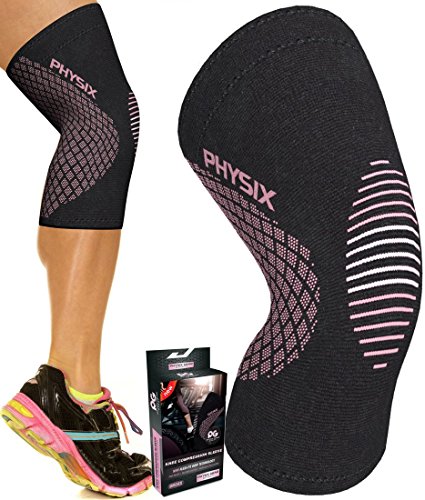
Description: Transform Your Workout Routine: this compression sleeve knee brace provides unmatched support for running, weightlifting, & daily activities. ideal for those who need compression knee sleeves brace. Empower Your Knees: our knee brace for swelling is crafted with high-quality materials to ensure long-lasting durability & comfort; excellent knee sleeves for compression that adapt to your movements, making it perfect for both men & women |
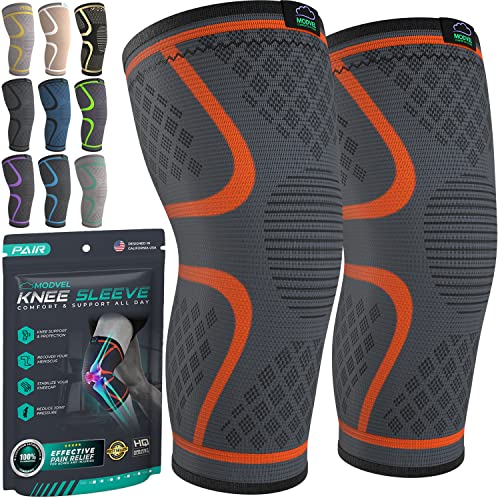
Description: No Pill & Injection Relief: Avert pain, inflammation, and sports injury with our knee braces for knee pain. It offers optimum support. Breathable & Moisture-Wicking: Designed for your active lifestyle, our knee braces for knee pain won't trap sweat! It will keep odors away and stay cool for all-day use |
Description: Knee Brace For Knee Pain Relief & Support: ComfiLife Knee Brace fits left or right knee and helps relieve pain from meniscus tears, sports injuries, tendonitis, arthritis, and more. For Working Out, Running, Weightlifting, and Sports: Whether you're running a half marathon, playing your favorite sport, or just getting through your day, our knee compression brace will help you keep your peak performance! |
|
Our Rating:
4.8
|
Our Rating:
4.4
|
Our Rating:
4.3
|
|
$18.89
|
$25.99
|
$9.95
|
Transform Your Workout Routine: this compression sleeve knee brace provides unmatched support for running, weightlifting, & daily activities. ideal for those who need compression knee sleeves brace.
Empower Your Knees: our knee brace for swelling is crafted with high-quality materials to ensure long-lasting durability & comfort; excellent knee sleeves for compression that adapt to your movements, making it perfect for both men & women
No Pill & Injection Relief: Avert pain, inflammation, and sports injury with our knee braces for knee pain. It offers optimum support.
Breathable & Moisture-Wicking: Designed for your active lifestyle, our knee braces for knee pain won't trap sweat! It will keep odors away and stay cool for all-day use
Knee Brace For Knee Pain Relief & Support: ComfiLife Knee Brace fits left or right knee and helps relieve pain from meniscus tears, sports injuries, tendonitis, arthritis, and more.
For Working Out, Running, Weightlifting, and Sports: Whether you're running a half marathon, playing your favorite sport, or just getting through your day, our knee compression brace will help you keep your peak performance!
Choosing the Right Knee Brace for Running
Selecting the most appropriate knee support requires careful consideration of multiple factors. The wrong choice can lead to discomfort, reduced effectiveness, or even additional problems.
Assessing Your Knee Condition
Mild discomfort or prevention typically requires only basic compression sleeves or lightweight supports. These provide gentle compression and warmth without restricting natural movement.
Moderate pain or specific conditions like runner’s knee may benefit from patellar tracking braces or moderate-support wraparound designs. These offer targeted relief while maintaining running capability.
Severe injuries or chronic conditions often require hinged braces or medical-grade supports. Consultation with healthcare professionals becomes essential for proper treatment planning.
Activity Level Considerations
Casual runners who jog a few times per week can usually manage with basic compression sleeves or simple wraparound braces. Comfort and ease of use take priority over maximum support.
Serious athletes training regularly or competitively may need more sophisticated bracing solutions. Performance, durability, and precise fit become crucial factors in the selection process.
Trail runners face additional challenges from uneven terrain and require braces that provide stability without bulk. Lightweight hinged braces or high-quality compression sleeves work well for these conditions.
Material and Construction Quality
Breathable fabrics like neoprene blends or moisture-wicking synthetics prevent overheating during extended activity. Poor ventilation can lead to skin irritation and reduced compliance with brace wearing.
Durable construction ensures the brace maintains its supportive properties through repeated use and washing. Reinforced stitching and quality materials justify higher initial costs through extended lifespan.
Hypoallergenic materials are essential for runners with sensitive skin or allergies. Natural fibers or specially treated synthetics reduce the risk of skin reactions.
Proper Fit and Sizing for Running Knee Braces
The most expensive knee brace becomes worthless if it doesn’t fit properly. Correct sizing and adjustment are crucial for both effectiveness and comfort during running activities.
Measuring for the Perfect Fit
Circumference measurements at multiple points around the knee provide the foundation for proper sizing. Most manufacturers require measurements above and below the kneecap, with some requesting thigh and calf dimensions as well.
Timing of measurements affects accuracy, as knee size can vary throughout the day due to swelling or activity level. Morning measurements when swelling is minimal typically provide the most accurate baseline.
Professional fitting may be beneficial for expensive or medical-grade braces. Many orthopedic suppliers and sports medicine clinics offer fitting services that ensure optimal results.
Understanding how a knee brace should fit is essential for maximizing both comfort and therapeutic benefit.
Common Fitting Mistakes
Too tight braces can restrict blood circulation and cause numbness, tingling, or increased pain. Signs of excessive tightness include skin discoloration or persistent indentation marks after removal.
Too loose braces fail to provide adequate support and may slide during activity. Proper compression should feel snug but not restrictive, allowing full range of motion without shifting.
Incorrect positioning reduces effectiveness even with proper sizing. The brace should center over the kneecap with support elements aligned according to manufacturer instructions.
For those concerned about circulation, learning about whether knee braces can cut off circulation provides important safety information.
Benefits of Using a Knee Brace for Running
The advantages of proper knee support extend beyond simple pain relief. Quality bracing can transform your running experience and help maintain long-term joint health.
Immediate Pain Relief
Targeted compression reduces inflammation and provides immediate comfort during activity. Many runners report significant pain reduction within the first few uses of appropriate knee support.
Improved stability allows confident movement without fear of sudden pain or injury. This psychological benefit often proves as important as the physical support provided.
Enhanced performance can result from reduced pain and increased confidence. Runners often find they can maintain better form and pace when knee discomfort is properly managed.
Long-Term Joint Protection
Reduced wear and tear on knee structures can slow the progression of degenerative conditions. Proper support helps maintain healthy movement patterns that protect cartilage and ligaments.
Injury prevention becomes possible through improved stability and proprioception. Many runners use knee braces proactively to prevent problems rather than just treat existing conditions.
Extended running careers are often possible with appropriate support. Many athletes who might otherwise need to quit running can continue their passion with proper bracing.
Research into whether knee braces really help supports these benefits for many common knee conditions.
Psychological Benefits
Increased confidence in knee stability often proves as valuable as physical support. Runners who trust their equipment can focus on performance rather than injury concerns.
Reduced anxiety about re-injury allows full participation in training and competition. This mental aspect of recovery is often overlooked but crucial for returning to peak performance.
Motivation maintenance becomes easier when pain doesn’t interfere with running enjoyment. Consistent training leads to better fitness and overall health outcomes.
Best Practices for Running with a Knee Brace
Maximizing the benefits of knee support requires proper use, maintenance, and integration into your running routine. Following established best practices ensures optimal results and prevents common problems.
Pre-Run Preparation
Proper application starts with clean, dry skin and correctly positioned brace components. Take time to ensure all straps, hinges, and support elements are properly aligned before beginning activity.
Gradual break-in periods help your body adjust to the new support. Start with shorter runs and gradually increase distance as comfort improves with the brace.
Skin protection may be necessary for longer runs or sensitive skin. Thin moisture-wicking underlayers can prevent chafing while maintaining brace effectiveness.
During Your Run
Regular monitoring of brace position and comfort helps prevent problems before they become serious. Stop to readjust if the brace shifts or causes discomfort.
Hydration awareness becomes more important as some braces can increase local temperature and sweating. Plan for additional fluid needs during longer runs.
Pace adjustments may be necessary initially as your body adapts to the additional support. Don’t push through significant discomfort during the adjustment period.
Post-Run Care
Immediate removal and cleaning prevent bacteria buildup and skin irritation. Most knee braces benefit from air drying between uses to maintain freshness.
Skin inspection helps identify potential problems early. Look for unusual redness, irritation, or pressure marks that might indicate fit issues.
Brace maintenance according to manufacturer instructions extends lifespan and maintains effectiveness. Regular washing and proper storage prevent premature wear and odor development.
For those wondering about extended wear, information about wearing a knee brace all day addresses common concerns.
When to Consult a Healthcare Professional
While many knee issues can be successfully managed with over-the-counter bracing solutions, certain situations require professional medical evaluation and treatment.
Red Flag Symptoms
Severe pain that doesn’t improve with rest, ice, and basic support needs professional evaluation. Persistent severe pain may indicate serious injury requiring medical treatment.
Significant swelling that doesn’t respond to compression and elevation could signal serious injury or infection. Rapid onset of severe swelling requires immediate medical attention.
Mechanical symptoms like locking, catching, or giving way suggest structural damage that may need surgical intervention. These symptoms rarely improve with bracing alone.
Numbness or tingling in the leg or foot could indicate nerve involvement or circulation problems. These symptoms require prompt medical evaluation.
Professional Treatment Options
Physical therapy often provides the foundation for successful knee problem management. Therapists can address underlying movement patterns and muscle imbalances that contribute to knee pain.
Injection therapies like corticosteroids or hyaluronic acid can provide significant relief for certain conditions. These treatments often work synergistically with appropriate bracing.
Surgical interventions may be necessary for severe structural damage. Many post-surgical patients benefit from specialized bracing during recovery and return to activity.
Understanding what brace is best for knee pain often requires professional guidance for optimal results.
Specific Conditions and Knee Brace Recommendations
Different knee conditions respond better to specific types of bracing. Understanding these relationships helps ensure you choose the most appropriate support for your particular situation.
Arthritis and Degenerative Conditions
Osteoarthritis in the knee joint benefits from unloader braces that shift weight away from damaged cartilage areas. These specialized braces can significantly reduce pain and improve function.
Rheumatoid arthritis often responds well to compression sleeves that provide warmth and gentle support without restricting movement. The anti-inflammatory effects of compression can provide substantial relief.
General joint degeneration may benefit from moderate support braces that provide stability without excessive bulk. The goal is maintaining activity levels while protecting remaining healthy tissue.
For specific guidance on arthritis knee braces, detailed information is available about different options and their effectiveness.
Acute Injuries
Ligament sprains require different support levels depending on severity. Mild sprains may need only compression sleeves, while severe injuries often require hinged braces for proper healing.
Meniscus tears can often be managed conservatively with appropriate bracing. The type of tear and its location influence the most appropriate brace selection.
Acute inflammation from overuse or minor injury typically responds well to compression sleeves that provide gentle support and promote healing circulation.
Chronic Pain Conditions
Patellofemoral pain syndrome often improves with patellar tracking braces that guide proper kneecap movement. These specialized braces address the underlying biomechanical problems causing pain.
IT band syndrome may benefit from braces that provide lateral stability and reduce stress on the iliotibial band. Compression sleeves with targeted support zones work well for this condition.
Chronic instability from old injuries often requires hinged braces for safe activity participation. These braces provide confidence and protection against re-injury.
Cost Considerations and Value Analysis
Knee brace prices vary dramatically based on features, materials, and intended use. Understanding the relationship between cost and value helps ensure you make the most appropriate investment for your needs.
Budget-Friendly Options
Basic compression sleeves typically cost $15-40 and provide excellent value for mild support needs. These simple designs often prove sufficient for preventive use or minor discomfort.
Simple wraparound braces in the $25-60 range offer adjustable support for moderate conditions. These versatile options work well for various knee problems and activity levels.
Generic brands can provide substantial savings while maintaining adequate quality for many users. However, fit and durability may not match premium options.
Premium Investment Options
Medical-grade braces costing $100-500+ offer superior materials, construction, and support for serious conditions. These investments often prove worthwhile for significant knee problems or active lifestyles.
Custom-fitted braces represent the highest cost but provide optimal fit and function for complex conditions. Insurance coverage may be available for medically necessary custom bracing.
Specialized designs for specific conditions command premium prices but offer targeted solutions that generic braces cannot match.
Long-Term Value Considerations
Durability factors significantly impact overall value, as quality braces may last years with proper care. Cheap braces that fail quickly often cost more in the long run through replacement needs.
Health benefits from proper support can prevent costly medical treatments or surgical interventions. The investment in quality bracing often pays for itself through avoided healthcare costs.
Activity maintenance allows continued participation in running and other activities that provide significant health and quality of life benefits.
For comprehensive guidance on selection, information about choosing the right knee brace covers important decision factors.
Maintenance and Care for Running Knee Braces
Proper maintenance extends the lifespan of your knee brace while ensuring continued effectiveness and hygiene. Different materials and designs require specific care approaches for optimal results.
Daily Care Routines
Post-run cleaning prevents bacteria and odor buildup that can cause skin irritation and material degradation. Most braces benefit from gentle hand washing with mild soap and thorough rinsing.
Air drying maintains material integrity better than machine drying for most knee braces. High heat can damage elastic fibers and reduce the supportive properties of the brace.
Rotation between multiple braces allows thorough drying and extends overall lifespan when running frequency is high. Having backup braces also ensures continued support if primary braces need repair.
Long-Term Storage
Clean and dry storage prevents mold, mildew, and material degradation during periods of non-use. Proper storage maintains brace effectiveness and extends usable lifespan.
Avoiding compression during storage helps maintain the shape and supportive properties of structured braces. Hanging or flat storage works better than compressed storage for most designs.
Regular inspection for wear signs helps identify when replacement becomes necessary. Early detection of problems allows for planned replacement rather than emergency purchases.
Replacement Indicators
Loss of compression or support indicates that elastic materials have reached the end of their effective lifespan. Continued use of worn-out braces provides little benefit and may create false confidence.
Material breakdown like cracking, fraying, or persistent odors suggests replacement time has arrived. Damaged braces may cause skin irritation or fail when support is most needed.
Fit changes due to weight loss, muscle development, or injury recovery may necessitate new brace selection even when the current brace remains functional.
Conclusion
Finding the right knee brace for running can be transformative for athletes dealing with knee pain or instability. Whether you’re managing arthritis, recovering from injury, or seeking preventive support, the proper brace enables continued participation in the running activities you love.
The key to success lies in understanding your specific needs, choosing appropriate brace types, and ensuring proper fit and use. From basic compression sleeves for mild support to sophisticated hinged braces for serious conditions, options exist for virtually every situation and budget.
Remember that knee braces work best as part of a comprehensive approach to knee health that may include proper training, strength exercises, and professional medical care when needed. Don’t hesitate to consult healthcare professionals for persistent or severe knee problems.
Take action today by assessing your knee support needs and exploring the various knee brace options available. Your knees support every step of your running journey – give them the support they deserve in return. Start with a quality knee brace that matches your specific condition and activity level, and experience the confidence that comes from proper knee support.
With the right knee brace for running, you can continue pursuing your passion for running while protecting your long-term joint health. Don’t let knee pain sideline your goals – take control with appropriate support and keep moving toward your running aspirations. 🏃♀️
SEO Meta Title: Best Knee Brace for Running 2026: Complete Guide & Reviews