

Picture this: You’re approaching your personal best squat, the weight feels heavier than ever, and suddenly you feel that familiar twinge in your knee. For many weightlifters, knee discomfort can be the difference between crushing their goals and sitting on the sidelines. A Knee Brace for Weight Lifting might be the game-changing support you need to lift with confidence and protect your joints from injury.
Weight lifting places tremendous stress on the knees, especially during compound movements like squats and lunges. Whether you’re a seasoned powerlifter or just starting your fitness journey, understanding how knee braces can support your training is crucial for long-term joint health and performance.

Key Takeaways
• Knee braces provide stability and support during heavy lifting exercises, helping reduce strain on ligaments and tendons
• Different types of knee support serve different purposes – from compression sleeves for warmth to hinged braces for injury recovery
• Proper brace selection depends on your lifting style, injury history, and specific support needs
• Knee braces complement, not replace proper lifting technique and progressive strength training
• Professional guidance is essential for persistent knee pain or significant injuries
Why Weight Lifters Use Knee Braces 💪
Weight lifters turn to knee braces for several compelling reasons that go beyond simple pain relief. Understanding these motivations can help you determine if a Knee Brace for Weight Lifting is right for your training routine.
Added Joint Stability During Heavy Lifts
When you’re pushing your limits with heavy squats or deadlifts, your knees bear enormous loads. A quality knee brace provides external support that helps stabilize the joint, allowing you to maintain proper alignment even under extreme stress. This stability is particularly valuable during maximal lifts where form can break down.
Protection Against Strain and Injury
The repetitive nature of weight training, combined with progressive overload, puts cumulative stress on knee structures. Knee braces help distribute forces more evenly across the joint, reducing concentrated pressure on vulnerable areas like the patella (kneecap) and surrounding ligaments.
Increased Confidence When Lifting Heavier Weights
Mental confidence plays a huge role in lifting performance. Many athletes report feeling more secure and willing to push their limits when wearing appropriate knee support. This psychological benefit often translates into better training sessions and faster progress.
Support During Recovery from Previous Knee Injuries
If you’ve experienced knee injuries in the past, a brace can provide the extra support needed to return to lifting safely. The benefits of knee braces extend beyond immediate comfort to include long-term joint protection during the healing process.
Common Exercises That Stress the Knees
Understanding which exercises place the most demand on your knees helps you identify when knee support might be most beneficial. Here are the primary culprits:
High-Impact Knee Exercises
Squats 🏋️♂️
- Back squats, front squats, and overhead squats all create significant knee stress
- The deeper the squat, the greater the demand on knee stability
- Heavy loads amplify the forces acting on the joint
Lunges
- Forward, reverse, and lateral lunges challenge knee stability in multiple planes
- Single-leg loading increases demand on stabilizing muscles
- Dynamic movements require excellent knee control
Leg Presses
- High loads with limited stabilization requirements
- Deep knee flexion at the bottom of the movement
- Potential for knee valgus (inward collapse) under heavy loads
Olympic Lifts
- Clean and jerk movements involve explosive knee extension
- Snatch requires excellent knee mobility and stability
- Catching positions place unique demands on knee structures
The relationship between squats and knee braces is particularly important for powerlifters and strength athletes who perform these movements regularly with heavy loads.
|
Very Popular Choice
|
|

|
|
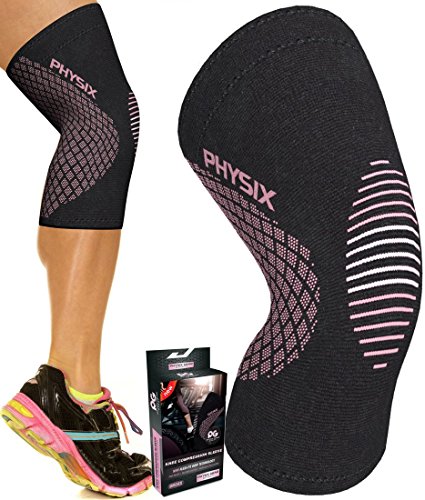
Description: Transform Your Workout Routine: this compression sleeve knee brace provides unmatched support for running, weightlifting, & daily activities. ideal for those who need compression knee sleeves brace. Empower Your Knees: our knee brace for swelling is crafted with high-quality materials to ensure long-lasting durability & comfort; excellent knee sleeves for compression that adapt to your movements, making it perfect for both men & women |
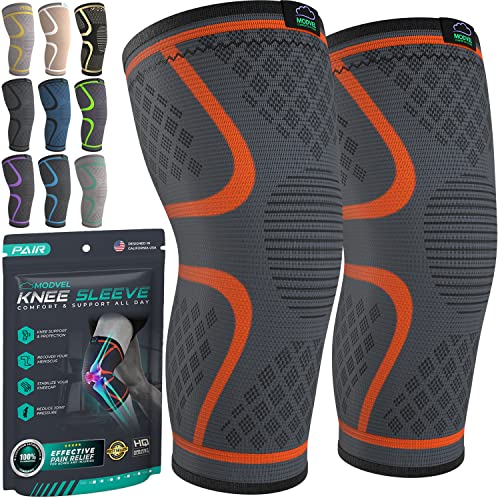
Description: No Pill & Injection Relief: Avert pain, inflammation, and sports injury with our knee braces for knee pain. It offers optimum support. Breathable & Moisture-Wicking: Designed for your active lifestyle, our knee braces for knee pain won't trap sweat! It will keep odors away and stay cool for all-day use |
Description: Knee Brace For Knee Pain Relief & Support: ComfiLife Knee Brace fits left or right knee and helps relieve pain from meniscus tears, sports injuries, tendonitis, arthritis, and more. For Working Out, Running, Weightlifting, and Sports: Whether you're running a half marathon, playing your favorite sport, or just getting through your day, our knee compression brace will help you keep your peak performance! |
|
Our Rating:
4.8
|
Our Rating:
4.4
|
Our Rating:
4.3
|
|
$18.89
|
$25.99
|
$9.95
|
Transform Your Workout Routine: this compression sleeve knee brace provides unmatched support for running, weightlifting, & daily activities. ideal for those who need compression knee sleeves brace.
Empower Your Knees: our knee brace for swelling is crafted with high-quality materials to ensure long-lasting durability & comfort; excellent knee sleeves for compression that adapt to your movements, making it perfect for both men & women
No Pill & Injection Relief: Avert pain, inflammation, and sports injury with our knee braces for knee pain. It offers optimum support.
Breathable & Moisture-Wicking: Designed for your active lifestyle, our knee braces for knee pain won't trap sweat! It will keep odors away and stay cool for all-day use
Knee Brace For Knee Pain Relief & Support: ComfiLife Knee Brace fits left or right knee and helps relieve pain from meniscus tears, sports injuries, tendonitis, arthritis, and more.
For Working Out, Running, Weightlifting, and Sports: Whether you're running a half marathon, playing your favorite sport, or just getting through your day, our knee compression brace will help you keep your peak performance!
Types of Knee Brace for Weight Lifting Support
Choosing the right type of knee support depends on your specific needs, lifting style, and any existing knee issues. Let’s explore the three main categories:
Knee Sleeves
Knee sleeves are the most popular choice among recreational and competitive lifters. These compression garments offer several benefits:
- Compression and Warmth: Improve blood flow and maintain joint temperature
- Proprioceptive Enhancement: Increase awareness of knee position and movement
- Mild Support: Provide gentle compression without restricting movement
- Versatility: Suitable for most lifting exercises and training styles
Knee Wraps
Primarily used in powerlifting competitions and heavy training sessions:
- Maximum Support: Provide the tightest compression and support
- Elastic Rebound: Store and release energy during squats
- Competition Legal: Approved for many powerlifting federations
- Technique Dependent: Require proper wrapping technique for effectiveness
Hinged Knee Braces
The most supportive option, typically used for injury recovery or severe instability:
- Structural Support: Metal or composite hinges provide maximum stability
- Injury Recovery: Ideal for post-surgery or significant ligament injuries
- Movement Control: Can limit range of motion if needed
- Professional Recommendation: Often prescribed by healthcare providers
For those dealing with specific injuries, a hinged knee brace may provide the comprehensive support needed for safe return to lifting.
Benefits of Using a Knee Brace While Lifting
The advantages of incorporating a Knee Brace for Weight Lifting into your routine extend far beyond simple pain relief:
Improved Knee Stability
External support helps maintain proper knee alignment during complex movements. This is particularly valuable during:
- Heavy compound exercises
- Unilateral (single-leg) movements
- Movements requiring rapid direction changes
Reduced Strain on Ligaments and Tendons
By providing external support, knee braces help:
- Distribute forces more evenly across joint structures
- Reduce peak stress on vulnerable tissues
- Minimize microtrauma from repetitive loading
Increased Confidence Under Heavy Loads
The psychological benefits shouldn’t be underestimated:
- Greater willingness to attempt personal records
- Improved focus on technique rather than injury fear
- Enhanced training consistency
Potential Support During Rehabilitation
For those recovering from injury:
- Graduated return to full activity
- Protection during the healing process
- Maintenance of training routine with modifications
Potential Downsides of Knee Braces ⚠️
While knee braces offer many benefits, it’s important to understand potential drawbacks:
Overreliance May Weaken Supporting Muscles
Excessive dependence on external support can lead to:
- Reduced activation of stabilizing muscles
- Decreased proprioceptive awareness over time
- Potential weakness when not wearing the brace
Movement Restrictions
Some braces may:
- Limit natural knee movement patterns
- Interfere with optimal lifting mechanics
- Cause compensatory movement patterns
Improper Fit Reduces Effectiveness
A poorly fitted brace can:
- Provide inadequate support
- Create pressure points or discomfort
- Slip during exercise, becoming a distraction
Understanding what are the downsides of knee braces helps you make an informed decision about their use in your training.
How to Choose the Right Knee Brace for Weight Lifting
Selecting the appropriate Knee Brace for Weight Lifting requires careful consideration of several factors:
Level of Support Needed
| Support Level | Best For | Brace Type |
|---|---|---|
| Mild | General comfort, minor aches | Compression sleeve |
| Moderate | Previous minor injuries, heavy training | Knee sleeve with patella support |
| Maximum | Significant injuries, post-surgery | Hinged knee brace |
Type of Lifting Performed
Casual Training
- Compression sleeves or basic knee sleeves
- Focus on comfort and unrestricted movement
- Moderate compression for joint awareness
Powerlifting/Heavy Training
- Knee wraps for maximum support during competition
- Thick neoprene sleeves for training sessions
- Competition-legal options if competing
Olympic Lifting
- Flexible sleeves that don’t restrict mobility
- Thin profile to fit under lifting shoes
- Quick-drying materials for intense sessions
Comfort and Mobility Considerations
- Material: Neoprene for warmth, breathable fabrics for comfort
- Thickness: Thicker for more support, thinner for mobility
- Closure Type: Slip-on vs. wrap-around designs
Material and Durability Factors
- Construction Quality: Reinforced stitching for heavy use
- Washability: Easy care for regular training use
- Longevity: Investment in quality pays off over time
For comprehensive guidance on selection, refer to our detailed guide on how to choose the right knee brace.
Proper Technique and Injury Prevention
Even the best Knee Brace for Weight Lifting cannot replace proper training fundamentals:
Importance of Correct Lifting Form
- Knee Alignment: Keep knees tracking over toes
- Hip Hinge: Initiate movements from the hips
- Controlled Descent: Avoid bouncing or rapid direction changes
- Full Range of Motion: Work through complete movement patterns
Strengthening Supporting Muscles
Focus on developing:
- Quadriceps: Front thigh muscles for knee extension
- Hamstrings: Posterior thigh muscles for knee flexion
- Glutes: Hip muscles for overall lower body stability
- Calves: Lower leg muscles for ankle stability
Gradual Progression in Weight
- Increase loads by 2.5-5% per week maximum
- Allow adequate recovery between intense sessions
- Listen to your body’s signals
- Deload periodically to prevent overuse
Warming Up Before Lifting
Proper warm-up includes:
- 5-10 minutes of light cardiovascular activity
- Dynamic stretching of major muscle groups
- Movement-specific warm-up sets
- Gradual load progression
When to Use a Knee Brace
Timing your use of a Knee Brace for Weight Lifting can maximize benefits while minimizing dependence:
During Heavy Lifting Sessions
- Personal record attempts
- Competition preparation
- High-intensity training blocks
- When fatigue might compromise form
While Recovering from Minor Knee Strain
- Return to activity after minor injuries
- Managing chronic conditions
- During rehabilitation protocols
- When recommended by healthcare providers
When Extra Stability is Needed
- Learning new movement patterns
- Increasing training volume
- Training through minor discomfort
- Building confidence after injury
For specific guidance on timing, explore reasons to wear a knee brace in various situations.
When to Seek Professional Advice 🩺
Certain situations require professional medical evaluation rather than self-treatment:
Persistent Knee Pain During Lifting
- Pain that doesn’t improve with rest
- Discomfort that worsens over time
- Pain that interferes with daily activities
- Symptoms that don’t respond to conservative treatment
Swelling or Instability in the Knee Joint
- Visible swelling that persists
- Feeling of knee “giving way”
- Locking or catching sensations
- Significant stiffness or limited motion
Difficulty Performing Basic Movements Without Discomfort
- Pain with walking or stair climbing
- Discomfort during normal daily activities
- Sleep disruption due to knee pain
- Inability to fully straighten or bend the knee
Understanding what are the signs you need a knee brace can help you determine when professional evaluation is necessary.
Conclusion
A Knee Brace for Weight Lifting can be a valuable tool for supporting your training goals and protecting your joints when used appropriately. From compression sleeves that provide gentle support during regular workouts to hinged braces that offer maximum stability during injury recovery, the right knee support can enhance your lifting experience and confidence.
Remember that knee braces work best as part of a comprehensive approach that includes proper lifting technique, progressive training, and adequate recovery. While they can provide excellent support and protection, they should complement, not replace, fundamental training principles and professional medical care when needed.
Your Next Steps:
- Assess your needs – Consider your lifting style, injury history, and support requirements
- Choose the appropriate type – Select from compression sleeves, knee wraps, or hinged braces based on your situation
- Ensure proper fit – Invest time in getting the right size and style for your body
- Start gradually – Introduce knee support slowly and monitor how your body responds
- Seek professional advice if you experience persistent pain or significant knee problems
By making an informed decision about knee support and combining it with proper training practices, you can continue pursuing your strength goals while protecting your long-term joint health.