

Protecting Your Knees While Pursuing Athletic Excellence
Picture this: you’re watching the Olympics, mesmerized by a gymnast’s flawless routine on the balance beam. What you might not notice are the subtle support systems helping protect their joints from the incredible forces their bodies endure. Knee brace gymnastics has become an essential topic for athletes, coaches, and anyone dealing with knee issues who wants to stay active in this demanding sport. 🤸♀️
Gymnastics places extraordinary demands on the knee joint. From explosive takeoffs to controlled landings, gymnasts’ knees absorb forces that can be up to 14 times their body weight. Whether you’re a competitive gymnast managing an injury or someone with knee problems who loves the sport, understanding how knee braces can help is crucial for your long-term joint health.
Key Takeaways
• Knee braces can significantly reduce injury risk in gymnastics by providing stability and support during high-impact movements
• Different brace types serve different purposes – from basic compression sleeves to advanced hinged braces for serious injuries
• Proper fit and timing are critical – wearing the wrong brace or using it incorrectly can actually increase injury risk
• Professional guidance is essential – always consult with healthcare providers and coaches before incorporating braces into training
• Braces are tools, not cures – they work best when combined with proper conditioning, technique, and recovery protocols
Understanding Knee Injuries in Gymnastics

Gymnastics is notorious for its high injury rates, with knee injuries accounting for approximately 15-20% of all gymnastics-related injuries. The repetitive nature of training, combined with the explosive power required for tumbling and vaulting, creates a perfect storm for knee problems.
Common Knee Injuries in Gymnastics
Patellar Tendinitis (Jumper’s Knee) 🏃♀️
This overuse injury affects the tendon connecting the kneecap to the shinbone. It’s incredibly common among gymnasts due to the constant jumping and landing involved in routines.
ACL Tears
The anterior cruciate ligament can be damaged during awkward landings or when changing direction quickly. Female gymnasts are particularly susceptible due to anatomical and hormonal factors.
Meniscus Tears
The cartilage cushions in the knee can tear from twisting motions or direct impact, especially common in floor exercise routines.
Patellofemoral Pain Syndrome
Often called “runner’s knee,” this condition causes pain around the kneecap and is frequently seen in gymnasts who train on hard surfaces.
Why Knee Injuries Happen in Gymnastics
| Risk Factor | Impact on Knees | Prevention Strategy |
|---|---|---|
| Repetitive jumping | Overuse injuries | Proper training progression |
| Hard landing surfaces | Impact trauma | Quality mats and equipment |
| Poor technique | Abnormal joint stress | Skilled coaching |
| Muscle imbalances | Unstable joint mechanics | Comprehensive conditioning |
| Previous injuries | Increased re-injury risk | Proper rehabilitation |
Understanding these injury patterns helps explain why knee braces can be so beneficial for gymnasts at all levels.
Types of Knee Braces for Gymnastics
Not all knee braces are created equal, especially when it comes to the unique demands of gymnastics. The right brace depends on your specific needs, injury history, and level of participation.
Compression Sleeves
Best for: Mild pain, swelling control, general support
Pros: Lightweight, breathable, allows full range of motion
Cons: Limited structural support
Compression sleeves are the most basic type of knee support. They work by improving blood flow and providing gentle compression that can help reduce swelling and provide proprioceptive feedback (your body’s awareness of joint position).
Patellar Stabilizing Braces
Best for: Kneecap tracking issues, patellofemoral pain
Pros: Targeted support for specific problems
Cons: May feel bulky initially
These braces feature a special cutout or buttress around the kneecap to help it track properly during movement. They’re particularly useful for gymnasts dealing with anterior knee pain.
Hinged Knee Braces
Best for: Ligament injuries, post-surgery support, severe instability
Pros: Maximum support and protection
Cons: Heavier, may restrict some movements
Hinged braces provide the highest level of support and are typically used for more serious injuries. They feature metal or carbon fiber hinges that mimic the knee’s natural movement while preventing harmful motions.
Unloader Braces
Best for: Arthritis, cartilage damage
Pros: Reduces pressure on damaged areas
Cons: Expensive, requires professional fitting
While less common in younger gymnasts, unloader braces can be helpful for older athletes or those with early arthritis who want to continue participating in gymnastics.
|
Very Popular Choice
|
|

|
|
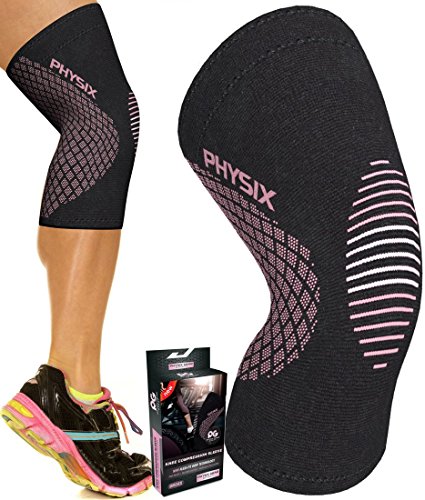
Description: Transform Your Workout Routine: this compression sleeve knee brace provides unmatched support for running, weightlifting, & daily activities. ideal for those who need compression knee sleeves brace. Empower Your Knees: our knee brace for swelling is crafted with high-quality materials to ensure long-lasting durability & comfort; excellent knee sleeves for compression that adapt to your movements, making it perfect for both men & women |
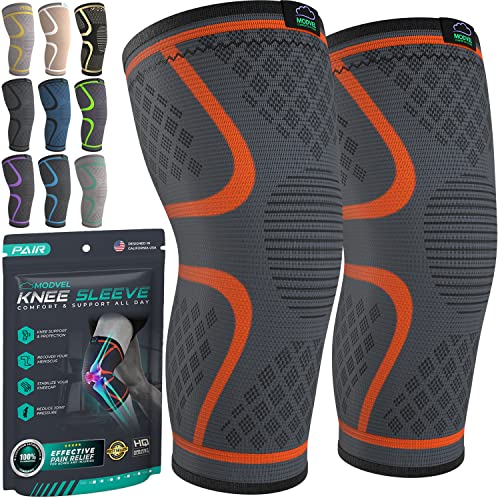
Description: No Pill & Injection Relief: Avert pain, inflammation, and sports injury with our knee braces for knee pain. It offers optimum support. Breathable & Moisture-Wicking: Designed for your active lifestyle, our knee braces for knee pain won't trap sweat! It will keep odors away and stay cool for all-day use |
Description: Knee Brace For Knee Pain Relief & Support: ComfiLife Knee Brace fits left or right knee and helps relieve pain from meniscus tears, sports injuries, tendonitis, arthritis, and more. For Working Out, Running, Weightlifting, and Sports: Whether you're running a half marathon, playing your favorite sport, or just getting through your day, our knee compression brace will help you keep your peak performance! |
|
Our Rating:
4.8
|
Our Rating:
4.4
|
Our Rating:
4.3
|
|
$14.17
|
$25.99
|
$15.95
|
Transform Your Workout Routine: this compression sleeve knee brace provides unmatched support for running, weightlifting, & daily activities. ideal for those who need compression knee sleeves brace.
Empower Your Knees: our knee brace for swelling is crafted with high-quality materials to ensure long-lasting durability & comfort; excellent knee sleeves for compression that adapt to your movements, making it perfect for both men & women
No Pill & Injection Relief: Avert pain, inflammation, and sports injury with our knee braces for knee pain. It offers optimum support.
Breathable & Moisture-Wicking: Designed for your active lifestyle, our knee braces for knee pain won't trap sweat! It will keep odors away and stay cool for all-day use
Knee Brace For Knee Pain Relief & Support: ComfiLife Knee Brace fits left or right knee and helps relieve pain from meniscus tears, sports injuries, tendonitis, arthritis, and more.
For Working Out, Running, Weightlifting, and Sports: Whether you're running a half marathon, playing your favorite sport, or just getting through your day, our knee compression brace will help you keep your peak performance!
Choosing the Right Knee Brace for Gymnastics Training
Selecting the appropriate knee brace for gymnastics isn’t a one-size-fits-all decision. Several factors need consideration to ensure you get the right support without compromising performance.
Assessing Your Needs
Current Injury Status 🩺
Are you dealing with an active injury, recovering from surgery, or looking for preventive support? The best knee brace for pain varies significantly based on your current condition.
Activity Level and Discipline
A recreational gymnast might need different support than a competitive athlete training 20+ hours per week. Similarly, different gymnastics events place varying demands on the knees.
Personal Comfort and Preferences
Some athletes prefer minimal support that doesn’t interfere with their “feel” for movements, while others prioritize maximum protection.
Professional Guidance is Key
Before investing in any knee brace, it’s crucial to consult with healthcare professionals who understand both your injury and the demands of gymnastics. This might include:
- Sports medicine physicians
- Physical therapists
- Athletic trainers
- Experienced gymnastics coaches
Understanding how to choose the right knee brace requires expertise that goes beyond reading product descriptions online.
Fit and Sizing Considerations
Proper Measurement 📏
Knee braces must fit correctly to be effective. This typically involves measuring:
- Thigh circumference (6 inches above kneecap)
- Kneecap circumference
- Calf circumference (6 inches below kneecap)
Range of Motion Testing
The brace should allow for the full range of motion required for gymnastics while still providing appropriate support. How a knee brace should fit is particularly important for athletes who need unrestricted movement.
Benefits of Using Knee Braces in Gymnastics
When used appropriately, knee braces can provide significant benefits for gymnasts at all levels. Understanding these advantages helps athletes and coaches make informed decisions about incorporating braces into training and competition routines.
Injury Prevention
Proprioceptive Enhancement 🧠
Knee braces improve your body’s awareness of joint position and movement. This enhanced feedback can help gymnasts make subtle adjustments to their technique, potentially preventing awkward landings or movements that could lead to injury.
Load Distribution
Quality knee braces help distribute forces more evenly across the joint, reducing stress on specific structures like ligaments or cartilage. This is particularly beneficial during high-impact activities like tumbling passes.
Muscle Activation Support
Some research suggests that knee braces can help improve the timing and coordination of muscle activation around the knee, leading to better joint stability during dynamic movements.
Pain Management and Support
For gymnasts dealing with existing knee issues, braces can provide:
- Reduced pain during activity
- Improved confidence in movement
- Extended training capacity
- Better sleep quality (for those wondering about wearing braces overnight)
Psychological Benefits
The mental aspect of injury recovery and prevention shouldn’t be underestimated. A well-fitted knee brace can provide:
Confidence Boost 💪
Knowing you have additional support can help gymnasts approach skills with less fear and hesitation.
Return-to-Sport Facilitation
Braces can serve as a bridge between injury and full return to activity, allowing for gradual progression while maintaining protection.
“A knee brace gave me the confidence to get back on beam after my ACL reconstruction. It wasn’t just physical support – it was mental support too.” – Former collegiate gymnast
Potential Drawbacks and Considerations
While knee braces offer many benefits, they’re not without potential drawbacks. Understanding these limitations helps ensure realistic expectations and proper use.
Performance Considerations
Movement Restrictions 🚫
Even the best-designed braces can slightly alter movement patterns. For sports requiring precise body awareness like gymnastics, this can initially feel uncomfortable or affect performance.
Weight and Bulk
Additional equipment means additional weight and bulk, which some gymnasts find distracting or performance-limiting.
Heat and Moisture
Extended training sessions in knee braces can lead to increased heat and moisture buildup, potentially causing skin irritation or discomfort.
Risk of Dependency
Psychological Dependence
Some athletes become overly reliant on their braces, feeling unable to participate without them even after injuries have healed.
Muscle Weakness
There’s ongoing debate about whether long-term brace use might lead to weakness in supporting muscles, though current research suggests this is more myth than reality when braces are used appropriately.
Proper Usage Guidelines
To maximize benefits and minimize risks:
Follow Professional Recommendations 👨⚕️
Always use braces as directed by healthcare providers or qualified athletic trainers.
Gradual Introduction
Allow time to adjust to wearing a brace during training before using it in competition.
Regular Assessment
Periodically reassess the need for bracing as conditions change and healing progresses.
Maintenance and Hygiene
Keep braces clean and in good repair to prevent skin issues and ensure continued effectiveness.
Best Practices for Knee Brace Gymnastics Training
Successfully incorporating knee braces into gymnastics training requires more than just strapping on a support and hoping for the best. These evidence-based practices can help maximize benefits while minimizing potential issues.
Gradual Integration Protocol
Week 1-2: Familiarization 📅
- Wear the brace during warm-up and basic skills only
- Focus on comfort and movement quality
- Practice putting on and adjusting the brace quickly
Week 3-4: Progressive Loading
- Incorporate brace use during moderate-intensity training
- Monitor for any changes in movement patterns
- Address any comfort issues with healthcare providers
Week 5+: Full Integration
- Use during regular training sessions as recommended
- Consider competition use only after extensive training experience
Training Modifications
Skill Progression Adjustments
When first using a knee brace, consider temporarily scaling back skill difficulty while adjusting to the new equipment. This doesn’t mean avoiding challenge – it means being smart about progression.
Surface Considerations
Pay extra attention to landing surfaces when wearing braces. The added support might change how forces are transmitted through your body, potentially affecting other joints.
Warm-up Modifications 🔥
Spend extra time on dynamic warm-up activities that help your body adjust to the feel of the brace before attempting complex skills.
Communication with Coaches
Open Dialogue
Keep coaches informed about:
- Any discomfort or concerns
- Changes in how skills feel
- Adjustments needed in training approach
Video Analysis
Consider recording training sessions to analyze whether the brace affects technique or movement quality.
Monitoring and Adjustment
Daily Check-ins
- Pain levels before, during, and after training
- Brace comfort and fit
- Any skin irritation or pressure points
- Overall confidence and performance
Weekly Assessments
- Review training logs with healthcare providers
- Assess progress toward goals
- Make necessary adjustments to brace type or usage
For gymnasts dealing with specific conditions, understanding whether knee braces help with swelling or other symptoms can guide these assessments.
Maintenance and Care of Gymnastics Knee Braces
Proper care extends the life of your knee brace and ensures it continues to provide optimal support. Given the intense training environment of gymnastics, maintenance becomes even more critical.
Daily Care Routine
Post-Training Cleaning 🧼
- Remove brace immediately after training
- Wipe down with antibacterial wipes or mild soap solution
- Allow to air dry completely before storage
Skin Care
- Check for any red marks, irritation, or pressure sores
- Apply appropriate skin protection products as recommended
- Address any issues immediately to prevent complications
Weekly Deep Cleaning
Machine Washing (if applicable)
- Check manufacturer instructions carefully
- Use gentle cycle with mild detergent
- Air dry only – never use heat
Hand Washing (for non-machine washable braces)
- Use lukewarm water and mild soap
- Gently scrub with soft brush if needed
- Rinse thoroughly and air dry
Storage and Transport
Proper Storage 📦
- Store in clean, dry location
- Avoid extreme temperatures
- Use breathable storage bags to prevent moisture buildup
Travel Considerations
For gymnasts who travel for competitions, proper brace transport is essential. Consider whether knee braces set off airport security when planning trips.
When to Replace Your Brace
Signs of Wear
- Stretched or loose straps
- Worn padding or cushioning
- Damaged hinges or support structures
- Persistent odors despite cleaning
Performance Changes
- Decreased support effectiveness
- Increased discomfort during use
- Changes in fit despite stable weight
Timeline Guidelines
Most knee braces should be replaced every 6-12 months with regular use, though this varies significantly based on:
- Quality of construction
- Frequency of use
- Care and maintenance
- Individual wear patterns
Special Considerations for Different Gymnastics Events
Each gymnastics event places unique demands on the knees, which affects brace selection and usage strategies. Understanding these differences helps optimize protection and performance.
Floor Exercise
Unique Challenges 🤸♀️
- Multiple tumbling passes with high-impact landings
- Rapid direction changes
- Extended routines (60-90 seconds of continuous activity)
Brace Considerations
- Lightweight options to avoid fatigue
- Excellent shock absorption
- Secure fit that won’t shift during routine
Vault
Unique Challenges
- Explosive takeoff from springboard
- High-velocity approach run
- Single, high-impact landing
Brace Considerations
- Maximum shock absorption
- Stability during approach run
- Quick adjustment capability between attempts
Balance Beam
Unique Challenges ⚖️
- Precision movements on narrow surface
- Emphasis on proprioception and balance
- Potential for awkward landings from height
Brace Considerations
- Minimal interference with proprioception
- Lightweight design
- Confidence-building support without bulk
Uneven Bars
Unique Challenges
- Primarily upper body focused
- Dismount landings
- Minimal knee stress during routine
Brace Considerations
- Focus on dismount protection
- Comfort during extended training sessions
- Easy removal between events
Age-Specific Considerations for Knee Brace Gymnastics
The approach to knee bracing in gymnastics varies significantly based on the athlete’s age, development stage, and competitive level.
Youth Gymnasts (Ages 6-12)
Developmental Considerations 👶
- Rapid growth and changing body proportions
- Developing movement patterns and coordination
- Lower injury rates but higher prevention focus
Brace Recommendations
- Simple compression sleeves for minor discomfort
- Emphasis on proper technique over bracing
- Professional evaluation for any persistent pain
Parental Guidance
Parents should work closely with coaches and healthcare providers to ensure appropriate use and avoid over-reliance on braces during crucial developmental years.
Teenage Gymnasts (Ages 13-18)
Unique Challenges 🧑🎓
- Growth spurts affecting coordination
- Increased training intensity and competition pressure
- Higher injury rates, especially in females
Brace Considerations
- More sophisticated bracing options appropriate
- Focus on injury prevention during growth spurts
- Education about proper use and limitations
Hormonal Factors
Female gymnasts in this age group face increased ACL injury risk due to hormonal changes. Preventing ACL tears becomes particularly important.
Adult Gymnasts (18+)
Considerations 👩🦳
- Previous injury history more significant
- Longer recovery times
- Different risk-benefit calculations
Brace Options
- Full range of bracing options available
- Focus on managing existing conditions
- Balancing performance with long-term joint health
The Future of Knee Brace Technology in Gymnastics
As we move through 2026, technological advances continue to improve knee brace design and effectiveness for gymnasts.
Smart Braces and Wearable Technology
Sensor Integration 📱
- Real-time monitoring of knee stress and movement patterns
- Data collection for injury prevention and performance optimization
- Feedback systems for technique improvement
Materials Innovation
- Lighter, stronger materials
- Improved breathability and moisture management
- Better integration with athletic wear
Customization and 3D Printing
Personalized Fit
- 3D scanning for perfect individual fit
- Custom padding and support zones
- Rapid prototyping for quick adjustments
Sport-Specific Design
- Braces designed specifically for gymnastics movements
- Event-specific optimization
- Integration with other protective equipment
Research and Development Trends
Evidence-Based Design 🔬
- Improved understanding of knee biomechanics in gymnastics
- Better injury prediction and prevention strategies
- Long-term studies on brace effectiveness
Collaborative Development
- Partnerships between manufacturers, researchers, and athletes
- Real-world testing in training and competition environments
- Continuous improvement based on user feedback
Making the Decision: Is Knee Brace Gymnastics Right for You?
Deciding whether to incorporate knee braces into your gymnastics training is a personal decision that should involve multiple stakeholders and careful consideration of various factors.
Decision-Making Framework
Medical Assessment 🏥
Start with a thorough evaluation by a sports medicine professional who understands gymnastics. This should include:
- Comprehensive injury history
- Current knee health status
- Biomechanical assessment
- Risk factor analysis
Goal Clarification
Be clear about what you hope to achieve:
- Injury prevention
- Pain management
- Return to sport after injury
- Performance enhancement
- Long-term joint health
Cost-Benefit Analysis
Consider both financial and performance costs:
- Initial brace investment
- Ongoing maintenance and replacement
- Potential performance impacts
- Long-term health benefits
Questions to Ask Your Healthcare Provider
About Your Specific Condition ❓
- What type of knee problem do I have?
- How might gymnastics activities affect my condition?
- What are the risks of continuing without support?
- Which knee brace is best for my specific type of knee pain?
About Treatment Options
- Are there alternatives to bracing?
- How does bracing fit into my overall treatment plan?
- What should I expect in terms of improvement?
- How long might I need to use a brace?
About Gymnastics Participation
- Can I continue all gymnastics activities?
- Are there specific movements I should avoid?
- How should I modify my training?
- When can I return to full competition?
Red Flags: When NOT to Use a Knee Brace
Undiagnosed Pain 🚨
Never use a knee brace to mask undiagnosed knee pain. Always get proper medical evaluation first.
Acute Injuries
Fresh injuries require immediate medical attention, not self-treatment with braces.
Poor Fit
A poorly fitting brace can cause more harm than good. Circulation issues and pressure sores are serious concerns.
Unrealistic Expectations
Braces are tools, not magic solutions. They work best as part of comprehensive injury prevention and treatment programs.
Conclusion
Knee brace gymnastics represents an important intersection of sports medicine, athletic performance, and injury prevention. For gymnasts dealing with knee issues or looking to prevent future problems, knee braces can be valuable tools when used appropriately and under professional guidance.
The key to success lies in understanding that braces are just one component of a comprehensive approach to knee health. They work best when combined with proper technique, adequate conditioning, appropriate training progression, and ongoing medical care.
Whether you’re a recreational gymnast managing occasional knee discomfort or a competitive athlete recovering from injury, the decision to use a knee brace should be made thoughtfully and with expert input. The right brace, properly fitted and appropriately used, can help you continue enjoying gymnastics while protecting your long-term joint health.
Remember that knee health is an investment in your future. Taking proactive steps now – whether through bracing, proper training, or other interventions – can help ensure you can stay active and pain-free for years to come.
Your Next Steps
- Get a professional evaluation if you’re experiencing any knee pain or discomfort
- Consult with your coach about incorporating braces into your training routine
- Research quality brace options that are appropriate for your specific needs and budget
- Start slowly if you decide to use a brace, allowing time for adjustment
- Monitor your progress and adjust your approach based on results and professional guidance
For more comprehensive information about knee braces and their applications, visit JointBrace.net to explore additional resources and expert guidance.
Your knees carry you through every routine, every practice, and every competition. Give them the support and care they deserve, and they’ll continue to support your gymnastics journey for years to come. 🏆