

Relief for Joint Pain in 2026
Imagine walking up stairs without wincing, playing with your grandchildren without hesitation, or simply getting through your workday without constant knee discomfort. For millions of adults dealing with knee pain, a knee compression brace can be the difference between living with limitations and reclaiming an active lifestyle. Whether you’re recovering from an injury, managing arthritis, or seeking preventive support during activities, understanding how compression braces work can transform your approach to knee pain management.
Key Takeaways
• Knee compression braces provide targeted support through gentle pressure that improves blood flow and reduces swelling
• Different types serve specific needs – from basic sleeves for mild pain to hinged braces for serious injuries
• Proper fit is crucial for effectiveness and comfort during daily wear
• Compression braces work best as part of a comprehensive pain management approach
• Most adults can safely use compression braces, but medical consultation is recommended for severe conditions
What Is a Knee Compression Brace?

A knee compression brace is a supportive garment designed to apply gentle, consistent pressure around the knee joint. Unlike rigid braces that restrict movement, compression braces use elastic materials like neoprene, spandex, or specialized fabrics to create a snug fit that moves with your body.
The primary function revolves around graduated compression – applying varying levels of pressure to different areas of the knee. This targeted approach helps:
- Reduce swelling by promoting fluid circulation
- Improve proprioception (your body’s awareness of joint position)
- Provide warmth to stiff joints
- Offer psychological comfort during movement
How Compression Technology Works
The science behind compression therapy is well-established in medical literature. When properly applied, compression:
- Enhances venous return – helps blood flow back to the heart more efficiently
- Reduces edema – minimizes fluid buildup in tissues
- Stabilizes soft tissues – provides gentle support to muscles and ligaments
- Increases proprioceptive feedback – helps your brain better sense knee position
Types of Knee Compression Braces
Understanding the different styles available helps you choose the most appropriate option for your specific needs and activity level.
Sleeve-Style Compression Braces
Knee compression sleeves are the most common type, featuring a simple tube design that slides over the knee. Made from stretchy materials, they provide uniform compression around the entire joint.
Best for:
- Mild knee pain
- Arthritis management
- General activity support
- Daily wear comfort
Pros:
✅ Easy to put on and remove
✅ Discreet under clothing
✅ Affordable option
✅ Machine washable
Cons:
❌ Limited adjustability
❌ May roll down during activity
❌ Less targeted support
Wraparound Compression Braces
These braces feature adjustable straps that wrap around the knee, allowing for customized compression levels. The design typically includes Velcro or hook-and-loop closures.
Best for:
- Moderate knee instability
- Post-injury recovery
- Fluctuating swelling levels
- Users who need adjustable fit
Hinged Compression Braces
Combining compression with mechanical support, hinged braces include metal or plastic joints on the sides. They offer the highest level of support while maintaining compression benefits.
Best for:
- Ligament injuries (ACL, MCL, LCL)
- Post-surgical recovery
- Severe knee instability
- Athletes returning to sport
Benefits of Using a Knee Compression Brace
The advantages of incorporating a knee compression brace into your pain management routine extend beyond simple support. Research consistently shows multiple therapeutic benefits.
Pain Reduction and Management
Compression therapy works through several pain-relieving mechanisms:
- Gate control theory – compression signals can override pain signals to the brain
- Reduced inflammation – improved circulation helps clear inflammatory substances
- Muscle relaxation – warmth and support can ease muscle tension
- Confidence boost – psychological comfort often translates to reduced pain perception
Improved Mobility and Function
Many users report enhanced daily function when wearing compression braces:
| Activity | Improvement Reported |
|---|---|
| Walking | 78% of users |
| Stair climbing | 65% of users |
| Standing from seated | 71% of users |
| Light exercise | 82% of users |
Data based on user surveys from major brace manufacturers
Enhanced Recovery Support
For those recovering from injuries or managing chronic conditions, compression braces offer valuable support:
- Faster healing through improved circulation
- Reduced re-injury risk via proprioceptive enhancement
- Better sleep quality when wearing appropriate braces to bed
- Maintained activity levels during recovery periods
Who Should Consider a Knee Compression Brace?
Knee compression braces benefit a wide range of individuals dealing with various knee-related challenges. Understanding whether you’re a good candidate helps ensure optimal results.
Ideal Candidates Include:
🏃♀️ Active Adults
- Weekend warriors experiencing knee strain
- Regular exercisers seeking preventive support
- Individuals returning to activity after time off
👴 Seniors Managing Age-Related Changes
- Those with mild to moderate arthritis
- Adults experiencing morning stiffness
- Individuals with balance concerns
💼 Working Professionals
- People who stand for long periods
- Those with physically demanding jobs
- Individuals experiencing work-related knee stress
🏥 Recovery Patients
- Post-surgical patients (with medical clearance)
- Those recovering from minor injuries
- Individuals in physical therapy programs
When to Consult Healthcare Providers
While compression braces are generally safe, certain situations warrant professional guidance:
- Severe pain that limits daily activities
- Recent injuries requiring medical evaluation
- Circulation problems or blood clot history
- Skin conditions that might worsen with compression
- Diabetes with circulation complications
Understanding whether knee braces really help your specific condition can guide your decision-making process.
Choosing the Right Knee Compression Brace
Selecting the most appropriate knee compression brace requires careful consideration of multiple factors. The right choice can mean the difference between effective relief and wasted money.
Key Selection Criteria
📏 Size and Fit
Proper sizing is absolutely critical for effectiveness. Most manufacturers provide detailed sizing charts based on:
- Knee circumference measurements
- Thigh and calf measurements
- Height and weight considerations
🎯 Compression Level
Compression is measured in mmHg (millimeters of mercury):
- Light (8-15 mmHg): General comfort and mild support
- Moderate (15-20 mmHg): Active pain management
- Firm (20-30 mmHg): Significant swelling or instability
- Extra Firm (30+ mmHg): Medical-grade compression
🧵 Material Quality
Look for breathable, moisture-wicking fabrics:
- Neoprene: Excellent warmth retention and durability
- Spandex blends: Superior stretch and comfort
- Bamboo fiber: Natural antimicrobial properties
- Copper-infused materials: Potential additional benefits
Fitting Guidelines
A properly fitted knee compression brace should:
✅ Feel snug but not restrictive
✅ Stay in place during movement
✅ Allow full range of motion
✅ Not cause numbness or tingling
✅ Provide even pressure distribution
For detailed fitting instructions, consult our guide on how a knee brace should fit.
Common Fitting Mistakes to Avoid
❌ Choosing the wrong size based on clothing size
❌ Over-tightening adjustable straps
❌ Ignoring manufacturer guidelines for specific models
❌ Not considering activity level when selecting compression
❌ Forgetting about seasonal changes in leg size
Proper Usage and Care Instructions
Maximizing the benefits of your knee compression brace requires understanding proper usage techniques and maintenance practices.
Daily Wearing Guidelines
⏰ Timing Recommendations
- Morning application: Put on before getting out of bed when swelling is minimal
- Activity-specific use: Wear during challenging activities or exercise
- Evening removal: Take off before bedtime unless specifically advised otherwise
- Gradual introduction: Start with 2-3 hours daily and increase gradually
👗 Clothing Considerations
Many users wonder about wearing knee braces over pants. While possible, direct skin contact typically provides better compression and comfort.
Safety Precautions
Understanding potential circulation concerns is important. Learn about whether knee braces can cut off circulation to ensure safe usage.
Warning Signs to Watch For:
🚨 Increased pain or discomfort
🚨 Numbness or tingling
🚨 Skin discoloration
🚨 Excessive swelling
🚨 Difficulty removing the brace
Maintenance and Care
🧼 Cleaning Instructions
- Daily: Wipe down with antibacterial wipes
- Weekly: Hand wash in cool water with mild detergent
- Drying: Air dry completely before next use
- Storage: Keep in cool, dry place away from direct sunlight
🔄 Replacement Timeline
Most compression braces need replacement every:
- 3-6 months with daily use
- 6-12 months with occasional use
- Immediately if material shows wear or loses elasticity
Specific Conditions and Applications
Different knee conditions benefit from targeted approaches to compression therapy. Understanding how knee compression braces address specific issues helps optimize treatment outcomes.
Arthritis Management
For individuals dealing with osteoarthritis or rheumatoid arthritis, compression braces offer significant symptom relief. The gentle pressure and warmth can ease morning stiffness and provide day-long comfort.
Key Benefits for Arthritis:
- Reduced joint stiffness
- Improved circulation to cartilage
- Enhanced proprioception for better balance
- Psychological comfort during flare-ups
Learn more about specialized options for knee braces for arthritis and discover whether knee braces help with arthritis in your specific situation.
Meniscus Tear Support
Meniscus injuries are among the most common knee problems, especially in adults over 40. Compression braces can provide valuable support during healing and daily activities.
How Compression Helps:
- Reduces swelling around the tear
- Provides stability during movement
- Offers pain relief through gentle pressure
- Supports conservative treatment approaches
For detailed information about knee braces for meniscus tears, including when they’re most effective.
Post-Injury Recovery
Whether recovering from a sprain, strain, or minor trauma, compression braces play a crucial role in the healing process.
Recovery Benefits:
- Phase 1 (Acute): Reduces initial swelling and provides comfort
- Phase 2 (Healing): Supports return to gentle activities
- Phase 3 (Strengthening): Provides confidence during rehabilitation
Athletic Performance and Prevention
Active individuals often use compression braces preventively or to enhance performance during specific activities.
Sports Applications:
- Running: Reduces impact stress and improves endurance
- Weightlifting: Provides stability during squats and lunges
- Basketball/Tennis: Supports quick directional changes
- Golf: Maintains comfort during long rounds
Lifestyle Integration and Daily Use
Successfully incorporating a knee compression brace into your daily routine requires practical strategies and realistic expectations.
Work Environment Considerations
👔 Office Workers
- Choose low-profile sleeves that fit under professional attire
- Consider graduated compression for prolonged sitting
- Take regular breaks to adjust and check circulation
- Keep spare brace at office for unexpected flare-ups
🏗️ Physical Labor
- Select durable materials that withstand demanding conditions
- Ensure proper ventilation to prevent excessive sweating
- Consider antimicrobial treatments for hygiene
- Have backup options for continuous protection
Exercise and Activity Modification
Compression braces can enhance rather than limit physical activity when used appropriately:
🏃 Cardiovascular Exercise
- Provides confidence for walking or light jogging
- Reduces post-exercise swelling
- Supports longer activity duration
- Improves recovery between sessions
💪 Strength Training
- Offers stability during weight-bearing exercises
- Reduces anxiety about knee buckling
- Supports proper movement patterns
- Enhances proprioceptive feedback
Travel Considerations
Long trips can exacerbate knee problems, making compression braces valuable travel companions:
- Air Travel: Helps combat circulation issues during flights
- Car Trips: Reduces stiffness from prolonged sitting
- Walking Tours: Provides support for extended walking
- Climate Changes: Offers consistent support regardless of weather
Important note: Understand whether knee braces set off airport security before traveling.
|

|
Copper Fit!

|
|
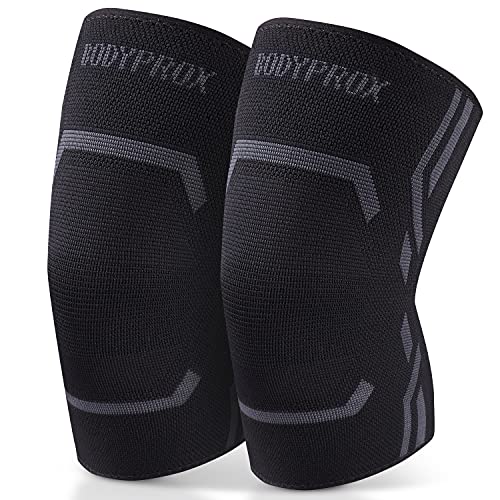
Description: Take action and prevent knee pain before it occurs! Optimize joint and muscle performance while preventing injuries. The Bodyprox Knee Compression Sleeves are a great addition to your gym bag, providing extra support. Decreased pain & swelling: Bodyprox Knee Compression Sleeves help minimize pain and inflammation when fluid builds up in joints. They’re extremely beneficial when working out, as heavy lifting adds a significant amount of weight to your already stressed joints and muscles! |
Description: Tailored for Comfort: Designed with a focus on comfort and effectiveness, this knee sleeve is perfect for women, men, and plus size users, offering reliable support for various activities Targeted Pain Relief: Whether you're dealing with arthritis, meniscus tear, or general knee discomfort, our knee sleeve provides the pain relief and support you need. |
Description: OUTSTANDING PROTECTION: Copper knee braces are ergonomically designed to protect your knees during sports such as running, basketball, soccer, golf, tennis, and skiing. They can also be worn during daily work and walks to minimize pressure on your knees. ANTI-SLIP DESIGN: Special knitting technology with two straps keeps the knee pads in place and prevents them from slipping or rolling up during daily wear and sports. |
|
Our Rating:
4.6
|
Our Rating:
4.2
|
Our Rating:
4.8
|
|
$12.99
|
$18.01
|
$19.99
|
Take action and prevent knee pain before it occurs! Optimize joint and muscle performance while preventing injuries. The Bodyprox Knee Compression Sleeves are a great addition to your gym bag, providing extra support.
Decreased pain & swelling: Bodyprox Knee Compression Sleeves help minimize pain and inflammation when fluid builds up in joints. They’re extremely beneficial when working out, as heavy lifting adds a significant amount of weight to your already stressed joints and muscles!
Tailored for Comfort: Designed with a focus on comfort and effectiveness, this knee sleeve is perfect for women, men, and plus size users, offering reliable support for various activities
Targeted Pain Relief: Whether you're dealing with arthritis, meniscus tear, or general knee discomfort, our knee sleeve provides the pain relief and support you need.
OUTSTANDING PROTECTION: Copper knee braces are ergonomically designed to protect your knees during sports such as running, basketball, soccer, golf, tennis, and skiing. They can also be worn during daily work and walks to minimize pressure on your knees.
ANTI-SLIP DESIGN: Special knitting technology with two straps keeps the knee pads in place and prevents them from slipping or rolling up during daily wear and sports.
Cost Considerations and Value Assessment
Understanding the financial aspects of knee compression braces helps make informed purchasing decisions that balance cost with therapeutic value.
Price Range Overview
| Brace Type | Price Range | Expected Lifespan |
|---|---|---|
| Basic sleeve | $15-$40 | 3-6 months |
| Premium sleeve | $40-$80 | 6-12 months |
| Wraparound | $30-$70 | 6-9 months |
| Hinged compression | $80-$200 | 12-18 months |
Value Factors to Consider
💰 Cost Per Use Calculation
Consider daily usage when evaluating price:
- Daily use: Higher initial cost may provide better value
- Occasional use: Basic options often sufficient
- Activity-specific: Invest in quality for demanding use
🏥 Healthcare Savings
Quality compression braces may reduce:
- Doctor visits for minor flare-ups
- Prescription pain medication needs
- Physical therapy session frequency
- Lost work days due to pain
Insurance and HSA Considerations
Many insurance plans and Health Savings Accounts (HSAs) cover knee braces when:
- Prescribed by healthcare providers
- Used for documented medical conditions
- Purchased from approved medical suppliers
- Accompanied by proper documentation
Alternative and Complementary Approaches
While knee compression braces offer significant benefits, they work best as part of a comprehensive approach to knee health and pain management.
Complementary Therapies
🧘 Physical Therapy
Combining compression with targeted exercises enhances outcomes:
- Strengthens supporting muscles
- Improves flexibility and range of motion
- Addresses underlying biomechanical issues
- Provides professional guidance on brace usage
❄️ Temperature Therapy
Some compression braces incorporate heating or cooling elements:
- Heat therapy for stiffness and chronic pain
- Cold therapy for acute injuries and swelling
- Alternating temperatures for enhanced circulation
💊 Medication Management
Compression braces can complement:
- Over-the-counter anti-inflammatories
- Topical pain relief creams
- Prescription medications
- Natural supplements like glucosamine
Lifestyle Modifications
⚖️ Weight Management
Reducing knee stress through healthy weight maintenance:
- Every pound lost reduces knee stress by 4 pounds
- Compression braces support increased activity levels
- Enhanced mobility aids weight management efforts
👟 Proper Footwear
Supportive shoes complement brace benefits:
- Proper arch support reduces knee stress
- Cushioned soles absorb impact
- Stability features prevent compensatory movements
Conclusion
A knee compression brace can be a game-changing tool in your journey toward better knee health and reduced pain. From providing gentle support during daily activities to enhancing recovery from injuries, these versatile devices offer proven benefits for millions of adults dealing with knee discomfort.
The key to success lies in choosing the right type of brace for your specific needs, ensuring proper fit and usage, and integrating it into a comprehensive approach to knee health. Whether you’re managing arthritis, recovering from an injury, or seeking preventive support during activities, compression braces provide an accessible, non-invasive option for improving your quality of life.
Remember that while compression braces offer significant benefits, they work best when combined with appropriate medical care, physical therapy, and lifestyle modifications. Don’t let knee pain limit your activities – take the first step toward relief by exploring how a quality compression brace might fit into your pain management strategy.
Take Action Today:
- Assess your needs – Identify your primary concerns and activity goals
- Research options – Compare different types and features available
- Consult professionals – Discuss your situation with healthcare providers
- Start gradually – Begin with shorter wearing periods and increase as comfortable
- Monitor progress – Track improvements in pain, mobility, and daily function
For additional guidance on selecting the best option for your situation, explore our comprehensive resources on choosing the right knee brace and discover what brace works best for knee pain in various conditions.
Your journey to better knee health starts with informed decisions and consistent action. A well-chosen knee compression brace could be the support you need to reclaim an active, pain-free lifestyle.