

Swimming is often called the perfect exercise—low impact, full-body workout, and gentle on the joints. But what happens when your knees start protesting during those laps? Knee support swimming has become an essential topic for athletes and recreational swimmers who want to continue enjoying the water while protecting their vulnerable knee joints from further injury or discomfort.
Whether you’re dealing with arthritis, recovering from a knee injury, or simply want to prevent future problems, understanding how to properly support your knees during swimming can make the difference between painful sessions and enjoyable workouts. The right knee support strategy allows you to maintain your swimming routine while giving your joints the protection they need.
Key Takeaways
• Waterproof knee braces designed specifically for swimming provide the best support without compromising your stroke technique
• Proper sizing and fit are crucial for effective knee support that won’t slip or cause circulation issues in the water
• Different swimming strokes place varying amounts of stress on your knees, requiring tailored support strategies
• Pre and post-swim care combined with appropriate knee support maximizes joint protection and recovery
• Gradual progression with knee support allows you to build strength while protecting vulnerable joints
Understanding Knee Injuries in Swimming

Common Swimming-Related Knee Problems
While swimming is gentler on joints than high-impact sports, swimmers still face specific knee challenges. The repetitive nature of swimming strokes, combined with the resistance of water, can create unique stress patterns on the knee joint.
Breaststroke Knee is the most common swimming-related knee injury, affecting up to 86% of competitive breaststroke swimmers. This condition results from the whip-like kicking motion that places significant stress on the medial collateral ligament (MCL) and can cause pain on the inside of the knee.
Patellofemoral Pain Syndrome affects swimmers who spend long hours training with flutter kicks. The constant knee extension and flexion can irritate the cartilage behind the kneecap, leading to pain during and after swimming sessions.
Meniscus Tears can occur from the rotational forces during flip turns or aggressive kicking motions. These injuries often require careful management and may benefit significantly from proper knee support during activity.
Why Swimmers Need Knee Support
The aquatic environment creates unique challenges for knee stability. Water resistance increases the force required for each movement, while the weightless feeling can sometimes mask early warning signs of joint stress. Additionally, pool decks are often slippery, increasing the risk of falls and sudden knee injuries.
Swimmers with existing knee conditions face additional challenges. Arthritis sufferers may find that while swimming reduces joint pain, the repetitive motions can still cause inflammation. Those recovering from knee injuries need to balance the healing benefits of gentle movement with the risk of re-injury.
Types of Knee Support for Swimming
Waterproof Knee Braces
Neoprene Braces are the gold standard for swimming knee support. These braces provide compression, warmth, and stability while maintaining flexibility in water. High-quality neoprene braces feature:
- Chlorine-resistant materials that won’t degrade in pool chemicals
- Quick-drying properties to prevent bacterial growth
- Anatomical design that follows the knee’s natural movement patterns
- Adjustable compression for personalized support levels
Silicone-Based Braces offer an alternative for swimmers with neoprene allergies. These braces provide excellent water resistance and are easy to clean, though they may offer less compression than neoprene options.
Compression Sleeves vs. Hinged Braces
Compression Sleeves work well for mild knee pain and general support. They provide uniform pressure around the joint, promoting blood flow and reducing swelling. For swimmers dealing with minor discomfort or looking for preventive support, compression sleeves can be highly effective.
Hinged Braces offer superior protection for swimmers with ligament injuries or significant instability. These braces feature metal or plastic hinges that control knee movement while allowing normal swimming motions. When choosing a hinged brace for swimming, look for:
- Corrosion-resistant hinges made from marine-grade materials
- Low-profile design that doesn’t interfere with stroke mechanics
- Secure strapping systems that won’t loosen in water
Understanding what injuries require a knee brace can help you determine whether a compression sleeve or hinged brace is more appropriate for your situation.
Choosing the Right Knee Support for Swimming
Size and Fit Considerations
Proper sizing becomes even more critical when selecting knee support for swimming. Water can cause some materials to expand or contract, and the buoyancy effect can alter how a brace feels and functions.
Measuring for Water Sports Braces requires taking measurements both dry and after being in water for 10-15 minutes. Some swimmers find their legs swell slightly during extended pool sessions, affecting brace fit. Understanding how to determine the right knee brace size is essential for optimal performance in water.
Fit Testing in Water should be part of your selection process. A brace that feels perfect on dry land might slip, bind, or restrict movement once you’re swimming. Key fit indicators include:
- No slipping during vigorous kicking motions
- Comfortable compression that doesn’t restrict blood flow
- Full range of motion for all swimming strokes
- No chafing or pressure points after 30 minutes of use
Material Considerations for Pool Use
Chlorine Resistance is non-negotiable for pool swimmers. Standard knee braces can deteriorate quickly in chlorinated water, losing elasticity and support properties. Look for braces specifically labeled as chlorine-resistant or designed for aquatic use.
Salt Water Considerations apply to ocean swimmers. Salt water is less harsh on materials than chlorine but can cause metal components to corrode over time. Rinse braces thoroughly with fresh water after ocean swimming.
UV Protection matters for outdoor swimmers. Some knee brace materials can degrade under prolonged sun exposure, especially when wet. UV-resistant materials maintain their properties longer and provide better long-term value.
|
Very Popular Choice
|
|

|
|
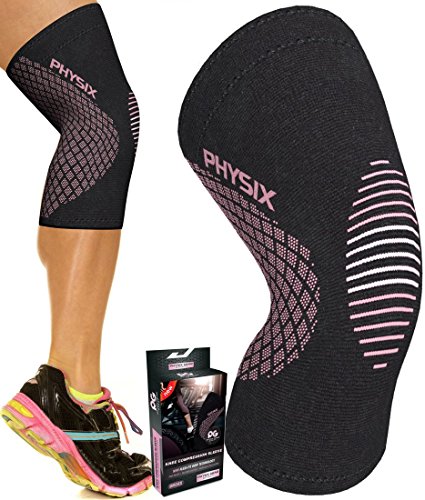
Description: Transform Your Workout Routine: this compression sleeve knee brace provides unmatched support for running, weightlifting, & daily activities. ideal for those who need compression knee sleeves brace. Empower Your Knees: our knee brace for swelling is crafted with high-quality materials to ensure long-lasting durability & comfort; excellent knee sleeves for compression that adapt to your movements, making it perfect for both men & women |
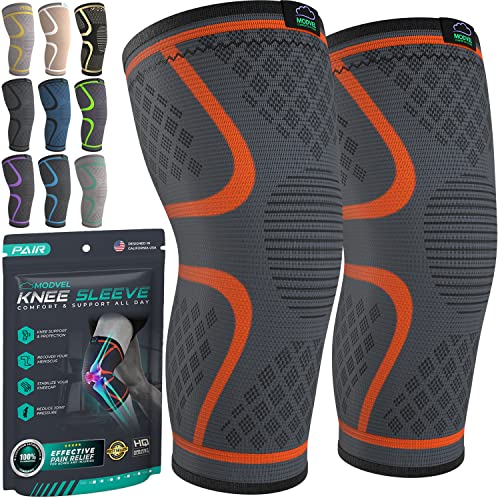
Description: No Pill & Injection Relief: Avert pain, inflammation, and sports injury with our knee braces for knee pain. It offers optimum support. Breathable & Moisture-Wicking: Designed for your active lifestyle, our knee braces for knee pain won't trap sweat! It will keep odors away and stay cool for all-day use |
Description: Knee Brace For Knee Pain Relief & Support: ComfiLife Knee Brace fits left or right knee and helps relieve pain from meniscus tears, sports injuries, tendonitis, arthritis, and more. For Working Out, Running, Weightlifting, and Sports: Whether you're running a half marathon, playing your favorite sport, or just getting through your day, our knee compression brace will help you keep your peak performance! |
|
Our Rating:
4.8
|
Our Rating:
4.4
|
Our Rating:
4.3
|
|
$18.89
|
$25.99
|
$9.95
|
Transform Your Workout Routine: this compression sleeve knee brace provides unmatched support for running, weightlifting, & daily activities. ideal for those who need compression knee sleeves brace.
Empower Your Knees: our knee brace for swelling is crafted with high-quality materials to ensure long-lasting durability & comfort; excellent knee sleeves for compression that adapt to your movements, making it perfect for both men & women
No Pill & Injection Relief: Avert pain, inflammation, and sports injury with our knee braces for knee pain. It offers optimum support.
Breathable & Moisture-Wicking: Designed for your active lifestyle, our knee braces for knee pain won't trap sweat! It will keep odors away and stay cool for all-day use
Knee Brace For Knee Pain Relief & Support: ComfiLife Knee Brace fits left or right knee and helps relieve pain from meniscus tears, sports injuries, tendonitis, arthritis, and more.
For Working Out, Running, Weightlifting, and Sports: Whether you're running a half marathon, playing your favorite sport, or just getting through your day, our knee compression brace will help you keep your peak performance!
Swimming Techniques with Knee Support
Stroke Modifications for Knee Protection
Freestyle Adaptations focus on reducing the stress from flutter kicks. Swimmers with knee pain can:
- Use a pull buoy to reduce reliance on kicking
- Implement a two-beat kick instead of a six-beat kick to reduce knee stress
- Focus on body rotation to generate more power from the core rather than legs
Breaststroke Modifications are crucial since this stroke places the most stress on knees. Recommended adjustments include:
- Narrower kick width to reduce strain on the MCL
- Gradual knee flexion rather than sudden, sharp bending
- Shorter glide phase to maintain momentum without excessive knee stress
Backstroke Considerations involve maintaining proper body position to avoid excessive knee flexion during the kick phase. Keep the kick shallow and focus on ankle flexibility rather than knee bend.
Training Progressions with Knee Support
Gradual Distance Increases help swimmers adapt to using knee support while building strength. Start with 25% of your normal distance and increase by 10% weekly, monitoring how your knees respond to the brace during longer sessions.
Stroke-Specific Training allows you to identify which swimming techniques work best with your knee support. Some swimmers find certain strokes more comfortable with braces, while others may need to avoid specific movements entirely.
Kick Set Modifications become important when using knee support. Traditional kick sets may need adjustment:
- Reduce kick set intensity by 20-30% initially
- Focus on technique rather than speed when wearing knee support
- Incorporate rest intervals to prevent overexertion of supported joints
Pre and Post-Swimming Care
Warm-Up Routines for Supported Knees
Land-Based Preparation should precede every swimming session when using knee support. Effective warm-up exercises include:
- Gentle knee circles to promote synovial fluid production
- Quad and hamstring stretches to ensure balanced muscle activation
- Calf raises to activate the kinetic chain supporting the knee
Pool-Side Preparation involves checking brace fit and doing gentle range-of-motion exercises in shallow water. This allows you to make any necessary adjustments before beginning your workout.
Brace Application Timing matters for optimal performance. Apply your knee support 10-15 minutes before entering the water to allow materials to conform to your body temperature and shape.
Post-Swimming Recovery
Immediate Post-Swim Care focuses on preventing stiffness and monitoring for any adverse reactions to the brace. Remove the knee support promptly after swimming to allow the skin to breathe and prevent moisture-related skin issues.
Cleaning and Maintenance of swimming knee braces extends their lifespan and prevents bacterial growth:
- Rinse immediately with fresh water after each use
- Use mild soap weekly to remove chlorine and organic buildup
- Air dry completely before storage to prevent mold and odors
- Inspect regularly for signs of wear, especially around stress points
Recovery Protocols may include ice therapy, gentle stretching, or elevation, depending on your specific condition. Understanding proper post-activity care helps optimize the benefits of your swimming sessions.
Troubleshooting Common Issues
Brace Slippage in Water
Slippage Solutions address one of the most common complaints about swimming with knee support. Effective strategies include:
- Pre-treating the brace with specialized grip sprays designed for aquatic use
- Using additional securing methods like medical tape around the edges
- Choosing braces with superior strap systems that maintain tension when wet
Alternative Securing Methods can help when traditional strapping isn’t sufficient. Some swimmers find success with:
- Compression shorts worn over the brace for additional security
- Waterproof adhesive strips placed strategically around brace edges
- Custom modifications by sports medicine professionals for severe slippage issues
Understanding why knee braces slip and how to prevent it can significantly improve your swimming experience.
Comfort and Chafing Prevention
Material Selection plays a crucial role in preventing skin irritation during swimming. Look for:
- Seamless construction or flat-seam technology to reduce friction points
- Moisture-wicking linings that keep skin dry even when the outer brace is wet
- Hypoallergenic materials to prevent allergic reactions during extended wear
Skin Protection Strategies help prevent chafing and irritation:
- Apply anti-chafe balm to areas where the brace contacts skin
- Use barrier films designed for athletic activities
- Monitor skin condition regularly and adjust brace tension as needed
Duration Management involves understanding how long to wear knee support during swimming sessions to maximize benefits while minimizing risks.
When to Seek Professional Guidance
Medical Consultation Indicators
Red Flag Symptoms require immediate medical attention and may indicate that swimming with knee support isn’t appropriate:
- Severe pain that worsens with activity despite proper support
- Significant swelling that doesn’t respond to rest and ice
- Mechanical symptoms like locking or catching that interfere with normal movement
- Instability that causes frequent falls or near-falls
Progressive Monitoring helps track whether your knee support swimming strategy is working. Keep a log of:
- Pain levels before, during, and after swimming sessions
- Functional improvements in daily activities
- Swimming performance metrics like distance, time, and stroke efficiency
- Brace comfort and any developing issues
Professional Fitting Services
Sports Medicine Specialists can provide valuable guidance on knee support selection and swimming modifications. They understand the unique demands of aquatic exercise and can recommend specific products and techniques.
Certified Swim Instructors with experience in adaptive swimming can help modify your technique to work optimally with knee support. They can identify stroke inefficiencies that might be placing unnecessary stress on your knees.
Physical Therapists specializing in aquatic therapy can design comprehensive programs that combine appropriate knee support with therapeutic exercises performed in water.
Advanced Considerations for Competitive Swimmers
Competition Regulations
Governing Body Rules vary regarding knee support use during competitive swimming. Most recreational and masters competitions allow therapeutic braces, but elite competitions may have restrictions. Always check current regulations with:
- USA Swimming for domestic competitions
- FINA for international events
- Masters Swimming organizations for age-group competitions
Documentation Requirements may be necessary for some competitions. Obtain medical documentation supporting your need for knee support to avoid disqualification.
Performance Impact Analysis
Stroke Efficiency Studies show that properly fitted knee support has minimal impact on swimming performance for most athletes. In fact, some swimmers report improved performance due to:
- Reduced pain allowing for longer training sessions
- Increased confidence in knee stability during aggressive movements
- Better technique resulting from pain-free movement patterns
Training Adaptations may be necessary when incorporating knee support into competitive training. Work with coaches to:
- Modify training intensity during the adaptation period
- Adjust taper strategies to account for equipment dependencies
- Develop backup plans for equipment failure during competitions
Long-Term Management Strategies
Building Knee Strength for Swimming
Progressive Strengthening programs can reduce dependence on external knee support over time. Effective exercises include:
Water-Based Strengthening:
- Wall sits in chest-deep water for quadriceps strengthening
- Water walking with varying speeds and directions
- Pool noodle exercises for targeted muscle group activation
Land-Based Complementary Training:
- Eccentric strengthening exercises for quadriceps and hamstrings
- Balance training to improve proprioception and joint stability
- Flexibility work to maintain optimal range of motion
Monitoring Progress and Adjusting Support
Regular Assessment Protocols help determine when knee support levels can be reduced or modified. Monthly evaluations should include:
- Pain scale ratings during various activities
- Functional movement screens to assess knee stability
- Swimming performance metrics to ensure continued improvement
Gradual Reduction Strategies allow for safe transition away from knee support when appropriate:
- Reduce brace tension gradually over several weeks
- Alternate supported and unsupported sessions to build confidence
- Maintain emergency support available for challenging workouts
Understanding when and how to adjust knee brace usage ensures optimal long-term outcomes.
Conclusion
Knee support swimming opens the door for countless individuals to continue enjoying the numerous benefits of aquatic exercise while protecting their joint health. The key to success lies in selecting appropriate support equipment, learning proper techniques, and maintaining a comprehensive approach to knee care.
Remember that effective knee support for swimming involves more than just purchasing the right brace. It requires understanding your specific needs, choosing appropriate equipment, modifying techniques as necessary, and maintaining proper care protocols. The investment in quality knee support and professional guidance pays dividends in terms of pain reduction, improved function, and continued participation in swimming activities.
Your next steps should include:
- Consult with a healthcare provider to understand your specific knee support needs
- Research and try different knee support options designed for aquatic use
- Work with qualified swimming instructors to modify techniques as needed
- Develop a comprehensive care routine that includes proper warm-up, swimming modifications, and post-activity care
- Monitor your progress regularly and adjust your approach based on results
Whether you’re dealing with arthritis, recovering from injury, or simply want to prevent future problems, the right knee support strategy can help you maintain an active swimming lifestyle for years to come. Don’t let knee pain keep you out of the water—with proper support and technique modifications, you can continue to enjoy all the benefits that swimming has to offer.