

Knee pain affects over 25% of adults and can turn simple activities like walking upstairs or getting out of bed into daily challenges. Whether caused by arthritis, sports injuries, or everyday wear and tear, finding the right support can mean the difference between living in discomfort and regaining your active lifestyle.
What is the best support for knee pain? The answer isn’t one-size-fits-all. The most effective support depends on your specific condition, pain level, and activity goals. From compression sleeves and hinged braces to physical therapy and lifestyle modifications, multiple options exist to help reduce pain and improve mobility.
This comprehensive guide explores the top support options that actually work, helping you make an informed decision about managing your knee pain effectively in 2026.
Key Takeaways
• Different types of knee pain require different support solutions – arthritis benefits from compression, while ligament injuries need stability
• Knee braces and compression sleeves provide immediate relief for many conditions, with hinged braces offering maximum support
• Physical therapy and strength training create long-term support by building muscle around the knee joint
• Combining multiple approaches (braces, exercise, lifestyle changes) often produces the best results
• Professional evaluation is crucial for persistent or severe knee pain to rule out serious injuries
What Causes Knee Pain?
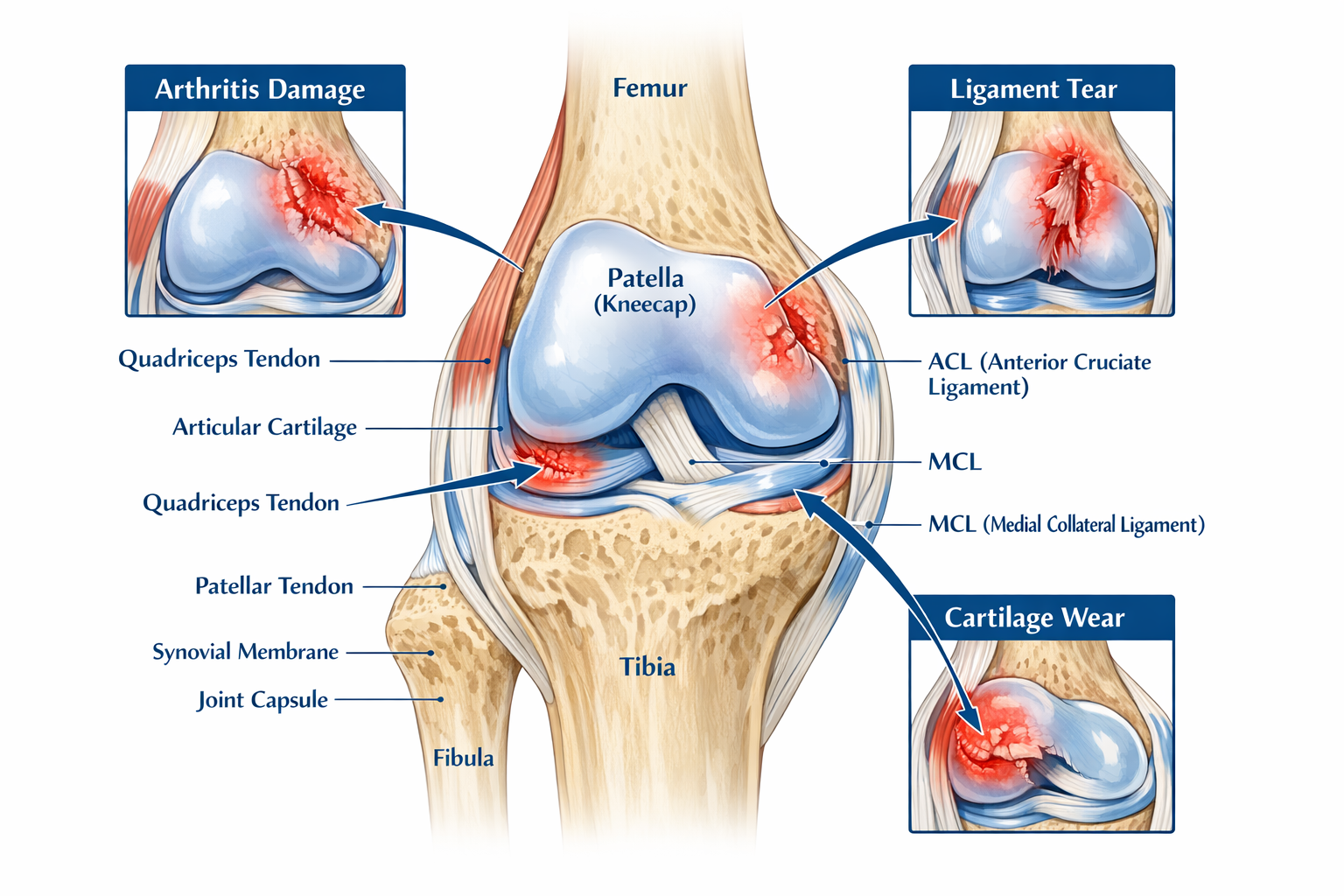
Understanding the root cause of knee pain is essential for choosing the most effective support. The knee joint is complex, involving bones, cartilage, ligaments, tendons, and surrounding muscles that work together to provide stability and movement.
Common causes of knee pain include:
- Osteoarthritis – The most frequent cause, affecting over 32 million adults in the US
- Ligament injuries – Including ACL, MCL, and PCL tears from sports or accidents
- Tendonitis – Inflammation of tendons, often from overuse or repetitive motion
- Cartilage damage – Including meniscus tears that reduce cushioning in the joint
- Patellofemoral pain syndrome – Pain around the kneecap from muscle imbalances
- Aging joints – Natural wear and tear that increases with age
Each condition responds differently to various support methods. For example, arthritis pain often improves with compression and warmth, while ligament instability requires structural support from braces with hinges or straps.
“The key to effective knee pain management is matching the right support to your specific condition. What works for arthritis may not help a torn meniscus.” – Dr. Sarah Johnson, Orthopedic Specialist
What Is the Best Support for Knee Pain? Understanding Your Options
What is the best support for knee pain? The most effective approach often combines multiple strategies tailored to your specific needs. Research shows that comprehensive support plans addressing both immediate pain relief and long-term joint health produce superior results.
The top support categories include:
- Mechanical support – Braces, sleeves, and external devices
- Muscular support – Strengthening exercises and physical therapy
- Biomechanical support – Orthotics and gait correction
- Lifestyle support – Weight management and activity modification
Factors that influence the best support choice:
- Pain severity – Mild discomfort vs. severe, limiting pain
- Activity level – Sedentary lifestyle vs. active sports participation
- Age and overall health – Young athletes vs. seniors with multiple conditions
- Specific diagnosis – Arthritis, injury, or mechanical issues
- Budget and insurance coverage – Available resources for treatment options
The most successful knee pain management typically involves starting with conservative options like compression sleeves or basic braces and progressing to more advanced solutions if needed.
Knee Braces for Support and Stability
Knee braces represent one of the most popular and effective solutions for knee pain, offering immediate support and confidence during movement. Modern braces use advanced materials and designs to provide targeted relief for specific conditions.
Types of knee braces and their benefits:
| Brace Type | Best For | Key Features |
|---|---|---|
| Compression sleeves | Mild arthritis, swelling | Warmth, circulation boost |
| Hinged braces | Ligament injuries, instability | Maximum stability, controlled motion |
| Unloader braces | Severe arthritis, bone-on-bone | Pressure redistribution |
| Patellar stabilizers | Kneecap pain, tracking issues | Targeted kneecap support |
🏥 Hinged Knee Braces provide the highest level of support for serious injuries or instability. These advanced braces with side stabilizers use metal or composite hinges to control knee movement while allowing natural bending and straightening.
💪 Benefits of knee braces include:
- Improved joint stability during activities
- Reduced pain through compression and support
- Increased confidence in movement and exercise
- Protection against further injury
- Enhanced proprioception (joint position awareness)
For those wondering which knee brace is best for knee pain, the answer depends on your specific condition and activity needs. Athletes may prefer lightweight, flexible options, while those with arthritis often benefit from compression-style braces that provide warmth and gentle support.
Compression Sleeves for Mild Knee Pain
Compression sleeves offer an excellent entry-level solution for mild to moderate knee pain. These elastic garments provide gentle, consistent pressure around the knee joint, promoting better circulation and reducing inflammation.
How compression improves knee health:
- Enhanced blood flow reduces swelling and promotes healing
- Proprioceptive feedback improves joint awareness and stability
- Warmth retention helps maintain joint flexibility
- Muscle support reduces fatigue during activities
Compression sleeves work best for:
- Early-stage arthritis with mild pain and stiffness
- Post-workout recovery and soreness
- General knee support during daily activities
- Prevention of minor injuries during exercise
👟 Athletes particularly benefit from compression sleeves because they’re lightweight, breathable, and don’t restrict natural movement. Many runners and cyclists use them preventively to reduce knee stress during training.
The effectiveness of compression sleeves lies in their simplicity and comfort. Unlike bulky braces, they can be worn discreetly under clothing throughout the day. For those questioning whether knee compression sleeves actually work, studies show significant benefits for mild pain and swelling reduction.
Key features to look for:
- Graduated compression (tighter at bottom, looser at top)
- Moisture-wicking materials for comfort
- Proper sizing for optimal compression without restriction
- Reinforced areas around the kneecap for added support
Insoles and Orthotics for Knee Pain
The connection between foot alignment and knee pain is often overlooked, yet improper foot mechanics can significantly contribute to knee problems. Custom or over-the-counter orthotics address this issue by correcting alignment from the ground up.
How foot alignment affects knee health:
- Overpronation (excessive inward rolling) can cause knee valgus stress
- Supination (outward rolling) may lead to IT band tension
- Flat feet often correlate with increased knee pain
- High arches can reduce shock absorption, stressing the knee
Orthotic benefits for knee pain:
- Improved biomechanical alignment throughout the leg
- Reduced stress on knee ligaments and cartilage
- Better shock absorption during walking and running
- Enhanced stability during weight-bearing activities
🦶 Who benefits most from orthotics:
- Runners with knee pain related to gait issues
- People with flat feet or high arches
- Those with leg length discrepancies
- Workers who stand for long periods
Research indicates that properly fitted orthotics can reduce knee pain by 20-40% in people with biomechanical issues. The key is professional assessment to determine if foot mechanics contribute to knee problems.
Types of supportive insoles:
- Custom orthotics – Prescribed and fitted by podiatrists or orthopedists
- Over-the-counter arch supports – Available at pharmacies and sporting goods stores
- Heel cups and pads – Target specific pressure points
- Motion control insoles – Designed for overpronation correction
Physical Therapy and Strength Support
Physical therapy represents the gold standard for long-term knee support, addressing the root causes of pain rather than just symptoms. Strong, flexible muscles around the knee provide natural support that no brace can replicate.
Key muscle groups for knee support:
- Quadriceps – Front thigh muscles that stabilize the kneecap
- Hamstrings – Back thigh muscles that balance quad strength
- Glutes – Hip muscles that control leg alignment
- Calves – Lower leg muscles that affect knee mechanics
🏋️ Effective strengthening exercises include:
- Straight leg raises for quadriceps activation
- Wall sits for functional strength building
- Clamshells for hip stabilizer strengthening
- Calf raises for lower leg support
- Step-ups for functional movement patterns
Benefits of physical therapy support:
- Addresses underlying muscle imbalances
- Improves joint flexibility and range of motion
- Teaches proper movement patterns
- Provides long-term pain relief
- Reduces dependency on external supports
Studies show that structured exercise programs can be as effective as surgery for certain knee conditions, particularly meniscus tears and mild arthritis. The key is consistency and proper progression under professional guidance.
🎯 Flexibility and balance training also play crucial roles in knee health. Tight muscles can pull the knee out of alignment, while poor balance increases fall risk and injury potential.
For those wondering about combining approaches, many people successfully use knee braces during exercise while building strength through physical therapy.
Lifestyle Changes That Support Knee Health
Lifestyle modifications provide foundational support for knee health, often delivering significant pain relief without any equipment or medical intervention. These changes address the daily factors that contribute to knee stress and inflammation.
🏊 Low-impact exercise options:
- Swimming – Excellent cardiovascular exercise with minimal joint stress
- Cycling – Strengthens legs while supporting body weight
- Elliptical training – Provides cardio without impact
- Yoga – Improves flexibility and balance
- Walking – Simple, accessible exercise for most people
Weight management benefits:
Every pound of excess weight places approximately 4 pounds of additional pressure on the knees during walking. For someone 20 pounds overweight, that translates to 80 extra pounds of force with each step.
👟 Proper footwear considerations:
- Supportive athletic shoes for exercise activities
- Low-heeled shoes for daily wear
- Replace worn shoes every 300-500 miles for runners
- Consider rocker-bottom shoes for arthritis relief
Joint-friendly daily habits:
- Take breaks from prolonged sitting or standing
- Use proper lifting techniques (bend knees, not back)
- Apply ice after activities that cause swelling
- Use heat before activities to improve flexibility
- Maintain good posture to reduce knee stress
🥗 Anti-inflammatory nutrition:
- Omega-3 fatty acids from fish and flax seeds
- Antioxidant-rich fruits and vegetables
- Turmeric and ginger for natural anti-inflammatory effects
- Adequate hydration for joint lubrication
These lifestyle changes work synergistically with other support methods. Someone using knee support for aging joints will see better results when combined with appropriate exercise and weight management.
When to See a Doctor for Knee Pain
While many knee pain cases respond well to conservative support measures, certain symptoms require professional medical evaluation. Recognizing these warning signs can prevent minor issues from becoming major problems.
🚨 Seek immediate medical attention for:
- Severe pain following an injury
- Inability to bear weight on the leg
- Obvious deformity or instability
- Signs of infection (fever, redness, warmth)
- Knee that locks or gives way completely
Schedule a doctor’s appointment for:
- Pain persisting longer than a few days
- Swelling that doesn’t respond to rest and ice
- Stiffness that limits daily activities
- Clicking or grinding sounds with pain
- Pain that worsens despite conservative treatment
🏥 Professional evaluation may include:
- Physical examination and medical history
- X-rays to assess bone structure and arthritis
- MRI for soft tissue evaluation (ligaments, cartilage)
- Blood tests to rule out inflammatory conditions
- Referral to orthopedic specialists when needed
Treatment options doctors may recommend:
- Prescription anti-inflammatory medications
- Corticosteroid injections for severe inflammation
- Physical therapy referrals for structured rehabilitation
- Specialized braces for specific conditions
- Surgical consultation for severe cases
Early intervention often leads to better outcomes and can prevent the need for more invasive treatments later. Don’t hesitate to seek professional guidance, especially if home treatments aren’t providing adequate relief.
Questions to ask your doctor:
- What’s causing my knee pain?
- Which support options are best for my condition?
- How long should I expect recovery to take?
- What activities should I avoid or modify?
- When should I follow up if symptoms don’t improve?
Conclusion: Choosing the Best Support for Your Knee Pain
Finding the best support for knee pain requires understanding that no single solution works for everyone. The most effective approach typically combines immediate pain relief strategies with long-term joint health improvements.
Key principles for successful knee pain management:
✅ Start with conservative options – Compression sleeves, basic braces, and lifestyle modifications often provide significant relief
✅ Address the root cause – Whether it’s weak muscles, poor alignment, or underlying arthritis, targeting the source delivers better results
✅ Combine multiple approaches – The best knee support strategies often involve braces for immediate relief plus exercise for long-term strength
✅ Be patient with progress – Joint health improvements take time, but consistency pays off
✅ Don’t ignore persistent pain – Professional evaluation can identify serious issues before they worsen
Your next steps:
- Identify your pain triggers – Note when knee pain is worst and what activities cause problems
- Try conservative measures first – Start with compression sleeves or basic support braces
- Incorporate strengthening exercises – Focus on quadriceps, hamstrings, and hip muscles
- Make lifestyle adjustments – Consider weight management, proper footwear, and low-impact activities
- Seek professional help if pain persists or worsens despite home treatment
Remember that the best support for your knee pain may evolve as your condition improves or changes. What starts as a basic compression sleeve for mild discomfort might progress to strength training and lifestyle modifications for long-term joint health.
Take action today by choosing one supportive strategy that fits your current situation. Whether it’s investing in a quality knee brace, starting a gentle exercise program, or scheduling a medical evaluation, every step toward better knee health is worthwhile. Your future mobility and quality of life depend on the choices you make now.